Source hand-made modern simplicity glass cup for Whisky, Beer, and Daily Use
Find 30 hand-made modern simplicity glass cup options from verified Chinese suppliers. Compare specifications, certifications, and lead times for clear, embossed, and decorated drinking cups suitable for beverages and daily use; compare the available evidence and request quotations based on your requirements.
Updated
Key considerations
Products List


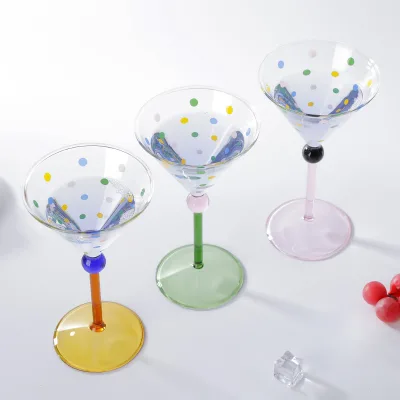
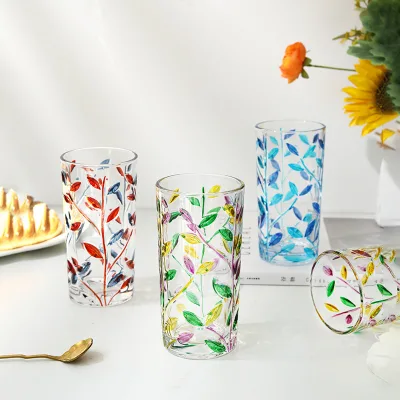
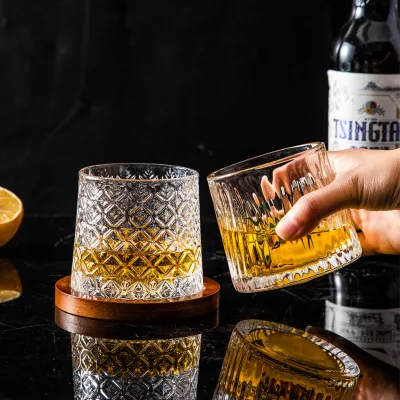
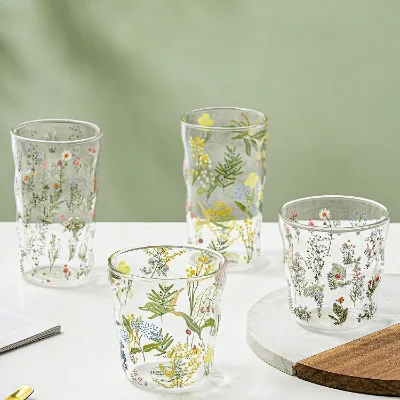
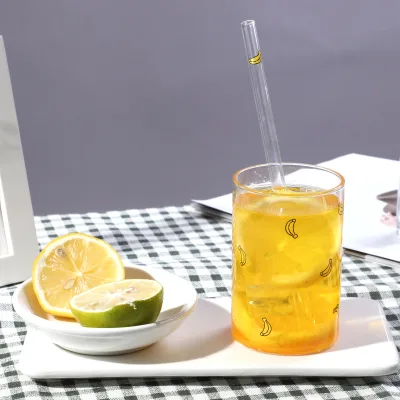
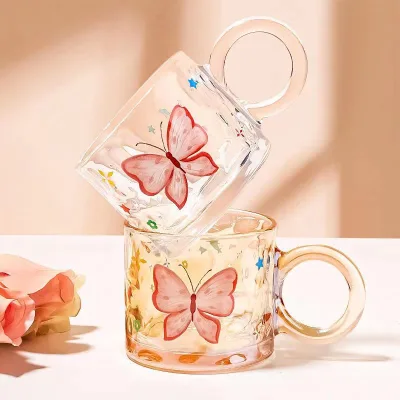


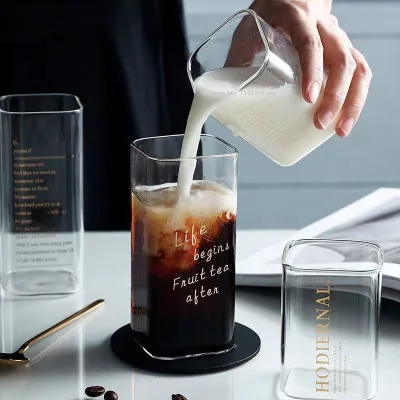
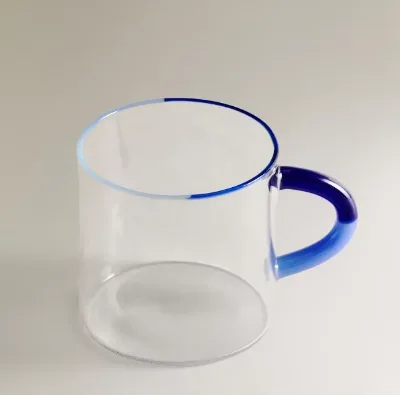
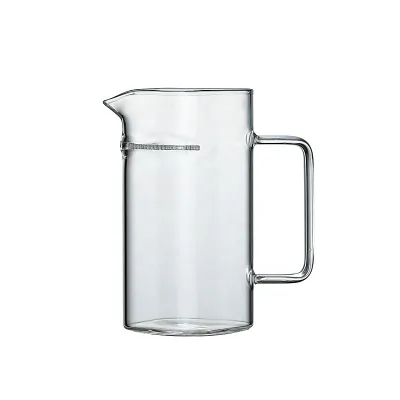
Factory Price Brand New Glass Cup Handmade Glass Cup Multi Size Glass Mug
$0.3013 - $0.4887
MOQ: 300 pieces
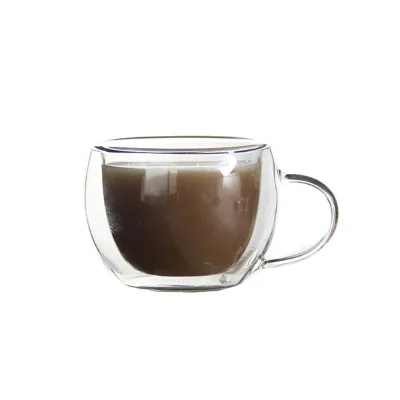
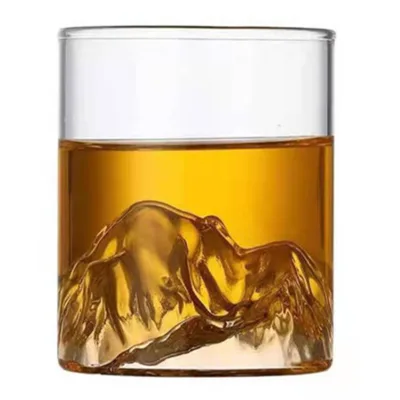

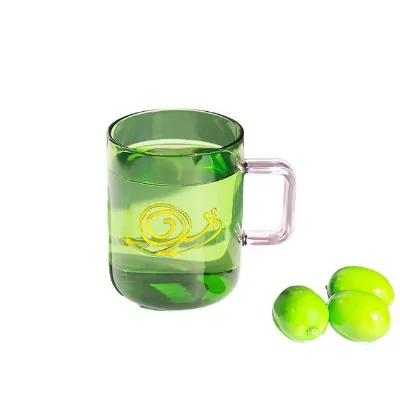
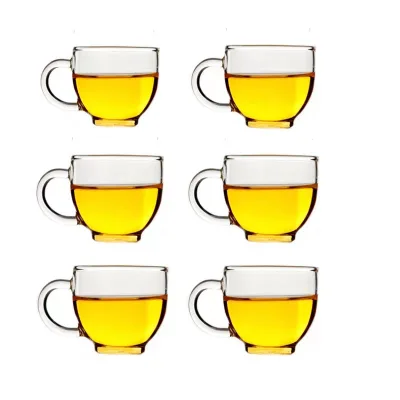
Comprehensive Sourcing Guide
Hand-Made Modern Simplicity Glass Cup Sourcing Guide
Sourcing glassware that balances artisanal aesthetics with industrial reliability requires careful navigation of manufacturing methods and material properties. While the core keyword suggests hand-made techniques, current market observations indicate a mix of production styles, including pressed machine-made and mouth-blown crafts. Buyers must distinguish between decorative, low-volume items and high-volume, functional tableware to align their procurement strategy with actual supplier capabilities. This guide focuses on verifying these distinctions to prevent mismatches between expected craftsmanship and delivered product quality.
The modern simplicity style often relies on clean lines, transparent finishes, and minimalistic forms rather than complex embellishments. However, observed listings show variations such as embossed glass, decal decorations, and cylindrical shapes that may not fit a strict "simple" definition. Procurement teams should define "simplicity" clearly in technical specifications, ensuring that colorless or transparent attributes are explicitly required if that is the brand intent. This clarity prevents receiving products with unintended decorative elements that conflict with the desired aesthetic.
Product Scope and Observed Listing Signals
The observed product range includes single-wall and double-wall options, with volumes ranging from 320ml to 605ml, catering to diverse beverage needs such as whisky, water, beer, and daily use. Materials are predominantly soda-lime glass, with some listings specifying high white material for enhanced clarity and brightness. These variations suggest a broad scope where buyers must select specific models based on their intended application, whether for casual dining, hospitality, or specialized beverage service. Understanding these volume and material differences is crucial for accurate cost estimation and inventory planning.
Listing signals reveal significant diversity in packaging and branding, with options ranging from safety packing and gift box packing to custom customer requirements. Some products are marketed under specific brand names like Garbo Glassware, while others are generic. The presence of accessories like handles or their absence also varies, indicating that buyers should verify the inclusion or exclusion of such features. Additionally, the origin locations, including Guangzhou and Anhui in China, provide insight into the supply chain geography, which may impact logistics costs and lead times for international buyers.
Technical Specifications to Verify
Technical verification must begin with dimensional accuracy, as observed specifications vary significantly between models. For instance, one model lists dimensions of H: 85mm, T: 100mm, B: 63mm, while another specifies H: 90mm, T: 81mm, B: 50mm. Buyers should request detailed technical drawings or physical samples to confirm these measurements, ensuring they fit existing tableware sets or storage systems. The glass type, whether clear, embossed, or colored, also requires visual confirmation, as photographic representations may not accurately reflect the final product's transparency or texture.
Craftsmanship details are another critical verification point, with options including pressed machine-made, mouth-blown, and decal-decorated techniques. Mouth-blown items often offer unique character but may have higher variability, while pressed items provide consistency. Buyers should specify the desired craft in their purchase orders to avoid receiving machine-made products when artisanal quality is expected. Additionally, the shape, such as cylindrical forms, and the presence or absence of handles must be explicitly stated to ensure the product meets functional and aesthetic requirements.
Compliance and Safety Documentation
Compliance with international safety standards is non-negotiable for glassware intended for food and beverage contact. Observed certifications include LFGB, FDA, SGS, ROHS, and REACH, indicating that suppliers can provide documentation for various regulatory markets. Buyers should request valid certificates for each product model, verifying that the testing was conducted by accredited laboratories. This step ensures that the glass material does not leach harmful substances, protecting both the end consumer and the brand's reputation for safety and quality.
Beyond certifications, buyers should verify the specific standards applied to the glass material, such as soda-lime glass composition. While LFGB and FDA are prominent, the exact testing parameters for lead content, cadmium, and other heavy metals should be confirmed. Documentation should also cover the durability and thermal shock resistance of the glass, especially for products used in hot beverage applications. Ensuring that all compliance documents are up-to-date and model-specific prevents legal liabilities and ensures smooth customs clearance in destination countries.
Cost Drivers and Commercial Terms
Cost drivers in glassware procurement include material quality, craftsmanship complexity, and packaging requirements. High white material and mouth-blown techniques typically command higher prices due to increased production time and material purity. Buyers should analyze the price range of 0.3-5 USD per unit against the specified volume and features to determine value. Additionally, the minimum order quantity (MOQ) ranges from 200 to 5000 pieces, impacting the initial investment and inventory holding costs. Understanding these variables helps in negotiating better terms and aligning orders with sales forecasts.
Commercial terms such as lead times and delivery schedules are critical for supply chain planning. Observed lead times vary from 7-45 days, with some specific models citing 30-35 days or 45 days for delivery. Sample times are typically around 7 days, allowing buyers to evaluate quality before committing to large orders. Buyers should clarify whether these lead times include production, quality control, and shipping, and negotiate penalties for delays. Clear communication on these terms ensures timely delivery and minimizes disruptions in the supply chain.
Supplier Qualification and Quality Control
Supplier qualification involves assessing their production capacity, quality management systems, and past performance. Buyers should verify the supplier's ability to handle custom packaging and branding requirements, as observed options include gift box packing and customer-specific designs. Requesting references or case studies from previous clients can provide insights into the supplier's reliability and consistency. Additionally, evaluating their response to sample requests and their willingness to accommodate technical adjustments indicates their flexibility and customer service quality.
Quality control processes should be clearly defined, including in-process inspections and final random inspections. Buyers should specify acceptable defect rates and request inspection reports before shipment. For glassware, checking for chips, cracks, and dimensional deviations is essential. Establishing a clear communication channel for addressing quality issues ensures that problems are resolved promptly. Regular audits or third-party inspections can further enhance quality assurance, providing an additional layer of protection for the buyer's investment.
Long-Term Procurement Checks
Long-term procurement success depends on continuous monitoring of supplier performance and market trends. Buyers should track key performance indicators such as on-time delivery rates, defect rates, and responsiveness to issues. Regular reviews of these metrics help identify potential problems early and foster a collaborative relationship with the supplier. Additionally, staying informed about changes in material costs, regulatory requirements, and consumer preferences allows for proactive adjustments in sourcing strategies.
Sustainability and ethical sourcing are increasingly important considerations for modern procurement. Buyers should inquire about the supplier's environmental practices, such as energy efficiency in production and waste management. Verifying that the supplier adheres to ethical labor practices ensures alignment with corporate social responsibility goals. Building a resilient supply chain involves diversifying suppliers and maintaining open communication, ensuring that the business can adapt to disruptions and continue meeting customer demands effectively.
FAQs
What certifications do the glass cups hold?
The glass cups hold LFGB, FDA, and SGS certifications. Some models also include ROHS and REACH compliance. These certifications ensure the products meet strict safety and quality standards for food contact. Buyers can rely on these documented credentials for regulatory compliance in various international markets.
Can the glass cups be customized for branding?
Yes, customization is available for these glass cups. Buyers can request specific packaging options, such as gift boxes or safety packing. The brand name Garbo Glassware is listed, but custom branding requirements can be accommodated. This flexibility allows businesses to tailor the products to their specific market needs.
What is the typical lead time for orders?
The typical lead time ranges from 7 to 45 days depending on the order specifics. Some production cycles indicate a delivery time of 30 to 35 days, while others may take up to 45 days. Sample preparation usually takes about 7 days. Buyers should confirm exact timelines with suppliers based on volume.
What materials are used to make these cups?
These cups are made from high white soda-lime glass. The material is described as high white material, ensuring clarity and durability. The glass type varies between clear glass and embossed glass styles. This material choice supports both simple and creative designs while maintaining safety for daily beverage use.
What are the standard packaging options for these cups?
Standard packaging includes 48 pieces per carton for bulk orders. Some models offer gift box packing with 2 pieces per box. Safety packing is also available as per customer requirements. The packaging is designed to protect the glass during transit. Buyers can specify their preferred packing method to suit their logistics needs.
Where are these glass cups manufactured?
These glass cups are manufactured in China, specifically in Guangzhou and Anhui provinces. The origin is clearly stated as Guangzhou, China for some models and Anhui, China for others. This geographic information helps buyers assess logistics and sourcing proximity. The production facilities are located in these key manufacturing regions.