Source eco-friendly lfgb wheat straw cups for office, home, and bar
Compare 30 eco-friendly lfgb wheat straw cups from verified Chinese suppliers. These reusable, minimalist cups feature screw-on lids and come in various sizes and colors for office, home, and bar use; compare the available evidence and request quotations based on your requirements.
Updated
Key considerations
Products List


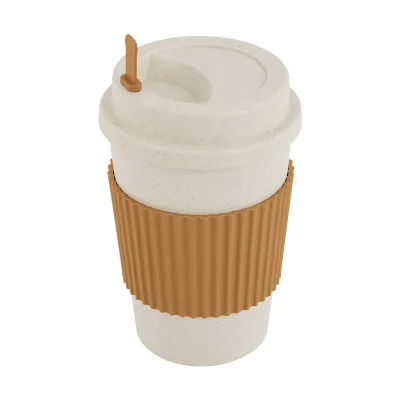


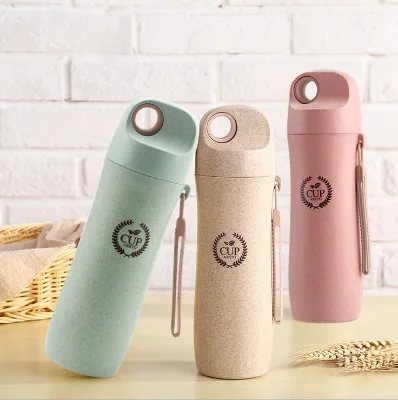
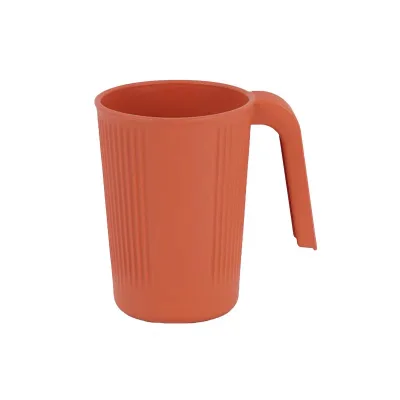
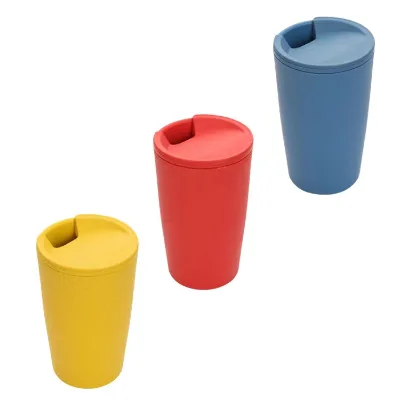
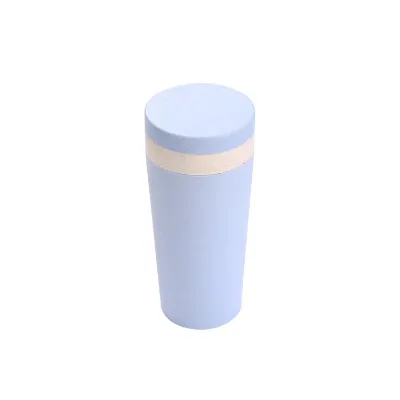
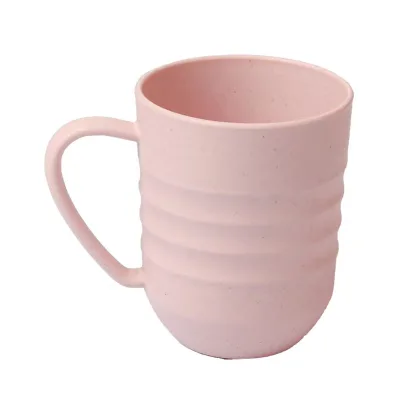
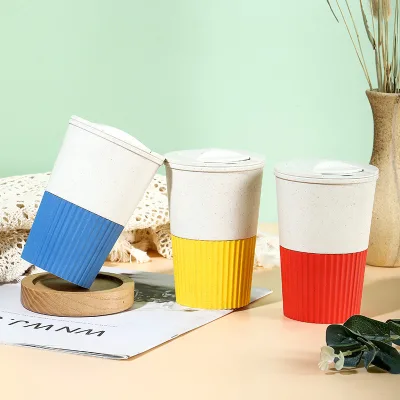
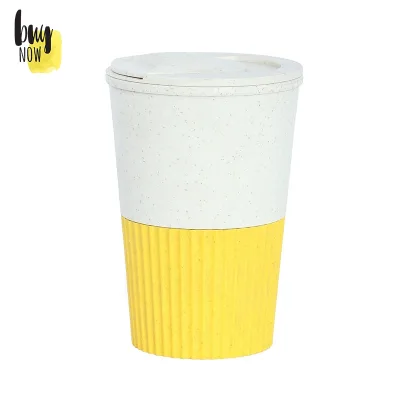

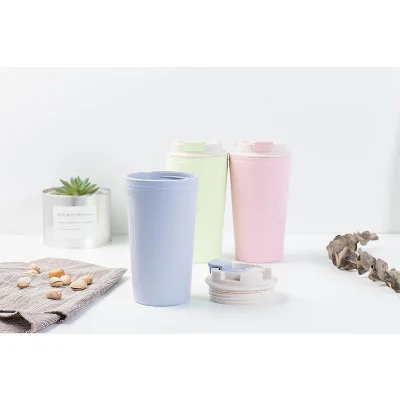
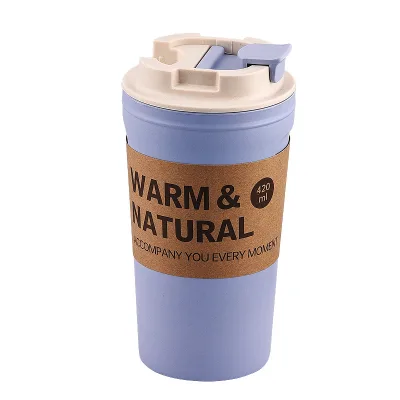
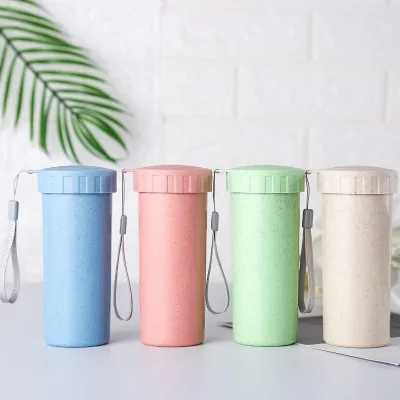
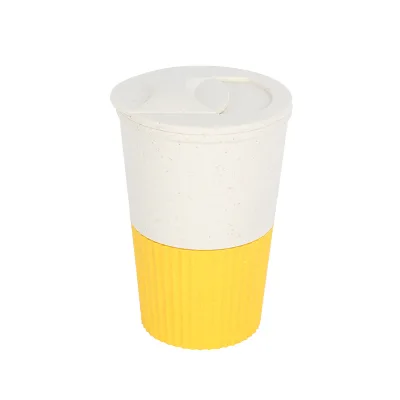
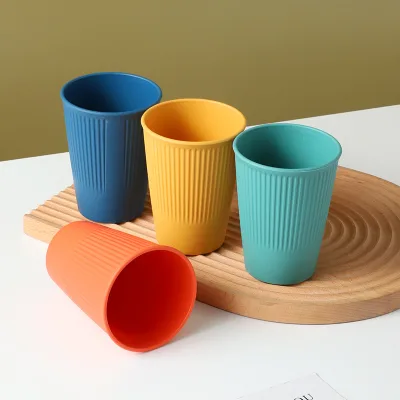
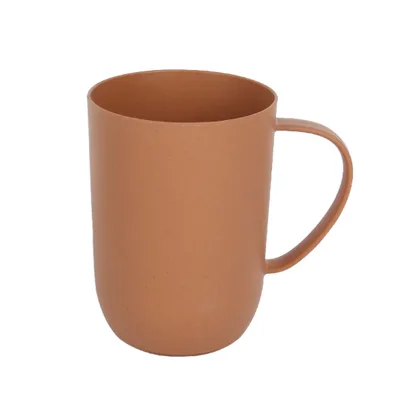
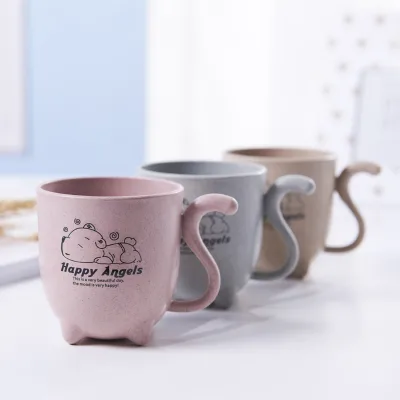
Manufacturer Customized Eco Friendly Reusable Cups 350ml Unbreakable Wheat Straw Plastic Cups
$0.4002 - $0.4602
MOQ: 3000 pieces
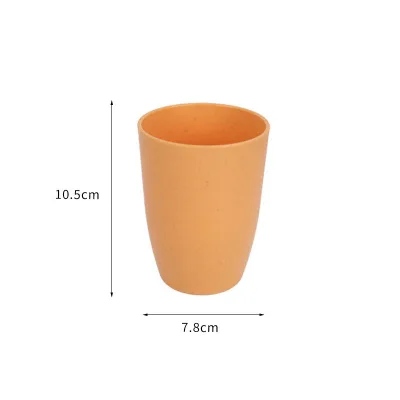
New Style Non-toxic Eco-friendly Biodegradable Wheat Straw Fiber Drinking Cup
$0.778 - $0.8289
MOQ: 2000 pieces
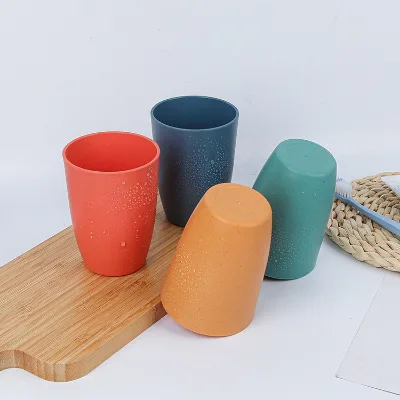
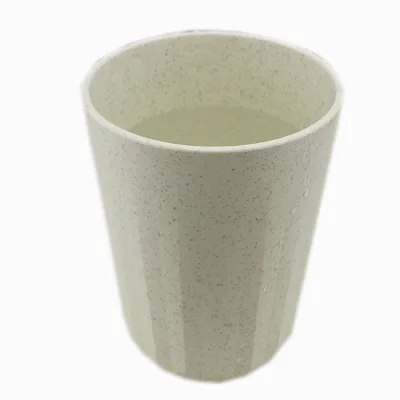
Comprehensive Sourcing Guide
Eco-Friendly Lfgb Wheat Straw Cups Sourcing Guide
Procuring eco-friendly cups made from wheat straw requires a strategic approach that balances sustainability claims with rigorous technical verification. Buyers must understand that while the material offers a renewable alternative to traditional plastics, the final product’s performance depends heavily on manufacturing precision and composite formulation. This guide outlines the essential steps for sourcing these items, ensuring that procurement teams can identify suppliers who meet both environmental standards and functional requirements for commercial use.
The market for wheat straw cups is diverse, ranging from simple office use to more complex bar and restaurant applications. Sourcing decisions should be driven by specific operational needs, such as durability, heat resistance, and aesthetic consistency. By focusing on verified material compositions and clear compliance documentation, buyers can mitigate risks associated with greenwashing and ensure that the purchased goods align with their corporate sustainability goals and regulatory obligations in target markets.
Product Scope and Observed Listing Signals
The current market landscape for wheat straw cups includes a variety of designs, with observed listings featuring minimalist styles and multicolor printed options. Products are often categorized by capacity, with common sizes including 12 oz and 14 oz variants, catering to different beverage types. The observed price range spans from $0.20 to $3.79 USD, reflecting differences in material quality, customization levels, and order volumes. Buyers should note that these prices are indicative and subject to change based on raw material costs and production scale.
Customization is a key feature in this segment, with many suppliers offering tailored solutions for branding and packaging. Observed attributes include the availability of customized logos and specific packing configurations, such as 400 pieces per carton or individual OPP bagging. The presence of lids and handles varies by model, with some products designed for single-use convenience and others built for repeated use. Understanding these variations helps buyers select products that match their specific operational workflows and customer expectations.
Technical Specifications to Verify
Technical verification is critical when sourcing wheat straw cups, as material properties can vary significantly between manufacturers. Buyers should confirm the exact composition of the wheat straw composite, ensuring it meets durability and safety standards for food contact. Key specifications to verify include dimensions, such as the observed standard sizes of 16.5x9.2cm or 14x8cm, and weight, which impacts shipping costs and product feel. Additionally, the type of cap, such as screw-on designs, should be checked for leak-proof performance and ease of use.
Packaging specifications are another vital area for verification, as they affect storage efficiency and product protection. Observed packing details include carton dimensions and gross weights, which are essential for logistics planning. Buyers should also inquire about the single package size and weight to ensure compatibility with their distribution channels. Verifying these technical details early in the sourcing process helps prevent discrepancies between ordered and delivered goods, ensuring a smooth supply chain operation.
Compliance and Safety Documentation
Compliance with international safety standards is non-negotiable for food-contact products like wheat straw cups. Buyers must request and verify certifications such as LFGB and QS, which indicate adherence to strict hygiene and material safety regulations. These certifications provide assurance that the cups are free from harmful substances and suitable for consumer use. It is essential to obtain valid certificates from recognized testing bodies and to check their expiration dates to ensure ongoing compliance.
In addition to certifications, buyers should request detailed material safety data sheets and migration test results. These documents provide evidence that the cups do not leach harmful chemicals into beverages, especially under varying temperature conditions. Verifying compliance with local regulations in target markets is also crucial, as requirements can differ significantly between regions. Maintaining a robust documentation trail helps protect the buyer from legal liabilities and enhances brand trust among environmentally conscious consumers.
Cost Drivers and Commercial Terms
Several factors influence the cost of wheat straw cups, including raw material availability, production complexity, and order volume. The observed minimum order quantity (MOQ) ranges from 2 to 5000 pieces, with higher volumes typically yielding better unit prices. Buyers should negotiate terms that align with their inventory management strategies, considering storage costs and cash flow implications. Understanding the cost structure helps in making informed decisions about order sizes and supplier selection.
Commercial terms also include lead times, payment conditions, and shipping arrangements. Buyers should clarify these details upfront to avoid delays and unexpected expenses. Customization options, such as logo printing and special packaging, may incur additional costs, which should be factored into the total procurement budget. By carefully evaluating these commercial terms, buyers can optimize their spending and ensure a cost-effective sourcing strategy that supports their business objectives.
Supplier Qualification and Quality Control
Supplier qualification is a critical step in ensuring the reliability and consistency of wheat straw cup supplies. Buyers should conduct thorough due diligence, including site visits and audits, to assess the supplier’s manufacturing capabilities and quality control processes. Verifying the supplier’s experience in producing wheat straw products and their ability to meet specific technical requirements is essential. A qualified supplier should have a proven track record of delivering high-quality products on time.
Quality control measures should be established to monitor production consistency and product performance. Buyers should define clear acceptance criteria for defects, dimensions, and material properties, and implement regular inspection protocols. Collaborating with the supplier to develop a quality assurance plan helps in identifying and addressing potential issues early in the production cycle. This proactive approach minimizes the risk of receiving substandard goods and ensures that the final products meet the buyer’s expectations.
Long-Term Procurement Checks
Long-term procurement success depends on continuous monitoring and evaluation of supplier performance and product quality. Buyers should establish key performance indicators (KPIs) to track metrics such as delivery times, defect rates, and customer feedback. Regular reviews of these metrics help in identifying areas for improvement and maintaining a high standard of supply chain efficiency. Building a strong relationship with suppliers fosters collaboration and innovation, leading to better product offerings over time.
Sustainability is a core value in the wheat straw cup market, and buyers should regularly assess the environmental impact of their sourcing decisions. This includes evaluating the supplier’s commitment to sustainable practices and the recyclability of the final product. By staying informed about industry trends and regulatory changes, buyers can adapt their sourcing strategies to meet evolving market demands. Continuous improvement and strategic planning ensure that the procurement process remains aligned with the buyer’s long-term sustainability and business goals.
FAQs
What certifications do these eco-friendly lfgb wheat straw cups have?
These cups hold QS and LFGB certifications, ensuring they meet strict safety and quality standards for food contact. The material is wheat straw, which is sustainable and reusable. They are designed for adult use in offices, homes, bars, and restaurants, providing a reliable and eco-conscious option for daily beverage consumption.
Can I customize the logo on these wheat straw cups?
Yes, customized logos are acceptable for these eco-friendly lfgb wheat straw cups. The product offers available customization options, allowing buyers to add their branding. This feature supports marketing efforts for businesses looking to provide branded merchandise for offices, restaurants, or promotional events while maintaining a minimalist and portable design.
What are the capacity and size specifications for these cups?
The cups come in various capacities, including 12 oz and 14 oz options. Specific models like PC80069 measure 16.5*7*6cm, while others like PC80047 are 16*8*6cm. The standard size for some models is 5.12'' x 3.35''. These dimensions ensure they are portable and suitable for office or home use, fitting comfortably in hands.
How are these eco-friendly lfgb wheat straw cups packaged?
Packaging varies by model, with options like 400PCS/CTN weighing 59.52 Lbs or 1PCS/OPP with 120PCS/Carton. Some items use CTN packing according to customer requirements. This flexible packaging supports bulk sourcing for manufacturers and vendors, ensuring safe transport and storage while accommodating different order sizes and logistical needs for global distribution.
What is the minimum order quantity for these wheat straw cups?
The minimum order quantity is 100pcs for some models, while other listings show ranges from 2 to 5000 units. This flexibility allows buyers to start with smaller test orders or scale up for large commercial needs. The cups are non-disposable and reusable, making them a sustainable choice for long-term procurement strategies.
Are these cups suitable for use in restaurants and bars?
Yes, these cups are explicitly designed for occasions including office, home use, bar, and restaurant settings. Their minimalist style and printed or colored fancy options make them visually appealing. The durable wheat straw material ensures they are reusable and portable, meeting the practical demands of hospitality venues while offering an eco-friendly alternative to plastic.