Source Customized Logo Novelty Ceramic Mug for Promotion, Gift, Daily Use
Find 30 Customized Logo Novelty Ceramic Mug options with varying capacities, colors, and customization features. Buyers can compare specifications like heat preservation, eco-friendly materials, and packaging details from verified suppliers; compare the available evidence and request quotations based on your requirements.
Updated
Key considerations
Products List


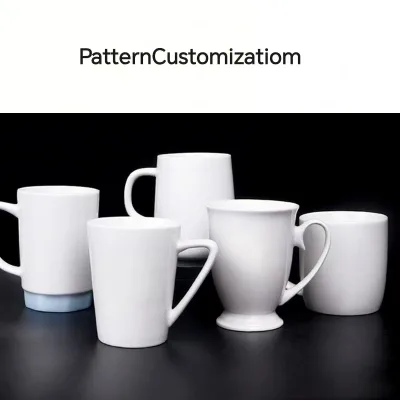
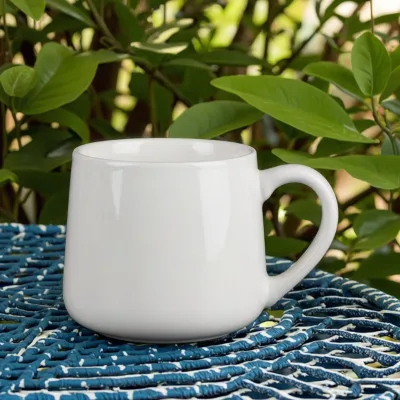
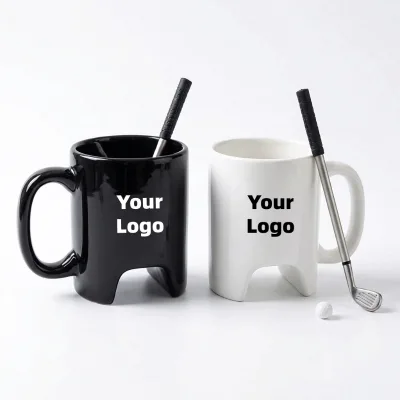


Custom Halloween Creative Ceramic Coffee Mug
$2.00 - $4.00
MOQ: 1000 Pieces
Chaozhou City Cha'an District Fengtang Town Sai Si Ceramics Factory

Cartoon Logo Ceramic Mug with Spoon and Lid
$2.00 - $4.00
MOQ: 1000 Pieces
Chaozhou City Cha'an District Fengtang Town Sai Si Ceramics Factory


Novelty Design Craft Porcelain Mug Custom Logo Ceramic Coffee Mug for Gift
$0.50 - $1.50
MOQ: 5000 Pieces


Novelty Custom Handle Porcelain Mug Purple OEM Printing Ceramic Tea Mug
$0.80 - $1.50
MOQ: 5000 Pieces

Novelty Design Craft Gift Porcelain Chalk Mug Custom Ceramic Tea Water Mug
$0.50 - $1.50
MOQ: 5000 Pieces
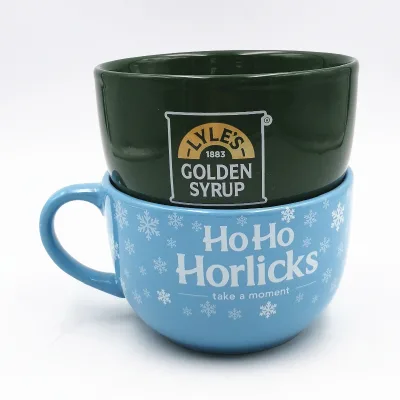
Comprehensive Sourcing Guide
Customized Logo Novelty Ceramic Mug Sourcing Guide
Procuring customized logo novelty ceramic mugs requires a strategic approach that balances aesthetic appeal with functional durability. Buyers must navigate a market where visual customization is paramount, yet material integrity remains the foundation of product quality. The following guide outlines the essential verification steps for sourcing these items, ensuring that the final product meets both branding objectives and practical usage standards.
This guide focuses on evidence-based procurement practices, drawing from observed listing signals and technical specifications. It provides a framework for evaluating suppliers, verifying compliance, and managing commercial terms. By adhering to these structured checks, buyers can mitigate risks associated with low-quality ceramics, inconsistent printing, and unreliable supply chains, ultimately securing a product that delivers value and brand recognition.
Product Scope and Observed Listing Signals
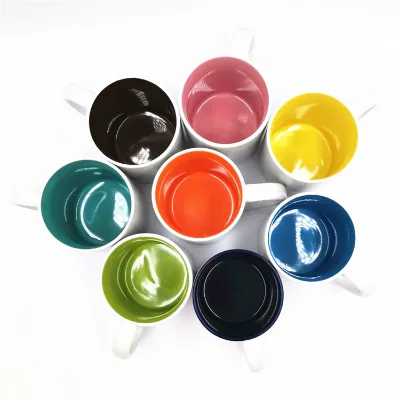
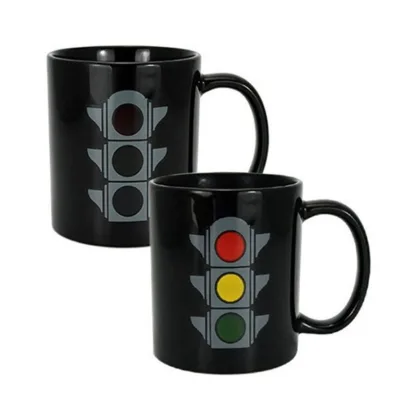
The observed product range includes single-layer ceramic cups with handles, available in bicolor and multicolor finishes. These items are marketed for diverse applications such as daily use, health care, promotions, gifts, weddings, and birthdays. The style varies from simple to creative, with features like eco-friendly materials and color-changing properties. Some listings highlight heat preservation capabilities, while others emphasize withstand high temperatures, indicating a broad spectrum of functional claims within the novelty segment.
Listing signals reveal significant variation in customization options. OEM services are widely accepted, with customized logos and printed colors like white, black, or custom shades being standard offerings. Models such as CRX004-Y, David, and Touch001 suggest distinct design lines. Capacities range from 12 oz to 16 oz, with dimensions like 8.29.6 cm and T8B7*H8.2cm noted. Buyers should verify these specific attributes against their requirements, as the "novelty" aspect often hinges on unique structural or aesthetic details rather than uniform specifications.
Technical Specifications to Verify
Technical verification must begin with material composition and structural integrity. Buyers should confirm whether the ceramic is single-layer or double-walled, as this impacts heat preservation and weight. The presence of a handle is standard, but its attachment strength and ergonomic design require inspection. Glaze and hand-painted techniques are observed, necessitating checks for chip resistance and surface smoothness. The "color changing" feature, if selected, must be validated for durability under repeated hot and cold liquid exposure to ensure the novelty effect does not degrade quickly.
Dimensional accuracy and packaging details are critical for logistics and presentation. Observed standards include sizes like 8.2*9.6 cm and capacities of 12 oz or 16 oz. Packaging varies from inner boxes and carton boxes to OPP bags and polybags. Buyers must verify that the packaging protects the ceramic from breakage during transit, especially for fragile novelty designs. Additionally, the origin, often listed as China or Shanghai, should be cross-referenced with shipping costs and lead times. Consistency in model numbers like CRX004-Y or David helps in tracking production batches and ensuring uniformity across large orders.
Compliance and Safety Documentation
Safety compliance is non-negotiable for ceramic products intended for food and beverage use. Buyers must request documentation confirming that the glaze and ceramic body are free from lead and cadmium, particularly for items with vibrant colors or hand-painted designs. The "eco-friendly" claim observed in some listings should be backed by verifiable certifications or material safety data sheets. Without such proof, the environmental benefit remains an unverified marketing statement, potentially exposing buyers to regulatory risks in strict markets.
Food contact safety standards vary by region, requiring buyers to specify the target market for appropriate certification. While specific test results are not provided in the observed data, buyers should insist on third-party lab reports for migration tests. The "health care" usage claim implies a higher standard of purity, necessitating rigorous verification. Additionally, if the mugs are marketed for high-temperature use, thermal shock resistance testing should be requested to ensure the ceramic does not crack under sudden temperature changes, protecting both the brand reputation and consumer safety.
Cost Drivers and Commercial Terms
Cost drivers for customized ceramic mugs include the complexity of the design, the volume of customization, and the chosen packaging. Simple styles with standard sizes like T8B7H8.2cm may offer lower unit costs, while creative or hand-painted designs increase labor and material expenses. The inclusion of features like color-changing glaze or heat preservation technology adds to the production cost. Buyers should also consider the impact of logo customization, where complex multi-color prints or embossed logos may incur additional setup fees and higher per-unit prices.
Commercial terms such as MOQ and sample costs significantly influence the procurement strategy. Observed MOQs range from 500 to 5000 pieces, with sample costs around USD 50 and lead times of 7-10 days. Stock availability is generally low, with most items requiring OEM production. Buyers must factor in these lead times for planning, especially for promotional events or seasonal gifts. Payment terms and shipping costs from origins like China or Shanghai should be negotiated clearly, as freight expenses can substantially affect the total landed cost, particularly for heavy ceramic items.
Supplier Qualification and Quality Control
Supplier qualification requires a thorough assessment of manufacturing capabilities and quality control processes. Buyers should verify the supplier’s experience with ceramic production, particularly for novelty items that may involve complex glazing or painting techniques. The acceptance of OEM and customized logos indicates flexibility, but buyers must ensure the supplier has robust QC measures to maintain consistency across batches. Requesting references or case studies from previous clients can provide insight into the supplier’s reliability and ability to meet specific branding requirements.
Quality control checks should include visual inspections for defects such as cracks, chips, or uneven glazing. For customized logos, proofing and pre-production samples are essential to verify print accuracy and color matching. The observed packing methods, such as carton or pallet, should be evaluated for their protective qualities. Buyers should also assess the supplier’s responsiveness to issues and their willingness to provide detailed production updates. Establishing a clear communication channel and defining acceptance criteria before production begins can prevent disputes and ensure the final product meets the buyer’s expectations.
Long-Term Procurement Checks
Long-term procurement success depends on establishing a reliable supply chain and maintaining consistent quality over time. Buyers should conduct periodic audits or request regular sample checks to monitor for any degradation in material quality or printing accuracy. The dynamic nature of novelty items means that trends may shift, requiring suppliers to adapt quickly. Maintaining a relationship with a supplier who can offer new designs and technologies, such as advanced heat preservation or eco-friendly materials, can keep the product line competitive and relevant in the market.
Continuous evaluation of supplier performance metrics, such as on-time delivery, defect rates, and responsiveness, is crucial for long-term partnerships. Buyers should also stay informed about changes in regulations and standards that may affect ceramic products, ensuring ongoing compliance. By documenting lessons learned and maintaining open communication, buyers can foster a collaborative environment that encourages innovation and improvement. This proactive approach helps mitigate risks and ensures that the customized logo ceramic mugs continue to deliver value and brand impact over time.
FAQs
What customization options are available for the Customized Logo Novelty Ceramic Mug?
Yes, customization is available and OEM orders are accepted, including customized logos and printed colors such as white, black, or a buyer-specified color. Options vary by model, with bicolor and multicolor finishes, glaze or hand-painted techniques, and eco-friendly color-changing features. Confirm artwork requirements, placement, and sample details before production.
How long does it take to receive a Customized Logo Novelty Ceramic Mug sample?
The listed sample time is 7 to 10 days with a sample cost of USD 50. This applies before mass production begins, so factor sampling into your overall schedule. Exact timing may vary depending on logo complexity, chosen finish, and whether stock ceramics are available for the requested model.
Can I order the Customized Logo Novelty Ceramic Mug in small quantities?
The listed MOQ is 500 pieces for the CRX004-Y model, though MOQ values across related mug listings range from 1 to 5000 pieces. Small orders may be possible but typically carry higher unit costs. Discuss your quantity with the supplier to confirm the applicable minimum and pricing tier before placing an order.
What is the capacity and size of the Customized Logo Novelty Ceramic Mug?
Capacities vary by model, with listed options of 12 oz and 16 oz. One specified size is 8.2 by 9.6 centimeters, and another model follows a T8*B7*H8.2cm standard. All are single-layer ceramic cups with a handle, suitable for coffee, tea, beer, or water in daily use.
How is the Customized Logo Novelty Ceramic Mug packed for shipping?
Packing options vary by listing and include inner box plus carton box, 1 piece per white box plus carton, OPP bag with carton, carton or pallet, and 1 piece per polybag. Confirm your preferred packing method with the supplier, since export packaging affects unit cost, carton dimensions, and protection during transport.
What functions does the Customized Logo Novelty Ceramic Mug provide for buyers?
The mugs withstand high temperatures, and some models offer heat preservation and color-changing effects. They suit coffee, tea, beer, and water, and are positioned for promotion, daily use, health care, gifts, weddings, and birthdays. The simple or creative styles and eco-friendly materials make them practical advertising gift items for brand campaigns.
Where are the Customized Logo Novelty Ceramic Mug products made?
Products are made in China, with one listing indicating Shanghai as the origin. All listings are single-source supplier pages, so actual production locations and factory capabilities should be verified during sourcing. Ask about production capacity, lead time, and quality control processes for your specific model and order volume before committing.
Which logo printing and finish choices suit a promotional ceramic mug order?
Customized logos are acceptable on all listed models, with printed color options of white, black, or a buyer-specified color. Finishes include glaze and hand-painted techniques, and bicolor or multicolor bodies. For promotional use, match the finish to your budget and design complexity, and request a sample to check logo reproduction quality.