Modern Simplicity Ceramic Coffee Mug Suppliers and Manufacturers
Find 30 suppliers offering modern simplicity ceramic coffee mugs with varying lead times, response speeds, and certifications. Compare dimensions, materials, and MOQs to select a factory in Fujian or Shandong that fits your production needs; review the available evidence before requesting comparable quotations from suitable candidates.
Updated
Suppliers List

Longyan Zhanling Industry and Trade Co., Ltd.
- Manufacturer/Factory
- China Fujian
- Lead time150 days
- Avg. response≤ 2h
Main productsStainless Steel Cup, Customized Cup, Stainless Steel Cup & Mug, Double Wall Stainless Steel Cup, Customized Stainless Steel Cup, Water Bottle, Tumbler, Stainless Steel Water Bottle, Stainless Steel Bottle, Whiskey Glass
Main marketsSouth America,Eastern Europe,Mid East,North America,Southeast Asia,Eastern Asia,Oceania,Western Europe,Africa

Zibo Timestone International Co., Ltd.
- Manufacturer/Factory
- China Shandong
- Lead time45 days
- Avg. response≤ 11h
Main productsCeramic Dinnerware, Ceramic Mugs, Stainless Steel Bottles Mugs and Tumblers, Glass Bottles Mugs and Tumblers, Dinnerware, Tableware, Glassware, Kitchenware, Household Items, Ceramic Granding Balls and Filters
Main marketsSouth America,Eastern Europe,Mid East,North America,Southeast Asia,Eastern Asia,Oceania,Western Europe,Africa

Chaozhou City Cha'an District Fengtang Town Sai Si Ceramics Factory
- Verified by CTI
- Combined
- China Guangdong
- Lead time30 days
- Avg. response≤ 7h
Main productsMugs, Ceramic Tissue Boxes, Ceramic Pet Bowls, Ceramic Vases
Main marketsDomestic


$4.00 - $8.00
MOQ: 1000 Pieces


Jinjiang Jiaxing Import and Export Co., Ltd.
- Verified by CTI
- Manufacturer/Factory
- China Fujian
- Lead time120 days
- Avg. response≤ 2h
Main productsShoes, Slipper, Clothes, Promotion Gifts, Silicone Products, Outdoor Sports Products, Bags, Fashion Accessories, Consumer Electronics
Main marketsSouth America,Eastern Europe,Mid East,North America,Southeast Asia,Eastern Asia,Oceania,Western Europe,Africa
Suzhou Boce Culture Promotion Gifts Co., Ltd.
- Verified by SGS Group
- Trading Company
- Lead time7 days
- Avg. response≤ 3h
Main productsPromotion Gifts, Sport Event Gifts, Election Gifts, Business Gifts, Holiday Gifts
Main marketsNorth America(60%), Eastern Europe(5%), Southeast Asia(5%)
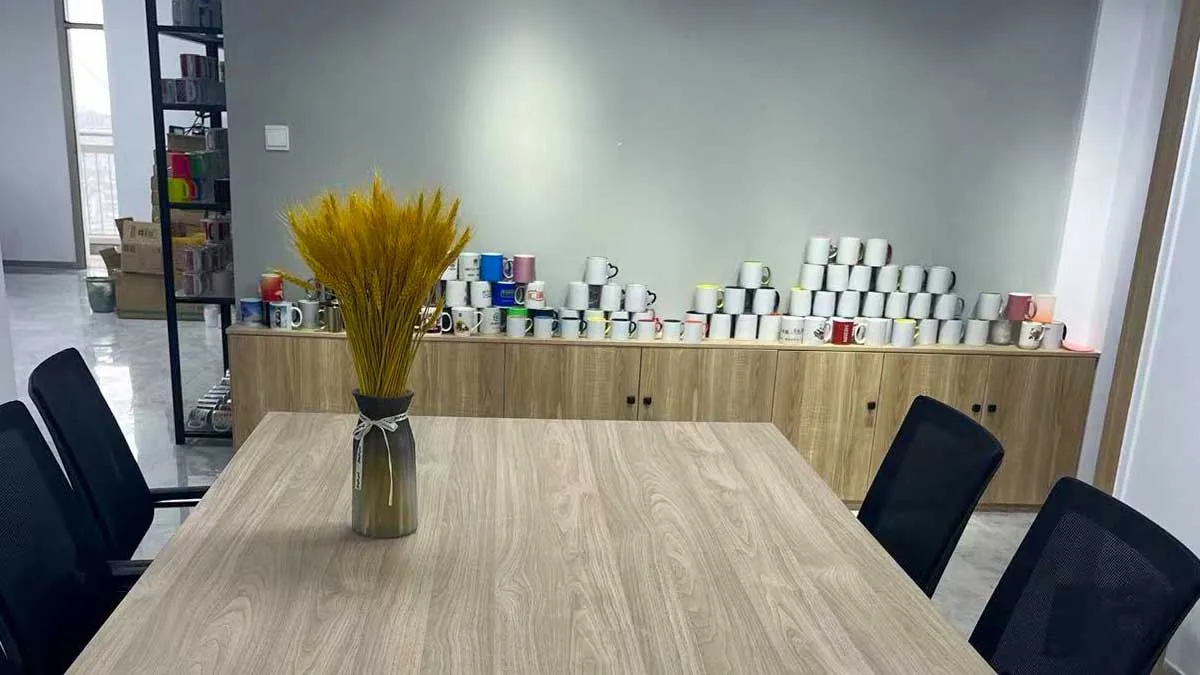
- Manufacturer, Trading Company
- Shandong, China
- Lead time30 days
- Avg. response≤ 3h
Main productsMug,Sublimaion mug,Coffee mug,Ceramic mug,Decal mug
Main marketsWestern Europe(30.00%), North America(30.00%), Southern Europe(10.00%), Northern Europe(10.00%), Eastern Europe(10.00%), Oceania(10.00%)
- Verified by TüVRheinland
- Manufacturer, Trading Company
- Lead time25 days
- Avg. response≤ 3h
Main productsDrinkware, Ceramicware, Barware, Kitchenware, Glass Bottles
Main marketsNorth America(20%), South America(20%), Southeast Asia(20%)
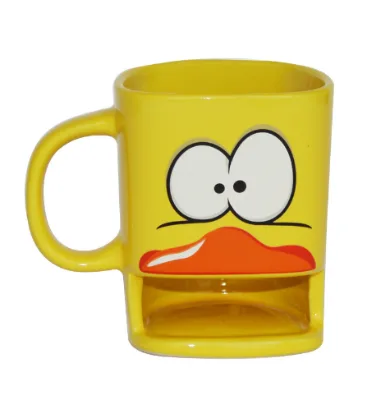
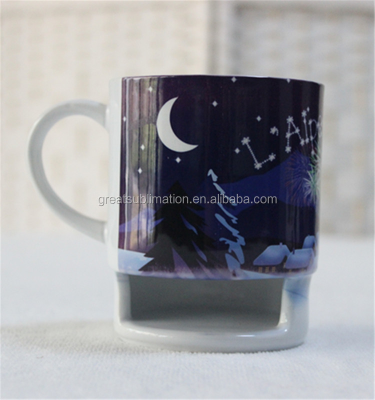
Ceramic cookies mug with biscuit holder cookie sublimation coffee mug
$0.728 - $1.143
MOQ: 3000 pieces
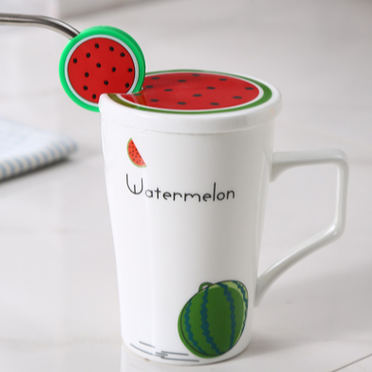
350ml Fruit pattern ceramic coffee mug with cover for coffee mug with straw
$0.90 - $1.20
MOQ: 5000 pieces
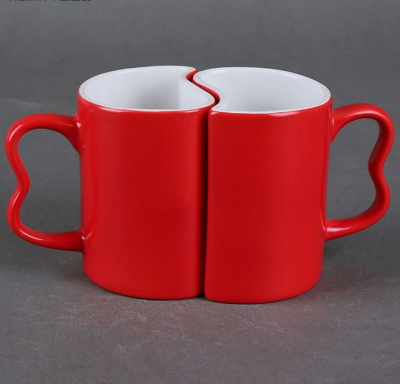
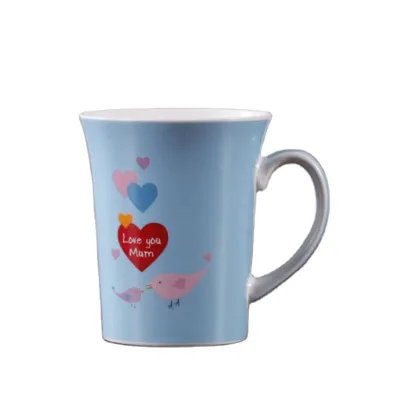
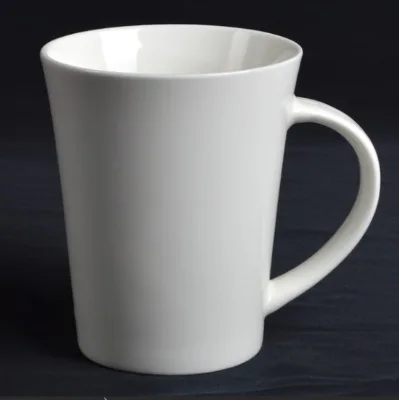
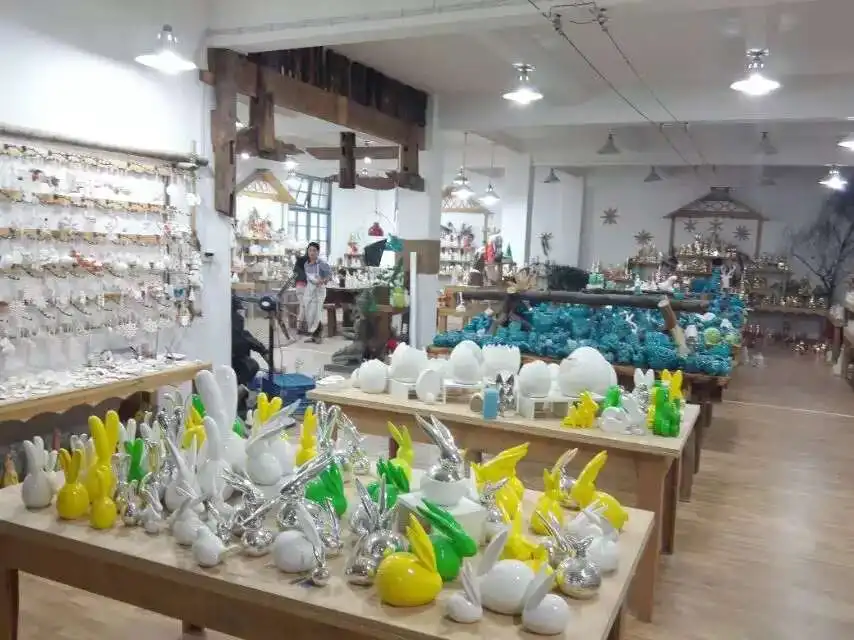
Dehua Beauty Rich Arts & Crafts Co., Ltd.
- Manufacturer, Trading Company
- Fujian, China
- Lead time30 days
- Avg. response≤ 7h
Main productsPolyresin crafts,Ceramic crafts,PVC crafts,Home decoration,Garden decoration
Main marketsEastern Europe(15.00%), North America(15.00%), South America(12.00%), Mid East(5.00%), Oceania(5.00%), South Asia(3.00%), Southern Europe(3.00%), Northern Europe(3.00%), Central America(3.00%), Western Europe(3.00%), Eastern Asia(3.00%), Domestic Market(3.00%), Southeast Asia(3.00%), Africa(2.00%)
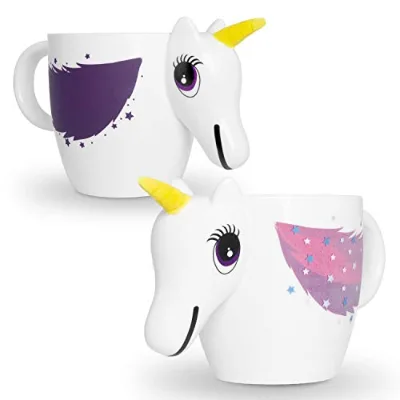
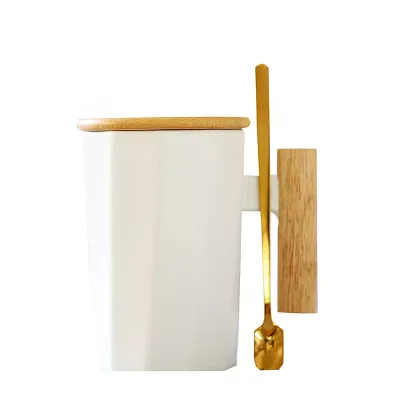
$2.99 - $3.99
MOQ: 500 pieces
Liling Gaodeng Ceramic Industry Co., Ltd.
- Trading Company
- Hunan, China
- Lead time30 days
- Avg. response≤ 2h
Main productsCeramic Mug, Ceramic Bowl, Ceramic Plate, Ceramic Dinner Set
Main marketsNorth America(25.00%), Western Europe(20.00%), Domestic Market(18.00%), Oceania(10.00%), South America(9.00%), Northern Europe(8.00%), Eastern Europe(6.00%), Southern Europe(2.00%), Mid East(2.00%)
Ningbo Partner Leisure Products Co., Ltd.
- Trading Company
- Zhejiang, China
- Lead time0 days
- Avg. response≤ 8h
Main productspet supplies,cooker,kitchen accessories,egg incubator,storage box
Main marketsNorth America(80.00%), South America(15.00%), Eastern Europe(5.00%)
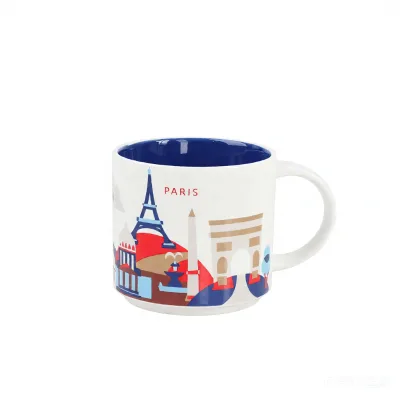
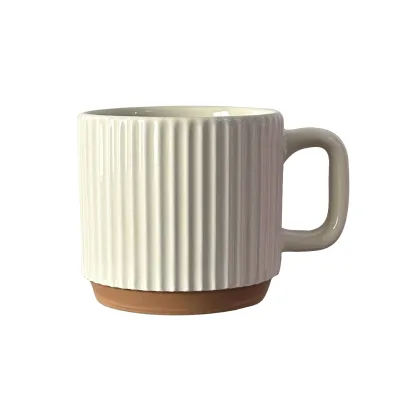
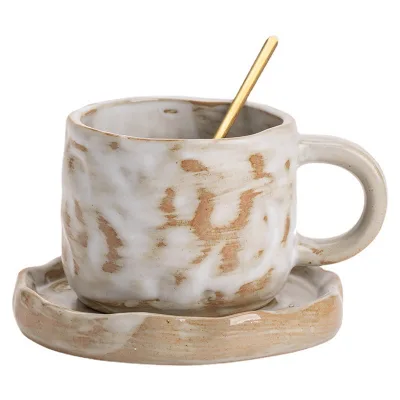
$5.00 - $5.80
MOQ: 100 pieces
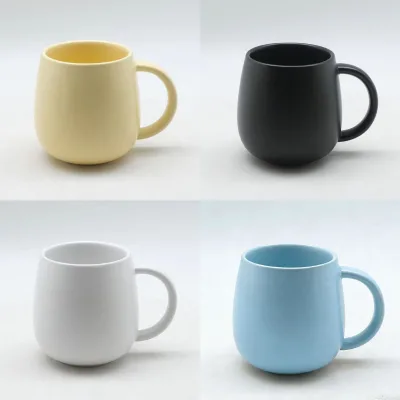
Customizable Solid-color Mug Ceramic Cup Business Gift Cultural and Creative Coffee Cup
$0.33 - $0.45
MOQ: 1000

Shanghai David International Trade Co., Ltd.
- Verified by TUVRHEINLAND
- Combined
- China Shanghai
- Lead time15 days
- Avg. response≤ 9h
Main productsPromotional Gifts, Gift Sets, Tshirts, Hats, Hot Packs, Hot Cold Packs, Ice Packs, Bags, Umbrellas, Water Bottles
Main marketsSouth America,Africa,Southeast Asia/ Mideast,East Asia(Japan/ South Korea),Domestic,Europe,Australia,North America

Shanghai Touch Industrial Development Co., Ltd.
- Verified by TUVRHEINLAND
- Combined
- China Shanghai
- Lead time15 days
- Avg. response≤ 5h
Main productsInstant Hot Pack, Hot Cold Pack, Gel Eye Mask, Gel Ice Pack, Gel Bottle Cooler, Instant Ice Pack, Hand Warmer, Heat Pack, Cooling Scarf, Gel Beads
Main marketsSouth America,Others(foreignTradeCapacity.exportBusinessCapacityMarketOther),Southeast Asia/ Mideast,East Asia(Japan/ South Korea),Domestic,Europe,Australia,North America
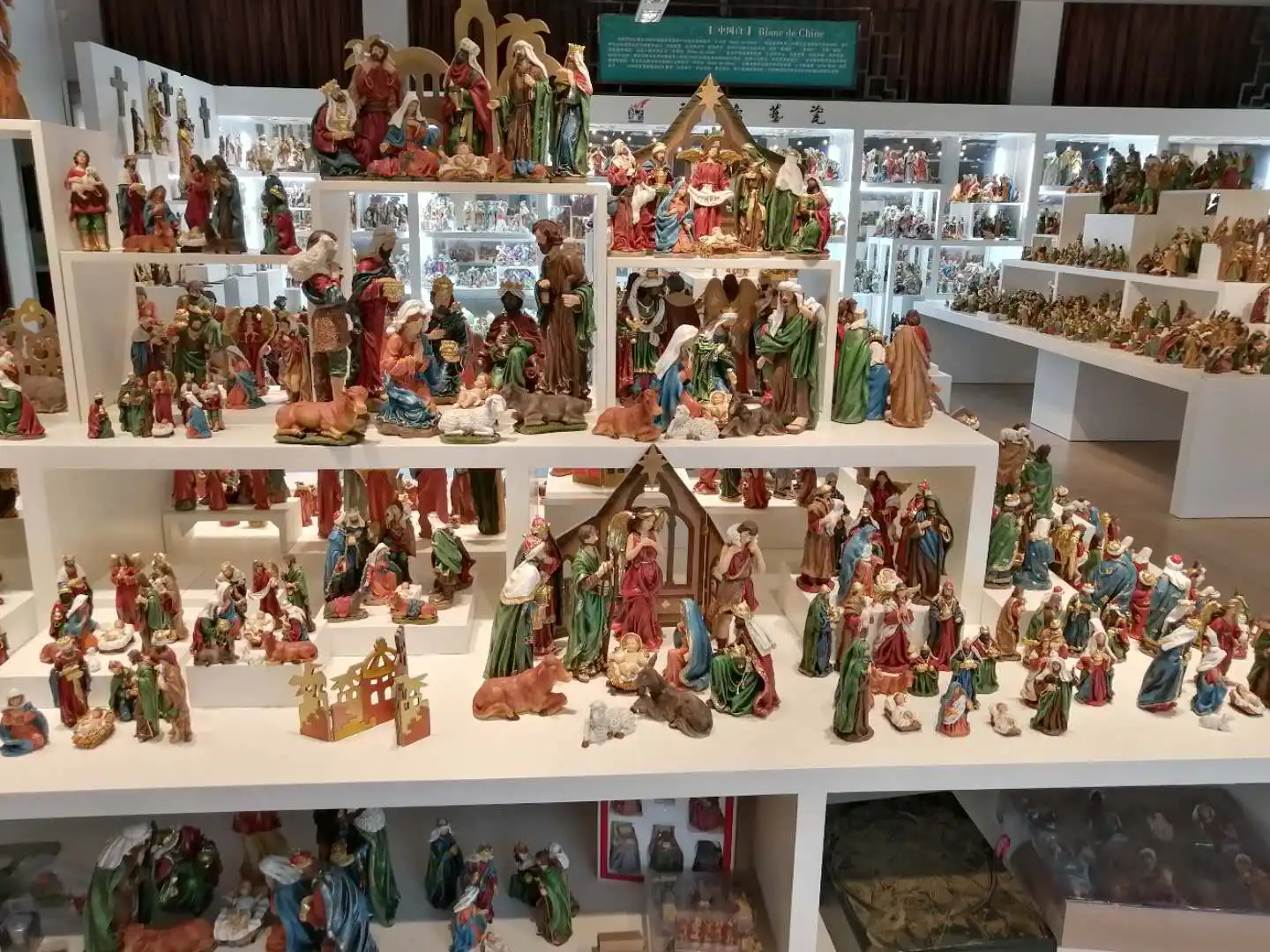
Quanzhou Deerli Arts & Crafts Co., Ltd.
- Manufacturer, Trading Company
- Fujian, China
- Lead time15 days
- Avg. response≤ 6h
Main productsresin craft gift,ceramic product,home decoration,outdoor garden decoration,ceramic craft
Main marketsCentral America(20.00%), North America(15.00%), Domestic Market(12.00%), Northern Europe(11.00%), Southern Europe(10.00%), South America(10.00%), Eastern Europe(5.00%), Mid East(5.00%), Eastern Asia(5.00%), South Asia(4.00%), Western Europe(3.00%)

Anhui Dream-China Technology Co., Ltd.
- Verified by SGS
- Combined
- China Anhui
- Lead time23 days
- Avg. response≤ 4h
Main productsUHF/VHF/Yagi/TV Antenna, LNB, MMDS Downconverter, Power Supply/Adapter, Cables, Diseqc Swithes/Spliter/Sat-Finder, Travel Mug, Fishing Net, Security Seal, SPD/Thermostat
Main marketsDomestic,Europe

Creative Coffee Cup Milk Cup Ceramic Water Cups Color Contrast Ceramic Mug
$3.50 - $4.00
MOQ: 100 Pieces

Henan Zlovy Enterprise Co., Ltd.
- Trading Company
- Henan, China
- Lead time1 days
- Avg. response≤ 8h
Main productsCoffee Pot,Coffee Tools,Water Bottle,Home Appliances,Baking Tools
Main marketsNorth America(35.00%), Western Europe(20.00%), Mid East(20.00%), Southeast Asia(15.00%), South America(10.00%)
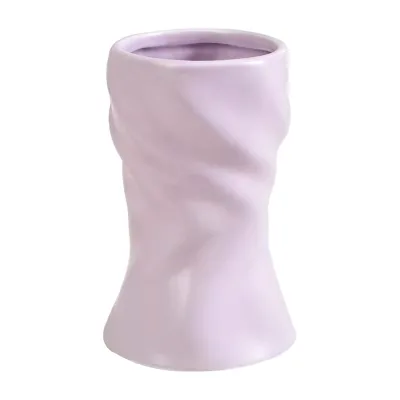
Creative Simple Afternoon Tea Ceramic Mug Retro Exquisite Couple Coffee Cup
$2.06 - $4.64
MOQ: 5 pieces
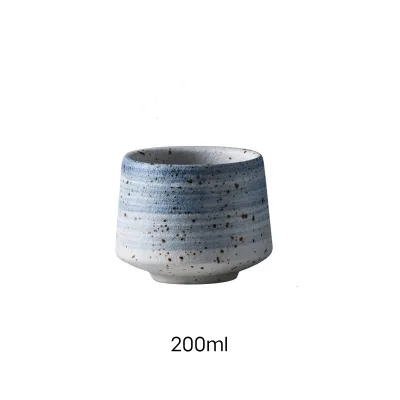
Manufactures Hot Selling 200ml Ceramic Cup Coffee/ Tea Cup with Different Colors
$0.60 - $1.70
MOQ: 2 pieces
Dehua Listing Trading Co., Ltd.
- Trading Company
- Fujian, China
- Lead time30 days
- Avg. response≤ 2h
Main productsCeramic Vase,Incense Burner,Oil Burner,Ceramic Cup,Tableware
Main marketsNorth America(50.00%), Southern Europe(10.00%), Northern Europe(10.00%), Western Europe(10.00%), Eastern Europe(10.00%), South America(10.00%)
- Trading Company
- Lead time旺季: "1 - 5000":7,"> 5000":"To be negotiated", 淡季: "1 - 5000":7,"> 5000":"To be negotiated"
- Avg. response≤ 4h
Main productsStorage Containers, Closet Storage, Laundry Storage, Office Storage, Storage Bags
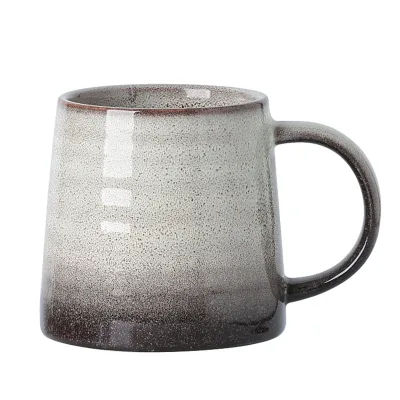
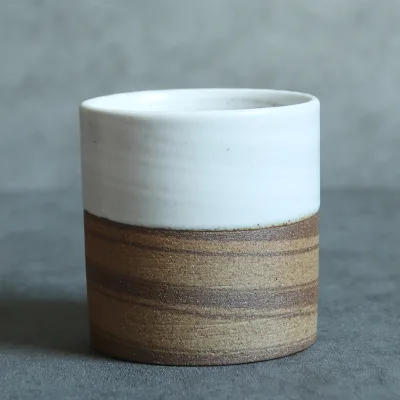
Retro Ceramic Cup Personality Creative Coffee Cup Handmade Coarse Pottery Tea Cup
$3.7435 - $4.5764
MOQ: 20 pieces

Ningbo Yinzhou Wenhui Paper Co., Ltd.
- Verified by TUVRHEINLAND
- Manufacturer/Factory
- China Zhejiang
- Lead time45 days
- Avg. response≤ 8h
Main productsStationery Gifts Promotional Homeware, Pen, Pet Products, Board Game, Paper Tube, Notebook, Wooden Toys, DIY Toy, Puzzle, Gift Bag
Main marketsSouth America,Eastern Europe,Mid East,North America,Southeast Asia,Eastern Asia,Oceania,Western Europe,Africa
Liling Huarui Ceramic Co., Ltd.
- Verified by Intertek
- Manufacturer, Trading Company
- Lead time40 days
- Avg. response≤ 3h
Main productsCeramic Mug, Ceramic Bowl, Ceramic Cup and Saucer, Ceramic Plate, Ceramic Tableware
Main marketsDomestic Market(50%), North America(20%), South America(20%)
Shenzhen Guyun Ceramics Co., Ltd.
- Manufacturer, Trading Company, Distributor/Wholesaler
- Guangdong, China
- Lead time30 days
- Avg. response≤ 2h
Main productsceramic vase,ceramic pot,ceramic tableware,ceramic mug,ceramic wine bottle
Main marketsNorth America(20.00%), Southeast Asia(10.00%), Mid East(10.00%), Western Europe(10.00%), Central America(10.00%), Northern Europe(10.00%), Southern Europe(10.00%), South America(5.00%), Eastern Europe(5.00%), Eastern Asia(5.00%), South Asia(5.00%)
$0.5573 - $0.5977
MOQ: 500 pieces
Kindest Xiamen Trading Co., Ltd.
- Verified by SGS Group
- Trading Company
- Lead time35 days
- Avg. response≤ 8h
Main productsCeramic Tableware, Ceramic Kitchen Ware, Ceramic Home Decoration
Main marketsNorth America(60%), Oceania(20%), Southeast Asia(10%)

Foshan Ron Hospitality Supplies Co., Ltd.
- Verified by BV
- Manufacturer/Factory,Group Corporation
- China Guangdong
- Lead time45 days
- Avg. response≤ 2h
Main productsRestaurant Furniture, Restaurant Booth, Restaurant Chair, Restaurant Table, Bar Stools, Wedding Chairs, Flatware Sets, Dinnerware Sets, Garden Chairs, Disposable Dinnerware & Tableware
Main marketsSouth America,Eastern Europe,Mid East,North America,Southeast Asia,Eastern Asia,Oceania,Western Europe,Africa


Elegant Drinkware Porcelain Custom Ceramic Tea Water Coffee Cup with High Quality
$1.29 - $1.32
MOQ: 100 pieces



Fujian Dehua Enjoy Homegoods New Media Co., Ltd.
- Manufacturer, Trading Company
- Fujian, China
- Lead time35 days
- Avg. response≤ 7h
Main productsCandle & Home Fragrance,Candle Jar & Candle Holders,Drinkware,Dinnerware,Vase & Planter
Main marketsSouth America(44.00%), North America(44.00%), Eastern Europe(12.00%)
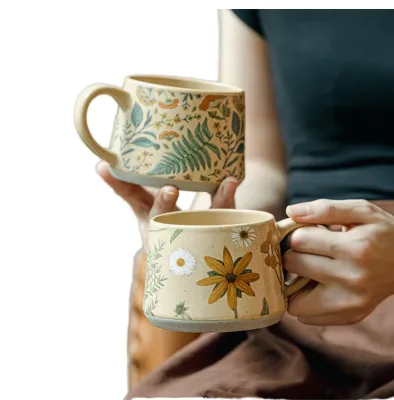
Creative Ceramic Coffee Mug Water Cup Decorative with Handle Drinkware for Home or Work
$3.69 - $3.89
MOQ: 1000 pieces
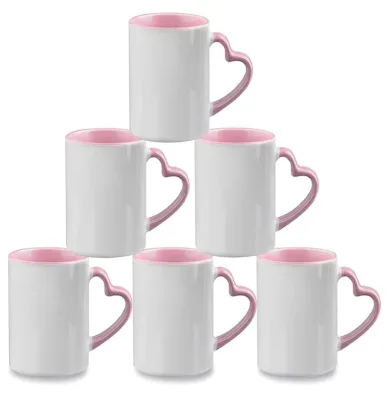
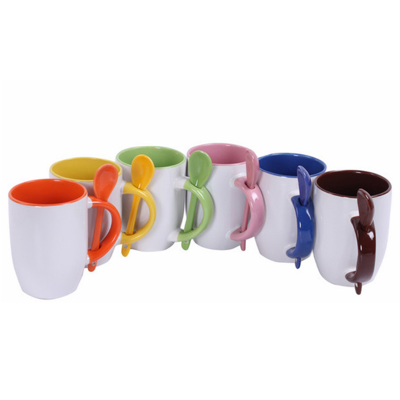
Sublimation Blank Coffee Ceramic Mugs Blank White Mug Cup with Pink Color Mug Inner and Heart Handle
$1.29 - $1.49
MOQ: 1000 pieces

Foshan Ciray Household Products Co., Ltd.
- Trading Company,Manufacturer/Factory
- China Guangdong
- Lead time45 days
- Avg. response≤ 18h
Main productsCeramic Plate, Ceramic Bowl, Ceramic Tray, Stainless Steel Tray, Stainless Steel Cutlery, Stainless Steel Plate, Coffee-Related Products, Ceramic Ornaments, Ceramic Tableware, Glass Tableware
Main marketsSouth America,Eastern Europe,North America,Oceania,Western Europe
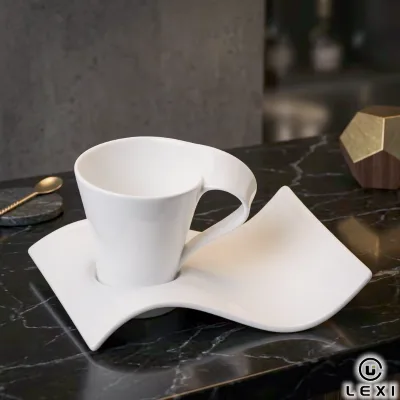
CHAOZHOU LEXI CERAMICS CO., LTD.
- Verified by TüVRheinland
- Manufacturer, Trading Company
- Guangdong, China
- Lead time45 days
- Avg. response≤ 2h
Main productsCoffee & Tea Set, Coffee Cups & Saucers, Tableware, Mug, Ashtrays
Main marketsNorth America(70%), Western Europe(10%), Domestic Market(7%)

Rollin Porcelain Industrial Co., Ltd.
- Verified by BV
- Manufacturer/Factory
- China Guangdong
- Lead time45 days
- Avg. response≤ 5h
Main productsPorcelain Dinnerware, Tableware, Dinner Set, Dinner Plate, Hotel and Restaurant Tableware, Bone China, Cutlery, Glassware, Ceramic Plate, Porcelain
Main marketsEastern Europe,Mid East,North America,Southeast Asia,Eastern Asia,Oceania,Western Europe
Shenzhen Bogart Kitchenware Co., Ltd.
- Verified by TüVRheinland
- Trading Company
- Lead time15 days
- Avg. response≤ 2h
Main productsCoffee & Tea Sets, Matcha Tools, Portable Coffee Maker, Coffee Tumbler & Mugs, Coffee Accessories
Main marketsMid East(30%), North America(20%), Western Europe(13%)
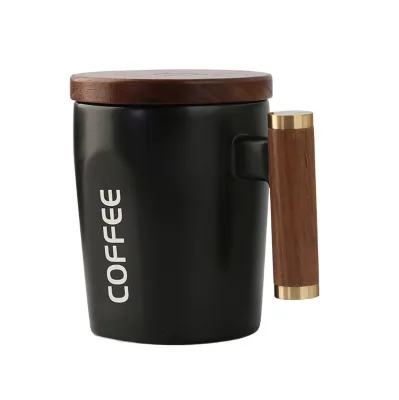
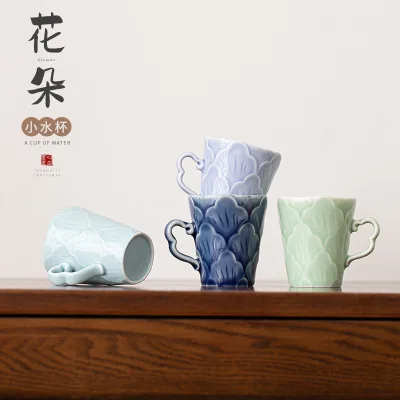
$2.50 - $3.30
MOQ: 1 pieces
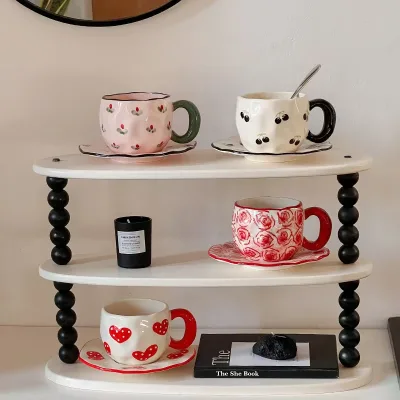
$3.45 - $4.55
MOQ: 500 pieces
Haosheng (zibo) International Trade Co., Ltd.
- Verified by Intertek
- Trading Company
- Lead time35 days
- Avg. response≤ 2h
Main productsCeramic Mug, Stainless Steel Tumblers
Main marketsNorth America(40%), Northern Europe(30%), Eastern Asia(10%)
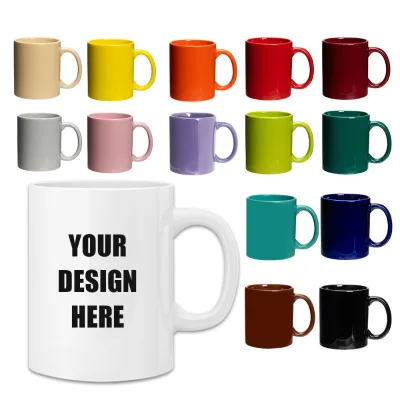
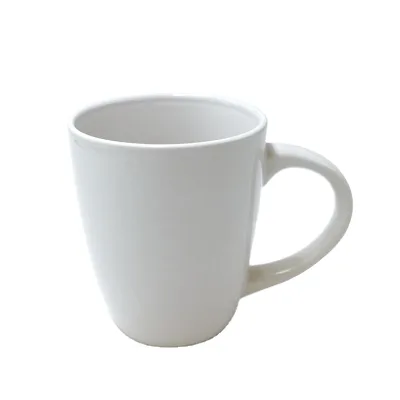
Modern Design Customized Ceramic Coffee Cup with Handle Wholesale Beverage Mug Promotion
$0.391 - $0.4943
MOQ: 3 pieces
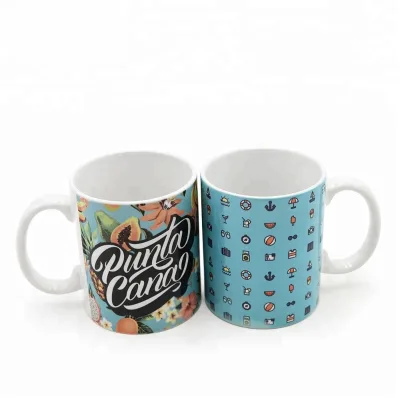
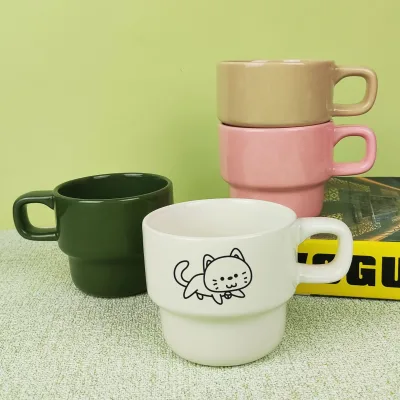
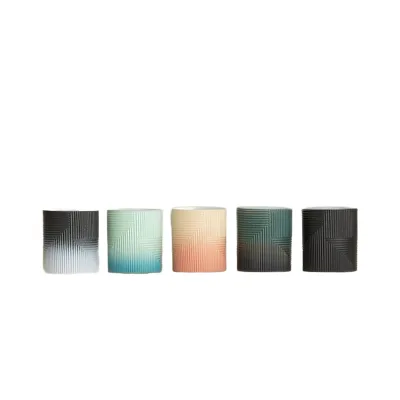
Wholesale Ceramic Cappuccino Latte Cup Porcelain Coffee Mug Custom logo Printed
$1.48 - $2.3534
MOQ: 96 pieces
Shanghai Fine-V Intl Trade Co., Ltd.
- Manufacturer, Trading Company
- Shanghai, China
- Lead time45 days
- Avg. response≤ 14h
Main productsTea Pot Set,Coffee Cup,Ceramic Mugs,Handicraft Ceramics,Decorative Porcelain
Main marketsNorth America(20.00%), Mid East(10.00%), Domestic Market(10.00%), Northern Europe(10.00%), Eastern Europe(10.00%), Western Europe(10.00%), Oceania(5.00%), Southern Europe(5.00%), Southeast Asia(5.00%), Central America(5.00%), South America(5.00%), Eastern Asia(5.00%)
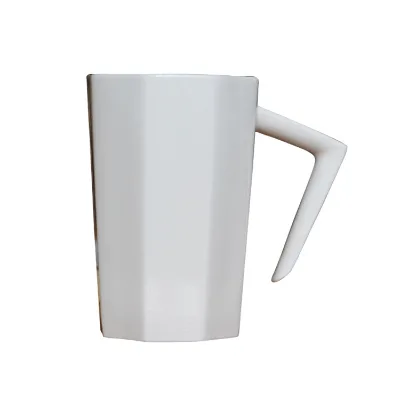
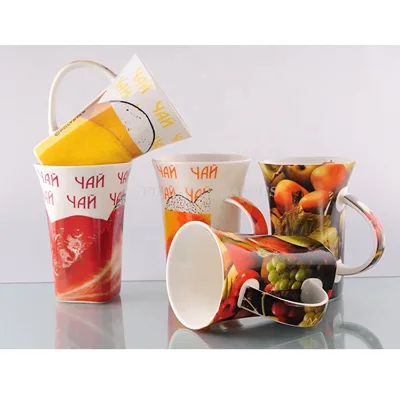
custom white black Creative Ceramic Coffee Gift mug advertising cup porcelain Inverted Cup octagonal
$1.15 - $1.55
MOQ: 1000 pieces
Qingdao Haojian Import And Export Co., Ltd.
- Verified by TüVRheinland
- Manufacturer, Trading Company
- Lead time15 days
- Avg. response≤ 4h
Main productsCeramic Mug, Stainless Mug, Enamel Mug, Juice Mug
Main marketsNorth America(30%), Western Europe(30%), Domestic Market(6%)


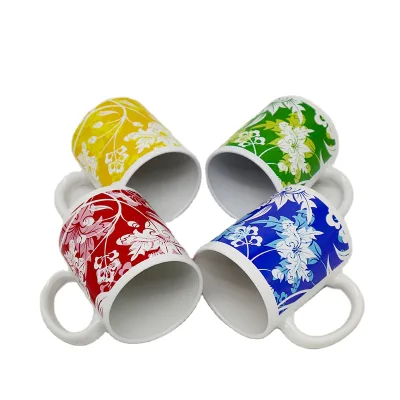
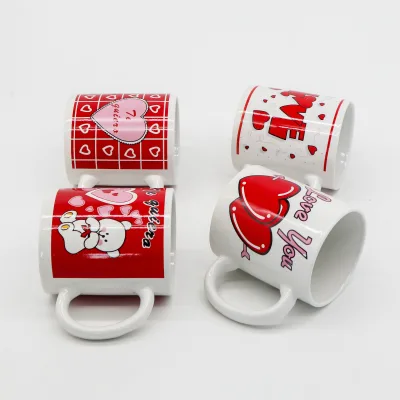
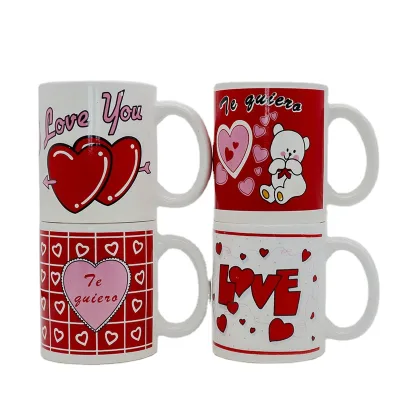
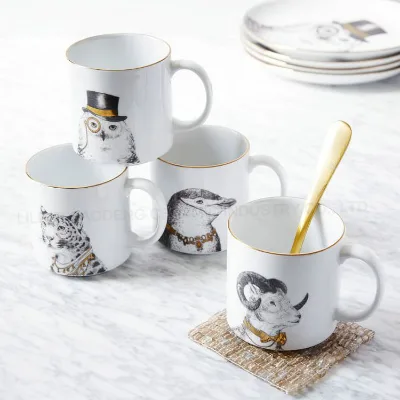


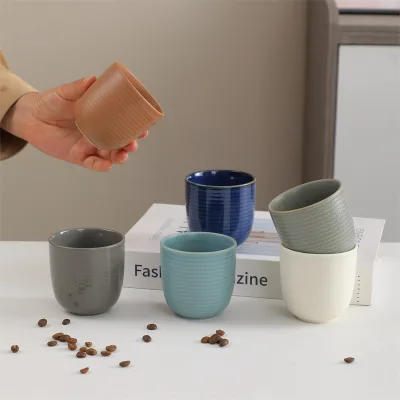
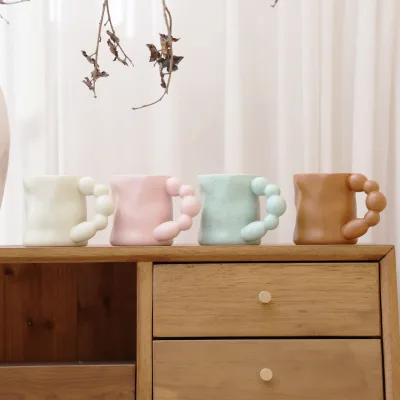
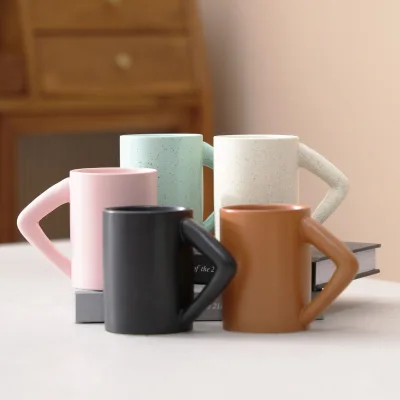


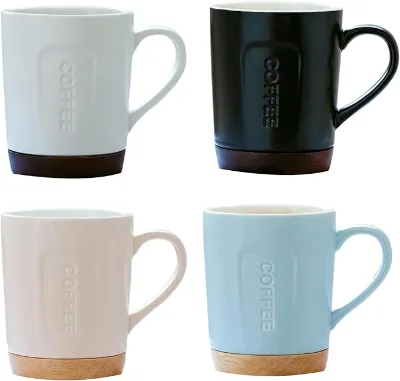
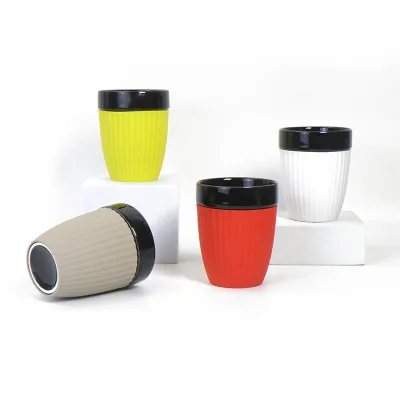
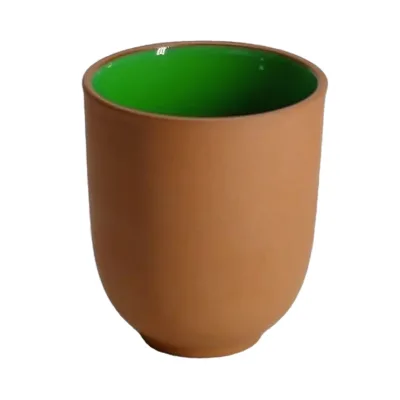
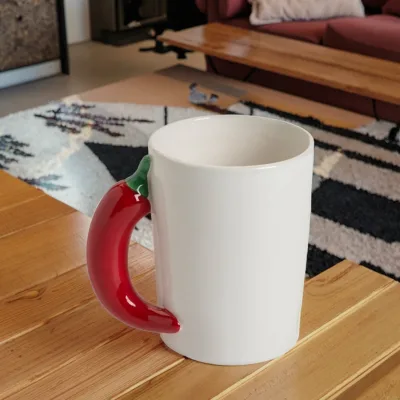


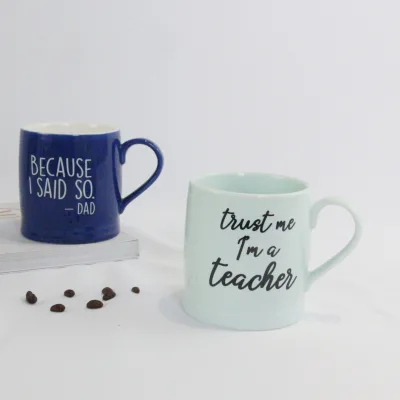


Comprehensive Sourcing Guide
Modern Simplicity Ceramic Coffee Mug Supplier Concentration and Factory Types
The current supplier landscape for modern simplicity ceramic coffee mugs reveals a distinct geographic concentration in China, specifically within the provinces of Fujian and Shandong. These regions serve as primary manufacturing hubs for this category, offering buyers access to established industrial clusters that specialize in both ceramic and stainless steel drinkware. In Fujian, suppliers are predominantly identified as manufacturers or factories, indicating a direct production capability rather than purely trading operations. This factory-type designation suggests that buyers can expect more direct control over production processes and potentially more flexible customization options for their specific design requirements. The presence of ODM (Original Design Manufacturer) capabilities in these facilities further supports the ability to source unique, modern aesthetic designs without requiring the buyer to provide complete technical specifications from scratch.
In contrast, suppliers located in Shandong demonstrate a broader product portfolio that includes ceramic dinnerware, glassware, and stainless steel bottles alongside ceramic mugs. These facilities often operate with established own brands, such as TIMESTONE, while also offering OEM and ODM services. This dual approach indicates a mature manufacturing environment where companies have the infrastructure to handle both branded and private-label orders. The diversity in main products suggests that these factories may have more versatile production lines capable of switching between different material types, such as pottery and chinastone. Buyers evaluating these suppliers should consider how this versatility impacts quality consistency and lead times, as mixed production environments can sometimes introduce complexity into the supply chain. Understanding the specific factory type and its associated capabilities is crucial for determining whether a supplier can meet the volume and quality demands of a modern simplicity ceramic mug order.
How to Verify Modern Simplicity Ceramic Coffee Mug Suppliers
Verifying the legitimacy and capability of suppliers requires a careful examination of the data points provided in their profiles, particularly regarding certifications and response metrics. For suppliers in Shandong, system certifications such as BSCI, ISO 9000, ISO 9001, and SEDEX are explicitly listed, providing a baseline for assessing their compliance with international social and quality standards. These certifications are critical for buyers who need to ensure that their supply chain adheres to ethical labor practices and consistent quality management systems. Additionally, product-specific standards like FDA, LFGB, and SGS are mentioned for certain ceramic items, which are essential for verifying food safety compliance. Buyers should prioritize suppliers who display these verifiable credentials, as they serve as objective evidence of a factory’s commitment to regulatory adherence. However, it is important to note that not all suppliers may display every certification, so buyers must verify the specific standards relevant to their target market before proceeding.
Beyond certifications, response time and lead time are key indicators of a supplier’s operational efficiency and reliability. The data shows a significant variance in response times, with some suppliers responding in under two hours while others take over ten hours. A faster response time often correlates with better communication channels and a more customer-centric approach, which is vital for resolving issues quickly during the sourcing process. Lead times also vary, with some factories offering a 45-day turnaround while others indicate a 150-day period. This discrepancy may reflect differences in production capacity, order volume, or the complexity of the customization required. Buyers should use these metrics to gauge whether a supplier can meet their specific timeline requirements. It is advisable to request detailed production schedules and confirm lead times for custom orders, as standard lead times may not apply to personalized designs. Verifying these operational metrics helps buyers avoid potential delays and ensures a smoother procurement experience.
What to Compare Across Modern Simplicity Ceramic Coffee Mug Suppliers
When comparing suppliers, buyers should focus on key dimensions such as price, minimum order quantity (MOQ), and product specifications to determine the best fit for their business needs. Price ranges for ceramic coffee mugs vary significantly, with some suppliers offering prices as low as $0.30 per unit while others charge up to $2.50. This wide range reflects differences in material quality, production techniques, and customization levels. For instance, suppliers using chinastone or pottery may have different cost structures compared to those using more premium materials. Buyers should also pay close attention to MOQs, which can range from 50 units to 30,000 units. High MOQs may be suitable for large-scale retailers, while lower MOQs are ideal for startups or businesses testing new markets. Understanding these financial parameters helps buyers align their budget with supplier capabilities and avoid unexpected costs associated with small batch production.
Product specifications provide another critical layer for comparison, including details such as capacity, weight, and material composition. Suppliers offer mugs with capacities ranging from 12 oz to 20 oz, and weights varying from 301g to 330g. These specifications impact the user experience and shipping costs, so buyers must select options that match their target audience’s preferences. Additionally, features like heat resistance, eco-friendliness, and customization availability are important differentiators. Some suppliers highlight functions such as withstanding high temperatures or offering color-changing effects, which can add value to the product. Buyers should also consider the packaging options, such as box packing or standard export packaging, as these affect product protection and branding opportunities. By systematically comparing these attributes, buyers can identify suppliers that offer the best balance of quality, cost, and service for their specific requirements.
Common Modern Simplicity Ceramic Coffee Mug Sourcing Risks
One of the primary risks in sourcing ceramic coffee mugs is the potential for quality inconsistencies, particularly when dealing with suppliers who have mixed product lines or high MOQs. Factories that produce a wide variety of items, such as ceramic dinnerware, glassware, and stainless steel bottles, may face challenges in maintaining consistent quality across all product categories. This risk is heightened when buyers request custom designs or specific finishes, as the production process may require adjustments that could affect the final product’s durability or aesthetic appeal. Additionally, high MOQs can lead to inventory risks if the products do not sell as expected, tying up capital and storage space. Buyers should mitigate this risk by requesting samples before placing large orders and conducting thorough quality inspections upon receipt. Establishing clear quality standards and communication channels with suppliers can help minimize the likelihood of receiving subpar products.
Another significant risk is the variability in lead times and response speeds, which can disrupt supply chain planning and customer satisfaction. Suppliers with longer lead times, such as those indicating 150 days, may struggle to meet urgent orders or adapt to changing market demands. Similarly, slow response times can delay decision-making and problem resolution, leading to frustration and potential project delays. Buyers should be cautious when relying on suppliers with inconsistent operational metrics, as these factors can indicate underlying issues with production management or customer service. To address this risk, buyers should prioritize suppliers with proven track records of timely delivery and responsive communication. It is also advisable to include penalty clauses in contracts for late deliveries or poor performance, providing a safeguard against potential disruptions. By proactively identifying and managing these risks, buyers can ensure a more stable and reliable sourcing process.
Modern Simplicity Ceramic Coffee Mug Regional Sourcing and Logistics
Sourcing from specific regions in China, such as Fujian and Shandong, offers distinct logistical advantages and challenges that buyers must consider. Fujian-based suppliers, often located in manufacturing hubs, may benefit from established export infrastructure and proximity to major ports, facilitating efficient shipping processes. These suppliers typically focus on stainless steel and ceramic products, leveraging local expertise to produce high-quality drinkware. On the other hand, Shandong suppliers, particularly those in Zibo, are known for their ceramic production capabilities and may offer competitive pricing due to the region’s industrial scale. The shipping port for some Shandong suppliers is listed as Qingdao, a major port that provides convenient access to international markets. Buyers should evaluate the logistical implications of sourcing from these regions, including transit times, shipping costs, and customs procedures, to determine the most cost-effective and efficient supply chain strategy.
Logistics planning also involves considering the packaging and handling requirements of ceramic products, which are fragile and require careful protection during transit. Suppliers often use standard export packaging, such as brown boxes and multi-layer cartons, to ensure product safety. However, buyers may need to request additional packaging solutions, such as egg crates or custom boxes, to further protect the mugs during shipping. These packaging choices can impact shipping costs and storage requirements, so buyers should factor them into their overall logistics budget. Additionally, buyers should be aware of any regional trade regulations or tariffs that may affect the import of ceramic goods from China. Understanding these logistical factors helps buyers optimize their supply chain, reduce costs, and ensure that products arrive in good condition. By carefully planning logistics, buyers can enhance the efficiency and reliability of their sourcing operations.
Modern Simplicity Ceramic Coffee Mug Commercial Terms and Order Planning
Effective order planning for modern simplicity ceramic coffee mugs requires a thorough understanding of commercial terms, including payment methods, customization options, and after-sales support. Suppliers often offer customization services, allowing buyers to tailor products to their brand identity through logo printing, color selection, and design modifications. However, customization can impact lead times and costs, so buyers should discuss these details with suppliers early in the process. It is also important to clarify the terms for sample orders, as samples are crucial for verifying product quality before committing to large-scale production. Buyers should inquire about sample costs, lead times for samples, and whether these costs can be credited against future bulk orders. Establishing clear commercial terms helps avoid misunderstandings and ensures a smooth transaction process.
Payment terms and escrow services are another critical aspect of order planning, providing security for both buyers and suppliers. While specific payment terms are not detailed in the provided data, buyers should negotiate favorable conditions, such as partial payments upfront and the remainder upon shipment or delivery. Using escrow services can offer an additional layer of protection, ensuring that funds are released only when the buyer is satisfied with the product quality. Buyers should also consider the supplier’s return and refund policies, as these can mitigate risks associated with defective or non-conforming products. By carefully planning commercial terms and leveraging available safeguards, buyers can protect their interests and build a sustainable relationship with their suppliers. This proactive approach to order planning enhances the overall sourcing experience and supports long-term business success.
FAQs
What is the price range for modern ceramic coffee mugs?
Prices for modern ceramic coffee mugs typically range from $0.30 to $2.50 per unit depending on customization and material quality. Basic stoneware options start at the lower end, while premium pottery designs with specific glazing or branding commands higher rates. Buyers should verify exact pricing based on order volume and specific model requirements.
What are the minimum order quantities for ceramic mugs?
Minimum order quantities vary significantly by supplier and product type. Some manufacturers accept orders as low as 50 units for customized designs, while others require bulk purchases of 10,000 to 30,000 pieces for standard inventory items. Buyers must check specific product listings to confirm the exact MOQ applicable to their desired style and customization level.
How long does production take for ceramic coffee mugs?
Production lead times generally range from 45 to 150 days depending on the supplier and order complexity. Some factories offer faster turnaround times of 45 days, while others may require up to 150 days for large or highly customized orders. Buyers should confirm specific timelines with suppliers before placing orders to ensure timely delivery.
Are ceramic coffee mugs customizable for branding?
Yes, customization is widely available for ceramic coffee mugs, including logo printing, decal application, and unique design modifications. Suppliers offer options for single-layer cups with various glazing techniques and color changes. Buyers can request specific models to match their brand identity, ensuring the final product aligns with their marketing and aesthetic requirements.
What certifications do ceramic mug suppliers hold?
Many suppliers hold relevant certifications such as FDA, LFGB, ISO 9000, ISO 9001, BSCI, and SEDEX. These certifications ensure compliance with food safety standards and quality management systems. Buyers should verify specific certifications for each product to guarantee that the mugs meet international regulatory requirements for their target markets.
Where are ceramic coffee mug manufacturers located?
Manufacturers are primarily located in China, specifically in Fujian and Shandong provinces. Fujian suppliers often specialize in pottery and modern designs, while Shandong producers focus on chinastone and stoneware options. Buyers can source from these regions to access a wide variety of ceramic mug styles and manufacturing capabilities.