double wall leak-proof glass cup with lid Suppliers and Manufacturers
Find 29 verified suppliers offering double wall leak-proof glass cup with lid options from China Hebei and Shandong. Compare ISO certifications, response times, lead times, and pricing to source efficiently. Contact suppliers directly to request samples; review the available evidence before requesting comparable quotations from suitable candidates.
Updated
Suppliers List

Hebei Xingchen Glass Technology Co., Ltd.
- Verified by CTI
- Combined
- China Hebei
- Lead time30 days
- Avg. response≤ 9h
Main productsGlass Cup, French Press, Coffee Pot, Glass Jar, Teapot, Syphon Coffee Maker, Glass Cooking Pot, Glass Pitcher, Glass Straw, Glass Teacup
Main marketsSouth America,Africa,Others(foreignTradeCapacity.exportBusinessCapacityMarketOther),Southeast Asia/ Mideast,East Asia(Japan/ South Korea),Europe,Australia,North America


Durable Double Wall Glass Cup Wide Mouth Glass Coffee Cup with Silicone Sleeve and Lid
$1.55 - $2.65
MOQ: 500 Pieces

Double Wall Glass Coffee Drinking Cup with Lid for Latte Tea Espresso Cappuccino Hot Beverages
$1.10 - $1.72
MOQ: 500 Pieces


Custom Water Drinking Double Wall Clear Glass Coffee Mug Cup with Handle
$0.85 - $1.65
MOQ: 500 Pieces

Qingdao Jianhai International Trade Co., Ltd.
- Verified by BV
- Trading Company,Manufacturer/Factory
- China Shandong
- Lead time23 days
- Avg. response≤ 3h
Main productsGlassware, Cosmetic Bottle, Mason Jar, Storage Bottle, Vase, Wine Bottle, High Borosilicate Glass, Glass Bottle, Cup, Glass Craft
Main marketsSouth America,Eastern Europe,Mid East,North America,Southeast Asia,Eastern Asia,Oceania,Western Europe,Africa


Double Wall Glass Coffee Cup with Logo Glass Double Wall Tea Cup Glass Cups
$0.10 - $8.00
MOQ: 1000 Pieces


Xiamen Ebei Import & Export Co., Ltd.
- Verified by CTI
- Trading Company,Manufacturer/Factory
- China Fujian
- Lead time45 days
- Avg. response≤ 2h
Main productsEco-Friendly Products, Bamboo Tableware, Bamboo Furniture, Bamboo Kitchenware, Bamboo Office Supply, Bamboo Fibre Products, Biodegradable Products, Bamboo Towel, Solar Energy Products, Bamboo Garden Products
Main marketsSouth America,Eastern Europe,Mid East,North America,Southeast Asia,Eastern Asia,Oceania,Western Europe,Africa
Xiamen Horae Glassware Co., Ltd.
- Manufacturer, Trading Company, Distributor/Wholesaler
- Fujian, China
- Lead time0 days
- Avg. response≤ 4h
Main productsglassware,glass products,glasses,packing,gift and crafts
Main marketsEastern Europe(20.00%), North America(20.00%), Western Europe(15.00%), Southeast Asia(10.00%), Southern Europe(5.00%), Northern Europe(5.00%), Central America(5.00%), South America(5.00%), Eastern Asia(5.00%), Mid East(5.00%), Oceania(5.00%)
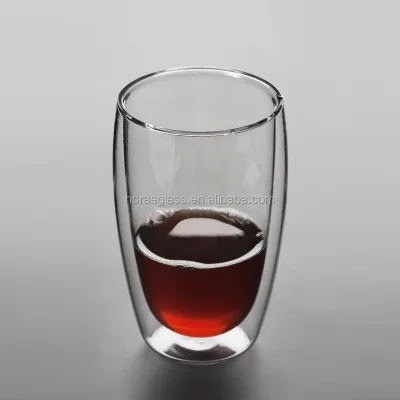
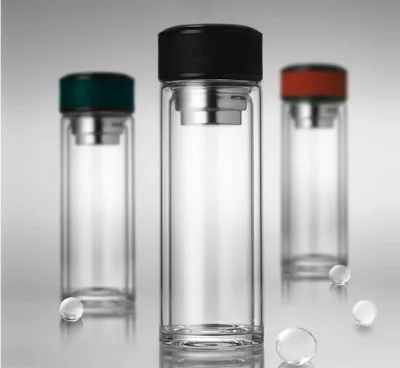
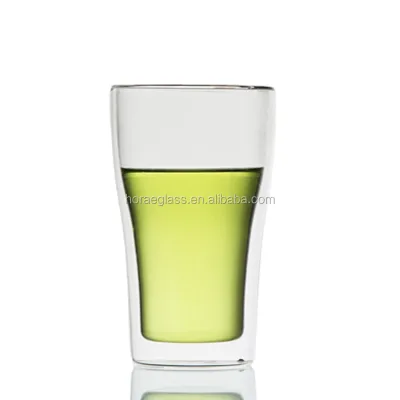
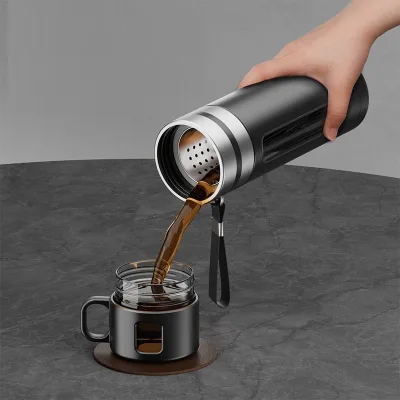
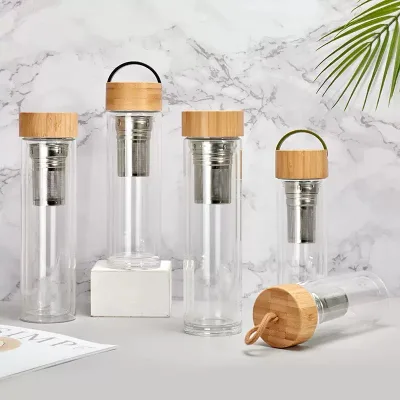
Double Wall Glass Cup with Lid Glass Bottle for Water Glass Bottle with Iron Filter
$3.55 - $4.65
MOQ: 3000
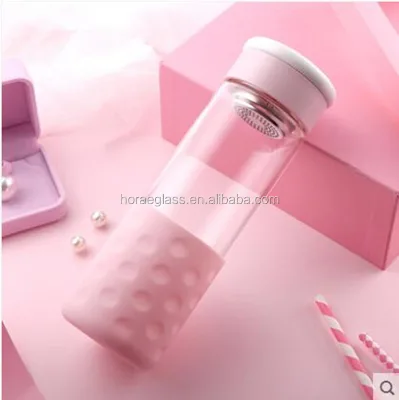
Hebei Zhuo Zhongxi Glass Products Co., Ltd.
- Manufacturer, Trading Company
- Hebei Province, China
- Lead time0 days
- Avg. response≤ 2h
Main productsjuice cups,coffee cups,beer cups,double-layer glass cups
Main marketsNorth America(300.00%), Domestic Market(29.00%), Eastern Europe(21.00%), Oceania(10.00%), Southeast Asia(5.00%), South Asia(5.00%)

Zibo Dawn Star Trading Co., Ltd
- Trading Company
- Shandong, China
- Lead time30 days
- Avg. response≤ 4h
Main productsBeer Glass/Wine Glass/Glass Jars/Shot Glass/Glass Bottle,Glass Bottle,Ceramic Mug,Beer Mug,Candle Jars
Main marketsNorth America(50.00%), Northern Europe(10.00%), Western Europe(10.00%), Eastern Asia(10.00%), Oceania(5.00%), Southeast Asia(5.00%), South America(5.00%), Mid East(5.00%)
- Verified by TüVRheinland
- Manufacturer, Trading Company
- Lead time25 days
- Avg. response≤ 3h
Main productsDrinkware, Ceramicware, Barware, Kitchenware, Glass Bottles
Main marketsNorth America(20%), South America(20%), Southeast Asia(20%)
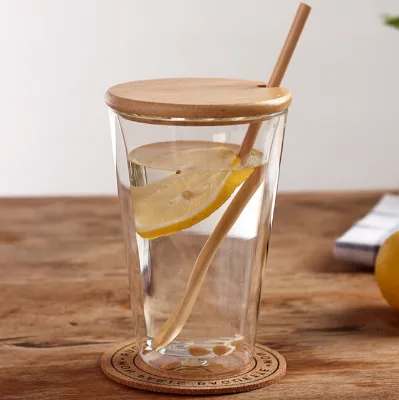
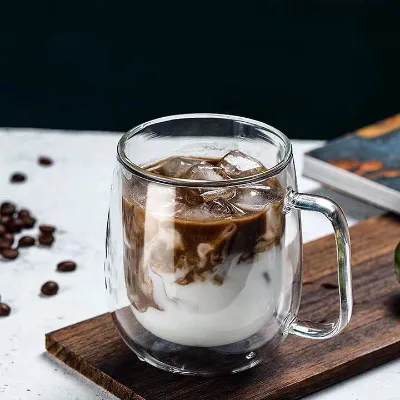
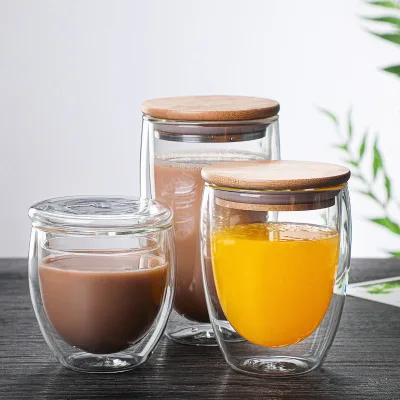
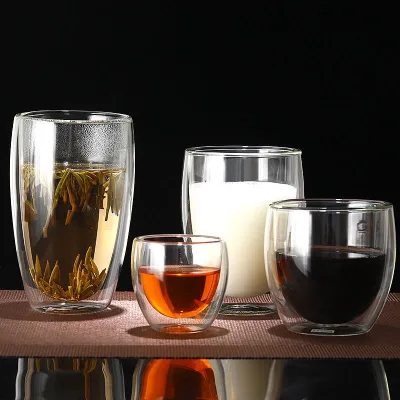
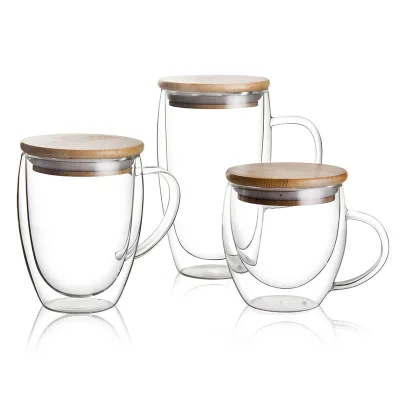
Wholesale Customized Double Wall Tea Glass Cup Coffee Cup with handle
$1.2314 - $1.5384
MOQ: 1000 pieces

Shanxi Midas Industrial Co., Ltd.
- Verified by CTI
- Manufacturer/Factory
- China Shanxi
- Lead time23 days
- Avg. response≤ 18h
Main productsDuctile Iron Pipe and Fitting, Steel Pipe and Fitting, Valve, Manhole Cover, Coupling, Flange, Water Meter, Dismantling Joint, Flange Adaptor, Pumps
Main marketsSouth America,Eastern Europe,Mid East,North America,Southeast Asia,Eastern Asia,Western Europe,Africa
Cangzhou Bontop Glass Products Co., Ltd.
- Trading Company
- hebei, China
- Lead time7 days
- Avg. response≤ 4h
Main productsglass storage jar,Glass kitchenware,wine decanter,glass dome,double wall glass cup
Main marketsNorth America(18.00%), Western Europe(13.00%), Southeast Asia(12.00%), Northern Europe(12.00%), Central America(11.00%), Eastern Europe(8.00%), Mid East(6.00%), Eastern Asia(5.00%), Southern Europe(5.00%), South America(5.00%), Africa(3.00%), South Asia(2.00%)

Hebei Zhuozhongxi Glass Products Co., Ltd.
- Verified by BV
- Manufacturer/Factory
- China Hebei
- Lead time15 days
- Avg. response≤ 4h
Main productsGlass Cup, Glass Teapot, Coffee Appliance, Tea Set, Glass Crafts, Glass Jug, Glass Food Storage Jar, Wine Glass, Candle Holders, Double Wall Glass
Main marketsSouth America,Eastern Europe,Mid East,North America,Southeast Asia,Eastern Asia,Oceania,Western Europe,Africa


Portable Double Wall Insulated Glass Coffee Cup with Leakproof Silicone Lid/Cover
$1.61 - $1.90
MOQ: 50 Pieces


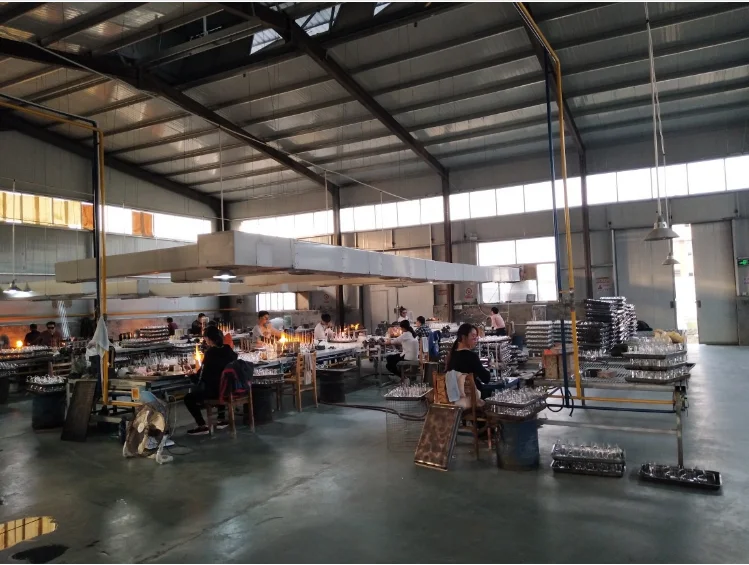
Cangzhou Bingo International Trade Co.,ltd
- Trading Company
- Hebei, China
- Lead time15 days
- Avg. response≤ 4h
Main productsglassware,decorative products,testing instrument,construction equipment
Main marketsMid East(15.00%), Eastern Europe(15.00%), South America(15.00%), North America(15.00%), Southern Europe(10.00%), Western Europe(10.00%), Northern Europe(10.00%), Central America(5.00%), Eastern Asia(5.00%)
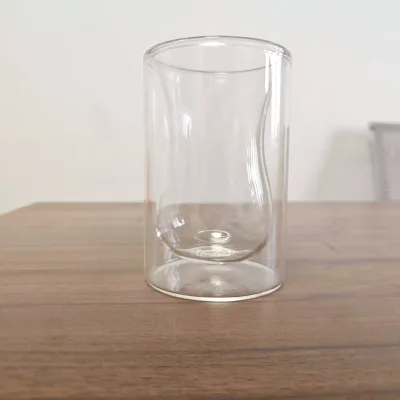
Double Wall Glass Cup with Water Drop Design for Tea Coffee & Beverages Durable Glass Drinkware
$1.50 - $2.50
MOQ: 100 pieces
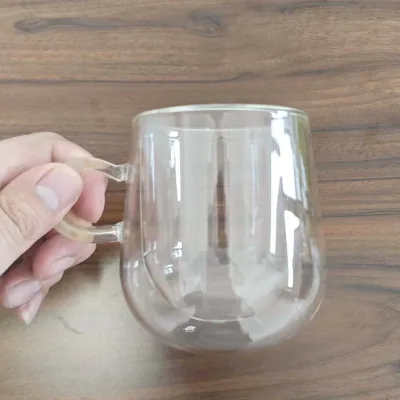
Durable Insulated Double Wall Glass Cup with Cute Handle for Tea Coffee Beverages
$0.8254 - $1.7527
MOQ: 100 pieces
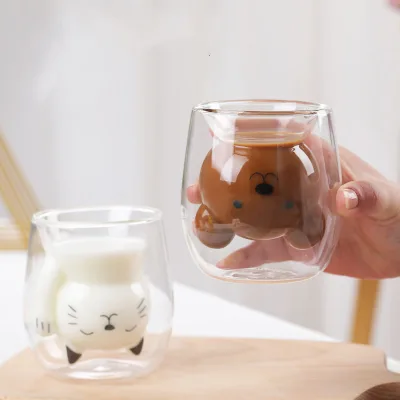

Yancheng Leading Homeware Corporation Ltd.
- Verified by CTI
- Manufacturer/Factory
- China Jiangsu
- Lead time30 days
- Avg. response≤ 4h
Main productsGlass Teapot, Double Wall Glass Cup, Borosilicate Glass Jug, Glass Coffee Dripper, Borosilicate Glass Cup, Glass Sealed Jars
Main marketsEastern Europe,Mid East,North America,Western Europe,Africa

Wuhan Xinhuahang Household Goods Co., Ltd.
- Verified by BV
- Combined
- China Hubei
- Lead time15 days
- Avg. response≤ 5h
Main productsWine Glasses, Beer Glass, Drinking Glass, Decanter, Shot Glass, Coffee Glass, Cocktail Glass, Champagne Glass, Wine Accessories
Main marketsEurope,Australia,North America

$1.60 - $2.45
MOQ: 480 Pieces

Custom Logo Eco-Friendly Double Wall Glass Tumbler Tea Mug Coffee Glass Cups
$0.90 - $1.40
MOQ: 480 Pieces
Shenzhen Sunrise Glassware Co., ltd.
- Trading Company
- Guangdong, China
- Lead time30 days
- Avg. response≤ 6h
Main productscustom crystal wine glass,custom hand cut whiskey glass,custom drinking glass,custom colored glass cup,custom double wall glass cups
Main marketsWestern Europe(20.00%), North America(20.00%), Southern Europe(16.00%), Domestic Market(10.00%), Northern Europe(10.00%), Oceania(7.00%), Mid East(5.00%), Eastern Asia(5.00%), South America(2.00%), Southeast Asia(2.00%), Central America(2.00%), Eastern Europe(1.00%)
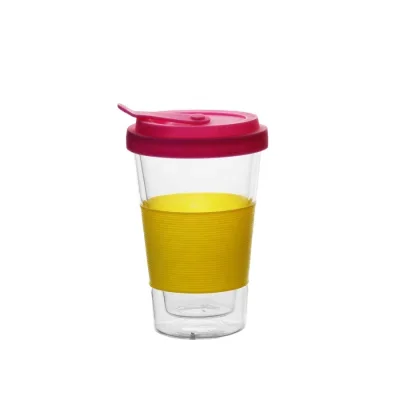
$2.78 - $2.99
MOQ: 1000 pieces

- Trading Company
- China Zhejiang
- Lead time30 days
- Avg. response≤ 13h
Main productsHome Appliance, Cookware Set, Thermos, Home Storage, Furniture, Pet Supplies, Garden Tools, Outdoor Supplies, Baby Supplies, Houesehold Items
Main marketsSouth America,Africa,Southeast Asia/ Mideast,East Asia(Japan/ South Korea),Domestic,Europe,Australia,North America
Hebei Zhonglong Glassware Co., Ltd.
- Verified by SGS Group
- Manufacturer, Trading Company
- Lead time25 days
- Avg. response≤ 2h
Main productsDecanter, Liquor Glassware, Coffee Glassware, Tea Glassware, Glass Cup
Main marketsDomestic Market(60%), North America(20%), Western Europe(20%)
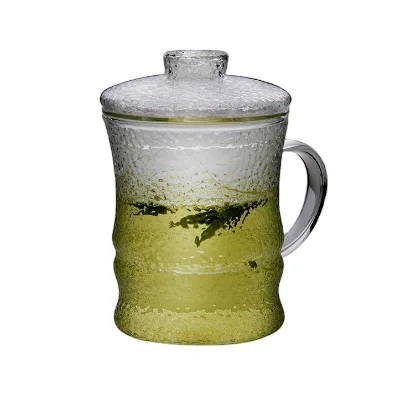
$2.5676 - $3.0859
MOQ: 500 Minimum
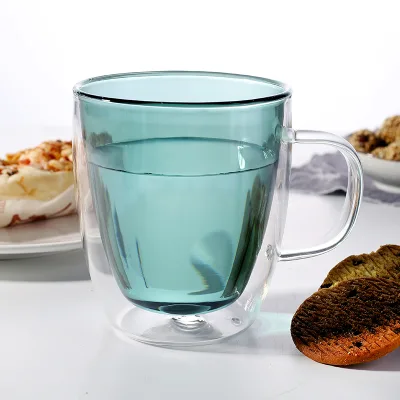
$2.5885 - $3.1069
MOQ: 1000 Minimum
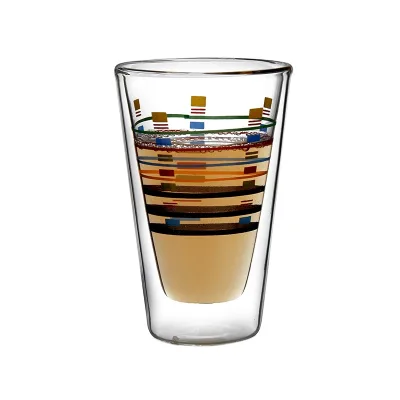
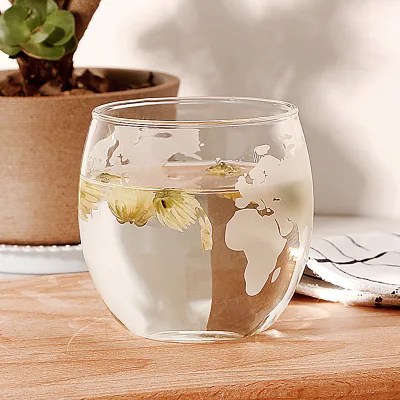
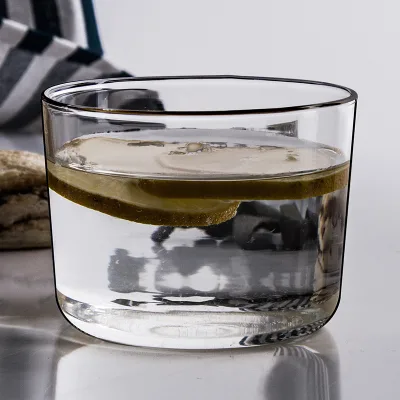

Tianjin Jiaming Technology Co., Ltd.
- Verified by SGS
- Trading Company
- China Tianjin
- Lead time15 days
- Avg. response≤ 11h
Main productsGlass Jar, Glass Cup, Kitchen Utensils, Teapot, Glass Pitcher
Main marketsOthers(foreignTradeCapacity.exportBusinessCapacityMarketOther)


New Creative Style Cute Double Wall Glass Coffee Cup with Handle Tea Mug Glass Cup
$1.39 - $1.69
MOQ: 500 Pieces

Foshan Nanhai Hua Yue Glass Co., Ltd.
- Verified by BV
- Combined
- China Guangdong
- Lead time30 days
- Avg. response≤ 4h
Main productsGlassware, Glass Bottle, Glass Cups, Glass Mugs, Wine Glass, Glass Plates, Glass Jars, Glass Bowls
Main marketsSoutheast Asia/ Mideast,Europe,Australia,North America
Zibo Deshan International Trade Co., Ltd.
- Trading Company
- Shandong, China
- Lead time30 days
- Avg. response≤ 2h
Main productsstorage jars,spice jars,vase,candle jars,blowing craft glass and colored glaze
Main marketsNorth America(25.00%), Western Europe(22.00%), South America(15.00%), Southern Europe(10.00%), Northern Europe(5.00%), Oceania(5.00%), Central America(5.00%), Mid East(3.00%), Southeast Asia(3.00%), Eastern Europe(2.00%), South Asia(2.00%), Domestic Market(1.00%), Africa(1.00%), Eastern Asia(1.00%)
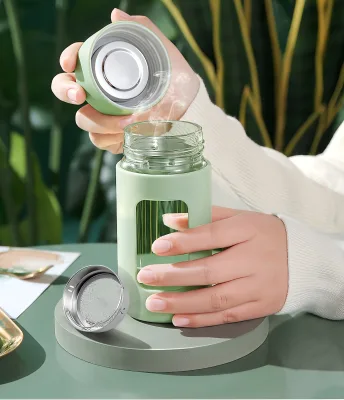
Wholesale Reusable Nice Hot Cold Water Bottle Custom Logo Glass Coffee Cup with Lid
$1.3976 - $1.7092
MOQ: 50 pieces

JINAN FLAME GLASSWARE COMPANY LIMITED
- Verified by SGS
- Trading Company
- China Shandong
- Lead time23 days
- Avg. response≤ 19h
Main marketsDomestic

Shandong Jingyuan Glass Co., Ltd.
- Verified by SGS
- Trading Company
- China Shandong
- Lead time30 days
- Avg. response≤ 9h
Main productsGlass Bottle, Glass Jar, Glass Perfume Bottle, Glass Wine Bottle, Glass Beverage Bottles, Glass Dropper Bottle
Main marketsDomestic,Europe

- Manufacturer, Trading Company
- Hebei, China
- Lead time30 days
- Avg. response≤ 5h
Main productsGlass Cups,Glass Ware,Wine Bottle,handmad glassware,double wall glass cup
Main marketsNorthern Europe(15.00%), Western Europe(15.00%), Southern Europe(10.00%), Mid East(10.00%), Eastern Europe(10.00%), Domestic Market(5.00%), South America(5.00%), Central America(5.00%), North America(5.00%), Eastern Asia(5.00%), Southeast Asia(5.00%), Oceania(5.00%), South Asia(3.00%), Africa(2.00%)

Xuzhou Ronghe Glass Technology Co., Ltd.
- Manufacturer, Trading Company
- Jiangsu, China
- Lead time30 days
- Avg. response≤ 3h
Main productsProduction and sales of glass products,Aromatherapy glass bottle,Glass storage tank,Carafe,Sealed glass bottle
Main marketsSouthern Europe(15.00%), Northern Europe(15.00%), Central America(15.00%), Western Europe(15.00%), Southeast Asia(15.00%), Eastern Europe(15.00%), South America(15.00%), North America(15.00%), Domestic Market(10.00%), South Asia(10.00%), Eastern Asia(10.00%), Mid East(10.00%), Oceania(10.00%), Africa(10.00%)
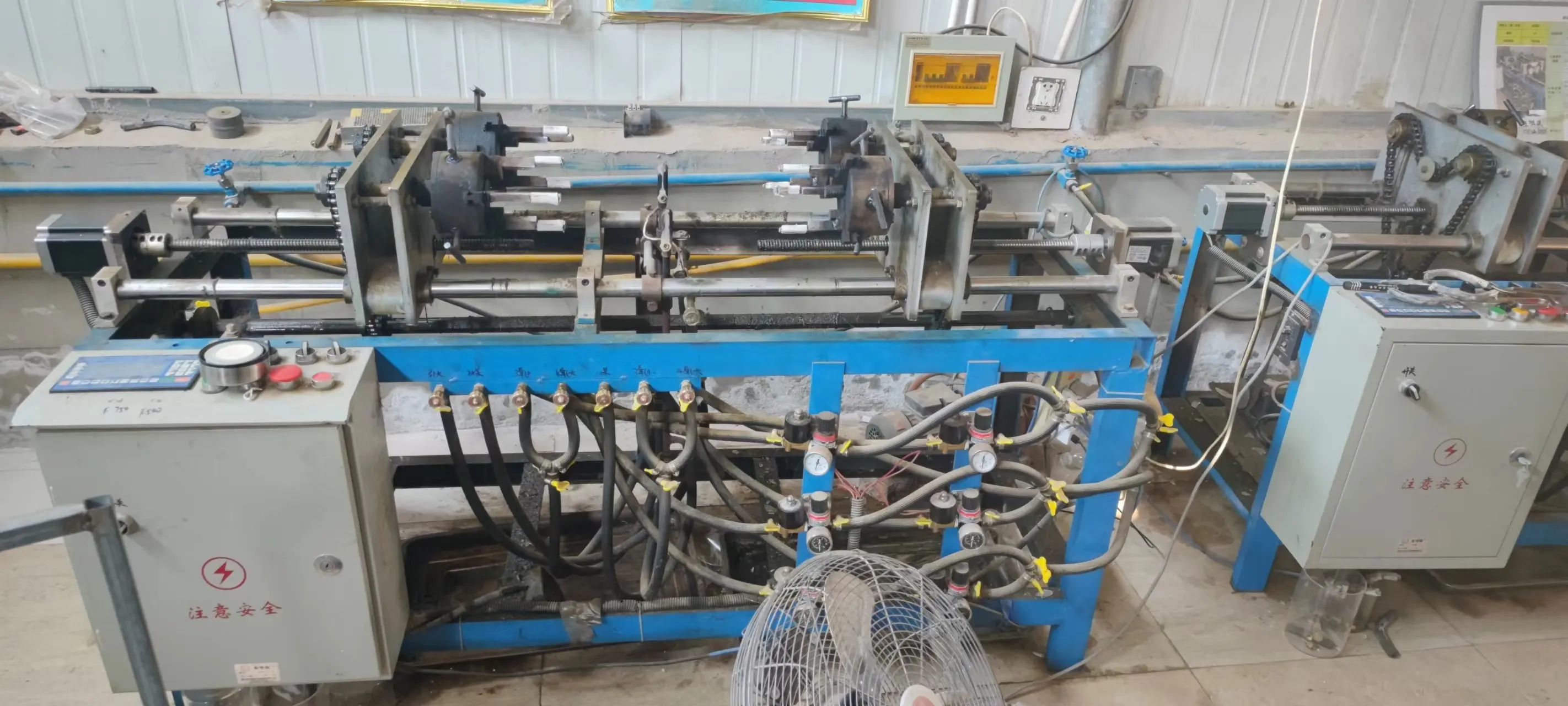
Cangzhou Anzhe Glass Products Co., Ltd.
- Manufacturer, Trading Company
- Hebei, China
- Lead time10 days
- Avg. response≤ 7h
Main productsGlass Cups, Decanter Bottle, Glass Jar, Glass Pot, Glass Cooking Pot
Main marketsNorth America(20.00%), Western Europe(20.00%), Southern Europe(20.00%), Northern Europe(20.00%), South America(10.00%), Eastern Europe(10.00%)
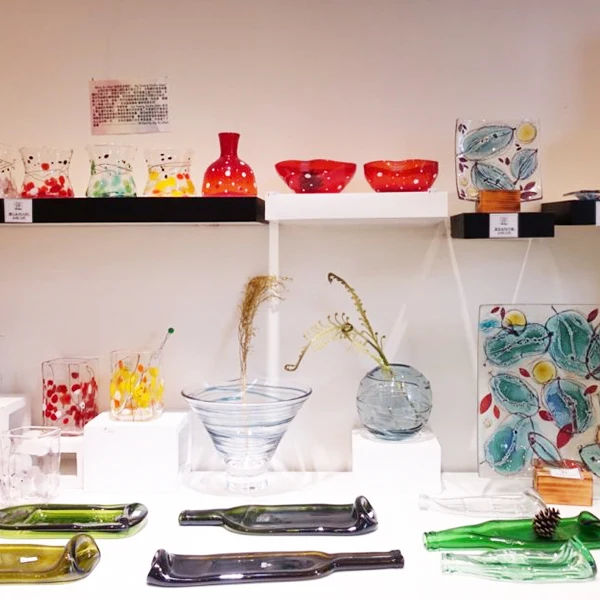
CHIEN KENG ENTERPRISE CO., LTD.
- Manufacturer, Trading Company
- Taiwan, China
- Lead time45 days
- Avg. response≤ 4h
Main productsBorosilicate Glass Drinkware,Double Wall Glasses,Hand-Blown Glassware,Cocktail & Bar Glassware,Custom Glassware
Main marketsNorth America(35.00%), Eastern Asia(25.00%), Western Europe(20.00%), Oceania(10.00%), Mid East(5.00%), Domestic Market(5.00%)

Ningbo Beixuan International Trading Co., Ltd.
- Verified by TUVRHEINLAND
- Manufacturer/Factory
- China Zhejiang
- Lead time15 days
- Avg. response≤ 10h
Main productsPlastic Bottle, Plastic Cup, Plastic Honey Jar, Plastic Food Container, Glass Juice/ Beverage Bottle, Glass Jar, Glass Wine Bottle, Glass Essential Oil Bottles, Cosmetic & Perfume Glass Bottles, Paper Cup
Main marketsSouth America,Eastern Europe,Mid East,North America,Southeast Asia,Eastern Asia,Oceania,Western Europe,Africa
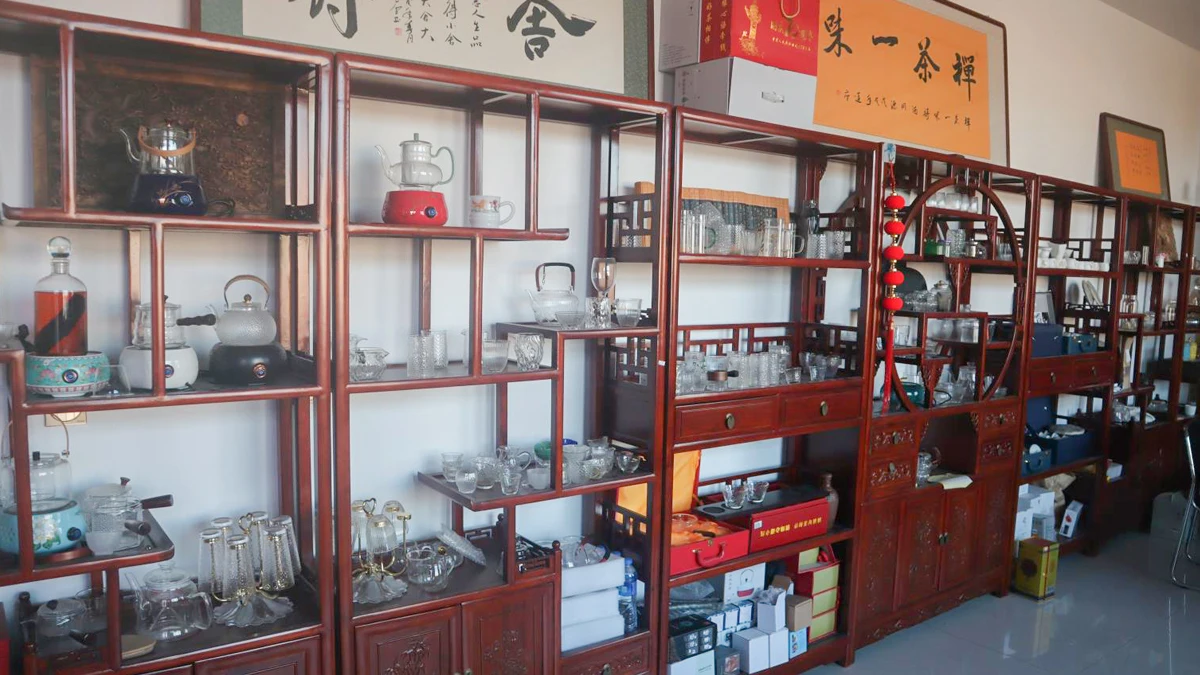
Hebei Zhongyuan Glass Products Co., Ltd.
- Manufacturer, Trading Company
- Hebei, China
- Lead time20 days
- Avg. response≤ 6h
Main productsGlass Jar, Glass Cup, Double Wall Glass Cup, Glass Coffee Pot, Glass Teapot
Main marketsDomestic Market(50.00%), North America(15.00%), South America(15.00%), Eastern Europe(15.00%), Southeast Asia(5.00%), South Asia(0.00%), Eastern Asia(0.00%), Oceania(0.00%), Western Europe(0.00%), Southern Europe(0.00%), Central America(0.00%), Northern Europe(0.00%), Africa(0.00%), Mid East(0.00%)
Hejian Jia Teng Glass Products Co., Ltd.
- Verified by TüVRheinland
- Manufacturer, Trading Company
- Lead time20 days
- Avg. response≤ 2h
Main productsDouble Wall Glass Cup, Glass Teapot, Glass Jar, Glass Pitcher, Wine Decanter Set
Main marketsNorth America(30%), Domestic Market(30%), South America(10%)

ANHUI IDEA TECHNOLOGY IMP AND EXP CO., LTD
- Verified by TUVRHEINLAND
- Trading Company
- China Anhui
- Lead time23 days
- Avg. response≤ 5h
Main productsGlass Jar, Glass Bottle, Pet Preform, Aluminum Cans, Glass Cup, Bottle Caps Jar Lids, Candle Jars, Perfume Bottle, Cosmetic Bottle
Main marketsSouth America,Africa,Southeast Asia/ Mideast,East Asia(Japan/ South Korea),Europe,Australia,North America


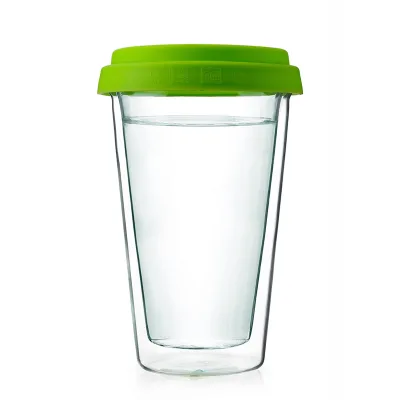
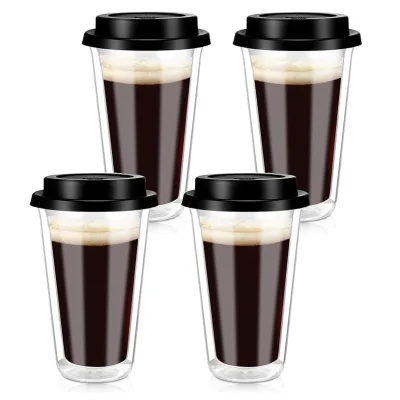
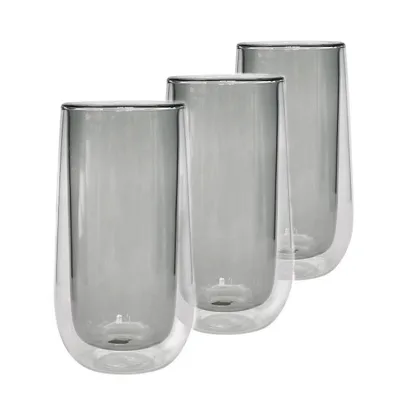
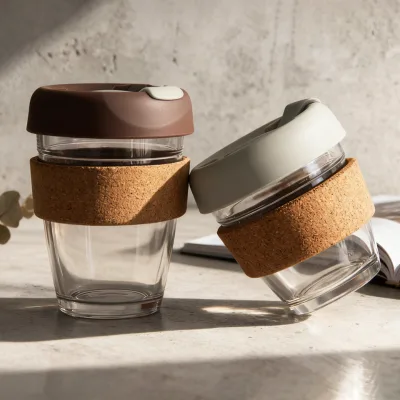
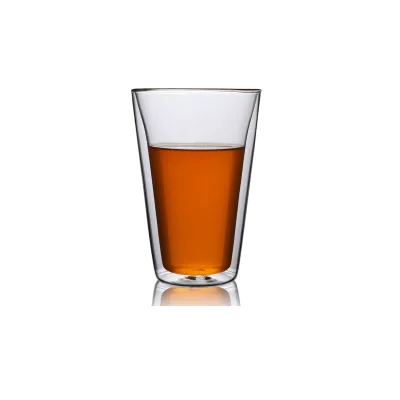
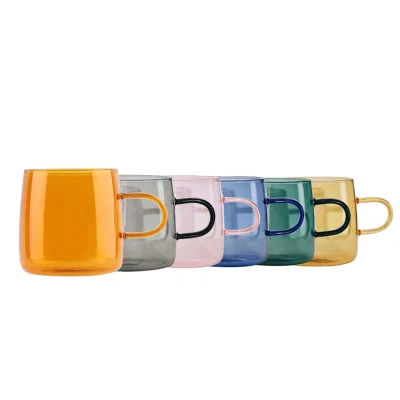
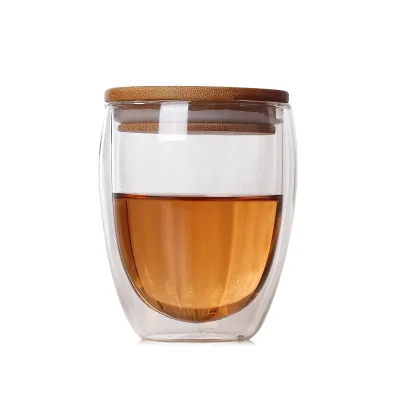
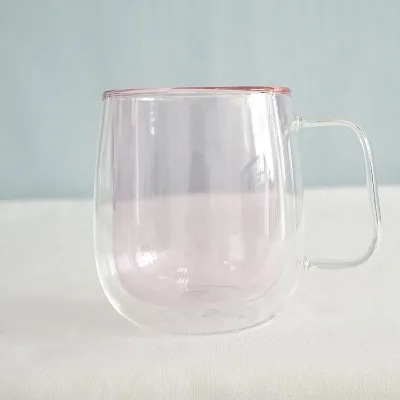


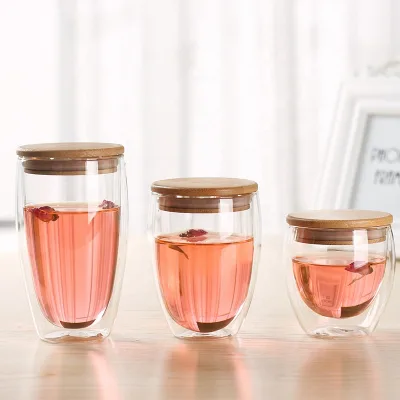



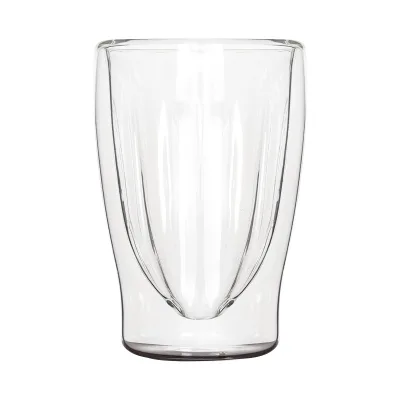
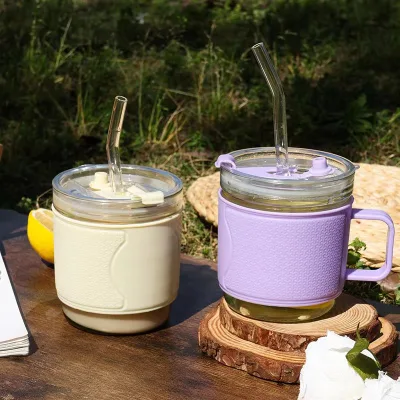
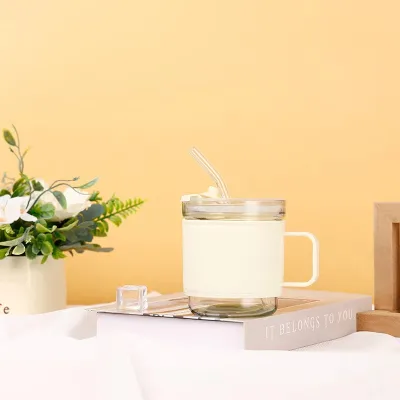
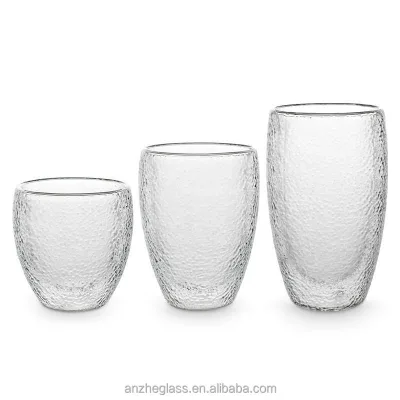


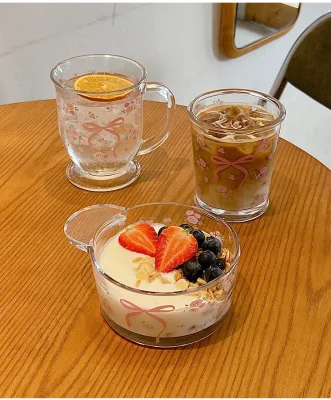
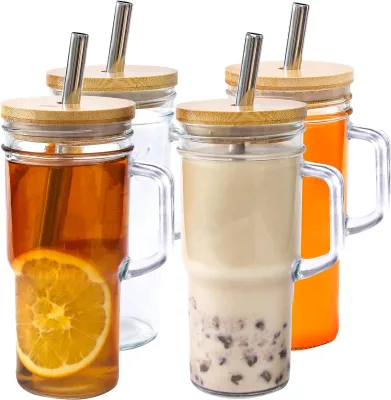
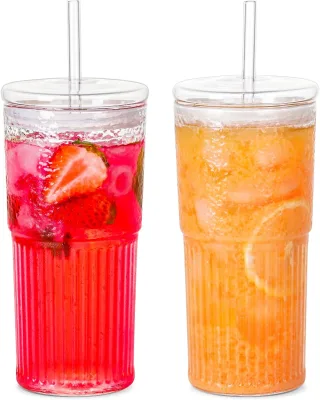


Comprehensive Sourcing Guide
Double Wall Leak-Proof Glass Cup With Lid Supplier Concentration and Factory Types
The current supplier landscape for double wall leak-proof glass cups with lids reveals a distinct concentration of manufacturing capabilities within specific Chinese provinces, primarily Hebei and Shandong. These regions serve as critical hubs for glassware production, offering buyers access to established industrial clusters that specialize in high borosilicate glass processing. Factories in these areas are equipped to handle the complex thermal tempering and sealing processes required to create durable, heat-resistant double wall structures. The presence of combined company types and trading companies alongside manufacturers indicates a mature supply chain where raw material sourcing, glass blowing, and final assembly are often integrated or closely coordinated. This geographic clustering allows for efficient logistics and shared infrastructure, which can significantly impact lead times and cost structures for international buyers.
Manufacturers in these clusters typically offer a range of company types, including pure factories, trading companies, and combined entities that blend both functions. This diversity provides buyers with flexibility in how they engage with suppliers, whether they prefer direct factory pricing or the service-oriented approach of trading companies. The main products listed by these suppliers often extend beyond simple cups to include French presses, coffee pots, and various glass jars, suggesting that many facilities possess versatile production lines capable of adapting to different product specifications. This versatility is particularly relevant for buyers seeking custom designs or specialized features like bamboo lids or silicone sleeves. Understanding the specific factory type and its primary focus helps buyers assess whether a supplier has the dedicated capacity and expertise required for their specific order volume and quality standards.
How to Verify Double Wall Leak-Proof Glass Cup With Lid Suppliers
Verifying the legitimacy and capability of suppliers requires a careful examination of their verification status, certifications, and response metrics. Buyers should prioritize suppliers who hold recognized third-party verification badges, such as CTI or BV, which indicate that an independent agency has audited the company’s business license and operational capabilities. Additionally, system certifications like ISO9001:2015 or ISO 9000 are strong indicators of a supplier’s commitment to quality management systems, ensuring that their production processes are standardized and controlled. These certifications are particularly important for glassware, where consistency in wall thickness and seal integrity is crucial for preventing leaks and ensuring safety. Buyers should request copies of these certificates and verify their validity through the issuing bodies to avoid relying on unverified claims.
Beyond certifications, the supplier’s response time and product-specific attributes provide valuable insights into their operational efficiency and product quality. A rapid response time, such as those observed in the current results, often correlates with a well-organized sales and customer service team that can address inquiries and resolve issues promptly. Buyers should also scrutinize product-level certifications, such as LFGB or FDA, which are critical for food-contact items like glass cups. These certifications ensure that the glass materials and any accompanying components, such as lids or handles, meet strict safety standards for migration of harmful substances. By cross-referencing these verification badges, certifications, and response metrics, buyers can build a comprehensive profile of a supplier’s reliability and technical competence before initiating any commercial discussions.
What to Compare Across Double Wall Leak-Proof Glass Cup With Lid Suppliers
When evaluating multiple suppliers, buyers must compare key operational metrics such as lead time, minimum order quantity (MOQ), and pricing to determine the best fit for their business needs. Lead times can vary significantly, with some suppliers offering turnaround times as short as 23 days while others may require up to 30 days. This difference can be critical for buyers with tight inventory cycles or seasonal demand spikes. Similarly, MOQs range from 100 units to 500 units, allowing buyers with smaller budgets or testing phases to start with lower volumes, while larger buyers can negotiate better pricing tiers by committing to higher quantities. Comparing these metrics side-by-side helps buyers identify suppliers that align with their production schedule and financial constraints.
Pricing and customization options are also essential factors in the comparison process. Unit prices for double wall glass cups with lids can range from approximately $0.68 to $2.65, depending on the complexity of the design, material quality, and order volume. Buyers should look for suppliers that offer clear pricing structures and transparent cost breakdowns. Additionally, the availability of customization services, such as OEM logo printing or custom packaging, can add significant value for brands looking to differentiate their products. Suppliers that provide detailed product attributes, such as glass type, shape, and accessory options, enable buyers to make more informed decisions. By systematically comparing these dimensions, buyers can select a supplier that offers the optimal balance of cost, speed, and flexibility.
Common Double Wall Leak-Proof Glass Cup With Lid Sourcing Risks
One of the primary risks in sourcing double wall glass cups is the potential for quality inconsistencies, particularly regarding the seal integrity and leak-proof performance. While suppliers may claim their products are leak-proof, the actual performance can vary based on manufacturing precision and material quality. Buyers must be cautious of suppliers who do not provide detailed technical specifications or fail to offer samples for testing. Without rigorous quality control measures, there is a risk of receiving products with micro-fractures or imperfect seals that fail under thermal stress or physical impact. This risk is exacerbated when working with suppliers who have lower verification scores or lack relevant food-contact certifications, as they may not adhere to strict quality standards.
Another significant risk is the discrepancy between advertised lead times and actual delivery schedules. Suppliers may quote attractive lead times to secure orders but fail to meet them due to production bottlenecks or supply chain disruptions. This can lead to stockouts and lost sales for buyers, particularly if they are relying on just-in-time inventory models. Additionally, the risk of intellectual property infringement exists when working with suppliers that offer extensive customization options without proper legal safeguards. Buyers should ensure that their designs and branding are protected through clear contractual agreements and that suppliers have a track record of respecting intellectual property rights. Mitigating these risks requires thorough due diligence, including factory audits, sample testing, and clear communication of expectations.
Double Wall Leak-Proof Glass Cup With Lid Regional Sourcing and Logistics
Sourcing from specific regions like Hebei and Shandong offers logistical advantages due to their proximity to major ports and established glassware manufacturing infrastructure. These regions are well-connected to international shipping routes, facilitating efficient export processes and reducing transit times for finished goods. Buyers should consider the logistical implications of sourcing from these areas, including the availability of reliable freight forwarders and the ease of customs clearance. The concentration of suppliers in these regions also means that buyers can potentially consolidate orders from multiple factories, reducing shipping costs and simplifying logistics management. However, buyers must also account for potential regional disruptions, such as weather events or local policy changes, that could impact production and shipping schedules.
Logistics planning should also include considerations for packaging and protection during transit. Double wall glass cups are fragile and require robust packaging to prevent breakage. Suppliers in these regions typically use white boxes with bubble bags or carton boxes with pallets to ensure safe delivery. Buyers should verify that the packaging standards meet their specific requirements and that the supplier has experience in exporting to their target market. Additionally, buyers should be aware of any import duties or regulations in their destination country that may affect the total landed cost of the products. By understanding the logistical landscape of the sourcing region, buyers can optimize their supply chain and minimize the risk of delays or damage during transit.
Double Wall Leak-Proof Glass Cup With Lid Commercial Terms and Order Planning
Commercial terms and order planning are critical components of a successful sourcing strategy for double wall glass cups with lids. Buyers should negotiate clear payment terms, such as escrow services or letters of credit, to protect their financial interests and ensure that suppliers fulfill their obligations. Understanding the trade terms, such as EXW, FOB, or CIF, is essential for calculating the total cost of goods and determining who is responsible for shipping and insurance. Buyers should also plan their orders well in advance, considering the supplier’s lead time and any potential delays due to holidays or production peaks. This proactive approach helps avoid last-minute rushes and ensures that inventory levels are maintained to meet customer demand.
Order planning should also include strategies for managing customization and branding requirements. Buyers should provide detailed specifications for logos, packaging, and product features to avoid misunderstandings and ensure that the final products meet their expectations. It is advisable to request pre-production samples for approval before committing to large orders, allowing buyers to verify quality and make any necessary adjustments. Additionally, buyers should establish clear communication channels with their suppliers to monitor production progress and address any issues promptly. By carefully planning their commercial terms and order processes, buyers can build a reliable and efficient supply chain that supports their business growth and customer satisfaction.
FAQs
What is the typical MOQ for double wall leak-proof glass cups with lids?
Minimum order quantities for double wall leak-proof glass cups with lids commonly start around 100 pieces on listed products, while some designs require 500 pieces. Simpler stock models carry the lower threshold, and customization such as printed logos or special packaging usually applies to the same MOQ rather than adding a separate minimum. Always confirm the MOQ for your exact size, lid type, and decoration before requesting a quotation.
What price range should buyers expect per cup?
Listed double wall glass cups with lids generally fall between roughly 0.68 and 2.65 US dollars per piece depending on the model. Smaller borosilicate espresso styles sit at the lower end, while wider-mouth versions with silicone sleeves and lids reach the higher end. Final pricing depends on capacity, decoration method, lid material, order volume, and packaging, so request itemized quotes for each specification you need.
Which certifications matter for these glass cups?
Food-contact certifications are the key ones to verify, and LFGB appears on many listed double wall glass cup products, with some also carrying FDA approval. These confirm the glass and lid materials are suitable for drinking contact in major markets. You should also check whether the supplier holds a quality management system certificate such as ISO9001, and ask for current, valid test reports covering the exact cup model you plan to order.
What customization options are typically available?
Suppliers of double wall leak-proof glass cups with lids commonly offer OEM customization, including water transfer logos, decal or screen-printed decoration, custom color boxes, and special packaging such as white boxes with bubble bags. Some factories also support ODM development, though special shapes and sizes may require opening a new mould, which affects cost and timeline. Confirm decoration methods, logo charges, and packaging requirements in writing before placing your first order.
How long is the typical lead time for production?
Observed lead times among Chinese suppliers of double wall glass cups range from about 23 to 30 days. Shorter lead times generally apply to standard models in stock sizes, while customized printing, lids, or mould development extend production. Factor in additional time for sample approval, quality inspection, and shipping to your market, and always confirm the lead time in your purchase contract rather than relying on platform averages.
Which regions in China produce these cups?
Hebei and Shandong provinces are prominent sourcing regions for double wall leak-proof glass cups with lids. Hebei suppliers often focus on drinkware such as glass cups, French presses, teapots, and coffee pots, while Shandong suppliers frequently combine manufacturing with trading and cover broader glassware including bottles, jars, and vases. Both regions offer verified companies, so compare their product fit, response speed, and production capabilities for your specific requirements.
How quickly do suppliers usually respond to inquiries?
Response times among verified suppliers in this category range from under three hours to roughly eight hours on average. Faster responders make sample iteration and production updates smoother, especially during customization. When shortlisting, message several suppliers with identical technical questions, compare reply speed and answer quality, and weight responsiveness alongside price, because slow communication early often predicts slower problem-solving during production and shipping.