Source Modern Art Unique Whiskey Glass for Home Hotel Gift
Compare 30 listings of Modern Art Unique Whiskey Glass from verified Chinese manufacturers. Buyers can evaluate crystal materials, capacities, and customization options for home, hotel, and gift applications. Explore sustainable features, lead-free standards, and various capacities ranging from 300ml to 400ml. Review models like JS22639 and AQ-56-5621 with modern designs suitable for office or hiking use.
Updated
Key considerations
Products List


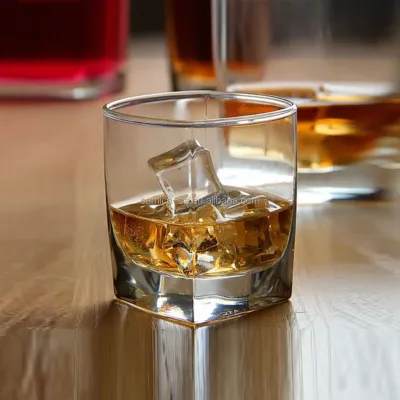
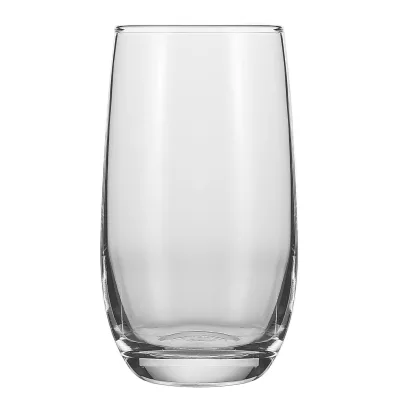
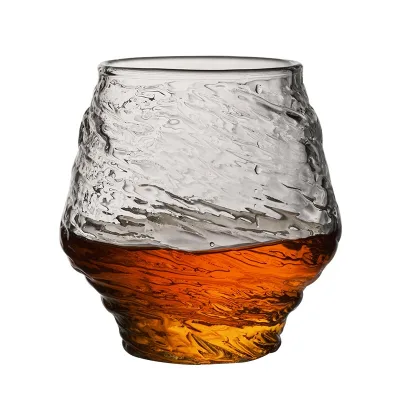
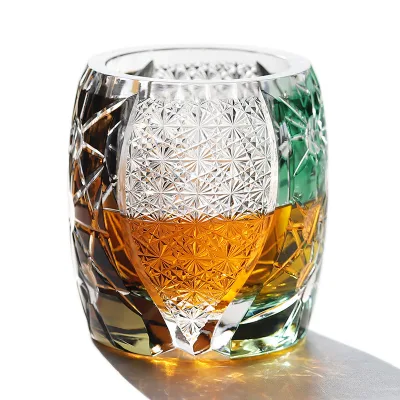
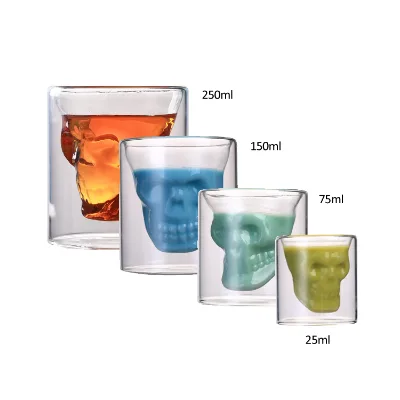
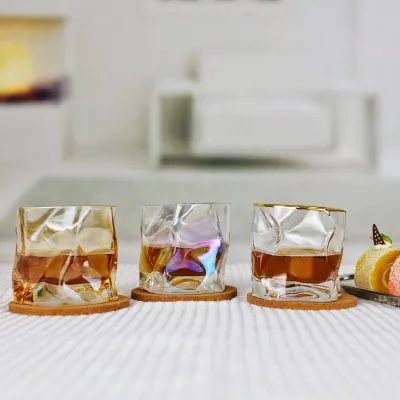
top seller Creative Wholesale special shaped glass cup crystal wine glass whisky glass
$1.1295 - $1.847
MOQ: 50 pieces


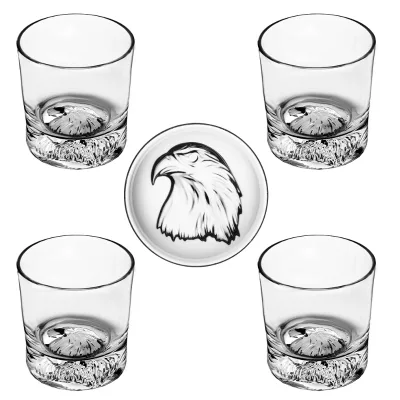
Custom Logo Whiskey Glasses 4 Square Rock Old Fashioned Classic Clear Glass
$1.27 - $1.63
MOQ: 100 Pieces


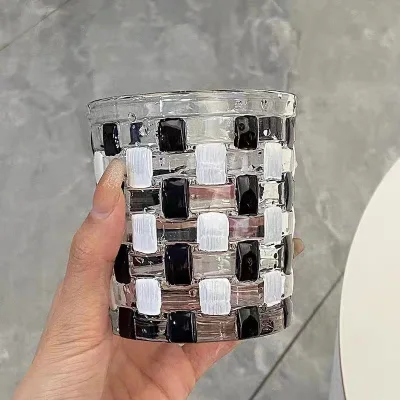
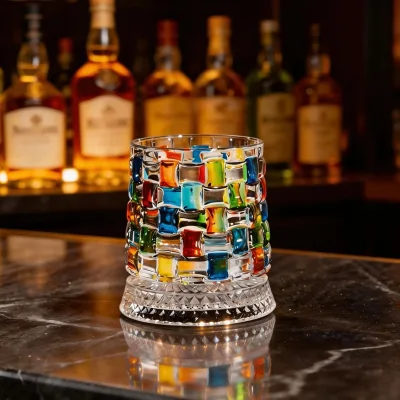
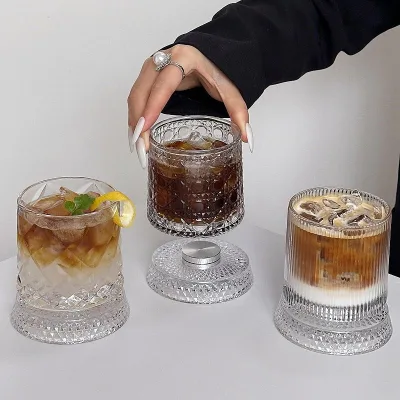




Comprehensive Sourcing Guide
Modern Art Unique Whiskey Glass Sourcing Guide
Sourcing modern art unique whiskey glasses requires a careful balance between aesthetic innovation and functional durability, particularly when targeting the hospitality and premium retail sectors. Buyers must recognize that "modern art" in this context often refers to distinctive design elements such as hammer patterns, crystallized glass textures, or contemporary silhouettes that differentiate the product from standard barware. The observed market signals indicate a strong presence of machine-made and handmade options, with specific models like JS22639 and JS22631 representing different approaches to this niche. Procurement teams should prioritize suppliers who can demonstrate consistency in these artistic finishes while maintaining the structural integrity required for daily use in hotels, offices, and gift markets.
The commercial landscape for these items is characterized by a wide price range, observed between $0.30 and $74.00 USD, which reflects significant variation in material quality, production method, and brand positioning. Minimum order quantities (MOQs) typically range from 48 to 5,000 pieces, allowing flexibility for both small boutique orders and large-scale hospitality contracts. Buyers should note that customization is widely available, enabling the addition of branding or specific design tweaks, but this often interacts with MOQ thresholds. Understanding these commercial variables early in the sourcing process helps in aligning supplier capabilities with budget constraints and inventory turnover expectations, ensuring that the unique aesthetic appeal does not come at the cost of operational efficiency or margin erosion.
Product Scope and Observed Listing Signals
The product scope for modern art whiskey glasses encompasses a variety of styles, including old-fashioned glasses, crystallized glass cups, and unique hammer-patterned designs. Observed listings highlight specific attributes such as transparent or clear colors, with some options featuring white finishes or modern design styles that appeal to contemporary interior aesthetics. The application extends beyond home use to include hotels, offices, and gift markets, indicating a versatile demand profile. Buyers should verify whether the "unique" aspect refers to the glass shape, the surface texture, or the packaging, as these elements significantly influence the perceived value and target audience for the product.
Key listing signals include the availability of stock versus made-to-order items, with some suppliers offering stocked items for faster delivery while others provide customized solutions. The presence of features such as sustainability claims and lead-free materials suggests a growing market demand for environmentally conscious and safe barware. Additionally, the observation of specific model numbers like AQ-56-5621 and production years like 2025207 indicates that suppliers maintain distinct product lines with specific identifiers. Procurement teams should use these signals to filter suppliers based on their ability to meet specific design requirements and delivery timelines, ensuring that the selected products align with the brand’s identity and customer expectations.
Technical Specifications to Verify
Technical verification begins with confirming the material composition, as listings indicate options ranging from standard glass to crystal and lead-free crystal glass. Buyers must ensure that the specified capacity, such as 300ml or 301-400ml, matches the intended serving size for whiskey or other spirits. The production method, whether machine-made or handmade, significantly impacts the consistency and finish of the glass, with handmade options often offering unique artistic variations but potentially higher variability. It is crucial to verify the single package dimensions, such as 6.8X8X7.5 cm, to calculate accurate shipping costs and storage requirements, especially for fragile items that require robust packaging.
Further technical checks should focus on the structural integrity and finish quality, including the presence of handles, which are noted as absent in some listings, and the shape, which is typically round for classic whiskey glasses. Buyers should request samples to assess the clarity, weight, and balance of the glass, as these factors influence the drinking experience. Additionally, verifying the packing method, such as one piece in one inner box within an export carton, is essential to minimize breakage during transit. Understanding these technical specifications allows buyers to make informed decisions about product suitability and potential quality issues before committing to large orders.
Compliance and Safety Documentation
Compliance and safety are paramount when sourcing glassware for food and beverage applications, with lead-free certification being a critical requirement. Buyers must verify that all products meet relevant food safety standards, such as FDA approval, to ensure they are safe for consumer use. The presence of ISO certification further indicates a supplier’s commitment to quality management systems, which can be a reliable indicator of consistent production standards. Procurement teams should request copies of these certifications and verify their validity with the issuing bodies to mitigate the risk of non-compliant products entering the supply chain.
In addition to material safety, buyers should inquire about any additional testing or quality control measures implemented by the supplier, such as drop tests or thermal shock resistance checks. These tests are crucial for ensuring that the glassware can withstand typical use and cleaning processes without breaking or leaching harmful substances. Documentation of these tests should be included in the supplier’s quality assurance package, providing evidence of product reliability. By prioritizing compliance and safety documentation, buyers can protect their brand reputation and ensure customer satisfaction, avoiding potential legal and health risks associated with non-compliant glassware.
Cost Drivers and Commercial Terms
Cost drivers for modern art whiskey glasses include material quality, production complexity, and customization requirements. Lead-free crystal glass and handmade finishes typically command higher prices due to the increased labor and material costs involved. Buyers should analyze the price range of $0.30 to $74.00 USD to understand the value proposition of different suppliers, considering factors such as brand reputation, design exclusivity, and volume discounts. Competitive pricing should be balanced with quality assurance, as extremely low prices may indicate compromised materials or production standards.
Commercial terms, including MOQs and payment conditions, also significantly impact the total cost of ownership. MOQs ranging from 48 to 5,000 pieces allow for flexibility, but higher volumes often result in better unit prices. Buyers should negotiate favorable payment terms and clarify any additional costs for customization, packaging, or expedited shipping. Understanding these commercial terms helps in budgeting accurately and avoiding unexpected expenses. By aligning cost expectations with supplier capabilities, buyers can secure favorable deals that support their profitability and market positioning.
Supplier Qualification and Quality Control
Supplier qualification involves assessing the manufacturer’s production capabilities, quality control processes, and track record in the glassware industry. Buyers should verify the supplier’s location, such as Shanxi or Hunan in China, and evaluate their experience in producing modern art and unique designs. Requesting references or case studies from previous clients can provide insights into the supplier’s reliability and customer service quality. Additionally, assessing the supplier’s ability to provide samples and their responsiveness to inquiries is crucial for establishing a strong partnership.
Quality control measures should be clearly defined, including in-process inspections and final random inspections before shipment. Buyers should specify acceptable quality limits (AQL) and require the supplier to adhere to these standards. The availability of good service and punctual shipment is also important, as delays or poor communication can disrupt supply chain operations. By conducting thorough supplier qualification and implementing robust quality control protocols, buyers can minimize risks and ensure consistent product quality, supporting long-term business success.
Long-Term Procurement Checks
Long-term procurement checks focus on maintaining supplier performance and adapting to market changes. Regular audits of supplier quality and delivery performance help identify potential issues early, allowing for corrective actions before they impact business operations. Buyers should also monitor market trends and consumer preferences to ensure that the sourced products remain relevant and competitive. Engaging in continuous dialogue with suppliers about new designs, materials, and technologies can lead to innovative solutions and improved product offerings.
Additionally, buyers should evaluate the sustainability practices of their suppliers, as environmental responsibility becomes increasingly important to consumers. Verifying that suppliers adhere to sustainable practices, such as using lead-free materials and eco-friendly packaging, can enhance brand value and meet regulatory requirements. By implementing long-term procurement checks, buyers can build resilient supply chains that support growth and adaptability, ensuring that their modern art whiskey glass offerings continue to meet customer expectations and market demands.
FAQs
What materials are used for modern art unique whiskey glasses?
These glasses are crafted from lead-free crystal glass, ensuring clarity and durability. The material is often described as crystallized glass, providing a premium feel. This composition supports sustainable production methods while maintaining the structural integrity required for serving whiskey and other spirits effectively.
Can I customize the packaging for bulk orders?
Yes, customization is available for packaging requirements. Standard packing typically involves one piece in an inner box, followed by an export carton. Buyers can request specific packaging solutions to suit their branding or logistical needs, ensuring the products arrive safely and presentably at their destination.
What is the typical capacity of these whiskey glasses?
The capacity generally ranges from 300ml to 400ml, suitable for standard whiskey servings. Some models are specified at exactly 300ml, while others fall within the 301-400ml bracket. This volume allows for proper aeration and appreciation of the spirit's aroma without overfilling the unique glass design.
Which certifications apply to these crystal glass products?
Products often carry FDA and ISO certifications, indicating compliance with safety and quality standards. These credentials assure buyers of the material's safety for food and beverage contact. The lead-free crystal glass construction further supports regulatory compliance, making these items suitable for international trade and distribution channels.
How does the design style of these glasses appear?
The design style is typically modern or contemporary, featuring unique patterns like hammer textures. Some models are machine-made with a round shape, while others may be handmade. The aesthetic combines functional utility with artistic appeal, making them suitable for home, hotel, or office settings as distinctive drinking vessels.
What is the minimum order quantity for these glasses?
The minimum order quantity varies, with some suppliers requiring 500 pieces. Other listings indicate MOQs ranging from 48 to 5000 units depending on the specific model and customization level. Buyers should verify the exact MOQ with the manufacturer, as it impacts pricing tiers and production scheduling significantly.