Source Handmade Egyptian Tea Box for Gifts, Home Decor, and Crafts
Compare 30 listings for Handmade Egyptian Tea Box options featuring solid wood and bamboo materials. Buyers can evaluate customization, packaging, and shipping details for arts, gifts, and home decoration needs; compare the available evidence and request quotations based on your requirements.
Updated
Key considerations
Products List

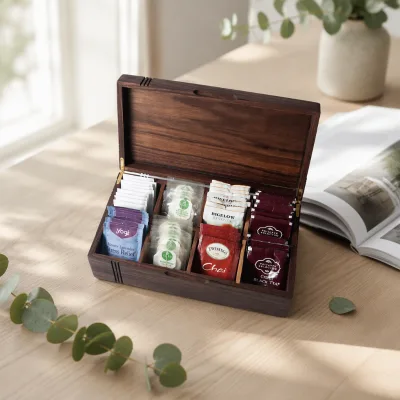
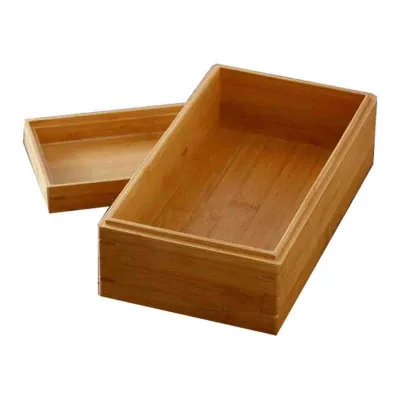
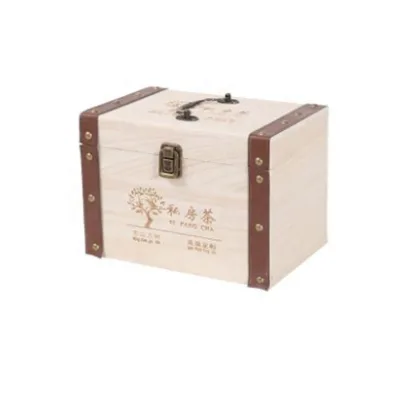
Food Grade Wooden Tea Gift Box Natural Handmade Gift Display Wooden Tea Box
$2.4056 - $2.6614
MOQ: 500 pieces
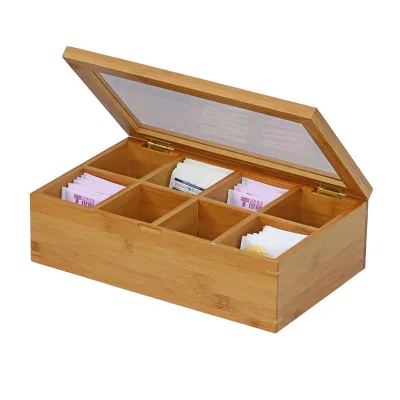
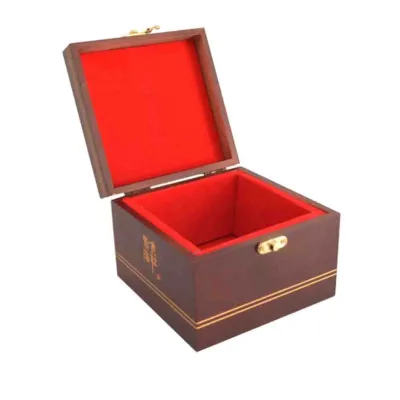

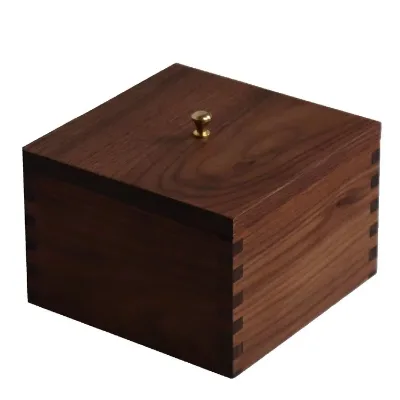
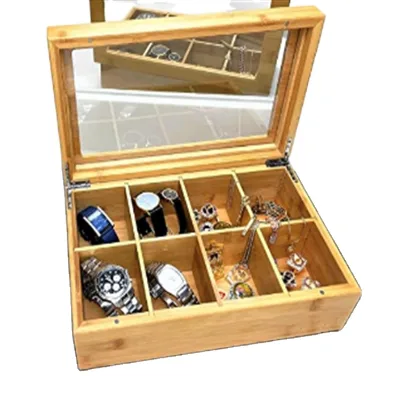
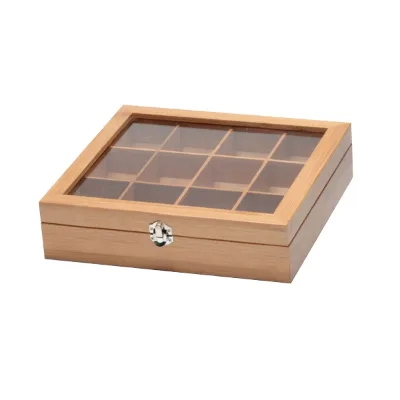
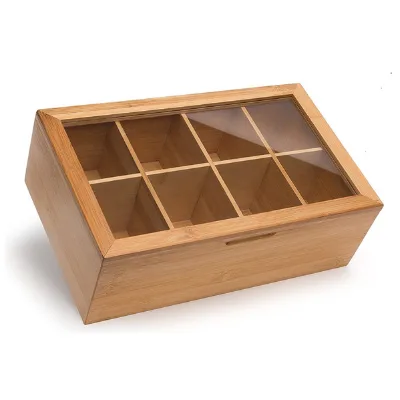
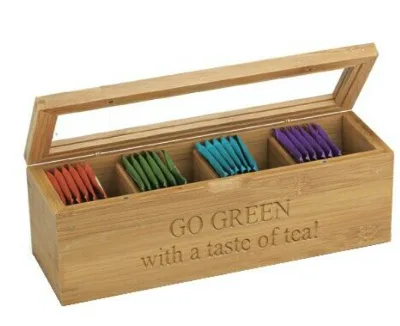


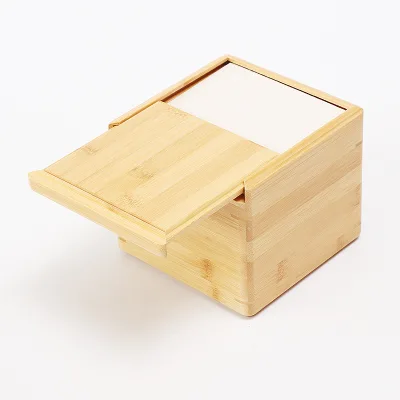



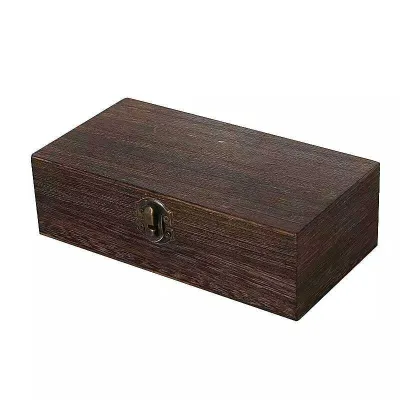
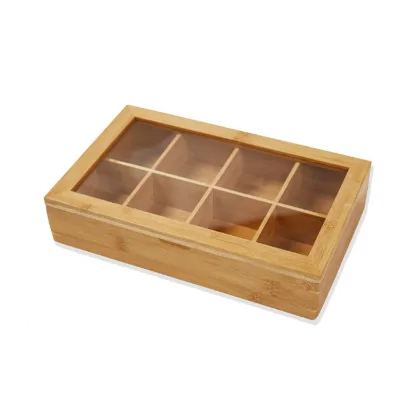
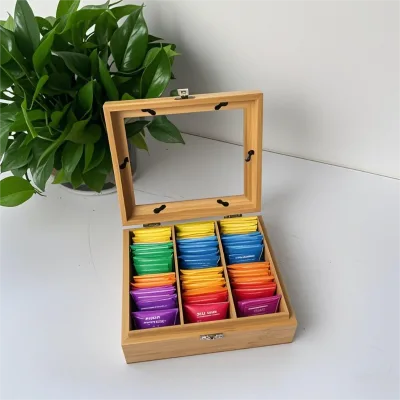
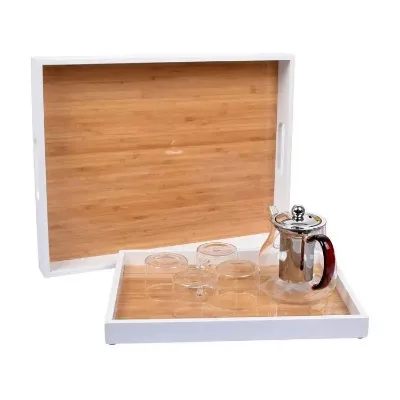
Wooden Box to Hold Tea Bags Wooden Box Tea Bag Chest Wooden Tea Box Egypt
$7.37 - $9.21
MOQ: 500 pieces
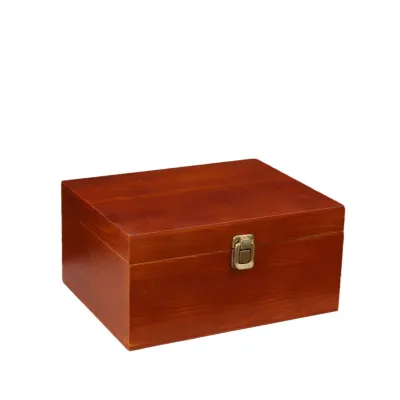
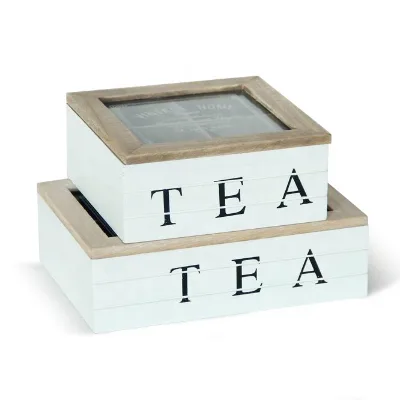
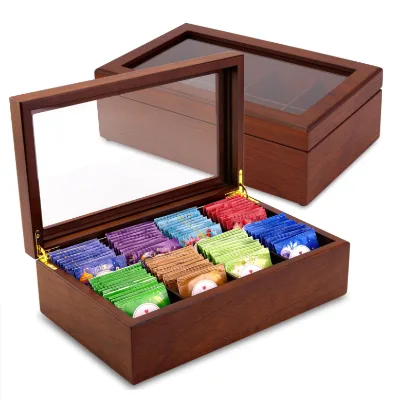
High Quality Luxury Elegantly Handmade Tea Storage Chest Container Wooden Tea Bag Organizer
$4.3549 - $4.9607
MOQ: 200 pieces
Comprehensive Sourcing Guide
Handmade Egyptian Tea Box Sourcing Guide
Sourcing handmade Egyptian tea boxes requires a nuanced understanding of material authenticity, artisanal craftsmanship, and supply chain transparency. Buyers must distinguish between mass-produced imitations and genuine handcrafted items that reflect traditional Egyptian design aesthetics. The market offers a variety of materials, including solid wood and bamboo, each presenting distinct durability and aesthetic profiles. Understanding these material differences is critical for aligning product selection with brand positioning and target consumer expectations.
Procurement strategies should prioritize suppliers who provide verifiable origin documentation and detailed production insights. Given the global nature of the trade, verifying the actual place of origin is essential, as some listings may indicate regions like Shandong or Shenzhen rather than Egypt itself. Buyers need to establish clear communication channels with suppliers to confirm manufacturing locations and ensure that the "handmade" claim is substantiated by the production process. This diligence helps mitigate risks associated with mislabeled origins and ensures compliance with international trade regulations.
Product Scope and Observed Listing Signals
The current market landscape for tea storage solutions reveals a diverse range of product attributes, from cardboard and solid wood to bamboo constructions. Observed listings indicate a wide price range, typically between $0.02 and $68 USD, reflecting variations in material quality, complexity of design, and order volume. Minimum order quantities (MOQs) generally span from 10 to 1000 units, allowing flexibility for both small boutique orders and large-scale commercial procurement. These signals suggest a highly segmented market where buyers can find options tailored to specific budget constraints and inventory requirements.
Product specifications vary significantly, with sizes ranging from middle dimensions to customized options, and weights typically between 0.5 and 1.25 kg per unit. Some products feature multiple compartments, such as eight-section designs, while others offer single-layer storage. Surface handling techniques like offset printing and logo customization, including screen printing or laser engraving, are commonly available. Buyers should carefully review these specifications to ensure the physical dimensions and aesthetic features align with their packaging needs and branding guidelines.
Technical Specifications to Verify
Verifying technical specifications is crucial for ensuring product quality and functionality. Key attributes to confirm include material composition, such as solid wood or bamboo, and structural integrity, often indicated by features like durability and the inclusion of lids. Dimensional accuracy is another critical factor, with some suppliers offering tight tolerances of less than ±1mm. Buyers should request detailed single package sizes and gross weights to calculate shipping costs accurately and optimize warehouse storage space.
Surface treatment and finishing techniques, such as polished surfaces or specific color options like brown or customized hues, significantly impact the final product appearance. Artwork formats for customization, including PDF, CDR, and AI files, should be confirmed to ensure compatibility with the supplier’s design capabilities. Additionally, verifying the layer count and load capacity, which may be specified as ≤5kg, helps determine the box’s suitability for heavy tea products. Clear communication on these technical details prevents discrepancies between samples and bulk production.
Compliance and Safety Documentation
Compliance with international standards is a non-negotiable aspect of sourcing tea packaging. Buyers must verify that products meet relevant safety and environmental regulations, such as RoHS standards, which restrict hazardous substances in electrical and electronic equipment, though its applicability to wooden boxes should be clarified. Certifications like CE may be mentioned in background contexts, but buyers should request official documentation to confirm compliance status. Ensuring that materials are food-safe is paramount, especially for products intended to store consumable goods like tea.
Documentation should also cover export market compliance, as products are often destined for global markets. Suppliers should provide evidence of adherence to import regulations in destination countries, including labeling requirements and material safety data sheets. Buyers should inquire about the supplier’s quality management systems and any third-party testing results that validate product safety. This due diligence protects brands from regulatory penalties and ensures consumer trust in the product’s safety and quality.
Cost Drivers and Commercial Terms
Several factors influence the final cost of handmade tea boxes, including material selection, customization complexity, and order volume. Higher-quality materials like solid wood or bamboo typically command higher prices compared to cardboard alternatives. Customization options, such as logo printing and specific color matching, add to the production cost. Buyers should negotiate based on volume discounts, as MOQs can significantly impact unit pricing. Understanding these cost drivers helps in budgeting and selecting the most cost-effective solution without compromising quality.
Commercial terms, including shipping methods and payment conditions, also affect the total procurement cost. Suppliers may offer services like DDP (Delivered Duty Paid), which simplifies logistics but may increase the unit price. Lead times for samples, often ranging from 3 to 5 days, and production lead times should be clarified to manage inventory planning. Buyers should also consider the cost of packaging, such as cartons or brown boxes, and any additional fees for artwork setup or mold creation. Transparent pricing structures facilitate better financial planning and risk management.
Supplier Qualification and Quality Control
Evaluating supplier qualifications is essential for establishing a reliable supply chain. Buyers should assess the supplier’s experience in producing handmade or custom packaging, checking for relevant certifications and past performance records. Communication responsiveness, such as 24-hour online services, indicates a supplier’s commitment to customer support. Verifying the supplier’s production capacity and quality control processes ensures consistent product quality across large orders.
Quality control measures should include pre-production sample approvals and in-line inspections during manufacturing. Buyers should define clear acceptance criteria for defects, such as surface imperfections or dimensional inaccuracies. Establishing a robust quality assurance protocol helps identify and rectify issues before shipment. Regular audits and feedback loops with suppliers can further enhance product quality and strengthen the business relationship. This proactive approach minimizes the risk of receiving substandard products and ensures customer satisfaction.
Long-Term Procurement Checks
Long-term procurement success depends on continuous monitoring and relationship management. Buyers should regularly review supplier performance metrics, including on-time delivery rates, product quality consistency, and responsiveness to issues. Building a strong partnership with suppliers fosters collaboration and innovation, leading to improved product offerings and competitive advantages. Regular communication and joint planning sessions can align production schedules with market demands, reducing lead times and inventory costs.
Adapting to market trends and consumer preferences is crucial for maintaining product relevance. Buyers should stay informed about emerging materials, design trends, and sustainability practices in the packaging industry. Periodic reassessment of supplier capabilities and market conditions ensures that procurement strategies remain effective and aligned with business goals. By maintaining a flexible and informed approach, buyers can navigate supply chain disruptions and capitalize on new opportunities for growth and differentiation.
FAQs
Can I customize the logo on Handmade Egyptian Tea Box products?
Yes, logo printing is available for these items. You can provide artwork in PDF, CDR, or AI formats. The surface handling supports offset printing. Some options include screen print or laser techniques. This allows for branded packaging solutions tailored to your specific business needs and design requirements.
What is the typical MOQ for ordering Handmade Egyptian Tea Box?
The minimum order quantity is generally 500 pieces. However, observed ranges extend from 10 to 1000 units depending on the specific supplier. Customization availability may influence these thresholds. Buyers should verify exact MOQs with manufacturers to ensure alignment with their initial procurement volume and budget constraints.
Which materials are used for Handmade Egyptian Tea Box construction?
Materials include solid wood and bamboo for durable construction. Cardboard is also used for certain packaging variants. These materials offer natural aesthetics and strength. The solid wood options feature a polished technique and brown color. Bamboo variants provide a lightweight yet sturdy alternative for various tea storage applications.
What certifications do Handmade Egyptian Tea Box suppliers hold?
Products often comply with RoHS standards for safety. Some listings reference CE certification for broader market acceptance. These standards ensure material safety and quality control. Buyers should request specific certification documents from suppliers. Compliance with these standards is crucial for exporting to regulated markets and ensuring product safety.
How long is the sample lead time for Handmade Egyptian Tea Box?
Sample production typically takes 3 to 5 days. This timeframe allows for quality verification before bulk orders. Shipping time is separate from production lead time. Buyers should confirm exact delivery schedules with vendors. Early sampling helps ensure the final product meets your specific design and quality expectations.
What are the single package dimensions for Handmade Egyptian Tea Box?
Dimensions vary by model, such as 46x42x40 cm or 27x16x14 cm. Some specifications list 24.5x13.5x8.5 cm. Weight ranges from 0.5 to 1.25 kg per unit. These variations affect shipping costs and storage requirements. Buyers should select sizes that match their retail packaging and logistics needs.