Source Heavy Duty Outdoor Plastic Trash Bin with Wheels for Public, Street, Garden
Compare 30 Heavy Duty Outdoor Plastic Trash Bin with Wheels options from verified Chinese manufacturers. These HDPE bins feature eco-friendly designs, customizable capacities from 60L to 240L, and are suitable for public places, streets, and gardens; compare the available evidence and request quotations based on your requirements.
Updated
Key considerations
Products List


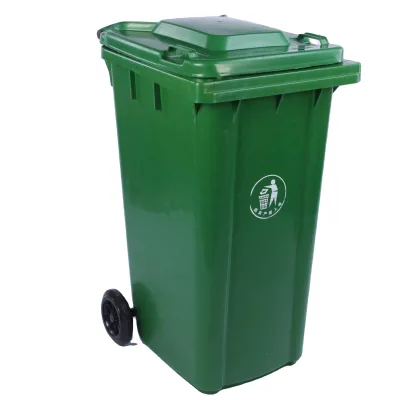
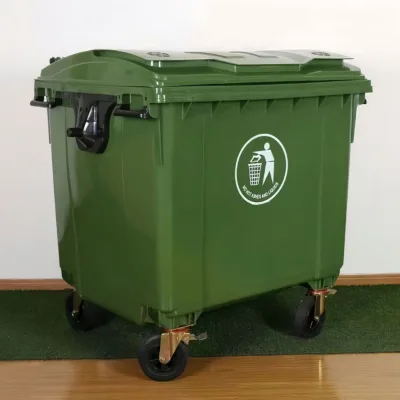
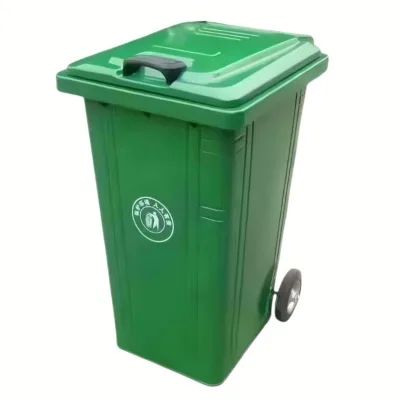


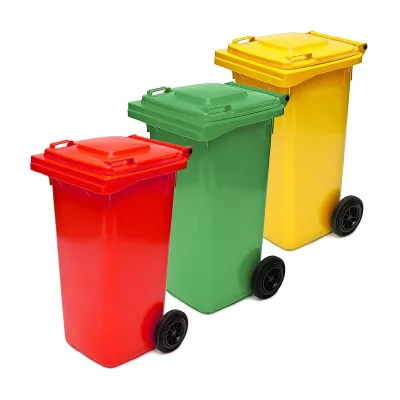
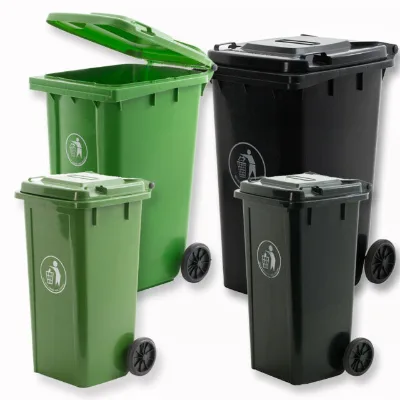
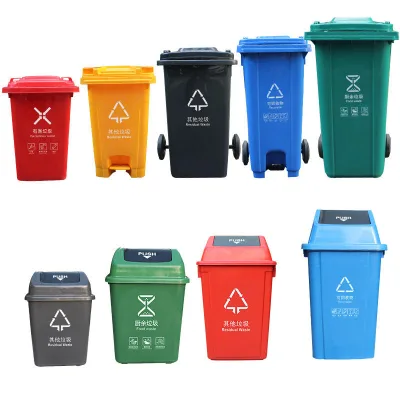


Outdoor Trash Bin Outdoor Plastic Storage Medical Garbage Bin Heavy Duty Garbage Bin
$65.00 - $78.00
MOQ: 100 Pieces


Hot Sale Recycling Garbage Sorting Large Size Plastic Outdoor with Wheel Dustbin Trash Bin
$65.00 - $78.00
MOQ: 100 Pieces


Rubbish Plastic Bin Outdoor Pedal Rubbish Bin Waste Bin with Wheels for Industrial
$65.00 - $78.00
MOQ: 100 Pieces


Comprehensive Sourcing Guide
Heavy Duty Outdoor Plastic Trash Bin with Wheels Sourcing Guide
Procurement teams must first distinguish between general storage buckets and specialized wheelie bins designed for public and outdoor recycling. The available market data indicates a specific product type labeled as "Wheelie Bin" with capacities ranging from 60 to 240 liters, alongside other listings mentioning smaller capacities like 5 to 30 liters. Buyers should verify that the selected unit matches the intended volume requirements for street or public place usage rather than generic indoor storage.
The observed product attributes highlight a strong emphasis on eco-friendly features and durability for outdoor environments. Listings confirm the use of HDPE materials and specific structural designs like rolling cover types or hinged lids to ensure weather resistance. Sourcing decisions should prioritize units explicitly marked for outdoor, recycling, and public applications to ensure the selected hardware meets the rigorous demands of municipal or commercial waste management.
Product Scope and Observed Listing Signals
Buyers should analyze the observed listing signals to confirm the presence of essential mobility features, specifically the wheel configuration. The data shows options for both two-wheel and four-wheel setups, which directly impacts stability and maneuverability on uneven outdoor surfaces. Procurement teams must verify the specific wheel quantity for each order to ensure the bin can be easily rolled by staff or automated collection systems without tipping.
Color and customization options are significant variables in the current market, with listings offering both multicolor and unicolor finishes. Some suppliers provide DIY printed patterns and customized logos, which is critical for branding municipal services or corporate recycling programs. Buyers need to confirm if the desired color scheme is a standard stock item or requires a custom order, as this may affect lead times and minimum order quantities.
Technical Specifications to Verify
Technical verification must begin with the base material composition, as the supply chain data explicitly identifies HDPE as the primary material for these units. This plastic type is selected for its resistance to impact and environmental degradation, but buyers should confirm the specific grade used to ensure longevity in harsh weather conditions. The structural design is described as standing and rectangular, which optimizes space efficiency in public areas and storage facilities.
Capacity and lid mechanisms are critical technical parameters that vary across the observed product range. Models are available in 60L, 120L, and 240L sizes, with some listings noting customizability beyond these standard volumes. The lid types include hinged, pedal, and closed options, each serving different hygiene and operational needs. Buyers must match the lid mechanism to the specific waste stream, ensuring the design prevents littering while allowing for efficient emptying.
Compliance and Safety Documentation
Safety and compliance verification should focus on the presence of recognized quality management certifications, such as the ISO certification noted in the product data. While specific environmental or safety test reports are not detailed in the provided context, the presence of an ISO certificate suggests a baseline commitment to standardized manufacturing processes. Procurement teams should request current certification documents to validate that the supplier maintains consistent quality control protocols.
Documentation regarding the physical safety of the product is equally important for outdoor deployment. The observed specifications include spare parts like lids, wheels, axles, and pins, which implies a design consideration for maintenance and repairability. Buyers should ensure that the supplier provides a clear parts list and assembly instructions to facilitate long-term maintenance, reducing the risk of operational downtime due to broken components.
Cost Drivers and Commercial Terms
Commercial terms are heavily influenced by the minimum order quantity (MOQ) and the customization level required for the project. The observed data indicates an MOQ of 50 units for certain models, while other listings suggest a range from 1 to 100 units depending on the specific configuration. Buyers must clarify the exact MOQ for their desired capacity and color options, as custom logos or specific capacities may trigger higher volume thresholds.
Pricing and packaging logistics are additional cost drivers that require careful negotiation. Products are typically palletized with stretch film for protection during transit, and some listings mention container shipping as the standard packing method. The single gross weight of approximately 14.5 kg per unit affects freight costs significantly. Procurement teams should calculate total landed costs by factoring in the weight, volume, and packaging requirements to avoid unexpected shipping expenses.
Supplier Qualification and Quality Control
Supplier qualification should prioritize manufacturers with a proven track record in producing heavy-duty outdoor waste solutions. The supply chain data points to origins in Shandong and Hebei, China, regions known for plastic manufacturing capabilities. Buyers should verify the specific factory location and production capacity to ensure the supplier can meet large-scale demand without compromising on the structural integrity of the HDPE bins.
Quality control processes must be validated through on-site audits or third-party inspection reports before finalizing large orders. The availability of spare parts such as axles and wheels suggests that the manufacturer supports long-term product lifecycles, but this must be confirmed with a formal spare parts policy. Buyers should establish clear acceptance criteria for material thickness and wheel durability to ensure the bins withstand the rigors of daily outdoor use.
Long-Term Procurement Checks
Long-term procurement strategies should include a review of the supplier's ability to maintain consistent product specifications over time. The market data shows variations in capacity ranges and material descriptions, indicating that buyers must re-verify specifications for every new order to prevent drift in product quality. Establishing a recurring quality check protocol ensures that the bins continue to meet the original performance standards for outdoor and recycling applications.
Sustainability and end-of-life considerations are increasingly important for public sector and corporate buyers. The eco-friendly feature highlighted in the product attributes aligns with broader environmental goals, but buyers should verify the recyclability of the HDPE material used. Procurement teams should inquire about the supplier's recycling programs or material recovery initiatives to ensure the entire product lifecycle supports the organization's sustainability commitments.
FAQs
What capacities are available for these bins?
Standard capacities include 60L, 120L, and 240L models. Customizable options range from 20L to 300L to meet specific volume requirements. These sizes support efficient waste management in public places, streets, and gardens while ensuring adequate storage for outdoor recycling needs.
Can I customize the logo and color?
Yes, customized logos and multicolor or unicolor designs are acceptable. The bins support DIY printed patterns and specific branding requests. This customization allows businesses to maintain visual identity while utilizing durable HDPE plastic construction suitable for heavy-duty outdoor environments and public recycling stations.
What material is used for construction?
The bins are constructed from high-density polyethylene (HDPE) plastic. This material ensures the units are eco-friendly, water-resistant, and sturdy. The robust plastic structure supports a standing rectangular shape, providing long-term durability for outdoor use in various weather conditions without compromising structural integrity.
How many wheels do the bins have?
Options include configurations with two wheels or four wheels. The rolling cover type style facilitates easy mobility for waste collection. This design supports efficient handling in public places and streets, ensuring that heavy loads can be moved smoothly while maintaining stability during transport and daily usage.
What certifications do the products hold?
The products hold ISO certification, indicating adherence to quality management standards. This certification supports reliable sourcing for B2B buyers requiring verified manufacturing processes. The ISO compliance ensures that the heavy duty outdoor plastic trash bins meet international expectations for safety, durability, and consistent production quality.
What is the minimum order quantity?
The minimum order quantity is typically fifty units. This MOQ applies to standard customized orders for public and outdoor use. Buyers should verify specific terms with suppliers, as bulk pricing and lead times may vary based on the selected capacity, color customization, and packaging requirements for container shipping.