Source Disposable Wiper Cloth for Kitchen, Bath, and Car Cleaning
Compare 30 listings of Disposable Wiper Cloth from verified suppliers. Options include spunlace and microfiber materials in various sizes and colors for multipurpose daily cleaning applications across kitchen, bath, car, and digital product sectors. These eco-friendly wipes are available in folded or flat forms with customizable features and standard packaging options.
Updated
Key considerations
Products List


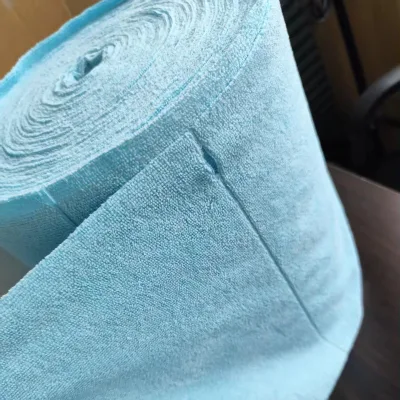


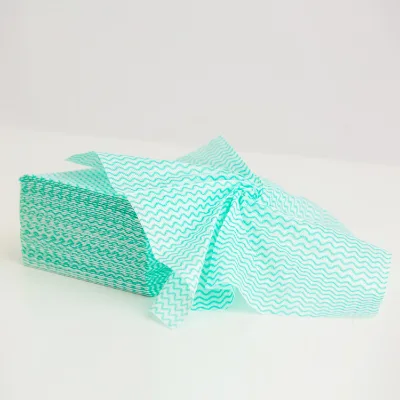
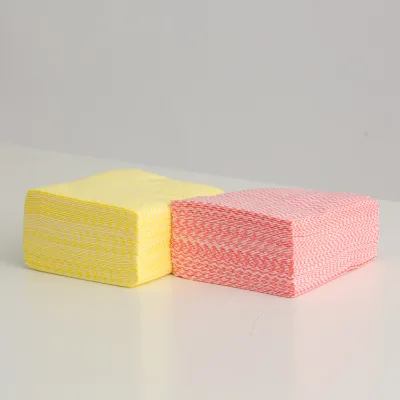

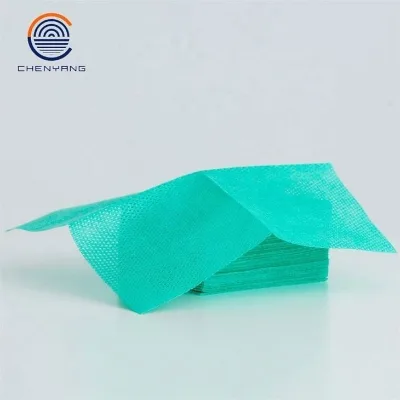
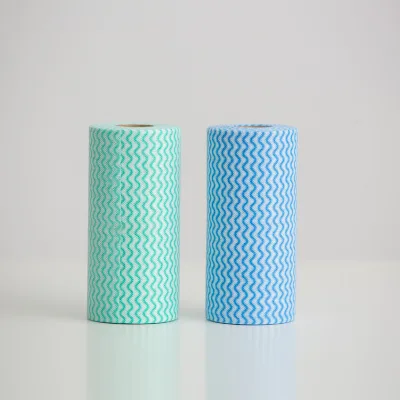


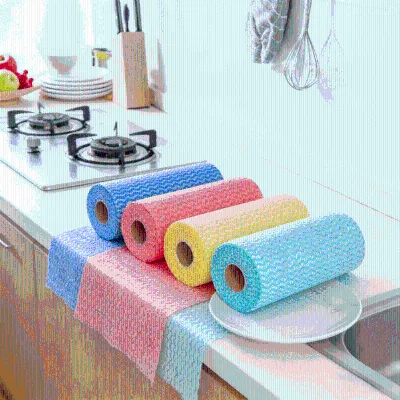
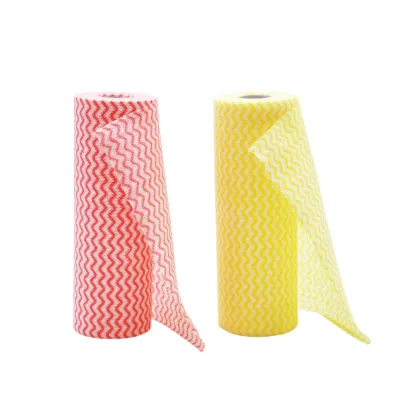
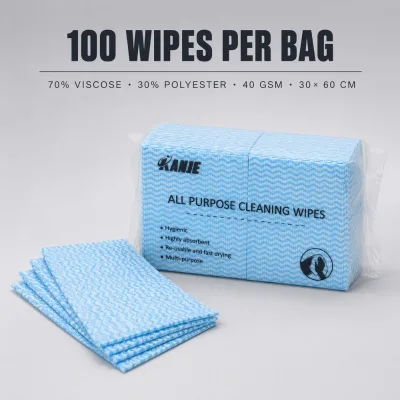
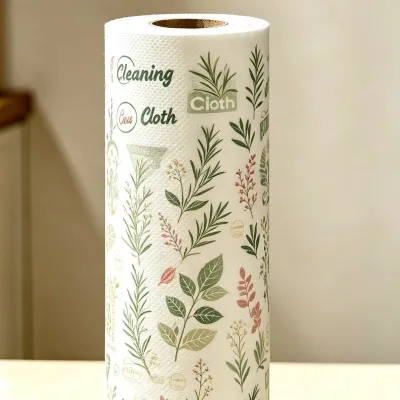
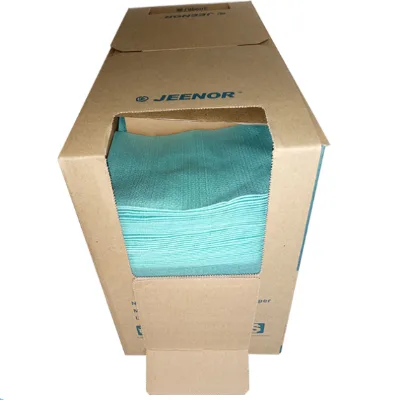
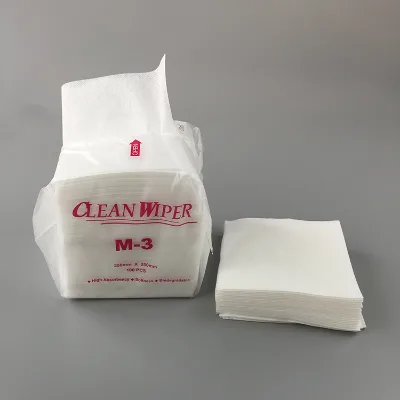
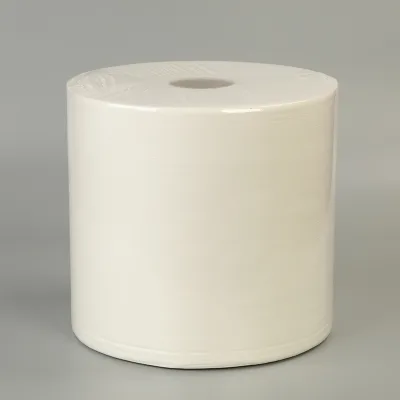
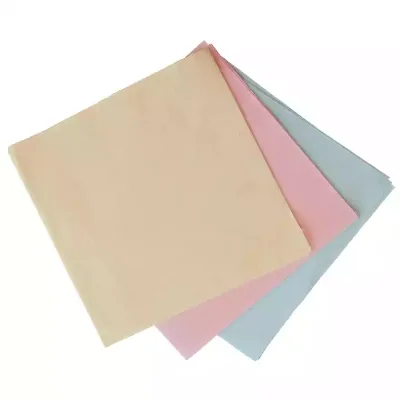
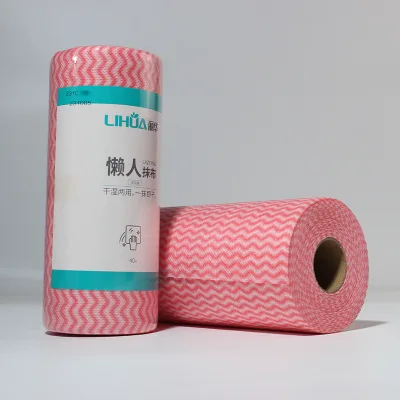
Disposable Eco-Friendly Microfiber Cleaning Cloths Stocked Kitchen Wipes
$0.5202 - $0.6131
MOQ: 5000 rolls
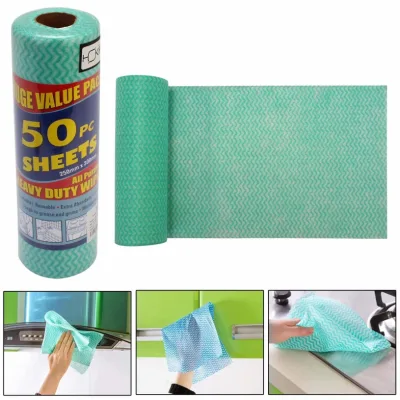
Comprehensive Sourcing Guide
Disposable Wiper Cloth Sourcing Guide
Procuring disposable wiper cloths requires a clear understanding of material composition and intended application, as these factors directly influence cleaning efficacy and cost. The market offers a diverse range of options, from spunlace non-woven fabrics blended with cellulose to 100% polyester microfiber variants. Buyers must distinguish between general-purpose household cleaning wipes and specialized cleanroom wipers, as the latter often demand stricter dust-free and lint-free characteristics. Understanding these distinctions ensures that the selected product aligns with specific operational needs, whether for kitchen maintenance, automotive detailing, or sensitive digital product cleaning.
Commercial listings reveal significant variability in product attributes, including size, color, and packaging formats. Observed specifications include dimensions such as 20x25cm, 25x30cm, and 30x70cm, with weights ranging from 40 to 120g/m². Packaging is typically provided in polybags, shrink wraps, or paper cartons, with quantities varying from single items to bulk bags containing up to 150 pieces. Sourcing teams should verify these details against their inventory requirements, noting that some products are customized while others are standard non-customized items, which affects lead times and minimum order quantities.
Product Scope and Observed Listing Signals
The product scope for disposable wiper cloths spans multiple industries, including kitchen, bathroom, automotive, and digital electronics cleaning. Listings indicate that materials such as non-woven fabric, spunlace with cellulose, and microfiber are prevalent, each offering distinct absorption and durability profiles. Colors range from standard white and blue to multicolor options, allowing for color-coding strategies in professional cleaning environments. These signals suggest that buyers can source versatile solutions for daily cleaning tasks, but must carefully evaluate material properties to ensure compatibility with specific surfaces and cleaning agents.
Observed listing signals also highlight variations in customization and folding methods. Some products are offered as folded wipes, while others may be unfolded, impacting storage efficiency and ease of use. Customization is available for certain models, enabling buyers to tailor products to specific branding or functional requirements. However, not all listings support customization, so procurement teams must identify suppliers who can accommodate specific size, color, or packaging requests. This variability underscores the importance of reviewing product descriptions thoroughly to avoid mismatches between expected and delivered specifications.
Technical Specifications to Verify
Technical verification begins with confirming material composition, as this dictates performance in dust removal and moisture absorption. Buyers should verify whether the wiper is made from spunlace non-woven fabric, polyester, or a blend, noting that some products are explicitly labeled as dust-free or sustainable. Weight specifications, such as 120g or ranges like 40-120g/m², are critical for determining durability and absorbency. Additionally, knitting methods like straight knit or double knit may influence the wiper’s strength and texture, so these details should be confirmed with the supplier to ensure they meet operational standards.
Size and standard dimensions are another key area for verification. Common sizes include 9x9 inches, 20x25cm, 25x30cm, and 30x50cm, with some products adhering to specific standards like 35x35cm. Buyers must ensure that the selected size fits their existing dispensing systems or storage constraints. Sealing methods, such as laser cut or cold cut, also affect the wiper’s edge quality and potential for linting. Verifying these technical parameters helps prevent issues related to improper fit or inadequate cleaning performance, ensuring that the purchased wipers function as intended in their designated applications.
Compliance and Safety Documentation
Compliance documentation is essential for ensuring that disposable wiper cloths meet safety and quality standards, particularly for use in sensitive environments like cleanrooms or food preparation areas. Buyers should request certificates such as ISO9001, CE, and MSDS to verify that the manufacturer adheres to recognized quality management and safety protocols. These documents provide assurance that the products have undergone rigorous testing and meet regulatory requirements for chemical safety and material integrity. Without proper certification, there is a risk of introducing contaminants or unsafe materials into the cleaning process.
Additionally, buyers should inquire about any additional certifications or standards specific to their industry, such as FSC for sustainable sourcing, although this is noted as low-confidence background information. It is crucial to confirm whether the supplier can provide up-to-date compliance documentation for each batch of products. This step is particularly important for multinational procurement, where different regions may have varying regulatory requirements. Ensuring that all compliance documents are readily available and valid helps mitigate legal and operational risks associated with the use of disposable wiper cloths.
Cost Drivers and Commercial Terms
Cost drivers for disposable wiper cloths include material type, weight, size, and customization requirements. Heavier wipers with higher gram weights, such as 120g, typically command higher prices due to increased material usage and processing complexity. Customization options, such as specific colors or packaging formats, may also add to the cost, as they require additional production steps. Buyers should analyze these factors to understand the price structure and identify opportunities for cost optimization without compromising quality. Understanding these drivers enables more accurate budgeting and negotiation with suppliers.
Commercial terms, including minimum order quantities (MOQ) and packaging details, significantly impact procurement costs. Observed MOQs range from 1 to 30,000 units, offering flexibility for both small and large buyers. Packaging options vary from single items to bulk bags or cartons, affecting shipping and storage costs. Buyers should negotiate terms that align with their inventory management strategies, considering factors like lead times and storage capacity. Clear communication regarding these terms helps avoid unexpected costs and ensures a smooth procurement process, from order placement to delivery.
Supplier Qualification and Quality Control
Supplier qualification is a critical step in ensuring the reliability and consistency of Disposable Wiper Cloth supplies. Buyers should assess suppliers based on their production capabilities, quality control processes, and ability to meet specific technical requirements. This includes verifying that the supplier can consistently produce wipers with the specified material composition, size, and weight. Additionally, buyers should inquire about the supplier’s quality control measures, such as in-process inspections and final product testing, to ensure that each batch meets the agreed-upon standards.
Quality control extends to the supplier’s ability to handle customization and maintain consistency across large orders. Buyers should request samples to evaluate the product’s performance and quality before committing to a larger purchase. It is also important to establish clear communication channels for addressing any quality issues that may arise during production or delivery. By thoroughly qualifying suppliers and implementing robust quality control measures, buyers can minimize the risk of receiving substandard products and ensure that their cleaning operations run smoothly and efficiently.
Long-Term Procurement Checks
Long-term procurement checks involve regular monitoring of supplier performance and product quality to ensure ongoing compliance with procurement standards. Buyers should establish key performance indicators (KPIs) related to delivery times, product consistency, and customer satisfaction to evaluate supplier reliability. Regular audits and feedback sessions can help identify areas for improvement and strengthen the partnership with the supplier. This proactive approach ensures that any issues are addressed promptly, maintaining the quality and availability of disposable wiper cloths for critical cleaning tasks.
Additionally, buyers should stay informed about market trends and technological advancements in wiper cloth production to identify opportunities for innovation and cost savings. This includes exploring new materials or manufacturing processes that may offer improved performance or sustainability benefits. By continuously evaluating and optimizing their procurement strategies, buyers can adapt to changing market conditions and ensure that their Disposable Wiper Cloth supplies remain cost-effective, high-quality, and aligned with their operational needs. This long-term perspective supports sustainable procurement practices and enhances overall supply chain resilience.
FAQs
What materials are used for disposable wiper cloths?
Disposable wiper cloths are primarily manufactured from non-woven fabrics, including spunlace with cellulose and 100% polyester microfiber. These materials offer distinct cleaning properties, with polyester options often designed for dust-free environments and cellulose blends providing eco-friendly absorption for general household or industrial use.
Can I customize the size of the cleaning cloths?
Yes, customization is available for many Disposable Wiper Cloth products. Standard sizes include 20x25cm, 25x30cm, 25x25cm, and 30x50cm, while other models offer 35x35cm or 9x9 inch dimensions. Buyers can often select specific dimensions to match their equipment or cleaning requirements.
What certifications do these cleaning wipes typically hold?
Many Disposable Wiper Cloth suppliers hold ISO9001, CE, and MSDS certifications to ensure quality and safety standards. These credentials verify that the manufacturing processes and materials meet international regulatory requirements, which is particularly important for products used in digital product cleaning, kitchen, or factory environments.
How are the wiper cloths packaged for shipment?
Packaging options vary by product model but commonly include polybags, shrink wraps, and paper cartons. Specific configurations might feature 3 pieces per bag or 150 pieces per bag, ensuring the cloths remain clean and protected during transit. Bulk shipments are typically consolidated into sturdy paper cartons for efficiency.
What is the typical weight or gram weight of these cloths?
The weight of disposable wiper cloths generally ranges from 40 to 120 grams per square meter. Specific models may have a fixed gram weight, such as 120g, which influences durability and absorbency. Heavier cloths often provide better lint-free performance for sensitive digital or electronic cleaning applications.
Are these cleaning cloths suitable for kitchen and car use?
Yes, these multipurpose cleaning cloths are designed for kitchen, bath, car, and digital product applications. Their versatile material composition allows them to handle daily cleaning tasks effectively, making them suitable for household maintenance as well as automotive and electronics care without leaving residue or scratches.