Sustainable Street Broom for Yard and Garden Suppliers and Manufacturers
Source Sustainable Street Broom for Yard and Garden from 25 verified suppliers in China. Compare ISO9001:2015 certified factories with 15-30 day lead times and OEM capabilities. Request quotes to evaluate pricing and customization options; review the available evidence before requesting comparable quotations from suitable candidates.
Updated
Suppliers List

Anhui Zhenda Brush Industry Co., Ltd.
- Verified by TUVRHEINLAND
- Combined
- China Anhui
- Lead time15 days
- Avg. response≤ 2h
Main productsSolar Panel Cleaning Brush, Car Wash Brush, Car Wash Kit, Sweeper Brushes, Industrial Brush, Cow Brushes, Solar Panel Cleaning Robot, Cleaning Brush, Drill Brushes, Brush Filament
Main marketsSouth America,Southeast Asia/ Mideast,East Asia(Japan/ South Korea),Europe,Australia,North America


Reliable Road Sweeper Roller Brush Sweeper Broom for Street Cleaning Efficiency
$3.78 - $4.18
MOQ: 3000 Pieces


$3.78 - $4.18
MOQ: 3000 Pieces

- Manufacturer/Factory
- China Anhui
- Lead time23 days
- Avg. response≤ 4h
Main productsIndustry Brush, Sisal Brush, Roller Brush, Cow Brush, Road Sweeper Brush, PP Filament, Flat Steel Wire Filament, Cleaning Brush, Sweeper Brush, Floor Scrubber Brush
Main marketsSouth America,Eastern Europe,Mid East,North America,Southeast Asia,Eastern Asia,Oceania,Western Europe,Africa

Guangxi Nanning Sweet Imp.& Exp. Co., Ltd.
- Manufacturer
- China Guangxi
- Lead time30 days
- Avg. response≤ 12h
Main productsWooden Broom Handle, Wooden Broom Stick, Broom, Broomsticks, Eucalyptus Wood, Wooden Shovel Handle, Wooden Rake Handle, Shovel, Plastic Broom, Cotton Mop
Main marketsSouth America,Africa,Southeast Asia/ Mideast
Premier Tools(Changzhou) Co., Ltd.
- Verified by TüVRheinland
- Manufacturer, Trading Company
- Lead time20 days
- Avg. response≤ 5h
Main productsBrush, Tools, HouseHold Goods
Main marketsNorth America(28%), Western Europe(20%), South America(15%)
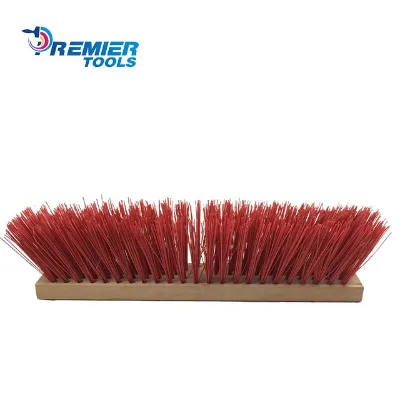
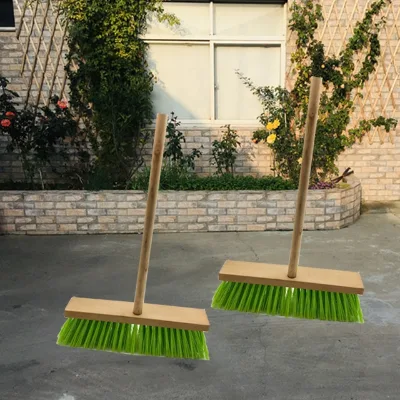
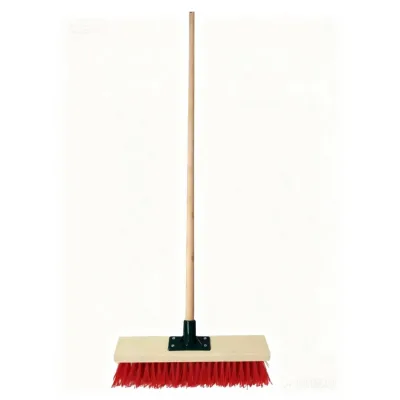
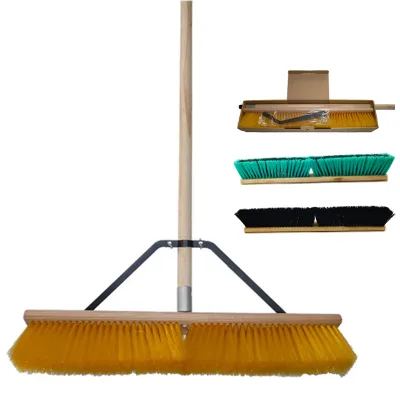
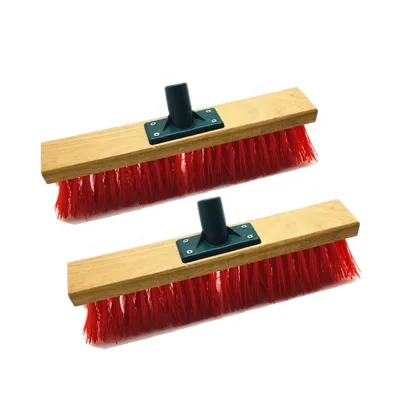
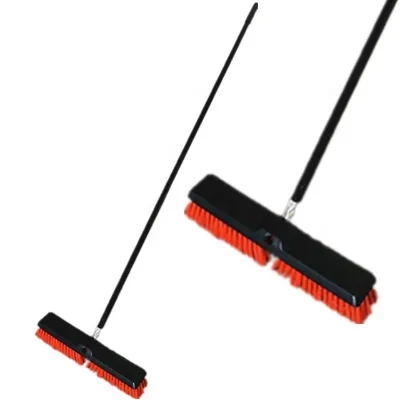
Garden Tools Floor Brush Sweeping Broom
$1.90 - $2.50

Henan Jiayi Household Products Co., Ltd.
- Verified by BV
- Combined
- China Henan
- Lead time23 days
- Avg. response≤ 9h
Main productsBroom, Laundry Brush, Toilet Brush, Carpet Brush, Dish Brush
Main marketsEurope,Australia,North America

Qianshan Huifeng Brush Co., Ltd.
- Manufacturer, Trading Company
- Anhui, China
- Lead time0 days
- Avg. response≤ 4h
Main productsIndustrial roller brush,wire brush,sweeper brush,tampico/sisial brush,strip brush
Main marketsDomestic Market(20.00%), Eastern Europe(10.00%), Western Europe(10.00%), Mid East(9.00%), South America(8.00%), North America(6.00%), Oceania(3.00%)
Anhui Cool Eagle Houseware Co., Ltd.
- Verified by SGS Group
- Manufacturer, Trading Company
- Lead time20 days
- Avg. response≤ 3h
Main productsBroom, Brush, Mop, Dustpan
Main marketsMid East(25%), Domestic Market(20%), North America(10%)

- Verified by TUVRHEINLAND
- Trading Company
- China Anhui
- Lead time15 days
- Avg. response≤ 6h
Main productsIndustrial Brush, Roller Brush Sweeper Brush, Polishing Brush, Electric Scrubber Brush, Cleaning Brush, Strip Brush, Tube Brush, Paint Brush, Steel Brush, Wheel Brush
Main marketsSouth America,Africa,Southeast Asia/ Mideast,East Asia(Japan/ South Korea),Europe,Australia,North America
Anhui Liushun Da Brush Co., Ltd.
- Verified by Intertek
- Manufacturer, Trading Company
- Lead time20 days
- Avg. response≤ 1h
Main productsFloor Brushes, Mop, Car Cleaning Brushes, Industrial Brushes, Household Cleaning Brushes
Ningbo Dongsu Plastic Industry Co., Ltd.
- Manufacturer, Trading Company
- Lead time旺季: "1 - 2000":25,"> 2000":"To be negotiated", 淡季: "1 - 2000":25,"> 2000":"To be negotiated"
- Avg. response≤ 3h
Main productsMop, Window Wiper, Clean Duster, Dust Pan, Brush
Ningbo Jiaqi Import And Export Trading Co., Ltd.
- Verified by Intertek
- Trading Company
- Lead time0 days
- Avg. response≤ 8h
Main productsHousehold Products, Kitchen Products, Electronic Products, Valve Copper Fittings, Fitness Protection Products
Main marketsNorthern Europe(53%), North America(28%), Eastern Asia(12%)
Taizhou Yajie Plastic Daily Necessities Company Limited
- Verified by Intertek
- Manufacturer, Trading Company
- Zhejiang, China
- Lead time20 days
- Avg. response≤ 6h
Main productsPlastic Broom with Stick, Floor Brush , Broom and Dustpan Set, Cleaning Brush
Main marketsDomestic Market(57%), North America(20%), Southeast Asia(19%)
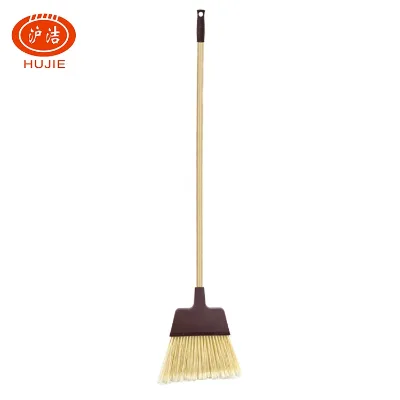
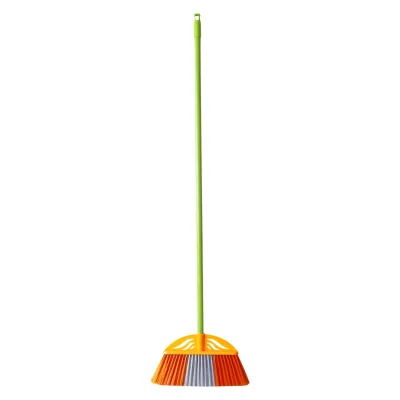
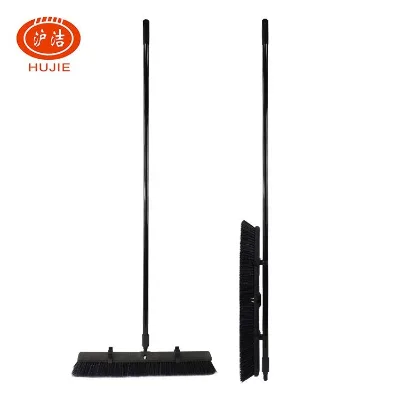
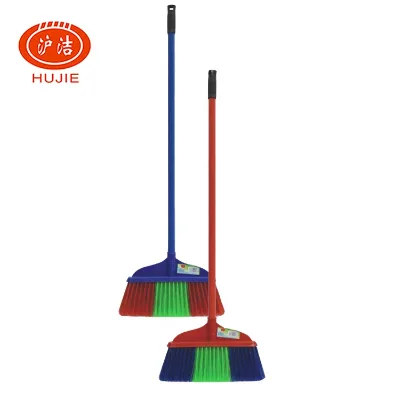
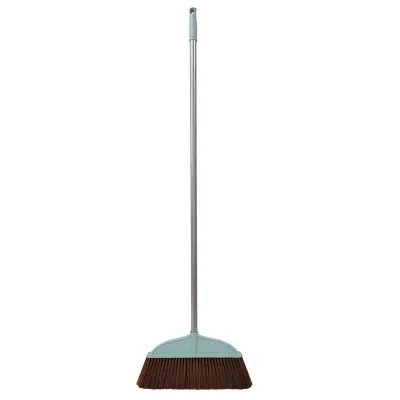
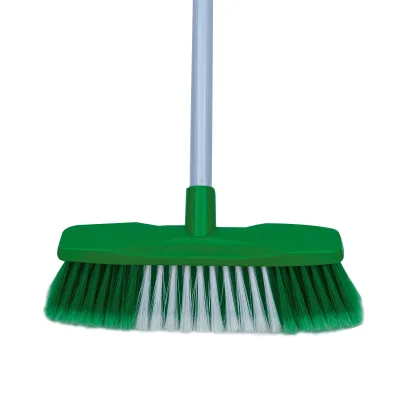
Plastic Indoor Outdoor Contractor Garage Street Industrial Cleaning Broom Hand Push Broom
$0.8239 - $1.0306
MOQ: 600 pieces

Ningbo Peaceport Imp. & Exp. Co., Ltd.
- Trading Company,Manufacturer/Factory
- China Zhejiang
- Lead time45 days
- Avg. response≤ 21h
Main productsWater Through Car Brush, Mop, Window Squeegee, Snow Brush, Push Broom, Telescopic Pole, Car Brush, Dustpan, Broom, Floor Squeegee
Main marketsSouth America,Eastern Europe,North America,Southeast Asia,Eastern Asia,Oceania,Western Europe,Africa

Guangzhou 247 International Co., Ltd
- Verified by SGS
- Trading Company,Manufacturer/Factory
- China Guangdong
- Lead time23 days
- Avg. response≤ 13h
Main productsIron Nails, Screws, Welding Rods, Iron Wire, Welding Wires, Wire Mesh, Safety Products, Welding Gloves, Fastener, Labour Protection Tools
Main marketsSouth America,Eastern Europe,Mid East,North America,Southeast Asia,Eastern Asia,Oceania,Western Europe,Africa


Hot Selling Eco-Friendly Cleaning Outdoor Indoor Farm Garden Tool Natural Sweeping Broom
$1.07 - $1.37
MOQ: 500 Pieces


Henan Jiayi Household Products Co.,ltd
- Manufacturer
- Henan, China
- Lead time10 days
- Avg. response≤ 3h
Main productsCloth & shoe cleaning brush, Kitchen cleaning brush, Bed brush, Bathroom cleaning brush, Broom and dustpan set
Main marketsDomestic Market(60.00%), South Asia(15.00%), Africa(10.00%), Eastern Asia(10.00%), Southeast Asia(5.00%)

Shanghai Setbest Products Co., Ltd.
- Verified by SGS
- Combined
- China Shanghai
- Lead time23 days
- Avg. response≤ 1h
Main productsCleaning Mop, Squeegee, Dustpan, Hardware Products, Plastic Products, Dust Mop, Duster, Brush, PVA Mop, Floor Sign
Main marketsSouth America,Africa,Southeast Asia/ Mideast,East Asia(Japan/ South Korea),Domestic,Europe,Australia,North America

$1.97 - $2.08
MOQ: 2000 Pieces

$2.14 - $2.24
MOQ: 2000 Pieces


Shanghai Premier Homewares Co., Ltd.
- Verified by SGS
- Trading Company
- China Shanghai
- Lead time30 days
- Avg. response≤ 3h
Main productsBroom, Mop, Cleaning Brush, Dustpan Sets, Dishwash, Toilet Brush & Plungers, Scrub & Hand Tools, Laundry, Microfibre Cloths, Nonwoven
Main marketsSouth America,Southeast Asia/ Mideast,Europe,Australia,North America

Indoor Broom for Sweeping 48 Inch Long Handle Angle Broom Perfect for Outdoor and Indoor Cleaning
$1.707 - $1.782
MOQ: 2000 Pieces

Straight Broom with Long Handle Cleaning Scrub for Floor Indoor and Outdoor Housewares Tools
$1.231 - $1.284
MOQ: 2000 Pieces

Nantong Haoyichen International Trading Co., Ltd.
- Verified by SGS Group
- Manufacturer, Trading Company
- Lead time20 days
- Avg. response≤ 2h
Main productsbrush, broom, squeegee, bucket, cleaning tools
Main marketsNorth America(60%), Western Europe(30%), Mid East(10%)

CLEANUP Industrial & Trading Co., Ltd.
- Trading Company,Manufacturer/Factory
- China Zhejiang
- Lead time45 days
- Avg. response≤ 8h
Main productsMop, Microfiber Cloth, Cleaning Brush, Window Cleaner, Duster, Lint Roller, Broom
Main marketsEastern Europe,Mid East,North America,Western Europe

Angle Plastic Broom with Long Handle Cleaning Sweeping Brush Indoor and Outdoor Broom Dustpan
$0.55 - $1.78
MOQ: 2000 Pieces


$0.39 - $1.60
MOQ: 5000 Pieces
Langfang Suoteng Household Goods Co., Ltd.
- Verified by Intertek
- Manufacturer, Trading Company
- Lead time35 days
- Avg. response≤ 3h
Main productsBroom and Dustpan, Toilet Brush, Clothes Cleaning Brush, Pot Brush, Bed Brush
Main marketsDomestic Market(75%), North America(10%), Western Europe(7%)

Foshan Jielan Home Furnishings Co., Ltd.
- Verified by CTI
- Combined
- China Guangdong
- Lead time30 days
- Avg. response≤ 2h
Main productsCleaning Tools, Broom, Mop, Transparent Filament, Filagable Filament
Main marketsSouth America,Southeast Asia/ Mideast,Domestic


Wholesale Durable Floor Broom with Strong Bristles for Indoor and Outdoor Cleaning
$0.381
MOQ: 3000 Pieces

Heavy Duty Outdoor Sweeping Broom with Hard Plastic Bristles and Durable Metal Handle
$0.381
MOQ: 3000 Pieces


Hangzhou Happyfull Import & Export Co., Ltd.
- Verified by TUVRHEINLAND
- Trading Company
- China Zhejiang
- Lead time15 days
- Avg. response≤ 12h
Main productsDrawer Slide
Main marketsAfrica,Others(foreignTradeCapacity.exportBusinessCapacityMarketOther)

Ningbo Better Life Houseware Co., Ltd
- Verified by CTI
- Trading Company
- China Zhejiang
- Lead time30 days
- Avg. response≤ 2h
Main productsHouseware Products.
Main marketsSouth America,Africa,Southeast Asia/ Mideast,Europe,Australia,North America

Extra Long Handle Outdoor Plastic Broom- Garden Broom Outdoor with 63" Long Handle Sweeper Broom
$2.30 - $2.65
MOQ: 1000 Pieces


NINGBO FANST IMP.&EXP. CO., LTD.
- Verified by BV
- Trading Company
- China Zhejiang
- Lead time30 days
- Avg. response≤ 21h
Main productsPolyester Yarn, Acrylic Yarn, Knitting Yarn, Acrylic Knitting Yarn, LED Flash Torch, Headlamps, Bicycle Light, LED Work Light, Torches
Main marketsOthers(foreignTradeCapacity.exportBusinessCapacityMarketOther),Southeast Asia/ Mideast,Australia
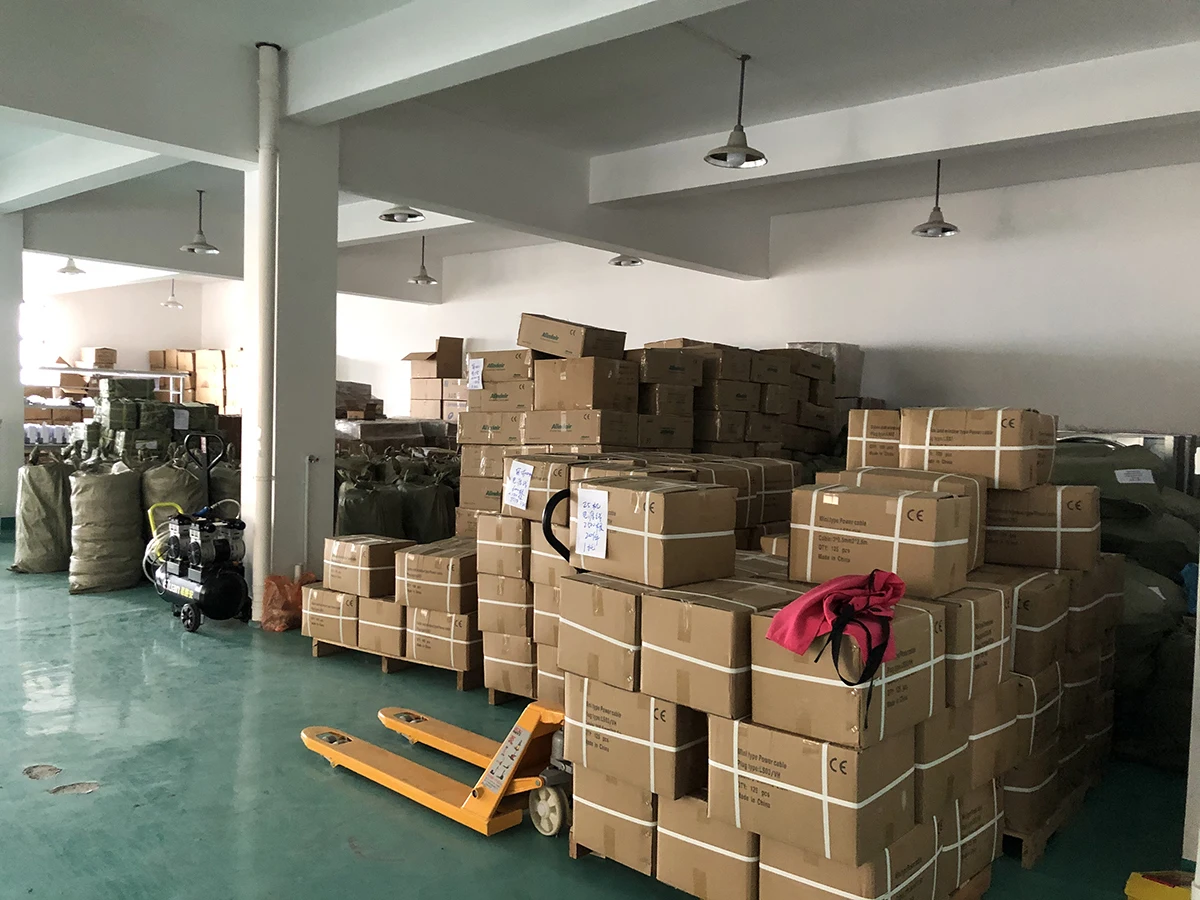
Yuyao Honglai Chemical Co., Ltd.
- Trading Company
- Zhejiang, China
- Lead time30 days
- Avg. response≤ 3h
Main productsmop,broom,brush,window cleaning,duster
Main marketsNorth America(30.00%), Western Europe(20.00%), Eastern Europe(20.00%), Africa(10.00%), Mid East(10.00%), Oceania(10.00%)


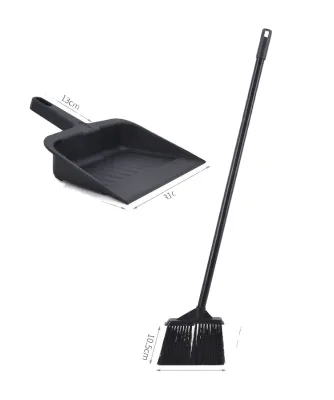
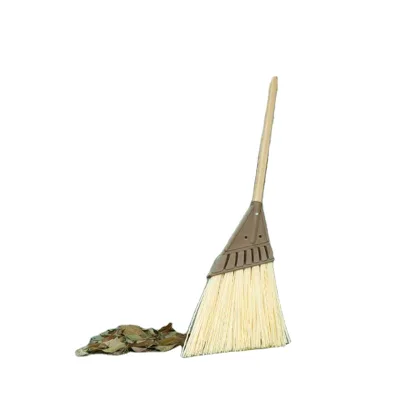
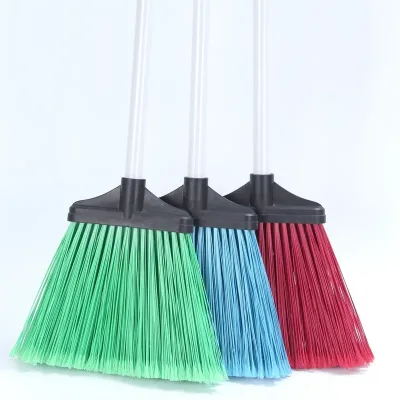







Comprehensive Sourcing Guide
Sustainable Street Broom for Yard and Garden Supplier Concentration and Factory Types
The current supplier landscape for sustainable street brooms reveals a distinct concentration of manufacturing capabilities within specific Chinese provinces, particularly Anhui and Guangxi. Suppliers in Anhui often operate as combined entities or manufacturers with established OEM and own-brand capacities, focusing heavily on industrial and municipal cleaning equipment parts. These facilities frequently hold ISO9001:2015 and ISO14001:2015 certifications, indicating a structured approach to quality management and environmental standards that aligns with the sustainability goals of yard and garden broom production. The presence of verified suppliers, such as those authenticated by TÜV Rheinland, provides an additional layer of confidence regarding their operational legitimacy and compliance with international trade standards. Buyers should note that these Anhui-based factories often specialize in a wide array of brush types, including solar panel cleaning brushes, industrial brushes, and road sweeper components, suggesting a versatile production environment capable of adapting to specific sustainable material requirements for yard and garden applications.
In contrast, suppliers located in Guangxi tend to focus more on traditional broom manufacturing, leveraging local resources like eucalyptus wood for handles and sticks. These entities are typically classified as manufacturers or factories with ODM and OEM capabilities, producing items such as wooden broom handles, plastic brooms, and cotton mops. The product evidence indicates a strong emphasis on eco-friendly features, with materials like PP and PET used for bristles and natural wood for structural components. This regional specialization allows buyers to source brooms that inherently support sustainability through the use of renewable materials and durable construction. While the Anhui cluster offers high-tech industrial solutions, the Guangxi cluster provides a more traditional, material-focused approach to sustainable broom manufacturing. Understanding this geographic and typological split is crucial for buyers seeking specific sustainability attributes, whether they prioritize industrial-grade durability or natural, biodegradable material composition for their yard and garden cleaning needs.
How to Verify Sustainable Street Broom for Yard and Garden Suppliers
Verifying the legitimacy and capability of suppliers requires a multi-faceted approach that goes beyond simple product listings. Buyers should prioritize suppliers who display third-party verification badges, such as TÜV Rheinland, which serves as a critical indicator of operational reliability and adherence to safety and quality protocols. Additionally, checking for relevant system certifications is essential, particularly ISO9001:2015 for quality management and ISO14001:2015 for environmental management, as these standards directly correlate with a supplier’s ability to produce sustainable goods consistently. For manufacturers focusing on wooden components, verifying the source of materials like eucalyptus wood can further ensure that the supply chain aligns with sustainable forestry practices. Buyers must also examine the company type, distinguishing between pure manufacturers, trading companies, and combined entities, as this distinction impacts direct communication, customization flexibility, and price negotiation potential.
Response time and lead time metrics offer valuable insights into a supplier’s operational efficiency and customer service readiness. A supplier with a response time under two hours, such as those observed at 1.26 hours, demonstrates a high level of engagement and readiness to address specific sustainability queries or customization requests promptly. Conversely, suppliers with longer response times, such as 11.20 hours, may indicate a less agile operation or a higher volume of inquiries that could delay critical communication. Lead times, ranging from 15 to 30 days depending on the supplier and product complexity, should be carefully evaluated against project deadlines. Buyers should also verify the supplier’s capacity for OEM, ODM, or own-brand production, as this determines their ability to tailor brooms to specific sustainable material specifications. Cross-referencing these operational metrics with product evidence, such as detailed specifications for filament materials and packing methods, ensures a comprehensive verification process that minimizes sourcing risks.
What to Compare Across Sustainable Street Broom for Yard and Garden Suppliers
When evaluating multiple suppliers, buyers must compare key operational and commercial dimensions to identify the most suitable partner for their sustainable broom requirements. Lead times are a primary differentiator, with some suppliers offering a 15-day turnaround while others require up to 30 days. This variance can significantly impact inventory planning and order fulfillment speed, making it essential to align supplier capabilities with business needs. Minimum Order Quantities (MOQs) also vary widely, ranging from as low as 100 units for certain replacement brooms to 3,000 units for specialized industrial brushes. Buyers should assess whether their order volume can meet these thresholds or if they need to negotiate flexible MOQs, especially for initial trial orders. Additionally, comparing price ranges, which can span from $1.80 to over $180 depending on the product type and complexity, helps in budgeting and cost analysis.
Response speed and customization capabilities are equally critical factors in supplier comparison. Suppliers with rapid response times, such as those under 1.5 hours, are better positioned to handle urgent inquiries and provide timely support throughout the procurement process. Customization options, including filament materials like PP, Nylon, or Steel Wire, and handle materials such as eucalyptus wood, allow buyers to tailor products to specific sustainability goals. Buyers should also examine the supplier’s main product focus, distinguishing between those specializing in industrial road sweeper brushes and those focusing on household cleaning tools. This distinction ensures that the supplier’s expertise aligns with the intended application of the brooms. Furthermore, comparing warranty terms, such as the 6-month warranties observed on certain products, and packing methods, including carton or wooden box options, provides a holistic view of the supplier’s value proposition and after-sales support structure.
Common Sustainable Street Broom for Yard and Garden Sourcing Risks
One significant risk in sourcing sustainable brooms is the potential mismatch between claimed sustainability attributes and actual material composition. Buyers must carefully verify filament materials, as options like PP, Nylon, or Steel Wire have different environmental impacts and durability profiles. For instance, while PP is widely used, its recyclability and biodegradability may not align with strict sustainability goals compared to natural fibers. Similarly, the source of wooden handles, such as eucalyptus wood, requires verification to ensure it is sourced from responsibly managed forests. Without proper documentation or certification, buyers risk sourcing products that do not meet their sustainability criteria, leading to reputational damage and potential compliance issues. Additionally, the condition of the products, typically listed as "New," should be confirmed to ensure that no recycled or substandard materials are being used without disclosure.
Another risk involves the variability in product standards and specifications across different suppliers. Products may have varying dimensions, such as 255*813mm or 490mm, and different packing methods, which can affect shipping costs and storage efficiency. Buyers must ensure that the specified standards match their equipment or usage requirements to avoid compatibility issues. Furthermore, the customization availability, while often advertised, may come with hidden costs or extended lead times that are not immediately apparent. Suppliers may also have different warranty terms, such as the 6-month warranty observed on some products, which can impact long-term cost of ownership. Buyers should also be cautious of suppliers with high response times, as this may indicate poor communication channels that could lead to misunderstandings regarding product specifications or delivery schedules. Thorough due diligence is essential to mitigate these risks and ensure a successful sourcing outcome.
Sustainable Street Broom for Yard and Garden Regional Sourcing and Logistics
Sourcing from specific regions in China, such as Anhui and Guangxi, offers distinct logistical advantages and challenges that buyers must consider. Suppliers in Anhui, often located in industrial zones, benefit from established supply chains for industrial components and plastics, facilitating efficient production of synthetic filament brooms. This region’s focus on combined manufacturing types and OEM capabilities allows for streamlined logistics, particularly for bulk orders of standardized products. However, buyers must account for the lead times, which can range from 15 to 23 days, and ensure that shipping arrangements are coordinated to meet delivery deadlines. The presence of ISO certifications in this region also suggests a higher level of logistical standardization, potentially reducing the risk of shipping errors or delays.
In contrast, suppliers in Guangxi, known for their wooden broom manufacturing, may have different logistical considerations due to the nature of their materials. Eucalyptus wood handles and natural bristles require careful handling to prevent damage during transit, influencing packing methods such as carton or wooden box options. The lead times in this region can extend up to 30 days, reflecting the additional processing time for natural materials. Buyers should also consider the response times, which can be slower in this region, potentially affecting communication regarding logistics updates. Despite these challenges, the regional specialization in sustainable materials like eucalyptus wood offers unique value for buyers prioritizing eco-friendly products. Understanding these regional differences allows buyers to optimize their sourcing strategy, balancing cost, speed, and sustainability goals effectively.
Sustainable Street Broom for Yard and Garden Commercial Terms and Order Planning
Commercial terms and order planning are critical components of a successful sourcing strategy for sustainable street brooms. Buyers must carefully review price ranges, which can vary significantly based on product complexity and material choices. For example, basic replacement brooms may cost between $1.80 and $2.60, while specialized rotary brushes can exceed $180. Understanding these price variations helps in budgeting and negotiating favorable terms. Additionally, MOQs play a crucial role in order planning, with some suppliers requiring as few as 100 units, while others demand 3,000 units. Buyers should assess their inventory needs and cash flow to determine the optimal order size, potentially negotiating lower MOQs for initial trial orders to test product quality and market response.
Payment terms and warranty policies are also essential considerations in commercial planning. Suppliers offering 6-month warranties, as observed on certain products, provide a safety net against defects, reducing the risk of financial loss. Buyers should also evaluate the supplier’s customization capabilities, as tailored products may incur additional costs or require longer lead times. Clear communication regarding these terms ensures that both parties have aligned expectations, minimizing the risk of disputes. Furthermore, buyers should consider the supplier’s response time and lead time when planning orders, ensuring that production and delivery schedules align with business needs. By carefully analyzing these commercial terms and planning orders strategically, buyers can secure sustainable brooms that meet their quality, cost, and timeline requirements effectively.
FAQs
What is the typical lead time for street broom orders?
Manufacturers in China generally require 15 to 30 days to produce and ship sustainable street brooms. This timeframe depends on order volume and customization needs. Suppliers in Anhui often quote 15 days, while those in Guangxi may need 30 days. Buyers should confirm exact schedules before placing orders to ensure timely delivery for municipal or garden projects.
What is the minimum order quantity for these brooms?
Minimum order quantities vary significantly by supplier and product type. Some manufacturers require a minimum of 100 units for standard replacement brooms, while others set the threshold at 1,000 or 3,000 units for specialized street sweeper brushes. Buyers seeking small quantities for yard use should look for suppliers with an MOQ of one unit to accommodate smaller procurement needs.
Are these brooms certified for quality and environmental standards?
Many suppliers hold ISO 9001 and ISO 14001 certifications, ensuring quality management and environmental compliance. Some facilities also possess TS 16949 certification for automotive-grade quality control. These certifications indicate that the manufacturing processes meet international standards for durability and sustainable production practices, which is crucial for buyers requiring verified supply chain transparency.
What filament materials are used in sustainable street brooms?
Common filament materials include polypropylene, nylon, and steel wire. Polypropylene and nylon are preferred for eco-friendly applications due to their durability and recyclability. Steel wire filaments are used for heavy-duty road cleaning. Buyers can often customize the material choice to balance cleaning efficiency with environmental sustainability goals for specific yard or municipal street cleaning tasks.
How quickly do suppliers respond to sourcing inquiries?
Response times vary among suppliers, typically ranging from 1.26 to 11.20 hours. Faster response times indicate more active customer service teams ready to assist with technical specifications and pricing. Buyers should prioritize suppliers with quicker response rates to ensure efficient communication during the sourcing process and to address any urgent questions about product customization or shipping details.
What is the price range for street sweeper brushes?
Prices for street sweeper brushes generally range from $1.80 to $180.00 per unit. Basic replacement brooms and wafer brushes are often priced between $1.80 and $5.00. More complex rotary side brushes or specialized municipal equipment parts can cost significantly more. Buyers should compare quotes based on material quality, filament type, and order volume to find the best value.