Source Standing Galvanized Bucket with Lid for Paint, Chemical, and Water
Find 30 Standing Galvanized Bucket with Lid options for industrial and commercial use. Compare specifications including ISO9001/HACCP certifications, custom sizes, and eco-friendly materials from suppliers in China to meet your specific packaging needs effectively; compare the available evidence and request quotations based on your requirements.
Updated
Key considerations
Products List






Comprehensive Sourcing Guide
Standing Galvanized Bucket with Lid Sourcing Guide
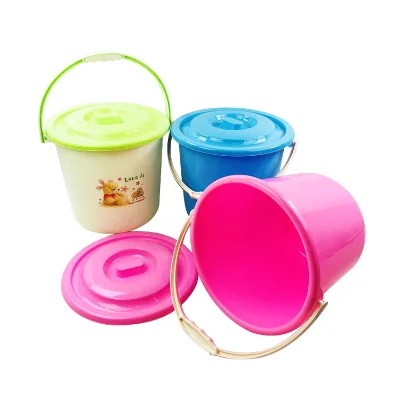
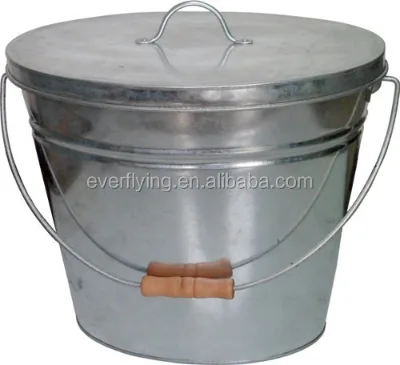
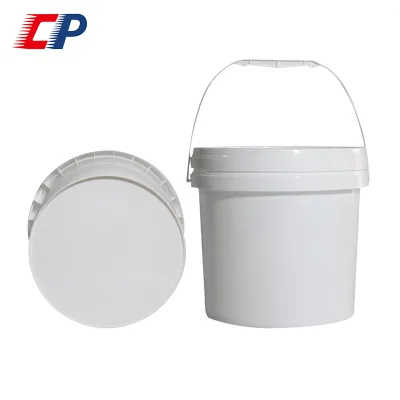
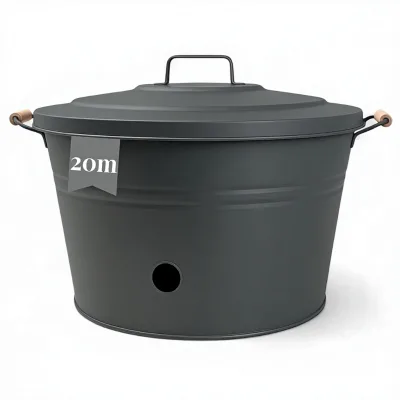
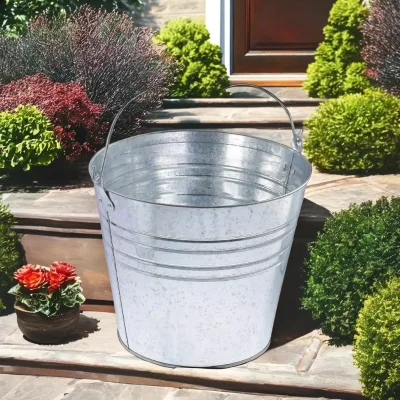
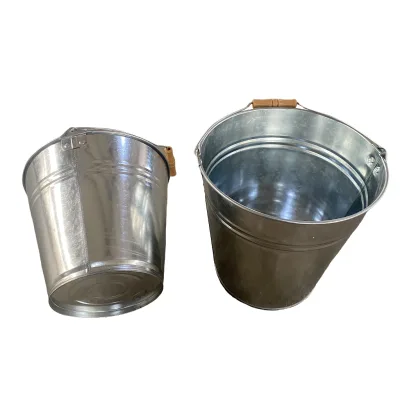
Procuring standing galvanized buckets with lids requires a clear distinction between plastic and metal variants, as market listings often conflate these materials. Buyers must verify whether the product is constructed from galvanized steel, tinplate, or plastic, as this determines chemical compatibility and structural integrity. The supplied data indicates that materials range from plastic to galvanized steel and tin, meaning the term "galvanized" specifically refers to the metal handle or body coating rather than the entire container. Sourcing teams should explicitly request material certificates to confirm the presence of a zinc coating on steel components, ensuring resistance to corrosion during storage and transport.
The functional scope of these containers extends beyond simple storage to include dye packaging, chemical handling, and lubricating oil transport. Listings show that these buckets are designed for sealing, color printing, and packing applications involving peracetic acid and hydrogen peroxide. This versatility demands that buyers align the bucket’s closure type and material composition with the specific chemical properties of their product. For instance, while plastic variants may suffice for water or paint, chemical-resistant metal buckets with smooth closures are necessary for aggressive substances. Understanding this functional breadth prevents mismatched procurement and ensures the packaging meets operational safety standards.
Product Scope and Observed Listing Signals
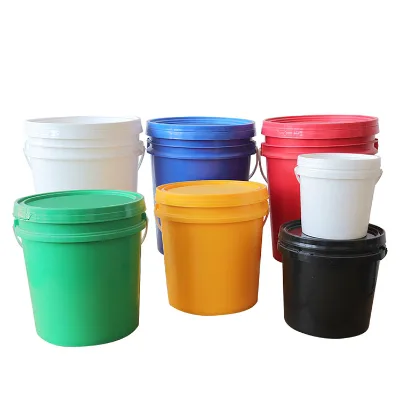
Market observations reveal a wide variance in product specifications, ranging from small 8L buckets to larger 20L containers. The observed size dimensions include 265235386mm for plastic barrels and 243214192mm for heavy-duty buckets, indicating that "standing" designs vary significantly in footprint and height. Buyers should note that some listings describe square buckets with lids, while others specify round or heavy-duty models. This diversity suggests that the "standing" attribute is not standardized across all suppliers, requiring careful verification of the base design to ensure stability on pallets or shelves. Procurement teams must match the physical dimensions to their existing storage infrastructure to avoid logistical inefficiencies.
Pricing and minimum order quantities (MOQ) fluctuate based on material and customization levels. The observed price range spans from $0.01 to $200, reflecting differences between basic plastic buckets and specialized metal containers with custom handles. MOQs are typically set at 2000 or 5000 pieces, which may pose challenges for smaller buyers seeking trial orders. However, some suppliers offer free samples or accept custom orders, providing a pathway for quality assessment before bulk commitment. Buyers should leverage these sample policies to evaluate the quality of the galvanized finish and the lid’s sealing mechanism, ensuring that the product meets their specific durability and aesthetic requirements before scaling up orders.
Technical Specifications to Verify
Dimensional accuracy is critical for automated filling lines and palletizing operations. Buyers must verify the exact outer dimensions, such as the 294264365mm specification observed for certain models, to ensure compatibility with standard pallet sizes and storage racks. The thickness of the material, noted as 2.2mm for some plastic variants and 1.9mm for others, directly impacts the bucket’s stackability and resistance to deformation. For galvanized metal buckets, the thickness of the steel sheet and the uniformity of the zinc coating are vital for longevity. Procurement specifications should include tolerances for these dimensions to prevent fitment issues in high-speed packaging environments.
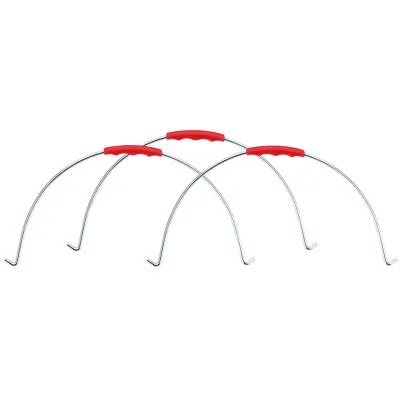
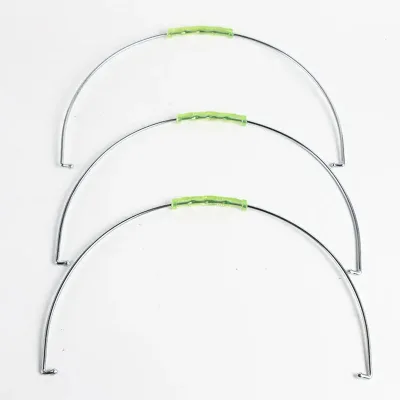
The closure mechanism and handle design are key technical differentiators. Listings highlight smooth closure types and customized metal handles with lengths ranging from 400mm to 700mm. These handles are often made from galvanized steel or tinplate, providing durability and ease of transport. Buyers should verify the attachment method of the handle to the bucket body, ensuring it can withstand the weight of the filled container without detaching. Additionally, the lid’s sealing capability must be tested for leak-proof performance, especially for liquid products like paint, water, or chemicals. Confirming these details prevents product loss and ensures user safety during handling.
Compliance and Safety Documentation
Regulatory compliance is essential for packaging that contacts food, chemicals, or industrial products. The observed certifications include ISO9001, HACCP, and UN standards, indicating that some suppliers meet rigorous quality and safety benchmarks. HACCP certification is particularly relevant for edible packaging applications, ensuring that the bucket materials do not contaminate food products. For chemical and industrial uses, UN certification may be required for the transport of hazardous materials. Buyers must request valid certification documents and verify their scope to ensure they cover the specific product type and material composition being procured.
Environmental and safety standards also play a crucial role in modern procurement. While RoHS is mentioned in background data, its applicability depends on the specific materials used, particularly in electronic or sensitive industrial applications. Buyers should inquire about the presence of heavy metals in the galvanized coating and the recyclability of the bucket material. Eco-friendly features are highlighted in some listings, suggesting a market trend toward sustainable packaging solutions. Procurement teams should prioritize suppliers who provide transparent information about material sourcing and end-of-life disposal options, aligning with corporate sustainability goals and regulatory requirements.
Cost Drivers and Commercial Terms
Material costs are the primary driver of pricing for galvanized buckets. The use of galvanized steel, tinplate, or plastic significantly impacts the unit price, with metal variants generally costing more due to raw material and processing expenses. Customization options, such as logo printing, lacquering, or varnishing, add to the production cost. Buyers should evaluate whether these aesthetic enhancements are necessary for their brand identity or if standard finishes suffice. Understanding the cost breakdown helps in negotiating better terms and identifying areas where savings can be achieved without compromising quality.
Commercial terms, including MOQs and payment conditions, influence the total cost of ownership. High MOQs of 2000 or 5000 pieces may require significant capital outlay, but they often result in lower unit prices. Buyers with lower volume needs should explore suppliers who offer flexible MOQs or accept custom orders. Additionally, packaging details, such as PE bags, stretch film, or cartons, affect shipping costs and handling efficiency. Procurement teams should negotiate packaging specifications to optimize pallet density and reduce freight expenses, ensuring that the total landed cost remains competitive.
Supplier Qualification and Quality Control
Supplier qualification begins with verifying their manufacturing capabilities and quality management systems. Buyers should audit suppliers for ISO9001 certification and assess their production lines for consistency in galvanized coating and lid sealing. The origin of the products, often listed as Jiangsu Province, Suzhou, or Hebei in China, provides insight into the regional supply chain dynamics. Buyers should consider the supplier’s proximity to ports and logistics hubs to minimize shipping times and costs. Establishing a strong relationship with a qualified supplier ensures reliable supply and consistent product quality.
Quality control measures must be implemented throughout the production process. Buyers should request pre-shipment inspections to verify dimensional accuracy, material thickness, and closure integrity. Sampling policies, such as offering five free pieces, allow buyers to conduct thorough testing before committing to large orders. It is crucial to establish clear acceptance criteria for defects, such as rust spots, handle detachment, or lid misalignment. Implementing a robust quality control protocol minimizes the risk of receiving substandard products and protects the buyer’s brand reputation.
Long-Term Procurement Checks
Long-term procurement success depends on continuous monitoring of supplier performance and market trends. Buyers should regularly review supplier delivery times, defect rates, and responsiveness to issues. Maintaining open communication channels allows for timely resolution of problems and fosters a collaborative partnership. Additionally, staying informed about changes in material costs and regulatory requirements helps in anticipating price fluctuations and compliance needs. Proactive management of supplier relationships ensures a stable supply chain and reduces the risk of disruptions.
Sustainability and innovation are increasingly important factors in long-term procurement strategies. Buyers should explore suppliers who offer eco-friendly materials and innovative designs that enhance usability and reduce waste. Engaging with suppliers on product development can lead to customized solutions that better meet specific operational needs. By prioritizing sustainability and innovation, buyers can future-proof their packaging supply chain and align with evolving consumer and regulatory expectations. This strategic approach ensures that the procurement function remains a value driver for the organization.
FAQs
What certifications are available for plastic packaging barrels?
Plastic packaging barrels are available with ISO9001, HACCP, and UN certifications. These credentials ensure the containers meet international quality and safety standards for various industrial applications. Buyers can verify these documents to confirm compliance with regulatory requirements for chemical or food-grade storage needs.
What is the minimum order quantity for these barrels?
The minimum order quantity varies by product model, typically ranging from 2000 to 5000 pieces. Specific models like the square bucket with lid require 2000 PCS, while others may require 5000 PCS. Buyers should confirm the exact MOQ for their selected model before placing an order.
Can these barrels be customized for specific branding needs?
Yes, customization is available for these barrels. Buyers can request custom logos, specific sizes, and tailored packaging solutions. The supplier accepts custom orders and offers options like color printing and specific lid types to meet unique branding and functional requirements for various industrial or commercial applications.
What materials are used to manufacture these buckets?
These buckets are primarily manufactured using plastic materials, with some variants utilizing tin or galvanized steel. The plastic options are designed for durability and chemical resistance, while metal variants offer robust protection. The material choice depends on the specific usage requirements, such as storing chemicals, paints, or edible products.
Where are these packaging barrels produced?
These packaging barrels are produced in China, specifically in Jiangsu Province and Suzhou. The manufacturing facilities are located in these regions, ensuring efficient logistics and supply chain management. Buyers can expect consistent quality and timely delivery from these established production centers in the Chinese market.
What are the standard sizes for these plastic barrels?
Standard sizes include dimensions like 265*235*386mm for 20L barrels and 286*230*212mm for other models. Specific models like Innopack-10 and Innopack-20 have defined dimensions. Buyers can also request custom sizes to fit specific storage or transportation needs, ensuring optimal space utilization for their operations.