Traditional Shoe Cleaning Brush Suppliers and Manufacturers
Source Traditional Shoe Cleaning Brush from 32 verified suppliers in China. Compare ISO9001:2015 certified factories with lead times of 23 days, MOQs from 1,200 units, and prices between $0.08 and $0.30. Review response times and customization options to identify the right partner.
Updated
Suppliers List

Henan Jiayi Household Products Co., Ltd.
- Verified by BV
- Combined
- China Henan
- Lead time23 days
- Avg. response≤ 9h
Main productsBroom, Laundry Brush, Toilet Brush, Carpet Brush, Dish Brush
Main marketsEurope,Australia,North America


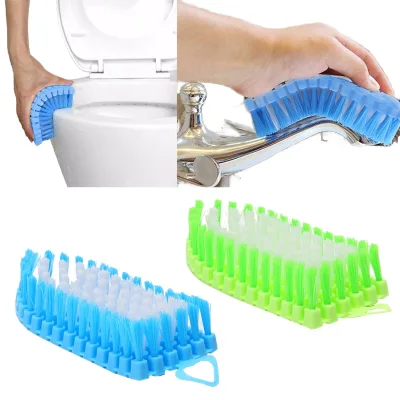
Soft Hair Shoe Brush Bathroom Shoe Brush Shoe Multi Functional Cleaning Brush
$0.12 - $0.15
MOQ: 1200 Pieces

China Factory Wholesale Multi-Functional Laundry Brush Shoe Cleaning Brush
$0.09 - $0.11
MOQ: 2000 Pieces


Jy 1007 Household Soft Bristle Shoe Cleaning Brush Multifunctional Sneaker Scrub Brush
$0.06 - $0.08
MOQ: 4800 Pieces
Guangzhou AOQUN New Materials Co., Ltd.
- Manufacturer, Trading Company
- Lead time旺季: "1 - 500":45,"501 - 1000":35,"1001 - 5000":31,"> 5000":"To be negotiated", 淡季: "1 - 500":45,"501 - 1000":35,"1001 - 5000":31,"> 5000":"To be negotiated"
- Avg. response≤ 2h
Main productsMedical Brush, Coffee Brush, Dental Brush, Cleaning Brush, Tube Brush
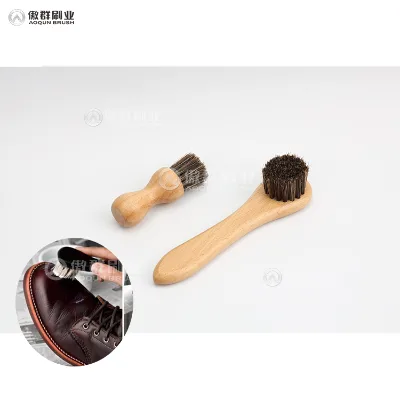
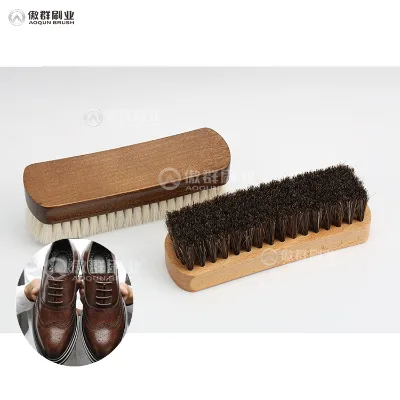
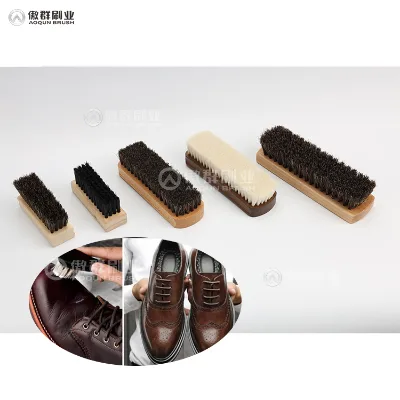
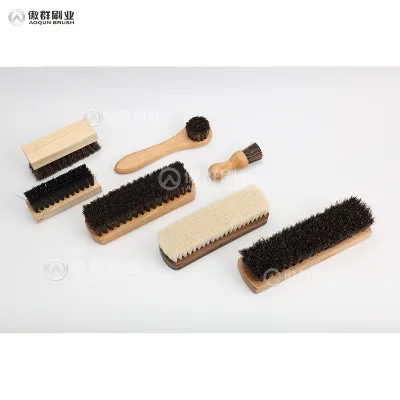
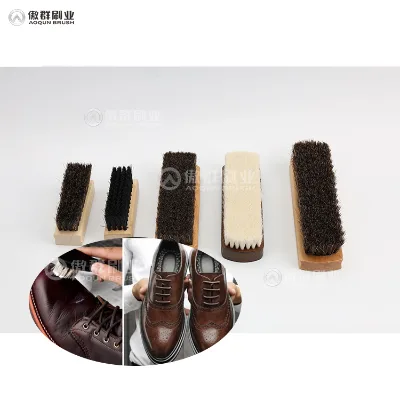
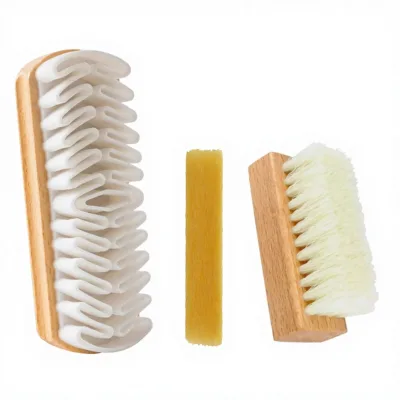
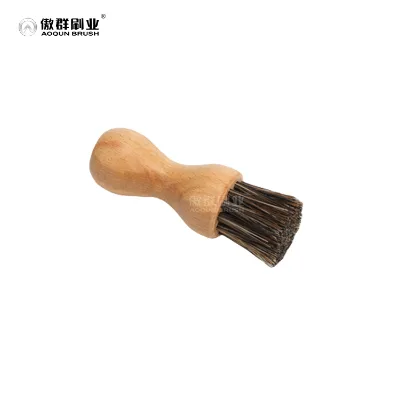
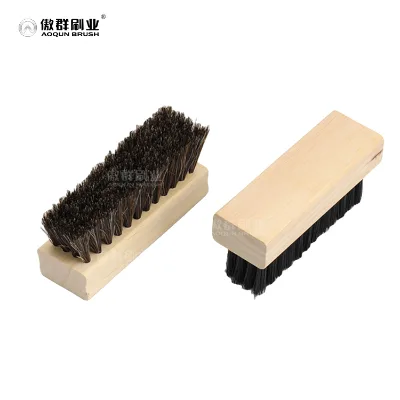
Folding Shoe Brush Wood Shoe Brush Shoe Brush Set
$0.59 - $1.05

Ningbo Peaceport Imp. & Exp. Co., Ltd.
- Trading Company,Manufacturer/Factory
- China Zhejiang
- Lead time45 days
- Avg. response≤ 21h
Main productsWater Through Car Brush, Mop, Window Squeegee, Snow Brush, Push Broom, Telescopic Pole, Car Brush, Dustpan, Broom, Floor Squeegee
Main marketsSouth America,Eastern Europe,North America,Southeast Asia,Eastern Asia,Oceania,Western Europe,Africa
Guang Zhou Blue Shark Trading Co., Ltd.
- Manufacturer, Trading Company
- Guangdong, China
- Lead time14 days
- Avg. response≤ 2h
Main productsLeather Repair Gel,Leather Repair Cream,Mink Oil,Leather Cleaner,Shoe Shield
Main marketsNorth America(60.00%), Eastern Asia(20.00%), Eastern Europe(10.00%), Southeast Asia(5.00%), Domestic Market(5.00%)

Zhejiang E-Sun environmental Technology Co., Ltd.
- Verified by BV
- Trading Company
- China Zhejiang
- Lead time30 days
- Avg. response≤ 8h
Main productsCleaning Cloth, Cleaning Mop, Cleaning Sponge, Disposable Mop, Disposable Cleaning Cloth, Microfiber Towel
Main marketsSouth America,Southeast Asia/ Mideast,East Asia(Japan/ South Korea),Europe,Australia,North America


Esun Long Handle Shoes Brush Multi Purpose Cleaning Brush for Sneaker and Daily Cleaning
$0.15 - $0.158
MOQ: 5000 Pieces


- Verified by BV
- Trading Company
- China Zhejiang
- Lead time30 days
- Avg. response≤ 13h
Main productsLunch Box
Main marketsSouth America,Africa,Southeast Asia/ Mideast,East Asia(Japan/ South Korea),Europe,Australia,North America

Flower Decorative Handheld Scrub Cleaning Brush Multi Purpose Cloth Shoe Brush for Daily Use
$0.33 - $0.35
MOQ: 1000 Pieces


Yangzhou Runtong International Trading Co., Ltd.
- Verified by TUVRHEINLAND
- Trading Company
- China Jiangsu
- Lead time30 days
- Avg. response≤ 2h
Main productsShoe Insole, Shoe Polish, Shoe Brush, Shoe Tree, Shoe Cleaner, Shoe Lace, Shoe Deodorizer, Shoe Freshener, Shoe Horn
Main marketsSouth America,Southeast Asia/ Mideast,Europe,Australia,North America

Jinhua Hengyang Cross-Border Trade Limited Liability Company
- Verified by SGS
- Trading Company
- China Zhejiang
- Lead time15 days
- Avg. response≤ 9h
Main productsCoffee Maker Air Fryer Storage Box Knife Set, Silicone Baking Mold Robot Vacuum Cleaning Table, Shower Head Non-Slip Shower Curtain Vacuum Stora, Collapsible Laundry Basket Bohemian Wall Tapestr, Fringe Pillow Cover Bedding Set Memory Foam Pill, Bamboo Tissue Biodegradable Trash Bags LED Fair, Smart Plug Fairy Lights Pet Food Bowl, Household Daily Necessities Kitchen Cleaning, Bathroom Storage and Care Fabric Home Decor, Bedding Daily Chemical Paper Products
Main marketsEurope

Wooden Handle, Hard Bristle, Household Solid Wood, Multifunctional Cleaning Shoe Brush
$2.06 - $2.58
MOQ: 40 Pieces


Multi Functional Liquid Adding Brush Clothes Cleaning Soft Fur Shoe Brush
$1.05 - $1.31
MOQ: 90 Pieces

Shoe Brush Hard Bristle Household Thick Long Handled Wooden Solid Floor Brush
$2.63 - $3.29
MOQ: 33 Pieces

Ningbo Qize Industry and Trade Co., Ltd
- Verified by BV
- Trading Company
- China Zhejiang
- Lead time30 days
- Avg. response≤ 4h
Main productsPdlc Smart Film, Filter Materials, Silicone Molds, Pet Products, Medical Supplies
Main marketsEurope

Shanghai Qimian Industrial Co., Ltd.
- Trading Company
- China Shanghai
- Lead time15 days
- Avg. response≤ 2h
Main productsCleaning Sponge, Aluminum Bun Pan, BBQ Grill, Sponge Material, Aluminum Bun Pan Rack, Yoga Mat, Kitchen Cleaning Tools, Brush
Main marketsSouth America,Africa,Southeast Asia/ Mideast,East Asia(Japan/ South Korea),Europe,North America
Premier Tools(Changzhou) Co., Ltd.
- Verified by TüVRheinland
- Manufacturer, Trading Company
- Lead time20 days
- Avg. response≤ 5h
Main productsBrush, Tools, HouseHold Goods
Main marketsNorth America(28%), Western Europe(20%), South America(15%)
Shenzhen Mantimelong Electronic Co., Ltd.
- Manufacturer, Trading Company
- Guangdong, China
- Lead time3 days
- Avg. response≤ 10h
Main productsBALL PEN,STATIONERY,HOUSEHOLD SUNDRIES,PEN
Main marketsNorthern Europe(25.00%), South America(20.00%), Mid East(13.00%), Western Europe(10.00%), North America(10.00%), Eastern Europe(8.00%), Oceania(5.00%), Eastern Asia(5.00%), Southeast Asia(4.00%)

Jiaozuo Daan Daily Chemical Co., Ltd.
- Verified by SGS
- Combined
- China Henan
- Lead time15 days
- Avg. response≤ 5h
Main productsShoe Cleaner, Shoe Polish Cream, White Shoes Cleaner
Main marketsSoutheast Asia/ Mideast,Europe,North America

White Shoes Stain Remover Shoe Brush Brush Cleaner Washless Brushless Shoe Cleaning
$0.65 - $0.78
MOQ: 500 Pieces

Jinhua Hengyang Cross Border Trade Co., Ltd.
- Trading Company
- Lead time旺季: "1 - 1000":15,"> 1000":"To be negotiated", 淡季: "1 - 1000":15,"> 1000":"To be negotiated"
- Avg. response≤ 5h
Main productsKitchen,Housekeeping,Household Sundries,Home Decor,Hotel Supplies

Guangzhou Nantian Sources Co., Ltd.
- Manufacturer/Factory
- China Guangdong
- Lead time15 days
- Avg. response≤ 6h
Main productsKitchen Equipment, Kitchenware, Food Machine, Kitchen Appliance, Glassware, Food Machinery, Bakery Equipment, Dinnerware, Kitchen Utensils, Food Processor
Main marketsSouth America,Mid East,Southeast Asia,Eastern Asia,Oceania,Africa
Henan Jiayi Household Products Co.,ltd
- Manufacturer
- Henan, China
- Lead time10 days
- Avg. response≤ 3h
Main productsCloth & shoe cleaning brush, Kitchen cleaning brush, Bed brush, Bathroom cleaning brush, Broom and dustpan set
Main marketsDomestic Market(60.00%), South Asia(15.00%), Africa(10.00%), Eastern Asia(10.00%), Southeast Asia(5.00%)

PEIDA MACHINERY GROUP CO., LTD.
- Verified by BV
- Manufacturer/Factory
- China Anhui
- Lead time90 days
- Avg. response≤ 8h
Main productsBarge, Tugboat, Oil Tanker Ship, Cargo Ship, Tug Boat, Floating Crane Barge, Passenger Ship, Passenger Boat, Deck Barge, Oil Barge
Main marketsSouth America,North America,Southeast Asia,Western Europe,Africa

Yangzhou Maxlife Industry Co., Ltd.
- Trading Company
- Jiangsu, China
- Lead time30 days
- Avg. response≤ 9h
Main productsinsole,shoe horn,shoe polish,shoe tree,toe protector
Main marketsMid East(30.00%), Africa(25.00%), South America(15.00%), Southern Europe(10.00%), Western Europe(10.00%), North America(10.00%)
- Verified by TüVRheinland
- Manufacturer, Trading Company
- Lead time30 days
- Avg. response≤ 1h
Main productsPolishing Brush, Strip Brush, Stenter Brush, Twisted Wire Brush, Cleaning Brush
Main marketsEastern Europe(30%), Western Europe(30%), North America(24%)
Zhongan Tiktech (anhui) Co., Ltd.
- Trading Company
- Anhui, China
- Lead time7 days
- Avg. response≤ 2h
Main productsNew Energy Vehicles,Fuel Vehicles,Commercial Vehicles - Pickups & MPVs,Used Cars & Certified Pre-Owned Vehicles
Main marketsCentral America(20.00%), North America(20.00%), Mid East(15.00%), Eastern Europe(10.00%), Northern Europe(10.00%), South America(10.00%), Southern Europe(5.00%), Oceania(5.00%), Africa(5.00%)
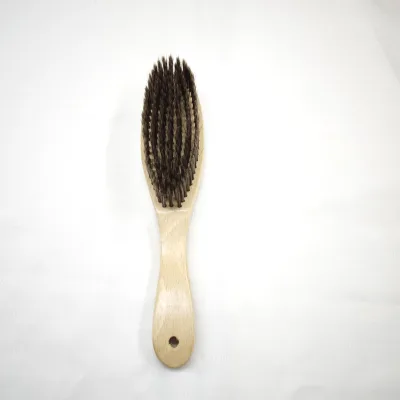
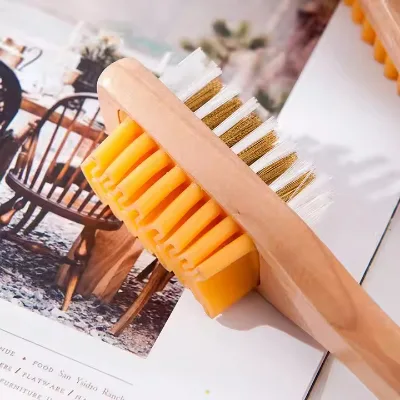
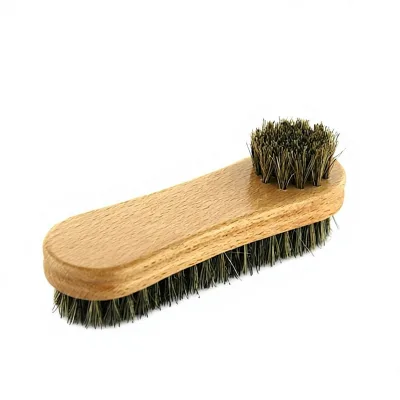
High Quality Wooden Brush Shoe Cleaner Scrubbing Cleaning Brushes for Household
$1.00 - $1.50
MOQ: 50 pieces
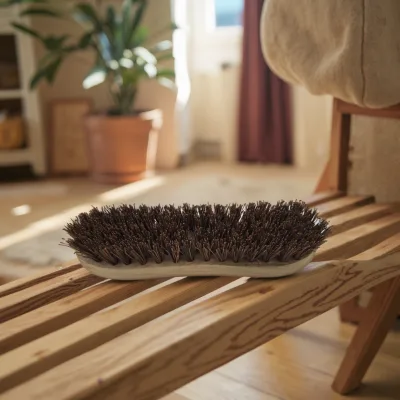
Wooden Shoe Cleaning Brush for Leather Suede and Boot Care Premium Polish Shine Brush
$0.7026 - $0.7235
MOQ: 50 pieces
Ningbo Partner Leisure Products Co., Ltd.
- Trading Company
- Zhejiang, China
- Lead time0 days
- Avg. response≤ 8h
Main productspet supplies,cooker,kitchen accessories,egg incubator,storage box
Main marketsNorth America(80.00%), South America(15.00%), Eastern Europe(5.00%)
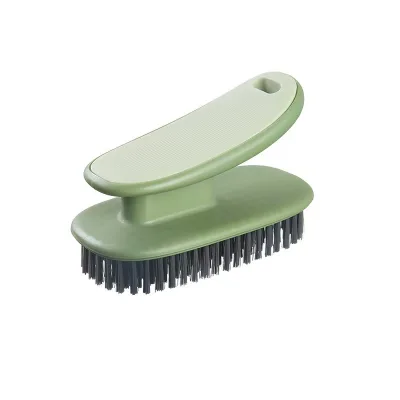
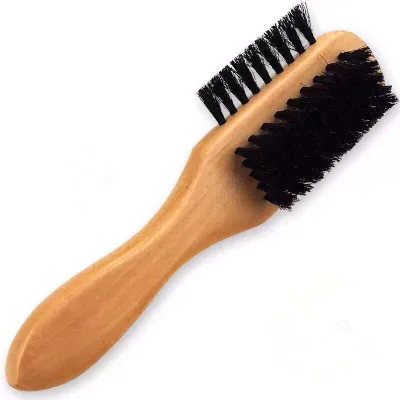
Hot Sale Shoe Cloth Brush Long Handle Shoe Brush Multifunctional Brush for House Cleaning
$1.20 - $1.47
MOQ: 100 pieces
Wuxi Honco Import And Export Co., Ltd.
- Trading Company
- Jiangsu, China
- Lead time30 days
- Avg. response≤ 11h
Main productsFlag,glasses,hat,Cleaning cloth,pins
Main marketsWestern Europe(35.00%), Eastern Europe(16.00%), South America(12.00%), Mid East(9.00%), Southern Europe(8.00%), Oceania(5.00%), Africa(4.00%), Northern Europe(3.00%), South Asia(2.00%), Eastern Asia(2.00%), Domestic Market(1.00%), Central America(1.00%), Southeast Asia(1.00%), North America(1.00%)
Yangzhou Runtong International Trading Co., Ltd.
- Verified by SGS Group
- Manufacturer, Trading Company
- Lead time50 days
- Avg. response≤ 4h
Main productsShoe Insoles, Shoe Polish, Shoe Horn, Shoe Tree, Shoe Brush
Main marketsNorth America(28%), South America(16%), Eastern Asia(12%)
Anhui Lijie Brush Industry Co., Ltd.
- Verified by SGS Group
- Manufacturer, Trading Company
- Lead time0 days
- Avg. response≤ 2h
Main productsCrevice Cleaning Brush, Drill Brush, Household Cleaning Brush, Car Cleaning Brush, Industrial Brush
Ma 'anshan Tengyuan Import And Export Trade Co., Ltd.
- Trading Company
- Anhui, China
- Lead time7 days
- Avg. response≤ 4h
Main productsHome & Garden,Party supplies,Household cleaning tools and accessories,Kitchen Supplies,Daily necessities
Main marketsEastern Europe(20.00%), North America(20.00%), Southern Europe(10.00%), Central America(10.00%), Africa(10.00%), Southeast Asia(10.00%), South America(10.00%), Western Europe(5.00%), Mid East(5.00%)
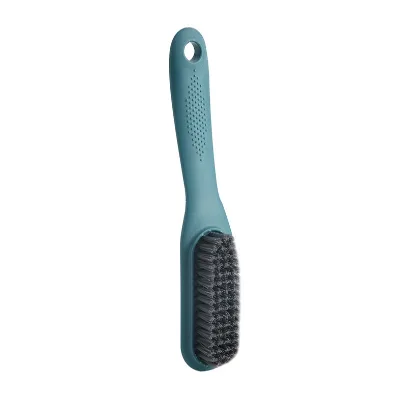
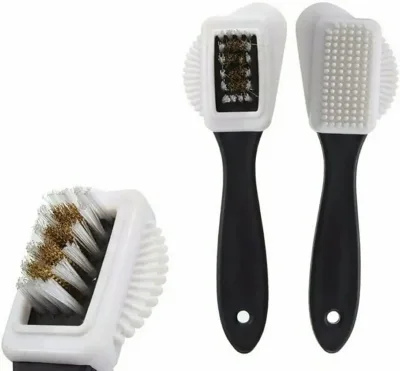
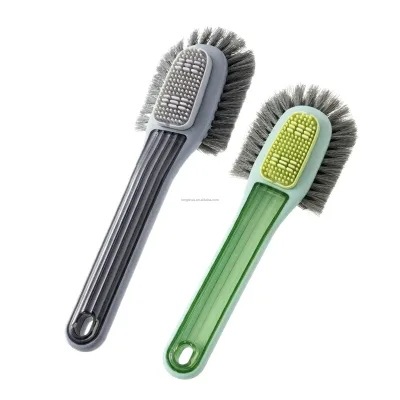
Plastic Long Handle Shoe Brush Soft Hair Multi-functional Home Shoe Brush
$0.18 - $0.20
MOQ: 100 pieces
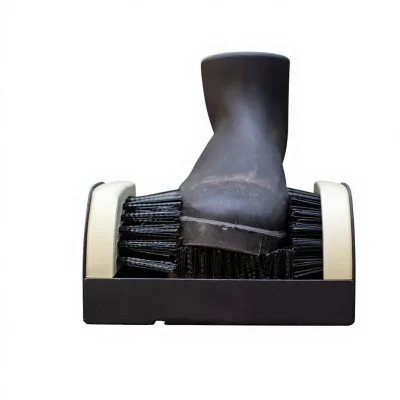
$0.1336 - $0.1543
MOQ: 100 pieces
- Manufacturer, Trading Company
- Zhejiang, China
- Lead time15 days
- Avg. response≤ 6h
Main productsCreative Hook,Sanitary ware storage,Kitchen storage,Desktop tidying,Cleaning supplies
Main marketsDomestic Market(10.00%), Africa(10.00%), Southeast Asia(10.00%), South Asia(10.00%), South America(10.00%), North America(10.00%), Oceania(5.00%), Eastern Europe(5.00%), Southern Europe(5.00%), Northern Europe(5.00%), Central America(5.00%), Western Europe(5.00%), Eastern Asia(5.00%), Mid East(5.00%)
Ningbo Equator Import And Export CO., Ltd.
- Verified by SGS Group
- Trading Company
- Lead time10 days
- Avg. response≤ 8h
Main productsAutomobile Accessories, Household Goods, Household Appliances, Electronic and Tool Equipment
Main marketsNorth America(20%), South America(15%), Eastern Europe(10%)
Guangzhou AOQUN New Materials Co., Ltd.
- Verified by TüVRheinland
- Manufacturer, Trading Company
- Lead time7 days
- Avg. response≤ 2h
Main productsDisc Brush, Roller Brush, Solar Panel Cleaning Brush, Vacuum Cleaner Brush, Industrial Brush
Main marketsDomestic Market(67%), North America(5%), Western Europe(5%)

- Verified by TUVRHEINLAND
- Trading Company
- China Zhejiang
- Lead time15 days
- Avg. response≤ 5h
Main productsHome, Kitchen, Outdoors, Garden, Sports, Travel, Pet Supplies
Main marketsNorth America
Shenzhen Longbrush Technology Co., Ltd.
- Trading Company
- Guangdong, China
- Lead time0 days
- Avg. response≤ 2h
Main productsPet Hair Brush,bristle brush,stainless steel brush,cup brush,kettle brush
Main marketsSouth America(50.00%), North America(50.00%)

Suzhou Saman Technology Co., Ltd.
- Verified by SGS
- Combined
- China Jiangsu
- Lead time23 days
- Avg. response≤ 1h
Main productsBrush, Strip Brush, Roller Brush, Industrial Brush, Board Brush, Small Brush
Main marketsDomestic
Shenzhen Lindsay Technology Co., Ltd.
- Verified by TüVRheinland
- Trading Company
- Lead time0 days
- Avg. response≤ 8h
Main productsWedding Umbrella, Hand Fan, LED Stick, Wedding Gift
Main marketsNorth America(25%), Oceania(15%), Western Europe(15%)
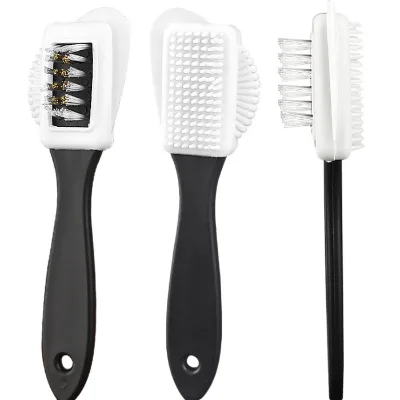
$0.1446 - $0.2277
MOQ: 100 pieces
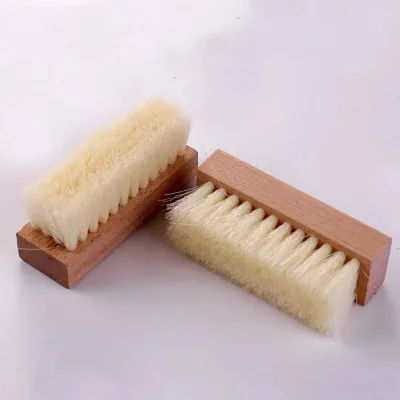
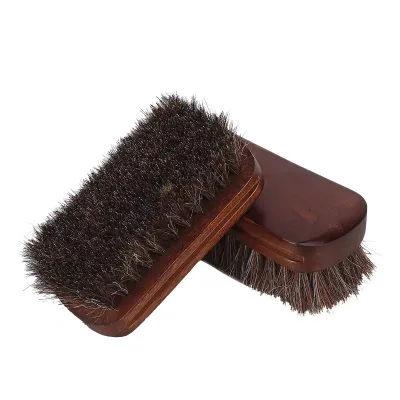
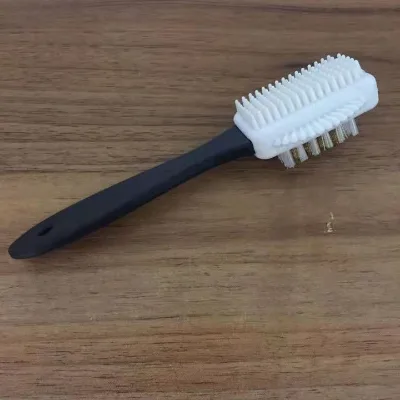
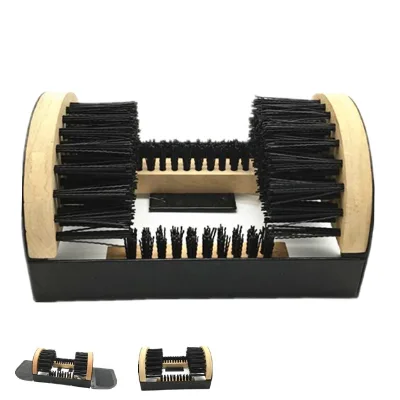
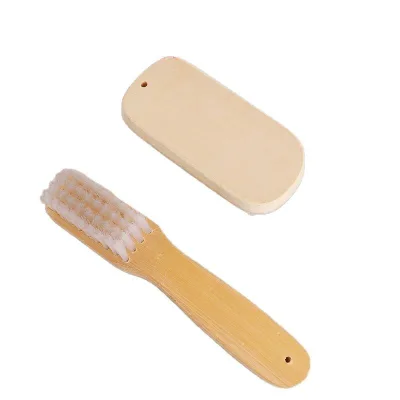
New Wooden Shoe Sole Cleaning Brush Sneaker and Leather Shoe Boot Cleaning Kit
$0.5662 - $0.6996
MOQ: 50 pieces




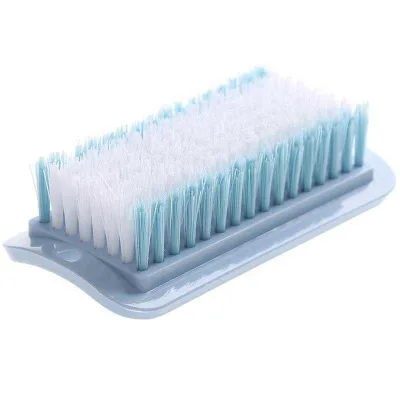


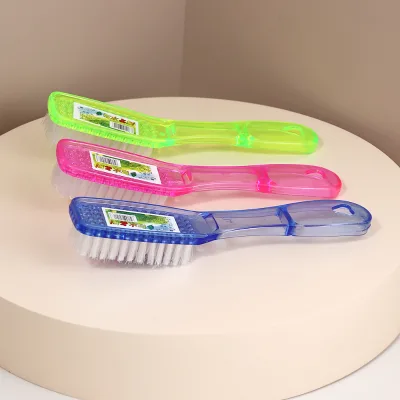
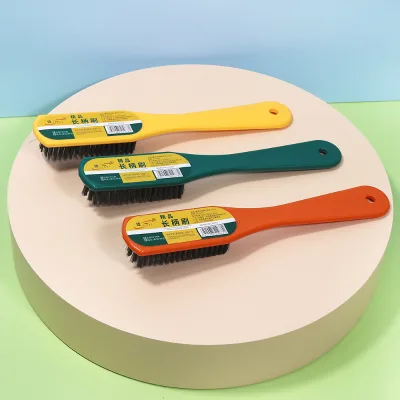


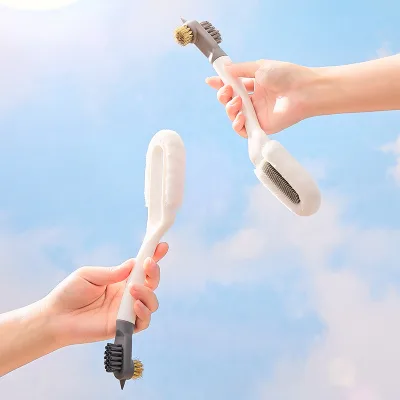


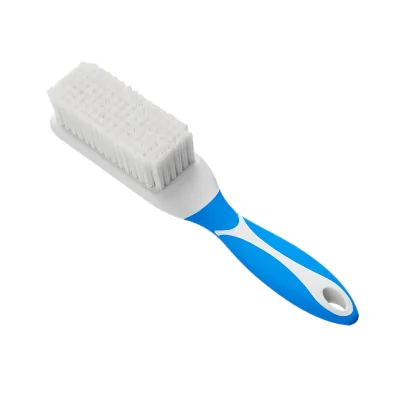


Comprehensive Sourcing Guide
Traditional Shoe Cleaning Brush Supplier Concentration and Factory Types
When sourcing a Traditional Shoe Cleaning Brush, the first structural question is where production actually happens. In the current supplier results, the observed manufacturing location is Henan, China, which appears both as the company location and as the stated product origin on individual listings. That gives buyers a concrete anchor: a cluster where household cleaning brushes, including shoe brushes, laundry brushes, toilet brushes and dish brushes, are made under one roof. A supplier listing brooms and laundry brushes alongside shoe cleaning models is typically a multi-product brush factory rather than a single-item specialist, and the main-product list in these results confirms exactly that mix.
Supplier type matters as much as geography. The observed company is classified as "Combined," which in practice means it can operate as both manufacturer and trader. Combined suppliers can be useful for Traditional Shoe Cleaning Brush programs because they often support ODM, OEM and own-brand production, all of which appear in this supplier's capability list. However, buyers should not assume every result on a search page shares the same profile. Some listings may come from pure trading companies reselling nearby factory output, and some factories may list under multiple accounts. The practical approach is to read each result's declared type, location and product range together, then shortlist those whose declared structure matches your sourcing model before contacting anyone.
How to Verify Traditional Shoe Cleaning Brush Suppliers
Verification starts with third-party evidence rather than self-declared claims. In the observed results, one useful marker is BV verification, meaning the supplier's profile has been audited by Bureau Veritas. Alongside that, system certifications such as ISO9001:2015 and ISO14001:2015 are displayed, covering quality management and environmental management respectively. For a Traditional Shoe Cleaning Brush program, an ISO9001 certificate gives you a documented process for consistency across repeat orders, while ISO14001 matters if your retail customers require environmental compliance from upstream vendors. Confirm that certificate numbers are current and match the legal entity you are quoting with, because displayed badges can lag behind actual status.
Beyond documents, verify operational behavior. The observed response time of roughly 8.98 hours tells you something about communication speed, but you should test it yourself with a technical question, such as bristle material options or handle tolerances, and measure how specific the reply is. Ask for a free sample where offered; at least one observed listing advertises free samples, which lets you evaluate bristle stiffness, plastic smell and finish before committing. Cross-check the declared origin, Henan, against the factory address on invoices and certificates. Request business license details, and if the supplier claims ODM or OEM capability, ask for evidence such as customized tooling photos or previous custom-logo examples rather than accepting the label at face value.
What to Compare Across Traditional Shoe Cleaning Brush Suppliers
Build a comparison sheet using the dimensions suppliers actually display. For the Traditional Shoe Cleaning Brush category, the observed listings show price ranges spanning roughly $0.08 to $0.30 per piece depending on model, with MOQs from as low as 1,200 pieces up to 12,000 pieces. That spread is meaningful: lower MOQs usually suit buyers testing a market or building an assortment, while higher-MOQ models often carry lower unit prices and tighter carton standards, such as 200 or 240 pieces per carton in the observed packing data. Record price, MOQ, packing configuration and carton dimensions side by side before comparing anything else.
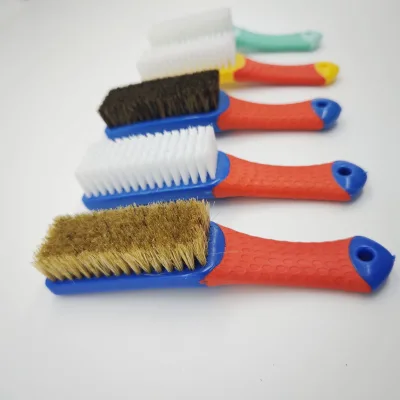
Then compare operational and capability fields. Lead time in the observed data is around 23 days, but do not assume every supplier matches it; some listings show no lead time at all, which itself is a signal to ask. Response speed, verified status, location and establishment year should sit in the same table, with blanks marked as "to confirm" rather than guessed. Compare customization depth too: the observed products state customization as available, with options for custom logos in place of the house brand, multicolor variants, and choices between soft and hard bristles. Weight, material (PP plastic in several observed models) and single-package dimensions also differ between models, and those fields affect freight cost per unit more than the headline price does.
Common Traditional Shoe Cleaning Brush Sourcing Risks
The most common risk in this category is confusing a trading profile with a manufacturing one. A "Combined" supplier type suggests dual capability, but some sellers of a Traditional Shoe Cleaning Brush may simply aggregate output from nearby workshops, which weakens quality control and complicates audits. Related to this is origin ambiguity: one observed listing states Henan as product origin while the supplier location is also Henan, but on other pages origin may be blank or inconsistent. If the declared origin and the certificate entity do not line up, you may face customs documentation problems or traceability failures when a retail partner audits your chain.
Product-level risks cluster around material and specification drift. Observed listings describe plastic handles and plastic or PP brush heads, with features such as eco-friendly or easily cleaned, but none of these words are standardized terms; a sample that feels soft and dense can drift to thinner bristles in mass production unless the specification is locked in writing. Packing errors are another recurring issue: observed carton standards range from 200 to 500 pieces per carton with widely different carton sizes and gross weights, so a miscommunicated packing count can silently change your freight bill. Finally, MOQ and price mismatches occur when buyers quote from one listing but order a variant, since observed MOQs range from 1,200 to 12,000 pieces across similar-looking models.
Traditional Shoe Cleaning Brush Regional Sourcing and Logistics
The verified regional signal in these results is Henan, China, so plan your logistics around inland-origin shipments. Goods moving from Henan typically travel by road or rail to a coastal port before ocean freight, and that inland leg adds time and cost that a quoted ex-works price may not reveal. For a Traditional Shoe Cleaning Brush, which is lightweight plastic in PP with observed single-item weights as low as 60 grams, freight is usually volume-driven rather than weight-driven. Observed carton data illustrates this: one model ships 500 pieces per carton in a large 0.19 CBM carton, while another packs 240 pieces in a smaller carton, so cubic efficiency varies sharply between models.
When comparing suppliers, calculate landed cost per brush using each listing's actual carton size, pieces per carton and gross weight, not just unit price. Ask each supplier to state the loading port they habitually use and whether the quoted lead time of around 23 days, where displayed, includes production only or also inland transit to port. Do not assume every supplier on the results page ships from Henan; some profiles may show blank locations or different regions, and you should confirm origin in writing. If you need mixed assortments of shoe, laundry and toilet brushes, note that the observed supplier lists all of these as main products, which can allow consolidated cartons and simpler container planning.
Traditional Shoe Cleaning Brush Commercial Terms and Order Planning
Commercial terms should be negotiated against the observed data points rather than assumptions. Price bands for comparable models run from roughly $0.08–$0.10 for basic laundry-style brushes up to $0.30 for specialized shoe polishing models, and MOQs range from 1,200 to 12,000 pieces, so use those figures as benchmarks when a quote arrives well outside the range. Where a supplier offers free samples, as at least one observed listing does, request samples of two or three models before fixing a price, because bristle softness and handle feel differ between the soft-hair and hard-bristle variants shown. Confirm whether quoted prices are per piece, per carton or per model, since packing standards of 200, 240, 320 or 500 pieces per carton appear across listings.
For order planning, sequence your commitments carefully. Start with a sample-approved specification sheet covering model number, material (PP or plastic as declared), color, logo treatment and packing count. Then place a trial order near the lower end of the MOQ range to test the 23-day lead time in practice, and check whether the supplier's stated response speed of under nine hours holds during production, not just during quoting. Verify certification validity, such as ISO9001:2015 and ISO14001:2015, at contract stage, and confirm BV verification status directly. Finally, align payment and re-order terms with the supplier's Combined structure, clarifying who the legal manufacturing counterparty is before scaling volumes beyond the first repeat order.
FAQs
Where are these shoe cleaning brushes manufactured?
The suppliers listed are located in Henan, China. This region is a known hub for manufacturing household cleaning tools. Buyers should verify specific factory addresses during the inquiry process to ensure logistics compatibility with their distribution needs.
What is the typical lead time for these brushes?
The observed lead time for these products is 23 days. This duration covers production and initial packaging. Buyers must confirm if this timeline includes shipping or if it ends at the factory gate before arranging freight forwarders.
Do these suppliers offer customization for shoe brushes?
Yes, customization is available for these cleaning brushes. Suppliers accept OEM and ODM requests with options for custom logos and designs. Buyers can request samples to verify the quality of the customized plastic handles and bristles before placing large orders.
What certifications do the manufacturers hold?
The suppliers hold ISO9001:2015 and ISO14001:2015 system certifications. These standards indicate adherence to quality management and environmental protection protocols. Buyers should request valid certificate copies to confirm current compliance status before finalizing any procurement agreements.
What is the minimum order quantity for these brushes?
Minimum order quantities vary by product model, ranging from 1,200 to 10,000 pieces. Specific models like the soft hair brush have lower thresholds compared to standard multi-functional versions. Buyers should check the exact MOQ for their selected model to manage inventory costs effectively.
How quickly do suppliers respond to inquiries?
The average response time recorded for these suppliers is approximately 8.98 hours. This metric suggests a relatively prompt communication channel for initial negotiations. Buyers should expect timely replies but should still follow up if no response is received within the stated window.
Are free samples available for these cleaning brushes?
Free samples are offered for specific shoe cleaning brush models. This allows buyers to test the plastic material quality and bristle softness before committing to bulk purchases. Buyers should clarify if shipping costs for these free samples are covered by the supplier.
What is the price range for these brushes?
Prices for these brushes range from 0.08 to 0.30 USD per unit depending on the model and customization. The cost is influenced by factors like bristle type and packaging requirements. Buyers should request a detailed quotation based on their specific quantity and design needs.