Source Magic Brush for Window Cleaning for Home, Hotel, and Car
Compare 30 listings for the Magic Brush for Window Cleaning to find options with features like microfiber heads, plastic handles, and mini-blind cleaning capabilities. Buyers can review specifications, MOQs, and supply abilities from verified suppliers in Guangdong, China; compare the available evidence and request quotations based on your requirements.
Updated
Key considerations
Products List
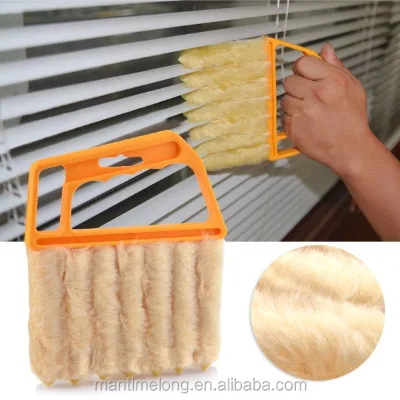


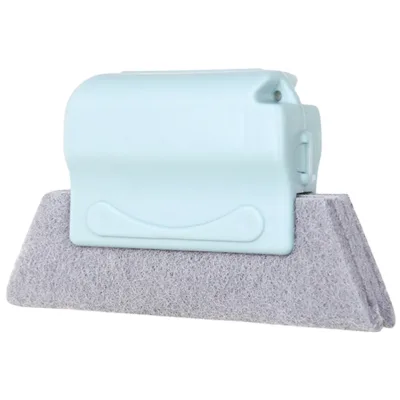
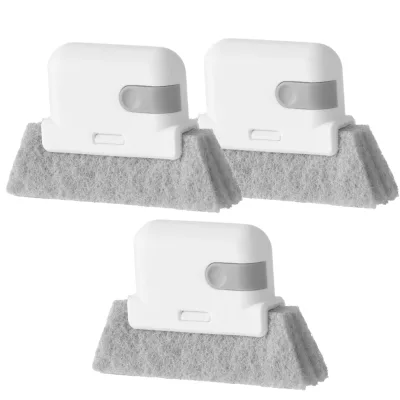
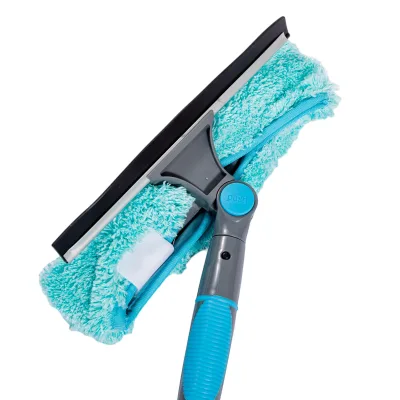
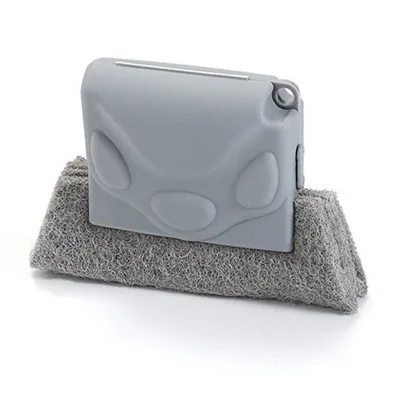
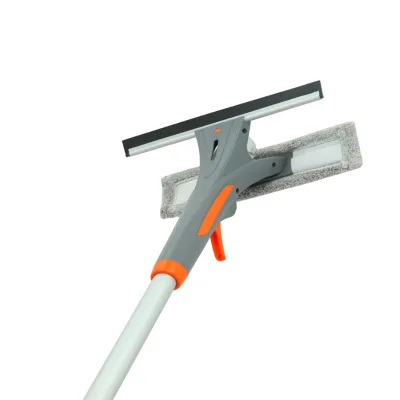
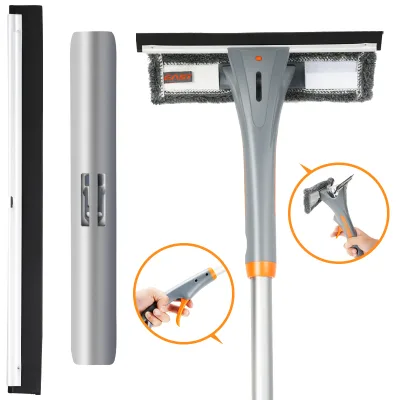
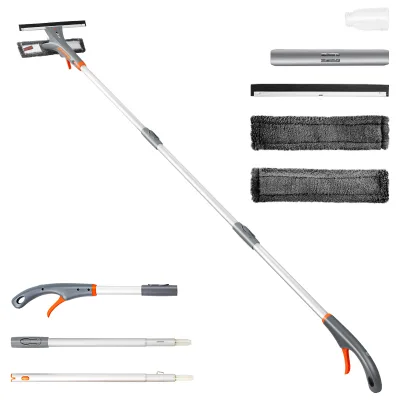
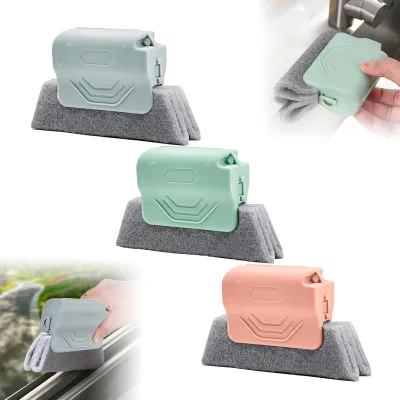

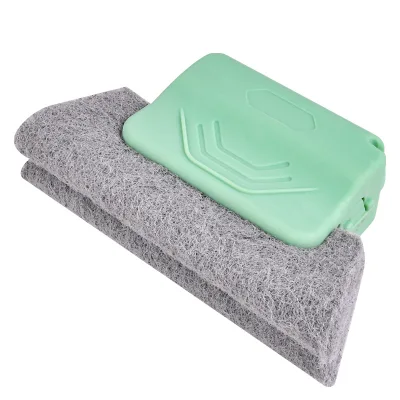


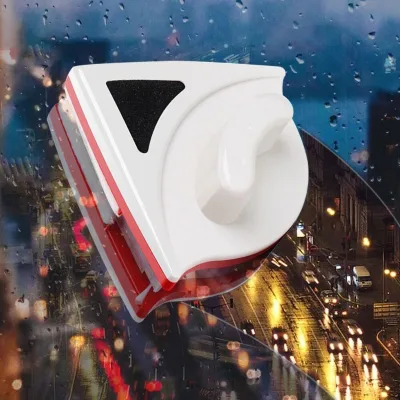
Window Squeegee Window Brush Window Cleaner Window Wiper Water Cleaning
$0.70 - $1.00
MOQ: 3000 Pieces

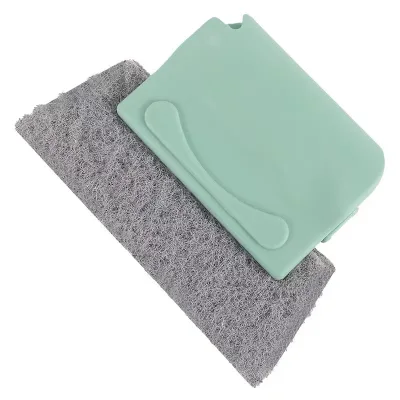
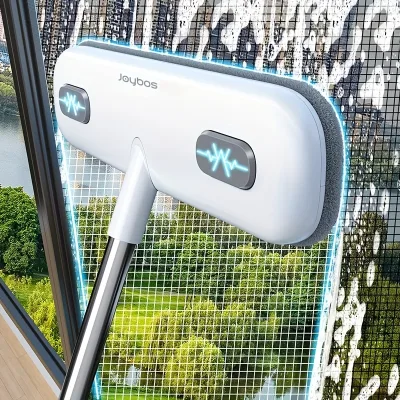
Window Squeegee Window Brush Car Wiper Car Brush Window Cleaner Plastic Handle
$0.60 - $1.00
MOQ: 3000 Pieces





Comprehensive Sourcing Guide
Magic Brush for Window Cleaning Sourcing Guide
Procuring specialized cleaning tools requires a clear understanding of the diverse product landscape available from manufacturers in Guangdong, China. The market offers a wide array of solutions, ranging from simple hand-held brushes to complex long-handled systems designed for high-reach applications. Buyers must distinguish between general-purpose floor and car cleaning tools and those specifically engineered for delicate glass surfaces. The observed product count of thirty items indicates a niche but active supply chain, where differentiation often lies in handle length, head material, and specific attachment capabilities for unique cleaning challenges.
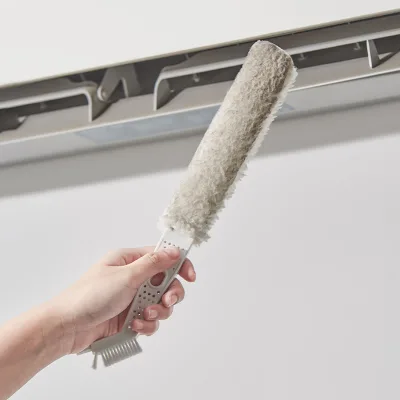
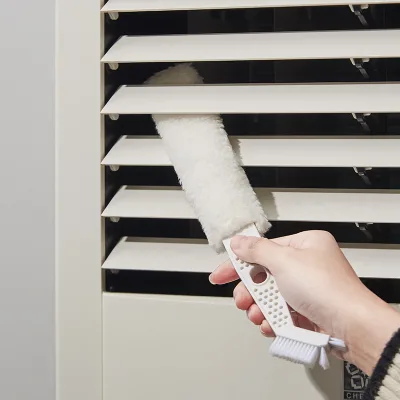
Understanding the specific use case is the first critical step in narrowing down supplier options. Some products are marketed for multi-surface use, including floors, kitchens, and cars, while others are strictly for window and blind maintenance. For instance, certain listings highlight features like removing dust from mini-blinds or cleaning slats with a back-and-forth motion. Buyers should align their procurement needs with these specific functional claims, ensuring that the selected tool matches the intended environment, whether it be a residential home, a commercial hotel, or an industrial facility with extensive glazing.
Product Scope and Observed Listing Signals
The observed price range of 0.09 to 170 USD reflects significant variation in product complexity and material quality. Lower-priced items often correspond to basic microfiber or nylon brushes with standard plastic handles, suitable for light domestic use. In contrast, higher-priced units may feature ergonomic designs, extended reach capabilities, or specialized attachments for hard-to-reach windows. The minimum order quantity (MOQ) ranges from 1 to 3000 pieces, offering flexibility for both small retailers and large distributors. Buyers should carefully evaluate the unit price against the MOQ to determine the most cost-effective entry point for their specific inventory requirements.
Brand presence and customization options also play a pivotal role in the sourcing decision. Several suppliers offer branding services, allowing buyers to place their own logos on handles or packaging. This is particularly relevant for private-label strategies in the retail sector. Additionally, the availability of different styles, such as modern designs or hand-held formats, provides opportunities to target specific consumer segments. Buyers should verify if the supplier supports non-customized stock items for immediate shipment or if they require longer lead times for bespoke manufacturing, which can impact inventory planning and cash flow management.
Technical Specifications to Verify
Material composition is a primary technical factor that influences durability and cleaning efficiency. Brush heads are commonly constructed from microfiber or nylon, each offering distinct advantages for different types of dirt and glass conditions. Microfiber is often preferred for its ability to trap dust and fine particles without scratching surfaces, while nylon bristles may provide more aggressive scrubbing power for stubborn grime. The brush handle material is typically plastic, but buyers should inquire about the specific grade and reinforcement to ensure it can withstand repeated use and potential drops. Verifying these material specifications helps prevent premature product failure and customer complaints.
Size and dimensional standards are equally critical for user comfort and effectiveness. Products are available in various lengths, such as 25CM, 35CM, 40CM, and 45CM, catering to different window heights and user preferences. Some models come with specific packaging dimensions, like 37X10X9CM, which affects shipping volume and storage efficiency. Buyers should request detailed product dimensions and weight specifications to calculate accurate freight costs and warehouse space requirements. Additionally, checking for detachable components, such as washable heads or interchangeable cleaning pads, can enhance the product's value proposition by extending its usable life and reducing maintenance costs for the end-user.
Compliance and Safety Documentation
While specific certification statuses are not explicitly detailed in the provided context, buyers must proactively request relevant safety and quality documentation from suppliers. For cleaning products that may come into contact with household surfaces, compliance with local chemical and material safety regulations is essential. This includes verifying that the materials used, such as plastics and fibers, are free from harmful substances like BPA or heavy metals. Buyers should ask for test reports or declarations of conformity that demonstrate adherence to international standards for consumer goods, ensuring that the products are safe for both consumers and the environment.
Packaging and labeling compliance is another area requiring careful attention. The observed packaging details, such as standard export cartons or specific counts per carton (e.g., 100PCS/Carton or 75PCS/Carton), must align with the destination market's labeling laws. This includes accurate product descriptions, safety warnings, and recycling symbols where applicable. Buyers should ensure that the supplier can provide multilingual packaging if exporting to non-English speaking regions. Proper documentation not only facilitates smooth customs clearance but also builds trust with end-consumers who increasingly demand transparency and safety in the products they purchase for their homes.
Cost Drivers and Commercial Terms
Several factors influence the final landed cost of magic brushes for window cleaning, with material quality and customization being primary drivers. Higher-grade microfiber or reinforced plastic handles will naturally command a higher price point compared to basic alternatives. Customization services, such as logo printing or custom packaging, add to the production cost but can enhance brand value. Buyers should also consider the supply ability of the supplier, which is listed as 10,000 pieces per week for some vendors. A robust supply capacity can indicate stability and reliability, potentially reducing the risk of delays and associated costs for large orders.
Payment terms and shipping logistics are critical components of the commercial agreement. The port of dispatch is typically Shenzhen, a major hub for export, which may offer competitive freight rates depending on the volume and destination. Buyers should negotiate clear payment terms, such as deposits and balance payments upon shipment, to mitigate financial risk. Additionally, understanding the lead times for both standard and customized orders is essential for inventory planning. Suppliers with a strong track record of meeting delivery deadlines can help buyers maintain consistent stock levels, avoiding stockouts and lost sales opportunities in the competitive cleaning tools market.
Supplier Qualification and Quality Control
Evaluating supplier qualifications is crucial for ensuring a reliable partnership in the sourcing of cleaning tools. Buyers should verify the supplier's business license, manufacturing capabilities, and export history to confirm their legitimacy and experience. Given that many suppliers are located in Guangdong, China, a region known for its manufacturing prowess, buyers can leverage local industry networks to gather insights on supplier reputations. Requesting references from existing clients or conducting virtual factory audits can provide valuable insights into the supplier's operational efficiency and commitment to quality. This due diligence helps minimize the risk of engaging with unreliable vendors.
Quality control processes should be clearly defined and agreed upon before placing orders. Buyers should inquire about the supplier's internal quality assurance procedures, including raw material inspection, in-process checks, and final product testing. For products like window cleaning brushes, key quality indicators include the durability of the brush head attachment, the integrity of the handle, and the consistency of the cleaning performance. Establishing clear acceptance criteria and sampling plans allows buyers to verify that the delivered goods meet their specifications. Implementing third-party inspection services for large orders can provide an additional layer of assurance and protect against potential quality issues.
Long-Term Procurement Checks
Building a sustainable procurement strategy requires ongoing monitoring of supplier performance and market trends. Buyers should regularly review supplier delivery times, product quality consistency, and responsiveness to issues. Establishing key performance indicators (KPIs) and conducting periodic supplier evaluations can help identify areas for improvement and foster a collaborative relationship. Additionally, staying informed about emerging trends in cleaning technology and consumer preferences allows buyers to adapt their product offerings accordingly. This proactive approach ensures that the procurement strategy remains aligned with market demands and supports long-term business growth.
Continuous improvement in product design and functionality is also essential for maintaining a competitive edge. Buyers should encourage suppliers to innovate and introduce new features, such as ergonomic handles or eco-friendly materials, to meet evolving consumer expectations. Regular feedback loops between buyers and suppliers can facilitate product enhancements and address any recurring quality issues. By fostering a culture of continuous improvement, buyers can ensure that their product portfolio remains relevant and appealing to customers. This long-term focus on quality and innovation helps build brand loyalty and drives sustained success in the cleaning tools market.
FAQs
How does a Magic Brush for Window Cleaning work on blinds?
You insert the mini-blind cleaner with one roller between each slat, then move it back and forth to wipe the blinds clean. The design lets you clean slats on mini blinds easily without removing them from the window. Washable and rust-proof construction means the tool can be detached, rinsed, and reused for ongoing dust removal tasks.
What surfaces can a Magic Brush for Window Cleaning be used on?
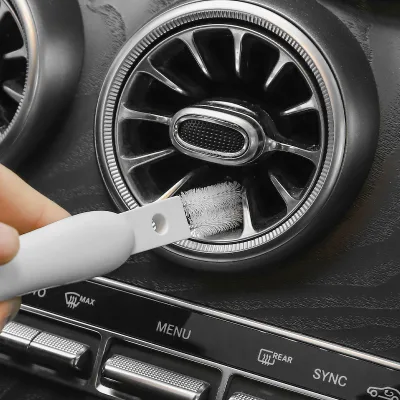
Its primary application is cleaning windows, and listed models also cover floors, cars, kitchens, and toilets. Brush heads are typically made from microfiber or nylon, which suits dust removal and general household cleaning. Before ordering, confirm which head material and size the specific model offers so it matches your intended surface and cleaning routine.
Which handle and head sizes are available for these window cleaning brushes?
Listed models come in standards of 25CM, 35CM, 40CM, and 45CM, with some ranges offering 35CM, 40CM, and 45CM options. Longer handles help reach high or awkward window areas, while shorter heads give more control on glass and blinds. Ask suppliers which sizes are in stock and whether custom lengths can be produced for your market.
Can these window cleaning brushes be customized for my brand?
Customization is available on listed items, though some models are marked non-customized, so confirm before ordering. Typical customization covers branding, colors, and packaging details packed in standard export cartons. Discuss minimum order quantities early, since MOQ requirements vary by model, and request written confirmation of any logo, color, or packaging changes agreed with the supplier.
What packaging options are used for these window cleaning brushes?
Products are sold as single items and shipped in standard export cartons, with some models packed at 100 pieces per carton and others at 75 pieces per carton. Carton counts affect freight volume, warehouse handling, and per-unit landed cost, so confirm the packing configuration for your chosen model. Ask whether carton markings and inner packaging can be adapted to your distribution needs.
How many units can suppliers produce per week for this product?
One listed model shows a supply ability of 10,000 pieces per week, which indicates scalable production capacity for bulk orders. Actual weekly output varies by factory, model complexity, and season, so verify capacity in writing before committing to large purchase orders. Ask how capacity changes during peak periods and what lead time applies to your target order volume.
What is the minimum order quantity for a Magic Brush for Window Cleaning?
A listed blind cleaning brush model shows an MOQ of 500 pieces, though MOQs vary across the product range and by supplier. Lower quantities may be possible for stocked or trial orders, while customized runs usually require higher volumes. Confirm the MOQ for your specific model and negotiate sample orders first to test quality before scaling up.
Which features should buyers check before ordering these cleaning brushes?
Key features to verify include eco-friendly materials, easily cleaned heads, washable and rust-proof construction, detachable parts, and stocked availability. Listed models mention microfiber or nylon heads with plastic handles and good overall quality. Request samples to test cleaning performance on your target surfaces, and confirm material details and feature claims in the purchase contract before payment.