Source High Efficiency Sorghum Peeling Machine for farms, factories, and snack
Compare 30 high efficiency sorghum peeling machines from verified suppliers. These units feature capacities up to 2000kg/h, 22KW power options, and are suitable for grain processing in food factories and farms; compare the available evidence and request quotations based on your requirements.
Updated
Key considerations
Products List
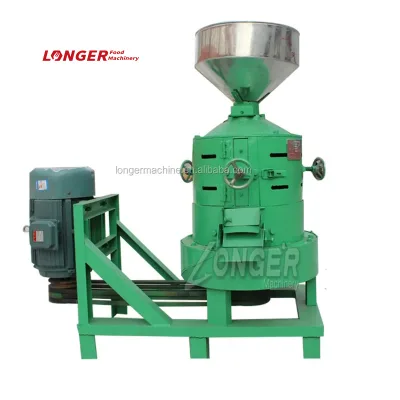
Sorghum Peeling Machine|Sorghum Peeler Machine|Sorghum Skin Peeling Machine
$821.3681 - $1026.7101
MOQ: 1 sets
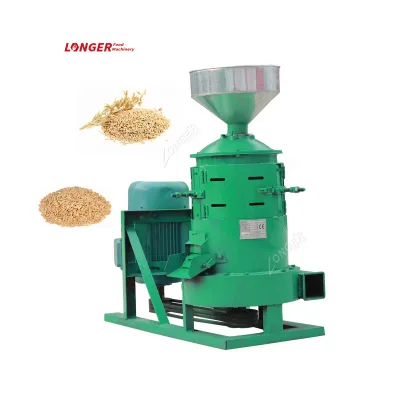


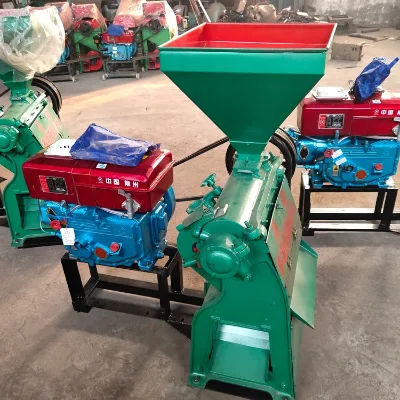
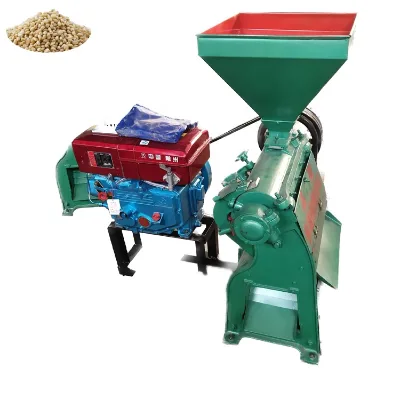
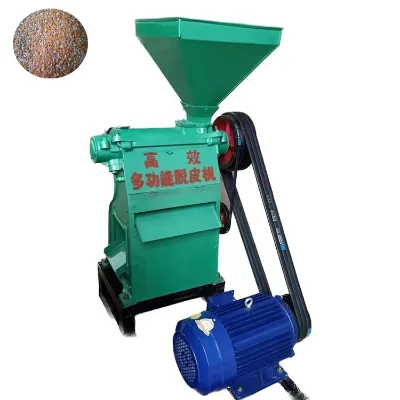


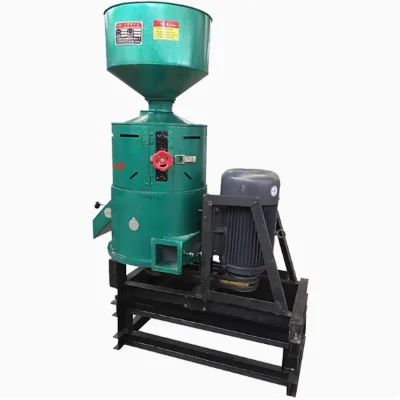
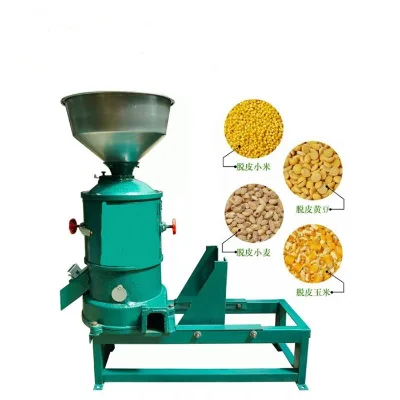
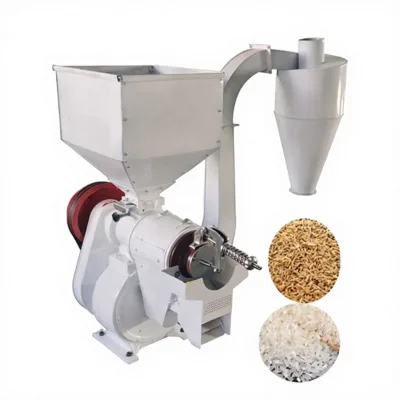
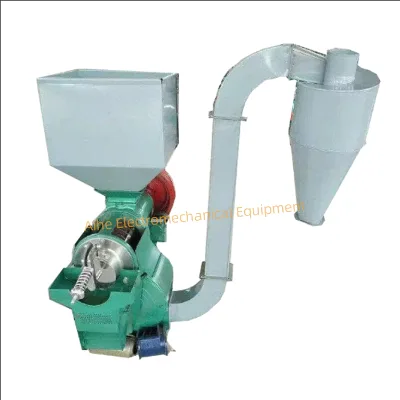
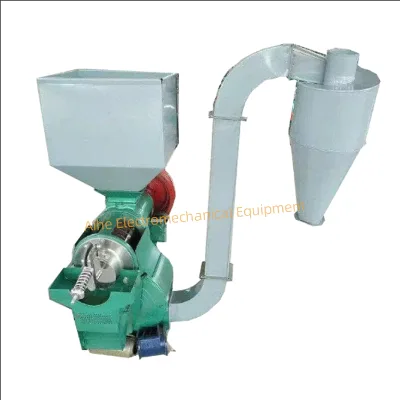


Sorghum Soybean Peeler Flexible Peeling Machine for Sorghum Soybean Processing
$470.00 - $550.00
MOQ: 2 Pieces

Corn peeling equipment multifunctional wheat millet sorghum peeling machine
$970.00 - $998.00
MOQ: 1 Sets

New wheat peeling machine oat sorghum peeling green wheat peeling machine
$970.00 - $998.00
MOQ: 1 Sets

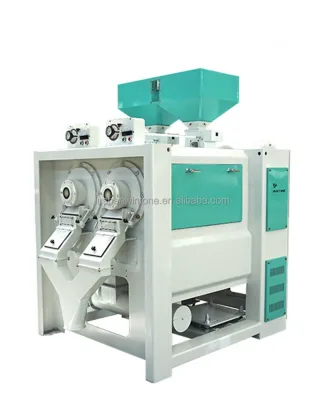
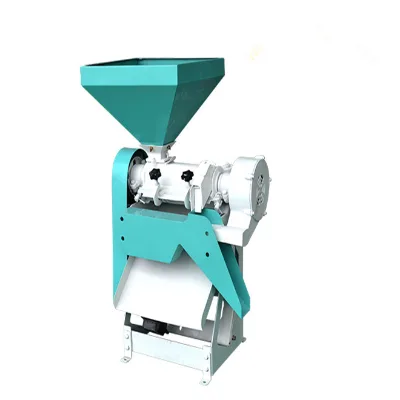
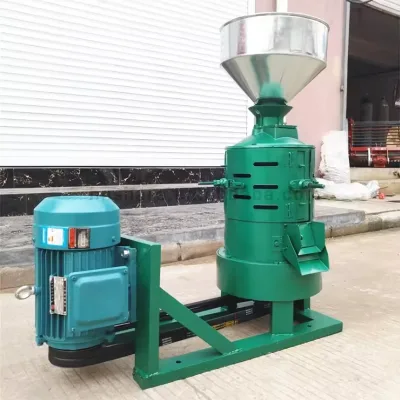
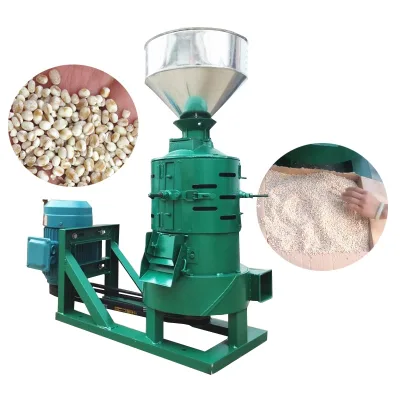
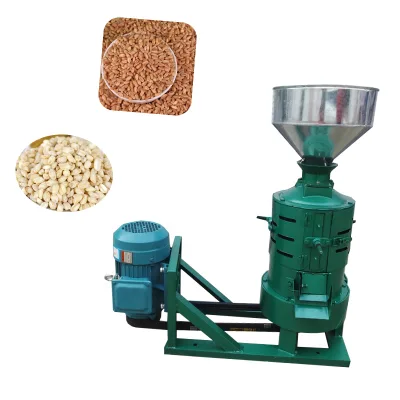
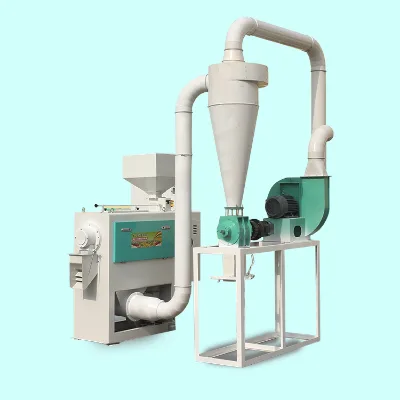
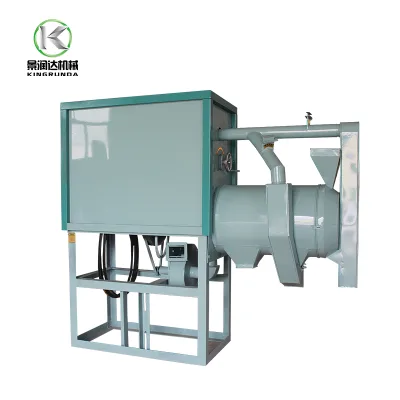
Multifunctional Grain Splitting Machine Bean Peeling Machine Soybean Machine Price
$3086.471 - $5144.1183
MOQ: 1 Minimum

Comprehensive Sourcing Guide
High Efficiency Sorghum Peeling Machine Sourcing Guide
Procuring industrial grain processing equipment requires a disciplined approach to verifying technical capabilities and supplier reliability. Buyers must prioritize machines that demonstrate high productivity and large capacity, as these attributes directly impact throughput and operational efficiency. The observed market data indicates a strong presence of multifunctional units designed for various grains, including sorghum, corn, and soybeans. Understanding the specific structural requirements, such as horizontal configurations, is essential for integrating the equipment into existing production lines. This guide provides evidence-based insights to help procurement teams navigate the complexities of sourcing high-efficiency peeling machinery from international suppliers.
The global supply chain for grain processing equipment is dominated by manufacturers in specific industrial hubs, with Henan, China, emerging as a significant production center. Suppliers in this region often offer a range of models, from smaller units with capacities around 100-150kg/h to larger industrial machines capable of processing 1500-2000kg/h. Buyers should carefully assess their volume requirements against these observed capacity ranges to avoid underutilization or bottlenecks. Additionally, the availability of customization options allows for tailored solutions that meet specific facility constraints. This flexibility is a key selling point for modern processing plants seeking to optimize their grain handling workflows.
Product Scope and Observed Listing Signals
The current market landscape for grain peeling machines features a diverse array of models designed for different scales of operation. Observed listings highlight products such as the LG-450 and Wslx series, which cater to both farm-level and industrial snack food factory applications. These machines are typically marketed as hot products due to their high efficiency and large capacity features. The scope extends beyond simple peeling, with some units offering grinding capabilities, as seen in the corn peeler grinder models. Buyers should recognize that while the core keyword focuses on sorghum, the available technology is often multifunctional, supporting the processing of nuts, oats, and other cereals.
Visual and descriptive signals in product listings provide critical clues about machine suitability. Attributes such as "New" condition and specific voltage requirements (220V or 380V) are standard indicators of modern equipment. The presence of a "High Productivity" key selling point suggests that these machines are engineered for continuous operation. Furthermore, the use of wooden packing as an export standard indicates a concern for protecting the machinery during transit. Buyers should look for these consistent signals across listings to ensure they are evaluating comparable equipment. The distinction between single-item selling units and bulk supply abilities also helps in determining the scalability of the procurement.
Technical Specifications to Verify
Verifying technical specifications is paramount to ensuring the machine meets operational demands. Key attributes to confirm include power consumption, which ranges from 3kw to 22kw depending on the model and capacity. The voltage compatibility is critical, with options for 220V or 380V, and some units supporting dual voltage configurations. Dimensional constraints must be checked against the facility layout, as observed sizes vary significantly from compact 820350930mm units to larger 15007501300mm machines. The weight of the equipment, ranging from 130kg to 490kg, also impacts installation requirements and floor load considerations.
Core components and structural design are other vital verification points. The motor is a central component, and its quality directly influences the machine's longevity and performance. The horizontal structure is a common design feature that facilitates easy maintenance and operation. Buyers should also verify the production capacity, which is listed in ranges such as 100-150kg/h or 800-1000kg/h. Ensuring that the machine's output aligns with the target processing volume for sorghum is essential. Additionally, checking the raw material compatibility confirms that the peeling mechanism is suitable for the specific grain type, preventing damage to the product during processing.
Compliance and Safety Documentation
Compliance and safety documentation are non-negotiable elements of the procurement process. Buyers must request machinery test reports, which are provided by many suppliers, to verify that the equipment meets international safety standards. These reports often include data on electrical safety, mechanical stability, and operational efficiency. The warranty period, typically one year, serves as a baseline for manufacturer confidence in the product's durability. However, buyers should clarify the scope of the warranty to understand what components are covered and under what conditions.
After-sales service provisions are equally important for long-term operational success. Suppliers offering engineers available to service machinery overseas provide a significant advantage for international buyers. This support ensures that technical issues can be resolved promptly, minimizing downtime. Buyers should verify the availability of spare parts and the responsiveness of the technical support team. Additionally, understanding the marketing type and product status helps in assessing the supplier's market position. A product labeled as a "Hot Product" may indicate high demand, but it should be balanced with verified performance data and customer feedback.
Cost Drivers and Commercial Terms
Cost drivers in the grain peeling machine market are influenced by several factors, including power rating, capacity, and build quality. Higher power motors and larger capacities generally command higher prices, as seen in the observed price range of 188-6300 USD. The minimum order quantity (MOQ) typically ranges from 1 to 5 units, allowing for flexible procurement strategies. Buyers should consider the total cost of ownership, which includes installation, maintenance, and energy consumption. The supply ability of 500 sets per month indicates that suppliers can handle large orders, but lead times should be confirmed.
Commercial terms such as packaging and port of dispatch also impact the final cost. Wooden packing as an export standard is common, but buyers should verify if additional insurance or crating is required. The port of dispatch, often Qingdao or Tianjin, affects shipping costs and transit times. Buyers should negotiate clear terms regarding delivery responsibilities and risk transfer. Understanding the selling units, which are typically single items, helps in budgeting for multiple machines. Additionally, the availability of customization may incur extra costs, so buyers should define their requirements early in the negotiation process to avoid unexpected charges.
Supplier Qualification and Quality Control
Supplier qualification is a critical step in mitigating procurement risks. Buyers should verify the supplier's production capacity and place of origin, with Zhengzhou and Henan being key locations. The brand name, such as LONGER or LONGER FOOD MACHINERY, can be an indicator of market reputation. However, buyers should conduct independent due diligence to assess the supplier's financial stability and track record. Requesting references from previous clients, particularly those in similar industries like food and beverage factories or farms, can provide valuable insights.
Quality control measures should be rigorously evaluated before placing an order. Buyers should inquire about the manufacturing processes and quality assurance protocols employed by the supplier. The provision of machinery test reports is a positive sign, but buyers should also request detailed specifications and performance data. Verifying the standard of the product, such as the 104kg or 220kg standards observed, helps in ensuring consistency. Additionally, checking the showroom location, such as Viet Nam, can offer an opportunity to inspect the equipment firsthand. Establishing a clear quality control plan, including pre-shipment inspections, is essential to ensure the delivered machine meets all agreed-upon specifications.
Long-Term Procurement Checks
Long-term procurement checks focus on sustainability and continuous improvement. Buyers should establish a framework for regular performance monitoring of the installed machinery. Tracking metrics such as uptime, energy efficiency, and maintenance frequency helps in identifying potential issues early. The availability of customization options allows for future upgrades or modifications as processing needs evolve. Buyers should maintain open communication with the supplier to stay informed about new technologies and product improvements. This proactive approach ensures that the procurement strategy remains aligned with business goals.
Building a strong relationship with the supplier is also crucial for long-term success. Regular feedback on machine performance can lead to better support and potential discounts. Buyers should also consider the environmental impact of the machinery, looking for energy-efficient models that reduce operational costs. The application fields, such as snack food factories and farms, provide context for the machine's versatility. By continuously evaluating the supplier's ability to meet changing market demands, buyers can ensure a resilient and efficient supply chain. This strategic focus on long-term checks helps in maximizing the return on investment for the grain processing equipment.
FAQs
What is the production capacity of the High Efficiency Sorghum Peeling Machine?
The machine offers a production capacity of 1500-2000kg/h for grain processing. This high output ensures efficient handling of large volumes in food and beverage factories. The horizontal structure supports continuous operation, making it suitable for farms and snack food factories requiring consistent throughput for crops like corn and soybeans.
Can the High Efficiency Sorghum Peeling Machine be customized for specific needs?
Yes, customization is available for this equipment to meet specific operational requirements. Buyers can tailor the machine to their particular grain processing workflows. This flexibility allows factories to integrate the unit seamlessly into existing production lines while maintaining the high productivity and efficiency features essential for modern agricultural processing.
What after-sales service is provided for the High Efficiency Sorghum Peeling Machine?
Engineers are available to service machinery overseas for comprehensive support. This service ensures that technical issues are resolved promptly regardless of the buyer's location. The provision of machinery test reports further guarantees quality assurance, giving buyers confidence in the long-term reliability and performance of the equipment in their specific industrial applications.
How is the High Efficiency Sorghum Peeling Machine packaged for shipping?
The machine is packed in wooden crates as per export standards. This robust packaging protects the equipment during transit to destinations like Vietnam or other global markets. The sturdy wooden packing ensures that the heavy machinery arrives safely, maintaining its structural integrity and operational readiness for immediate installation and use upon delivery to the buyer's facility.
What is the voltage requirement for the High Efficiency Sorghum Peeling Machine?
The machine operates on 220/380V voltage to accommodate different electrical standards. This dual voltage capability allows for versatile installation in various industrial settings. The 22KW power rating ensures sufficient energy for high-efficiency processing, while the horizontal structure and motor core components are designed to handle the demands of peeling grains like sorghum, corn, and soybeans effectively.