Source Classic Glass Tea Mug for Office, Kitchen, and Travel
Compare 30 Classic Glass Tea Mug options from verified suppliers. Buyers can evaluate capacities ranging from 80ml to 450ml, shapes including cylindrical and rectangular, and certifications like LFGB and FDA for safe daily use; compare the available evidence and request quotations based on your requirements.
Updated
Key considerations
Products List
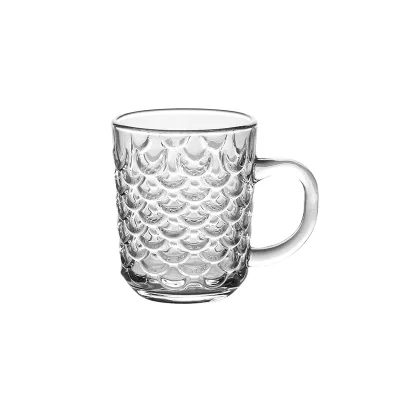


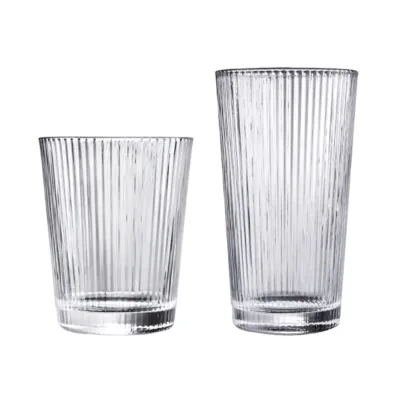


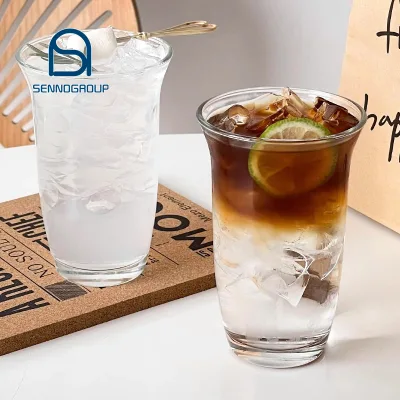
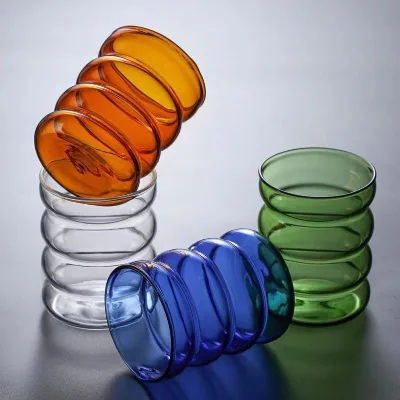
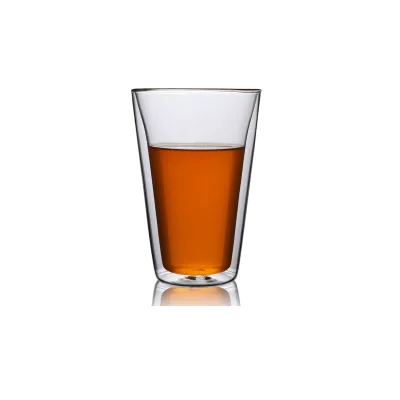
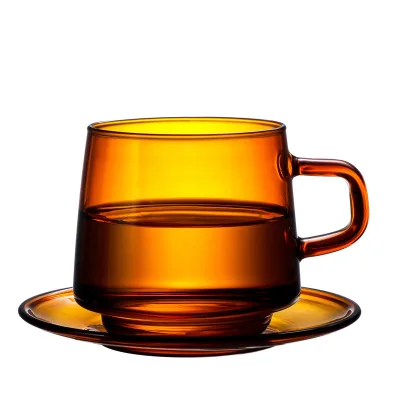
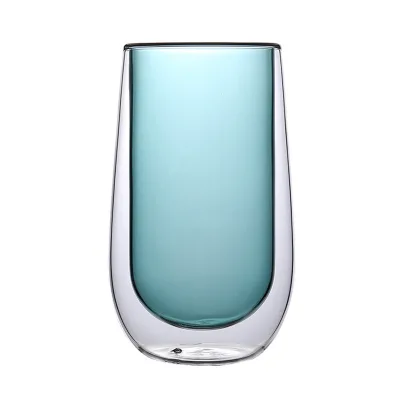
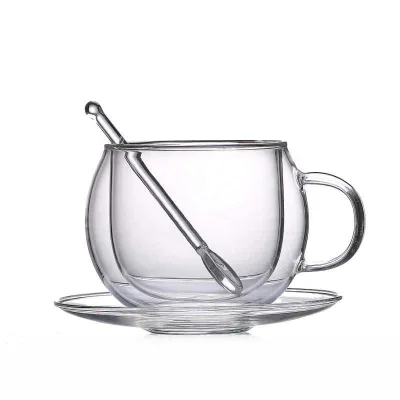
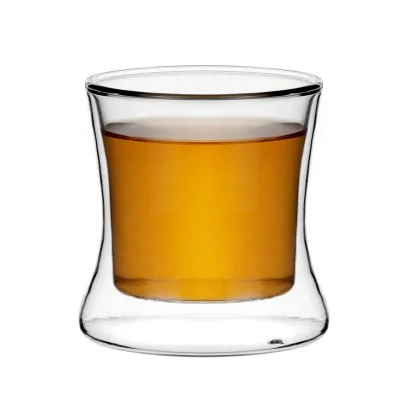
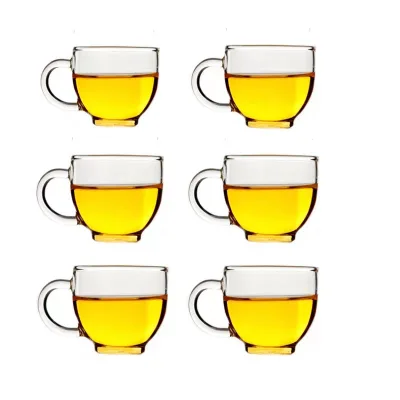

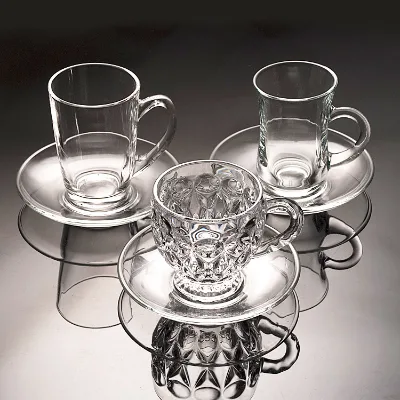
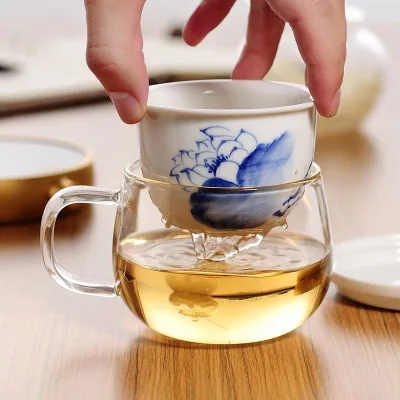
Haonai convenient borosilicate glass tea mug with ceramic infuser and lid
$2.55 - $2.65
MOQ: 3000 pieces
Comprehensive Sourcing Guide
Classic Glass Tea Mug Sourcing Guide
Procuring classic glass tea mugs requires a careful balance between aesthetic simplicity and functional durability, particularly when sourcing from major manufacturing hubs like Hebei, China. Buyers must navigate a market where product attributes vary significantly, ranging from cylindrical shapes to irregular designs, to ensure the selected items align with specific brand identities and usage scenarios. The observed product landscape includes single-wall constructions and various capacities, necessitating a clear definition of requirements before engaging with suppliers.
Understanding the baseline specifications is crucial for effective procurement. The available inventory features materials such as high borosilicate glass, which offers thermal resistance, and standard clear glass options. Models like TP03, TP50, and CP87 represent distinct design iterations, each with unique packing methods and standard capacities. Buyers should prioritize verifying these model-specific details to avoid mismatches between ordered samples and bulk production, ensuring that the final product meets both visual and performance expectations.
Product Scope and Observed Listing Signals
The current market for classic glass tea mugs exhibits a wide range of physical characteristics and customization options. Products are available in capacities spanning from 80ml to 450ml, with specific models like TP28 offering 350ml volumes and others supporting multiple size standards. The visual appeal varies from colorless and fancy designs to colored variants, with some pieces featuring golden handles or decal decorations. This diversity allows buyers to select mugs that fit specific kitchen or office environments, whether for simple daily use or more elaborate tea sets.
Packing and origin details provide additional context for logistics planning. Most items originate from China, with Hebei being a noted production region. Packing methods include color boxes with bubble bags, white boxes with bubble bag packages, and carton boxes, often specifying quantities like 1PCS per box or 24PCS per carton. These packaging choices directly impact shipping efficiency and product protection during transit. Buyers must evaluate these logistical factors alongside the product’s aesthetic features to determine the most cost-effective and safe supply chain configuration.
Technical Specifications to Verify
Technical verification begins with confirming the glass type and structural integrity of the mugs. High borosilicate glass is a key specification for products requiring boiling water applicability, ensuring resistance to thermal shock. In contrast, standard clear glass options may serve different use cases. Buyers must verify the specific glass type for each model, such as TP03 or HM-GC676, to ensure it meets the intended usage requirements. The shape, whether cylindrical, rectangular, or irregular, also affects stacking efficiency and storage space, making it a critical technical parameter to define early in the sourcing process.
Capacity and model numbers serve as primary identifiers for technical consistency. Standards listed include 400ml, 450ml, and specific ounce measurements like 12 oz or 16 oz. It is essential to cross-reference the prod_model with the prod_standard to avoid discrepancies, as some listings may show conflicting capacity information. Additionally, features like single-wall construction and the presence of accessories such as handles must be confirmed. These technical details dictate the mug’s thermal properties and handling experience, directly influencing customer satisfaction and product performance in real-world scenarios.
Compliance and Safety Documentation
Safety compliance is paramount when sourcing glass drinkware, particularly for products intended for hot beverages. Certifications such as LFGB and FDA are observed in the market, indicating adherence to strict food safety standards. Buyers must request valid certification documents for each supplier and product model to ensure legal compliance in their target markets. The presence of these certifications suggests that the glass materials and manufacturing processes have undergone rigorous testing for chemical stability and safety, reducing the risk of contamination or hazardous material leaching.
Beyond certifications, buyers should verify the specific standards applied to the products. While LFGB and FDA are noted, other regional standards may apply depending on the destination country. It is crucial to confirm that the certifications are current and cover the specific product lines being ordered. Additionally, the customization options, including logo printing and OEM services, must comply with safety regulations to ensure that inks or decorations do not introduce harmful substances. Proper documentation ensures that the imported mugs meet all regulatory requirements, protecting the brand from legal liabilities and consumer safety issues.
Cost Drivers and Commercial Terms
Cost structures for classic glass tea mugs are influenced by material quality, customization levels, and order volume. The observed price range of 0.18 to 4.75 USD reflects significant variation based on factors such as glass type, decorative techniques like decal decoration, and packaging complexity. Higher-priced items may feature hand-blown craftsmanship or unique shapes, while standard cylindrical mugs with simple designs tend to be more economical. Buyers must analyze the cost breakdown to understand the value proposition of each product option, ensuring that budget constraints do not compromise essential quality attributes.
Minimum Order Quantities (MOQs) and commercial terms also play a significant role in total procurement costs. MOQs range from 48 to 100,000 pieces, offering flexibility for both small-scale trials and large-volume contracts. Customization availability can impact pricing, as personalized logos or specific packaging requirements may incur additional setup fees. Buyers should negotiate clear terms regarding payment schedules, shipping responsibilities, and return policies. Understanding these commercial dynamics helps in forecasting total landed costs and managing cash flow effectively throughout the procurement cycle.
Supplier Qualification and Quality Control
Supplier qualification requires a thorough assessment of manufacturing capabilities and quality management systems. Buyers should verify the supplier’s experience in producing glass drinkware and their ability to handle customization requests, such as logo printing and specific packing configurations. Factories in regions like Hebei, China, often have established supply chains for raw materials and packaging, which can enhance production efficiency. However, buyers must conduct due diligence to ensure that the supplier maintains consistent quality standards across different product models and order sizes.
Quality control measures are essential to mitigate risks associated with glass fragility and production defects. Buyers should implement pre-shipment inspections to check for cracks, chips, and dimensional accuracy. Verifying the packing method, such as the use of bubble bags and sturdy cartons, is crucial to prevent damage during transit. Additionally, requesting samples before bulk production allows for a physical evaluation of the product’s finish, handle attachment, and overall durability. Establishing a robust quality control protocol ensures that the received goods meet the agreed-upon specifications and reduce the likelihood of customer complaints or returns.
Long-Term Procurement Checks
Long-term procurement success depends on continuous monitoring of supplier performance and market trends. Buyers should establish key performance indicators (KPIs) to track delivery times, defect rates, and responsiveness to issues. Regular audits and feedback loops help maintain high standards and foster a collaborative relationship with suppliers. As product designs evolve, staying informed about new materials, such as improved borosilicate formulations, or innovative decoration techniques can provide competitive advantages. Proactive engagement with suppliers ensures that the supply chain remains agile and responsive to changing market demands.
Sustainability and regulatory changes also require ongoing attention. The eco-friendly features observed in some products align with growing consumer preference for sustainable goods. Buyers should verify that suppliers adhere to evolving environmental regulations and ethical labor practices. Additionally, monitoring shifts in certification requirements and trade policies helps in anticipating potential disruptions. By maintaining a strategic approach to supplier management and product development, buyers can ensure a stable and efficient supply of classic glass tea mugs, supporting long-term business growth and customer satisfaction.
FAQs
What certifications do the glass tea mugs have?
The glass tea mugs hold LFGB and FDA certifications to ensure safety for food contact. Some models specifically list LFGB certification as a standard requirement. These certifications confirm the products meet international safety standards for kitchen and office use without harmful substances.
Which capacities are available for these glass cups?
Available capacities range from 80ml up to 450ml depending on the specific model selected. You can find options like 16 oz or 12 oz sizes in the catalog. The product standard also lists 201-300ml and 350ml as common volume specifications for these glass office cups.
Can I request a customized logo on the glass?
Yes, customized logos are acceptable for these glass tea mugs as customization is available. The product features allow for OEM services and personalized branding on the surface. This option is suitable for buyers seeking unique designs or corporate branding on the cylindrical or rectangular glass shapes.
What is the minimum order quantity for these mugs?
The minimum order quantity varies between 48 units and 100,000 units based on the supplier and specific model. Buyers should check the specific listing for the exact MOQ required for their order size. This flexibility allows small businesses and large retailers to source the glass cups effectively.
How are the glass tea mugs packaged for shipping?
The mugs are typically packed in color boxes or white boxes with bubble bags for protection. Some items come in carton boxes with 24 pieces per carton for ocean shipping. This packaging ensures the clear or colored glass remains safe during transit from the factory in Hebei, China.
Are these glass cups suitable for boiling water?
Yes, the glass tea mugs are applicable for boiling water due to their high borosilicate glass material. This heat-resistant property makes them safe for hot beverages like tea and coffee. The single wall design allows for direct heat application without cracking under normal usage conditions.
What shapes are available for the glass office cups?
The glass office cups come in cylindrical, rectangular, and irregular shapes to suit different preferences. Some models feature a handle while others are simple single-wall designs. The variety in shape allows buyers to select the style that best fits their specific kitchen or office environment needs.