Source Leak Proof Sustainable Lunch Box for Food, Tableware, and Thermal
Compare 30 options for a Leak Proof Sustainable Lunch Box designed for food, tableware, and thermal applications. These biodegradable cornstarch containers offer eco-friendly features with customizable sizes and OEM services from verified Chinese manufacturers; compare the available evidence and request quotations based on your requirements.
Updated
Key considerations
Products List


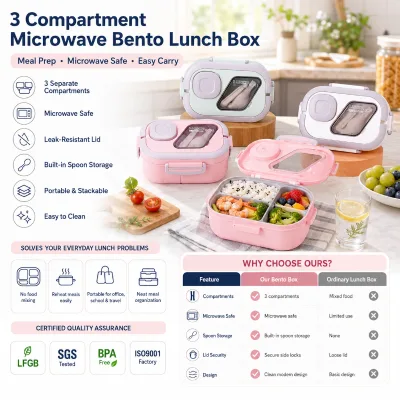


Customizable Leak-Proof Disposable Lunch Boxes with Lids - Keep Food Fresh
$0.0105 - $0.02
MOQ: 600000 Pieces


Portable Disposable Lunch Boxes with Lids - Ideal for Travel and Work
$0.0105 - $0.02
MOQ: 1000 Pieces
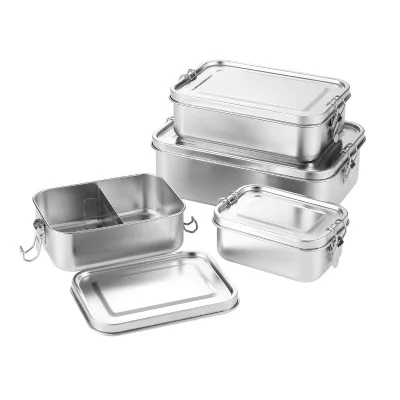
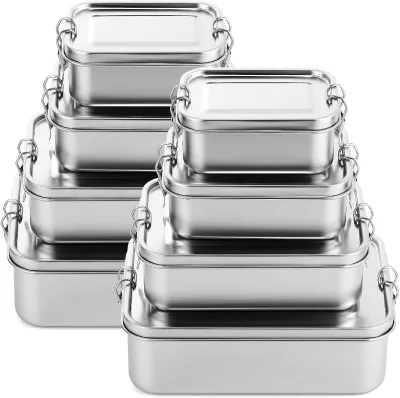


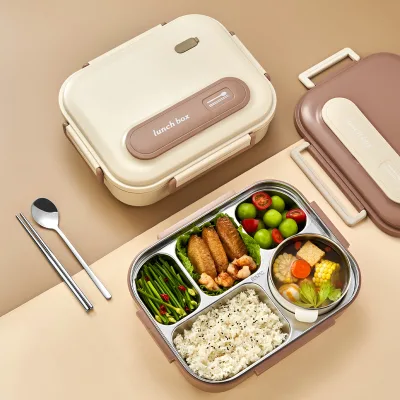
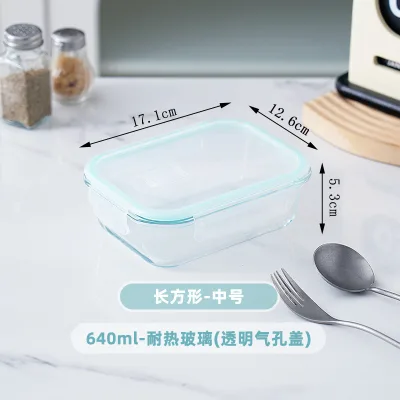
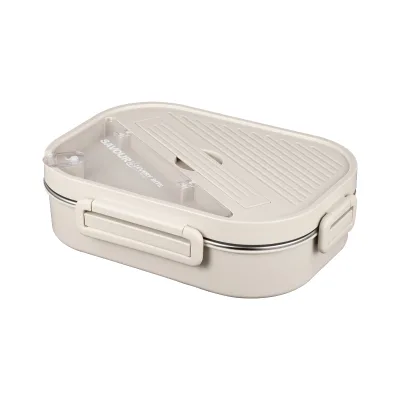
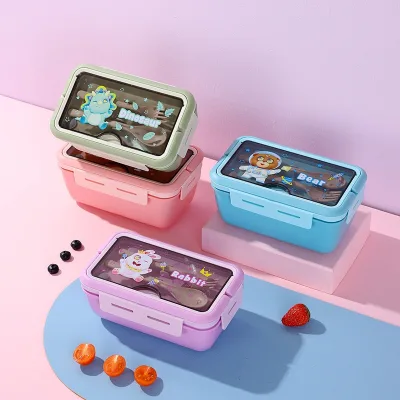
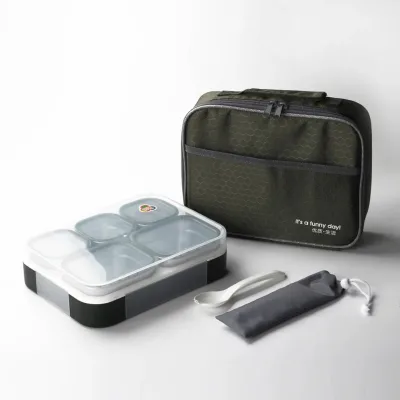

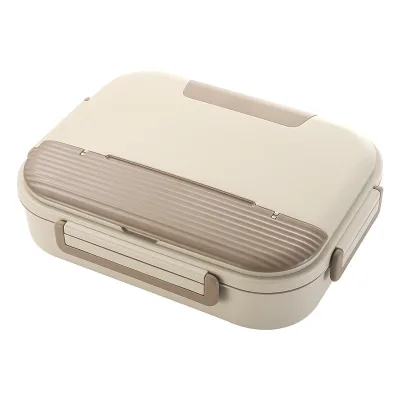
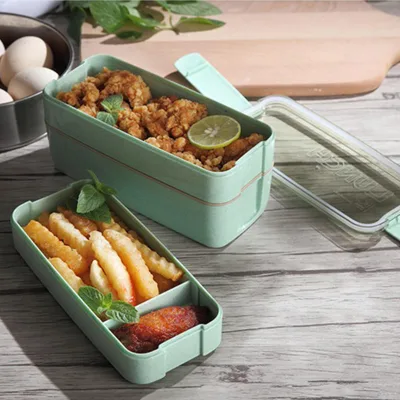
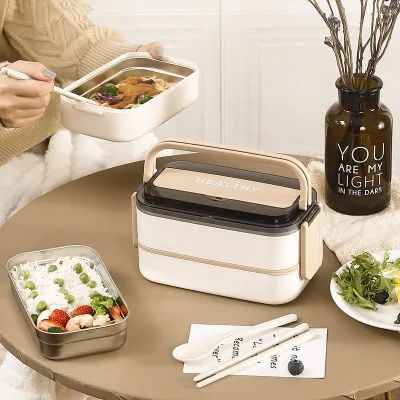
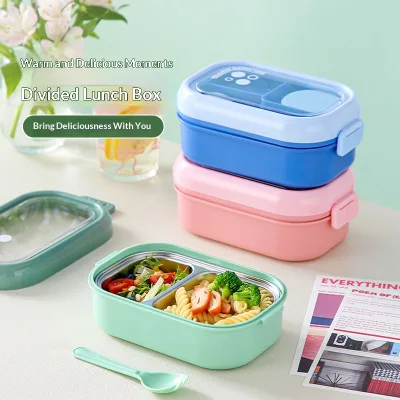
Comprehensive Sourcing Guide
Leak Proof Sustainable Lunch Box Sourcing Guide
Procuring leak proof sustainable lunch boxes requires balancing material integrity with environmental commitments, a challenge that defines modern B2B packaging strategies. Buyers must navigate a market where "sustainable" often masks inferior performance, making it critical to verify that eco-friendly materials like cornstarch or biodegradable polymers can actually withstand the mechanical stresses of transport and storage. The core demand here is not just for a container that breaks down in compost, but one that maintains a hermetic seal during daily use, preventing spills that compromise food safety and brand reputation.
This guide focuses on the intersection of functional reliability and ecological responsibility, providing a framework for evaluating suppliers who claim both attributes. We will examine the specific technical parameters that define a truly leak-proof design, such as lid mechanics and wall thickness, alongside the certifications that validate sustainable claims. By adhering to these evidence-based criteria, procurement teams can avoid the common pitfall of selecting products that fail under pressure or lack the necessary regulatory approvals for international trade, ensuring a supply chain that is both robust and responsible.
Product Scope and Observed Listing Signals
The current market landscape for sustainable lunch boxes reveals a diverse range of product configurations, with observed listings highlighting features such as microwavability, freshness preservation, and single-tier designs. Buyers should note that while many products advertise eco-friendly attributes, the specific material composition varies significantly, with some items explicitly using 100% cornstarch as a raw material, while others may rely on different biodegradable polymers. The observed price range of 0.01 to 15 USD suggests a wide spectrum of quality tiers, necessitating careful scrutiny of material grades and manufacturing processes to ensure that lower costs do not compromise the structural integrity required for leak-proof performance.
Furthermore, the observed minimum order quantities (MOQ) range from 1 to 600,000 units, indicating flexibility for both small-scale startups and large-scale enterprise procurement. This variability allows buyers to test samples without significant capital commitment, a crucial step in verifying the leak-proof claims before scaling up. The presence of customization options for logo, color, and packaging further complicates the sourcing decision, as these additions can impact lead times and unit costs. Buyers must therefore establish clear priorities regarding customization versus standardization to streamline the selection process and avoid unnecessary delays in the supply chain.
Technical Specifications to Verify
When evaluating technical specifications, the physical dimensions and capacity of the lunch box are primary indicators of suitability for target demographics. Observed data points to sizes such as 25419750mm and capacities ranging from 0 to 1 liter, which are ideal for children, teenagers, and adults seeking portable meal solutions. Buyers should verify that the thickness of the container walls is standardized or customizable to meet specific durability requirements, as thinner walls may compromise the seal integrity under thermal stress. Additionally, the temperature resistance range of -5 to +50 degrees Celsius is a critical parameter that must be confirmed through supplier documentation to ensure the product remains stable and leak-proof during both refrigerated storage and warm food transport.
The design of the lid and the overall shape also play pivotal roles in achieving a leak-proof seal. Rectangular and various other shapes are available, but the key lies in the precision of the lid fit and the presence of locking mechanisms or gaskets that prevent leakage. Buyers should request detailed diagrams or physical samples to assess the alignment of the lid with the container base, ensuring that there are no gaps that could allow liquid to escape. Furthermore, the use of BPA-free, nontoxic, and hygienic materials is essential for food safety, and buyers must confirm that these materials are consistently applied across all production batches to maintain product quality and safety standards.
Compliance and Safety Documentation
Compliance with international food safety standards is non-negotiable for sustainable lunch boxes, particularly when targeting markets in Europe and North America. Buyers must verify that suppliers hold valid certifications such as FDA, CE/EU, CIQ, LFGB, and EEC, which attest to the product's safety and material integrity. These certifications are not merely formalities but serve as critical evidence that the biodegradable materials used do not leach harmful substances into food, even under varying temperature conditions. Procurement teams should request up-to-date copies of these certificates and cross-reference them with the issuing bodies to ensure their authenticity and relevance to the specific product models being sourced.
In addition to regulatory certifications, buyers should inquire about the specific standards governing the biodegradability and compostability claims of the lunch boxes. While many products advertise themselves as sustainable, the lack of standardized testing protocols can lead to greenwashing, where products are labeled as eco-friendly without meeting rigorous decomposition criteria. Buyers should ask for test reports from accredited laboratories that confirm the product's ability to break down within a specified timeframe under industrial or home composting conditions. This due diligence ensures that the sustainability claims are substantiated by scientific evidence, protecting the buyer's brand from potential reputational damage associated with misleading environmental assertions.
Cost Drivers and Commercial Terms
Understanding the cost drivers behind sustainable lunch boxes is essential for accurate budgeting and negotiation. The primary factors influencing price include the raw material costs, particularly the premium associated with 100% cornstarch or other biodegradable polymers, as well as the complexity of the manufacturing process required to achieve a leak-proof seal. Buyers should also consider the impact of customization, such as logo printing and custom packaging, which can add significant costs per unit. Additionally, the MOQ plays a crucial role in pricing, with lower quantities typically commanding higher unit prices due to the fixed costs of setup and production runs.
Commercial terms, including payment methods, shipping arrangements, and lead times, also affect the total cost of ownership. Buyers should negotiate clear terms regarding sample availability, as many suppliers offer free samples to facilitate evaluation, but may charge for shipping or bulk orders. It is also important to clarify the packaging standards, such as standard export packaging or carton/plastic film packing, to ensure that the products arrive in good condition and to minimize damage-related losses. By understanding these cost drivers and commercial terms, buyers can make informed decisions that balance cost efficiency with quality and sustainability requirements.
Supplier Qualification and Quality Control
Supplier qualification is a critical step in ensuring the reliability of the supply chain for leak proof sustainable lunch boxes. Buyers should conduct thorough due diligence on potential suppliers, verifying their production capabilities, quality control processes, and track record in the industry. This includes assessing their ability to handle OEM and ODM customization requests, as well as their capacity to meet large order volumes without compromising quality. Buyers should also inquire about the supplier's experience with international markets and their familiarity with the regulatory requirements of the target destinations, ensuring that they can provide the necessary documentation and support for smooth customs clearance.
Quality control measures should be established early in the procurement process to prevent defects and ensure consistency. Buyers should request detailed quality control plans from suppliers, including inspection protocols for raw materials, in-process checks, and final product inspections. It is also advisable to conduct third-party inspections or audits, particularly for large orders, to verify that the products meet the specified standards and requirements. By implementing robust quality control measures, buyers can minimize the risk of receiving defective products and ensure that the lunch boxes perform reliably in real-world conditions, maintaining the leak-proof integrity and sustainability claims throughout their lifecycle.
Long-Term Procurement Checks
Long-term procurement success depends on continuous monitoring and evaluation of supplier performance and product quality. Buyers should establish key performance indicators (KPIs) to track metrics such as on-time delivery, defect rates, and customer feedback, using this data to identify areas for improvement and address any issues promptly. Regular communication with suppliers is essential to maintain a collaborative relationship and to stay informed about any changes in production processes, material sourcing, or regulatory requirements that may impact the product. Buyers should also stay updated on industry trends and technological advancements in sustainable packaging, ensuring that their procurement strategies remain competitive and aligned with evolving market demands.
Furthermore, buyers should periodically review their sustainability goals and assess whether the current suppliers and products align with these objectives. This may involve exploring new materials or technologies that offer improved environmental performance or cost efficiency. By maintaining a proactive approach to supplier management and product evaluation, buyers can ensure that their procurement of leak proof sustainable lunch boxes continues to meet their business needs and ethical standards. This long-term perspective helps to build a resilient supply chain that can adapt to changing market conditions and regulatory landscapes, securing a competitive advantage in the growing market for sustainable food packaging solutions.
FAQs
Can these lunch boxes be customized with a logo?
Yes, customization is available for logos, colors, and packaging. The supplier offers OEM and ODM services to tailor the product to your brand identity. You can request specific design adjustments to meet your marketing needs while maintaining the core functionality of the container.
What material is used for the biodegradable lunch box?
The lunch box is made from 100% cornstarch, making it biodegradable and compostable. This material is BPA-free, non-toxic, and hygienic, ensuring it is safe for food contact. It provides a sustainable alternative to traditional plastic containers while maintaining durability and leak-proof performance.
What certifications does the product hold for safety?
The product holds FDA, CE/EU, CIQ, LFGB, and EEC certifications. These standards ensure the material is safe for food contact and meets international regulatory requirements. This makes the lunch box suitable for export to various global markets and compliant with strict food safety regulations.
What is the minimum order quantity for this item?
The minimum order quantity is 1 PC, allowing for easy sampling and small-scale testing. This low MOQ facilitates initial evaluation of the product quality and customization options before committing to larger bulk orders. It supports flexible procurement strategies for buyers of all sizes.
What is the temperature resistance of the container?
The container is temperature resistant from -5 to +50 degrees Celsius. This range allows for safe storage of cold and warm foods without deforming the material. It is suitable for various food types, including spices and sundries, while preserving freshness and preventing leaks.
Where is the product manufactured?
The product originates from China, with specific manufacturing locations in Shandong and Guangdong provinces. These regions are known for their robust manufacturing capabilities and supply chain efficiency. Buyers can leverage these locations for reliable production and timely delivery of customized orders.