Source Classic Crystal Glass Whiskey Bottle for Home Hotel Restaurant
Compare 30 listings for the Classic Crystal Glass Whiskey Bottle from verified Chinese manufacturers. Buyers can evaluate customization options, sealing types, and capacity ranges to find the best fit for home, hotel, or restaurant use; compare the available evidence and request quotations based on your requirements.
Updated
Key considerations
Products List


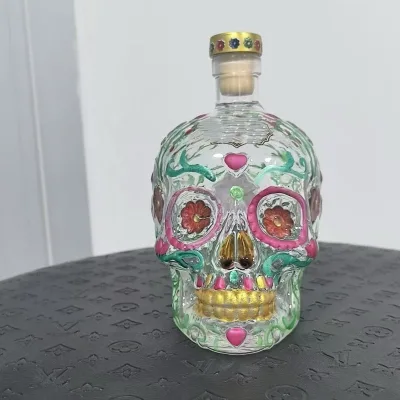
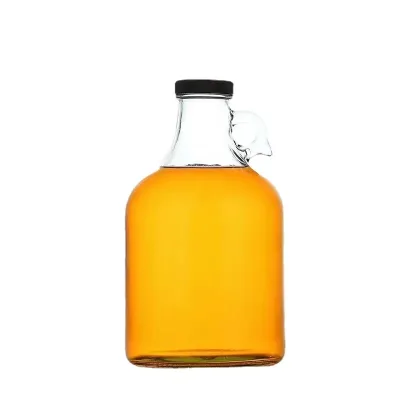
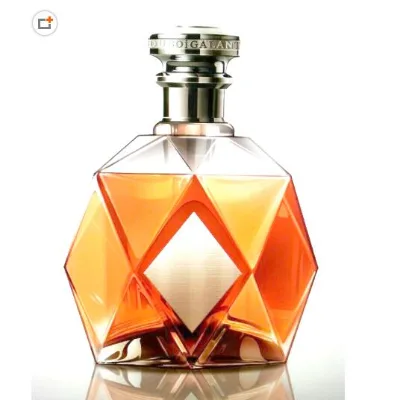
750ml Diamond Crystal Glass Bottles for Spirit Vodka Whiskey Gin with Cork
$0.6221 - $0.8289
MOQ: 6000 pieces
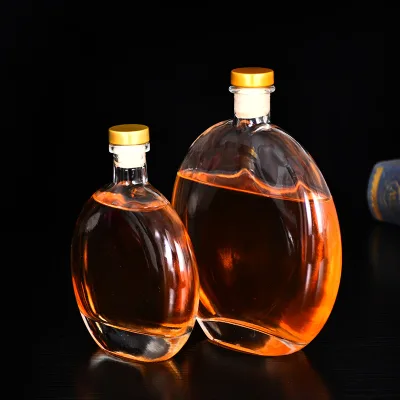


Logo-Ready Sustainable Cost Effective Glass Whiskey Bottle for Household
$0.45 - $0.60
MOQ: 6000 Pieces
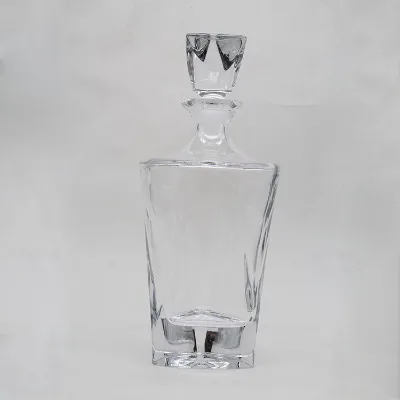
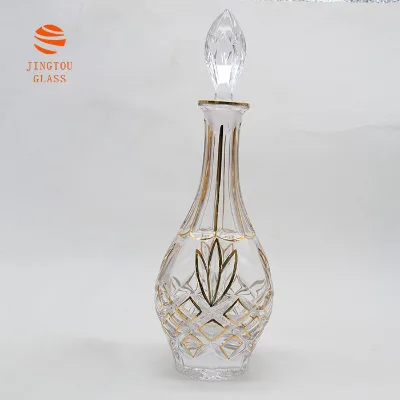
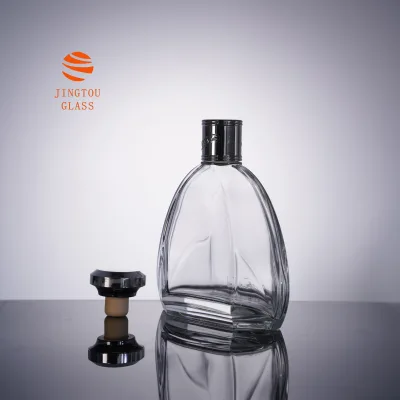
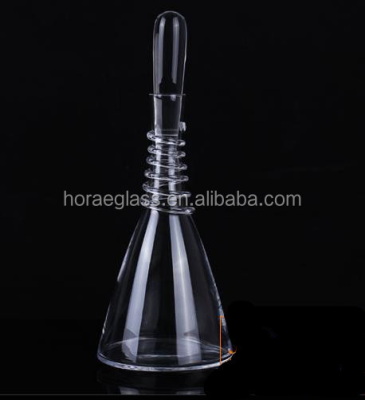


750ml Custom Logo High Glass Whisky Bottles with Custom Crystal Glass Lid
$0.30 - $0.52
MOQ: 6000 Pieces
Comprehensive Sourcing Guide
Classic Crystal Glass Whiskey Bottle Sourcing Guide
Sourcing classic crystal glass whiskey bottles requires a careful balance between aesthetic appeal and functional durability, particularly when dealing with premium spirits that demand high-clarity presentation. Buyers must distinguish between standard soda-lime glass and true crystal glass, as the latter offers superior refractive index and weight, enhancing the perceived value of the final product. The observed market signals indicate a strong preference for square bottle shapes and modern styles, which align with contemporary branding trends in the hospitality and retail sectors.
Procurement teams should also consider the versatility of these containers across different usage scenarios, including home, hotel, and restaurant environments. The presence of customization options, such as decal applications and logo acceptance, allows brands to tailor the packaging to specific marketing campaigns. However, verifying the actual material composition is critical, as some listings may use high borosilicate glass or standard glass while marketing the term "crystal" loosely. Understanding these material distinctions helps in setting accurate quality expectations and avoiding miscommunication with suppliers during the negotiation phase.
Product Scope and Observed Listing Signals
The current market landscape for whiskey decanter sets and spirit bottles shows a wide range of capacities, from small 201-300ml portions to larger 1.5L and 3.0L formats, catering to diverse consumer needs. Observed listings frequently highlight features such as elegant and exquisite designs, often paired with transparent or clear color options to showcase the liquid’s clarity. The availability of customization in packing, ranging from carton and pallet configurations to customized packaging solutions, indicates that suppliers are equipped to handle both bulk industrial orders and specialized boutique requirements.
Shipping and payment terms also vary significantly, with options including sea or air freight and multiple payment methods like T/T, Western Union, and PayPal. This flexibility supports buyers with different logistical constraints and financial preferences. Additionally, the observed supply ability of up to 100,000 pieces per day suggests that major manufacturers have the capacity to handle large-scale orders without significant delays. Buyers should leverage this information to negotiate favorable lead times and ensure that the supplier’s production capabilities align with their own demand forecasts and inventory management strategies.
Technical Specifications to Verify
When evaluating technical specifications, buyers must prioritize the sealing type and structural integrity of the bottle, as these factors directly impact product preservation and shelf life. Common sealing methods observed include rubber stoppers and cork closures, each offering different levels of airtightness and aesthetic appeal. It is essential to verify the compatibility of the sealing mechanism with the bottle’s neck dimensions to prevent leakage or oxidation, which can degrade the quality of the whiskey over time. Additionally, the surface handling processes, such as printing and decal applications, should be assessed for durability and resistance to wear during transportation and handling.
Model numbers and single package dimensions, such as 15x15x20 cm, provide critical data for logistics planning and warehouse storage optimization. Buyers should request detailed specifications for each model to ensure that the packaging density meets their shipping cost targets. Furthermore, the gross weight of individual units, often around 1.500 kg, influences freight calculations and handling requirements. Verifying these technical details early in the sourcing process helps in avoiding unexpected costs and logistical bottlenecks during the final delivery phase.
Compliance and Safety Documentation
Compliance with food safety standards is non-negotiable when sourcing glassware intended for beverage storage. Buyers should insist on valid certifications, such as FDA approval, to ensure that the glass materials do not leach harmful substances into the whiskey. While some background information may mention CE certification, it is crucial to verify the specific scope and validity of any claimed certifications with the supplier. Documentation should clearly state the material composition, confirming whether the product is made from crystal glass, high borosilicate glass, or standard glass, as each material has different safety and regulatory implications.
Additionally, buyers should request test reports or material safety data sheets (MSDS) to validate the supplier’s claims regarding product safety and quality. These documents provide objective evidence of the product’s compliance with international standards and help in mitigating legal and reputational risks. It is also advisable to check if the supplier adheres to any specific industry standards for glass packaging, such as premium quality glass standards, to ensure consistency in product performance. Maintaining a robust documentation trail is essential for audits and regulatory inspections in the buyer’s home market.
Cost Drivers and Commercial Terms
Several factors influence the final cost of classic crystal glass whiskey bottles, including material quality, customization complexity, and order volume. The observed price range of $0.15 to $9.6 USD reflects significant variation based on these variables, with higher prices typically associated with intricate designs, premium materials, and lower minimum order quantities (MOQs). Buyers should analyze the cost structure to understand how much of the price is attributed to raw materials versus labor and customization services. Negotiating volume discounts can significantly reduce the unit cost, especially for large-scale orders that meet the supplier’s supply ability thresholds.
Commercial terms, such as MOQs ranging from 50 to 50,000 units, offer flexibility for buyers with different order sizes. However, smaller MOQs may come with higher per-unit costs due to setup and production inefficiencies. Buyers should also consider the total landed cost, including shipping, insurance, and customs duties, when evaluating supplier quotes. Understanding the payment terms and currency exchange risks is equally important, as fluctuations can impact the final cost. Developing a clear cost model that accounts for all these variables helps in making informed procurement decisions and maintaining healthy profit margins.
Supplier Qualification and Quality Control
Supplier qualification is a critical step in ensuring the reliability and consistency of the supply chain. Buyers should verify the supplier’s place of origin, with common locations including Hebei and Jiangsu in China, to assess the regional manufacturing capabilities and infrastructure. Checking the supplier’s brand name, such as OUXING or XINYU, can provide insights into their market reputation and product portfolio. It is advisable to conduct factory audits or request third-party inspection reports to evaluate the supplier’s production facilities, quality control processes, and overall operational efficiency.
Quality control measures should be clearly defined in the purchase agreement, including inspection criteria for defects, dimensional accuracy, and surface finish. Buyers should establish a sampling plan to test product quality before full-scale production begins. Additionally, setting clear expectations for packaging standards, such as carton and pallet configurations, helps in preventing damage during transit. Regular communication with the supplier regarding quality issues and continuous improvement initiatives fosters a collaborative relationship and ensures that the final product meets the buyer’s standards.
Long-Term Procurement Checks
Long-term procurement success depends on establishing a sustainable and resilient supply chain. Buyers should regularly review supplier performance metrics, including on-time delivery rates, product quality consistency, and responsiveness to issues. Building a relationship with multiple suppliers can mitigate the risk of supply disruptions and provide leverage in negotiations. It is also important to stay updated on market trends and technological advancements in glass manufacturing, as these can offer opportunities for cost savings or product differentiation.
Continuous monitoring of regulatory changes and industry standards ensures that the sourced products remain compliant and competitive. Buyers should also consider the environmental impact of their procurement choices, such as the recyclability of glass materials and the efficiency of packaging solutions. By integrating these long-term checks into their procurement strategy, buyers can build a robust supply chain that supports their business growth and maintains high standards of quality and reliability. This proactive approach helps in anticipating challenges and adapting to market changes effectively.
FAQs
What materials are used for classic crystal glass whiskey bottles?
The bottles are crafted from high borosilicate glass and crystal glass to ensure durability and clarity. This premium quality glass provides an elegant and exquisite design suitable for whiskey, vodka, and other spirits. The transparent color highlights the liquid's appearance, making it ideal for home, hotel, or restaurant use.
Can I customize the logo and packaging for these glass bottles?
Yes, customization is available for both logos and packaging. Buyers can request a customized logo acceptable for branding purposes. The packing options include carton plus pallet or customized packing to satisfy customer needs. This flexibility allows businesses to tailor the product presentation to their specific market requirements effectively.
What sealing types are available for these whiskey decanter sets?
The products feature rubber stopper and cork sealing types to ensure freshness. These seals are designed for whiskey, vodka, and spirit storage. The square bottle shape and modern style complement the sealing mechanism, providing a secure and elegant solution for beverage storage in various settings such as parties or professional hospitality environments.
What are the shipping and payment methods for these glass bottles?
Shipping is available by sea or by air from ports like Lianyungang, Qingdao, and Shanghai. Payment methods include T/T, Western Union, and PayPal. These options provide flexibility for international buyers. The supply ability reaches 100,000 pieces per day, ensuring timely delivery for large orders while maintaining premium quality standards throughout the process.
What certifications do these crystal glass whiskey bottles hold?
The products hold FDA certification, ensuring they meet specific safety and quality standards. This certification is crucial for beverage containers intended for food and drink use. The premium quality glass construction further supports compliance with industry expectations. Buyers can rely on these certified products for safe and reliable storage of whiskey and other spirits.
What is the minimum order quantity for these glass bottles?
The minimum order quantity ranges from 50 to 50,000 pieces depending on the specific product model. This wide range accommodates both small-scale trials and large industrial orders. Buyers can select models with customizable production capabilities to match their volume requirements. The flexible MOQ supports diverse business needs from individual retailers to large distributors.