Source Thickened Stainless Steel Spoon for Hotels, Restaurants, and Cafes
Compare 30 listings for Thickened Stainless Steel Spoon options including 304 and 201 grades. Buyers can evaluate models like KHL4628 and KHL8487 with varying capacities and certifications such as FDA and LFGB for diverse food service needs; compare the available evidence and request quotations based on your requirements.
Updated
Key considerations
Products List
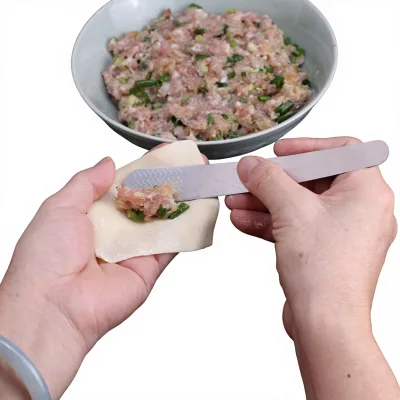
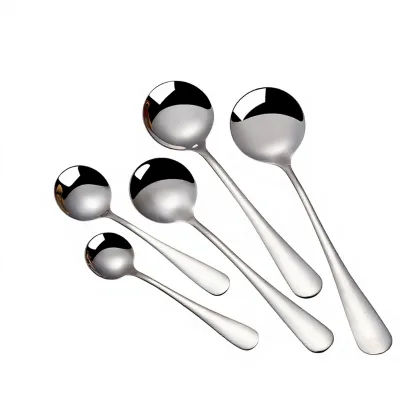
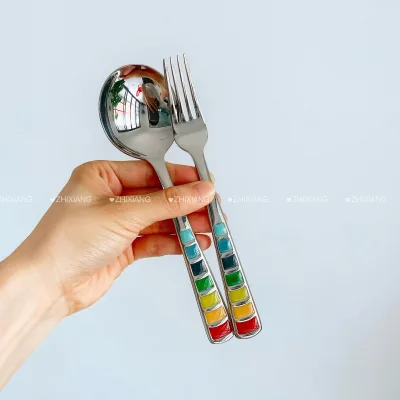
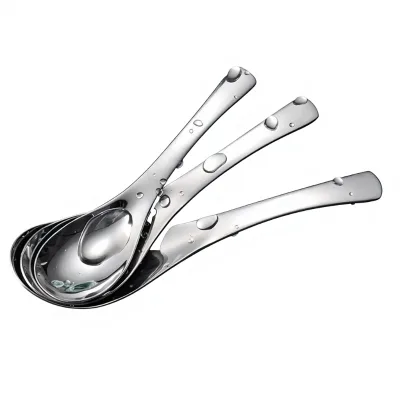
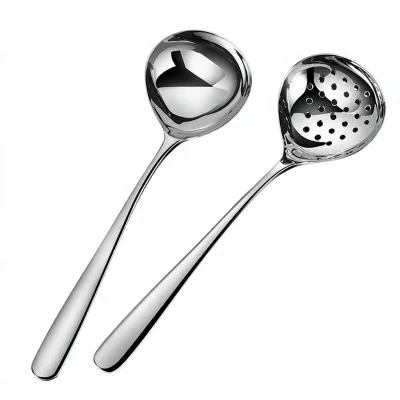
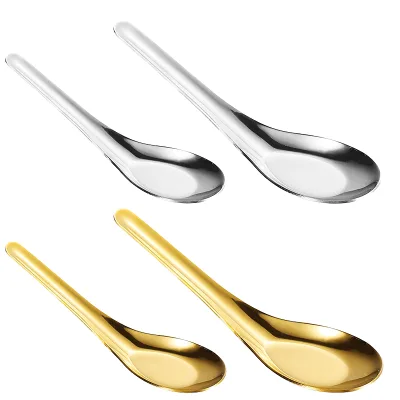


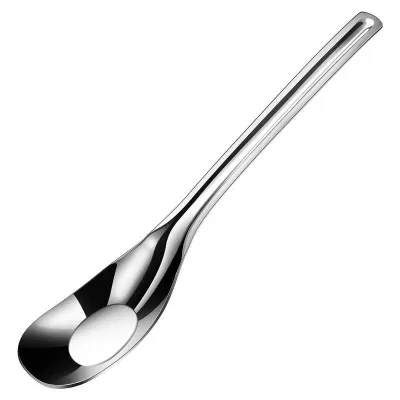
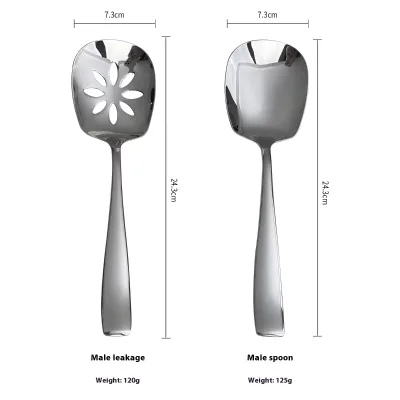


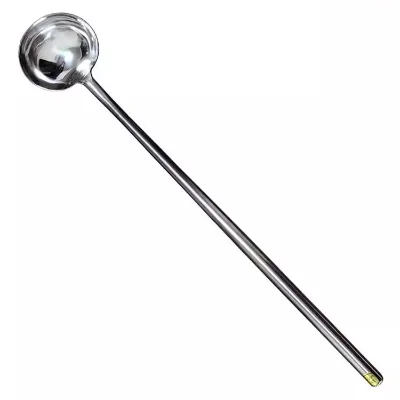
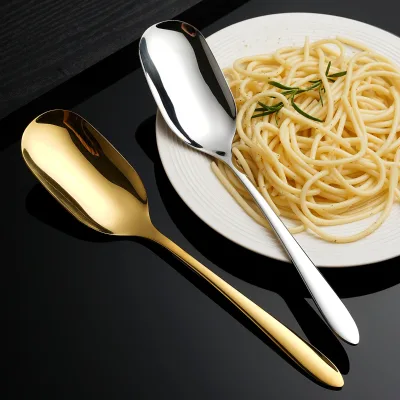


New Style Spoon Cheap Changed Color Stainless Steel Spoon and Fork Price
$1.00 - $2.00
MOQ: 1200 Pieces



Comprehensive Sourcing Guide
Thickened Stainless Steel Spoon Sourcing Guide
Procuring thickened stainless steel spoons requires a strategic approach to material selection and manufacturing verification, ensuring that the final product meets both durability standards and aesthetic requirements for commercial use. Buyers must prioritize suppliers who explicitly define their stainless steel grades, as the term "thickened" often refers to gauge thickness rather than alloy composition, which directly impacts corrosion resistance and weight. The observed market data indicates a strong presence of 201 and 304 stainless steel options, with 304 being the preferred choice for high-end hospitality due to its superior resistance to acidic foods and repeated washing cycles. Understanding these material distinctions is critical for preventing premature degradation and maintaining brand reputation in food service environments.
Beyond material composition, the sourcing process must account for the diverse range of spoon types available, from standard dinner spoons to specialized tools like dumpling stuffing spoons and hot pot colanders. The supply chain offers significant customization capabilities, including logo engraving, embossing, and gold plating, which allows buyers to tailor products for specific branding needs. However, this customization often intersects with minimum order quantities (MOQs) that can range from small batches for sampling to large volumes exceeding 120,000 pieces for standard items. Buyers need to balance their desire for unique design elements with the economic realities of production runs, ensuring that the chosen supplier can handle both custom requests and high-volume consistency without compromising quality.
Product Scope and Observed Listing Signals
The current market landscape for thickened stainless steel spoons reveals a wide spectrum of product variations, including retro-style sinan spoons in multiple sizes, square dessert spoons, and long-handled ice spoons. These listings highlight the importance of verifying specific design attributes, such as handle length and bowl shape, which affect user ergonomics and functional suitability for different dining contexts. The presence of both unicolor and multicolor options, along with finishes ranging from standard silver to gold-plated variants, suggests that buyers should clearly define their aesthetic requirements early in the sourcing process to avoid mismatches between samples and bulk production.
Observations also indicate that packaging plays a significant role in product presentation and logistics efficiency, with options ranging from single OPP bags to bulk cartons containing dozens of units. The standard carton dimensions observed, such as 352527 cm, provide a baseline for calculating shipping volumes and warehousing needs, which is essential for accurate cost forecasting. Additionally, the availability of both stocked items and customized orders allows buyers to choose between immediate availability and tailored specifications, depending on their inventory turnover rates and brand development timelines.
Technical Specifications to Verify
When evaluating technical specifications, buyers must confirm the exact stainless steel grade, as materials like 410, 430, and 304 offer different levels of magnetic properties and corrosion resistance. The term "thickened" should be quantified by requesting specific gauge measurements or weight data, as lightweight products may not meet the durability expectations associated with the term. Verification of polishing methods, such as machine polishing, is also crucial, as the surface finish affects both hygiene and visual appeal, with smoother surfaces being easier to clean and less prone to bacterial retention in commercial kitchens.
Dimensional accuracy is another critical technical aspect, with standard sizes like 1655 cm and 2033 cm indicating specific product models that buyers should reference when placing orders. It is essential to verify whether these dimensions apply to the spoon bowl, handle, or overall length, as inconsistencies can lead to functional issues in automated serving lines or aesthetic mismatches in table settings. Buyers should also confirm the spoon type classification, whether it is designated as a dinner spoon, tea spoon, or specialized kitchen tool, to ensure alignment with the intended usage scenario and regulatory standards for food contact materials.
Compliance and Safety Documentation
Compliance with international food safety standards is non-negotiable for stainless steel tableware, with certifications such as FDA and LFGB serving as key indicators of material safety and manufacturing hygiene. Buyers must request valid certification documents from suppliers to verify that the stainless steel used does not leach harmful substances like nickel or chromium into food, particularly when exposed to acidic or hot conditions. These certifications not only protect consumer health but also facilitate smoother customs clearance and market entry in regions with strict regulatory frameworks, reducing the risk of product recalls or legal liabilities.
In addition to material certifications, buyers should inquire about the supplier’s quality management systems and testing protocols, which ensure consistent product quality across large production batches. The availability of free samples, where the buyer covers shipping costs, provides an opportunity to conduct independent laboratory testing for heavy metal migration and durability under simulated use conditions. This proactive verification step helps identify potential compliance gaps before committing to large orders, ensuring that the final products meet all necessary safety and performance requirements for their target markets.
Cost Drivers and Commercial Terms
Cost structures for thickened stainless steel spoons are influenced by material prices, manufacturing complexity, and order volume, with observed price ranges reflecting these variables. Buyers should analyze the cost breakdown to understand how factors like gold plating, custom logo application, and specialized packaging contribute to the final unit price, allowing for more accurate budgeting and margin calculation. The flexibility in trade terms, including EXW, FOB, and door-to-door delivery, offers options for managing logistics costs and risk allocation, depending on the buyer’s supply chain capabilities and preferences.
Minimum order quantities (MOQs) vary significantly, from small batches for customized items to large volumes for standard products, impacting the overall cost per unit through economies of scale. Buyers need to negotiate terms that align with their inventory management strategies, considering lead times of 10-30 days after deposit receipt and the potential for rush orders at a premium. Understanding these commercial dynamics helps in planning production schedules and cash flow, ensuring that the procurement process remains efficient and financially viable throughout the product lifecycle.
Supplier Qualification and Quality Control
Supplier qualification involves assessing the manufacturer’s production capacity, quality control processes, and ability to meet customization requirements, which are critical for maintaining product consistency. Buyers should verify the supplier’s location, such as Jieyang, Guangdong, a known hub for stainless steel tableware, to gauge the local supply chain advantages and logistical efficiency. Additionally, evaluating the supplier’s OEM/ODM capabilities ensures that they can handle complex design requests and maintain strict quality standards throughout the manufacturing process, from raw material inspection to final packaging.
Quality control measures should include regular in-process inspections and final random inspections before shipment, with clear acceptance criteria for defects like scratches, dents, or polishing inconsistencies. Buyers should establish a robust communication channel with the supplier to address any quality issues promptly and implement corrective actions to prevent recurrence. By prioritizing suppliers with proven track records and transparent quality management systems, buyers can minimize the risk of receiving substandard products and ensure long-term partnership stability.
Long-Term Procurement Checks
Long-term procurement success depends on continuous monitoring of supplier performance, market trends, and regulatory changes that may impact product requirements. Buyers should establish key performance indicators (KPIs) for delivery times, defect rates, and responsiveness to ensure that suppliers meet contractual obligations consistently. Regular audits and feedback loops help identify areas for improvement and foster a collaborative relationship that drives innovation and cost efficiency over time.
Additionally, staying informed about emerging materials and manufacturing technologies allows buyers to anticipate shifts in the market and adapt their sourcing strategies accordingly. By maintaining a diversified supplier base and regularly reviewing product specifications against evolving customer preferences, buyers can mitigate risks and capitalize on new opportunities in the Thickened Stainless Steel Spoon market. This proactive approach ensures that the procurement function remains agile and competitive, supporting the overall business objectives of quality, cost-effectiveness, and sustainability.
FAQs
What certifications are available for thickened stainless steel spoons?
Available certifications include LFGB and FDA for food safety compliance. These standards ensure the stainless steel material meets international requirements for kitchen utensils used in hotels and restaurants globally.
How can I customize the logo on thickened stainless steel spoons?
Customization is available through laser engraving, embossing, or other methods as required. Buyers can request specific logo designs on the product surface while maintaining the standard stainless steel construction quality.
What is the typical lead time for Thickened Stainless Steel Spoon orders?
Delivery time ranges from 10 to 30 days after the deposit is received. This timeline applies to standard orders and depends on the specific production schedule and order volume confirmed by the supplier.
Which packaging options exist for thickened stainless steel spoons?
Packaging options include single packing, OPP bags, or carton boxes with specific dimensions. Some listings specify 12 pieces per dozen and 100 dozens per carton for efficient shipping and storage.
Can I find thickened stainless steel spoons with a specific MOQ?
Minimum order quantities vary, with some listings requiring up to 120,000 pieces. Other options may start at lower quantities, allowing buyers to select suppliers based on their specific volume needs.
What material types are used for thickened stainless steel spoons?
Materials include 201 and 304 stainless steel, as well as 410 and 430 grades. These options provide varying levels of durability and corrosion resistance suitable for different kitchen and dining applications.
Where are thickened stainless steel spoons typically manufactured?
Products originate from China, specifically from provinces like Zhejiang and cities like Jieyang in Guangdong. These regions are known for their established manufacturing capabilities in stainless steel kitchenware production.