Source Lightweight Breathable Beach Sandals for Hiking, Leisure, and Outdoor
Explore 30 listings of Lightweight Breathable Beach Sandals featuring breathable designs, waterproof options, and anti-slip grooves. Compare specifications from suppliers in Jinjiang and Fujian, China, including models like FMC-264018 and SH409058 for various uses; compare the available evidence and request quotations based on your requirements.
Updated
Key considerations
Products List


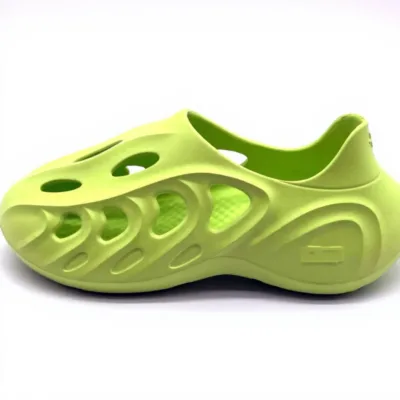
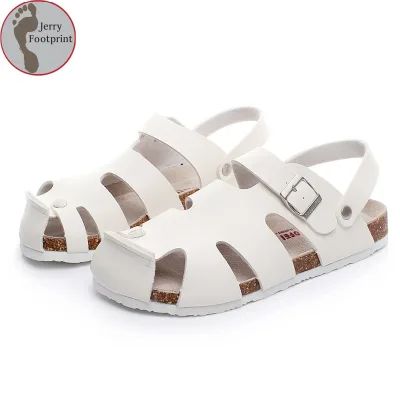
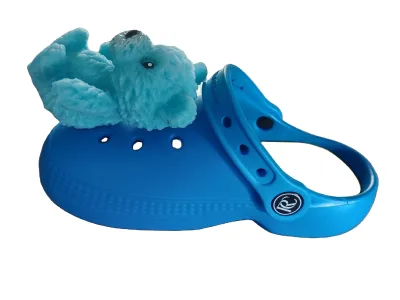
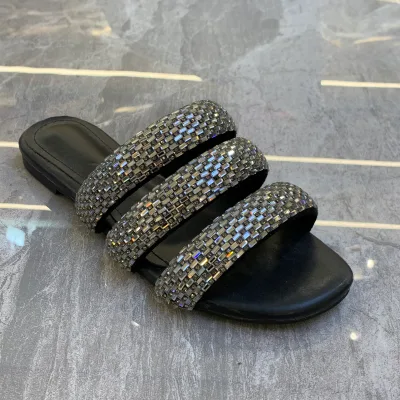
Popular Trend Wear-Resistant Beach Walking Best Price Breathable Sandals with Back Strap
$1.50 - $1.65
MOQ: 1000 Pairs




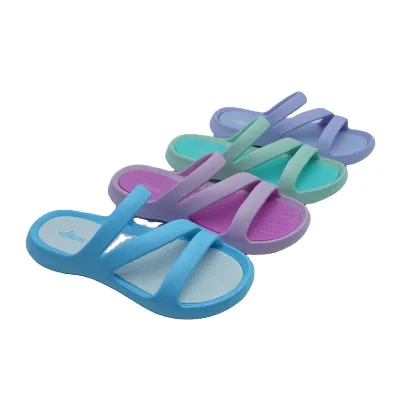
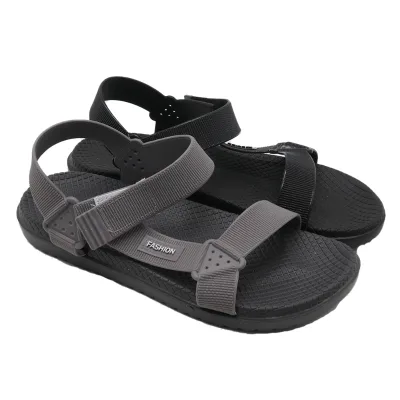
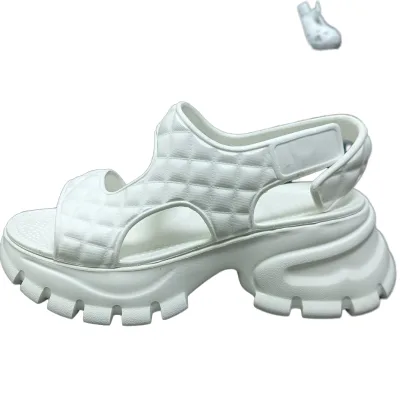
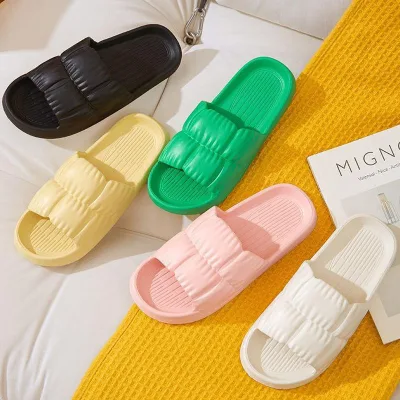
Comprehensive Sourcing Guide
Lightweight Breathable Beach Sandals Sourcing Guide
Sourcing Lightweight Breathable Beach Sandals requires a strategic focus on material composition and structural design to ensure comfort and durability in high-moisture environments. Buyers must prioritize products that utilize open-toe designs and slip-on closures, which facilitate rapid drying and easy wear during leisure activities. The observed market data indicates a strong presence of unisex models featuring breathable uppers made from PU or synthetic materials, paired with rubber outsoles for reliable traction. These attributes are critical for maintaining foot hygiene and preventing slippage on wet surfaces, making them ideal for resort wear and casual outdoor use.
Procurement teams should also evaluate the customization options available from manufacturers, as many suppliers offer tailored solutions for branding and specific sizing requirements. The availability of OEM orders and various packing methods, such as polybags or individual boxes, allows for flexible logistics planning. Additionally, the diversity in color options, including multi-color and earth tones like brown, black, and khaki, enables buyers to align product offerings with current seasonal trends. Understanding these foundational product signals helps in filtering suppliers who can meet both functional performance standards and aesthetic market demands effectively.
Product Scope and Observed Listing Signals
The current market landscape for beach sandals reveals a wide range of product types, from casual slide sandals to more robust hiking-inspired footwear, though the latter may not always fit the "lightweight" criteria strictly. Observed listings highlight models with specific features such as anti-slip grooves, EVA foam shock absorption, and waterproof capabilities, which are essential for beach environments. Buyers should note that while some products are marketed as fully waterproof, others may only offer water-resistant properties, necessitating careful verification of material specifications. The presence of breathable and anti-microbial features further enhances the suitability of these sandals for prolonged wear in humid conditions.
Commercial signals indicate that suppliers often provide samples within 10 to 20 days, with production lead times ranging from 45 to 90 days depending on order complexity and confirmation status. The observed minimum order quantities (MOQ) vary significantly, ranging from small batches of 2 units to larger orders of 5000, catering to both niche boutique brands and large-scale retailers. Price points observed in the market span from approximately $0.76 to $17.50, reflecting differences in material quality, construction complexity, and branding levels. These variations underscore the importance of defining clear quality benchmarks before engaging with suppliers to avoid misalignment in expectations.
Technical Specifications to Verify
When evaluating technical specifications, buyers must scrutinize the upper material, outsole composition, and closure mechanisms to ensure they meet the intended use case. For lightweight beach sandals, PU uppers are common due to their durability and ease of cleaning, while rubber outsoles provide necessary grip on wet surfaces. It is crucial to verify the heel height, with flat designs being preferred for comfort and stability during beach activities. Additionally, the presence of open-toe designs and slip-on closures should be confirmed, as these features contribute to the breathability and convenience that consumers expect from beach footwear.
Further verification should include the insole material, with EVA foam being a standard choice for its shock-absorbing and lightweight properties. Buyers should also check for specific functional designs such as quick-dry capabilities and anti-skid grooves, which enhance performance in wet conditions. The standard sizing ranges, such as US sizes 7 to 8.5 or European sizes 40-45, must be aligned with the target demographic. Confirming these technical details ensures that the final product delivers on the promises of comfort, safety, and durability, reducing the risk of returns or customer dissatisfaction.
Compliance and Safety Documentation
Compliance and safety documentation are critical for ensuring that beach sandals meet international regulatory standards and consumer safety expectations. Buyers should request evidence of material safety certifications, such as OEKO-TEX, which verifies that the textiles used are free from harmful substances. Although not all suppliers may explicitly list this certification, it is a valuable indicator of quality and environmental responsibility. Additionally, verifying that the products adhere to relevant chemical restrictions, such as REACH or CPSIA, is essential for market access in regions with strict regulatory frameworks.
Safety features, particularly anti-slip properties, should be backed by test results or compliance statements from the manufacturer. Buyers must ensure that the outsoles provide adequate traction to prevent accidents on wet surfaces, which is a key liability concern. Documentation should also cover the manufacturing process, including quality control measures and material sourcing transparency. By prioritizing suppliers who provide comprehensive compliance documentation, buyers can mitigate legal risks and enhance brand reputation, ensuring that their products are safe and compliant for global distribution.
Cost Drivers and Commercial Terms
Cost drivers for Lightweight Breathable Beach Sandals include material selection, manufacturing complexity, and order volume. The use of premium materials like high-quality PU and specialized rubber compounds can increase unit costs, while simpler constructions may offer lower price points. Buyers should also consider the impact of customization, such as custom branding or unique colorways, which may incur additional fees. The observed price range of $0.76 to $17.50 reflects these variables, with higher prices typically associated with enhanced features like waterproofing and advanced shock absorption.
Commercial terms, including MOQs and lead times, significantly influence procurement strategy. Suppliers with lower MOQs may charge higher unit prices, while larger orders can benefit from economies of scale. Lead times, ranging from 45 to 90 days, require careful planning to align with seasonal demand and inventory needs. Buyers should negotiate clear terms regarding sample costs, production schedules, and payment conditions to avoid unexpected expenses. Understanding these commercial dynamics allows for more accurate budgeting and ensures that procurement decisions support overall business objectives.
Supplier Qualification and Quality Control
Supplier qualification is a pivotal step in securing reliable sources for Lightweight Breathable Beach Sandals. Buyers should assess suppliers based on their production capacity, quality management systems, and past performance. Visiting factories or requesting third-party audit reports can provide insights into manufacturing standards and operational efficiency. Suppliers who accept OEM orders and offer customization options demonstrate flexibility and capability to meet specific buyer requirements. Additionally, verifying the supplier's origin, such as Jinjiang or Fujian in China, can help identify regions known for footwear manufacturing expertise.
Quality control measures must be rigorously enforced throughout the production process. Buyers should implement pre-production sample approvals, in-line inspections, and final random inspections to ensure consistency and defect reduction. Clear communication of quality standards, including material specifications and finish requirements, is essential to prevent discrepancies. Establishing a robust quality control protocol helps maintain product integrity and reduces the risk of receiving substandard goods. By prioritizing suppliers with strong quality assurance practices, buyers can ensure that their products meet customer expectations and brand standards.
Long-Term Procurement Checks
Long-term procurement checks involve continuous monitoring of supplier performance and market trends to maintain a competitive edge. Buyers should regularly review supplier metrics, such as on-time delivery rates, defect rates, and responsiveness to issues. Establishing key performance indicators (KPIs) and conducting periodic supplier evaluations helps identify areas for improvement and ensures accountability. Additionally, staying informed about emerging materials and design trends allows buyers to adapt their product offerings to changing consumer preferences. This proactive approach fosters stronger supplier relationships and enhances supply chain resilience.
Sustainability and ethical sourcing are increasingly important considerations for long-term procurement strategies. Buyers should evaluate suppliers' commitment to environmental practices, such as waste reduction and responsible material sourcing. Engaging in dialogue about sustainability goals can drive innovation and align procurement practices with corporate social responsibility objectives. By integrating these checks into their procurement processes, buyers can build a sustainable and ethical supply chain that supports long-term business growth and brand loyalty. This holistic approach ensures that procurement decisions contribute to both immediate operational needs and future strategic goals.
FAQs
Can I customize Lightweight Breathable Beach Sandals for my brand?
Yes, customization is available for these sandals. Buyers can request specific designs, colors, or packaging options to match their brand identity. The supplier accepts OEM orders, allowing for tailored production runs. This flexibility supports unique product development while maintaining the core breathable and lightweight features required for beachwear.
What is the typical delivery time for these sandals?
Delivery typically takes 45 to 50 days after sample confirmation. For some orders, it may extend to 75-90 days after samples are confirmed and DEP is received. This timeline ensures quality control and proper manufacturing scheduling. Buyers should plan their inventory accordingly to avoid stockouts during peak beach seasons.
What materials are used in the upper and sole?
The upper is made from PU material, providing durability and a smooth finish. The outsole features rubber construction for reliable traction. Additionally, EVA foam is used in the insole for shock absorption. These materials combine to offer a lightweight, breathable, and comfortable experience suitable for casual and leisure activities.
Are these sandals suitable for outdoor work environments?
Yes, certain models are designed as work shoes with anti-skid grooves. They feature waterproof and anti-microbial properties for enhanced safety and hygiene. The sturdy construction supports outdoor occasions, making them versatile for both leisure and functional use. Buyers seeking durable footwear for active environments will find these specifications beneficial.
What is the minimum order quantity for these sandals?
The minimum order quantity ranges from 2 to 5000 pairs. This wide range accommodates both small trial orders and large bulk purchases. Buyers can select quantities that fit their market testing or distribution needs. The flexible MOQ policy helps reduce initial investment risks for new brands entering the beachwear market.
What colors are available for these beach sandals?
Available colors include multi-color options, brown, black, blue, khaki, mustard yellow, and grey. The variety allows buyers to choose shades that align with current fashion trends. Multi-color designs offer versatility for diverse customer preferences. This range supports seasonal collections and ensures broad appeal in the global beachwear market.