Source Lightweight Breathable Hiking Raincoat for Camping, Climbing, Walking
Find 30 options for a Lightweight Breathable Hiking Raincoat suitable for camping, climbing, and walking. Compare features like material, waterproofing, and customization to select the right gear for outdoor activities; compare the available evidence and request quotations based on your requirements.
Updated
Key considerations
Products List


Lightweight Waterproof Raincoat for Travelers: Breathable & Windproof Protection
$10.90 - $13.50
MOQ: 500 Sets


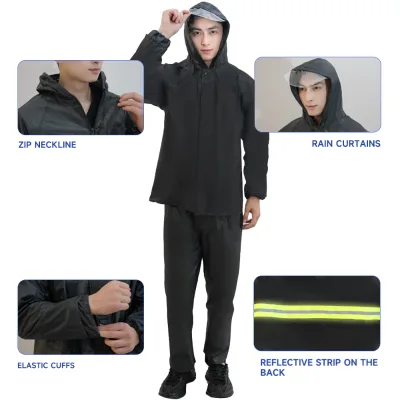
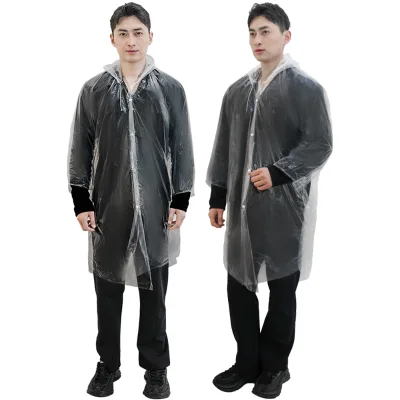
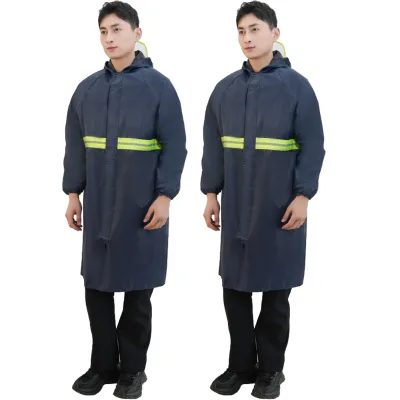
Rainfreem Long Raincoat Waterproof Rain Jacket 100% Waterproof Men's Windbreaker
$1.3596 - $1.4315
MOQ: 20 pieces
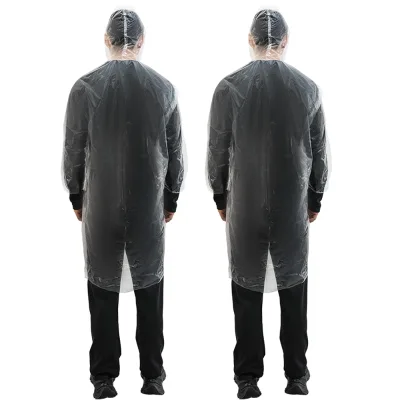
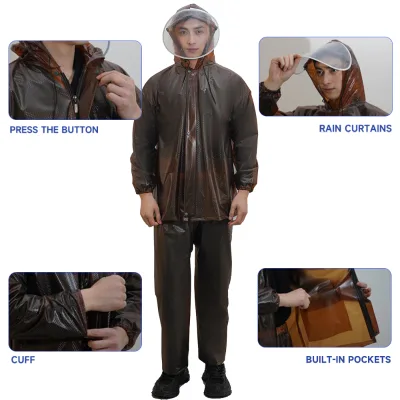


Men Waterproof Lightweight Workwear Raincoat Outdoor Rain Gear Coat Jacket
$11.50 - $15.00
MOQ: 1000 Pieces


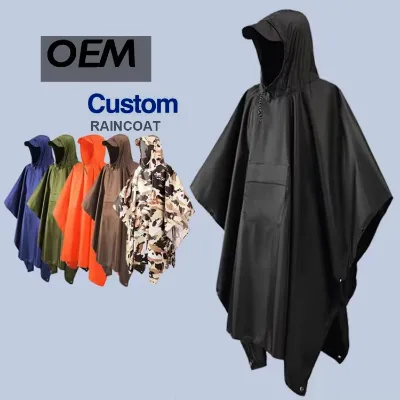
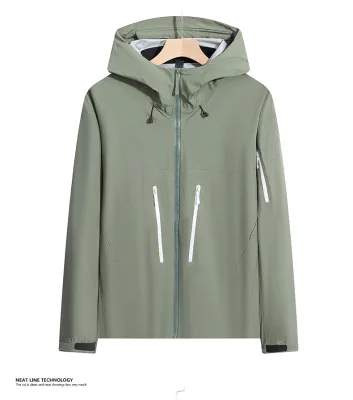
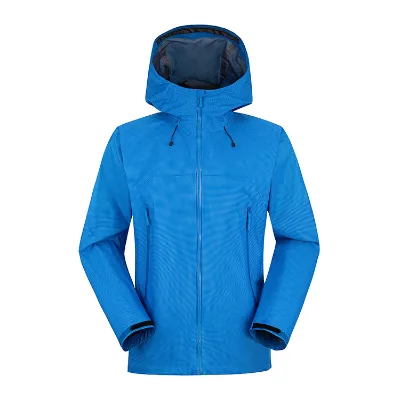
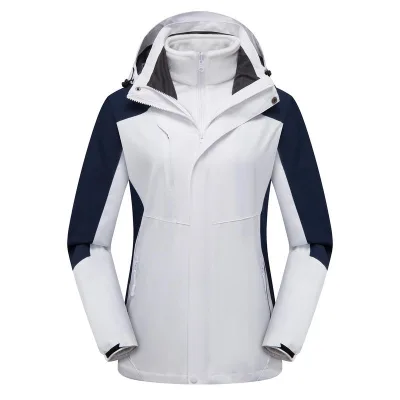
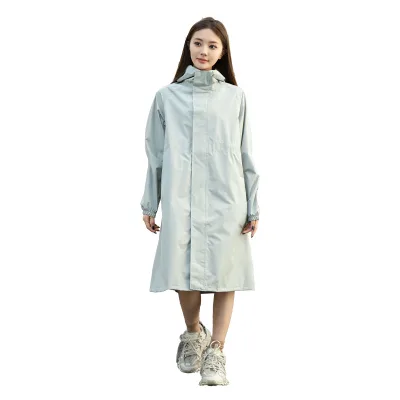
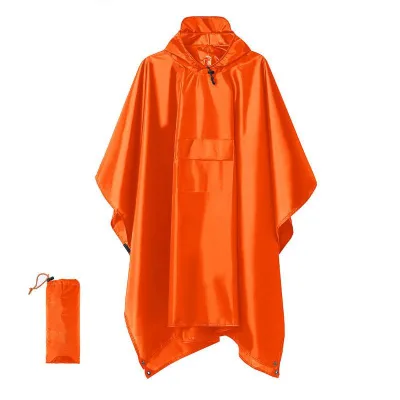
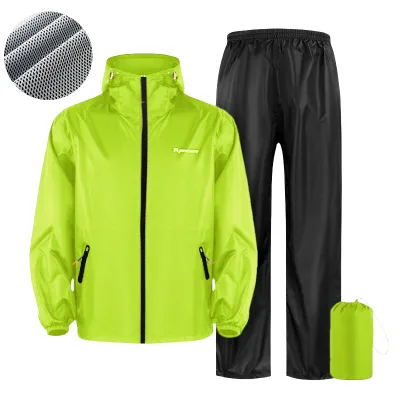
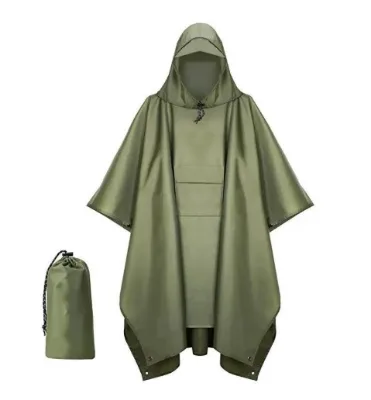
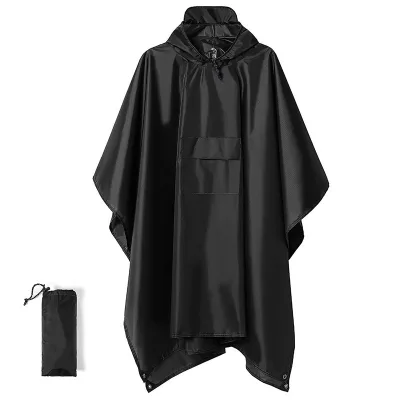
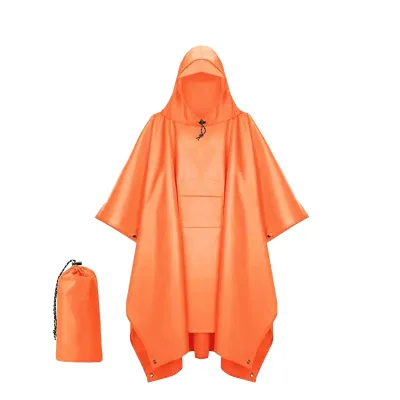
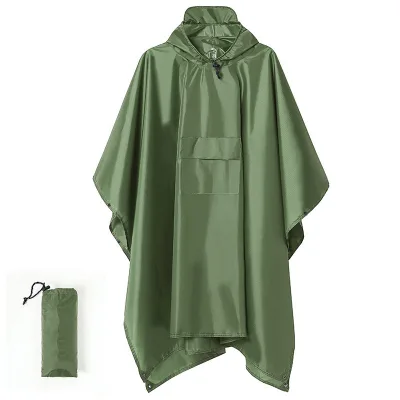
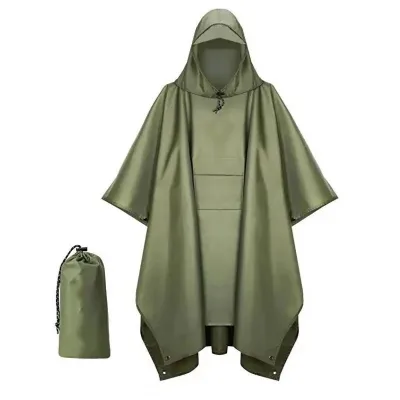
Comprehensive Sourcing Guide
Lightweight Breathable Hiking Raincoat Sourcing Guide
Procuring lightweight breathable hiking raincoats requires balancing weather protection with thermal comfort during high-exertion outdoor activities. Buyers must prioritize materials that offer waterproof integrity while allowing moisture vapor to escape, preventing overheating during climbs or long treks. The observed market includes options made from PU, EVA, Oxford Fabric, and PE, each presenting distinct trade-offs in weight, durability, and breathability. Understanding these material differences is critical for selecting the right product for specific hiking conditions, whether facing heavy downpours or light drizzle.
Sourcing decisions should also account for customization capabilities and packaging requirements, which vary significantly among suppliers. Many manufacturers offer custom logo printing and specific packaging like paper boxes, which can impact branding and logistics costs. Additionally, the availability of reflective strips or stripes enhances visibility for safety during low-light hiking conditions. Buyers need to verify these attributes explicitly, as listings may mix features such as "without reflective strip" and "with reflective stripe" across different models, requiring careful specification alignment to meet safety and functional standards.
Product Scope and Observed Listing Signals
The current market landscape for hiking rainwear includes a diverse range of product types, from single-person ponchos to full rain suits. Observed listings indicate that products are designed for universal gender use and cater to adult age groups, with applications extending beyond hiking to include camping, mountaineering, fishing, and general outdoor travel. This versatility suggests that many suppliers produce multi-functional gear suitable for various recreational activities, allowing buyers to source a unified inventory for different outdoor scenarios. The presence of styles ranging from luxury to modern simple indicates a broad aesthetic appeal, though functionality remains the primary driver for hiking-specific purchases.
Material composition is a key differentiator in the observed listings, with PU, EVA, Oxford Fabric, and PE being the most common choices. PU and Oxford Fabric options often emphasize durability and breathability, while EVA and PE variants may focus on lightweight portability and cost-efficiency. Some products are explicitly labeled as non-disposable, indicating a focus on long-term use and reusability, which aligns with the expectations of serious hikers. Buyers should carefully review material specifications to ensure the chosen raincoat meets the required balance of weight, packability, and weather resistance for their specific target audience.
Technical Specifications to Verify
Thickness and model numbers are critical technical indicators that help buyers distinguish between product tiers and performance levels. Listings show models such as FJ-2405001, FJ-2507003, and HX5910560, each potentially corresponding to different fabric weights or construction methods. Buyers should verify the thickness classification, such as "Normal," to ensure the raincoat provides adequate protection without being overly bulky. Additionally, dimensions like 47cm47cm30cm for packaging suggest compact storage capabilities, which is essential for hikers who need to minimize pack volume. Confirming these specifications with suppliers ensures that the physical attributes match the intended use case.
Functionality claims such as "breathable," "waterproof," and "windproof" must be validated through detailed product specifications rather than accepted at face value. The observed features include eco-friendly attributes, comfort, and lightweight design, which are desirable for hiking gear. However, buyers should request specific details on how these features are achieved, such as the type of waterproof membrane or seam sealing technology used. Furthermore, the inclusion of reflective elements like strips or stripes should be confirmed for models intended for low-visibility conditions, ensuring that safety features are integrated into the design effectively.
Compliance and Safety Documentation
Regulatory compliance is a foundational requirement for sourcing outdoor apparel, with REACH certification being a notable standard observed in the market. This certification indicates adherence to European chemical regulations, which is crucial for ensuring that materials like PU, EVA, and PE do not contain harmful substances. Buyers should verify that all suppliers provide valid REACH compliance documentation, as this is often a prerequisite for selling in many international markets. Additionally, any claims of eco-friendly materials should be supported by relevant certifications or material safety data sheets to substantiate environmental assertions.
Safety features, particularly visibility enhancements, are vital for hiking raincoats used in variable weather conditions. The presence of reflective strips or stripes is a key safety attribute that buyers should explicitly request and verify. While some listings mention "without reflective strip," others highlight "with reflective stripe," indicating that this feature is not universal. Buyers must ensure that the selected model includes adequate reflective elements if the target use case involves early morning, evening, or overcast hiking conditions. Clear documentation of these safety features helps mitigate liability and ensures user safety in the field.
Cost Drivers and Commercial Terms
Pricing in the lightweight hiking raincoat market varies widely, with observed ranges spanning from $0.18 to $58 per unit. This broad spectrum reflects differences in material quality, brand positioning, and customization levels. Buyers should analyze cost drivers such as the choice between PE, which may be lower cost, and Oxford Fabric or PU, which may offer higher durability and breathability at a premium. Understanding these material-based price variations helps in budgeting for different product tiers and aligning costs with the expected retail price points for the target market.
Minimum Order Quantities (MOQs) and sampling times are significant commercial factors that influence procurement planning. Observed MOQs range from 1 to 1000 units, offering flexibility for both small-scale testers and large-volume buyers. Sampling times vary, with some suppliers offering samples within 7 days and others requiring 15 days. Buyers should factor these lead times into their inventory planning, especially when launching new product lines. Additionally, customization options like logo printing may incur additional costs or affect MOQ thresholds, so clear communication with suppliers regarding these terms is essential for accurate cost forecasting.
Supplier Qualification and Quality Control
Supplier location and origin are important considerations for logistics and supply chain reliability. Observed origins include Fuzhou, Fujian; Jian, Jiangxi; and Shandong, China, each representing different manufacturing hubs with varying capabilities. Buyers should assess the supplier's production capacity and quality control processes to ensure consistent product quality. Verifying the supplier's ability to handle customization requests, such as logo printing and specific packaging requirements, is also crucial for maintaining brand consistency. A robust quality control system ensures that each raincoat meets the specified technical and safety standards before shipment.
Quality control should extend to verifying the consistency of features like breathability and waterproofing across production batches. Buyers should request sample testing results or third-party lab reports to validate performance claims, especially for critical attributes like windproofing and moisture vapor transmission. Additionally, inspecting the packaging, such as the use of paper boxes, can provide insights into the supplier's attention to detail and product presentation. Establishing clear quality benchmarks and conducting regular audits helps maintain product integrity and customer satisfaction, reducing the risk of returns or complaints due to performance failures.
Long-Term Procurement Checks
Sustainable sourcing practices are increasingly important in the outdoor apparel industry, with many suppliers highlighting eco-friendly features. Buyers should evaluate the long-term viability of these claims by requesting detailed information on material sourcing and manufacturing processes. Verifying that materials like PU, EVA, and PE are sourced responsibly and that production methods minimize environmental impact can enhance brand reputation. Additionally, considering the durability and reusability of the raincoats, as indicated by "non-disposable" labels, supports a circular economy approach and reduces waste, aligning with growing consumer demand for sustainable products.
Continuous market monitoring and supplier relationship management are essential for adapting to changing trends and maintaining competitive advantage. Buyers should regularly review product listings for new models, materials, and features, such as updated reflective designs or improved breathability technologies. Building strong relationships with suppliers can facilitate better pricing, priority production, and access to new innovations. Furthermore, staying informed about regulatory changes, such as updates to REACH standards, ensures ongoing compliance and market access. Proactive engagement with suppliers and the market helps buyers stay ahead of trends and deliver high-quality hiking raincoats to their customers.
FAQs
What materials are used for lightweight breathable hiking raincoats?
Manufacturers typically use PU, EVA, Oxford Fabric, or PE to construct these garments. PU and Oxford Fabric offer durability and breathability for extended outdoor use. EVA and PE options provide lightweight, disposable solutions for single-use scenarios. The material choice directly impacts the raincoat's weight, water resistance, and suitability for specific hiking conditions.
Can these raincoats be customized with a logo?
Yes, customization is available for most lightweight breathable hiking raincoats. Buyers can request custom logo printing on the garment. This service allows brands to add their identity to the product. The sampling time for customized orders typically ranges from 7 to 15 days, depending on the complexity of the design and the supplier's production schedule.
What certifications do these raincoats meet?
Many lightweight breathable hiking raincoats are certified under REACH standards. This certification ensures the materials comply with European chemical regulations. It is a key requirement for selling in many international markets. Buyers should verify specific certification documents with suppliers to ensure compliance with their target market's regulatory requirements.
What is the typical MOQ for these raincoats?
The minimum order quantity typically ranges from 1 to 1000 units. This flexibility allows both small businesses and large enterprises to place orders. Lower MOQs are often available for standard models, while higher volumes may be required for custom designs. Buyers should confirm the exact MOQ with the supplier based on their specific product model and customization needs.
Where are these raincoats manufactured?
These raincoats are primarily manufactured in China, with origins in Fuzhou, Fujian, and Shandong. Some production also occurs in Jian, Jiangxi. These regions are known for their textile and garment manufacturing capabilities. Buyers can source directly from these locations to benefit from established supply chains and competitive pricing structures.
What features do these raincoats offer?
These raincoats are designed to be breathable, waterproof, and windproof. They are also lightweight and comfortable for hiking and outdoor activities. Some models include reflective strips for visibility. The features ensure protection from rain and wind while maintaining comfort during physical exertion, making them suitable for various outdoor applications.