High Load Moment RC Excavator Suppliers and Manufacturers
Compare 16 verified suppliers offering High Load Moment RC Excavator products with ISO9001:2015 and CE certifications. Review response times, lead times, and pricing to source suitable options for your project needs; review the available evidence before requesting comparable quotations from suitable candidates.
Updated
Suppliers List

Qingdao Relong Technology Co., Ltd.
- Verified by TUVRHEINLAND
- Combined
- China Shandong
- Lead time30 days
- Avg. response≤ 5h
Main productsDredger, Amphibious Excavator, Cutter Suction Dredger, Aquatic Weed Harvester, Amphibious Muti-Purpose Dredger, Sand Dredger, Swamp Excavator, Workboat Barge, Amphibious Harvester, Undercarrage Pontoon
Main marketsAfrica,Others(foreignTradeCapacity.exportBusinessCapacityMarketOther),Southeast Asia/ Mideast,North America


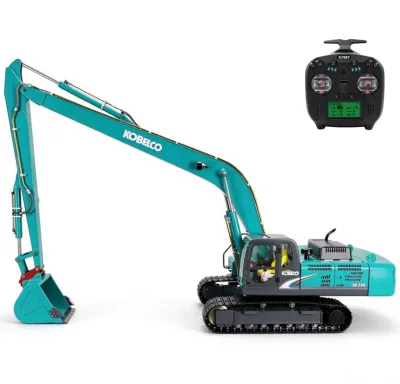
Best Selling Remote Controlled Excavator with Excavator Accessories
$50000.00 - $200000.00
MOQ: 1 Sets
Shantou Dreamhouse Toys Industrial Co., Ltd.
- Verified by SGS Group
- Manufacturer, Trading Company
- Guangdong, China
- Lead time30 days
- Avg. response≤ 6h
Main productsRemote Control Toys
Main marketsNorth America(60%), Eastern Europe(18%), Domestic Market(12%)
Ant Cloud Intelligent Equipment (shandong) Co., Ltd.
- Verified by TüVRheinland
- Manufacturer, Trading Company
- Lead time5 days
- Avg. response≤ 3h
Main productsMini Excavator, Skid Steer Loader, Remote Control Excavator, Electric Excavator, Demolition Robot
Main marketsDomestic Market(50%), North America(20%), Oceania(10%)
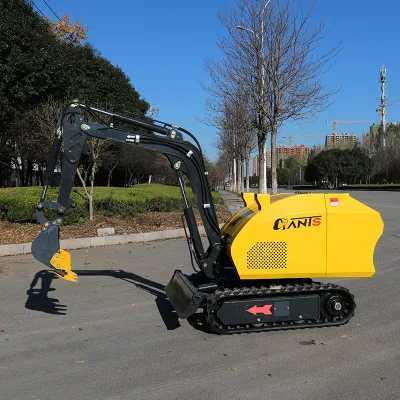
New Construction Machinery Remote Control Excavator Rc for Special Environment Use
$13300.00 - $13600.00
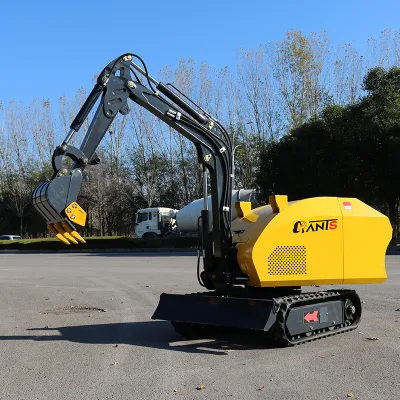
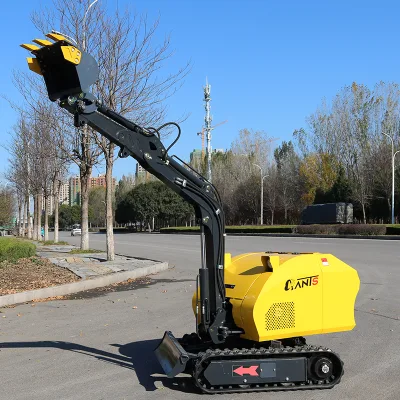
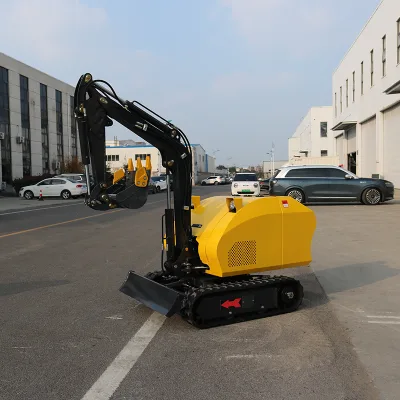
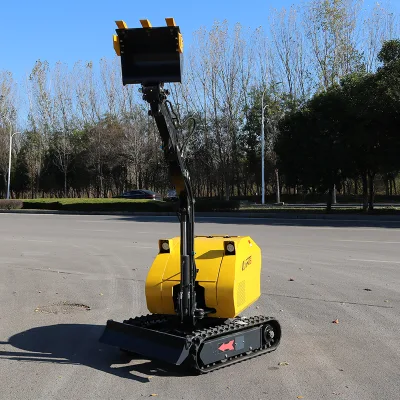
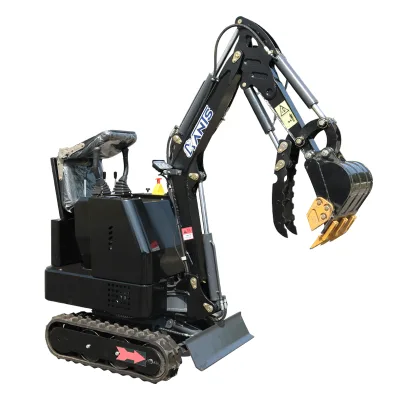
$4000.00 - $6000.00
MOQ: 1 pieces
Xuzhou Juyutang Information Technology Co., Ltd.
- Trading Company
- Jiangsu Province, China
- Lead time7 days
- Avg. response≤ 3h
Main productsaircraft model,Metal model,RC model,scenario model
Main marketsMid East(33.00%), Southeast Asia(13.00%), North America(12.00%), South America(11.00%), Northern Europe(8.00%), Eastern Europe(8.00%), Western Europe(5.00%), Domestic Market(5.00%), South Asia(3.00%), Africa(2.00%)
Shantou Globalwin Intelligent Technology Co., Ltd.
- Trading Company
- Guangdong, China
- Lead time15 days
- Avg. response≤ 14h
Main productsDrone,RC Car,toys,robot toys,Educational Toy
Main marketsDomestic Market(35.00%), North America(30.00%), Western Europe(10.00%), South America(8.00%), Eastern Europe(6.00%), Mid East(5.00%), Africa(2.00%), Northern Europe(2.00%), Oceania(2.00%)

Weihai Titan Heavy Machinery Co., Ltd.
- Trading Company
- China Shandong
- Lead time23 days
- Avg. response≤ 6h
Main productsWheel Loader, Loader, Tractor Loader, Small Loader, Mini Loader, Front End Wheel Loader, Mini Excavator, Small Excavator, Digger, Front Loader
Main marketsSouth America,Africa,Southeast Asia/ Mideast,Europe,Australia,North America
Shandong Archer Machinery Co., Ltd.
- Trading Company
- Shandong, China
- Lead time15 days
- Avg. response≤ 1h
Main productsExcavator Loader,Loaders,skid steer loaders,Excavators,Concrete Batching Plant
Main marketsSouth America(30.00%), North America(30.00%), Eastern Europe(25.00%), Western Europe(10.00%), Southern Europe(5.00%)

Evangel Industrial (Shanghai) Co., Ltd.
- Verified by BV
- Trading Company
- China Shanghai
- Lead time15 days
- Avg. response≤ 12h
Main productsTruck Crane, Wheel Loader, Road Roller, Concrete Pump, Motor Grader, Crawler Crane, Bulldozer, Backhoe, Forklift, Skid Steer Loader
Main marketsSoutheast Asia/ Mideast

Jinan Tui Wa Import and Export Trading Company
- Verified by TUVRHEINLAND
- Trading Company
- China Shandong
- Lead time15 days
- Avg. response≤ 10h
Main productsExcavator
Main marketsSoutheast Asia/ Mideast
Shandong Logway Construction Machinery Co., Ltd.
- Verified by TüVRheinland
- Trading Company
- Lead time7 days
- Avg. response≤ 2h
Main productsSkid Steer Loader, Excavator, Forklift, Loader, Lawn Mower
Main marketsNorth America(30%), Western Europe(25%), Oceania(10%)
Shandong Heracles Machinery Co., Ltd.
- Verified by TüVRheinland
- Manufacturer, Trading Company
- Lead time15 days
- Avg. response≤ 6h
Main productsWheel Loader, Telescopic Loader, Backhoe Loader, Telehandler, Dumper
Main marketsNorthern Europe(16%), North America(15%), Eastern Europe(14%)
Shenzhen Lehoo Trading Co., Ltd.
- Verified by Intertek
- Trading Company
- Lead time10 days
- Avg. response≤ 1h
Main productsRC Toy Cars, Science & Engineering Toys, Electronic Keyboard Instruments , Ride on Toys
Main marketsEastern Europe(50%), North America(10%), South America(10%)
Jinkung Industrial (shandong) Corporation
- Verified by TüVRheinland
- Manufacturer, Trading Company
- Lead time7 days
- Avg. response≤ 2h
Main productsMini Excavator, Lawn Mower, Loader, Spraying Machine, Tractor
Main marketsNorth America(39%), Eastern Europe(15%), Western Europe(10%)
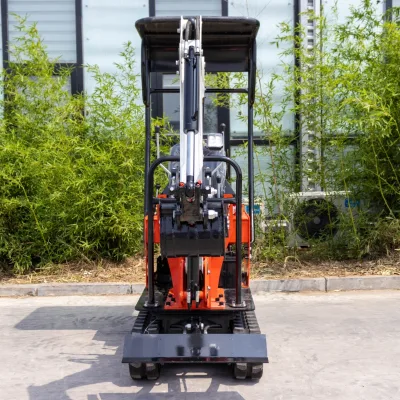
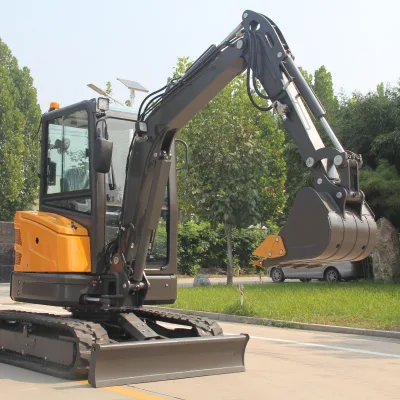
Quality Assurance All-terrain 800KG All-purpose Excavator
$10500.00 - $11000.00
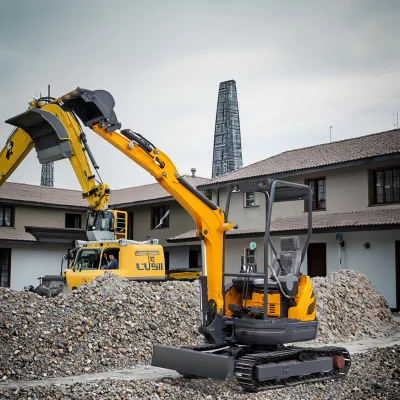
2.5T Rubber Tracked Excavator HT25 with EPA, CE, and Euro 5 Certifications.
$6660.2593 - $7070.1214
MOQ: 1 sets

Henan Lemay Technology Co., Ltd.
- Trading Company
- Henan, China
- Lead time7 days
- Avg. response≤ 1h
Main productsCustom Remote Controls For Construction Machinery,Hydraulic Proportional Remote Controls,Industrial Wireless Remote Controls,Custom Remote Controls For Cranes,Custom Remote Controls For Construction Tower Cranes
Main marketsSouth America(20.00%), North America(20.00%), Southeast Asia(15.00%), South Asia(15.00%), Eastern Europe(10.00%), Eastern Asia(6.00%), Africa(6.00%), Oceania(5.00%), Western Europe(3.00%)
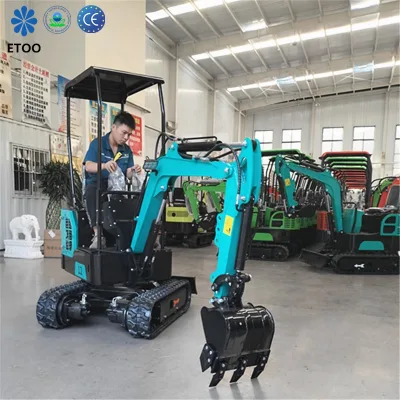
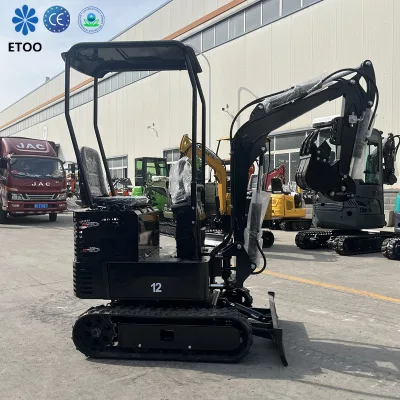
Etoo Machinery (Jining) Co.,Ltd
- Trading Company
- Shandong, China
- Lead time7 days
- Avg. response≤ 4h
Main productsTRICYCLE,loader,mower,mini dumper,foaming machine
Main marketsNorth America(38.00%), Mid East(25.00%), Northern Europe(16.00%), Eastern Europe(8.00%), Southern Europe(8.00%), Eastern Asia(5.00%)

Qingdao Zongjin Engineering Machinery Co., Ltd.
- Verified by TUVRHEINLAND
- Trading Company,Manufacturer/Factory
- China Shandong
- Lead time15 days
- Avg. response≤ 5h
Main productsWheel Loader, Backhoe Loader, Excavator, Skid Steer Loader, Mini Excavator, Mini Loader, Mini Digger, Payloader, Mini Bagger, Forklift
Main marketsSouth America,Eastern Europe,Oceania,Western Europe,Africa


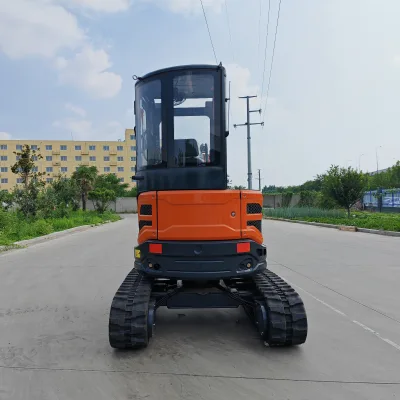


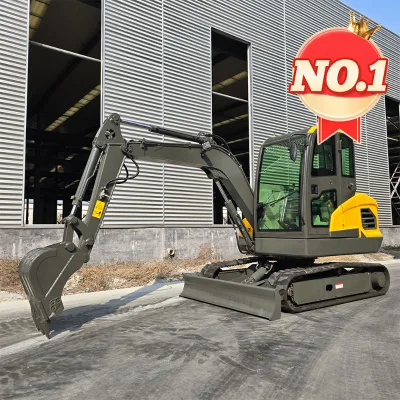
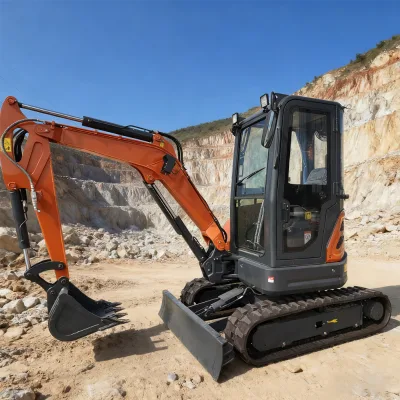
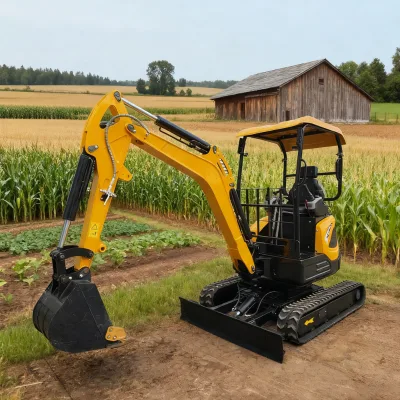
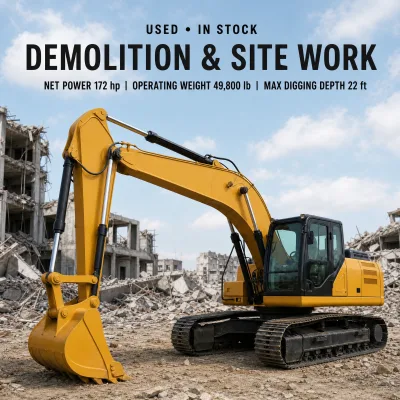
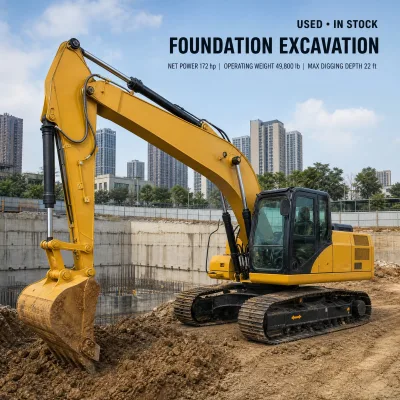


Comprehensive Sourcing Guide
High Load Moment RC Excavator Supplier Concentration and Factory Types
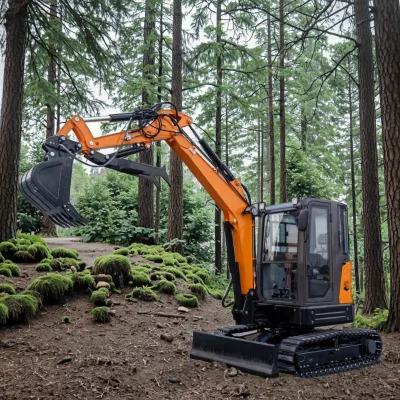
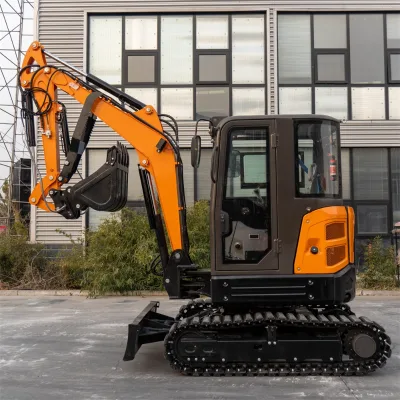
The current supplier landscape for High Load Moment RC Excavator products reveals a distinct bifurcation between industrial-grade machinery manufacturers and consumer toy producers, a division that significantly impacts sourcing strategy. Evidence indicates that serious industrial operations are concentrated in regions such as Shandong, specifically Qingzhou, where companies operate as combined entities capable of handling both Original Design Manufacturing and Original Equipment Manufacturing requests. These suppliers typically focus on heavy-duty equipment like amphibious excavators, dredgers, and large-scale crawler excavators, often citing ISO9001:2015 certification and verification by bodies like TÜV Rheinland. This cluster represents the high-end segment where the term "excavator" refers to functional, heavy machinery with substantial load capacities, hydraulic transmissions, and internal combustion drives. Buyers seeking genuine industrial solutions must navigate this specific geographic and operational niche, as these factories possess the engineering capacity to produce large-scale units with specifications such as 30-ton standards and specialized pontoon structures for swamp or aquatic environments. The presence of such specialized manufacturing hubs suggests that sourcing high-load industrial equipment requires targeting suppliers with verified engineering credentials rather than general trading companies.
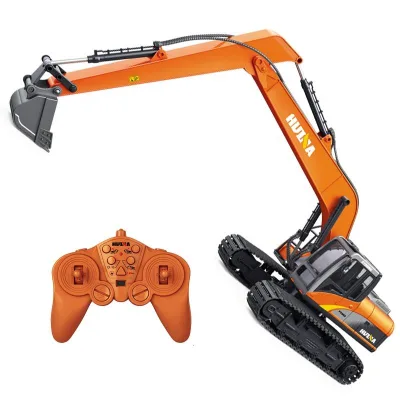
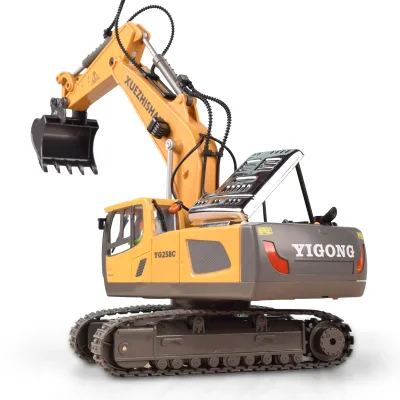
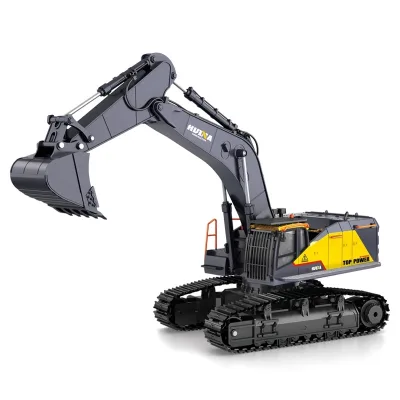
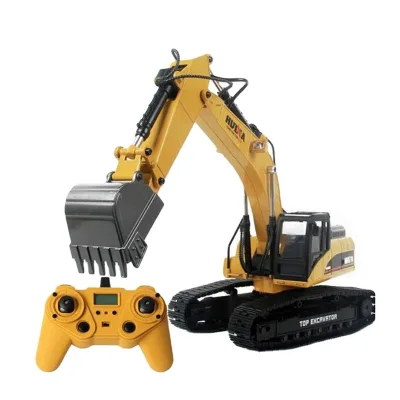
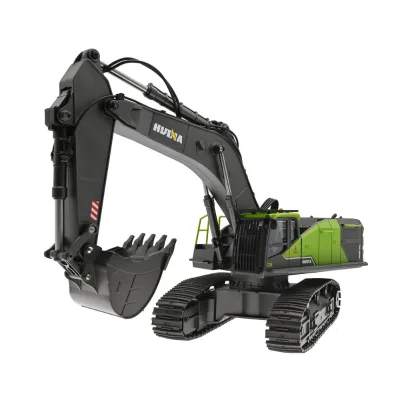
In stark contrast, a significant portion of the search results for similar keywords points toward manufacturers in Guangdong, China, who specialize in remote control toys and scale models rather than functional construction machinery. These suppliers, often categorized as manufacturers or trading companies, produce items like the Huina 1551 or 1/20 scale alloy excavators intended for children or hobbyists. Their product attributes, such as electric power sources, plastic and metal composite materials, and age ranges of 2 to 13 years, clearly delineate them from the industrial sector. While these entities may offer extensive certifications related to toy safety, such as EN71, CPSIA, and ASTM F963, they do not possess the capability to produce high-load moment industrial equipment. This divergence highlights a critical challenge in keyword-based sourcing: the term "rc excavator" is heavily dominated by the toy market. Buyers must carefully distinguish between suppliers listing "Construction & Building Machinery" versus "Mother, Kids & Toys" to avoid misalignment. Understanding this factory type distinction is the first step in filtering out irrelevant results and focusing on entities that actually manufacture heavy-duty hydraulic machinery with the structural integrity required for high-load applications.
How to Verify High Load Moment RC Excavator Suppliers
Verifying the legitimacy and capability of suppliers offering High Load Moment RC Excavator equipment requires a rigorous examination of their certification portfolios and third-party verification statuses. For industrial-grade machinery, the presence of ISO9001:2015 system certification is a baseline expectation, indicating that the manufacturer adheres to international quality management standards. However, buyers should look beyond basic ISO certificates and seek evidence of product-specific certifications such as CE, which is frequently listed alongside ISO9001 for construction machinery. Additionally, verification badges from reputable inspection agencies like TÜV Rheinland or SGS Group provide an additional layer of confidence regarding the supplier's operational legitimacy. It is crucial to distinguish between suppliers who have undergone rigorous industrial verification and those who may only hold consumer product safety certifications. For instance, while some suppliers display extensive lists of toy safety standards like EN71, REACH, and FCC, these are irrelevant for heavy machinery and may indicate a mismatch in product category. Buyers must scrutinize the "system_certification" field to ensure it aligns with industrial engineering standards rather than consumer electronics or toy safety regulations.
Furthermore, verifying the supplier's operational capacity involves assessing their stated response times and production capabilities. A response time of approximately 4.47 hours, as observed in some industrial supplier profiles, suggests a more responsive and potentially larger operation compared to those with longer response windows. Buyers should also examine the "rd_capacity" field to confirm whether the supplier offers ODM and OEM services, which is essential for customizing high-load moment specifications. The "is_verified" status should be cross-referenced with the supplier's main product listings to ensure consistency; a supplier claiming to be a manufacturer of amphibious excavators should not be primarily listing remote control toys as their main product. Additionally, checking the "company_type" is vital, as "Combined" entities may offer more comprehensive services than pure trading companies. Buyers must also verify the origin of the products, ensuring that items claiming to be from Qingzhou, Shandong, are indeed manufactured in that industrial hub. This multi-layered verification process helps mitigate the risk of engaging with suppliers who may be misrepresenting their capabilities or product lines, ensuring that the partner selected has the genuine engineering and manufacturing infrastructure required for high-load moment excavator production.
What to Compare Across High Load Moment RC Excavator Suppliers
When evaluating potential partners for High Load Moment RC Excavator procurement, comparing lead times and minimum order quantities is essential for aligning supplier capabilities with project timelines and budget constraints. Industrial suppliers in the Shandong cluster often cite a lead time of around 30 days, which is a critical metric for planning large-scale construction or dredging projects. Buyers must compare this against the production cycles of other manufacturers to determine which supplier can meet urgent delivery requirements. Similarly, the minimum order quantity, or MOQ, varies significantly across the market. While some industrial suppliers may have an MOQ of just one unit, allowing for single-unit procurement, others might require larger volumes. In contrast, toy manufacturers often have higher MOQs, such as 48 units, which is irrelevant for industrial buyers but highlights the disparity in business models. Understanding these logistical parameters helps buyers assess the flexibility of each supplier. A supplier with a low MOQ and a moderate lead time may be ideal for small-scale projects or replacement parts, whereas a supplier with a higher MOQ and longer lead time might offer better economies of scale for bulk orders.
Beyond lead times and MOQs, buyers should compare the specific technical attributes and customization options offered by different suppliers. The product evidence shows variations in bucket types, transmission systems, and drive mechanisms. For example, some excavators feature backhoe buckets and hydraulic transmission, while others may have different configurations. Buyers must compare these technical specifications to ensure they match the operational requirements of their high-load moment applications. Additionally, the availability of customization is a key differentiator; suppliers that explicitly state "Customization: Available" offer greater flexibility for tailoring equipment to specific site conditions. Price ranges also vary widely, with industrial excavators ranging from $50,000 to $200,000, while toy excavators are priced between $10 and $30. Buyers must compare these price points not just on a per-unit basis but in the context of the value provided, including warranty, after-sales support, and technical documentation. Comparing the "prod_standard" and "prod_packing" details can also reveal differences in quality and shipping efficiency. By systematically comparing these dimensions, buyers can identify the supplier that offers the best balance of cost, capability, and service for their specific high-load moment excavator needs.
Common High Load Moment RC Excavator Sourcing Risks
One of the primary risks in sourcing High Load Moment RC Excavator equipment is the potential for category confusion, where buyers inadvertently engage with toy manufacturers instead of industrial machinery producers. The search results often mix heavy-duty construction equipment with remote control toys, leading to significant misalignment in expectations. For instance, a buyer seeking a 30-ton industrial excavator might encounter suppliers listing 1/14 scale alloy models with electric power sources and plastic components. This risk is exacerbated by the use of similar keywords, such as "excavator" and "rc," which apply to both sectors. Buyers must be vigilant in distinguishing between products intended for construction and those designed for entertainment. The presence of certifications like EN71 or CPSIA in a supplier's profile is a strong indicator that they are dealing with consumer toys, not industrial machinery. Failing to verify the product category can result in wasted time, incorrect quotations, and ultimately, the procurement of unsuitable equipment. This risk underscores the importance of carefully reviewing product attributes, such as power source, material composition, and intended age range, to ensure the supplier is actually capable of delivering the required industrial-grade machinery.
Another significant risk involves the verification of supplier claims regarding capacity and certification. While some suppliers display ISO9001:2015 certification and TÜV Rheinland verification, buyers must ensure these credentials are current and applicable to the specific products being ordered. There is a risk that a supplier may hold general company certifications but lack the specific engineering capabilities or quality control processes required for high-load moment excavators. Additionally, the "rd_capacity" field may list ODM and OEM services, but this does not guarantee the supplier has the necessary R&D infrastructure to support custom high-load designs. Buyers should also be cautious of suppliers with vague or inconsistent location information. For example, while some products list Qingzhou, Shandong, as the origin, others may list Guangdong, which is known for toy manufacturing. This discrepancy can indicate a trading company rather than a direct manufacturer, potentially leading to higher costs and less control over quality. Furthermore, the risk of inadequate after-sales support is heightened when dealing with complex machinery. Buyers must verify that the supplier provides comprehensive technical documentation, spare parts availability, and maintenance support, as these are critical for the long-term operation of high-load moment excavators. Ignoring these verification steps can lead to operational failures and increased total cost of ownership.
High Load Moment RC Excavator Regional Sourcing and Logistics
Sourcing High Load Moment RC Excavator equipment from specific regional clusters offers distinct logistical advantages and challenges that buyers must carefully evaluate. The concentration of industrial manufacturers in Shandong, particularly in Qingzhou, provides access to a specialized supply chain for heavy machinery. This region is known for its expertise in construction equipment, including amphibious excavators and dredgers, which are often shipped in containers due to their large scale. Buyers sourcing from this cluster should anticipate logistics involving heavy freight, potentially requiring specialized shipping arrangements for oversized cargo. The "prod_packing" attribute, often listed as "Container," indicates that these machines are designed for standard shipping methods, but buyers must still coordinate with freight forwarders to handle the weight and dimensions. In contrast, suppliers in Guangdong, while primarily focused on toys, may offer more streamlined logistics for smaller, lighter items. However, for industrial buyers, the Shandong cluster remains the primary source for genuine high-load machinery. Understanding the regional strengths allows buyers to prioritize suppliers with the appropriate infrastructure for handling heavy equipment, ensuring that logistics do not become a bottleneck in the procurement process.
Logistical planning also involves considering the impact of regional manufacturing capabilities on lead times and shipping costs. Suppliers in Shandong may have longer lead times due to the complexity of manufacturing heavy machinery, but this is often offset by the efficiency of their specialized supply chains. Buyers should compare the shipping terms and packaging details provided by different suppliers to estimate total landed costs. For instance, the "Single Pontoon Size" and "Thickness of Pontoon" attributes for amphibious excavators indicate substantial weight and volume, which will influence freight charges. Additionally, buyers must consider the customs and import regulations associated with heavy machinery, which can vary by destination country. Working with suppliers who have experience in international shipping can mitigate these risks. The "prod_origin" field provides crucial information for determining the source of the goods, which can affect tariff classifications and shipping routes. By aligning their sourcing strategy with the regional strengths of Shandong's industrial cluster, buyers can optimize their logistics planning, ensuring that the High Load Moment RC Excavator equipment is delivered efficiently and cost-effectively. This regional focus helps buyers avoid the logistical complexities associated with non-specialized suppliers and ensures they are working with entities
FAQs
What is the price range for high load moment RC excavators?
Prices for high load moment RC excavators vary significantly based on scale and application. Toy models range from $10.60 to $30.00, while heavy-duty industrial dredgers cost between $50,000 and $200,000. Buyers should verify specific unit costs and customization fees before placing orders to ensure accurate budgeting.
What certifications do these excavators typically hold?
Industrial excavators often hold ISO9001:2015 and CE certifications, ensuring quality and safety standards. Toy RC excavators require extensive compliance including EN71, CPSIA, ASTM F963, and RoHS. Buyers must verify specific certificates for their target market to ensure regulatory compliance and safe operation of the machinery.
What are the typical lead times for these products?
Manufacturers typically offer a lead time of 30 days for production and delivery. This timeframe applies to both industrial dredgers and specialized RC models. Buyers should confirm exact schedules with suppliers, as rush orders or custom modifications may extend the delivery window beyond the standard thirty-day period.
Where are these excavators manufactured?
These excavators are primarily manufactured in China, specifically in Shandong and Guangdong provinces. Shandong suppliers focus on heavy-duty dredgers and amphibious excavators, while Guangdong manufacturers specialize in remote control toys and alloy models. Buyers should verify the exact origin to assess logistics and shipping requirements.
What is the minimum order quantity for these items?
Minimum order quantities vary by product type. Industrial excavators often have an MOQ of one unit, suitable for single purchases. Toy RC excavators typically require bulk orders, such as forty-eight units. Buyers should check specific supplier terms to determine the exact MOQ for their desired model.
How responsive are the suppliers?
Supplier response times generally range from 4.47 to 6 hours. This indicates a relatively quick turnaround for initial inquiries and quotations. Buyers can expect timely communication regarding product specifications, pricing, and shipping details, facilitating efficient negotiation and order processing throughout the sourcing journey.