Tire Travel Asphalt Concrete Pavers Suppliers and Manufacturers
Compare 28 verified Tire Travel Asphalt Concrete Pavers suppliers by location, response time, lead time, and product specifications like paving width and capacity. Review CE and ISO certifications before contacting factories in China for pricing and customization options; review the available evidence before requesting comparable quotations from suitable candidates.
Updated
Suppliers List

Evangel Industrial (Shanghai) Co., Ltd.
- Verified by BV
- Trading Company
- China Shanghai
- Lead time15 days
- Avg. response≤ 12h
Main productsTruck Crane, Wheel Loader, Road Roller, Concrete Pump, Motor Grader, Crawler Crane, Bulldozer, Backhoe, Forklift, Skid Steer Loader
Main marketsSoutheast Asia/ Mideast

Shanghai Super-Above Industry Holdings Co., Ltd.
- Trading Company
- China Shanghai
- Lead time30 days
- Avg. response≤ 3h
Main productsHeavy Equipment, Construction Equipment, Diesel Generator Set, Mining Machinery, Concrete Mixer, Diesel Generator, Bulldozer, Aerial Work Vehicle, Trcuk, Loader
Main marketsOthers(foreignTradeCapacity.exportBusinessCapacityMarketOther),Southeast Asia/ Mideast,Europe,North America

Richmchn Machinery Engineering (Shanghai) Co., Ltd.
- Verified by SGS
- Trading Company
- China Shanghai
- Lead time30 days
- Avg. response≤ 4h
Main productsExcavator, Forklift, Crane, Wheel Loader, Bulldozer
Main marketsSouth America,Africa,Southeast Asia/ Mideast,North America


Hot Sale Asphalt Concrete Road Asphalt Paver RP405 with Paving Width 4.5m
$59800.00 - $65500.00
MOQ: 1 Pieces

Newindu Construction Engineering (Shanghai) Co., Ltd.
- Verified by CTI
- Trading Company
- China Shanghai
- Lead time15 days
- Avg. response≤ 5h
Main productsTruck Crane, Wheel Loader, Excavator, Dump Truck, Concrete Pump Truck, Motor Grader, Road Roller, Forklift, Rotary Drilling Rig, Bulldozer
Main marketsSouth America,Africa,Southeast Asia/ Mideast,East Asia(Japan/ South Korea),Europe,Australia,North America

Shandong Phoenix Industry and Trade Co., Ltd.
- Verified by SGS
- Trading Company
- China Shandong
- Lead time30 days
- Avg. response≤ 12h
Main productsAsphalt Paver, Cold Milling Machine, Mini Wheel Loader, Excavator, Road Roller, Concrete Mixer Truck, Dump Truck, Grader
Main marketsDomestic

Sinomach-Hi International Equipment Co., Ltd.
- Verified by TUVRHEINLAND
- Trading Company,Manufacturer/Factory,Group Corporation
- China Jiangsu
- Lead time90 days
- Avg. response≤ 2h
Main productsCrawler Excavator, Hydraulic Excavator, Excavator, Front End Loader, Motor Grader, Backhoe Loader, Skid Steer Loader, Backhoe
Main marketsSouth America,Mid East,Southeast Asia,Oceania,Africa
Liebty Machinery Technology (Hangzhou) Co., Ltd.
- Verified by Intertek
- Trading Company
- Lead time5 days
- Avg. response≤ 3h
Main productsMotor Grader, Wheel Loader, Road Roller, Bulldozer, Truck Crane
Main marketsAfrica(38%), Southeast Asia(15%), South America(12%)
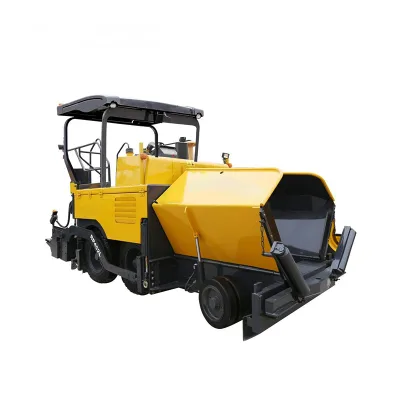
Hot Mix 4.5m Asphalt Paver RP452L 240t/h Paver for City Road Paving Colombia
$42222.00 - $46666.00
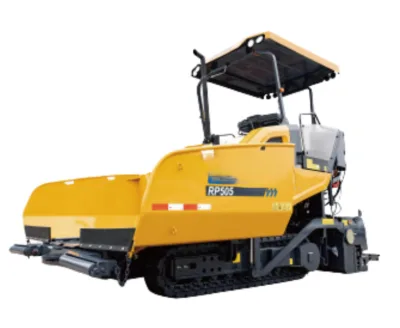
Chinese Top Brand Asphalt Concrete Paver RP505 Compact Tracked Paver for Sale
$65000.00 - $75000.00

Oriemac Machinery & Equipment (Shanghai) Co., Ltd.
- Verified by SGS
- Trading Company
- China Shanghai
- Lead time30 days
- Avg. response≤ 7h
Main productsCranes, Loaders, Excavators, Bulldozer, Comcrete Pump, Road Roller, Motor Grader, Asphalt Concrete Paver, Horizontal Directional Drill, Rotary Drilling Rig
Main marketsSouth America,Africa
Jining Shengheng Heavy Industry Machinery Co., Ltd.
- Manufacturer
- Shandong, China
- Lead time3 days
- Avg. response≤ 2h
Main productsDismantling equipment,Mowing and logging,Road maintenance,Drilling machine,Loading and unloading screening
Main marketsSouth America(20.00%), Mid East(15.00%), Western Europe(15.00%), Eastern Europe(15.00%), North America(15.00%), Africa(12.00%), Domestic Market(8.00%)
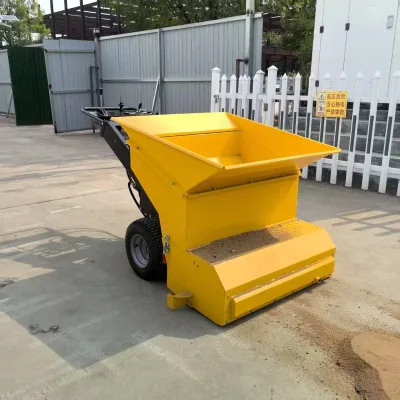
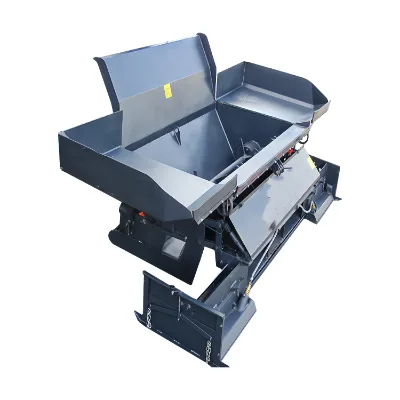
$6000.00 - $6358.00
MOQ: 1 sets
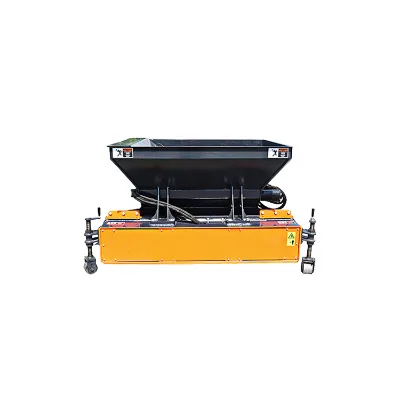
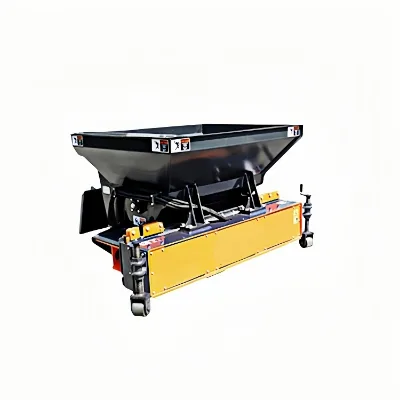
$72100.00 - $74200.00
MOQ: 1 sets
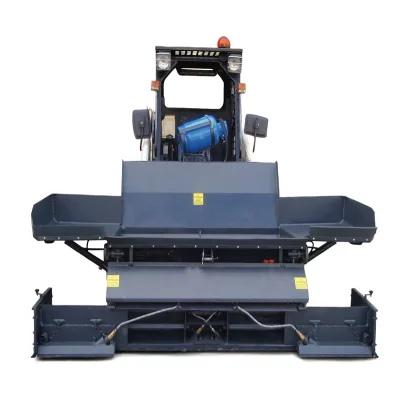
High-efficiency asphalt paver - Rapid heating - The ultimate tool for improving pavement flatness
$39049.2951 - $41001.243
MOQ: 1 pieces

Shaanxi Jaenter Trading Co., Ltd.
- Trading Company
- Shaanxi, China
- Lead time20 days
- Avg. response≤ 6h
Main productsRoad construction material,Road construction machinery,Earthmoving machinery,Concrete machinery,Agricultural machinery
Main marketsMid East(40.00%), South America(20.00%), Eastern Asia(10.00%), South Asia(10.00%), Southeast Asia(10.00%), Domestic Market(5.00%), North America(5.00%)
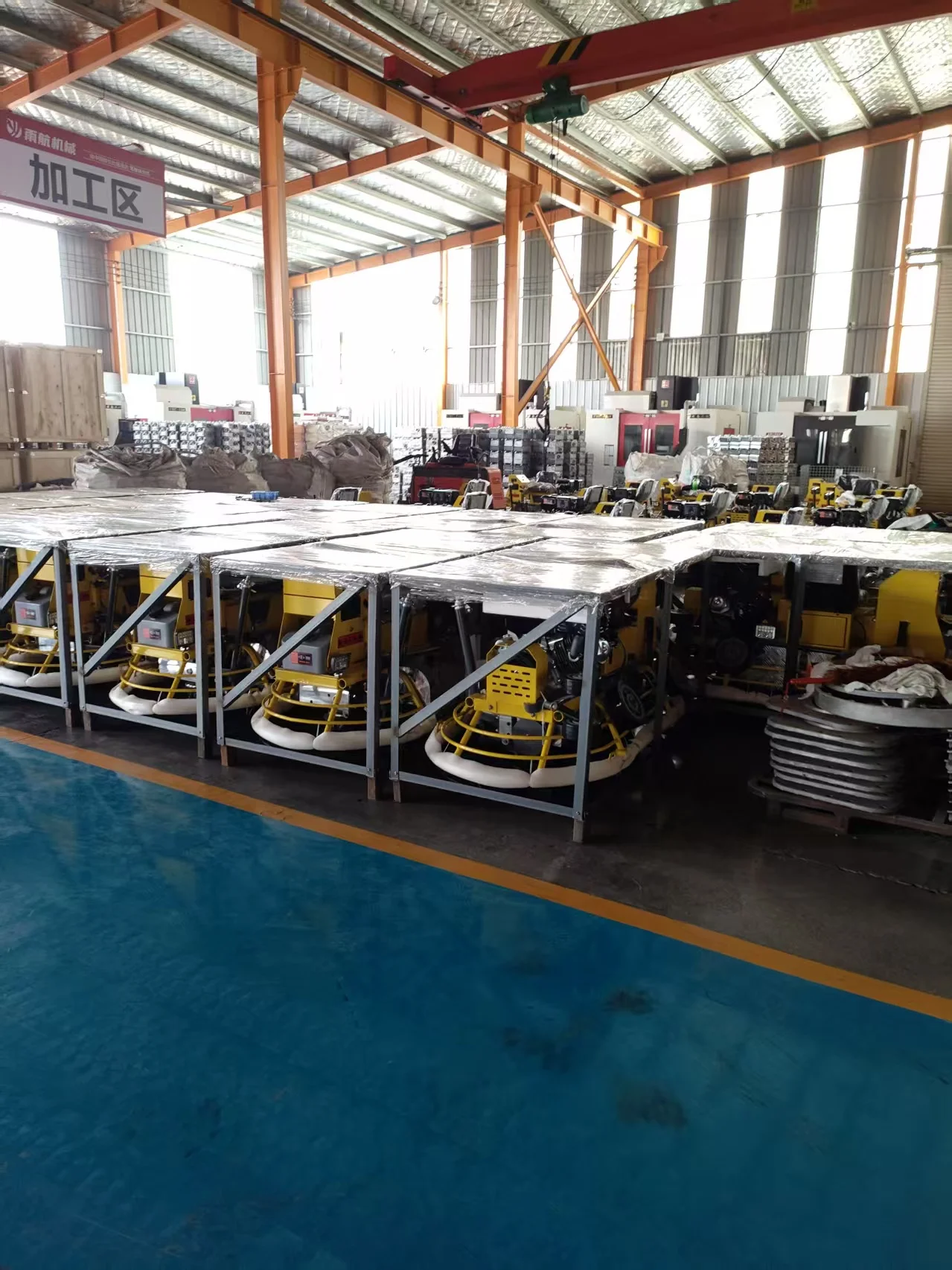
Luohe Ao Jianqing Intelligent Equipment Co., Ltd.
- Trading Company
- Henan, China
- Lead time15 days
- Avg. response≤ 3h
Main productstrowel,trephine,Cutting machine,backhoe,vibrators
Main marketsDomestic Market(40.00%), North America(10.00%), Africa(10.00%), South Asia(10.00%), Eastern Asia(10.00%), Oceania(5.00%), Southern Europe(5.00%), Southeast Asia(5.00%), South America(5.00%)
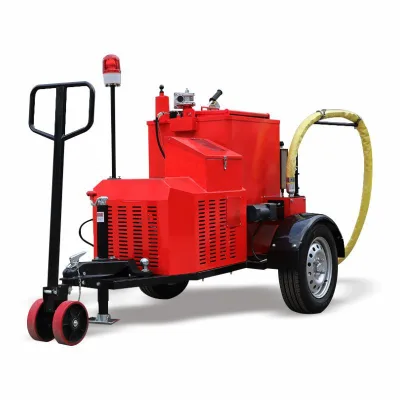
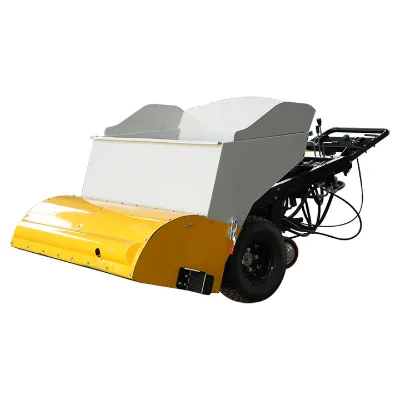
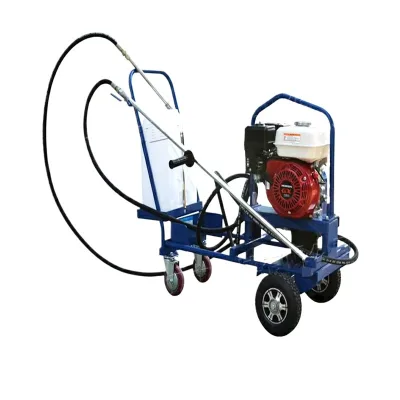
Portable Mini Asphalt Spreader Asphalt Pavers Machine for Sale
$1099.00 - $1399.00
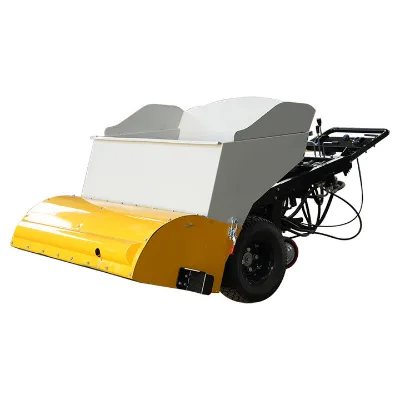
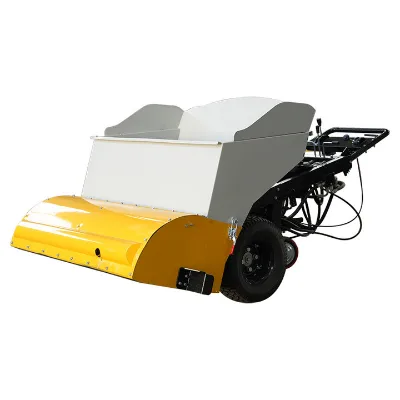
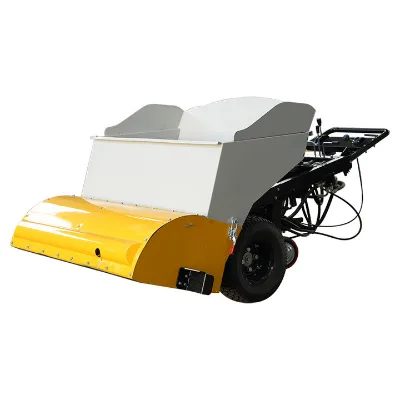
High-efficiency Asphalt Paver for Road Construction, Used for Pavement Damage Repair Projects
$4799.00 - $4899.00
MOQ: 1 pieces
Sinomada Heavy Industry (Changsha) Co., Ltd.
- Verified by SGS Group
- Trading Company
- Lead time7 days
- Avg. response≤ 5h
Main productsLifting Machinery, Earthmoving Machinery, Road Construction Machinery, Drilling Machinery, Concrete Machinery
Main marketsAfrica(40%), Southeast Asia(22%), South America(20%)
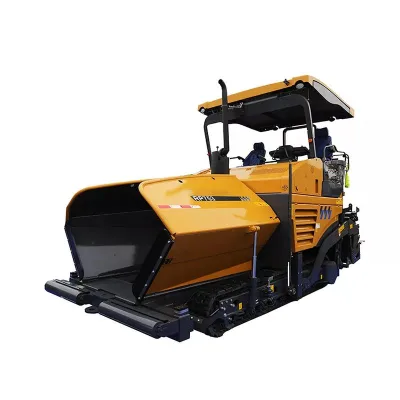
Asphalt Synchronous Spreading Paver 6M Asphalt Road Paver RP600 with Good Condition
$83200.00 - $86500.00
MOQ: 1 units
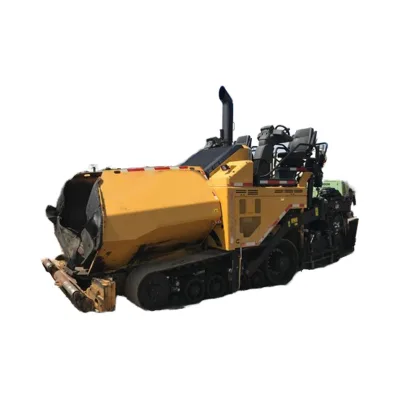
$20000.00 - $30000.00
MOQ: 1 units
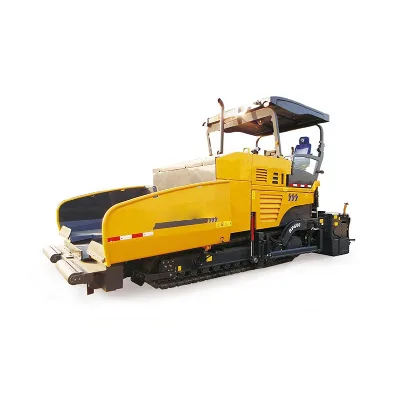
Long Life Time 6M Small Hydraulic Asphalt Road Paver RP601 Hot Sale with Cheap Price
$68540.00 - $73600.00
MOQ: 1 units
Evangel Industrial (Shanghai) Co., Ltd.
- Trading Company
- Lead time旺季: "1 - 1":15,"> 1":"To be negotiated", 淡季: "1 - 1":15,"> 1":"To be negotiated"
- Avg. response≤ 3h
Main productsConcrete Pumps, Bulldozers, Excavator, Loaders, Road Roller
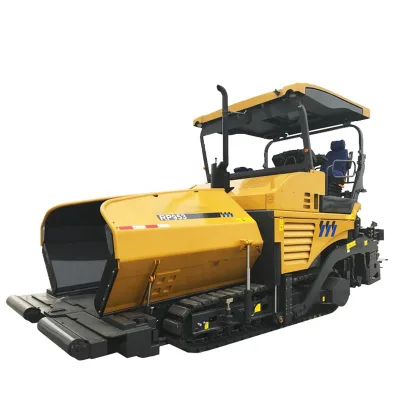
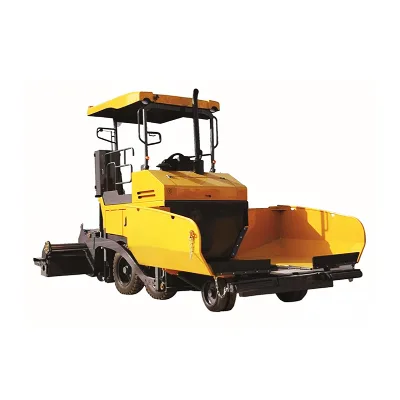
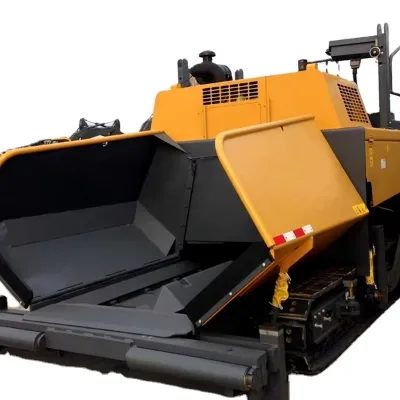
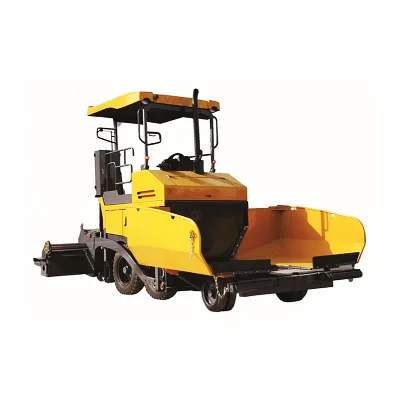
RP453L Hydraulic-driven Small Wheeled Paver 4.5m Paving Width Asphalt Concrete Pavers
$30900.00 - $34900.00
MOQ: 1 units
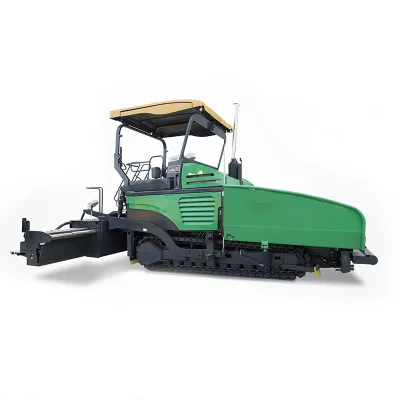
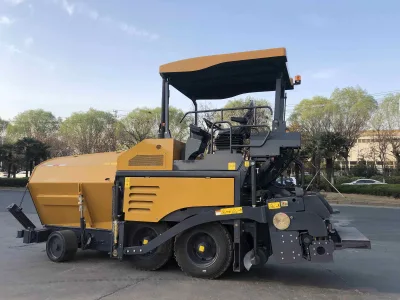
Hot Selling 9.5m Paving Width Paver SRP09-C5 SA Small Aspahlt Concrete Paver
$45800.00 - $50800.00
MOQ: 1 units
Evangel Industrial (Shanghai) Co., Ltd.
- Trading Company
- Lead time旺季: "1 - 1":31,"> 1":"To be negotiated", 淡季: "1 - 1":31,"> 1":"To be negotiated"
- Avg. response≤ 7h
Main productsConcrete Pumps, Bulldozers, Excavator, Loaders, Road Roller

Goldzim Engineering Equipment(Shandong)Co., Ltd.
- Verified by CTI
- Trading Company
- China Shandong
- Lead time30 days
- Avg. response≤ 3h
Main productsMining Truck; Wheel Loader; Bulldozer.
Main marketsEurope,Australia


China 12.5m Cement Concrete Asphalt Paver for Road Conditions RP1253
$178000.00 - $181200.00
MOQ: 1 Pieces

Shanghai Super-Above Industry Holdings Co., Ltd.
- Trading Company
- China Shanghai
- Lead time30 days
- Avg. response≤ 4h
Main productsHeavy Equipment, Diesel Generator Set, Mining Machinery, Construction Machinery
Main marketsOthers(foreignTradeCapacity.exportBusinessCapacityMarketOther),Southeast Asia/ Mideast,Europe,North America

Asphalt Concrete Paver 8 M Road Construction Paver with Good Price
$100000.00 - $120000.00
MOQ: 1 Pieces


Evangel Industrial (Shanghai) Co., Ltd.
- Verified by Intertek
- Trading Company
- Lead time7 days
- Avg. response≤ 4h
Main productsConstruction Machinery
Main marketsAfrica(38%), South America(27%), Mid East(12%)
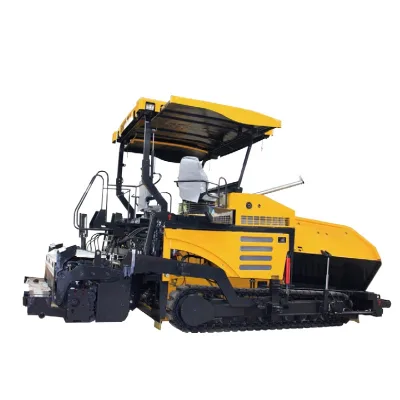
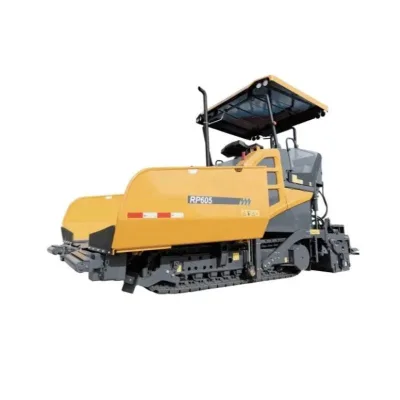
Cheap 7.5 Concrete Pavers/concrete slip Form Paver RP753
$135000.00 - $146000.00

Wuhan Kudat Industry & Trade Co., Ltd.
- Verified by BV
- Trading Company,Manufacturer/Factory
- China Hubei
- Lead time23 days
- Avg. response≤ 8h
Main productsEngineering Machinery, Construction Machinery, Agriculture Machinery, Forklift, Excavator, Wheel Loader, Horizontal Directional Drilling Machine, Special Vehicles, Bulldozer, Dump Truck
Main marketsSouth America,Eastern Europe,Mid East,North America,Southeast Asia,Eastern Asia,Oceania,Western Europe,Africa
Evangel Industrial (Shanghai) Co., Ltd.
- Trading Company
- Lead time旺季: "1 - 1":15,"> 1":"To be negotiated", 淡季: "1 - 1":15,"> 1":"To be negotiated"
- Avg. response≤ 8h
Main productsConcrete Pumps, Bulldozers, Excavator, Loaders, Road Roller
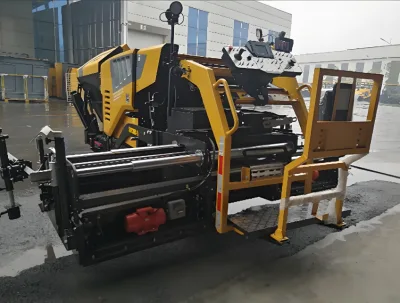
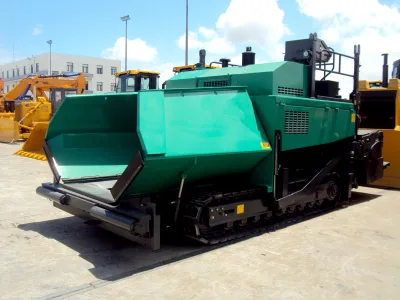
APZ60E 6 MeterWheeled Asphalt Concrete Paver Road Construction
$65340.6244 - $66167.721

Tewrex Industrial Machinery (Suzhou) Co., Ltd.
- Verified by SGS
- Trading Company,Manufacturer/Factory,Group Corporation
- China Jiangsu
- Lead time15 days
- Avg. response≤ 10h
Main productsTruck Trane, Crawler Crane, Motor Grader, Road Roller, Rotary Drilling Rig, Dump Truck, Loader, Excavator, Forklift
Main marketsSouth America,Eastern Europe,Mid East,North America,Southeast Asia,Eastern Asia,Oceania,Western Europe,Africa

Maxizm Construction Machinery (Qingdao) Co., Ltd.
- Verified by TUVRHEINLAND
- Trading Company
- China Shandong
- Lead time150 days
- Avg. response≤ 9h
Main productsWheel Loader, Bulldozer, Road Roller, Truck Crane, Motor Grader, Forklift, Excavator, Trucks, Concrete Machinery, Drilling Rig Machine
Main marketsSouth America,Eastern Europe,Mid East,North America,Southeast Asia,Eastern Asia,Oceania,Western Europe,Africa


RP603 Asphalt Concrete Paver with Maximum 6 M Paving Width for Sale
$52000.00 - $58000.00
MOQ: 1 Pieces


Shanghai Heyimai Machinery Equipment Co., Ltd.
- Verified by SGS
- Trading Company
- China Shanghai
- Lead time30 days
- Avg. response≤ 3h
Main productsWheel Loader, Excavator, Bulldozer, Forklift, Truck Crane, Paver, Road Roller, Skid Steer Loader, Motor Grader, Pump Truck
Main marketsSouth America,Africa

Cruking Engineering Equipment (Xiamen) Co., Ltd.
- Verified by TUVRHEINLAND
- Trading Company
- China Fujian
- Lead time30 days
- Avg. response≤ 8h
Main productsWheel Loader, Truck Crane, Forklift, Excavator, Road Roller, Bulldozer, Tower Crane, Motor Grader, Dump Truck, Rotary Drilling Rig
Main marketsSouth America,Others(foreignTradeCapacity.exportBusinessCapacityMarketOther),North America
Zhengzhou Emoda Machinery Equipment Co., Ltd.
- Trading Company
- Henan, China
- Lead time10 days
- Avg. response≤ 5h
Main productsroad roller,plate compactor,power trowel,rebar cutter/bender,tamping rammer
Main marketsEastern Asia(40.00%), Mid East(40.00%), Domestic Market(9.00%), Africa(5.00%), Eastern Europe(1.00%), Southern Europe(1.00%), Northern Europe(1.00%)

Acntruck Vehicle & Machinery (Shanghai) Co., Ltd.
- Verified by TUVRHEINLAND
- Trading Company
- China Shanghai
- Lead time30 days
- Avg. response≤ 10h
Main productsCranes, Excavators, Loaders, Bulldozers, Road Rollers, Motor Graders, Asphalt Concrete Pavers, Dump Trucks, Concrete Mixers, Mining Trucks
Main marketsSouth America,Africa,Europe


Superior Quality RP953 10.5m Maximum Pave Width Asphalt Concrete Paver in South Africa
$41100.00
MOQ: 1 Pieces


Sinomada Heavy Industry (Changsha) Co., Ltd.
- Verified by BV
- Trading Company
- China Hunan
- Lead time45 days
- Avg. response≤ 10h
Main productsTruck Crane, Excavator, Wheel Loader, Road Roller, Motor Grader, Rotary Drilling Rig, Forklift, Bulldozer, Concrete Pump, Crawler Crane
Main marketsSouth America,Eastern Europe,Mid East,North America,Southeast Asia,Eastern Asia,Oceania,Western Europe,Africa

Hot Sale Asphalt Concrete Road Asphalt Paver RP405 with Paving Width 4.5m
$56000.00 - $65000.00
MOQ: 1 Pieces

Asphalt Concrete Paver RP953 with 9.5m Width for Road Construction
$46000.00 - $52000.00
MOQ: 1 Pieces
Liebty Machinery Technology (Hangzhou) Co., Ltd.
- Trading Company
- Lead time旺季: "1 - 1":31,"> 1":"To be negotiated", 淡季: "1 - 1":31,"> 1":"To be negotiated"
- Avg. response≤ 2h
Main productsMotor Grader, Wheel Loader, Road Roller, Bulldozer, Truck Crane
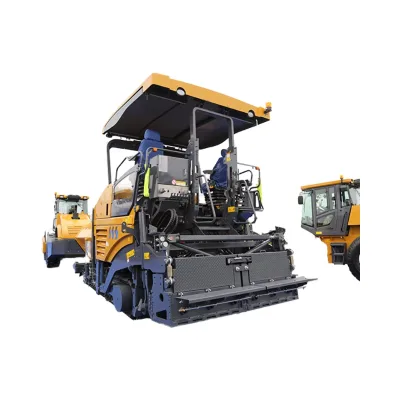
$60000.00 - $64000.00
MOQ: 1 units
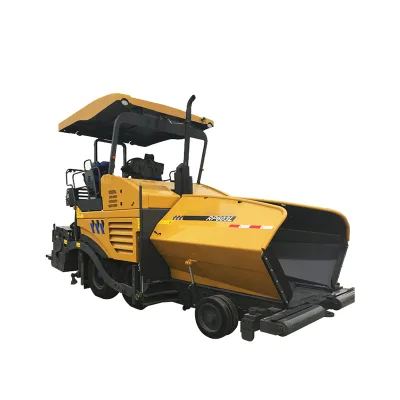
$90293.4138 - $92345.5368
MOQ: 1 sets
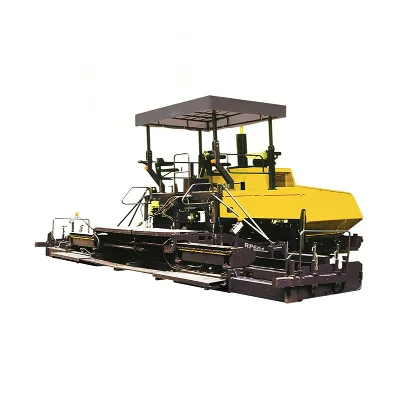
Asphalt Concrete Road Paver RP603 With Best Price Sale of Famous Chinese Factory
$88000.00 - $90000.00
MOQ: 1 sets

Skymard Construction Machinery (Hunan) Co., Ltd.
- Verified by BV
- Trading Company
- China Hunan
- Lead time45 days
- Avg. response≤ 4h
Main productsTruck Crane Excavator Wheel Loader Road Roller, Bulldozer Concrete Pump Crawler Crane
Main marketsEurope


High Efficiency Asphalt Concrete Paver RP753 with Good Quality for Sale
$245000.00 - $255000.00
MOQ: 1 units




Comprehensive Sourcing Guide
Tire Travel Asphalt Concrete Pavers Supplier Concentration and Factory Types
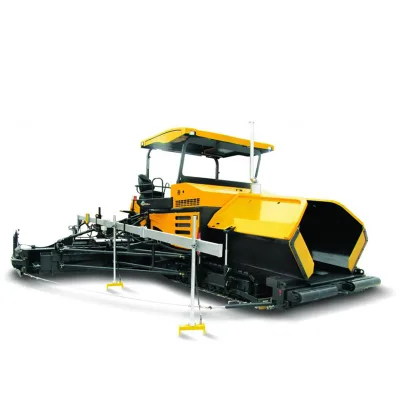
The current supplier landscape for Tire Travel Asphalt Concrete Pavers reveals a distinct concentration of manufacturing and trading entities within specific industrial regions in China. Data indicates that a significant portion of these suppliers are located in Shanghai, while product origins frequently cite Jiangsu and Xuzhou as key production hubs. This geographic clustering suggests established supply chains for heavy construction machinery, where proximity to ports and industrial zones facilitates efficient logistics. Buyers should recognize that while the physical location of the factory might be in Jiangsu, the commercial entity managing the transaction may be registered in Shanghai, which is common for trading companies that aggregate products from various local manufacturers. Understanding this distinction is crucial for verifying the actual source of the machinery and ensuring that the supplier has direct access to the production line rather than acting as an intermediary with limited technical oversight.
In terms of company structure, the majority of the observed suppliers operate as trading companies rather than direct manufacturers. This model allows for a broader catalog of equipment, including truck cranes, wheel loaders, and road rollers, alongside the primary focus on asphalt pavers. For buyers seeking Tire Travel Asphalt Concrete Pavers, this means that the supplier’s expertise may span multiple categories of construction equipment, potentially offering bundled procurement opportunities. However, it also necessitates a deeper verification process to ensure that the trading company has robust quality control measures in place. The presence of BV verification on some profiles adds a layer of credibility, indicating that an independent third party has audited the company’s business legitimacy. Buyers must assess whether the trading company’s breadth of products dilutes their specialization in pavers or if it provides a more comprehensive service offering for large-scale infrastructure projects.
How to Verify Tire Travel Asphalt Concrete Pavers Suppliers
Verifying the legitimacy and capability of suppliers requires a multi-layered approach that goes beyond basic profile checks. The first step is to confirm the verification status provided by recognized agencies, such as Bureau Veritas (BV), which serves as a baseline for business authenticity. However, buyers should not rely solely on this badge; it is essential to cross-reference the supplier’s claimed location with their actual factory address. For instance, if a supplier lists Shanghai as their location but the product origin is Jiangsu, buyers should inquire about the relationship between the two entities. Additionally, checking the response time can offer insights into the supplier’s operational efficiency. A response time of around 11.47 hours or lower, such as 2.15 hours for some entities, indicates a more responsive sales team, which is critical for negotiating technical specifications and resolving post-sale issues.
Beyond verification badges and response metrics, buyers must scrutinize the technical documentation provided for the Tire Travel Asphalt Concrete Pavers. The presence of CE certification is a common standard among the observed suppliers, but it is vital to ensure that the certification is valid and specific to the model being purchased. Some suppliers also list ISO9001: Condition:New, which suggests adherence to quality management systems, but buyers should request copies of these certificates to verify their authenticity. Furthermore, examining the product attributes, such as the mixing method (continuous drum vs. intermittent compulsory) and automatic grade, helps determine if the supplier’s offerings align with the buyer’s specific project requirements. Buyers should also verify the supplier’s ability to provide customization, as indicated by the "Available" status in many product listings, which can be a key differentiator for specialized construction needs.
What to Compare Across Tire Travel Asphalt Concrete Pavers Suppliers
When evaluating multiple suppliers, buyers should focus on comparing key operational metrics such as lead time, minimum order quantity (MOQ), and pricing structures. The observed data shows a lead time of 15 days for some suppliers, while others indicate a 30-day lead time, which can significantly impact project scheduling. It is important to clarify whether these lead times refer to production time only or include shipping and customs clearance. Additionally, the MOQ for these pavers is often listed as 1 unit, which offers flexibility for smaller projects but may result in higher per-unit costs compared to bulk orders. Buyers should also compare the price ranges, which vary from approximately $20,000 to nearly $100,000 depending on the model and specifications. For example, the RP601 model is listed at $20,000, while larger models like the RP802 are priced around $50,000, and other variants can exceed $96,000.
Another critical aspect of comparison is the technical specification of the pavers, including paving width, capacity, and power. Suppliers offer models with paving widths ranging from 4.2 meters to 8 meters, with product capacities varying from 40 to over 400 tons per hour. Buyers should match these specifications to their project’s scale and material requirements. The operating weight and power output are also important factors; for instance, some pavers have an operating weight of 12 tons with 75kw power, while heavier models may weigh up to 23.5 tons with 118kw diesel engine power. Comparing these technical details alongside the supplier’s response time and verification status helps buyers identify the most suitable partner. Additionally, buyers should inquire about the packing method, whether it is a standard package, nude package, or suitable for ocean shipment, as this affects transportation costs and risk of damage during transit.
Common Tire Travel Asphalt Concrete Pavers Sourcing Risks
One of the primary risks in sourcing Tire Travel Asphalt Concrete Pavers is the potential mismatch between advertised specifications and actual product performance. Suppliers may list generic attributes that do not fully reflect the capabilities of the specific model being shipped. For example, while a supplier might claim a product capacity of 40-400t/h, the actual performance could vary based on material density and operator skill. Buyers should request detailed test reports or video demonstrations of the paver in operation to verify these claims. Additionally, the risk of receiving equipment with inadequate after-sales support is significant, especially when dealing with trading companies that may not have direct technical expertise. Buyers should ensure that the supplier provides comprehensive manuals, spare parts lists, and access to technical support to mitigate operational downtime.
Another risk is the variability in quality control standards across different suppliers. While some suppliers display CE and ISO certifications, the consistency of these standards across their entire product line is not guaranteed. Buyers should be cautious of suppliers who offer a wide range of products, from pavers to excavators, as their expertise in paver-specific technology may be diluted. Furthermore, the risk of logistical delays is heightened when suppliers do not provide clear information about shipping terms. The observed packing methods, such as nude packages or standard shipments, may not always include adequate protection for sensitive components. Buyers should verify the supplier’s experience in international shipping and their ability to handle customs documentation to avoid unexpected delays or additional costs. Understanding these risks allows buyers to implement stricter due diligence and contractual safeguards.
Tire Travel Asphalt Concrete Pavers Regional Sourcing and Logistics
Sourcing Tire Travel Asphalt Concrete Pavers from China involves navigating complex logistical considerations, particularly given the concentration of suppliers in Shanghai, Jiangsu, and Xuzhou. These regions are well-connected to major ports, facilitating efficient export processes. However, buyers must account for the distance between the factory and the port, which can impact lead times and transportation costs. For suppliers located in Xuzhou, the proximity to inland waterways and rail networks may offer alternative shipping routes, potentially reducing costs for certain destinations. Buyers should work with suppliers who have established relationships with freight forwarders to ensure that the machinery is packed securely and shipped via the most cost-effective route. The observed lead times of 15 to 30 days should be interpreted in the context of the chosen shipping method, whether it is by sea or air.
Logistics also involve managing the dimensions and weight of the pavers, which can affect container loading and handling. For instance, a paver with dimensions of 623030003855mm requires careful planning to fit within standard container sizes or to be shipped as break-bulk cargo. Buyers should verify the supplier’s ability to provide accurate packing lists and weight declarations to avoid surprises at the destination port. Additionally, the risk of damage during transit can be minimized by ensuring that the supplier uses appropriate packaging materials and securing the machinery properly. Buyers should also consider the impact of regional trade policies and tariffs on the final cost of the pavers. Understanding the logistical landscape allows buyers to plan their procurement strategy more effectively and avoid unexpected delays or expenses.
Tire Travel Asphalt Concrete Pavers Commercial Terms and Order Planning
Effective order planning for Tire Travel Asphalt Concrete Pavers requires a clear understanding of commercial terms, including payment methods, warranty policies, and delivery conditions. Buyers should negotiate terms that protect their interests, such as using escrow services for secure transactions, although the availability of such services varies among suppliers. The observed price points, ranging from $20,000 to over $96,000, should be evaluated in the context of the total cost of ownership, including shipping, insurance, and installation. Buyers should also clarify the warranty period and the scope of coverage, ensuring that the supplier provides adequate support for any defects or malfunctions. Additionally, buyers should inquire about the availability of spare parts and the lead time for their delivery, as this can impact the long-term viability of the investment.
Order planning should also consider the customization options available, as many suppliers offer customization for specific project requirements. Buyers should provide detailed specifications early in the negotiation process to ensure that the supplier can accommodate these requests within the agreed lead time. The observed customization availability suggests that suppliers are flexible, but buyers should confirm the additional costs and time implications of any customizations. Furthermore, buyers should establish clear communication channels with the supplier to monitor the production progress and address any issues promptly. By carefully planning the commercial terms and order details, buyers can minimize risks and ensure a smooth procurement process for their Tire Travel Asphalt Concrete Pavers.
FAQs
What is the price range for asphalt concrete pavers?
Prices for asphalt concrete pavers typically range from $20,000 to $96,800 depending on specifications. Specific models like the RP601 start at $20,000, while larger units with 8m paving width are priced around $50,000. Higher capacity machines with 6m width can cost between $78,650 and $96,800. Buyers should verify exact pricing based on customization needs and shipping terms.
What certifications do these pavers hold?
Most asphalt concrete pavers listed carry CE certification, ensuring compliance with European safety standards. Some models also include ISO9001 certification for quality management systems. These certifications indicate that the machinery meets specific international standards for construction equipment. Buyers should confirm the exact certification documents provided by the supplier before finalizing any purchase agreement.
What is the typical lead time for delivery?
The typical lead time for these pavers is approximately 15 to 30 days. Some suppliers indicate a lead time of 15 days, while others may require up to 30 days for production and preparation. This timeframe allows for manufacturing, quality checks, and packaging. Buyers should confirm the exact delivery schedule with the supplier to align with their project timelines.
What is the minimum order quantity for pavers?
The minimum order quantity for asphalt concrete pavers is generally one unit. Suppliers typically allow buyers to purchase a single machine for testing or specific project needs. This low MOQ makes it accessible for smaller contractors or those requiring specialized equipment. Buyers should verify if bulk discounts are available for multiple unit orders.
Where are these pavers manufactured?
These pavers are primarily manufactured in China, with specific origins noted in Jiangsu and Xuzhou regions. Some suppliers are located in Shanghai, indicating a concentration of trading companies and manufacturers in this area. The origin affects shipping logistics and potential tariffs. Buyers should verify the exact manufacturing location to assess supply chain reliability and shipping costs.
What is the response time for supplier inquiries?
Supplier response times vary, with some responding within 2.15 hours and others taking up to 11.47 hours. Faster response times indicate higher availability and potentially better customer service. Buyers should prioritize suppliers with quicker response times for urgent project needs. This metric helps in selecting reliable partners for timely communication and support.