Asphalt Junction Box Suppliers and Manufacturers
Source 30 verified suppliers for Asphalt Junction Box components. Compare key dimensions including origin locations in Anhui and Zhejiang, response times, lead times, and ISO certifications. Review product specifications and pricing to identify suitable partners for your procurement needs; review the available evidence before requesting comparable quotations from suitable candidates.
Updated
Suppliers List
Maanshan Aotian Machinery Technology Co., Ltd.
- Manufacturer, Trading Company
- Anhui, China
- Lead time20 days
- Avg. response≤ 1h
Main productsroad milling bits,road milling picks,Foundation Drilling teeth,coal mining teeth,road milling teeth
Main marketsDomestic Market(60.00%), Eastern Europe(10.00%), Eastern Asia(10.00%), Africa(10.00%), Southeast Asia(10.00%)
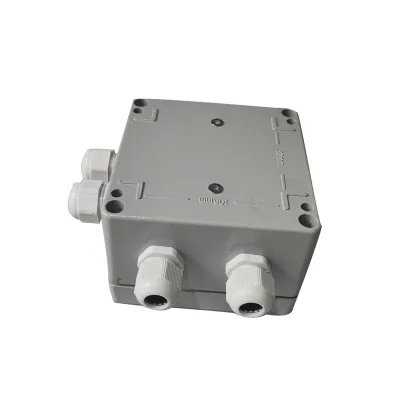
High Quality Junction Box for Asphalt Paver Spare Parts
$40.00 - $51.00
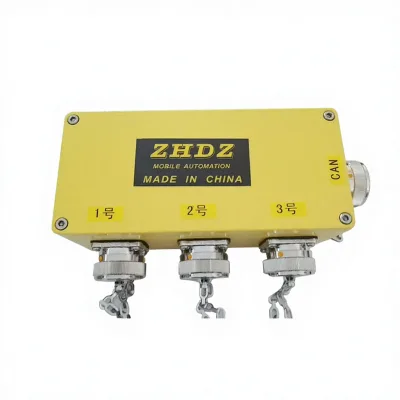
Leveling System Big Ski Junction Box for Dynapac Asphalt Paver
$100.00 - $128.00
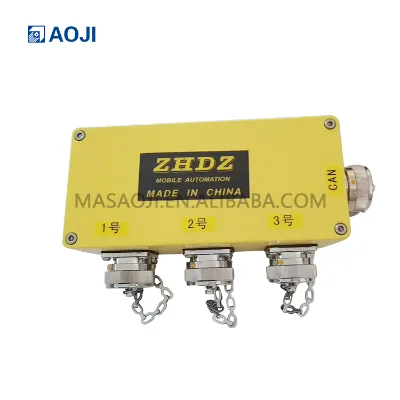
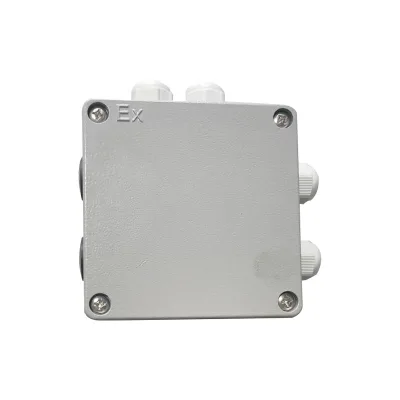
Waterproof Junction Box 2935220 for Construction Machinery
$40.00 - $51.00

Maanshan Aotian Machinery Technology Co., Ltd.
- Verified by BV
- Combined
- China Anhui
- Lead time30 days
- Avg. response≤ 3h
Main productsRoad Milling Bits, Tool Holder, Track Pads, Paver Auger Blade, Trencher Teeth, Coal Mining Pick, Stump Grinder Teeth, Cold Milling Machine Spare Parts
Main marketsDomestic

Yuyao Tongyong Meter Co., Ltd.
- Combined
- China Zhejiang
- Lead time30 days
- Avg. response≤ 5h
Main productsLoad Cell, Weighing Indicator, Weight Load Cell, Weight Sensor, Load Cell Sensor, Sensor, Digital Load Cell, Strain Gage Load Cell, Digital Crane Scales, Alloy Steel Load Cell
Main marketsSouth America,Africa,Southeast Asia/ Mideast,East Asia(Japan/ South Korea),Domestic,Europe,Australia,North America

Huainan Wantai Electric Co., Ltd.
- Combined
- China Anhui
- Lead time30 days
- Avg. response≤ 6h
Main productsMine Soft Starter, Mine Feeder Switch, Miner's Lamp, Automation Control System, Electric Control Device, Switch Cabinet, Distribution Device, Frequency Converter, Integrated Protection Device, Combination Switch
Main marketsOthers(foreignTradeCapacity.exportBusinessCapacityMarketOther),Southeast Asia/ Mideast

Shanghai Jiangong Building Materials Co., Ltd
- Manufacturer/Factory
- China Shanghai
- Lead time0 days
- Avg. response≤ 11h
Main productsCable Tray, Jdg Pipe


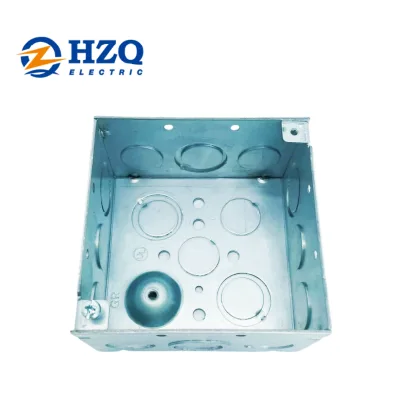
Construction Hardware Steel Junction Box for Electrical Circuit Protection
$1.50 - $1.70
MOQ: 1 Pieces

- Verified by CTI
- Combined
- China Jiangsu
- Lead time45 days
- Avg. response≤ 7h
Main productsElectrical Metal Conduits, Stainless Steel Conduits, Aluminium Conduits, Pipeconduits, Electrical Conduit Fitting, Junction Box, C Channel, Flexible Conduit, Power Bridge System
Main marketsSouth America,Southeast Asia/ Mideast,Domestic,North America
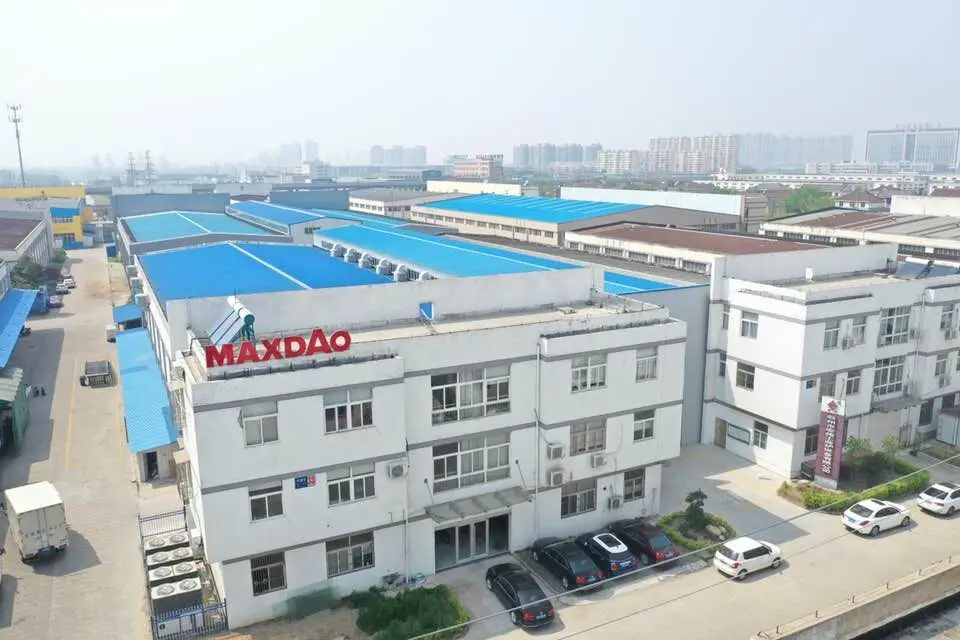
Jiangsu Maxdao Technology Limited
- Manufacturer, Trading Company
- Jiangsu, China
- Lead time7 days
- Avg. response≤ 8h
Main productsFeeder Clamp, Grounding Kit, Cable Grip, Copper Lug, Junction Box
Main marketsNorth America(50.00%), Western Europe(10.00%), Mid East(8.00%), Eastern Europe(6.00%), South America(5.00%), Central America(5.00%), Domestic Market(5.00%), Southeast Asia(4.00%), Oceania(2.00%), South Asia(1.00%), Eastern Asia(1.00%), Southern Europe(1.00%), Northern Europe(1.00%), Africa(1.00%)
Jiaxing Anita Electrical Co., Ltd.
- Verified by Intertek
- Manufacturer, Trading Company
- Lead time30 days
- Avg. response≤ 1h
Main productsElectrical Fittings, Electrical Metal Box, Electrical PVC Fittings
Main marketsNorth America(90%), South America(5%), Mid East(5%)
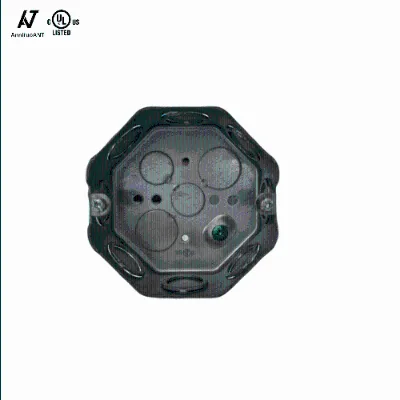
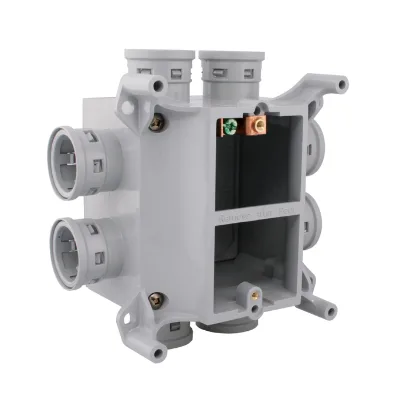
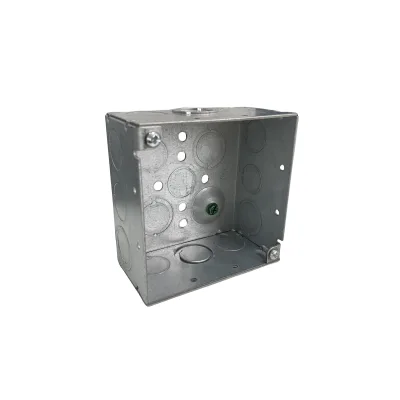
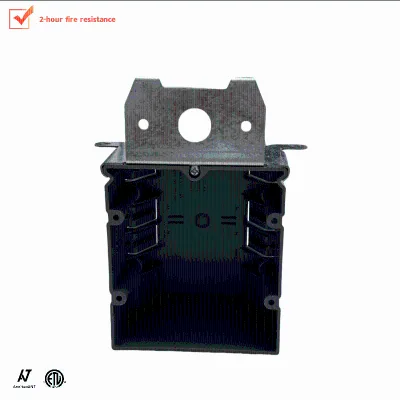
$0.54 - $0.56
MOQ: 3000 Minimum

Zhejiang Axwill Electrical Co., Ltd.
- Combined
- China Zhejiang
- Lead time30 days
- Avg. response≤ 12h
Main productsemt conduit
Main marketsNorth America


Durable Build Anti-Corrosion Long-Lasting Steel Junction Box for Construction Sites
$0.336
MOQ: 300 Pieces
Guangzhou Diwei Electronics Co., Ltd.
- Verified by TüVRheinland
- Manufacturer, Trading Company
- Lead time7 days
- Avg. response≤ 3h
Main productsM12 Circular Waterproof Connector Cable, M8 Waterproof Connector Cable, Military Connector, Push Pull Connector, USB RJ45 Waterproof Connector
Main marketsNorth America(30%), Eastern Europe(20%), Southeast Asia(20%)
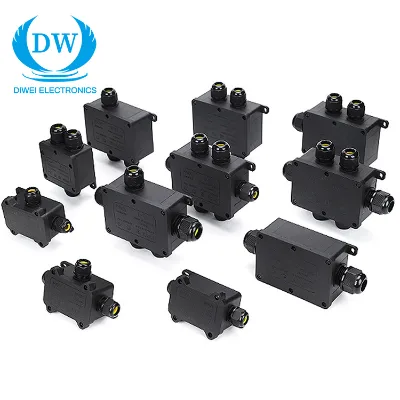
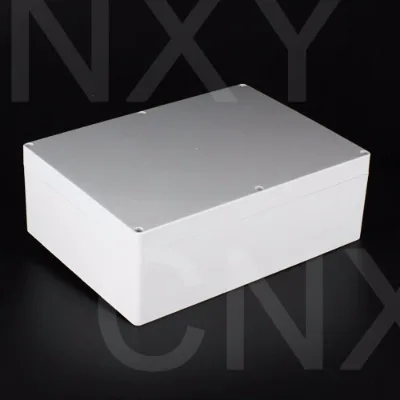
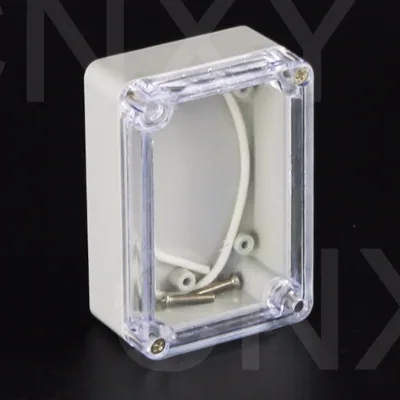
IP67 Waterproof ABS Electronic Enclosure Flame Retardant Outdoor Power Junction Box
$1.7428 - $1.9478
MOQ: 1 Minimum
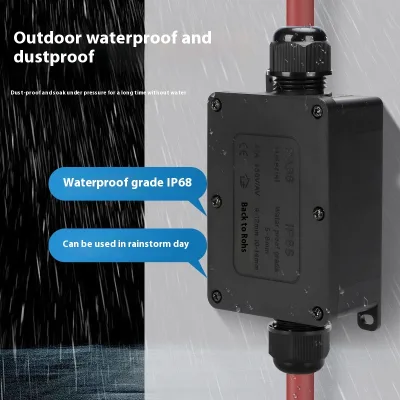
Ningbo Hseng Electrical Co., Ltd.
- Verified by TüVRheinland
- Trading Company
- Lead time25 days
- Avg. response≤ 6h
Main productsSwitch & Socket
Main marketsOceania(52%), Southeast Asia(20%), Mid East(10%)

Wenzhou Sinoamigo Electric Co.,Ltd
- Verified by BV
- Manufacturer/Factory
- China Zhejiang
- Lead time23 days
- Avg. response≤ 1h
Main productsFloor Boxes, Floor Sockets, Receptacles, Desk Sockets, Wall Switches, Sockets, Wiring Solution, Outlet Boxes, Outlets, Electrical Outlet
Main marketsSouth America,Mid East,North America,Eastern Asia,Africa

Guangdong Ctube Industry Co., Ltd.
- Verified by BV
- Combined
- China Guangdong
- Lead time30 days
- Avg. response≤ 5h
Main productsPVC Conduit, PVC Conduit Fittings, Rigid Conduit, Flexible Conduit, LSZH Conduit, Junction Box, Adapatable Box, Electrical Flexible Hose, Solar Conduit, Electrical Conduit
Main marketsDomestic
Foshan Shunde Baifuli Industrial Co., Ltd.
- Manufacturer, Trading Company
- Guangdong, China
- Lead time5 days
- Avg. response≤ 8h
Main productsSwitch Box, Distribution Box, Lamp Holder, Flexible Pipe, Junction Box
Main marketsDomestic Market(40.00%), Southeast Asia(40.00%), Eastern Europe(20.00%)
Yueqing Liangkai Electrical Equipment Co., Ltd.
- Verified by SGS Group
- Manufacturer, Trading Company
- Lead time30 days
- Avg. response≤ 2h
Main productsSwitchgear Assembly, Ring Main Unit (RMU), PV Combiner Box / Solar Array Combiner Box, Wiring Terminal, Crimp Terminal
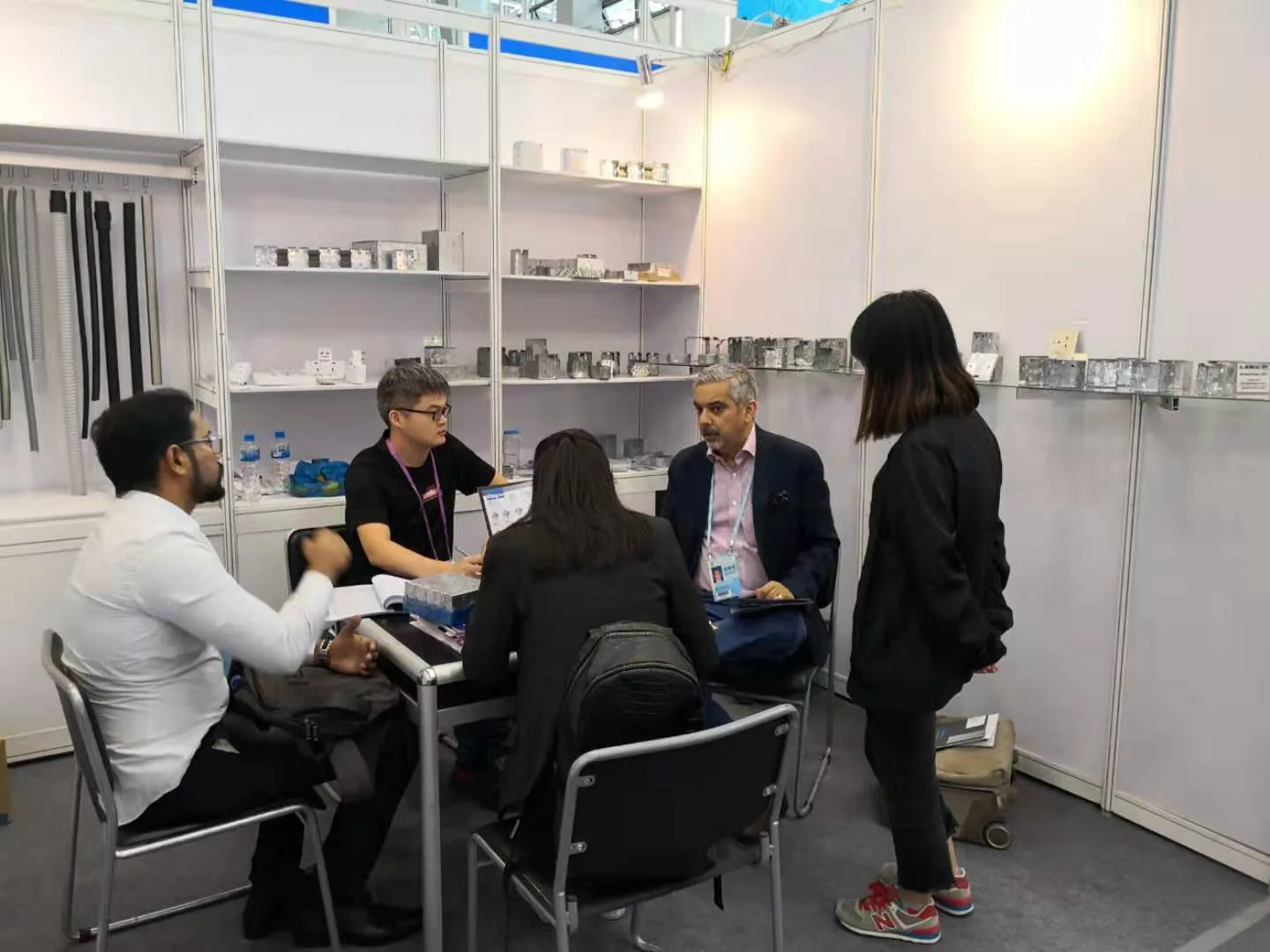
Jiaxing Xingshun Industrial Co., Ltd.
- Manufacturer, Trading Company
- Zhejiang, China
- Lead time30 days
- Avg. response≤ 8h
Main productsJunction Box; G.I Back Box; Electrical Fittings
Main marketsDomestic Market(40.00%), Central America(20.00%), Mid East(15.00%), South America(14.00%), Africa(5.00%), North America(2.00%), South Asia(1.00%), Southern Europe(1.00%), Eastern Asia(1.00%), Southeast Asia(1.00%)

Hebei Shentong Plastic Co., Ltd.
- Verified by TUVRHEINLAND
- Combined
- China Hebei
- Lead time15 days
- Avg. response≤ 4h
Main productsPVC Pipe, PPR Pipe, PPR Fitting, HDPE Pipe, HDPE Fitting, PVC Fitting, Plastic Welding Machine, HDPE Corrugated Pipe, Plastic Cutter, Plastic Pipe
Main marketsDomestic

Hangzhou Times Import and Export Co., Ltd.
- Manufacturer/Factory
- China Zhejiang
- Lead time0 days
- Avg. response≤ 22h
Main productsEMT, IMC, Steel Conduit, Socket Sets, Cable Tray, Accessories, Wrench, Conduit Box
Zhejiang Dixsen Electrical Co., Ltd.
- Verified by Intertek
- Manufacturer, Trading Company
- Lead time15 days
- Avg. response≤ 7h
Main productsContactor, Fuse, Panel Meter, Breaker, Current Transformer
Main marketsEastern Europe(35%), Western Europe(15%), Southeast Asia(10%)

Hangzhou Topele Import And Export Co., Ltd.
- Trading Company,Manufacturer/Factory
- China Zhejiang
- Lead time30 days
- Avg. response≤ 4h
Main productsBS4568 Gi Conduit and Fittings, EMT Conduit and Fittings, Aluminum Conduit and Fittngs, IEC61386 Conduit and Fittings for Chile Market, IMC/Rigid Conduit and Fittings, Flexible Conduit and Fittings, Strut Channel and Fittings, Conduit Bender, Weatherproof Boxes and Conduit Body, Cable Tray and Trunking
Main marketsSouth America,Mid East,North America,Southeast Asia,Eastern Asia


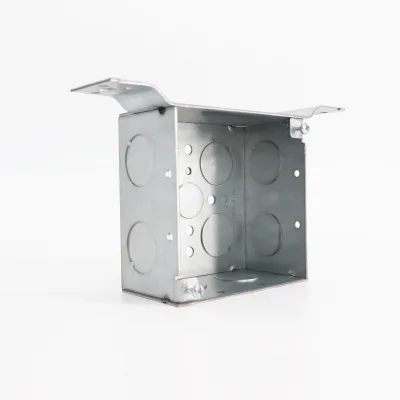
Professional Malleable Steel 2 Way Junction Box for Conduit Installation Projects
$0.05 - $2.00
MOQ: 1000 Pieces
- Verified by SGS Group
- Manufacturer, Trading Company
- Lead time0 days
- Avg. response≤ 2h
Main productsCABLE GLAND, QUICK CONNECTOR, WATERPROOF BOX, AVAITION CONNECTOR, SWITCH
Main marketsDomestic Market(30%), Western Europe(20%), Eastern Asia(15%)
Yueqing Feide Electric Co., Ltd.
- Manufacturer, Trading Company
- Zhejiang, China
- Lead time3 days
- Avg. response≤ 1h
Main productsWaterproof junction box,Connector,Distribution box,Waterproof connector,Waterproof socket
Main marketsEastern Europe(40.00%), Western Europe(20.00%), Southeast Asia(17.00%), Southern Europe(10.00%), South America(2.00%), North America(2.00%), Eastern Asia(2.00%), Domestic Market(1.00%), Mid East(1.00%), Oceania(1.00%), Africa(1.00%), South Asia(1.00%), Northern Europe(1.00%), Central America(1.00%)
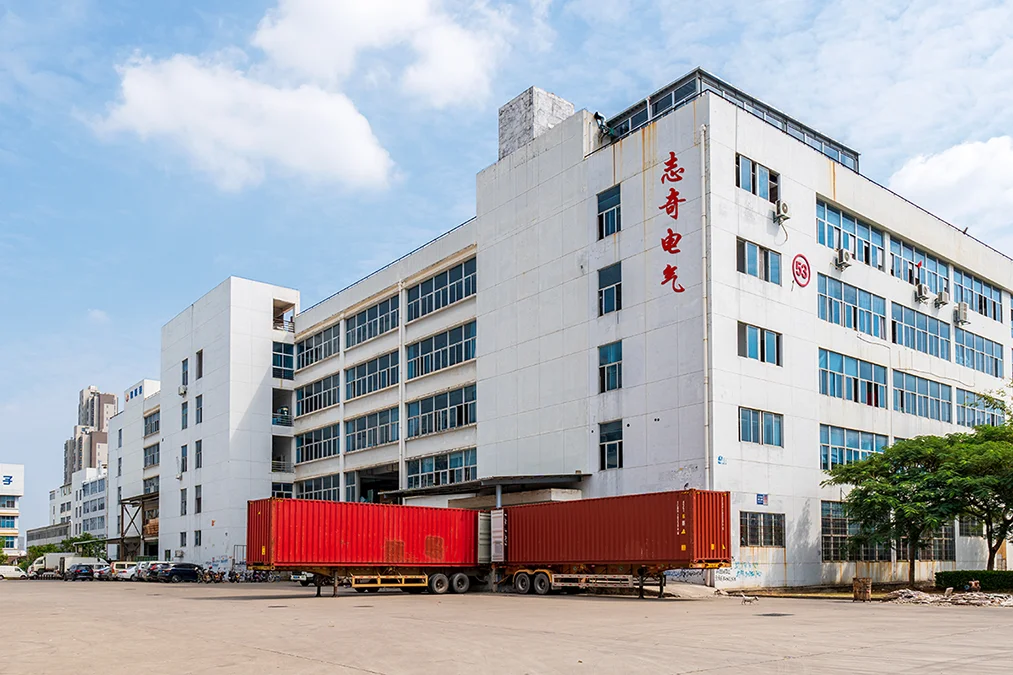
Hangzhou Zhiqi Electrical Co., Ltd.
- Trading Company
- Zhejiang, China
- Lead time30 days
- Avg. response≤ 6h
Main productsElectrical boxes,electrical fittings,J Hooks,Bridle Ring,Beam Clamps
Main marketsSouth America(30.00%), North America(30.00%), Eastern Asia(10.00%), Oceania(10.00%), Southeast Asia(10.00%), Eastern Europe(10.00%)

Foshan Shunningye Electrical Equipment Co., Ltd
- Verified by CTI
- Combined
- China Guangdong
- Lead time30 days
- Avg. response≤ 5h
Main productsDistribution Box, Power Distribution Cabinet, Stainless Steel Electrical Enclosure, Plastic Distribution Box, Circut Breaker Box, PVC Truncking
Main marketsDomestic,Europe
Yueqing Xingyang Electron Co., Ltd.
- Manufacturer
- Zhejiang, China
- Lead time10 days
- Avg. response≤ 3h
Main productswaterproof box,Meter,Solar product,Distribution Box,terminal block
Main marketsWestern Europe(15.00%), North America(15.00%), Oceania(12.00%), South America(10.00%), Northern Europe(10.00%), Southeast Asia(10.00%), Eastern Europe(8.00%), Southern Europe(7.00%), Eastern Asia(5.00%), Mid East(3.00%), South Asia(3.00%), Africa(2.00%)

SHENZHEN OMK ELECTRONICS CO., LTD.
- Verified by TUVRHEINLAND
- Combined
- China Guangdong
- Lead time15 days
- Avg. response≤ 3h
Main productsABS Plastic Electronic Enclosure, Aluminum Metal Junction Box, DIN Rail Clip Case for Electronics, Tool Case, Die-Cast/Extruded Aluminum Molds, Hardware Stamping Molds, Terminal Blocks, Injection Mold, CNC Machined Parts, Waterproof Junction Box
Main marketsSoutheast Asia/ Mideast,East Asia(Japan/ South Korea),Europe,North America

Yixin (Shanghai) Industrial Automation Equipment Co., Ltd
- Verified by SGS
- Combined
- China Shanghai
- Lead time15 days
- Avg. response≤ 3h
Main productsCantilever Operation Box, Electrical Cabinet
Main marketsDomestic

YUEQING GUANGTAI IMPORT & EXPORT CO., LTD.
- Verified by CTI
- Trading Company,Manufacturer/Factory
- China Zhejiang
- Lead time23 days
- Avg. response≤ 8h
Main productsDistribution Board, Meter Socket, Load Center, Electrical Accessories, Tools, Hardware
Main marketsSouth America,Eastern Europe,Mid East,North America,Southeast Asia,Eastern Asia,Oceania,Western Europe,Africa
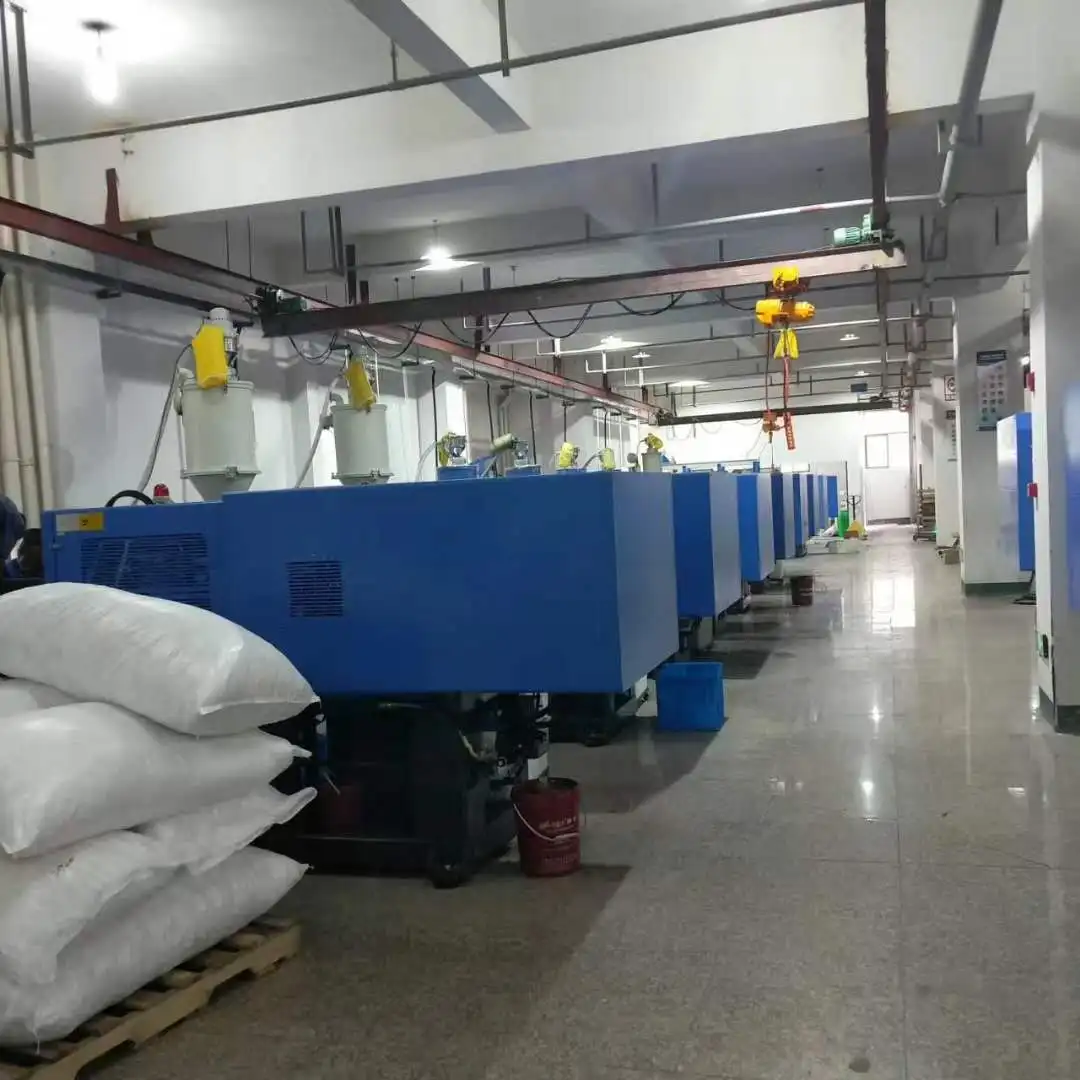
Zhejiang Yaonan Electric Co., Ltd.
- Trading Company
- Zhejiang, China
- Lead time15 days
- Avg. response≤ 5h
Main productsCable Ties,Cable Clips,Electrical Accessories,Wiring Accessories,Mechanical Parts
Main marketsDomestic Market(7.14%), South Asia(7.14%), Southern Europe(7.14%), Northern Europe(7.14%), Central America(7.14%), Western Europe(7.14%), Eastern Asia(7.14%), Mid East(7.14%), Oceania(7.14%), Africa(7.14%), Southeast Asia(7.14%), Eastern Europe(7.14%), South America(7.14%), North America(7.14%)

Jiaxing Xianghong Hardware Co., Ltd.
- Manufacturer
- Zhejiang, China
- Lead time30 days
- Avg. response≤ 9h
Main productsMetal Junction Box,Metal Cover Plate,Outlet Box,Switch Box,Receptacle
Main marketsNorth America(30.00%), Central America(20.00%), South America(20.00%), Mid East(5.00%)










Comprehensive Sourcing Guide
Asphalt Junction Box Supplier Concentration and Factory Types
The current supplier landscape for asphalt junction boxes reveals a distinct geographic concentration in Anhui, China, where manufacturers and trading companies operate in close proximity. This region appears to be a primary hub for producing specialized construction machinery parts, including road milling bits and paver spare components. Suppliers located here often list their main products to include a broad range of heavy equipment accessories, suggesting that junction boxes are part of a larger ecosystem of compatible parts for asphalt pavers. The presence of both manufacturers and trading companies in this cluster indicates a mature supply chain where direct factory sourcing is possible, though intermediaries also play a significant role in distribution. Buyers should note that while Anhui is a confirmed location for many results, other regions like Zhejiang also host suppliers, particularly those focusing on electrical components and sensors. Understanding this geographic distribution helps in assessing the logistical feasibility and the type of entity one is dealing with, whether it is a direct producer of heavy machinery parts or a specialized electrical component manufacturer.
Factory types vary significantly across the available results, ranging from pure manufacturers to combined entities that handle both production and trading. Some suppliers in Anhui are identified as manufacturers with specific capabilities in OEM and ODM services, indicating they can customize junction boxes for specific paver models. Others are listed as trading companies or combined firms, which may offer a wider variety of brands but might have different lead times and quality control processes. The distinction is crucial because manufacturers often provide more direct technical support and customization options, while trading companies might offer better flexibility in mixing orders. Additionally, some suppliers specialize in load cells and weighing indicators, suggesting that their junction boxes may be tailored for precision weighing systems rather than just general electrical connections. Buyers must carefully review the company type to ensure it aligns with their need for customization, volume, or specific technical specifications, as the factory type directly influences the service model and product availability.
How to Verify Asphalt Junction Box Suppliers
Verifying the authenticity and capability of Asphalt Junction Box suppliers requires a multi-layered approach that goes beyond simple product listings. One critical step is to check for third-party verification badges, such as BV verification, which indicates that a supplier has undergone a rigorous on-site inspection process. This verification adds a layer of trust regarding the supplier's business legitimacy and operational capacity. Additionally, buyers should look for system certifications like ISO9001:2015, which demonstrates a commitment to quality management systems. Some suppliers also hold ISO14001:2015 certificates, indicating environmental management compliance. These certifications are not just badges but evidence of standardized processes that should result in consistent product quality. Buyers should request copies of these certificates and verify their validity through the issuing bodies if possible. The presence of these certifications, especially when combined with verification badges, significantly reduces the risk of engaging with unreliable suppliers who may lack the necessary infrastructure for consistent production.
Another vital aspect of verification is examining the product evidence and technical documentation provided by the supplier. Suppliers should provide machinery test reports and video outgoing-inspection services, which offer tangible proof of product quality before shipment. For asphalt junction boxes, it is essential to verify the material composition, such as whether the box is made of metal or stainless steel, and to check the degree of protection, such as IP66 ratings, which are crucial for harsh construction environments. Buyers should also confirm the compatibility of the junction box with specific paver brands like Shantui, WIRTGEN, Sany, Volvo, Caterpillar, XCMG, Vogele, and Dynapac. Requesting detailed product attributes, including model numbers and part names, allows for precise matching with existing machinery. Furthermore, checking the warranty terms is important; some suppliers offer a one-year warranty, while others may not provide one, which affects long-term cost and risk. By rigorously checking these technical and certification details, buyers can ensure that the supplier is capable of delivering reliable and compatible products.
What to Compare Across Asphalt Junction Box Suppliers
When evaluating multiple suppliers for asphalt junction boxes, several key dimensions must be compared to determine the best fit for specific procurement needs. One of the most critical factors is the lead time, which can vary significantly between suppliers. For instance, some suppliers in Anhui may have a lead time of around 20 to 30 days, while others might offer faster delivery windows of 7 to 35 days depending on stock and production capacity. Buyers should also compare the minimum order quantity (MOQ), which can range from as low as one unit for trial orders to ten units or more for standard electrical components. Response time is another important metric, with some suppliers responding within a few hours, indicating a high level of customer service engagement. These operational metrics directly impact project timelines and inventory management, so aligning them with your production schedule is essential. Comparing these factors side-by-side helps in identifying suppliers who can meet urgent deadlines or accommodate small batch orders without compromising on service quality.
Price and product specifications are equally important comparison points. The price range for asphalt junction boxes can vary, with some models costing between $40 and $51, while more specialized units like leveling system junction boxes may range from $100 to $130. Buyers should compare not just the unit price but also the total cost of ownership, including shipping and potential customization fees. Product specifications such as weight, material, and compatibility with specific brands should be meticulously compared to ensure the right part is selected. For example, some junction boxes are designed for general electrical connections, while others are specifically for leveling systems or sensor connections. Additionally, the availability of customization options, such as OEM or ODM services, should be compared if unique specifications are required. Suppliers offering CE certification or other relevant standards may also command a premium but provide added assurance of compliance. By systematically comparing these attributes, buyers can make informed decisions that balance cost, quality, and operational requirements.
Common Asphalt Junction Box Sourcing Risks
Sourcing asphalt junction boxes from international suppliers carries inherent risks that buyers must proactively manage to avoid disruptions. One significant risk is the variability in product quality, especially when dealing with suppliers who do not provide comprehensive test reports or video inspections. Without these verification steps, there is a higher chance of receiving products that do not meet the required durability or electrical standards, leading to machine downtime and costly repairs. Another risk is the mismatch in compatibility, as junction boxes must precisely fit specific paver models and brands. If a supplier provides incorrect part numbers or fails to verify compatibility with brands like Dynapac or WIRTGEN, the purchased parts may be unusable. Buyers should mitigate this by requesting detailed compatibility lists and confirming model numbers before placing orders. Additionally, the lack of warranty coverage from some suppliers can leave buyers vulnerable to defects, making it crucial to prioritize suppliers who offer clear warranty terms, such as a one-year guarantee.
Logistical and communication risks are also prevalent in international sourcing. Delays in response times can hinder quick decision-making, especially when urgent replacements are needed for broken machinery. Suppliers with slower response rates may indicate less robust customer service infrastructure, which can be problematic during critical project phases. Furthermore, the risk of miscommunication regarding specifications, such as material type or protection ratings, can lead to receiving incorrect products. For instance, a junction box intended for indoor use may be shipped instead of one with an IP66 rating for outdoor construction sites. Buyers should establish clear communication channels and request written confirmations of all specifications. Additionally, the risk of supply chain disruptions, such as production delays or shipping issues, can impact project timelines. To mitigate these risks, buyers should diversify their supplier base and maintain open lines of communication to stay informed about any potential delays. By anticipating these risks and implementing strict verification protocols, buyers can ensure a smoother sourcing process.
Asphalt Junction Box Regional Sourcing and Logistics
The geographic location of suppliers plays a crucial role in determining logistics costs and delivery efficiency. Suppliers located in Anhui, China, are often positioned within major manufacturing clusters for construction machinery parts, which can streamline the supply chain for heavy equipment components. This concentration allows for easier coordination of raw materials and finished goods, potentially reducing lead times and costs. However, buyers must also consider the logistics of shipping from this region, including customs clearance and freight forwarding options. For suppliers in Zhejiang, such as those in Ningbo, the proximity to major ports may offer advantages in terms of shipping speed and cost for certain destinations. Buyers should evaluate the logistical implications of sourcing from different regions, considering factors like transit time, freight costs, and the reliability of local shipping partners. Understanding these regional dynamics helps in selecting suppliers that offer the best balance of cost and delivery speed for specific markets.
Logistics planning also involves considering the packaging and handling of junction boxes to prevent damage during transit. Suppliers often use plastic boxes or pallets for packaging, which should be sufficient for protecting the components. However, buyers should verify the packaging standards with their chosen supplier to ensure that the products arrive in good condition. Additionally, the weight and dimensions of the junction boxes, such as a 0.9KG unit or larger assemblies, should be factored into shipping calculations. Buyers should also be aware of any specific import regulations or standards in their destination country, such as CE certification requirements, which may affect customs clearance. By carefully planning the logistics and understanding the regional advantages of different supplier locations, buyers can optimize their supply chain and reduce the overall cost of sourcing asphalt junction boxes. This proactive approach ensures that the products are delivered efficiently and in compliance with all relevant regulations.
Asphalt Junction Box Commercial Terms and Order Planning
Effective order planning for asphalt junction boxes requires a clear understanding of commercial terms and payment structures. Buyers should negotiate terms that align with their cash flow and risk tolerance, such as using escrow services for secure transactions. Some suppliers may offer flexible payment terms for repeat customers or large orders, which can be beneficial for managing working capital. Additionally, buyers should clarify the Incoterms, such as FOB or CIF, to determine who is responsible for shipping and insurance costs. Understanding these commercial terms helps in accurately calculating the total landed cost of the products. Buyers should also consider the potential for future orders and negotiate volume discounts or preferential lead times for bulk purchases. By establishing clear commercial terms upfront, buyers can avoid unexpected costs and ensure a smooth transaction process. This clarity is essential for building a sustainable and reliable supply chain for critical construction machinery parts.
Order planning should also account for the lead times and production capacity of the suppliers. For instance, if a supplier has a lead time of 20 to 30 days, buyers should plan their orders well in advance to avoid stockouts. Additionally, buyers should consider the MOQ requirements, which can range from one unit to ten or more, depending on the supplier and product type. For urgent needs, buyers may need to pay a premium for faster production or air freight. It is also important to plan for potential variations in demand by maintaining a buffer stock of critical junction boxes. Buyers should regularly review their inventory levels and reorder points to ensure continuous operation of their asphalt pavers. By integrating commercial terms and logistical considerations into their order planning, buyers can optimize their procurement strategy and minimize disruptions. This strategic approach ensures that the right parts are available when needed, supporting efficient and uninterrupted construction operations.
FAQs
What is the price range for asphalt paver junction boxes?
Prices for asphalt paver junction boxes typically range from $40 to $130 per unit. The cost varies based on the specific model and compatibility with brands like Shantui, Wirtgen, or Dynapac. Buyers should check the exact specifications for their machinery to ensure accurate pricing and availability.
Where are asphalt junction boxes manufactured?
Most asphalt junction boxes are manufactured in Anhui, China. Some specialized electrical components may also originate from Zhejiang, China. Buyers should verify the place of origin on product listings to ensure the supplier meets their regional sourcing preferences and logistics requirements for efficient delivery.
What is the typical lead time for delivery?
Delivery times for asphalt junction boxes generally range from 7 to 35 days. Some suppliers offer a standard lead time of around 20 to 30 days. Buyers should confirm the exact delivery schedule with the supplier before placing an order to align with their project timelines.
Are junction boxes compatible with major paver brands?
Yes, many junction boxes are compatible with major brands such as Shantui, Wirtgen, Sany, Volvo, Caterpillar, XCMG, Vogele, and Dynapac. Buyers should verify the compatible brand list for each specific model to ensure proper fit and functionality with their existing asphalt paver equipment.
What certifications do these suppliers hold?
Suppliers often hold ISO9001:2015 and ISO14001:2015 certifications. Some products also carry CE certification. Buyers should request copies of these certificates to verify quality management systems and environmental standards, ensuring the supplier meets international manufacturing and safety requirements for construction machinery parts.
What is the minimum order quantity for these parts?
The minimum order quantity varies by supplier, with some accepting orders as low as one unit. Others may require a minimum of ten units. Buyers should check the specific MOQ for each product listing to determine the best option for their immediate replacement needs or bulk procurement.