Source NSF Food Container for Kitchen, Restaurant, and Home Storage
Compare 30 NSF Food Container options from verified Chinese suppliers. Buyers can evaluate capacities ranging from 1L to 102L, materials like PC and PP, and features such as being dishwasher safe and stackable for various storage needs; compare the available evidence and request quotations based on your requirements.
Updated
Key considerations
Products List
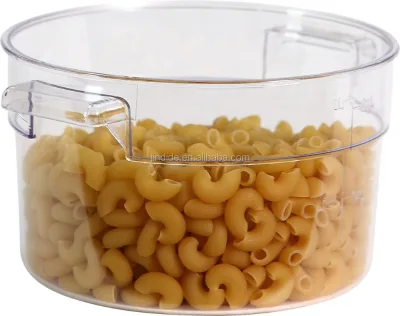
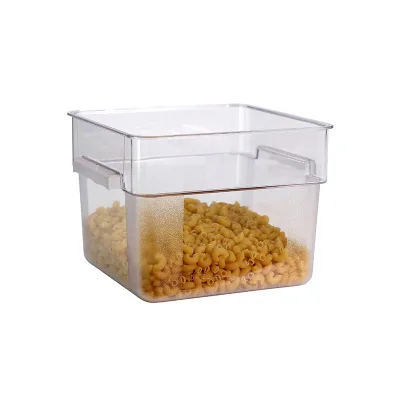
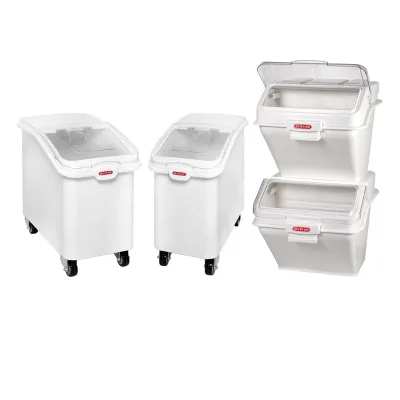
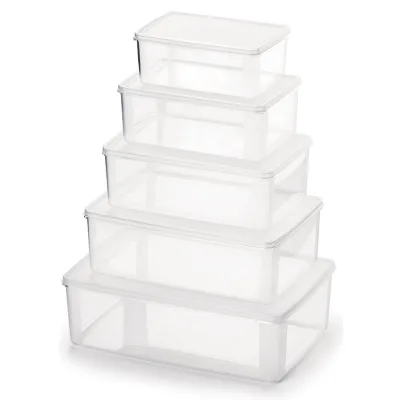
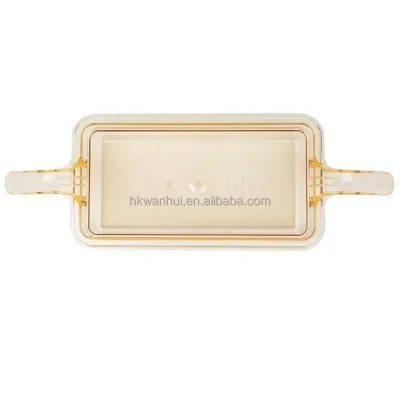
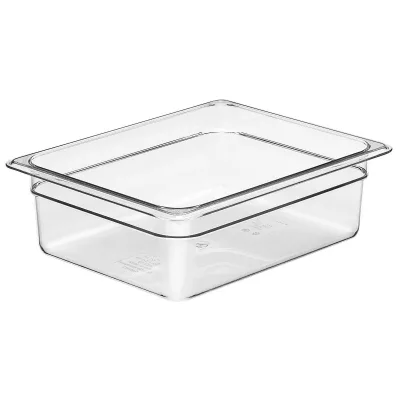
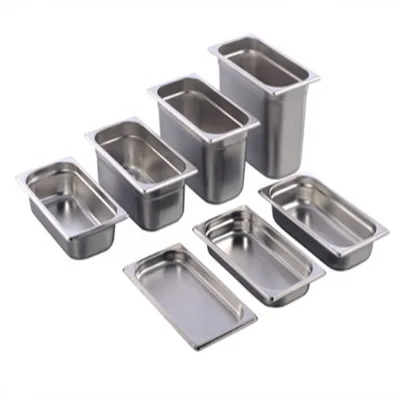
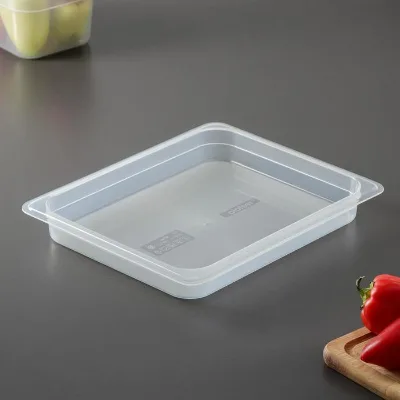
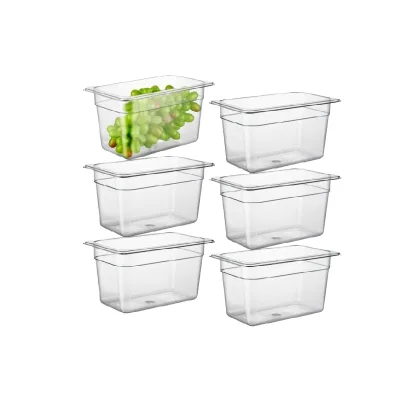
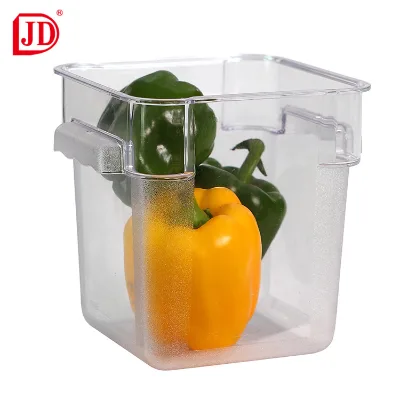
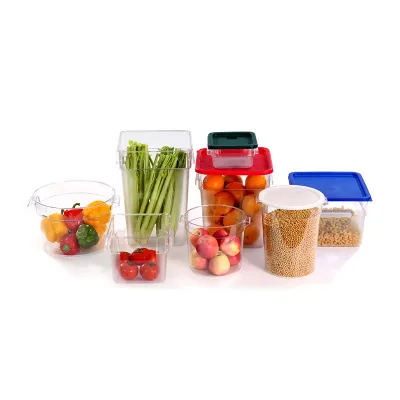
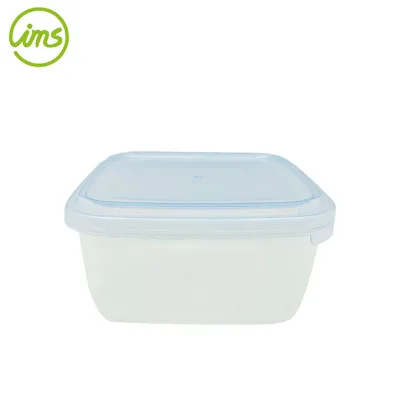
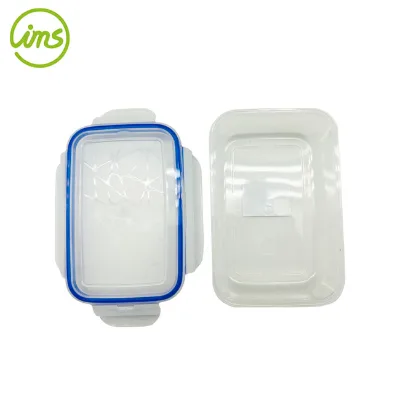
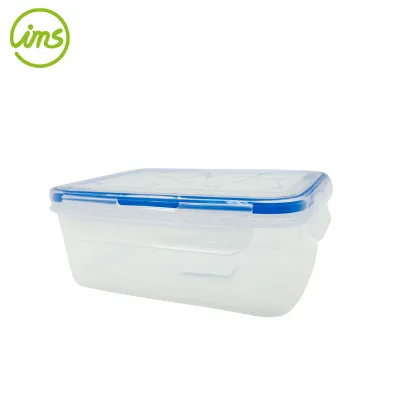
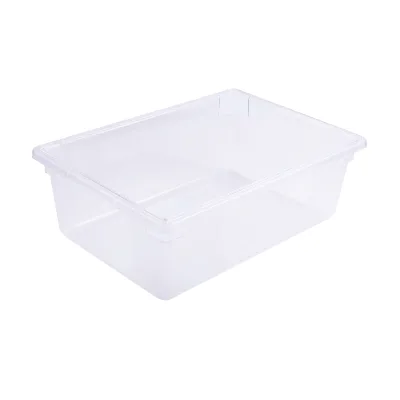
NSF Plastic Food Container with Lid Kitchen Food Preparation Pan Clear Rectangular Food Box
$3.0834 - $8.2205
MOQ: 2 Minimum








Comprehensive Sourcing Guide
NSF Food Container Sourcing Guide
Procuring NSF-certified food storage containers requires a disciplined approach to material verification and supply chain transparency. Buyers must prioritize products that explicitly display NSF certification marks, ensuring that the plastic materials used meet rigorous safety standards for direct food contact. This certification is not merely a marketing label but a critical validation that the container withstands repeated washing cycles without leaching harmful substances into stored goods.
The sourcing landscape for these containers is diverse, with manufacturers offering various capacities and shapes to suit different operational needs. From small 1L units to large 20L bins, the available inventory supports everything from pantry organization to industrial kitchen storage. Understanding the specific capacity requirements and physical dimensions of your storage environment is the first step in selecting the right product line, ensuring that the containers fit seamlessly into existing shelving and workflow systems.
Product Scope and Observed Listing Signals
The current market offers a wide range of storage solutions, primarily categorized as round or rectangular containers made from durable plastics like polycarbonate (PC) and polypropylene (PP). Listings frequently highlight features such as being unbreakable, stackable, and dishwasher-safe, which are essential for high-volume commercial environments. These attributes indicate a focus on longevity and ease of maintenance, reducing the total cost of ownership for businesses that rely on frequent turnover of storage equipment.
Color options vary significantly, with white, green, red, and clear variants available to support color-coding systems for different food types or allergen management. Some products are marketed as eco-friendly or folding, adding versatility for space-constrained storage areas. The presence of lids is a standard feature, ensuring airtight seals that preserve food freshness and prevent contamination. Buyers should verify that the specific color and shape options align with their internal inventory management protocols.
Technical Specifications to Verify
Material composition is a critical technical specification, with many containers constructed from PC or a blend of PP and PC. These materials are chosen for their durability and resistance to impact, making them suitable for heavy-duty use in restaurant kitchens and warehouses. It is essential to confirm that the plastic used is food-grade and capable of withstanding the thermal stresses of commercial dishwashers without warping or degrading over time.
Dimensional accuracy and weight are also key factors in logistics and storage planning. Single package sizes and gross weights vary, with some units measuring approximately 24x24x21 cm and weighing around 2 kg, while larger industrial bins may weigh up to 6 kg. Buyers should verify the exact dimensions and load capacities, which can range from 5-10 kg, to ensure compatibility with their shelving systems and handling equipment. Tolerances should be checked to ensure uniform stacking and efficient space utilization.
Compliance and Safety Documentation
NSF certification is the primary compliance indicator for food contact surfaces, ensuring that the containers meet strict hygiene and safety standards. This certification verifies that the materials are non-toxic and safe for repeated contact with food items, including acidic or oily substances. Buyers must request valid NSF certificates for the specific models they intend to purchase, as certification can vary between product lines and manufacturing batches.
In addition to NSF, other safety documentation may include material safety data sheets (MSDSDs) and food contact compliance statements. These documents provide detailed information about the chemical composition of the plastics and their resistance to various cleaning agents. Ensuring that all documentation is up-to-date and specific to the ordered products helps mitigate liability risks and ensures adherence to local health department regulations.
Cost Drivers and Commercial Terms
Pricing for food storage containers is influenced by material quality, capacity, and order volume. Observed price ranges can vary widely, from low-cost individual units to bulk pricing for large industrial orders. Minimum order quantities (MOQs) also fluctuate, with some suppliers requiring as few as one unit for sampling and others demanding orders of up to 100,000 units for full production runs. Understanding these thresholds is crucial for budgeting and inventory planning.
Lead times and sample availability are significant commercial factors. Sample times can be as short as three days, allowing for quick quality assessment before committing to large orders. However, production lead times may extend to 35 days for bulk orders, depending on the supplier's capacity and current demand. Buyers should negotiate clear terms regarding delivery schedules and penalties for delays to ensure timely replenishment of stock.
Supplier Qualification and Quality Control
Supplier qualification involves verifying the manufacturer's location and production capabilities. Many suppliers are based in regions like Jiangxi and Guangdong in China, which are known for their plastic manufacturing expertise. Buyers should assess the supplier's production capacity and quality control processes to ensure consistent product quality. Requesting factory audits or third-party inspection reports can provide additional assurance of manufacturing standards.
Quality control measures should include checks for dimensional accuracy, material integrity, and packaging quality. Suppliers should provide clear specifications for case packs, such as 6, 12, 24, or 48 units per carton, to facilitate efficient receiving and storage. Implementing incoming quality inspections upon receipt of goods helps identify any defects or discrepancies early, preventing issues in downstream operations and maintaining high standards of food safety.
Long-Term Procurement Checks
Long-term procurement success depends on establishing a reliable supply chain with consistent quality and service. Regularly reviewing supplier performance metrics, such as on-time delivery rates and defect percentages, helps identify potential issues before they escalate. Building strong relationships with suppliers can also lead to better pricing, priority production slots, and access to new product innovations.
Continuous monitoring of market trends and regulatory changes is essential for staying compliant and competitive. As food safety standards evolve, suppliers must adapt their products to meet new requirements. Buyers should stay informed about any updates to NSF standards or local regulations that may affect their storage container procurement. Proactive engagement with suppliers ensures that the organization remains aligned with the latest best practices in food storage and safety.
FAQs
What materials are used for these NSF food containers?
The containers are manufactured from high-quality PC and PP materials. These plastics ensure the products are durable, unbreakable, and safe for food storage. The material choice supports the NSF certification, guaranteeing that the containers meet strict hygiene standards for restaurant kitchens and commercial food handling environments.
Which capacities are available for the round storage containers?
Available capacities include 1L, 2L, 4L, 6L, 7.5L, 10L, 15L, and 20L. Some models also offer larger options like 6.3L or up to 102L. This wide range allows buyers to select the exact size needed for specific storage requirements, ensuring efficient use of space in commercial kitchens.
Can these food storage containers be stacked and folded?
Yes, the containers feature stackable and folding designs to maximize storage efficiency. They are also dishwasher safe and washable, making maintenance easy. The non-slip and durable construction ensures stability when stacked, while the folding capability helps save space when the containers are not in active use for food storage.
What is the lead time for production of these containers?
The production time is approximately 35 days for bulk orders. Sample preparation takes about 3 days. Buyers should plan their procurement schedule accordingly to account for this manufacturing duration. The lead time ensures quality control and proper handling of the injection molding process for the specified plastic materials.
Where are these NSF certified containers manufactured?
The containers originate from Jiangxi and Guangdong provinces in China. This location supports the supply chain for plastic injection molding products. Buyers can expect consistent quality and adherence to the specified NSF certification standards. The manufacturing base is established for producing durable and eco-friendly food storage solutions.
What packaging options are provided for the storage boxes?
The products are packed in cartons with case packs of 6, 12, 24, or 48 units. The single package size is typically around 24x24x21 cm or 50x30x20 cm depending on the model. This standardized packaging facilitates efficient shipping and handling for B2B buyers importing large quantities of food containers.