Source Organic Black Pepper Extract for Food, Health Care, and Capsules
Compare 30 listings for Organic Black Pepper Extract from verified Chinese suppliers. Buyers can review assay levels, packaging options, and certifications like ISO and HACCP for food and health care applications; compare the available evidence and request quotations based on your requirements.
Updated
Key considerations
Products List
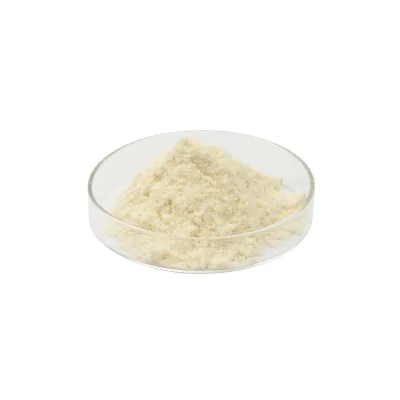


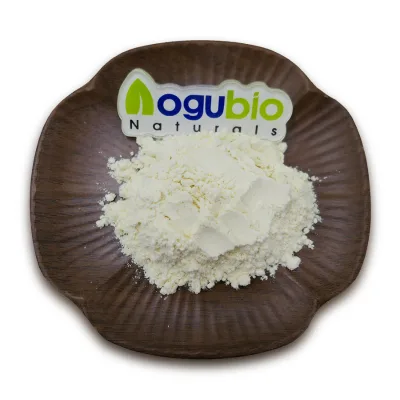


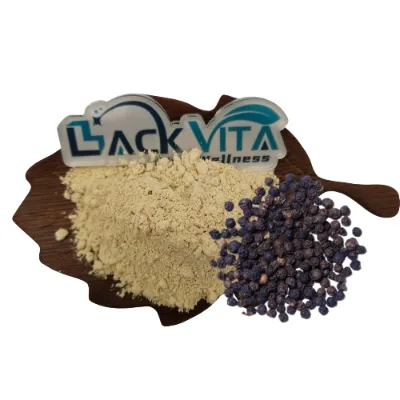
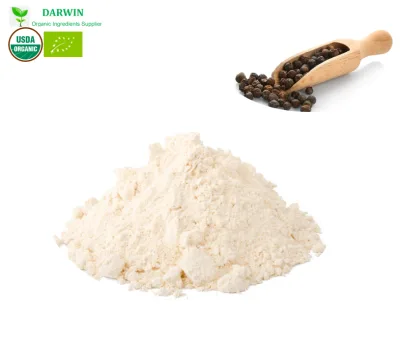
Black Pepper Extract Extract 10:1 Water Soluble Black Pepper Powder Black Pepper Extract Powder
$92.2005 - $123.2778
MOQ: 1 kilograms

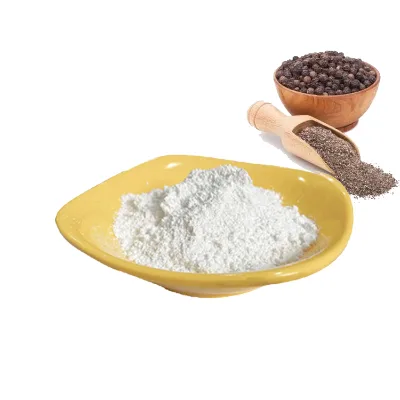
High Quality Powder Black Pepper Extract 98% Piperine 95% Black Pepper Extract
$160.00 - $253.00
MOQ: 1 Minimum


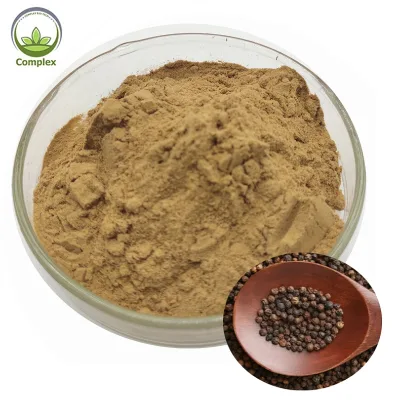
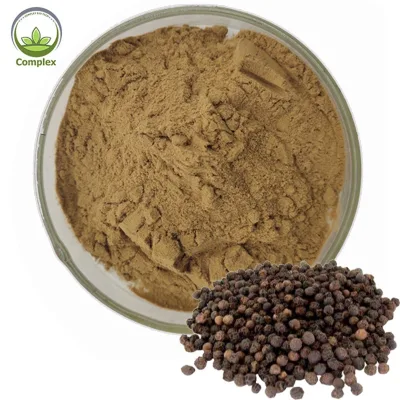


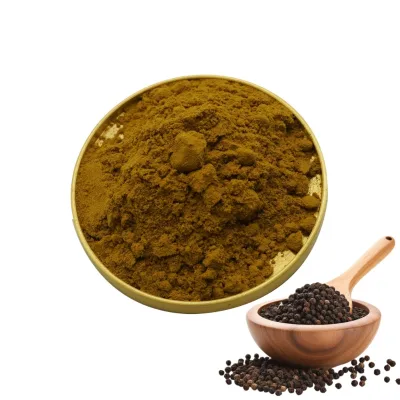

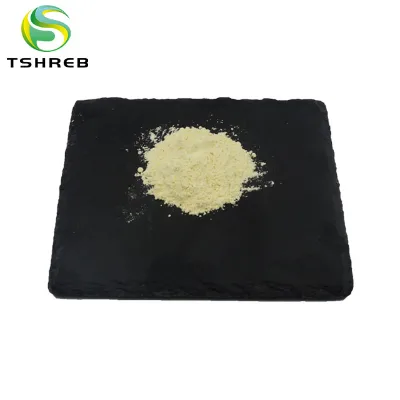



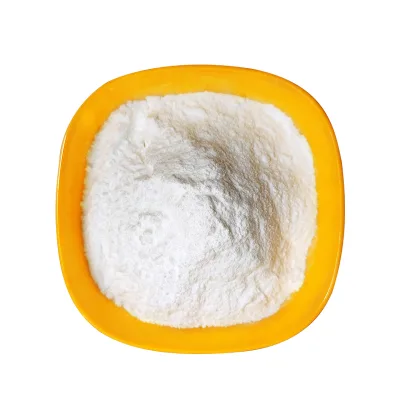
Health Supplements 1kg Piperin Black Pepper Extract Powder 95% 98% Piperine
$206.0495 - $257.5627
MOQ: 1 Minimum

Comprehensive Sourcing Guide
Organic Black Pepper Extract Sourcing Guide
Procuring Organic Black Pepper Extract requires careful attention to botanical source verification and extraction methodology, as market listings often conflate standard and certified organic grades. Buyers must distinguish between extracts derived from wild cultivation versus artificial planting, as this distinction directly impacts supply chain transparency and regulatory compliance. The observed product data indicates a primary origin in Shandong and Shaanxi provinces in China, with specific CAS number 84929-41-9 identifying piperine as the key active constituent. Sourcing teams should prioritize suppliers who explicitly declare their cultivation method, as wild-harvested materials may carry different sustainability implications compared to farmed seeds.
Commercial availability varies significantly, with observed minimum order quantities ranging from 1kg to 100 units, allowing for both sample testing and bulk procurement flexibility. Pricing structures are similarly diverse, reflecting differences in assay purity, packaging format, and certification status. Buyers should note that while some listings specify a 10:1 ratio or 95% purity, others may offer different concentration levels such as 98%. It is critical to verify whether the listed price includes international shipping and customs duties, as these factors can substantially alter the landed cost for international buyers seeking consistent supply of high-purity piperine.
Product Scope and Observed Listing Signals
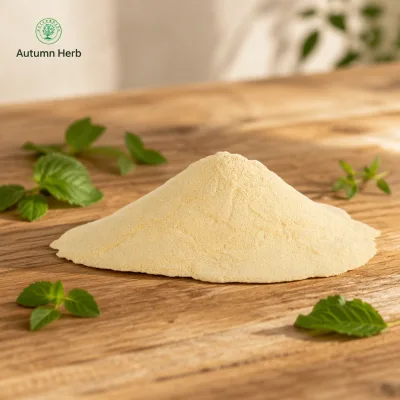
The product scope encompasses herbal extracts primarily derived from the seed part of the black pepper plant, presented as a light yellow powder. This physical appearance is a key visual indicator for initial quality assessment, though it must be corroborated by laboratory analysis. The extraction type is predominantly solvent extraction, a standard method for isolating piperine, though some listings mention liquid-solid extraction techniques. Buyers should confirm the specific solvent residues allowed in the final product, especially if targeting markets with strict residual solvent limits. The grade is typically classified as food grade or health food grade, suitable for incorporation into various consumer goods.
Packaging options observed include aluminum foil bags, drums, plastic containers, and vacuum-packed formats, with standard transport weights of 1kg per bag or 25kg per drum. These packaging choices influence shelf life and storage requirements, with a typical shelf life of two years when stored in a cool, dry place. The brand names observed, such as Natural Micron and AOGUBIO, indicate multiple manufacturers operating in this space. Buyers should evaluate the integrity of the packaging seal to prevent moisture absorption, which can degrade the potency of the piperine content over time.
Technical Specifications to Verify
Verification of technical specifications is paramount, with the assay being a critical quality attribute. Observed assay values include 10:1 ratio, 95%, and 98% purity, indicating varying concentrations of active ingredients. Buyers must specify the required assay level in their purchase orders to avoid receiving lower-purity material. The model number 84929-41-9 corresponds to the CAS number for piperine, ensuring chemical identity. Additionally, the assay method should be confirmed as either UV or HPLC, with HPLC generally providing higher precision for quantifying piperine content.
Other technical parameters include the application form, which may be intended for capsules, tablets, or direct food incorporation. The specification 0.99 and standard 10:1 are also noted in some listings, requiring clarification on whether these refer to purity or concentration ratios. Buyers should request a Certificate of Analysis (CoA) that matches the specific batch being shipped. It is essential to verify that the observed physical form, a light yellow powder, aligns with the technical data sheet provided by the supplier, as deviations may indicate degradation or adulteration.
Compliance and Safety Documentation
Compliance documentation forms the backbone of safe procurement, with certifications such as ISO, HACCP, and FDA being commonly cited. Buyers must verify the validity of these certifications, ensuring they cover the specific manufacturing facility and product line. The presence of HACCP certification indicates a focus on food safety management systems, while ISO certification suggests adherence to quality management standards. FDA registration is crucial for buyers targeting the United States market, as it facilitates smoother customs clearance and regulatory acceptance.
Additional compliance checks should include verification of organic certification if the product is marketed as organic, as this is a distinct claim from standard food grade. The standard 95% purity may also relate to regulatory thresholds in certain jurisdictions. Buyers should ensure that all documentation is up-to-date and covers the entire supply chain, from cultivation to final packaging. It is also advisable to check for any additional certifications like RoHS, although this is less common for food ingredients, to ensure no hazardous substances are present in the processing equipment or packaging materials.
Cost Drivers and Commercial Terms
Cost drivers in the black pepper extract market include the assay purity, extraction yield, and certification status. Higher purity levels, such as 98% compared to 95%, typically command a premium price. The cultivation method, whether wild or artificial planting, also influences cost, with wild-harvested materials potentially being more expensive due to scarcity and labor intensity. Packaging complexity, such as vacuum packing versus standard drum packaging, adds to the overall cost structure. Buyers should analyze the total landed cost, including freight, insurance, and tariffs, rather than focusing solely on the unit price.
Commercial terms such as MOQ and lead time are significant factors in procurement planning. Observed MOQs range from 1kg to 100 units, allowing for flexible ordering strategies. Lead times can vary based on production capacity and inventory levels, so buyers should confirm delivery schedules before placing orders. Payment terms, such as letters of credit or advance payments, should be negotiated based on the supplier’s reliability and the order value. Customization options are available, which may incur additional costs but can provide tailored solutions for specific product formulations.
Supplier Qualification and Quality Control
Supplier qualification involves a thorough assessment of manufacturing capabilities and quality control systems. Buyers should request facility audits or third-party inspection reports to verify production standards. The place of origin, primarily Shandong and Shaanxi in China, should be cross-referenced with the supplier’s legal registration to ensure authenticity. Quality control processes should include in-process testing and final product analysis to ensure consistency in assay and appearance. Buyers should also evaluate the supplier’s ability to provide traceability from raw material to finished product.
Sample testing is a critical step in supplier qualification, with observed sample sizes of 10g allowing for preliminary evaluation. Buyers should conduct their own laboratory tests to verify assay, purity, and microbial limits before committing to large orders. The availability of customization options indicates supplier flexibility, but buyers should ensure that custom specifications are clearly documented and agreed upon. Long-term partnerships should be built on consistent quality performance, with regular reviews of supplier performance metrics and feedback loops to drive continuous improvement.
Long-Term Procurement Checks
Long-term procurement checks focus on supply chain resilience and continuous compliance monitoring. Buyers should establish regular review cycles to assess supplier performance, including on-time delivery rates and quality consistency. Market trends in black pepper pricing and availability should be monitored to anticipate supply disruptions. Regulatory changes in key markets, such as updates to FDA or EU guidelines, must be tracked to ensure ongoing compliance. Buyers should also evaluate the supplier’s financial stability and capacity to scale production as demand grows.
Sustainability and ethical sourcing practices should be periodically reviewed, especially if the product is marketed as organic or wild-harvested. Buyers should engage in open communication with suppliers to address any emerging issues promptly. Building a diversified supplier base can mitigate risks associated with single-source dependencies. Finally, buyers should invest in relationship management to foster collaboration and innovation, ensuring a stable and reliable supply of high-quality black pepper extract for their products.
FAQs
What is the assay range for Organic Black Pepper Extract?
The assay range typically spans from 10:1 to 98% purity, depending on the specific product grade. Manufacturers often utilize UV and HPLC methods to verify these concentrations. Buyers should confirm the exact assay requirement with the supplier to ensure it aligns with their formulation needs for food or health care applications.
Can I request custom packaging for bulk orders?
Yes, customization is available for most bulk orders. Suppliers typically offer packaging in drums, plastic containers, or aluminum foil bags. Some vendors also provide vacuum-packed options to ensure freshness. Buyers should specify their preferred packaging type and quantity when requesting a quote to ensure the supplier can meet their logistical requirements.
Which certifications are standard for black pepper extract suppliers?
Standard certifications include ISO, HACCP, and FDA compliance. These credentials ensure the product meets international safety and quality standards for food and health care applications. Buyers should verify the specific certification documents provided by the supplier to confirm regulatory compliance for their target market before finalizing any procurement agreements.
What is the typical shelf life of this extract?
The typical shelf life is two years when stored correctly. Products should be kept in a cool, dry place to maintain stability and potency. Buyers should check the expiration date on the packaging and ensure proper storage conditions are maintained throughout the supply chain to prevent degradation of the active ingredients like piperine.
How is the black pepper extract usually extracted?
The extract is typically produced using solvent extraction or liquid-solid extraction methods. These processes isolate the active compounds from the black pepper seeds. The resulting product appears as a light yellow powder. Buyers should inquire about the specific extraction type to ensure it aligns with their quality standards and regulatory requirements for natural ingredients.
What is the minimum order quantity for samples?
The minimum order quantity for samples is often as low as 10 grams. This allows buyers to test the product quality before committing to larger purchases. Bulk orders may start at 1 kilogram or more, depending on the supplier. Buyers should confirm the sample policy and shipping costs with the vendor to plan their evaluation process effectively.