Source China Resveratrol for Cosmetics, Health Food, and Supplements
Compare 30 listings for China Resveratrol from verified suppliers offering food grade and synthetic options. Buyers can review purity levels, packaging details, and shipping methods to find the best match for cosmetic raw materials and health food applications; compare the available evidence and request quotations based on your requirements.
Updated
Key considerations
Products List
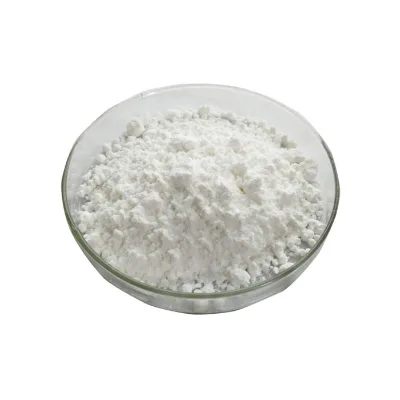
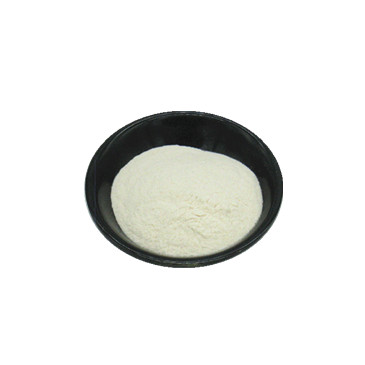
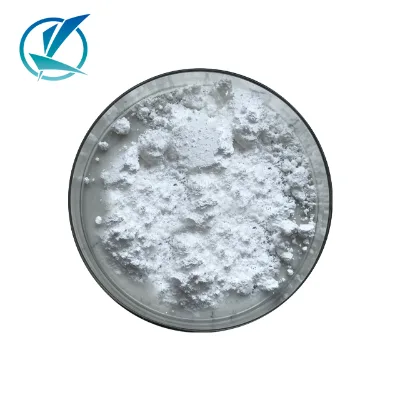


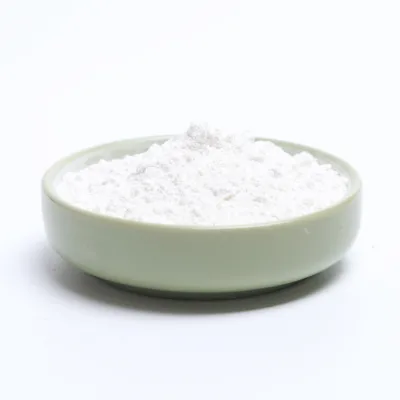
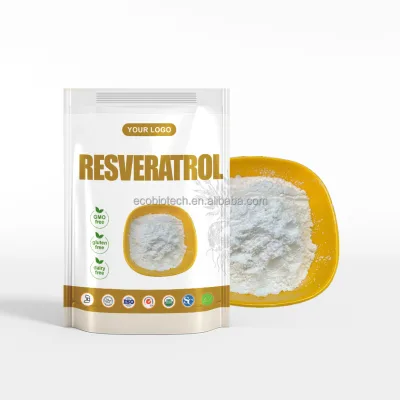
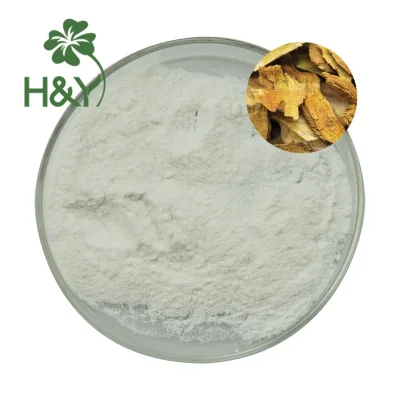
Pure Trans Resveratrol Resveratrol 98% Powder Resveratrol for Skin Application
$170.0226 - $185.4563
MOQ: 1 kilograms
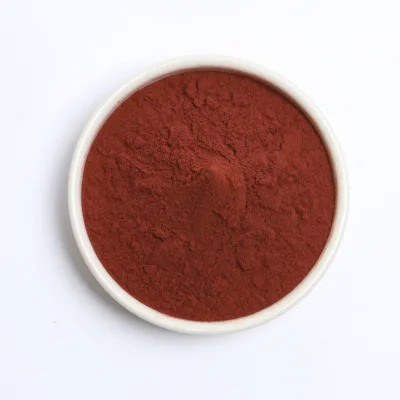



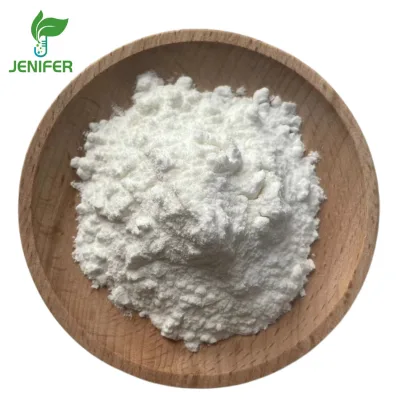
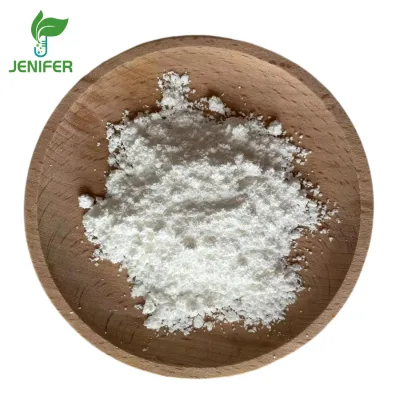
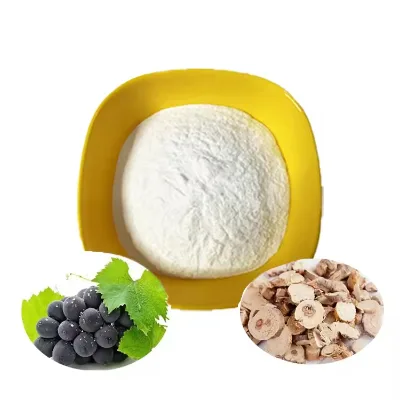
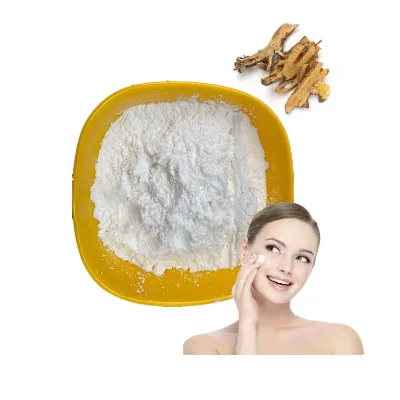
nad resveratrol Supplement Wholesale Price Cosmetic Grade 99% Natural Tran Resveratrol Powder
$124.3136 - $150.2133
MOQ: 1 Minimum




Comprehensive Sourcing Guide
China Resveratrol Sourcing Guide
Sourcing resveratrol from China requires a disciplined approach to verifying product authenticity, purity, and supply chain reliability. Buyers must navigate a market where synthetic and natural extraction methods coexist, each offering distinct advantages in cost and application suitability. The primary focus should be on aligning the specific chemical form, such as trans-resveratrol, with the intended end-use, whether for health food supplements or cosmetic raw materials. Understanding these distinctions is critical for ensuring that the final product meets regulatory standards and consumer expectations in target markets like Europe, America, and Asia.
Procurement teams must also evaluate the logistical and commercial frameworks established by suppliers. Factors such as minimum order quantities, packaging integrity, and shipping methods significantly impact the total cost of ownership and product stability. Given that resveratrol is sensitive to environmental conditions, proper storage and handling protocols are essential to maintain potency during transit. This guide provides a structured framework for evaluating suppliers, verifying technical specifications, and ensuring compliance with international quality standards to mitigate risk and secure a reliable supply of high-quality resveratrol.
Product Scope and Observed Listing Signals
The observed market listings indicate a diverse range of resveratrol products, primarily categorized by their source and physical appearance. Common attributes include white to off-white powder forms, with some listings specifying single-item selling units and specific model numbers like LYJK-Trans Resveratrol or LM-Resveratrol. The product names often highlight the specific isomer, such as trans-resveratrol, which is crucial for buyers targeting high-purity applications. These signals suggest that suppliers offer both synthetic intermediates and herbal extracts, allowing buyers to select based on their specific formulation needs and budget constraints.
Packaging and shipping details reveal a strong emphasis on product protection and logistical flexibility. Listings frequently mention packaging in ziplock plastic bags inside aluminum foil bags, with outer waterproof bags or carton boxes for larger quantities. Shipping methods are varied, including Fedex, DHL, TNT, sea, and air freight, catering to different urgency levels and volume requirements. The observed minimum order quantities range from 1 to 10 kilograms, indicating that suppliers are willing to accommodate small trial orders, which is beneficial for initial quality testing and market validation before committing to larger production runs.
Technical Specifications to Verify
Verifying the chemical identity and purity of resveratrol is the first critical step in the procurement process. Buyers should confirm the molecular formula, typically C14H12O3, and the molecular weight, often cited as 228.25, to ensure the product matches the expected chemical structure. Purity levels are a key differentiator, with many listings claiming greater than 99% purity. It is essential to request detailed test results, preferably using High-Performance Liquid Chromatography (HPLC), to validate these claims. The test method should be explicitly stated in the Certificate of Analysis to ensure consistency and reliability of the data provided by the supplier.
Physical properties and solubility characteristics also play a significant role in product selection. Resveratrol is generally insoluble in water, which influences how it can be incorporated into various formulations, particularly in cosmetics and health foods. Buyers should verify the appearance, which is typically described as a white powder, and check the shelf life, often listed as two years when stored correctly. Additionally, the part of the plant used, such as the root, and the cultivation method, whether artificial planting or natural extraction, should be confirmed to align with the buyer’s sourcing preferences and sustainability goals.
Compliance and Safety Documentation
Compliance with international standards is non-negotiable for importing resveratrol into regulated markets. Buyers must request comprehensive documentation, including Certificates of Analysis (COA) and Material Safety Data Sheets (MSDS), to verify product safety and quality. Certifications such as BP, USP, ISO, HSE, and GMP are frequently mentioned in listings, indicating that suppliers adhere to recognized quality management systems. However, buyers should independently verify the validity of these certifications through the issuing bodies, as mere mention on a product page does not guarantee current compliance or scope coverage.
Regulatory alignment extends to the intended application of the product, whether for health food or cosmetic raw materials. Suppliers often state that their products are suitable for adults, children, and the elderly, but buyers must ensure that the specific grade, such as food grade, meets the regulatory requirements of their target market. It is also important to confirm that the supplier follows good manufacturing practices throughout the production process. This includes verifying that the extraction type, whether solvent extraction or other methods, complies with safety standards regarding residual solvents and contaminants.
Cost Drivers and Commercial Terms
The cost of resveratrol is influenced by several factors, including the source of the material, purity level, and packaging requirements. Synthetic intermediates may offer different pricing dynamics compared to natural extracts derived from specific plant parts. Buyers should analyze the price range, which can vary significantly based on these factors, and consider the total cost of ownership, including shipping and handling. The observed price range in USD provides a baseline for negotiation, but buyers should be aware that prices may fluctuate based on market demand and raw material availability.
Commercial terms, such as minimum order quantities and payment methods, also impact the overall procurement strategy. Listings often specify MOQs starting from 1 kilogram, allowing for flexible ordering, while larger quantities may offer better unit pricing. Payment options typically include T/T, PayPal, and Western Union, providing various methods for transaction security. Buyers should negotiate clear terms regarding sample availability, which is often offered in small quantities like 10-20 grams for testing purposes. Establishing a transparent pricing structure and reliable payment process is essential for building a long-term partnership with the supplier.
Supplier Qualification and Quality Control
Evaluating supplier qualifications is crucial for ensuring a consistent and reliable supply of resveratrol. Buyers should assess the supplier’s production capacity, with some listings indicating a supply ability of 2000 kilograms per month. This capacity should be matched against the buyer’s demand to ensure that the supplier can meet peak requirements without compromising quality. Additionally, verifying the place of origin, such as Shaanxi, China, can provide insights into the supplier’s regional expertise and logistical advantages. Buyers should also inquire about the supplier’s experience in exporting to their specific target markets.
Quality control measures should be rigorously evaluated to minimize the risk of receiving substandard products. Buyers should request detailed information on the supplier’s quality assurance processes, including in-house testing capabilities and third-party audit results. The use of standardized packaging, such as drums or specific bag configurations, indicates a level of professionalism in handling and storage. It is also important to verify the supplier’s ability to provide customized solutions, as some listings mention customization options for specific client needs. Establishing a robust quality control framework is essential for maintaining product integrity and customer satisfaction.
Long-Term Procurement Checks
Establishing long-term procurement relationships requires ongoing monitoring and periodic re-evaluation of supplier performance. Buyers should implement a schedule for regular quality audits and product testing to ensure that the resveratrol continues to meet specified standards over time. This includes verifying that the storage conditions, such as cool and dry areas, are maintained throughout the supply chain to prevent degradation. Regular communication with the supplier regarding any changes in production processes or raw material sources is also essential to anticipate potential impacts on product quality.
Continuous improvement in the procurement process involves staying informed about market trends and regulatory changes. Buyers should monitor developments in certification standards and safety regulations in their target markets to ensure ongoing compliance. Additionally, exploring opportunities for cost optimization through volume commitments or alternative shipping methods can enhance the overall efficiency of the supply chain. By maintaining a proactive approach to supplier management and quality assurance, buyers can secure a stable and high-quality supply of resveratrol, supporting their business objectives and customer expectations.
FAQs
What is the purity level of China Resveratrol powder?
The purity level is greater than 99% as verified by HPLC test methods. This high-grade powder is suitable for use in health food and cosmetic raw materials. It is available in white to off-white appearance and meets BP, USP, ISO HSE, and GMP certification standards for quality assurance.
Can I order small samples of China Resveratrol?
Yes, samples of 10-20g are available for evaluation. The minimum order quantity is 1 kg for bulk purchases. Samples allow buyers to verify the white powder appearance and solubility characteristics before committing to larger drum or bag packaging orders for industrial or commercial applications.
What packaging options are available for China Resveratrol?
Packaging includes 1-5kg in ziplock plastic bags inside aluminum foil bags, and 6-15kg in plastic bags inside aluminum foil bags within carton boxes. Orders over 16kg use plastic bags inside. Standard packaging sizes are 1kg per bag or 25kg per drum for secure storage.
Where is the origin of this China Resveratrol product?
The product originates from Shaanxi, China. It is sourced from natural extraction or synthetic processes using artificial planting methods. The root part is utilized, and the product is stored in cool, dry places to maintain its two-year shelf life and stability for global shipping.
What is the monthly supply capacity for China Resveratrol?
The supply ability is 2000 kilograms per month. This capacity supports consistent orders for health food and cosmetic applications. Buyers can rely on this steady output for bulk requirements, with flexible shipping methods including FedEx, DHL, TNT, sea, or air transport to meet various delivery schedules.
Is customization available for China Resveratrol specifications?
Customization is available for specific buyer requirements. The product supports various model numbers and packaging details to suit different needs. Buyers can request tailored solutions for health food or cosmetic raw materials, ensuring the white powder meets specific purity and application standards through direct supplier coordination.