Food Grade Sea Buckthorn Powder Suppliers and Manufacturers
Compare 34 verified suppliers offering Food Grade Sea Buckthorn Powder with details on location, lead times, MOQ, response times, certifications, and pricing. Review product attributes like active ingredients and packaging to select the right source for your needs; review the available evidence before requesting comparable quotations from suitable candidates.
Updated
Suppliers List
Xi'an Benfeng Biotechnology Co., Ltd.
- Trading Company
- Shaanxi, China
- Lead time3 days
- Avg. response≤ 3h
Main productsPlant extracts,animal extract,fruit powder,Peptide,Cosmetic raw materials
Main marketsDomestic Market(50.00%), North America(10.00%), Northern Europe(10.00%), Eastern Asia(10.00%), Mid East(10.00%), Eastern Europe(10.00%)
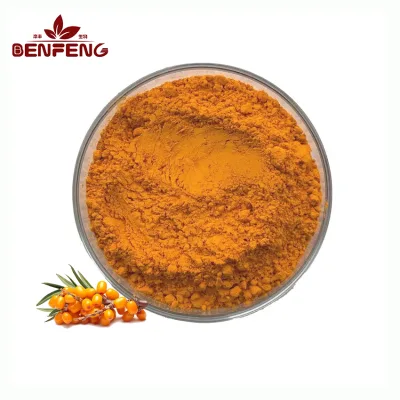
High Quality Sea Buckthorn Extract Food Grade Sea Buckthorn Fruit Powder
$9.3116 - $13.449
MOQ: 1 Minimum
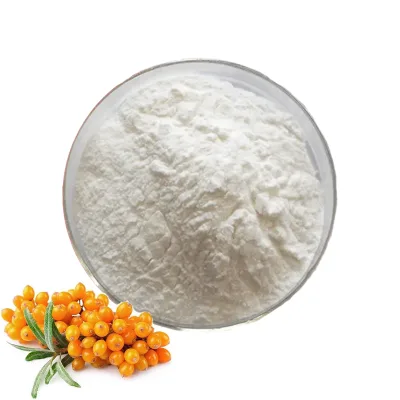
Supply Sea Buckthorn Extract 100% Natural Sea Buckthorn Oligopeptide Powder
$15.3275 - $25.5469
MOQ: 1 Minimum

Suzhou Greenway Biotech Co., Ltd.
- Verified by BV
- Trading Company,Manufacturer/Factory
- China Jiangsu
- Lead time15 days
- Avg. response≤ 9h
Main productsGlutathione, Nmn, Pharmaceutical Intermediates, Cosmetic Materials, Nutritional Supplements
Main marketsSouth America,Eastern Europe,Mid East,North America,Southeast Asia,Eastern Asia,Oceania,Western Europe,Africa


Plant Extract Natural Fruit Extract Functional Food Powder Sea Buckthorn Seabuckthorn Flavonoids
$19.00 - $22.00
MOQ: 1 kg

Plant Extract Enhance Immune Function Natural Extract Sea Buckthorn Extract Powder
$18.00 - $20.00
MOQ: 1 kg

Gansu Cheezheng Industrial Group Co., Ltd.
- Verified by SGS
- Trading Company
- China Gansu
- Lead time15 days
- Avg. response≤ 3h
Main productsCordycpes, Dry Herbs, Health Products, Highland Barley, Natural Herbs, Rhodiola Rosea, Epimedium, Immunity Capsule, Herbal Tea
Main marketsEast Asia(Japan/ South Korea)


Sea Buckthorn Powder (Freeze-Dried) -Bulk Supply, Multiple Sizes, for Food & Supplement Use
$35.00 - $50.00
MOQ: 1 kg

- Verified by SGS
- Combined
- China Hunan
- Lead time15 days
- Avg. response≤ 5h
Main productsPlant Extract Powder
Main marketsEurope,North America

100% Pure Natural Sea Buckthorn Fruit Powder Sea Buckthorn Juice Powder Sea Buckthorn Powder
$1.00 - $25.00
MOQ: 1 kg

- Verified by SGS Group
- Manufacturer, Trading Company
- Lead time7 days
- Avg. response≤ 2h
Main productsCurcuma Extract, Blueberry Powder, NMN, Erythritol, Ceramide
- Verified by SGS Group
- Trading Company
- Lead time7 days
- Avg. response≤ 4h
Main productsStevia Extract, Betulin, Matcha Powder, Tumeric Extract, Citrus Aurantium Extract
Main marketsSouth America(50%), North America(40%), Western Europe(10%)

Xi'an Haoze Biotechnology Co., Ltd.
- Verified by BV
- Manufacturer/Factory
- China Shaanxi
- Lead time15 days
- Avg. response≤ 8h
Main productsNmn, Pharmaceutical Intermediates, Melatonin, Lidocaine, Coenzyme Q10, L-Carnitine, Plant Extract, Alpha Arbutin, Resveratrol, Quercetin
Main marketsSouth America,Eastern Europe,Mid East,North America,Southeast Asia,Eastern Asia,Oceania,Western Europe,Africa

Wholesale Seabuckthorn Extract Sea Buckthorn Juice Powder Sea Buckthorn Powder
$18.00 - $48.00
MOQ: 25 kg


25kg Sea Buckthorn Fruit Powder Bulk Sea Buckthorn Extract High Quality Sea Buckthorn Powder
$6.50 - $9.50
MOQ: 25 kg


Shaanxi Bohong Health Industry Co., Ltd.
- Verified by SGS Group
- Manufacturer, Trading Company
- Lead time5 days
- Avg. response≤ 2h
Main productsMatcha powder, UBE powder, Pdrn powder, Moringa powder, Mushroom coffee
Main marketsNorth America(40%), Western Europe(10%), Northern Europe(10%)

Xi'an Sentian Biotechnology Co., Ltd.
- Verified by SGS
- Manufacturer/Factory
- China Shaanxi
- Lead time0 days
- Avg. response≤ 7h
Main productsBenfotiamine, Rennet, Chymosin, Alpha Lipoic Acid, Olmesartana Medoxomil, Rosuvastatin Calcium
Main marketsSouth America,Eastern Europe,North America,Western Europe

Xi'an Quanao Biotech Co., Ltd.
- Verified by SGS
- Combined
- China Shaanxi
- Lead time15 days
- Avg. response≤ 8h
Main productsPlant Extract, Aniamal Extract, Fruit and Vegetable Powder, Natural Pigment, Natural Active Ingredients, Food Additives, Supplement Materials, Plants Protein and Animal Protein, Apis, Cosmetic Materials
Main marketsSoutheast Asia/ Mideast,Australia

- Verified by BV
- Combined
- China Hunan
- Lead time15 days
- Avg. response≤ 13h
Main productsMonk Fruit Extract, Stevia Leaf Extract, Sweet Tea Extract, Natural Sweeteners Formulation, Resveratrol, Coenzyme Q10, Ginseng Extract, Ginkgo Biloba Extract, Milk Thistle Extract, Lutein Zeaxanthin
Main marketsSoutheast Asia/ Mideast,Europe,North America

Shaanxi Shineherb Biotech Co., Ltd.
- Verified by TUVRHEINLAND
- Trading Company,Manufacturer/Factory
- China Shaanxi
- Lead time15 days
- Avg. response≤ 13h
Main productsPlant Extract, Food/Feed/Cosmetics Raw Material, Supplements Material, Amino Acids, Vitamin Raw Material, Plant Essential Oil, Peptide Products, Pharmaceutical Intermediates, Organic Extract, API
Main marketsSouth America,Eastern Europe,Mid East,North America,Southeast Asia,Eastern Asia,Oceania,Western Europe,Africa
Xi'an Haoze Biotechnology Co., Ltd.
- Verified by TüVRheinland
- Trading Company
- Lead time3 days
- Avg. response≤ 2h
Main productsMoringa Leaf Extract, Shilajit Extract, Matcha Powder, Ashwagandha Extract, Ganoderma Lucidum Extract
Main marketsNorth America(40%), Mid East(20%), Western Europe(20%)
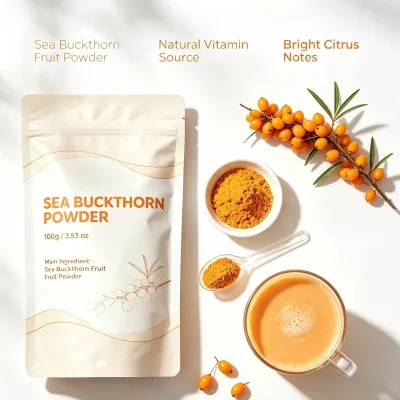
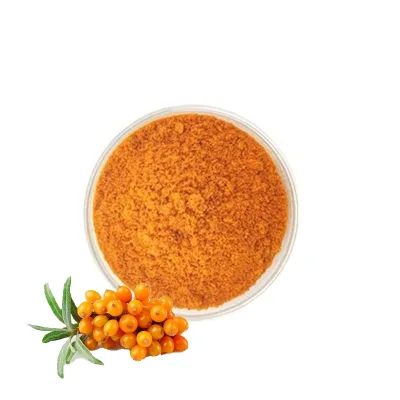
$15.5942 - $88.3625
MOQ: 1 Minimum

- Verified by SGS
- Manufacturer/Factory
- China Shaanxi
- Lead time120 days
- Avg. response≤ 5h
Main productsNatural Plant Extracts, Nutritional Supplements, Natural Fruit Powder, Viatmin Powder, Amino Acid, Active Pharmaceutical Ingredients, PQQ, Nmn, Hyaluronic Acid, Resveratrol
Main marketsSouth America,Eastern Europe,Mid East,North America,Southeast Asia,Eastern Asia,Oceania,Western Europe,Africa

High Quality Fruit Powder Sea Buckthorn Juice Powder Sea Buckthorn Extract Powder
$20.00 - $100.00
MOQ: 1 kg

High Quality Natural Seabuckthorn Fruit Powder Water Solubility Sea Buckthorn Extract Powder
$15.00 - $30.00
MOQ: 1 kg

13 Years Factory Supplier 100% Natural Sea Buckthorn Berries Extract Juice Powder
$15.00 - $20.00
MOQ: 1 kg

Shaanxi Lymall Bpanda Tech Co., Ltd.
- Verified by BV
- Trading Company
- China Shaanxi
- Lead time15 days
- Avg. response≤ 3h
Main productsTianeptine Sodium, Phenibut, ATX-304, Slu PP-332, Tak 653, Slu PP-915, Sana
Main marketsSoutheast Asia/ Mideast,East Asia(Japan/ South Korea),Europe,Australia,North America

- Verified by BV
- Combined
- China Shaanxi
- Lead time15 days
- Avg. response≤ 10h
Main productsBroccli Extract, Yucca Extract, Plant Extract
Main marketsEurope

Factory Supply Dried Berries Sea Buckthorn Powder 1oo% Pure Seabuckthorn Powder
$8.00 - $10.00
MOQ: 1 kilograms

Wellgreen Supply Seabuckthorn Powder Sea Buckthorn Fruit Seabuckthorn Extract
$10.00 - $29.00
MOQ: 25 kilograms

Factory Plant Extract Seabuckthorn Extract Powder Bulk Sale Sea Buckthorn Extract
$12.00 - $25.00
MOQ: 1 kilograms


Freeze Dried Sea Buckthorn Fruit Powder Flavonoids Seabuckthorn Leaf Extrat
$10.00 - $70.00
MOQ: 10 kilograms

Shaanxi Hongda Phytochemistry Co., Ltd.
- Verified by SGS Group
- Manufacturer, Trading Company
- Lead time7 days
- Avg. response≤ 4h
Main productsSophora japonica Extract, Organic Mushroom powder/extract powder, Cosmetic ingredients, Food&Beverage Supplements, Vitamin& Amino acid
Main marketsNorth America(60%), Western Europe(20%), Southeast Asia(20%)
Shandong Confucian Biologics Co., Ltd.
- Manufacturer
- Shandong, China
- Lead time30 days
- Avg. response≤ 7h
Main productsVitamin C Tablet,Multivitamin Tablet,Magnesium B6 Tablet,Fish oil Softgel,Vitamin E Softgel
Main marketsDomestic Market(20.00%), Western Europe(20.00%), North America(15.00%), Eastern Europe(10.00%), Southeast Asia(10.00%), South America(5.00%), Africa(5.00%), Northern Europe(5.00%), Southern Europe(5.00%), Mid East(2.00%), Central America(1.00%), South Asia(1.00%), Oceania(1.00%)

Baoji Embellish Wood Agricultural Development Co., Ltd
- Verified by TUVRHEINLAND
- Combined
- China Shaanxi
- Lead time15 days
- Avg. response≤ 2h
Main productsPlant Extracts, Anthocyanidins, Ursolic Acid, Resveratrol, Paeoniflorin, Eleutherosides, Matrine, Proanthocyanidins, Fruit Powder
Main marketsDomestic


Sea Buckthorn Powder Natural Sea Buckthorn Powder Stock Adequate Nutritional Supplements
$10.65 - $12.63
MOQ: 1 kg

Premium Plant Extracts Sea Buckthorn Juice Powder for Natural Health Benefits
$9.43 - $13.77
MOQ: 1 kg


Ningxia Pure Goji Biology Technology Co., Ltd.
- Verified by CTI
- Manufacturer/Factory
- China Ningxia
- Lead time15 days
- Avg. response≤ 4h
Main productsOrganic Goji Berry, Organic Dried Jujube, Organic Matcha, Organic Spirulina Powder, Organic Superfoods, Sea Buckthorn, Wheatgrass, Mushroom Powder
Main marketsSouth America,Eastern Europe,Mid East,North America,Southeast Asia,Eastern Asia,Oceania,Western Europe,Africa

- Verified by SGS
- Manufacturer/Factory
- China Shandong
- Lead time0 days
- Avg. response≤ 3h
Main productsTablet Supplement, Hard Capsule, Time Released Capsule, Softgel Capsule, Superfood / Drink / Drop, Gummy / Probiotics, Herbal & Plant Extract, Fruit & Vegetable Powder, Empty Capsule, Premix Solutions / API
Main marketsSouth America,Eastern Europe,Mid East,North America,Southeast Asia,Eastern Asia,Oceania,Western Europe,Africa

Concentrate Seabuckthorn Extract Freeze Dried Sea-Buckthorn Juice Berry Powder
$7.00 - $50.00
MOQ: 25 kilogram

Wholesale Food Grade Digestion Support Organic Sea-Buckthorn Freeze Dried Fruit Powder
$5.00 - $35.00
MOQ: 25 kg

Fufeng Sinuote Biotechnology Co., Ltd
- Verified by BV
- Combined
- China Shaanxi
- Lead time15 days
- Avg. response≤ 4h
Main productsPlant Extract, Sea Buckthorn Powder, Echinacea Purpurea Extract, Soybean Peptide Powder, Valerian Extract, Chaga Mushroom Extract, Elderberry Extract, Kiwi Fruit Powder, Honey Powder, Sambucus Williamsii Hance Extract Powder
Main marketsOthers(foreignTradeCapacity.exportBusinessCapacityMarketOther)
Shaanxi Ingrelonier Bio-Tech Co., Ltd.
- Verified by SGS Group
- Trading Company
- Lead time0 days
- Avg. response≤ 1h
Main productsAshwagandha Root Extract Powder , Black Pepper Extract Powder, Epimedium Extract Powder , Ginkgo Biloba Extract Powder , Grape Seed Extract Powder
Main marketsAfrica(20%), Western Europe(15%), Northern Europe(15%)
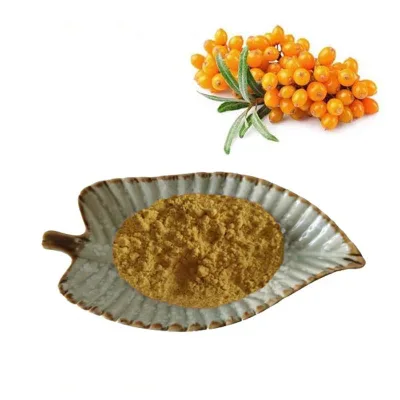
Wholesale Pure Natural Organic Seabuckthorn Fruit Powder Seabuckthorn Powder With Best Price
$12.52 - $13.26
MOQ: 1 kilograms
Shaanxi Lvlai Biotechnology Co., Ltd.
- Verified by TüVRheinland
- Manufacturer, Trading Company
- Lead time0 days
- Avg. response≤ 1h
Main productsCardamom Powder, Bovine Bone Collagen Protein Powder, Turmeric Powder, Coconut Fruit Powder, Goat Milk Extract Powder

Qingdao Vital Nutraceutical Ingredients Bioscience Co., Ltd.
- Trading Company
- China Shandong
- Lead time15 days
- Avg. response≤ 4h
Main productsGarlic Extract, Red Yeast Rice Extract, Mushroom Extract, Phosphatidylserine, Resveratrol, Horse Chestnut Extract, Saw Palmetto Extract, Peptide, Goji Extract, Black Garlic Extract
Main marketsSouth America,Southeast Asia/ Mideast,Europe


ISO Kosher Certified 100% Natural Vitamin C Powder Sea Buckthorn Berry Powder
$9.00 - $99.00
MOQ: 1 kg


Changsha Rokey Biotechnology Co., Ltd.
- Verified by SGS
- Manufacturer/Factory
- China Hunan
- Lead time23 days
- Avg. response≤ 4h
Main productsPlant Extract, Fruit Powder, Vegetable Powder, Chemicals, Food Additives, Herb Extract
Main marketsSouth America,Eastern Europe,North America,Southeast Asia,Eastern Asia,Western Europe


Potent Antioxidant Support for Skin & Immunity 100% Natural Sea Buckthorn Extract
$10.00 - $12.00
MOQ: 1 kg
Xi'an Fulecare Biotech Co., Ltd.
- Trading Company
- Shaanxi, China
- Lead time5 days
- Avg. response≤ 3h
Main productsCollagen,Plant extract,Health supplements,Cosmetics raw materials,Solid drinks
Main marketsNorth America(30.00%), Eastern Europe(20.00%), Domestic Market(19.00%), Oceania(8.00%), Western Europe(6.00%), Southern Europe(5.00%), Northern Europe(5.00%), South America(1.00%), South Asia(1.00%), Mid East(1.00%), Southeast Asia(1.00%), Africa(1.00%), Central America(1.00%), Eastern Asia(1.00%)
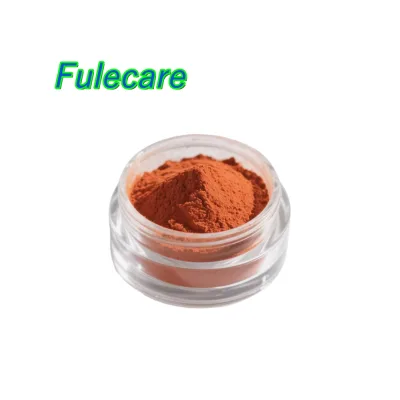
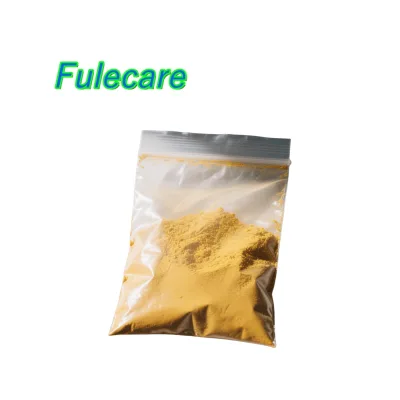
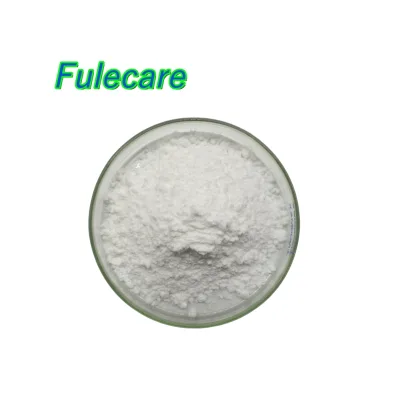
Lifecare Supply High Quality Sea Buckthorn Natural Sea Buckthorn Peptide Powder
$17.5641 - $36.1602
MOQ: 1 Minimum
Xi'an Esurey Bio-Technology Co., Ltd
- Trading Company
- Shanxi, China
- Lead time0 days
- Avg. response≤ 2h
Main productsplant extract,health care,cosmetic materias,food additives
Main marketsNorth America(31.00%), Eastern Europe(18.00%), South America(16.00%), Southeast Asia(11.00%), Mid East(9.00%), Africa(9.00%), Eastern Asia(3.00%), Oceania(2.00%), Western Europe(1.00%)
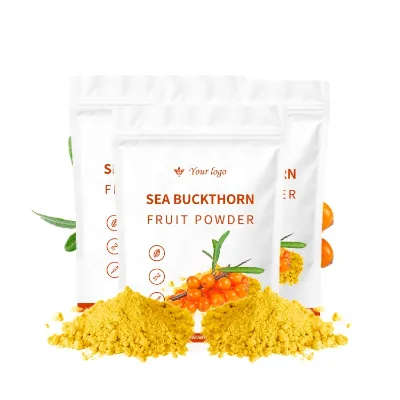
Esurey Supply OEM Private Label High Quality Food Grade Water Soluble Sea Buckthorn Fruit Powder
$2.0523 - $2.5661
MOQ: 50 pieces
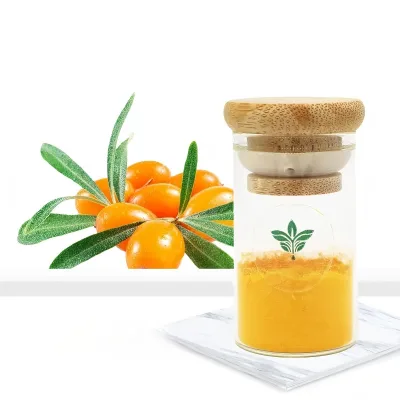
Esurey Supply High Quality Pure Sea Buckthorn Fruit Powder Hippophae Rhamnoides L. Powder in Bulk
$12.4244 - $15.5298
MOQ: 1 kilograms

Xian Dichuang Biotechnology Co., Ltd.
- Trading Company
- Shaanxi, China
- Lead time7 days
- Avg. response≤ 3h
Main productsherbal extract,medicine & cosmetic ingredient,fruits & vegetables powder,antioxidants products,pet products
Main marketsNorth America(60.00%), Northern Europe(20.00%), Eastern Asia(20.00%)
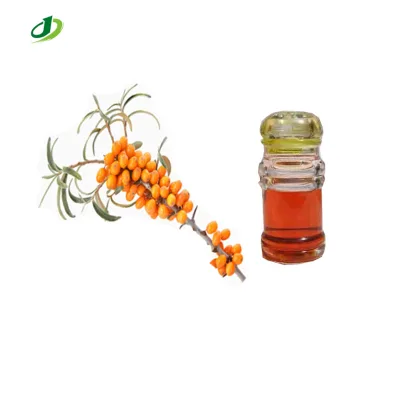
$20.563 - $102.8137
MOQ: 5 Minimum
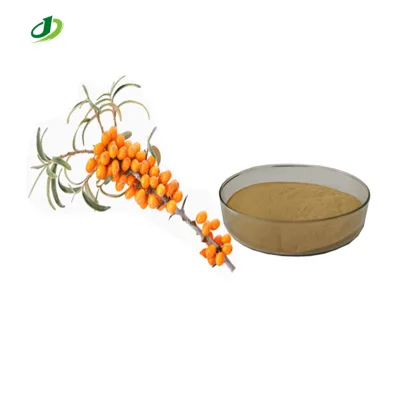
Seabuckthorn Fruit Extract Powder 20:1 Seabuckthorn Berry Fruit Extract
$30.00 - $50.00
MOQ: 5 Minimum

Hangzhou Kindherb Biotechnology Co., Ltd.
- Verified by SGS
- Trading Company
- China Zhejiang
- Lead time15 days
- Avg. response≤ 11h
Main productsGreen Tea Extract, Ginseng Extract, Cranberry Extract, Bilberry Extract, Ginkgo Biloba Extract, Rosehip Extract, Acerola Extract, Grape Seed Extract
Main marketsSoutheast Asia/ Mideast,Europe,North America

Xuancheng Quality Herb Co., Ltd.
- Verified by TUVRHEINLAND
- Manufacturer/Factory
- China Anhui
- Lead time23 days
- Avg. response≤ 3h
Main productsPlant Extract, White Willow Bark Extract, Milk Thistle Extract, Hyaluronic Acid, Red Yeast Rice Powder, Horny Goat Weed Extract, Bilberry Extract, Green Tea Extract, Marigold Extract Lutein, Panax Ginseng Extract
Main marketsSouth America,Eastern Europe,Mid East,North America,Southeast Asia,Eastern Asia,Oceania,Western Europe,Africa
Shaanxi Runcuize Biotechnology Co., Ltd.
- Manufacturer, Trading Company
- shaanxi, China
- Lead time3 days
- Avg. response≤ 4h
Main productsHuperzia Serrata Extract,Horse Chestnut extract,Polygonum Cuspidatum Extract,Okra Extract,Natto extract
Main marketsNorth America(30.00%), Southeast Asia(20.00%), Eastern Europe(20.00%), South America(20.00%), Africa(10.00%)
- Manufacturer, Trading Company
- Shaanxi, China
- Lead time3 days
- Avg. response≤ 2h
Main productsPlant Extract,Cosmetics Raw Material,Health Care Ingredients,OEM/ODM Customized Service,Food additives
Main marketsSouth America(20.00%), Africa(20.00%), South Asia(15.00%), Eastern Europe(15.00%), Mid East(10.00%), Northern Europe(5.00%), North America(5.00%), Southern Europe(5.00%), Western Europe(3.00%), Oceania(2.00%)

Hunan New Mstar Biotechnology Co., Ltd.
- Trading Company,Manufacturer/Factory
- China Hunan
- Lead time15 days
- Avg. response≤ 13h
Main productsGreen Tea Extract L-Theanine, Soapberry/Soapnut/Sapindus Extract, Cranberry Extract, Lemon Balm Extract, Saw Palmetto Extract, Balck Garlic Extract, Milk Thistle Extract, Grape Seed Extract, Hibiscus Extract, Stevia Extract
Main marketsSouth America,Eastern Europe,Mid East,North America,Southeast Asia,Eastern Asia,Oceania,Western Europe








Comprehensive Sourcing Guide
Food Grade Sea Buckthorn Powder Supplier Concentration and Factory Types
The current supplier landscape for Food Grade Sea Buckthorn Powder reveals a distinct mix of company structures, primarily dominated by trading companies alongside a smaller segment of manufacturer-factory hybrids. This structural diversity significantly impacts how buyers should approach their sourcing strategy, as the operational capabilities and service models differ markedly between these entity types. Trading companies often serve as intermediaries that aggregate products from various sources, offering a broader catalog of related items such as plant extracts, animal extracts, and cosmetic raw materials. This breadth can be advantageous for buyers seeking a consolidated supplier for multiple ingredient needs, but it may also introduce layers of complexity regarding direct quality control and traceability. In contrast, entities identified as manufacturer-factories typically possess more direct control over the production process, which can be critical for ensuring consistency in complex extraction methods like solvent extraction or for maintaining specific grade standards required for health care products.
Location data indicates that suppliers are concentrated in specific industrial regions within China, with Shaanxi and Jiangsu emerging as notable hubs for this category. Shaanxi appears to be a primary origin point for many sea buckthorn products, leveraging local agricultural resources for raw material sourcing. Suppliers in this region often highlight attributes such as artificial planting methods and specific model numbers that tie back to local production batches. Meanwhile, Jiangsu-based suppliers offer a different operational profile, often emphasizing certifications like ISO 9001 and ISO 14001, which suggest a focus on standardized quality management systems. The presence of these regional clusters allows buyers to evaluate suppliers based on geographic proximity to raw materials or manufacturing infrastructure. However, buyers must verify whether a supplier’s stated location aligns with their actual production capabilities, especially when trading companies are involved, as the physical origin of the powder may differ from the company’s registered address.
How to Verify Food Grade Sea Buckthorn Powder Suppliers
Verification of suppliers requires a multi-layered approach that goes beyond basic company registration checks, focusing heavily on product-specific certifications and third-party validations. Buyers should prioritize suppliers who display recognized quality management certifications, such as ISO 9001, ISO 14001, HACCP, ISO 22000, or BRC, as these indicate a commitment to standardized production and safety protocols. For instance, some suppliers explicitly list HACCP and ISO 22000 certifications, which are particularly relevant for food-grade ingredients, while others may highlight BRC certification, signaling compliance with global food safety standards. Additionally, verification badges from independent inspection bodies like BV provide an extra layer of confidence regarding the supplier’s operational legitimacy. Buyers should request copies of these certificates and verify their validity through the issuing bodies, ensuring that the certifications are current and applicable to the specific products being sourced.
Beyond certifications, buyers must scrutinize product attributes and assay methods to ensure the supplier can meet specific technical requirements. Key verification points include the active ingredient content, such as Vitamin C or sea buckthorn oligopeptides, and the specified assay methods like HPLC or UV analysis, which are critical for confirming purity and potency. Suppliers should provide clear information on storage conditions, such as cool dry places, and shelf-life durations, typically around 24 months, to ensure product stability during transit and storage. Furthermore, buyers should assess the supplier’s ability to provide samples, as this allows for direct testing of the powder’s appearance, color, and solubility. The availability of OEM, ODM, and private label services also indicates a supplier’s flexibility and experience in customizing products to meet specific buyer specifications, which is a valuable indicator of their operational maturity and customer service orientation.
What to Compare Across Food Grade Sea Buckthorn Powder Suppliers
When evaluating multiple suppliers, buyers should systematically compare key operational metrics such as lead times, minimum order quantities (MOQs), and response speeds to determine which partner best fits their supply chain requirements. Lead times can vary significantly, with some suppliers offering rapid turnaround times of around three days, while others may require up to fifteen days for production and preparation. This variance is crucial for buyers managing tight inventory schedules or responding to sudden market demands. Similarly, MOQs provide insight into the supplier’s flexibility; some suppliers offer low MOQs starting at just 1 kg, which is ideal for testing new products or small-batch production, while others may have higher thresholds that suit large-scale industrial buyers. Comparing these metrics helps buyers align their order volumes with supplier capabilities, avoiding potential bottlenecks or excessive inventory costs.
Price ranges and main product offerings are also critical comparison points that influence the overall value proposition of each supplier. Prices for Food Grade Sea Buckthorn Powder can fluctuate based on concentration, grade, and packaging, with ranges observed from approximately $6 to $25 per kilogram depending on the specific product type, such as standard fruit powder versus oligopeptide extracts. Buyers should analyze these price points in conjunction with the supplier’s main product focus; for example, suppliers specializing in a wide array of plant extracts may offer competitive pricing due to economies of scale, while those focusing on high-purity peptides might command premium prices. Additionally, comparing the response time, which can range from a few hours to nearly nine hours, offers a glimpse into the supplier’s customer service efficiency. A faster response time often correlates with better communication and quicker resolution of issues, which is vital for maintaining smooth supply chain operations.
Common Food Grade Sea Buckthorn Powder Sourcing Risks
One of the primary risks in sourcing Food Grade Sea Buckthorn Powder is the potential discrepancy between advertised product specifications and actual delivered quality. Buyers must be vigilant about verifying the active ingredient content, such as Vitamin C or polysaccharides, as variations in extraction methods can lead to significant differences in potency. For instance, while some products claim a 99% specification, the actual assay results may vary, necessitating rigorous third-party testing upon receipt. Additionally, the risk of mislabeling regarding the grade of the product, such as confusing food grade with health food grade or industrial grade, can lead to regulatory compliance issues. Buyers should ensure that all product documentation clearly states the intended application, whether for direct food consumption, health care supplements, or cosmetic raw materials, to avoid using ingredients in unauthorized contexts.
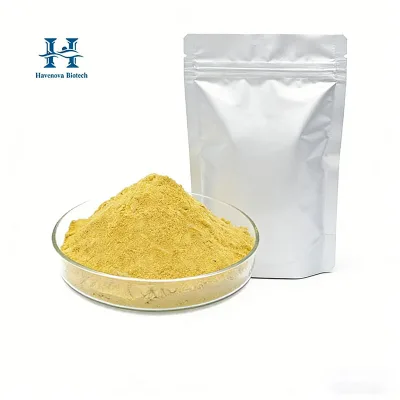
Another significant risk involves the reliability of supply chain logistics and packaging integrity. Sea buckthorn powder is sensitive to moisture and light, requiring proper storage conditions like cool, dry places to maintain stability and prevent degradation. If suppliers do not adhere to strict packaging standards, such as using aluminum foil bags or sealed drums, the product may suffer from clumping, discoloration, or loss of efficacy during transit. Furthermore, the risk of delayed shipments due to production bottlenecks or logistical disruptions can impact buyer operations, especially if lead times are not accurately communicated. Buyers should also be cautious of suppliers who do not offer clear return policies or quality guarantees, as this can leave them vulnerable to financial losses in case of product defects. Establishing clear quality control checkpoints and maintaining open communication with suppliers can help mitigate these risks and ensure consistent product quality.
Food Grade Sea Buckthorn Powder Regional Sourcing and Logistics
Sourcing sea buckthorn powder from specific regions in China, such as Shaanxi and Jiangsu, offers distinct logistical advantages and challenges that buyers must consider. Shaanxi, being a major agricultural region, often provides direct access to raw sea buckthorn fruits, which can reduce transportation costs for raw materials and support fresher product batches. Suppliers in this region may have established relationships with local farmers, ensuring a steady supply of high-quality raw ingredients. However, buyers should verify the logistical infrastructure in Shaanxi to ensure efficient outbound shipping, especially for international orders. The proximity to raw materials can also facilitate faster production cycles, which may translate to shorter lead times for finished goods, provided that the supplier has adequate production capacity and quality control measures in place.
In contrast, Jiangsu-based suppliers benefit from a more developed industrial and logistical infrastructure, which can enhance the efficiency of export operations. This region’s advanced manufacturing capabilities often support higher levels of automation and standardized production processes, which can improve consistency and scalability. Buyers sourcing from Jiangsu may find it easier to coordinate complex logistics due to the region’s proximity to major ports and transportation hubs. However, the cost structure may differ from Shaanxi-based suppliers, potentially reflecting higher operational expenses or premium certifications. Buyers should evaluate the total landed cost, including shipping, insurance, and customs duties, when comparing suppliers from different regions. Additionally, considering the environmental and social governance aspects of sourcing from these regions can provide further insights into the sustainability and ethical standards of the supply chain, which may be important for certain buyer markets.
Food Grade Sea Buckthorn Powder Commercial Terms and Order Planning
Effective order planning for Food Grade Sea Buckthorn Powder requires careful attention to commercial terms, including payment conditions, packaging specifications, and customization options. Buyers should negotiate clear payment terms that align with their cash flow needs, such as using escrow services for secure transactions or establishing credit lines for repeat orders. Packaging is another critical aspect, with suppliers typically offering options like 1 kg aluminum foil bags for small batches or 25 kg drums for larger volumes. Buyers must ensure that the packaging material is suitable for long-term storage and transportation, providing adequate protection against moisture and contamination. Additionally, suppliers that offer OEM, ODM, and private label services can help buyers differentiate their products in the market, but these services may come with additional costs or minimum order requirements that need to be factored into the budget.
Lead time management is essential for maintaining inventory levels and meeting customer demand. Buyers should work with suppliers to establish realistic lead time expectations, considering factors such as production capacity, raw material availability, and logistical constraints. For urgent orders, buyers may need to pay a premium for expedited shipping or production, which should be clearly defined in the commercial agreement. Furthermore, buyers should plan for potential variations in lead times due to seasonal factors or regulatory inspections, especially for products with specific certifications like HACCP or BRC. Establishing a buffer stock or maintaining a diversified supplier base can help mitigate the risk of supply disruptions. Regular communication with suppliers regarding production schedules and inventory levels can also facilitate better planning and ensure a smooth flow of goods, supporting the buyer’s overall supply chain resilience.
FAQs
What is the price range for Food Grade Sea Buckthorn Powder?
Prices for Food Grade Sea Buckthorn Powder typically range from $6.00 to $24.00 per kilogram. Specific costs depend on the supplier location and product specifications. For instance, suppliers in Jiangsu offer prices between $6.00 and $24.00, while Shaanxi suppliers list ranges from $9.31 to $13.45. Buyers should verify exact quotes based on order volume and customization needs.
What is the minimum order quantity for sea buckthorn powder?
The minimum order quantity is generally 1 kilogram for most suppliers. This low MOQ allows buyers to test product quality before committing to larger purchases. Some suppliers offer packaging in 1kg bags or 25kg drums. Buyers should confirm the specific MOQ with the supplier, as it may vary slightly depending on the product type and customization requirements.
Where are sea buckthorn powder suppliers located?
Suppliers are primarily located in Shaanxi and Jiangsu, China. Shaanxi suppliers often provide plant extracts with a 3-day response time. Jiangsu suppliers may have an 8.68-day response time and a 15-day lead time. Buyers can filter results by these regions to find manufacturers or trading companies that best fit their logistical and sourcing preferences.
What certifications are available for sea buckthorn powder?
Common certifications include ISO 9001, ISO 14001, HACCP, ISO 22000, and BRC. These certifications ensure quality and safety standards for health care and food applications. Buyers should verify specific certificates with the supplier, as availability depends on the manufacturer's capabilities. Certified products are suitable for functional foods and nutritional supplements.
What is the shelf life of sea buckthorn powder?
The shelf life is typically 24 months when stored in a cool, dry place. Proper storage conditions are essential to maintain product quality and potency. Buyers should ensure that packaging, such as aluminum foil bags or drums, provides adequate protection. Always check the specific shelf life with the supplier to confirm compliance with your storage capabilities.
Can suppliers provide custom packaging for sea buckthorn powder?
Yes, many suppliers offer customization services, including OEM, ODM, and private labeling. Packaging options often include 1kg aluminum foil bags or 25kg drums. Buyers can request specific packaging materials and designs to meet their brand requirements. Customization availability should be confirmed directly with the supplier to ensure it aligns with your order volume and timeline.