Source Polarized Sports Visor Sunglasses for Running Cycling Hiking
Explore 30 listings of Polarized Sports Visor Sunglasses suitable for running, cycling, and hiking. Buyers can compare frame materials, lens types, and customization options from verified suppliers in China.
Key considerations
Products List


UV400 Protection with HD Lens Outdoor Sport Cycling Glasses Polarized Sunglasses
$9.00 - $10.18
MOQ: 1 Pieces


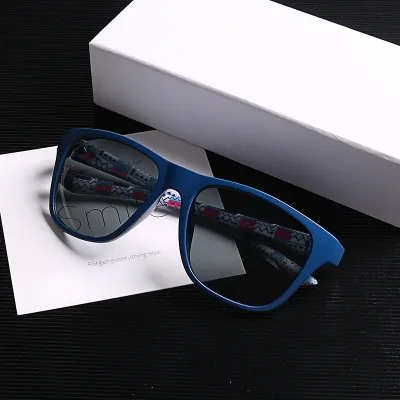

Comprehensive Sourcing Guide
Strategic Sourcing Guide for Polarized Sports Visor Sunglasses
Understanding Product Categories and Technical Specifications
When sourcing Polarized Sports Visor Sunglasses, buyers must first distinguish between the specific product attributes that define the category. The market offers a diverse range of eyewear, from standard frames to specialized visor styles designed for high-mobility activities. In the context of sports visors, the primary distinction lies in the frame construction and the integration of the visor element, which often eliminates the need for a full frame around the lenses. This design is particularly advantageous for athletes who require a wide field of view and reduced weight.
Technical specifications are the foundation of any procurement decision. The physical dimensions of the product are critical for fit and comfort. Data indicates that standard sizes for such eyewear often follow a specific measurement format, such as lens width, bridge width, and temple length, typically ranging around 52-17-140 mm or 56-20-146 mm. These measurements ensure the product fits a broad demographic, including unisex applications. The frame material is another pivotal specification. While traditional options include plastic, modern sports visors frequently utilize polycarbonate (PC) or silicone. Polycarbonate is favored for its impact resistance and lightweight nature, making it ideal for high-impact sports. Silicone frames offer superior flexibility and comfort, particularly for products designed to be worn during intense physical exertion where sweat and movement are factors.
The optical properties of the lenses define the "polarized" aspect of the product. Polarized lenses are engineered to reduce glare from reflective surfaces such as water, snow, or asphalt. In the observed product data, lens types include PC mirror finishes and polarizer options. The lens material itself is often resin or polycarbonate, providing durability and clarity. The color of the lenses, such as smoke or various tints, plays a role in light filtration and contrast enhancement. For sports applications, the ability to filter ultraviolet (UV) rays is non-negotiable. Buyers should verify that the product explicitly states UV protection capabilities, as this is a standard safety requirement for eyewear used outdoors.
Compliance, Certification, and Safety Standards
Navigating the regulatory landscape is essential for B2B procurement, especially when importing eyewear for commercial resale or corporate distribution. Different markets have distinct certification requirements that must be met before products can be legally sold. In the context of sports eyewear, the European Union often requires compliance with the CE standard, which ensures the product meets health, safety, and environmental protection standards. Specific directives may apply depending on whether the eyewear is classified as personal protective equipment (PPE).
In the United States, the Food and Drug Administration (FDA) regulates eyewear, particularly regarding UV protection claims. Products intended for sports use may also need to meet the EN standards, which are European norms for safety. The observed product data references certifications such as PPE, CE, FDA, and EN, indicating that suppliers may offer products compliant with these rigorous standards. However, buyers must not assume that every listed product holds these certifications without verification. The procurement process requires a request for valid certification documents from the supplier to confirm that the specific batch or model meets the regulatory requirements of the destination market.
Beyond certifications, the condition of the product is a critical compliance factor. Sourcing guides should emphasize the importance of receiving "New" condition items, as refurbished or used goods often fail to meet the quality expectations of B2B buyers and may not carry valid warranties. The packaging standards also play a role in compliance, with export cartons needing to meet specific dimensional and weight requirements to ensure safe transit. For instance, specific product packages may be designed with dimensions like 7.64 x 2.64 x 2.01 inches, ensuring they fit standard shipping pallets and minimize damage during logistics.
Cost Drivers and Pricing Dynamics
The pricing structure for Polarized Sports Visor Sunglasses is influenced by a complex interplay of material costs, manufacturing complexity, and order volume. The observed price range in the market spans from $0.50 to $60.00 USD. This wide variance reflects differences in brand positioning, material quality, and the level of customization offered. Lower-priced items often utilize standard plastic frames and basic lens treatments, while higher-priced options may feature advanced silicone frames, premium polarized coatings, and custom branding.
Minimum Order Quantity (MOQ) is a significant driver of unit cost. Suppliers typically offer tiered pricing structures where the unit price decreases as the order volume increases. The observed MOQ range spans from 2 pieces to 1,200 pieces. For buyers testing the market or requiring small batches for specific events, an MOQ of 2 to 300 pieces may be acceptable, though the per-unit cost will be higher. Conversely, large-scale retailers or distributors seeking to maximize margins should aim for orders closer to the 1,200-piece threshold to leverage economies of scale.
Customization is another major cost factor. The availability of customization options, such as custom colors (including any Pantone color), custom logos, or specific frame shapes, adds value but also increases the production cost. Products that are fully customized often require a higher MOQ to justify the setup costs for the manufacturer. Buyers must balance the desire for unique branding with the budget constraints of the project. Additionally, the origin of the product, typically China or specific manufacturing hubs like Wenzhou, influences labor costs and shipping expenses, which are embedded in the final landed cost.
Typical Applications and User Demographics
Polarized Sports Visor Sunglasses serve a wide array of applications, driven by the specific needs of the user. The "Unisex" attribute observed in the product data suggests that these products are designed to fit a broad audience, making them suitable for general sports retail as well as specialized athletic teams. The design is particularly effective for activities where glare reduction is critical, such as cycling, running, fishing, and water sports. The visor style, often associated with "Sports Sunglasses" or "Visor Sunglasses," provides a streamlined profile that does not interfere with helmets or headgear, a common requirement in competitive sports.
The "Swimming" classification found in some product attributes indicates a specialized subset of visor sunglasses designed for aquatic environments. These products often feature silicone frames for better water resistance and comfort when wet. For general sports, the "Long Face" suitability mentioned in some listings highlights the importance of ergonomic design. Buyers should consider the specific demographics of their target market; for instance, products suitable for long faces may not fit all users equally well, necessitating a diverse inventory to accommodate different facial structures.
Furthermore, the functionality of the lenses extends beyond glare reduction. Some products offer "Myopia" and "Non Myopia" options, catering to users who require vision correction. This dual functionality allows the same product line to serve both corrective eyewear needs and standard sports protection, expanding the potential market reach. The "Ellipse" frame shape and "Light-colored" lens attributes also contribute to the aesthetic appeal, making these products suitable for casual wear in addition to high-performance sports.
Supplier Evaluation and Quality Assurance
Evaluating suppliers for Polarized Sports Visor Sunglasses requires a rigorous approach to ensure product consistency and reliability. Buyers should prioritize suppliers who provide transparent information about their manufacturing processes and quality control measures. The origin of the product, such as Wenzhou, China, is a known manufacturing hub, but the specific factory capabilities vary. A reliable supplier will be able to provide detailed product specifications, including exact dimensions, material composition, and packaging details.
Quality assurance should begin with the verification of materials. The use of PC (polycarbonate) for frames and lenses is a standard indicator of durability, but buyers should request material safety data sheets (MSDS) or test reports to confirm the quality of the resin and silicone used. The "Customization" availability is a positive sign of a flexible supplier, but it also introduces variables that must be controlled. Buyers should establish clear quality benchmarks for custom colors and logos to ensure they match the brand's standards.
Packaging is another critical aspect of supplier evaluation. The observed packing methods, such as "1PCS/Paper Box, 120PCS/Carton" or "10PCS/Inner Box, 300PCS Per Export Carton," indicate a structured approach to logistics. Buyers should verify that the packaging is robust enough to protect the sunglasses during transit, especially for products with delicate lenses. The "Carton" packaging for export suggests that the supplier is experienced in international shipping, but the buyer must confirm that the packaging meets the specific requirements of their destination market, including labeling and environmental regulations.
Long-Term Procurement and Inventory Management
Sourcing Polarized Sports Visor Sunglasses is not just a one-time transaction but a strategic long-term relationship. Buyers should consider the scalability of the supplier's production capacity. With an observed MOQ range up to 1,200 pieces, suppliers must be capable of handling large orders without compromising quality or lead times. Inventory management strategies should account for the seasonal nature of sports eyewear, with demand often peaking during summer months or specific sporting events.
The "Custom" standard mentioned in product attributes suggests that buyers can expect a degree of flexibility in future orders. This flexibility is valuable for adapting to market trends, such as changes in color preferences or the introduction of new lens technologies. However, buyers must maintain clear communication channels with suppliers to ensure that custom orders are executed correctly and on time.
Long-term procurement also involves monitoring the product lifecycle. As technology evolves, the demand for advanced features like improved UV protection or lighter materials may increase. Buyers should stay informed about industry trends and work with suppliers who are committed to continuous improvement. The "Condition: New" requirement ensures that the inventory remains fresh and marketable, but buyers should also establish protocols for handling returns or defects to maintain customer satisfaction.
Comparative Analysis of Product Attributes
To facilitate informed decision-making, buyers can compare key product attributes across different models. The following table summarizes the observed variations in specifications, materials, and certifications.
| Attribute | Model A (OFFA1009) | Model B (FCZKS001) | Model C (FCFSK9244) |
|---|---|---|---|
| Product Type | Bands | Visor Sunglasses | Visor Sunglasses |
| Frame Material | Not Specified | Plastic | Silicone |
| Lens Material | Not Specified | Resin | PC Mirror |
| Lens Type | Not Specified | Polarizer | Polarizer |
| Certifications | Not Specified | PPE, CE, FDA, EN | FDA |
| MOQ | 1-1200 (General) | 300 PCS | 2 PCS |
| Suitable For | Unisex | Unisex | Unisex |
| Origin | China | Wenzhou, China | China |
| Packing | 120PCS/Carton | 300PCS/Export Carton | Carton |
This comparison highlights the diversity in the market. Model A appears to be a general band product with flexible MOQs, while Model B and C offer specialized visor sunglasses with specific certifications and materials. Model C, with its low MOQ of 2 PCS, is ideal for small buyers or prototypes, whereas Model B's higher MOQ of 300 PCS suits larger retailers. The presence of silicone in Model C suggests a focus on comfort and durability, while Model B's plastic frame offers a cost-effective alternative. Buyers should align their choice with their specific budget, volume requirements, and target market needs.
In conclusion, sourcing Polarized Sports Visor Sunglasses requires a balanced approach that considers technical specifications, regulatory compliance, cost dynamics, and supplier reliability. By leveraging the observed data and maintaining a rigorous evaluation process, buyers can secure high-quality products that meet the demands of the sports eyewear market.
FAQs
What certifications do Polarized Sports Visor Sunglasses typically have?
Products often carry PPE, CE, FDA, and EN certifications to ensure safety and compliance. Buyers must verify specific documents for each batch, as not every listed item automatically holds all certifications without confirmation from the supplier.
Which frame materials are available for these sunglasses?
Common frame materials include polycarbonate, silicone, and plastic, offering durability and flexibility. Polycarbonate provides impact resistance while silicone ensures comfort during intense physical exertion, with specific models varying by manufacturer.
Can I customize the color of the sunglasses?
Yes, customization is available for any Pantone color to match brand requirements. This option allows for unique branding but may require a higher minimum order quantity to justify the setup costs for the manufacturer.
What is the typical minimum order quantity for these items?
Minimum order quantities range from 2 pieces to 1,200 pieces depending on the supplier and customization level. Lower MOQs suit market testing, while larger orders leverage economies of scale for better unit pricing.
How are these sunglasses packaged for export?
Packaging varies from individual paper boxes to export cartons containing 120 to 300 units. Specific dimensions like 7.64 by 2.64 by 2.01 inches ensure safe transit and compatibility with standard shipping pallets.
Which lens types are offered for sports use?
Lenses include polarized options, PC mirror finishes, and UV protection features to reduce glare. Some models also support myopia correction, catering to users who require vision correction during athletic activities.
Where are these products typically manufactured?
Products originate from China, with specific manufacturing hubs like Wenzhou noted in the data. Buyers should confirm the exact factory location and capabilities to ensure quality control and reliable lead times.