Source Polarized Retro Classic Women Sunglasses for Running Leisure Travel
Explore 30 options for Polarized Retro Classic Women Sunglasses with varying frame materials like acetate and metal, lens types including TAC and glass, and styles suitable for round or long faces. Buyers can compare specifications, certifications, and packaging details to find the right fit for their needs.
Key considerations
Products List


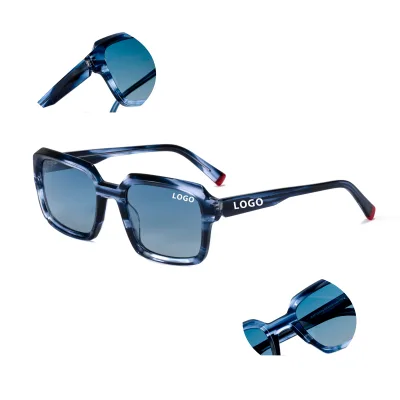
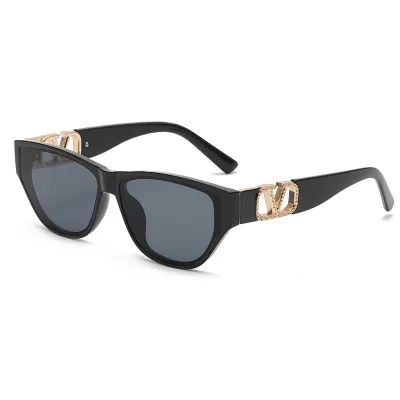
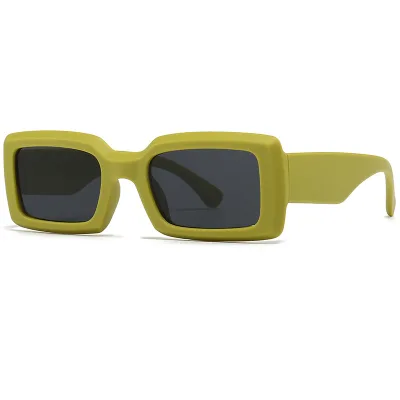
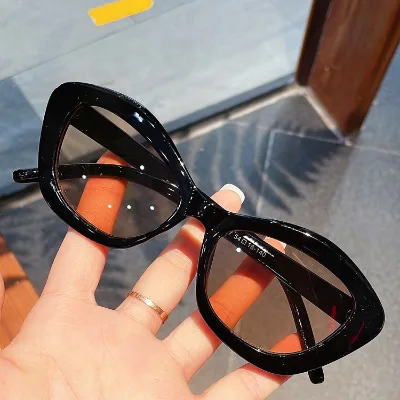

Retro Classic Fashion Sunglasses for Women UV400 CE/FDA Certified Smoke Lens
$4.60 - $10.00
MOQ: 600 Pieces
Comprehensive Sourcing Guide
Strategic Sourcing Guide for Polarized Retro Classic Women Sunglasses
The global market for eyewear continues to evolve, with a distinct and persistent demand for Polarized Retro Classic Women Sunglasses. Buyers in the B2B sector must navigate a complex landscape where aesthetic appeal, such as vintage styling, must be balanced with rigorous optical performance and safety compliance. This guide provides a structured approach to sourcing these specific products, relying on verified product attributes and industry standards to ensure procurement decisions are grounded in factual evidence rather than speculation. The focus remains on identifying suppliers who can deliver high-quality acetate and metal frames with genuine polarized lenses, ensuring that the final product meets both style expectations and functional requirements for sun protection.
Understanding Product Attributes and Material Composition
The foundation of a successful sourcing strategy lies in a precise understanding of the materials and design attributes that define "retro classic" eyewear. In the current market, the frame material is a primary differentiator. High-quality retro styles frequently utilize acetate, a plant-based plastic known for its depth of color and durability. Verified product data indicates that acetate frames are a standard offering for this category, often paired with unisex designs suitable for various face shapes, including round and long faces. Conversely, some models in the retro segment utilize metal or alloy frames, which offer a lighter weight and a different aesthetic profile. A specific observation in the market includes frames constructed from an acrylate and metal combination, providing a hybrid approach to durability and style.
The lens material is equally critical, particularly when the keyword "polarized" is central to the search. While some products in the broader category utilize TAC (Triacetate Cellulose) lenses, which are cost-effective and impact-resistant, true polarized performance is often associated with glass or high-grade plastic lenses. The optical attributes must be verified to ensure they offer genuine polarization rather than a simple tint. The data confirms that polarized lenses are a distinct category within this segment, often marketed alongside UV protection features. Buyers must distinguish between products labeled with "UVStyle" and those explicitly stating "Polarized" as a functional attribute. Furthermore, the frame shape is a defining characteristic of the retro aesthetic; ellipse and round shapes are prevalent, aligning with vintage trends. The color palette is diverse, ranging from classic black to green lenses, which are often associated with a specific vintage military or classic look.
Technical Specifications and Optical Performance Verification
When evaluating technical specifications, buyers must look beyond marketing terms and examine the concrete data points provided by the supplier. The dimensions of the frame are essential for fit and comfort. Verified specifications show standard measurements such as 55-18-148 and 57-20-145, representing the lens width, bridge width, and temple length respectively. These numbers are crucial for ensuring the sunglasses fit the target demographic, particularly women with specific face shapes. Additionally, some products in the market are designed with adjustable features or specific sizing like 54cm-63cm for head circumference, indicating a focus on universal fit or visor-style designs.
The optical performance of the lenses is the most critical technical aspect for polarized sunglasses. The primary function is to reduce glare from reflective surfaces like water, snow, and roads. This is achieved through a specialized filter that blocks horizontally polarized light. Buyers should verify that the product listing explicitly states "Polarized" as a lens optical attribute. While some listings mention "UVStyle," this term can be ambiguous and may refer to UV blocking rather than polarization. True polarization requires a specific manufacturing process that aligns the molecular structure of the lens material. In addition to polarization, UV protection is a mandatory safety feature. The data confirms that many products in this category are designed for UV protection, often categorized under "Ultraviolet" attributes. However, the specific UV rating (e.g., UV400) should be confirmed through technical documentation rather than assumed from general descriptions.
Compliance, Certification, and Safety Standards
Compliance with international safety and quality standards is non-negotiable for B2B procurement, especially for products that protect the eyes. The eyewear industry is subject to various regulations depending on the target market. Verified product data indicates that suppliers may offer certifications such as CE, FDA, and EN standards. The CE marking is particularly relevant for the European market, indicating conformity with health, safety, and environmental protection standards. The EN standard often refers to specific European norms for eye protection, which may include impact resistance and optical clarity requirements.
In addition to regional certifications, the FDA (Food and Drug Administration) certification is relevant for products entering the United States market, particularly regarding the safety of materials used in the lenses and frames. It is important to note that while some product listings mention "PPE" (Personal Protective Equipment) certification, this is typically reserved for industrial safety gear rather than fashion sunglasses. Buyers must exercise caution and verify the specific scope of any PPE certification. The presence of a "New" condition status and "Non-Customized" options in the data suggests that many suppliers offer standard, ready-to-ship inventory that has already undergone basic quality checks. However, relying solely on the "New" label is insufficient; buyers must request specific test reports to validate the UV and polarization claims.
Cost Drivers and Pricing Structure Analysis
The pricing of Polarized Retro Classic Women Sunglasses is influenced by several key factors, including material quality, manufacturing complexity, and certification status. The observed price range in the market spans from $1.10 to $29.90, a wide spectrum that reflects the diversity of product quality. Lower-priced items often utilize TAC lenses and basic acetate or plastic frames, while higher-priced items may feature glass lenses, metal frames, or more complex manufacturing processes. The material composition is a primary cost driver; glass lenses are significantly more expensive to produce and ship than TAC or polycarbonate alternatives due to their weight and fragility.
The Minimum Order Quantity (MOQ) also plays a significant role in the total cost of ownership. The observed MOQ range varies from 1 to 600 units. Suppliers with low MOQs may charge a higher unit price to cover setup costs, while those requiring higher volumes often offer tiered pricing. Buyers must balance the upfront cost against the potential for volume discounts. Additionally, the packaging method affects the final cost. Products packaged in simple OPP bags are generally less expensive than those requiring cardboard boxes, sealed pockets, or brown boxes. The choice of packaging should align with the brand's positioning and the destination market's retail requirements. It is essential to calculate the total landed cost, including shipping and duties, rather than focusing solely on the unit price.
Supplier Evaluation and Quality Control Protocols
Evaluating a supplier for polarized retro sunglasses requires a multi-faceted approach that goes beyond checking product listings. The origin of the product is a critical factor; verified data points to China and specifically Taizhou, Zhejiang, as key manufacturing hubs. These regions have established supply chains for eyewear, but buyers must verify the specific factory's capabilities. A reliable supplier should provide clear information about their production process, including how they ensure the polarization layer is applied correctly and how they test for UV protection.
Quality control protocols should be a prerequisite for any partnership. Buyers should request samples to conduct independent testing. This includes verifying the polarization effect using a polarized light source and checking for optical distortions. The frame construction should be inspected for durability, ensuring that hinges are secure and the acetate or metal does not show signs of poor finishing. The product standard "20128" mentioned in the data likely refers to packaging dimensions, but the physical dimensions of the glasses must be cross-referenced with the buyer's specifications. Furthermore, the "Condition: New" and "Customization: Available" attributes suggest that suppliers may offer both standard and bespoke options. Buyers should clarify the customization process, including lead times and additional costs, before placing an order.
Typical Applications and Market Positioning
The application of Polarized Retro Classic Women Sunglasses extends beyond simple fashion. While the "Retro" and "Vintage" styles are primarily aesthetic, the functional attributes make them suitable for various activities. The data indicates applications such as "Running" and "Leisure," suggesting that these sunglasses are designed for active lifestyles as well as casual wear. The "Spring, Summer, and Autumn" seasonality highlights their utility in periods with high sun exposure. The "Sun Protection" characteristic is a key selling point, making these products suitable for outdoor enthusiasts, drivers, and beachgoers.
The market positioning of these sunglasses often targets consumers who value both style and function. The "Unisex" attribute suggests a broad appeal, allowing buyers to market the product to a wider demographic. The "Visor Sunglasses" type mentioned in the data indicates a specific niche, possibly for sports or outdoor activities where a visor-style frame is preferred. Understanding the intended application helps in selecting the right product mix. For instance, models with metal frames and glass lenses might be positioned as premium fashion items, while those with TAC lenses and acetate frames could be marketed as affordable, durable options for everyday use.
Long-Term Procurement Considerations and Supply Chain Stability
Sourcing Polarized Retro Classic Women Sunglasses is not a one-time transaction but a long-term strategic relationship. Buyers must consider the stability of the supply chain, including the supplier's ability to maintain consistent quality over time. The "Customization: Available" attribute indicates that suppliers may be willing to adapt products to specific brand needs, which is a valuable capability for long-term growth. However, buyers should verify the lead times for customized orders, as these can vary significantly from standard stock items.
Packaging and logistics are also critical long-term considerations. The variety of packaging options, from "1PC/OPP Bag" to "Carton Box," allows for flexibility in shipping and retail presentation. Buyers should ensure that the packaging protects the sunglasses during transit and meets the sustainability requirements of their target markets. Additionally, the "As Photo" color attribute suggests that color consistency can be a challenge. Buyers should establish clear color standards and request color swatches to ensure that the final product matches the marketing images. Finally, maintaining a relationship with a supplier who can provide consistent certification documentation is essential for navigating regulatory changes and maintaining market access.
FAQs
What frame materials are used for these retro sunglasses?
Frames are constructed from acetate, metal, alloy, or an acrylate and metal combination. Some models feature TRLenses Color:Green frames while others use standard acetate or metal to ensure durability and a vintage aesthetic suitable for various face shapes.
Which lens types offer polarization for these sunglasses?
Lenses are available in TAC, glass, or polarizer types with explicit polarized optical attributes. While some products list UVStyle, true polarization is confirmed by specific lens material and optical attribute data provided in the product specifications.
Can buyers find these sunglasses with CE or FDA certification?
Yes, certain models carry PPE, CE, FDA, and EN certifications. Buyers should verify that the specific product listing includes these documented standards to ensure compliance with safety regulations for the target export markets.
How do specifications vary across different retro models?
Specifications include dimensions like 55-18-148 or 57-20-145 for lens width, bridge, and temple length. Other models may feature adjustable sizing such as 54cm-63cm head circumference or specific model codes like BAF6015S and DF-4362.
What is the price range for polarized retro sunglasses?
The observed price range spans from 1.1 to 29.9 USD depending on material and features. Lower prices often correspond to TAC lenses and basic packaging, while higher prices reflect glass lenses, metal frames, and premium certification status.
Which suppliers offer customization for these sunglasses?
Customization is available for some models, while others are listed as non-customized. Buyers can select from options with varying packaging like cardboard boxes or OPP bags, though lead times and specific customization details must be confirmed with the source.