Source Quick-Dry Swimwear for Beach, Pool, and Travel
Source quick-dry swimwear from 30 verified suppliers in China. Compare options featuring nylon, polyester, and spandex blends with anti-UV and waterproof properties. Find OEM services, various sizes, and customization options for your brand; compare the available evidence and request quotations based on your requirements.
Updated
Key considerations
Products List



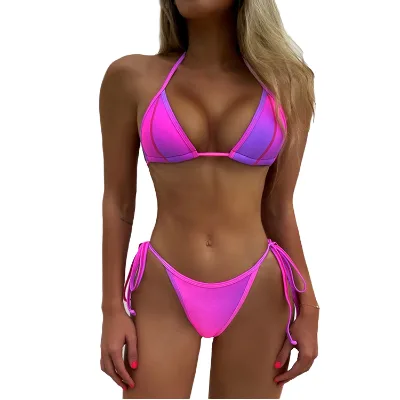
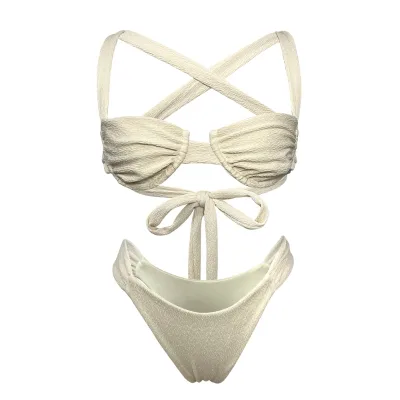

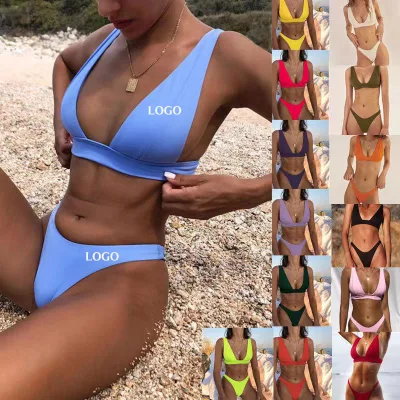

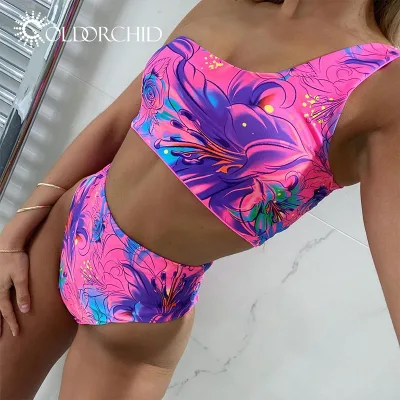



Comprehensive Sourcing Guide
Quick-Dry Swimwear Sourcing Guide
Sourcing quick-dry swimwear requires identifying products that balance rapid moisture management with durable construction for active water sports. The available market data indicates a strong presence of items utilizing Nylon, Polyester, and Spandex blends, which are essential for achieving the necessary elasticity and drying speed. Buyers must verify that the specific fabric composition aligns with their performance requirements, as materials like Polyester/Nylon blends often offer superior color retention and shape stability compared to single-fiber options.
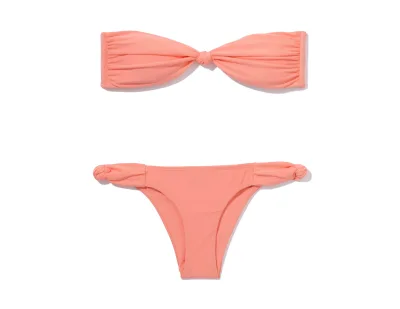
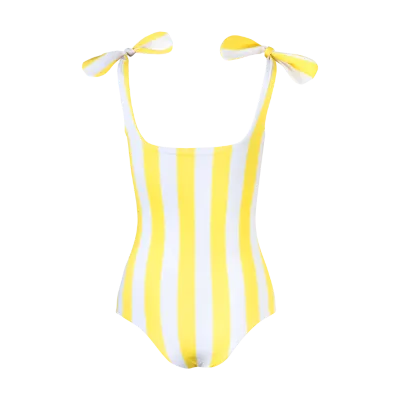
Procurement decisions should also account for the diverse design variations observed in current listings, ranging from bikini sets to swimdresses with specific features like anti-UV protection and waterproof capabilities. The presence of customization options and OEM services suggests that buyers can tailor products to their brand identity, yet they must confirm the feasibility of these requests against the supplier's technical capabilities. Understanding the distinction between in-stock items and custom orders is critical for managing inventory levels and meeting seasonal demand without overextending supply chains.
Product Scope and Observed Listing Signals
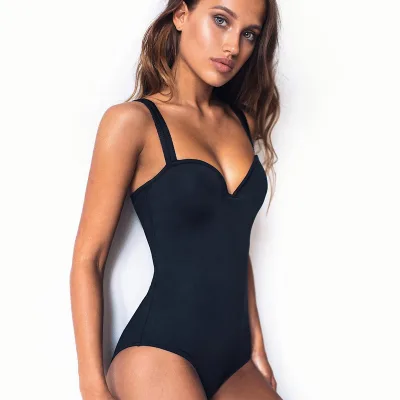
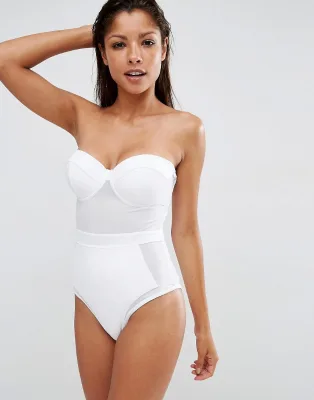
The current product landscape for quick-dry swimwear includes a wide array of styles, from regular fit shorts to plunge neck and backless designs, catering to specific fashion trends and functional needs. Listings frequently highlight attributes such as solid patterns, tie-dyed techniques, and heat-transfer printing, which influence the aesthetic appeal and production complexity of the final goods. Buyers should carefully review the "Number of Pieces" specification, as some offerings are single items while others are two-piece sets, directly impacting the unit economics and packaging requirements for the final shipment.
Observations of available quantities ranging from 1,000 to 5,000 units suggest varying levels of stock availability and production capacity among different suppliers. The presence of specific model numbers and origin locations, such as Liaoning, China, provides traceability but requires verification of the actual manufacturing site to ensure consistency. Additionally, the observation of "Free Size" alongside standard sizing (S, M, L, XL, XXL) indicates a need for clear communication regarding fit expectations, as sizing standards can vary significantly between different manufacturers and regions.
Technical Specifications to Verify
Technical verification must begin with the fabric weight and weaving method, as these factors directly determine the durability and drying performance of the swimwear. Listings indicate fabric weights around 220 grams and knitted weaving methods, which are suitable for stretch and comfort but require confirmation that the specific weight is appropriate for the intended use case. Buyers should also scrutinize the "Technics" section, noting differences between automated cutting and tie-dyed processes, as these affect the precision of the cut and the consistency of the color application across large batches.
Further verification is required for functional attributes like neckline styles, bottom types, and bra types, which define the garment's silhouette and support level. The presence of features such as anti-UV protection, nontoxic materials, and quick-dry capabilities must be validated through specific product data sheets rather than assumed from general descriptions. Additionally, the single package size and gross weight data provided in listings are essential for calculating accurate shipping costs and determining the optimal packaging strategy to minimize damage during transit.
Compliance and Safety Documentation
While specific certification documents are not explicitly listed in the provided product facts, the mention of "nontoxic" attributes implies a baseline safety requirement that must be substantiated with third-party testing reports. Buyers should request evidence of compliance with relevant chemical safety standards, particularly regarding azo dyes and heavy metals, to ensure the swimwear is safe for skin contact during prolonged water exposure. The absence of explicit certification data in the initial listing signals a need for proactive due diligence to verify that the supplier adheres to international safety regulations for textile products.
Documentation regarding the origin of materials and the manufacturing process is equally critical for establishing a transparent supply chain. The listed origin of China and specific production locations like Liaoning require verification of the factory's ability to meet environmental and labor standards expected by Western markets. Buyers must ensure that the supplier can provide necessary documentation for the "Oem Service" and "In-Stock Items" categories, confirming that the production methods used for custom orders match the safety and quality standards of their standard inventory.
Cost Drivers and Commercial Terms
Cost structures for quick-dry swimwear are heavily influenced by the complexity of the printing methods and the customization level required. Listings show a range of printing techniques from digital print to heat-transfer printing, each carrying different cost implications based on setup fees and per-unit pricing. The availability of customization options, such as logo placement on the front, adds a layer of complexity that can increase the unit cost, especially when dealing with smaller order quantities that do not benefit from economies of scale.
Commercial terms regarding lead times and sample orders play a pivotal role in the overall procurement strategy and cash flow management. The data indicates that some suppliers support a 7-day sample order lead time, while others do not, creating a significant variance in the speed at which buyers can validate product quality before committing to bulk orders. Buyers must also consider the minimum order quantity (MOQ) ranges observed, which span from 1 to 500 units, to determine the most cost-effective order size that balances inventory risk with unit pricing benefits.
Supplier Qualification and Quality Control
Supplier qualification should focus on the consistency of their production capabilities, particularly regarding the "Automated cutting" and "Tie Dyed" techniques mentioned in the listings. Buyers need to assess whether the supplier has the infrastructure to maintain high precision in cutting and dyeing processes, as these steps are critical for ensuring that the final product meets the specified fit and pattern requirements. The ability to handle both OEM services and in-stock items suggests a flexible operation, but buyers must verify that quality control protocols remain consistent across both production modes.
Quality control measures must extend to the final packaging and labeling, as the listed single package sizes and gross weights indicate specific logistical constraints. Buyers should implement a rigorous inspection process to verify that the "Carton" packing is robust enough to protect the swimwear during shipping, especially given the delicate nature of the fabrics and the potential for water damage. Additionally, verifying the "Available Quantity" against actual stock levels is essential to prevent supply chain disruptions, ensuring that the supplier can fulfill orders without unexpected delays or shortages.
Long-Term Procurement Checks
Long-term procurement success depends on establishing a reliable relationship with suppliers who can consistently deliver on the specified technical and aesthetic requirements. Buyers should monitor the supplier's ability to maintain the "Quick Dry" and "Anti-UV" performance characteristics over multiple production cycles, as these features are central to the product's value proposition. Regular audits of the manufacturing process and material sourcing will help ensure that the quality remains stable and that the supplier continues to meet the evolving demands of the market.
Continuous evaluation of the supplier's responsiveness to customization requests and their ability to adapt to changing order volumes is also vital for long-term stability. The observed range of lead times and sample support indicates that some suppliers may be more flexible than others, and buyers should prioritize partners who demonstrate a commitment to timely delivery and clear communication. By maintaining a proactive approach to supplier management, buyers can mitigate risks associated with supply chain volatility and ensure a steady flow of high-quality quick-dry swimwear products.
FAQs
What materials are used for quick-dry swimwear?
Quick-dry swimwear is typically constructed from Nylon, Polyester, or a blend of Spandex and Polyester. These synthetic fabrics are chosen for their durability and ability to repel water. The knitted weaving method enhances flexibility and comfort. Some items also feature Anti-UV properties to protect skin during outdoor activities. This material selection ensures the garment remains lightweight and functional.
Can I customize the logo position on swimwear?
Yes, customization is available for many quick-dry swimwear items. Buyers can often specify the logo position, such as on the front of the garment. OEM service is supported, allowing for tailored branding solutions. This flexibility helps businesses create unique products that align with their brand identity. It is advisable to confirm specific customization options with the supplier before placing an order.
What is the sample order lead time?
The sample order lead time varies by supplier. Some manufacturers support a 7-day sample order lead time, allowing for quick prototyping. Others may not support this rapid turnaround. Buyers should check the specific supplier's capabilities to determine if they meet their timeline requirements. Understanding these lead times helps in planning production schedules effectively.
Which sizes are available for quick-dry swimwear?
Quick-dry swimwear is available in various sizes, including S, M, L, XL, and XXL. Some items offer Free Size options for versatility. US sizing may include 3XL, 4XL, and 5XL. Buyers should refer to the specific product specifications to ensure the correct fit. The availability of multiple sizes caters to a diverse customer base.
How is the swimwear packaged for shipping?
Swimwear is typically packaged in cartons for efficient shipping and storage. The single package size is often around 20x20x5 cm or 21x15x4 cm. This compact packaging helps reduce shipping costs and protects the product during transit. Buyers should verify the packaging details with the supplier to ensure it meets their logistical needs.
What features do quick-dry swimwear items offer?
Quick-dry swimwear often includes features like Anti-UV protection, Nontoxic materials, and Quick Dry capabilities. Some items are also Waterproof and designed for regular fit. These features enhance comfort and functionality for users. The fabric weight is typically around 220 grams, providing a balance between durability and lightness. These attributes make the swimwear suitable for various water activities.