Source Recyclable PE French Bread Bags for Bakery, Retail, and Wholesale
Find 30 options for Recyclable PE French Bread Bags tailored for bakery, retail, and wholesale needs. Compare features like custom printing, drawstring seals, and food-grade materials from suppliers in China to find the right fit for your packaging requirements; compare the available evidence and request quotations based on your requirements.
Updated
Key considerations
Products List


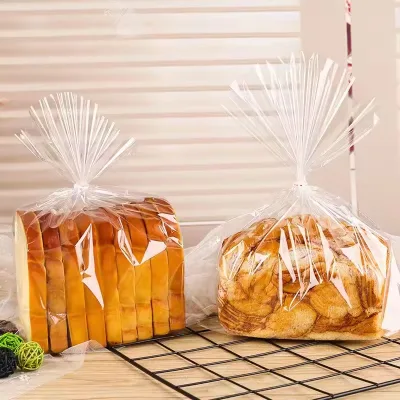
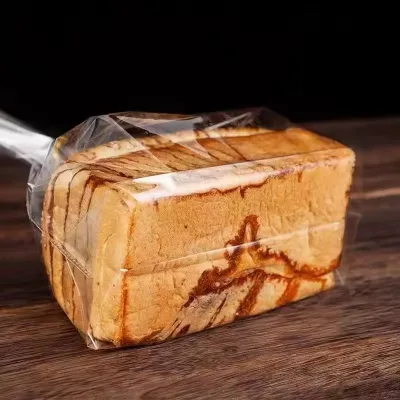
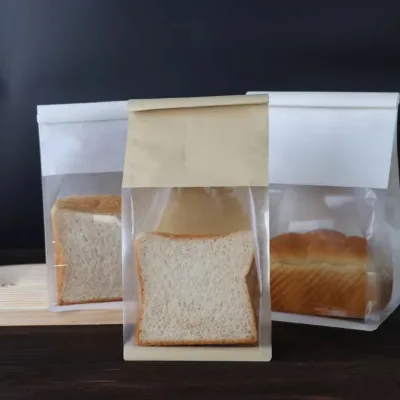
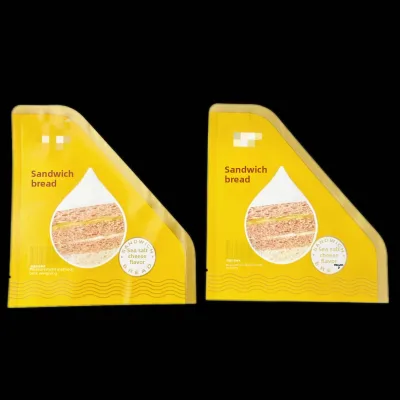
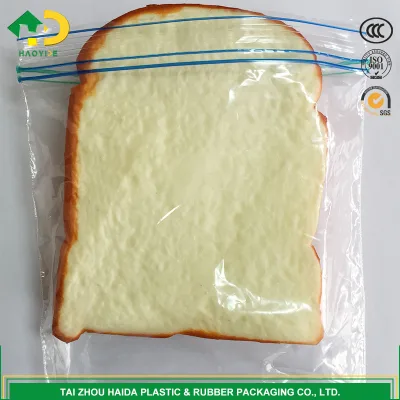
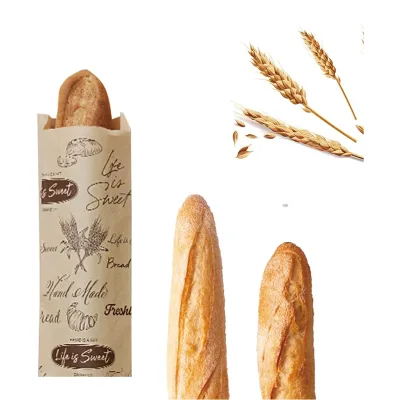
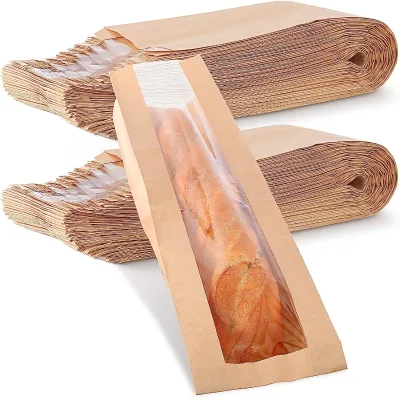
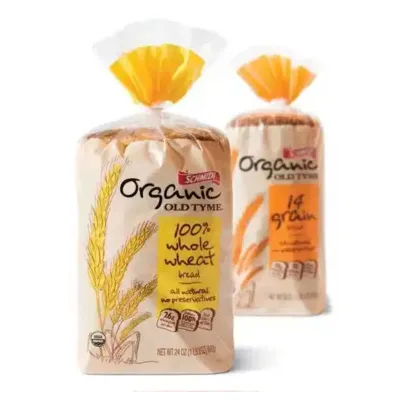
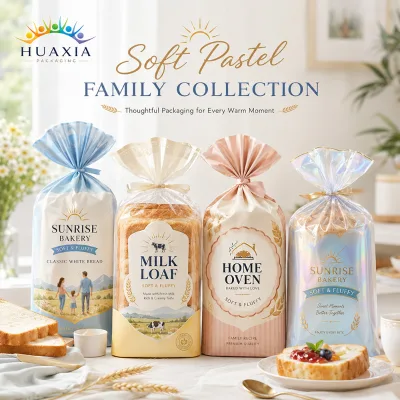
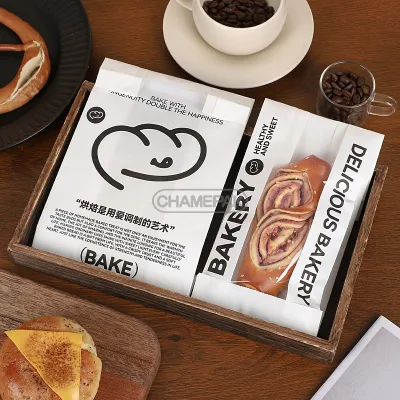
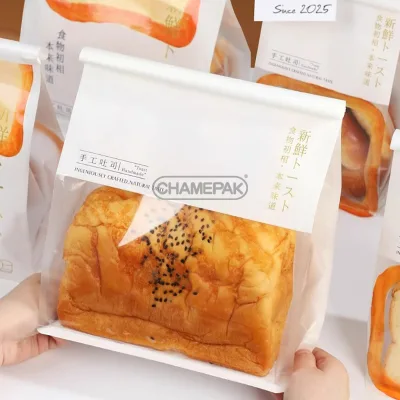
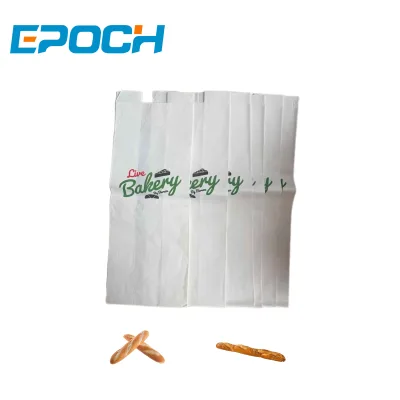


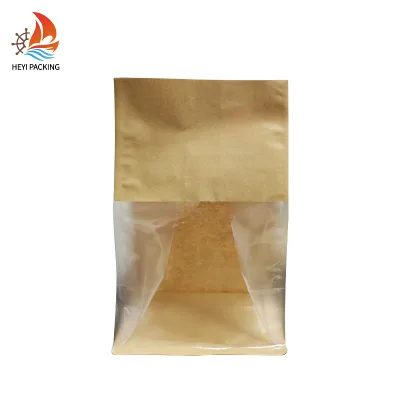
Recyclable Brown Paper Bags with Window for Fresh Breads and Customizable Size
$0.01 - $0.40
MOQ: 30000 Pieces
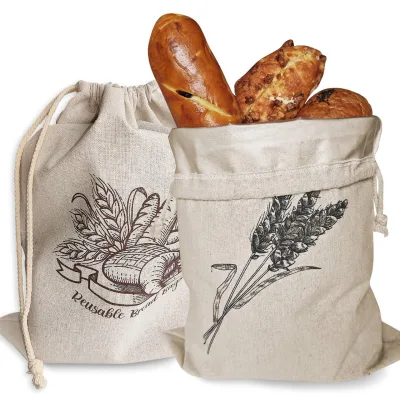

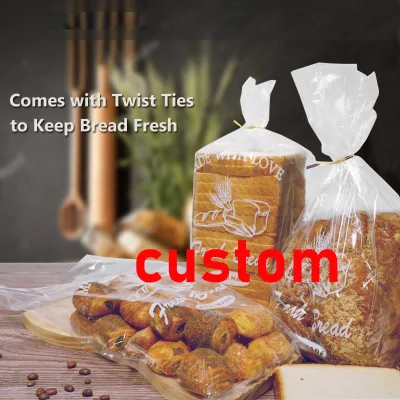
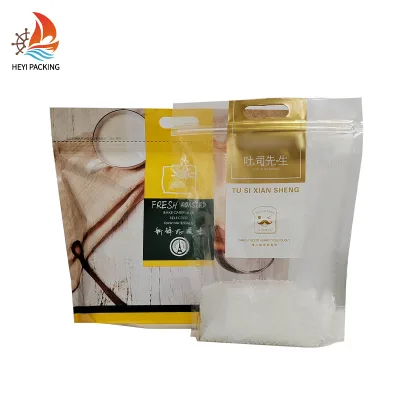
Back Seal Long Waist Christmas Disposable Polypropylene Plastic French Bread Bags Food
$0.0209 - $0.0313
MOQ: 5000 pieces
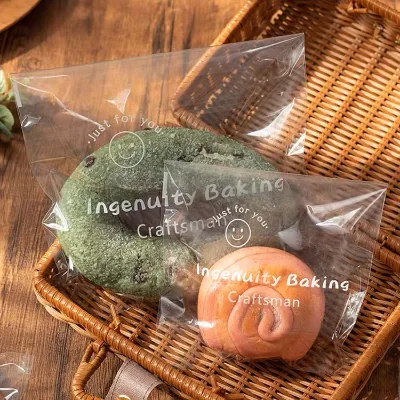
Comprehensive Sourcing Guide
Recyclable PE French Bread Bags Sourcing Guide
Procurement teams must first distinguish between general plastic packaging and specific food-grade solutions designed for bakery applications. The available market data indicates a strong presence of square bottom bags and wire-edged bread bags, with materials ranging from OPP to PE structures. Buyers should prioritize suppliers who explicitly list "Food Grade" features and "Recyclable" attributes to ensure the packaging aligns with sustainability goals while maintaining product integrity during transport.
Verification of the specific plastic type is critical, as some listings specify PE structures while others reference OPP. The observed product range includes items with self-adhesive seals and drawstring handles, offering different closure mechanisms for varying bakery needs. Sourcing strategies should focus on identifying vendors who accept custom orders for sizes and thicknesses, ensuring the final packaging fits the specific dimensions of the bread loaves being shipped.
Product Scope and Observed Listing Signals
The current market landscape for these bags reveals a diverse array of customization options, including custom printing, logos, and specific industrial uses for food applications. Listings frequently highlight "French Bread Bag" and "bakery Bread Bag" as key identifiers, suggesting a specialized niche within the broader plastic packaging sector. Buyers should look for products that explicitly state "Custom Sizes Packaging Bags" to accommodate the irregular shapes often found in artisanal bread production.
Observations indicate that packaging types vary significantly, with some models featuring screen printing and others utilizing gravure printing for high-quality branding. The presence of "Re-sealable" attributes alongside "Square Bottom Bag" designs suggests a functional evolution in how these products protect freshness. Procurement teams must carefully review the "Bag Type" and "Sealing & Handle" specifications to match the operational requirements of their specific distribution channels.
Technical Specifications to Verify
Technical due diligence requires a rigorous check of the material structure, specifically confirming whether the bag utilizes PE or OPP layers for the intended barrier properties. The data shows a mix of "Plastic Type" classifications, and buyers must ensure the selected material meets the necessary strength and flexibility requirements for heavy bread loaves. Verification of the "Surface Handling" process, such as screen or gravure printing, is essential to guarantee that the ink adhesion will not compromise the food-grade safety of the inner lining.
Dimensional accuracy is another critical technical parameter, as the "Size" and "Thickness" are often listed as customized variables. Buyers should request detailed specifications for the "Single package size" and "Single gross weight" to calculate logistics costs accurately. The "Model Number" variations, such as 2025310 or A wire-edged bread bag, indicate distinct structural designs that may offer different performance characteristics regarding seal integrity and shelf-life extension.
Compliance and Safety Documentation
Ensuring food safety compliance is paramount when sourcing packaging for bakery products, requiring verification of "Food Grade" status from the manufacturer. While specific certification names are not universally listed in the provided data, buyers must demand documentation proving the material meets relevant food contact regulations for the target export markets. The "Industrial Use" classification as "Food" serves as a baseline indicator, but explicit test reports or compliance certificates are necessary to validate this claim for international trade.
Sustainability claims regarding "Recyclable" features must be substantiated with clear material composition data to avoid greenwashing accusations. Procurement teams should verify that the "Plastic Type" and "Material Structure" align with local recycling infrastructure capabilities in the destination country. Additionally, confirming the "Customization" and "Logo" application processes ensures that any inks or adhesives used do not introduce hazardous substances into the food supply chain.
Cost Drivers and Commercial Terms
Pricing dynamics for these bags are heavily influenced by the complexity of customization, including custom printing, logos, and specific size requirements. The observed MOQ ranges from 50 to 30,000 units, with some specific listings indicating a high threshold of 20,000 pieces for certain models. Buyers must balance the unit cost against the volume commitment, as lower prices often correlate with higher minimum order quantities and standardized production runs.
Logistics costs are a significant factor, driven by the "Single gross weight" and "Single package size" of the cartons. The "Place of Origin" varies between regions like Jiangsu and Hebei, which can impact freight rates and lead times depending on the buyer's location. Understanding the "Packing" method, typically listed as CTN, is essential for optimizing container loading and minimizing shipping expenses per unit.
Supplier Qualification and Quality Control
Supplier selection should prioritize manufacturers with a proven track record in "Custom OEM/ODM" services and a clear "Brand Name" identity. The presence of multiple model numbers and specific origin locations like Chao Zhou suggests a mature supply chain with established production capabilities. Buyers should assess the supplier's ability to handle "Custom Order" requests efficiently, ensuring they can maintain consistent quality across different production batches.
Quality control protocols must be verified through the supplier's adherence to "Surface Handling" standards and their ability to maintain "Food Grade" integrity. Inspecting the "Sealing & Handle" mechanisms, such as drawstrings or self-adhesive seals, is crucial to prevent product damage during transit. Establishing a clear communication channel for "Custom Printing" and "Logo" approvals ensures that the final product meets the buyer's branding and functional expectations.
Long-Term Procurement Checks
Sustainable sourcing requires ongoing monitoring of the "Recyclable" status of the materials as global recycling standards evolve. Buyers should regularly review the "Material Structure" and "Plastic Type" to ensure they remain compliant with changing environmental regulations in their target markets. Establishing a long-term partnership with a supplier who can adapt to new sustainability requirements will mitigate the risk of supply chain disruptions due to regulatory changes.
Consistency in product performance is vital for maintaining brand reputation in the bakery sector. Procurement teams should implement periodic audits to verify that the "Bag Type" and "Sealing" mechanisms continue to meet the required specifications over time. Regularly reviewing the "Model Number" updates and "Customization" capabilities ensures the packaging remains competitive and aligned with the latest market trends and consumer preferences.
FAQs
What materials are used for these Recyclable PE French Bread Bags?
These bags are primarily constructed from PE plastic structures, with some variants utilizing OPP materials. The PE construction ensures food-grade safety and durability for bakery applications. OPP options offer clarity and strength. Both material types support the recyclable feature, allowing for sustainable disposal after use while maintaining product integrity during storage and transport.
Can I customize the size and thickness of these bread bags?
Yes, custom sizes and thicknesses are available for these packaging bags. Buyers can specify dimensions to fit various bread types, from standard loaves to French breads. The manufacturer accepts custom orders, allowing for tailored specifications. This flexibility ensures optimal product protection and presentation, meeting specific retail or wholesale packaging requirements without compromising structural integrity.
What sealing methods are available for these PE bread bags?
Available sealing methods include self-adhesive seals and drawstring closures. Self-adhesive options provide a quick, secure closure ideal for fresh bakery items. Drawstring variants offer re-sealable functionality, extending freshness for longer storage. These options cater to different operational needs, ensuring convenience for both retailers and consumers while maintaining the bag's structural integrity and hygiene standards.
What is the minimum order quantity for custom printed bags?
The minimum order quantity is typically 20,000 pieces for custom orders. Some listings indicate MOQs ranging from 50 to 30,000 pieces depending on specific configurations. Custom printing and logo application are accepted, allowing for brand differentiation. Buyers should verify exact MOQs with suppliers, as production runs and customization complexity can influence the final minimum order requirements for efficient manufacturing.
Where are these recyclable bread bags manufactured?
These bags are manufactured in China, with origins in regions such as Chao Zhou, Jiangsu, and Hebei. These locations are known for robust packaging production capabilities. The supply chain leverages local expertise in plastic bag manufacturing, ensuring consistent quality and competitive pricing. Buyers can source directly from these regions, benefiting from established industrial clusters specialized in food-grade packaging solutions and custom OEM services.
Are these bags suitable for industrial food use?
Yes, these bags are designed for industrial food use, specifically for bakery and bread packaging. They meet food-grade standards, ensuring safety for direct contact with baked goods. The PE and OPP materials provide moisture resistance and durability. This suitability makes them ideal for commercial bakeries, supermarkets, and food distributors requiring reliable, hygienic, and recyclable packaging solutions for their products.