Source Skin Care Egg Shape Bottle for Serum, Lotion, and Foundation
Compare 30 options for Skin Care Egg Shape Bottle including round and irregular shapes with screw caps or pumps. Find plastic and glass bottles in 30ml to 60ml volumes with customizable logos and silk screen printing for personal care packaging.
Updated
Key considerations
Products List
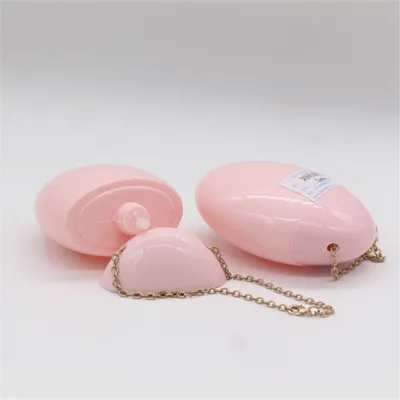
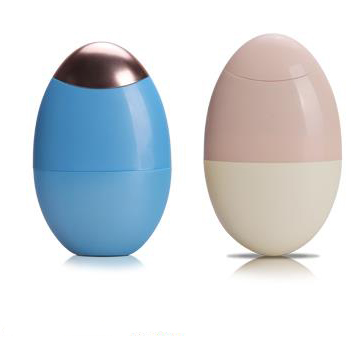


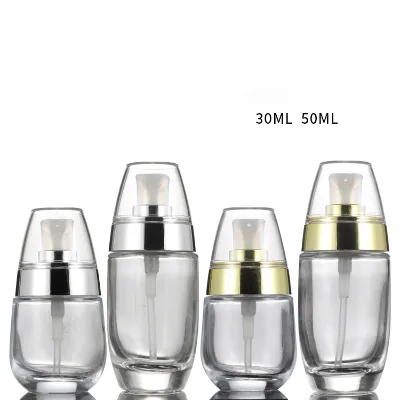
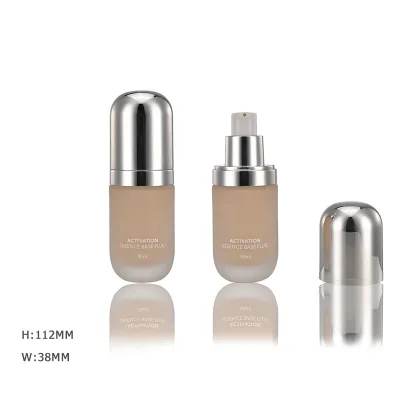
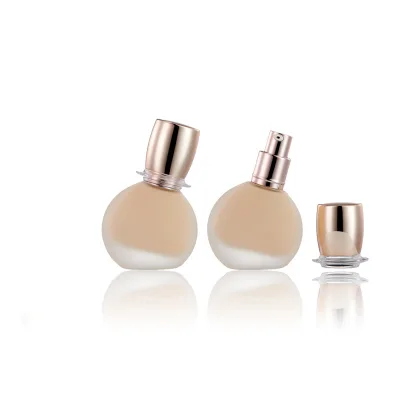
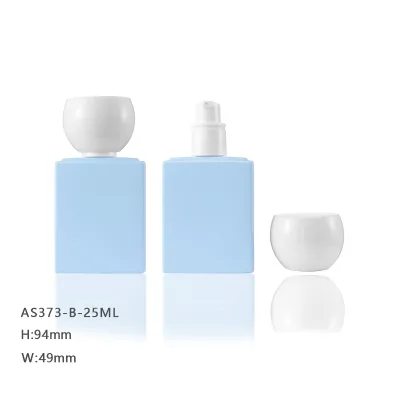

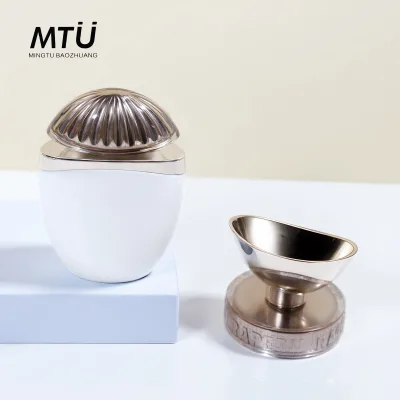
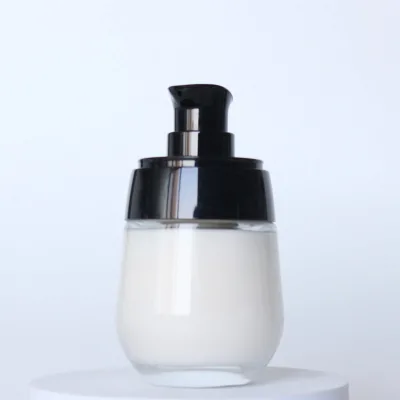
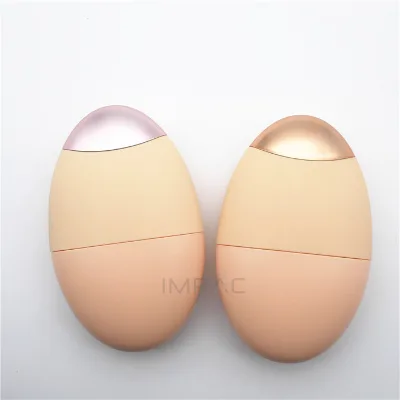
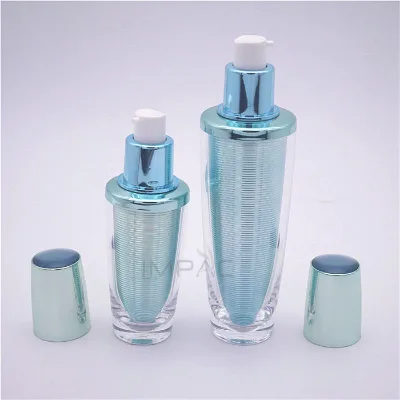
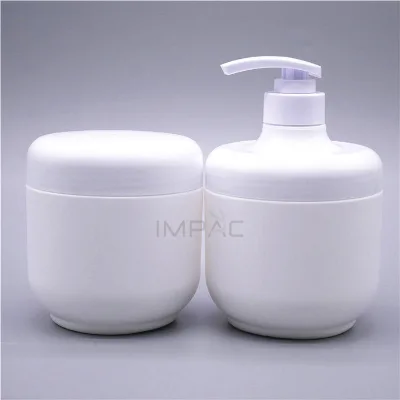
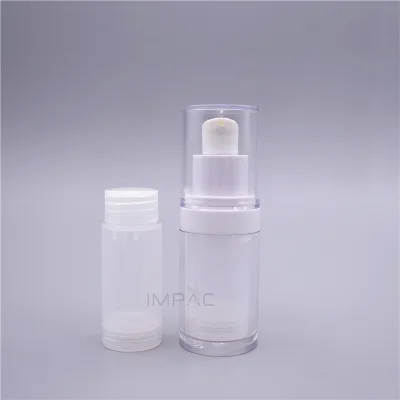

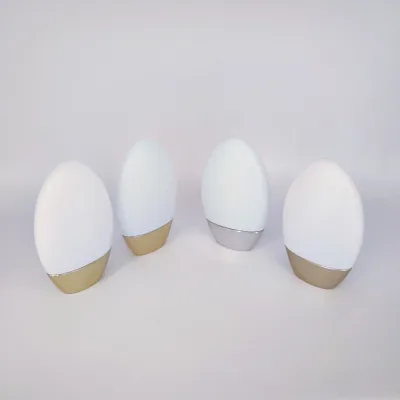

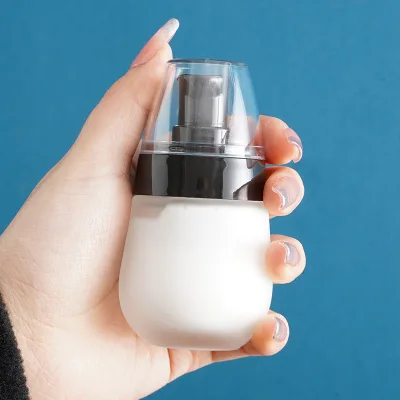


30ml 50ml Luxury White Skin Care Plastic Egg Shell Shape Sunscreen Cream Pump Head Lotion Bottle
$0.542 - $0.552
MOQ: 20000 Pieces

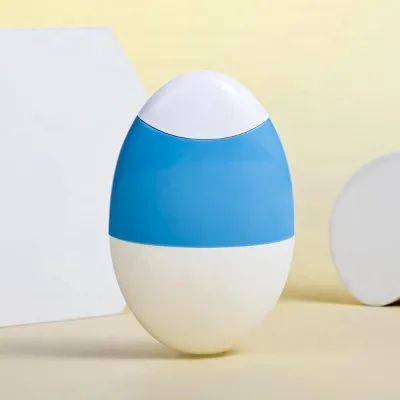
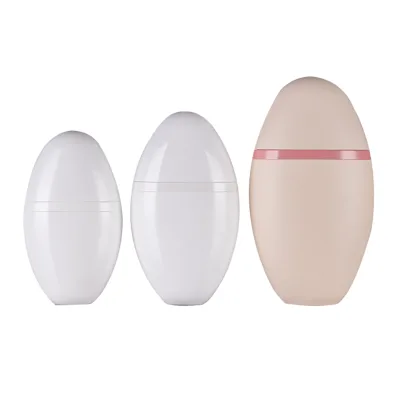
50ml 60ml Palm Hand Egg Shape Plastic Sunblock Skincare Sunscreen Body Lotion Hand Cream Bottle
$0.14 - $0.18
MOQ: 10000 Pieces

$0.175 - $0.195
MOQ: 10000 Pieces



Comprehensive Sourcing Guide
Skin Care Egg Shape Bottle Sourcing Guide
Procuring specialized packaging for personal care products requires a nuanced understanding of material properties and aesthetic versatility. The market offers a diverse array of containers, ranging from standard plastic vessels to premium glass options, each serving distinct branding and functional needs. Buyers must carefully evaluate the interplay between container shape, closure mechanism, and intended product viscosity to ensure optimal performance and consumer experience.
This guide focuses on the specific attributes observed in current listings, highlighting the importance of verifying customization capabilities and material integrity. Whether sourcing for serums, lotions, or foundations, the selection of the right bottle involves balancing cost-efficiency with brand differentiation. Understanding the technical specifications and compliance requirements is essential for mitigating supply chain risks and ensuring that the final packaging meets both regulatory standards and marketing objectives.
Product Scope and Observed Listing Signals
The observed product landscape includes a variety of shapes and materials, with specific listings highlighting round, irregular, and egg-like forms. Materials range from plastic types, such as PE, to glass collars, indicating a broad spectrum of quality tiers available to buyers. Volume capacities are commonly listed in the 30ml to 60ml range, catering to concentrated skincare formulations like serums and essential oils. These variations allow brands to select packaging that aligns with their product’s volume requirements and perceived value.
Closure types are equally diverse, with screw caps, lotion pumps, and droppers being prominent features in the current market data. Some listings explicitly mention the absence of reed diffusers, focusing instead on direct application methods suitable for cosmetic use. The availability of custom colors, including multi-color options and specific shades, supports brand identity development. Buyers should note that while "egg shape" is a desired aesthetic, the actual observed shapes include round and irregular forms, requiring careful verification of the exact silhouette during the sampling phase.
Technical Specifications to Verify
Verifying the precise dimensions and structural integrity of the bottle is critical for ensuring compatibility with filling lines and consumer handling. Listings indicate single package sizes around 20x20x20 cm and gross weights of approximately 2.0 kg, which are vital for calculating logistics costs and storage requirements. Buyers must confirm the exact thickness and wall consistency, especially for glass components, to prevent breakage during transit. The model numbers provided, such as SK-00359 or JH-YM-JD, serve as unique identifiers for traceability and repeat ordering.
Surface handling techniques play a significant role in the final aesthetic and tactile experience of the packaging. Options observed include silk screen printing, gold stamping, spraying, and color-spray painting, which can enhance brand visibility and perceived luxury. It is essential to verify the durability of these finishes against friction and chemical exposure from the skincare product. Additionally, the sealing type, whether a standard screw cap or a specialized lotion pump, must be tested for leak-proof performance to maintain product integrity and prevent contamination.
Compliance and Safety Documentation
Ensuring that packaging materials comply with relevant safety and environmental standards is a non-negotiable aspect of procurement. Some suppliers list certifications such as ISO9000 and ISO14000, which indicate adherence to quality management and environmental management systems. Buyers should request current certification documents to verify that the manufacturing processes meet international benchmarks for safety and sustainability. This due diligence helps mitigate risks associated with regulatory non-compliance in target markets, particularly in regions with strict cosmetic packaging regulations.
The industrial use classification as "Personal Care" implies that materials must be inert and non-toxic when in contact with skincare formulations. Buyers must verify that the plastic or glass materials do not leach harmful substances into the product over time. While specific chemical migration test results are not provided in the general listing data, it is crucial to ask suppliers for material safety data sheets (MSDS) or compliance certificates specific to food-grade or cosmetic-grade standards. This verification ensures that the packaging does not compromise the safety or efficacy of the skincare product.
Cost Drivers and Commercial Terms
Several factors influence the final cost of skin care bottles, including material choice, customization complexity, and order volume. The observed minimum order quantities (MOQ) range from 5 to 20,000 units, offering flexibility for both small startups and large manufacturers. Higher customization levels, such as unique shapes or complex printing techniques, typically increase the unit price and may require higher MOQs. Buyers should negotiate based on their volume commitments and consider the cost-benefit analysis of premium finishes versus standard options.
Commercial terms also encompass sample availability and lead times, which are critical for project planning. Free samples are often available for in-stock items, allowing buyers to assess quality before committing to large orders. However, custom samples may incur charges and longer lead times. It is advisable to clarify the production capacity, such as the observed 200,000 sets per month, to ensure the supplier can meet delivery deadlines. Understanding these cost drivers helps in budgeting accurately and avoiding unexpected expenses during the sourcing process.
Supplier Qualification and Quality Control
Evaluating supplier capabilities involves assessing their production capacity, quality control processes, and responsiveness to customization requests. Suppliers with high monthly capacities, such as 200,000 sets, are better equipped to handle large orders with consistent quality. Buyers should inquire about the supplier’s quality assurance protocols, including inspection procedures for defects in printing, sealing, and structural integrity. A robust QC process minimizes the risk of receiving substandard products that could damage the brand’s reputation.
Communication and transparency are key indicators of a reliable supplier. Buyers should verify the supplier’s location, with many originating from regions like Zhejiang, China, known for manufacturing expertise. Establishing clear communication channels ensures that any issues during production or shipping are addressed promptly. It is also beneficial to request references or case studies from previous clients to gauge the supplier’s reliability and professionalism. Building a strong relationship with a qualified supplier can lead to better pricing, priority service, and collaborative innovation in packaging design.
Long-Term Procurement Checks
Sustainable sourcing practices are becoming increasingly important in the packaging industry, influencing long-term procurement strategies. Buyers should evaluate the supplier’s commitment to environmental responsibility, such as the use of recyclable materials or energy-efficient production methods. Certifications like ISO14000 suggest a focus on environmental management, which can enhance brand image and comply with growing consumer demand for eco-friendly products. Incorporating sustainability into sourcing decisions can provide a competitive advantage and future-proof the supply chain against regulatory changes.
Regular performance reviews and continuous improvement initiatives are essential for maintaining a high-quality supply chain. Buyers should establish key performance indicators (KPIs) for delivery times, defect rates, and customer satisfaction to monitor supplier performance over time. Periodic audits and feedback sessions can help identify areas for improvement and strengthen the partnership. By focusing on long-term relationships and continuous evaluation, buyers can ensure a stable supply of high-quality packaging that supports their brand’s growth and market success.
FAQs
Can I customize the color and logo on these bottles?
Yes, customization is available for both color and logo printing. The products support custom colors and accept logo printing via silk screen printing, gold stamp, or spraying. You can choose from multi-color options or specific custom shades to match your brand identity and packaging requirements effectively.
What materials are used for the bottle and cap?
The bottles are primarily made of plastic, specifically PE type, with some variants featuring glass collars. The caps are designed for skin care creams and use screw cap closures. This combination ensures durability and secure sealing for various personal care products like serums and lotions.
What volume sizes are available for these packaging bottles?
Available volumes include 30ml, 40ml, 50ml, and 60ml options. Specific models support 30ml and 50ml sizes, with some irregular shapes offering 25ml capacities. These standard sizes cater to different product formulations, allowing you to select the most appropriate volume for your serum or lotion packaging needs.
Are free samples available for quality testing before bulk order?
Yes, free samples are provided for items currently in stock. This allows you to verify the quality, seal integrity, and printing results before committing to a larger purchase. You can request these samples to ensure the packaging meets your specific industrial use and personal care application standards.
What certifications do the manufacturers hold for these bottles?
The manufacturers hold ISO9000 and ISO14000 certifications. These standards indicate adherence to quality management and environmental management systems. This ensures that the production processes for the plastic and glass packaging components meet recognized international benchmarks for safety and consistency in personal care product packaging.
Where are these skin care bottles manufactured and shipped from?
These bottles originate from Zhejiang, China. The production facility has a monthly capacity of 200,000 sets, ensuring reliable supply for bulk orders. Products are packed in cartons or pallets for safe shipping, making them suitable for global distribution to various international markets and clients.