Source Facial Care Perfume Spray Bottle for Cosmetics, Gifts, Personal Care
Compare 30 options for the Facial Care Perfume Spray Bottle featuring glass construction, spray pumps, and customizable designs. Buyers can evaluate capacities from 5 to 50 ml, various closure types, and decoration styles like polymer clay or ceramic for personal care and gift applications.
Updated
Key considerations
Products List


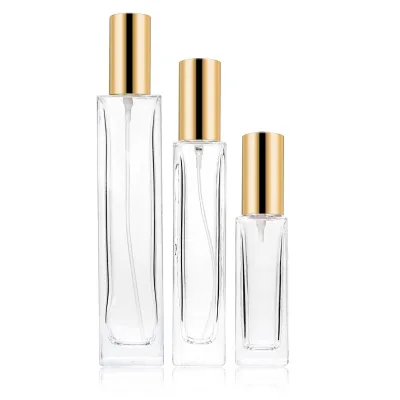


Perfume Crystal Bottle Glass Perfume Bottles Empty Perfume Spray Bottles
$0.25 - $0.39
MOQ: 10000 Pieces

Perfume Crystal Bottle Glass Perfume Bottles Empty Perfume Spray Bottles
$0.25 - $0.39
MOQ: 10000 Pieces

Perfume Crystal Bottle Glass Perfume Bottles Empty Perfume Spray Bottles
$0.25 - $0.39
MOQ: 10000 Pieces

Perfume Crystal Bottle Glass Perfume Bottles Empty Perfume Spray Bottles
$0.25 - $0.39
MOQ: 10000 Pieces


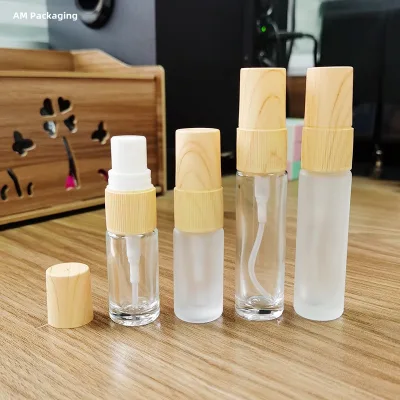

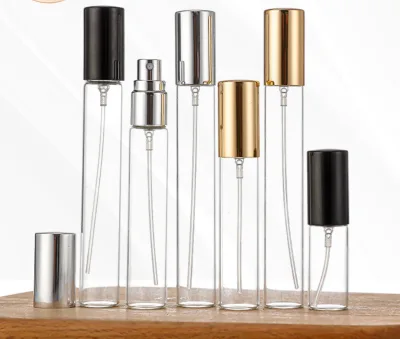
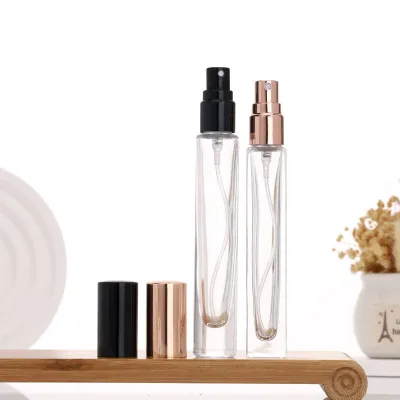


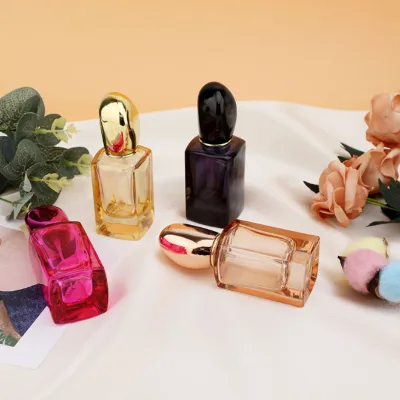
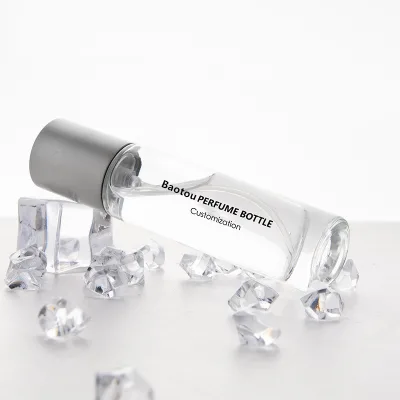
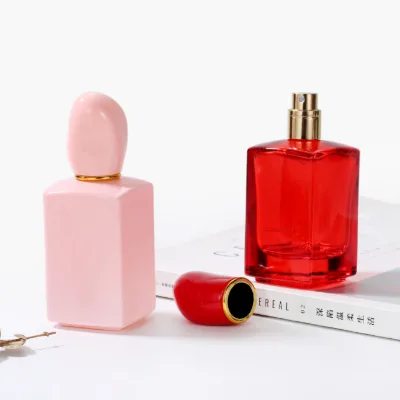
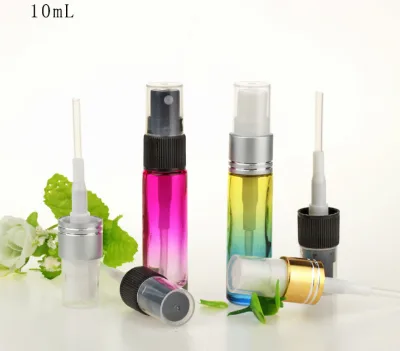

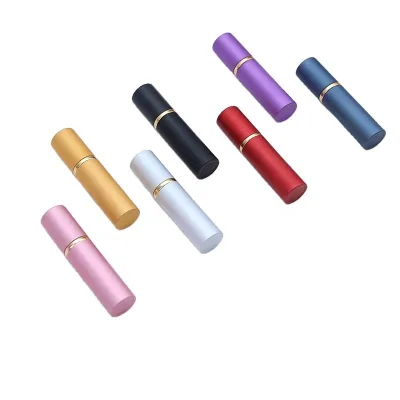
5ml Color Perfume Spray Bottle Pocket Perfume Bottle Aluminium Spray Bottle
$0.32 - $0.69
MOQ: 500 Minimum
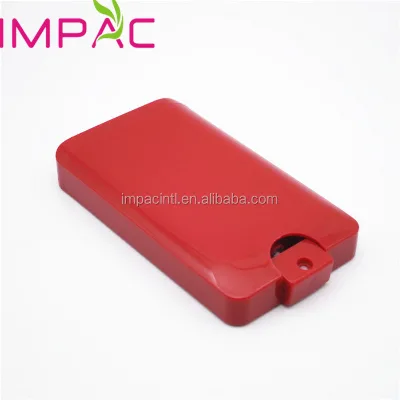
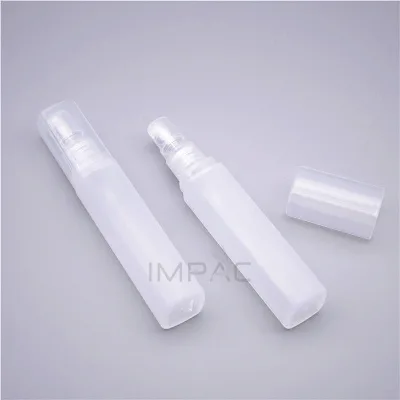
Square Shape Frosted Custom Spray Bottles Packaging for Perfume Spray
$0.10 - $1.50
MOQ: 10000 Minimum
Comprehensive Sourcing Guide
Facial Care Perfume Spray Bottle Sourcing Guide
Sourcing facial care perfume spray bottles requires a nuanced understanding of both packaging functionality and aesthetic alignment with premium personal care branding. Buyers must navigate a market where glass construction is prevalent, offering superior chemical resistance and a premium tactile experience that plastic alternatives often lack. The observed product landscape indicates a strong preference for round and square shapes, with capacities ranging from small 8ml travel sizes to larger 50ml formats. This variety allows brands to target different usage occasions, from daily moisturizing mists to concentrated facial perfumes. Understanding these physical constraints is the first step in defining a successful procurement strategy that balances cost, durability, and visual appeal.
The customization potential in this category is significant, with suppliers offering decal surface handling and matte finishes to enhance brand identity. Materials for caps vary widely, including ABS, PP, wood, and Surlyn, allowing for diverse design languages that can complement the transparent or colored glass bodies. Buyers should recognize that while the core product is a spray bottle, the specific application in facial care demands precise atomization and seal integrity. The presence of ROHS standards in the observed data suggests a baseline for material safety, but buyers must verify that these standards apply specifically to the components contacting the facial care formulation. This ensures that the packaging does not compromise the efficacy or safety of the delicate skincare products it holds.
Product Scope and Observed Listing Signals
The current market signals indicate a robust supply of personal care packaging, with a notable concentration on glass bottles designed for liquid applications. The observed listings highlight a price range that suggests competitive manufacturing costs, particularly for bulk orders, while sample availability is frequently offered to facilitate design validation. Buyers will encounter products labeled with specific model numbers such as TYP MIXED 2 and TYA052 B, which often correspond to distinct cap mechanisms or bottle geometries. These identifiers are crucial for maintaining consistency across large production runs, especially when dealing with mixed orders that include various capacities like 10ml, 30ml, and 50ml options.
Decoration techniques play a pivotal role in differentiating facial care products on retail shelves. The availability of polymer clay and ceramic accents, alongside standard decal applications, provides opportunities for high-end branding. However, buyers must carefully evaluate the durability of these decorations, particularly for products that may be handled frequently or exposed to moisture in bathroom environments. The observed use of fruity scents and modern flavors in the product descriptions likely refers to the intended contents rather than the packaging itself, a distinction that is vital for procurement teams to maintain. Clear communication with suppliers regarding the final product’s scent profile ensures that the packaging materials do not interact negatively with the fragrance or active ingredients.
Technical Specifications to Verify
Verifying the technical specifications of the spray mechanism is critical for facial care products, where a fine, even mist is often required for optimal application. The observed closure types consistently point to spray pumps, but the quality of the atomization can vary significantly between suppliers. Buyers should request samples to test the spray pattern, ensuring it covers the face evenly without excessive dripping or clogging. The bottleneck type, identified as narrow mouth, must be compatible with the chosen pump mechanism to prevent leaks and ensure a secure seal. This compatibility check is essential to avoid post-production issues that could lead to product waste or customer complaints regarding packaging failure.
Material composition extends beyond the glass body to include the cap and internal components. The observed cap materials range from plastic variants like ABS and PP to more premium options such as wood and Zamac. Each material offers different aesthetic and functional properties, with plastics providing durability and cost-efficiency, while metals and woods offer a luxury feel. Buyers must verify that the selected cap material is compatible with the glass bottle and does not degrade over time when exposed to the specific facial care formulation. Additionally, the volume specifications, such as the 100ml or 200ml standards mentioned, should be cross-referenced with the actual bottle dimensions to ensure accurate filling and labeling processes.
Compliance and Safety Documentation
Compliance with international standards is a non-negotiable aspect of sourcing facial care packaging, particularly when the product will be marketed in regions with strict regulatory frameworks. The observed ROHS standard indicates that the materials used in the packaging are free from certain hazardous substances, which is a positive indicator for environmental and health safety. However, buyers must confirm that this certification applies to all components, including the spray pump and cap, and not just the glass bottle. This comprehensive verification ensures that the entire packaging assembly meets the necessary safety requirements for direct contact with skincare products.
Beyond material safety, buyers should investigate the broader quality management systems employed by suppliers. While ISO 9001 is mentioned as a background standard, its specific relevance to the production of facial care packaging should be clarified. A robust quality management system ensures consistent production quality, reducing the risk of defects such as cracks in the glass or malfunctioning pumps. Buyers should request documentation that demonstrates the supplier’s commitment to quality control, including inspection reports and traceability records. This documentation provides assurance that the products delivered will meet the specified standards and perform reliably throughout their shelf life.
Cost Drivers and Commercial Terms
Understanding the cost drivers in Facial Care Perfume Spray Bottle procurement involves analyzing both material costs and order volumes. The observed MOQ range of 1 to 10,000 units suggests flexibility for buyers of varying sizes, from small startups to large established brands. Higher volumes typically result in lower unit costs, but buyers must balance this with storage capacity and cash flow considerations. The availability of free samples is a valuable commercial term that allows buyers to assess quality without significant financial commitment, facilitating informed decision-making before placing large orders.
Packaging and logistics also play a significant role in the total cost of ownership. The observed packing options, including bulk, PVC, gift box, and carton packaging, offer different levels of protection and presentation. Buyers should evaluate the cost implications of each option, considering the final retail presentation and shipping requirements. Standard export cartons with pallets and paper dividers are common for bulk shipments, ensuring that the glass bottles arrive undamaged. Additionally, buyers should negotiate clear terms regarding lead times and payment schedules to manage supply chain risks effectively, ensuring timely delivery to meet market demand.
Supplier Qualification and Quality Control
Supplier qualification is a critical step in ensuring a reliable supply chain for facial care packaging. Buyers should conduct thorough due diligence on potential suppliers, verifying their manufacturing capabilities, production capacity, and quality control processes. The observed product origin in China indicates a mature manufacturing ecosystem with a wide range of suppliers, but buyers must differentiate between high-quality manufacturers and those with inconsistent output. Requesting references and conducting site audits, if possible, can provide valuable insights into the supplier’s operational standards and reliability.
Quality control measures should be established early in the procurement process to prevent defects and ensure consistency. Buyers should define clear acceptance criteria for the packaging, including visual inspections for cracks, chips, and decoration alignment, as well as functional tests for the spray mechanism. Implementing a pre-shipment inspection protocol can help identify and rectify issues before the goods are dispatched. Additionally, buyers should establish a communication channel for addressing any quality concerns that arise during production, ensuring that problems are resolved promptly and effectively. This proactive approach minimizes the risk of receiving substandard products and maintains brand integrity.
Long-Term Procurement Checks
Long-term procurement success depends on continuous monitoring and evaluation of supplier performance. Buyers should establish key performance indicators (KPIs) to track metrics such as on-time delivery, product quality, and responsiveness to issues. Regular reviews of these metrics allow buyers to identify trends and address potential problems before they escalate. Maintaining open communication with suppliers fosters a collaborative relationship, enabling joint problem-solving and continuous improvement. This partnership approach can lead to better pricing, improved product designs, and more reliable supply chains over time.
Sustainability and innovation are increasingly important factors in long-term procurement strategies. Buyers should stay informed about emerging trends in packaging materials and technologies, such as recyclable glass options or biodegradable components. The observed feature of recyclability in the product descriptions suggests a growing market demand for environmentally friendly packaging. By prioritizing sustainable suppliers and innovative solutions, buyers can align their procurement strategies with evolving consumer preferences and regulatory requirements. This forward-thinking approach not only enhances brand reputation but also ensures long-term competitiveness in the facial care market.
FAQs
Can I get free samples for facial care perfume spray bottles?
Yes, free samples are available for facial care perfume spray bottles to help you evaluate quality before placing a bulk order. This service allows buyers to verify the glass material, spray pump functionality, and decal decoration standards. You can request these samples to ensure the product meets your specific personal care application requirements without initial financial commitment.
What materials are used for the Facial Care Perfume Spray Bottle caps?
The caps for these facial care perfume spray bottles are constructed from various materials including ABS, PP, wooden, Surlyn, acrylic, plastic, Zamac, and leather options. This variety allows for different aesthetic finishes and durability levels. The bottle itself is made of glass with a narrow mouth design, ensuring compatibility with standard spray pump mechanisms for liquid personal care products.
What is the MOQ for ordering facial care perfume spray bottles?
The minimum order quantity for facial care perfume spray bottles ranges from 1 to 10,000 units depending on the specific customization and packaging requirements. Buyers can start with small quantities for testing or scale up to large bulk orders. The packaging options include bulk, PVC, gift box, paper pack, and cartons, which may influence the final MOQ negotiated with the supplier.
Are facial care perfume spray bottles recyclable and compliant with standards?
Yes, these facial care perfume spray bottles are designed to be recyclable and comply with ROHS standards for environmental safety. The glass container and various cap materials support sustainable disposal practices. This compliance ensures that the products meet regulatory requirements for personal care applications, providing peace of mind for brands focused on eco-friendly and safe cosmetic packaging solutions.
What customization options are available for facial care perfume spray bottles?
Customization is available for facial care perfume spray bottles, including surface handling like decal printing and matte finishes. Buyers can choose from different shapes such as round or square, and capacities ranging from 5 to 50 ml or up to 100 ml. The brand Olila offers tailored services to meet specific design needs for personal care and gift applications.
What is the origin and standard packaging for these perfume bottles?
These facial care perfume spray bottles originate from China and are packaged in standard export cartons with pallets and paper dividers for safe transit. The products are designed for adult personal care use and feature a modern fruity scent profile in liquid form. The packaging ensures protection during shipping while maintaining the integrity of the glass bottles and spray pumps.