Source Semi-automatic Coconut Shelling Machine for Food Processing
Find 30 semi-automatic coconut shelling machine options from Henan, China. Compare stainless steel models with capacities up to 600 pcs/h and 1.5kw power for commercial coconut processing applications; compare the available evidence and request quotations based on your requirements.
Updated
Key considerations
Products List
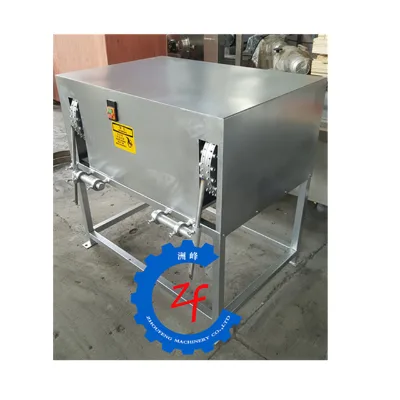
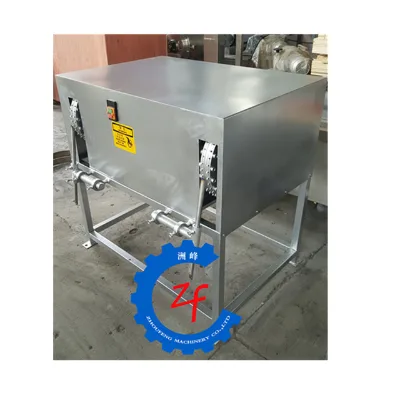
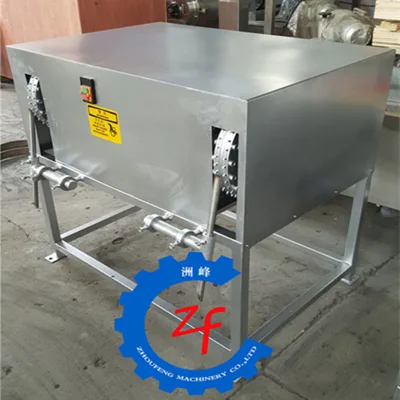
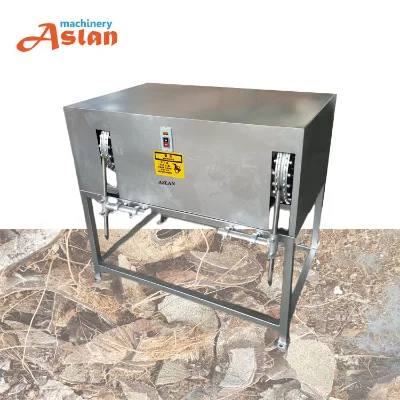
Coconut Dehusker Machine Coconut Husk Shell Removing Machine Coconut Dehusker & Shelling Machine
$3059.516 - $3765.5577
MOQ: 1 sets
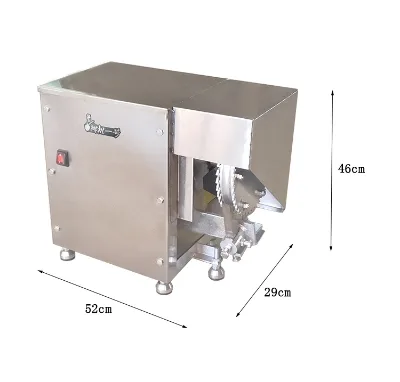

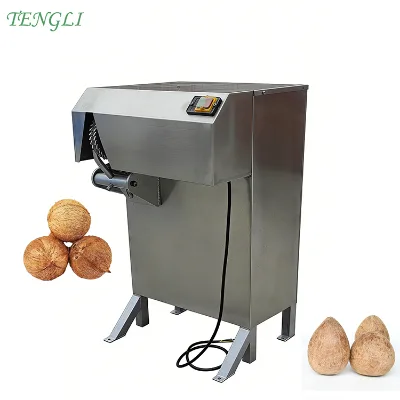
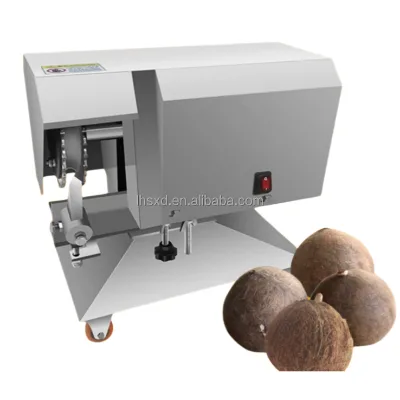
Semi-automatic Electric Coconut Shelling Machine / Coconut Dehusking Machine
$889.00 - $1149.00
MOQ: 1 Sets

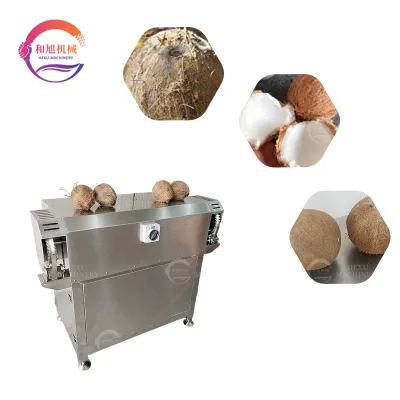
Industrial Coconut Shell Remover Coconut Sheller Coconut Shelling Machine
$850.00 - $1500.00
MOQ: 2 Pieces
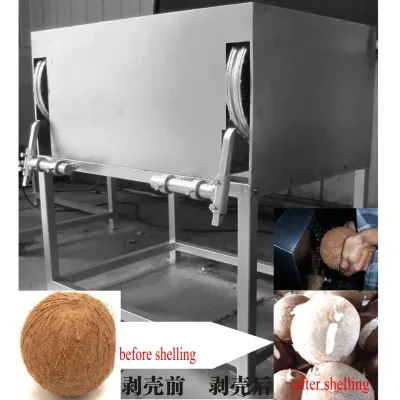
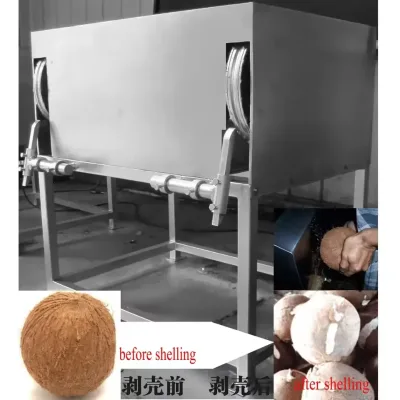
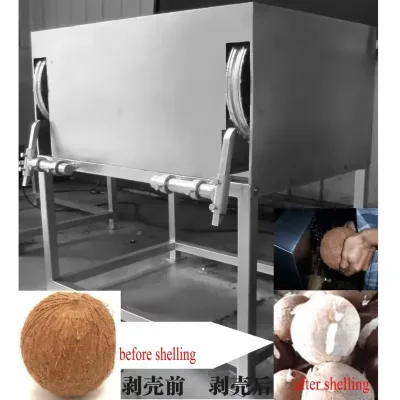


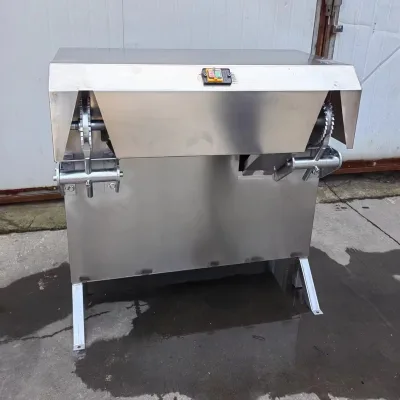
Small household easy to operate stainless steel coconut shelling machine
$1200.00 - $1300.00
MOQ: 1 Pieces
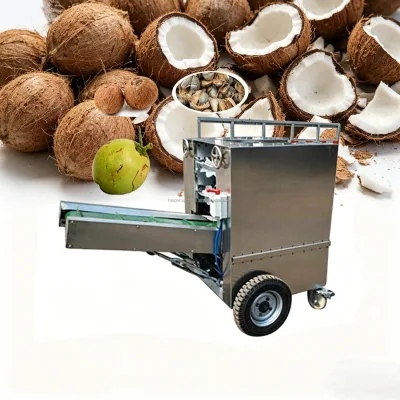
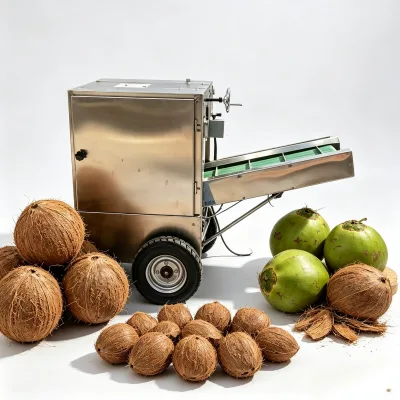
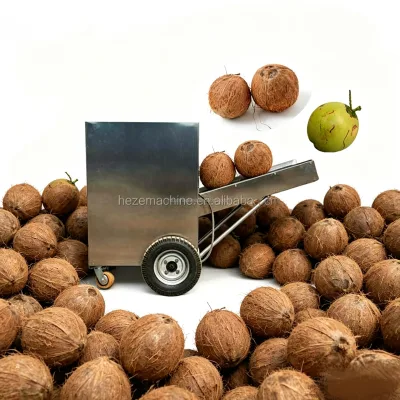
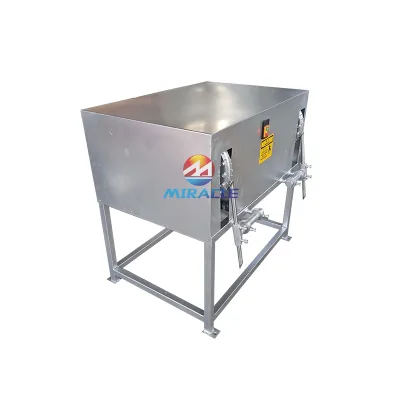
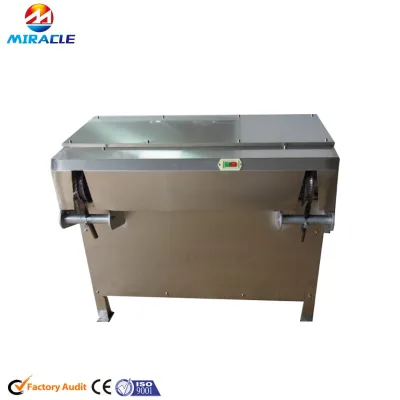


Automatic Coconut Hard Shell Dehusking Peeling Shelling Machine Price
$2250.00 - $3500.00
MOQ: 1 Pieces





Comprehensive Sourcing Guide
Semi-Automatic Coconut Shelling Machine Sourcing Guide
Procuring semi-automatic coconut shelling equipment requires a clear understanding of the operational balance between manual labor and mechanical efficiency. These machines are designed to remove the hard outer shell of coconuts while preserving the kernel, serving as a critical step in food processing workflows. Buyers must evaluate whether the specific model aligns with their throughput needs, as capacities vary significantly across available listings. The core function revolves around a motor-driven mechanism that assists operators in positioning and processing the fruit, reducing physical strain compared to fully manual methods.
The market offers a range of options, from compact units suitable for small-scale commercial use to larger industrial machines. Key differentiators include power consumption, material construction, and the presence of additional features like automatic feeding or advanced safety guards. Understanding the distinction between a basic husking machine and a more complex shelling system is vital for accurate budgeting. Buyers should focus on machines that explicitly state their processing type and application to ensure compatibility with their raw material supply chain and final product requirements.
Product Scope and Observed Listing Signals
Current market data indicates a diverse inventory of semi-automatic coconut processing equipment, with observed prices ranging from $680 to $6,190 USD. This wide variance suggests significant differences in build quality, capacity, and feature sets. Minimum order quantities are generally low, typically between one and two units, allowing for easy trial purchases or small-scale deployment. The observed product count of thirty items reflects a competitive landscape where buyers can compare multiple specifications without committing to large initial volumes.
Key attributes frequently highlighted include the use of stainless steel materials, specifically 304 stainless steel, which ensures hygiene and durability in food-grade environments. Power ratings vary, with some units operating at 1.5kW and others at 750W, directly impacting energy efficiency and processing speed. Capacities range from approximately 120 to 360 pieces per hour for larger models, while smaller units may process one piece every ten seconds. Buyers should carefully match these observed signals to their daily production targets to avoid under- or over-specifying their equipment needs.
Technical Specifications to Verify
Dimensional accuracy and physical footprint are critical for facility planning, with observed machine sizes ranging from compact units measuring 52x29x46 cm to larger industrial models at 1000x800x1000 mm. Weight also varies substantially, from 38 kg for portable units to 180-200 kg for heavy-duty versions, affecting installation requirements and floor load capacity. Buyers must verify the voltage compatibility, as observed listings include both 380V industrial power and potentially other standards, ensuring the machine integrates seamlessly with existing electrical infrastructure.
The core components, primarily motors and sometimes knives, dictate the machine's reliability and maintenance needs. It is essential to confirm whether the motor is the sole core component or if additional parts like blades are included and replaceable. Processing types are consistently listed as food processing equipment, specifically for coconut shell removal. Buyers should verify the single gross weight and package dimensions, such as 100x80x110 cm for larger units, to calculate accurate shipping costs and ensure the equipment fits through facility doorways and loading docks.
Compliance and Safety Documentation
Safety and operational compliance are paramount when sourcing machinery that involves sharp blades and high-speed motors. Buyers should request machinery test reports, which are provided by some suppliers, to verify that the equipment meets basic safety and performance benchmarks before shipment. These reports often include data on electrical stability, mechanical integrity, and noise levels, providing objective evidence of the machine's quality. Without such documentation, buyers assume greater risk regarding potential operational hazards or premature component failure.
Warranty terms are a standard commercial safeguard, with observed offerings including a one-year warranty on core components. This coverage typically protects against manufacturing defects in the motor and structural elements. Buyers must clarify the scope of this warranty, including whether it covers labor costs for repairs or only replacement parts. Additionally, verifying the presence of safety guards and emergency stop mechanisms is crucial, as these features are often required by local occupational health and safety regulations in the buyer's destination country.
Cost Drivers and Commercial Terms
The final cost of a semi-automatic coconut shelling machine is influenced by several factors, including material quality, power consumption, and capacity. Stainless steel construction, particularly 304 grade, commands a higher price due to its corrosion resistance and ease of cleaning, which is essential for food processing applications. Higher capacity units, capable of processing up to 600 pieces per hour, naturally carry a premium over smaller models. Buyers should analyze the cost per unit of capacity to determine the most economical option for their specific volume requirements.
Shipping and packaging costs also play a significant role in the total landed cost. Machines are typically packed in wooden cases to protect against transit damage, which adds weight and volume to the shipment. Observed single gross weights range from 40 kg to 150 kg, directly impacting freight charges. Buyers should negotiate clear Incoterms to understand who bears the risk and cost of international shipping. Additionally, confirming whether the price includes installation guidance or remote technical support can prevent unexpected expenses after the machine arrives at the facility.
Supplier Qualification and Quality Control
Evaluating supplier credibility is essential to mitigate the risk of receiving substandard equipment. Buyers should prioritize suppliers who provide detailed machinery test reports and clear warranty terms, as these indicate a commitment to quality assurance. The place of origin, often Henan, China, for many listed units, suggests a concentration of manufacturing expertise in this region. However, buyers must verify the supplier's track record through customer reviews or third-party audits to ensure consistent production quality and reliable after-sales service.
Customization options are available for some models, allowing buyers to tailor specifications to their unique operational needs. This flexibility can be a significant advantage for facilities with specific space or workflow constraints. Buyers should inquire about the customization process, including lead times and additional costs, to ensure it aligns with their project timeline. Furthermore, verifying the supplier's ability to provide spare parts, such as replacement knives or motors, is crucial for long-term operational continuity and minimizing downtime.
Long-Term Procurement Checks
Sustained operational efficiency depends on the availability of spare parts and ongoing technical support. Buyers should establish a clear channel for obtaining replacement components, particularly for high-wear items like blades and motor brushes. The observed feature of "easy operated" suggests that user training is minimal, but buyers should still develop standard operating procedures to maximize machine lifespan. Regular maintenance schedules should be implemented to inspect electrical connections, lubricate moving parts, and check the integrity of safety guards.
Energy efficiency is a long-term cost driver, with features like "low consumption" and "energy saving" highlighted in product descriptions. Buyers should monitor actual power usage against rated specifications to ensure the machine operates efficiently over time. Additionally, tracking the machine's capacity against stated benchmarks, such as 120-360 pieces per hour, helps identify performance degradation early. By maintaining detailed records of usage and maintenance, buyers can optimize their procurement strategy and extend the useful life of their semi-automatic coconut shelling equipment.
FAQs
What is the capacity of the semi-automatic coconut shelling machine?
The machine offers a capacity ranging from 120 to 360 pieces per hour for standard models. Some specific units can reach up to 600 pieces per hour depending on the configuration. This efficiency supports commercial usage while maintaining low consumption and high output rates for processing coconut shells effectively.
Which materials are used to construct the coconut shelling machine?
The equipment is primarily constructed from stainless steel, specifically grade 304ss, to ensure durability and hygiene. This material choice supports the food processing application and prevents corrosion during operation. The robust build quality ensures the machine remains reliable for long-term commercial coconut processing tasks.
How much power does the semi-automatic coconut shelling machine consume?
Power consumption varies by model, with options available at 1.5kw or 750W. The machine is designed with energy-saving features to reduce operational costs while maintaining high efficiency. Voltage requirements are typically 380v for industrial models, ensuring stable performance during continuous food processing operations.
Can the machine be customized for specific production needs?
Yes, customization is available for this semi-automatic coconut shelling machine to meet specific buyer requirements. Buyers can request tailored specifications to align with their unique production lines. This flexibility allows for adapting the machinery to different coconut processing workflows without compromising on core performance standards.
What warranty is provided for the coconut husking machine?
A standard one-year warranty is provided for the machine to cover potential defects or operational issues. This warranty ensures buyer confidence in the product quality and manufacturer support. Buyers should verify specific terms with the supplier to understand the full scope of coverage for their specific purchase.
Where is the semi-automatic coconut shelling machine manufactured?
The machine originates from Henan, China, which is a known hub for food processing equipment manufacturing. This location ensures access to established supply chains and technical expertise. Buyers can expect consistent quality standards associated with production facilities in this specific region of China.
What is the minimum order quantity for the coconut shelling machine?
The minimum order quantity ranges from one to two units depending on the specific model selected. This low MOQ allows buyers to test the equipment with minimal initial investment. It facilitates easier entry for small to medium enterprises looking to adopt coconut processing technology.