Source Electric Vegetable Shredder for Catering, Processing, and Retail
Compare 30 Electric Vegetable Shredder models from Chinese manufacturers. Buyers can evaluate specifications like power, capacity, and dimensions to find the right machine for commercial food processing needs. Detailed product data includes weight, voltage, and cutting specifications for informed sourcing decisions.
Updated
Key considerations
Products List
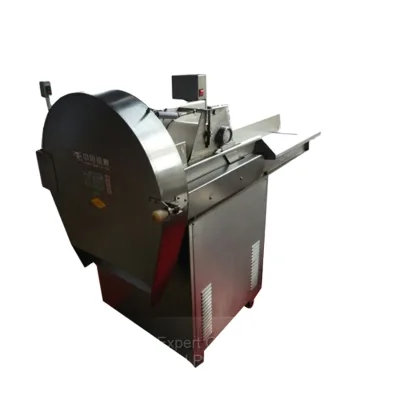


Electric Vegetable Cutting Machine Vegetable Slicer Cutter Shredding Machine
$2000.00 - $2200.00
MOQ: 1 Pieces


Vegetable Cutter Machine Multifunction Industrial Slicer Shredder Electric Dicing Machine
$2500.00 - $3000.00
MOQ: 1 Pieces
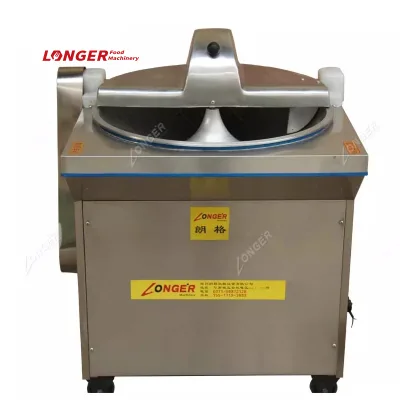
Industrial Vegetable Chopper|Electric Vegetable Grinder|Vegetable Shredder Price
$1800.00 - $2000.00
MOQ: 1 sets


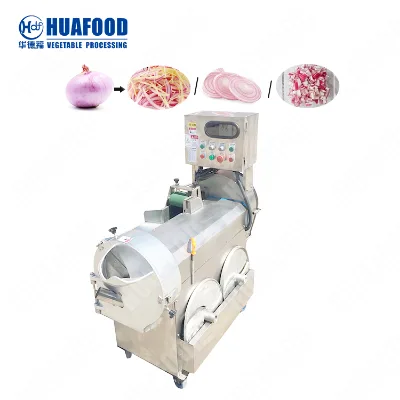
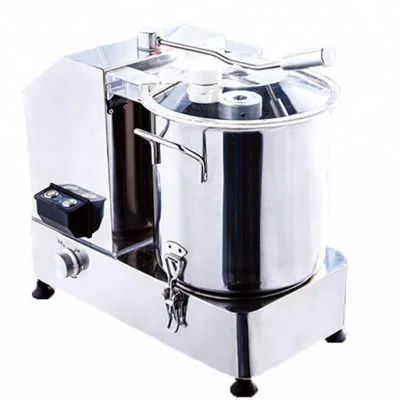
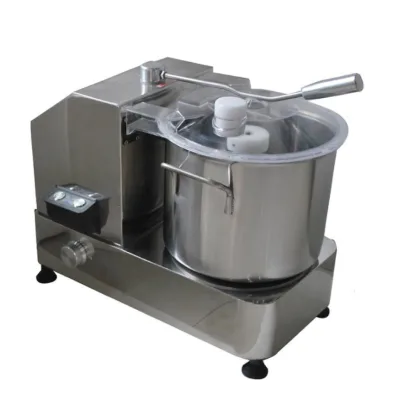
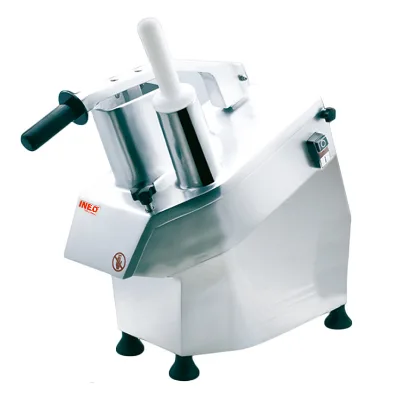
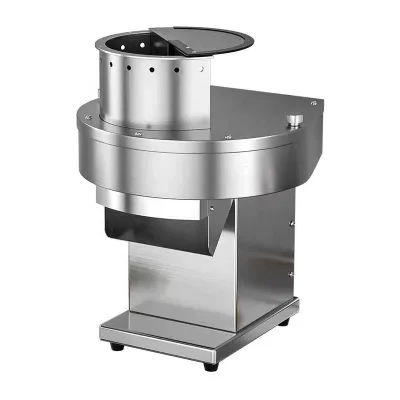

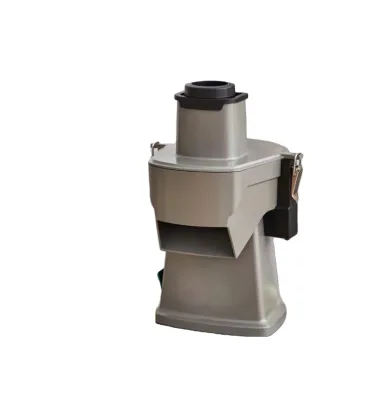
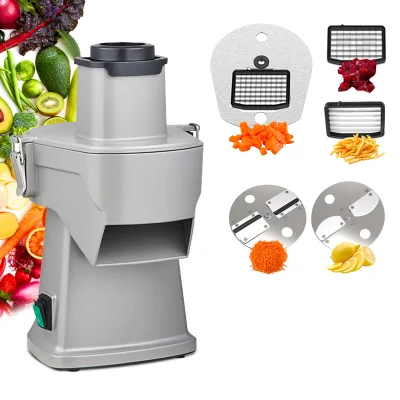
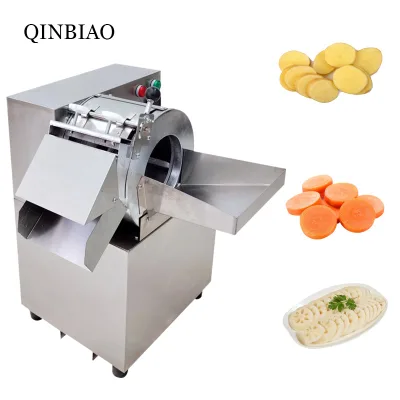
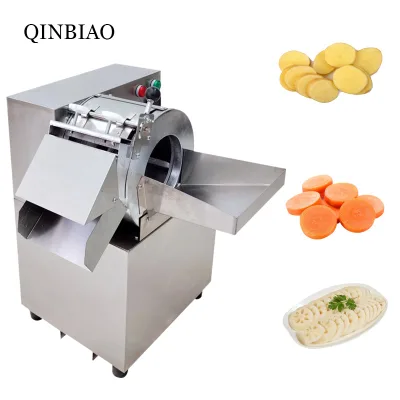
Industrial Fruit and Vegetable Shredder,vegetable Slicer Chopper Potato Cutter Grinder
$266.0023 - $327.8634
MOQ: 1 Minimum


Comprehensive Sourcing Guide
Electric Vegetable Shredder Sourcing Guide
Procuring an Electric Vegetable Shredder requires careful evaluation of industrial-grade capabilities versus commercial kitchen constraints. Buyers must distinguish between high-volume processing units and compact choppers based on throughput needs. The market offers models ranging from basic stainless steel choppers to heavy-duty cabbage shredders with significant weight and power requirements. Understanding these distinctions prevents over-specification for small operations or under-performance in large-scale facilities.
Key attributes such as motor power, voltage compatibility, and material construction dictate operational suitability. Observed listings indicate a wide variance in specifications, including 0.75KW to 1.5KW power ratings and weights from 40KG to 300KG. Sourcing teams should prioritize machines with 304 stainless steel bodies for hygiene and durability. Verifying the core components, such as the engine type, ensures long-term reliability and minimizes unexpected maintenance costs during peak production hours.
Product Scope and Observed Listing Signals
The current market presents diverse electric vegetable shredders with varying capacities and dimensions. Listings show models like the GGCHD-80 and HT-VS400, featuring capacities up to 2-3 tons per hour. These high-output machines are designed for industrial applications, requiring substantial floor space and robust electrical infrastructure. Buyers should assess whether their facility can accommodate large footprints, such as the 15604501340mm dimensions observed in some heavy-duty units.
Smaller commercial units, such as the F-B200, offer more compact solutions with dimensions around 35×35×58cm. These are suitable for restaurants or smaller processing plants with limited space. The observed price range of 41-5500 USD reflects this diversity, with lower costs associated with simpler, non-customized models. Procurement teams must align their budget with the required throughput, recognizing that higher capacity and customization options typically command premium pricing.
Technical Specifications to Verify
Motor power and voltage are critical technical parameters that must match local infrastructure. Observed specifications include 220V and 380V options, with power ratings of 0.75KW, 1.1KW, and 1.5KW. Buyers must verify the available electrical supply in their facility to avoid costly retrofitting. Additionally, the cutting specifications, such as slice thicknesses of 0.8mm to 4mm, determine the final product quality. Ensuring the machine offers the desired shred size, like 2.5mm or 4.5mm, is essential for meeting specific recipe or processing standards.
Material construction significantly impacts hygiene and longevity. Most listed units feature 304 stainless steel bodies, which resist corrosion and facilitate easy cleaning. The discharge outlet height, observed at 590mm, and feed inlet height, at 1400mm, affect ergonomic workflow. Buyers should evaluate these dimensions to ensure operator comfort and efficient loading. Furthermore, the inclusion of specific cutters, such as the one included with the GGCHD-80, should be confirmed to avoid additional procurement steps for essential accessories.
Compliance and Safety Documentation
Safety and compliance documentation are non-negotiable for industrial equipment procurement. Buyers should request machinery test reports, which are provided for some listed models, to verify performance and safety standards. These reports offer objective data on machine stability, electrical safety, and operational efficiency. Without such documentation, buyers risk acquiring equipment that may not meet local regulatory requirements or internal safety protocols, leading to potential operational hazards.
Certification status, such as CE or REACH, should be explicitly confirmed by the supplier. While some background context mentions these certifications, they are not guaranteed for all listings. Procurement teams must ensure that the specific model purchased holds valid certifications for the destination market. This verification process protects against customs delays and ensures that the equipment meets international safety and environmental standards, safeguarding both the buyer and end-users.
Cost Drivers and Commercial Terms
Several factors influence the total cost of ownership for electric vegetable shredders. The supply ability, observed at 100 sets per month for certain models, affects lead times and pricing stability. High-demand models may experience longer lead times, impacting production schedules. Buyers should negotiate clear delivery terms and understand the packaging details, such as standard wooden packing or export wooden crates, which protect the machine during transit but may add to logistics costs.
Minimum order quantities (MOQ) and customization options also drive costs. Observed MOQs range from 1 to 50 units, with customization available for some models. Customized features, such as specific dimensions or voltage configurations, typically increase the unit price. Buyers should balance the need for customization against the cost premium. Additionally, the warranty period, often listed as 1 year, should be reviewed to understand the scope of coverage and after-sales support, which can mitigate long-term maintenance expenses.
Supplier Qualification and Quality Control
Evaluating supplier reliability is crucial for securing consistent quality and support. Buyers should verify the supplier’s production capacity and history, noting that origins are primarily in China, specifically Henan province. Understanding the supplier’s manufacturing capabilities helps assess their ability to meet volume requirements and maintain quality consistency. Requesting references or case studies from previous clients can provide insights into the supplier’s performance and reliability in real-world scenarios.
Quality control processes should be clearly defined before placing orders. Buyers should inquire about the testing procedures used before dispatch, including machinery test reports. Establishing a clear quality assurance protocol, such as pre-shipment inspections, ensures that the received equipment meets the agreed-upon specifications. This proactive approach minimizes the risk of receiving defective units and reduces the administrative burden of handling returns or replacements.
Long-Term Procurement Checks
Long-term success depends on evaluating the supplier’s after-sales support and spare parts availability. Buyers should confirm the availability of replacement cutters and other wear parts, as these are essential for maintaining operational continuity. A robust supply chain for spare parts reduces downtime and extends the machine’s lifespan. Additionally, understanding the warranty terms and the process for claiming repairs is vital for managing unexpected maintenance costs over the equipment’s lifecycle.
Regular performance monitoring and feedback loops with the supplier can enhance future procurement decisions. Buyers should track machine performance metrics, such as throughput consistency and energy consumption, to identify potential issues early. Establishing a long-term partnership with a reliable supplier can lead to better pricing, priority support, and access to new product innovations. This strategic approach ensures that the Electric Vegetable Shredder continues to meet evolving business needs efficiently.
FAQs
What is the power consumption of the Electric Vegetable Shredder?
The Electric Vegetable Shredder typically operates with a power rating of 1.1kw or 0.75kw depending on the specific model selected. This efficient motor ensures high efficiency during continuous commercial use. The machine supports both 220V and 380V voltage options to accommodate different industrial electrical standards and facility requirements.
Which materials are used in the construction of the shredder?
The shredder is constructed primarily from 304 stainless steel for the body and cutting components. This material choice ensures durability, corrosion resistance, and compliance with food safety standards. The robust construction supports heavy-duty operations while maintaining hygiene in commercial food processing environments for fruits and vegetables.
Can the Electric Vegetable Shredder be customized for specific needs?
Yes, customization is available for the Electric Vegetable Shredder to meet specific operational requirements. Buyers can request tailored specifications for dimensions, voltage, or cutting configurations. This flexibility allows businesses to integrate the machine seamlessly into existing production lines while ensuring optimal performance for their particular processing volume and product types.
What is the capacity and output speed of the machine?
The machine offers a processing capacity of 2 to 3 tons per hour. This high throughput makes it suitable for large-scale commercial vegetable processing tasks. The efficient design ensures consistent output, allowing businesses to handle significant volumes of cabbage or other vegetables quickly without compromising on the quality of the shredded product.
What warranty and support are provided for the shredder?
The Electric Vegetable Shredder comes with a 1-year warranty covering core components such as the engine. A machinery test report is provided to verify performance before dispatch. This support structure ensures buyers receive a reliable product with documented quality assurance, minimizing operational downtime and providing peace of mind for commercial investments.
How is the Electric Vegetable Shredder packaged for shipping?
The shredder is packaged in standard wooden cases or export-grade wooden crates to ensure safe transit. This robust packaging protects the machine from damage during international shipping. The secure packing method is designed to withstand handling logistics, ensuring the equipment arrives at the destination port in China or any other global location in optimal condition.