Source Centrifugal Dehydration Oil Removing Machine for chips, snacks, vegetables
Find 30 Centrifugal Dehydration Oil Removing Machine options for snack food processing, vegetable lines, and fruit drying. Compare specifications, capacities, and prices from verified suppliers to select the right equipment for your production needs; compare the available evidence and request quotations based on your requirements.
Updated
Key considerations
Products List
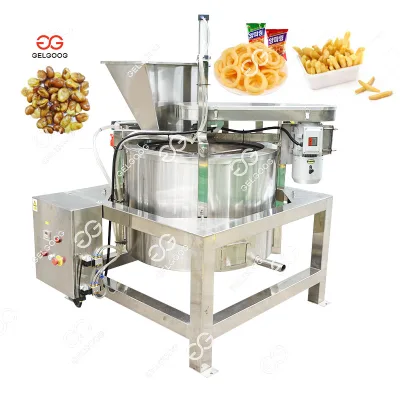
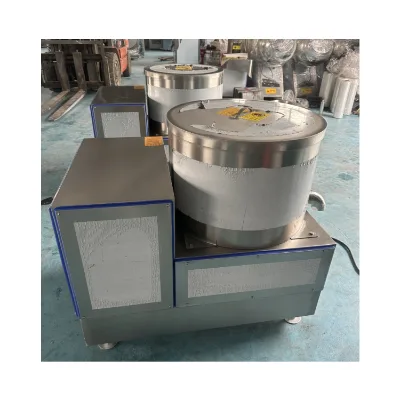
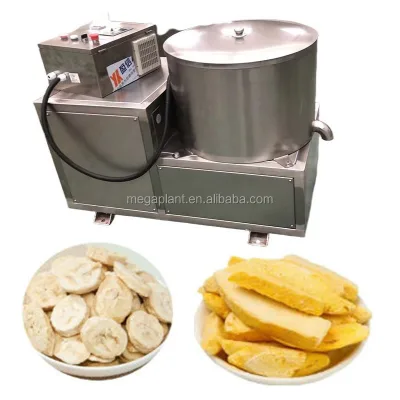
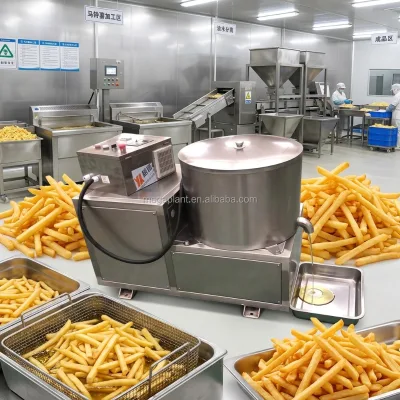
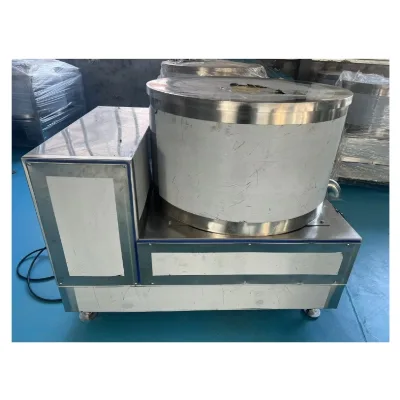
De-oil Machine Oil Removing Machine Small Centrifugal Deoiling Machine
$730.60 - $876.9253
MOQ: 1 sets
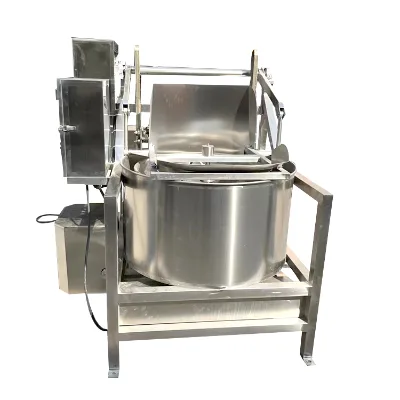
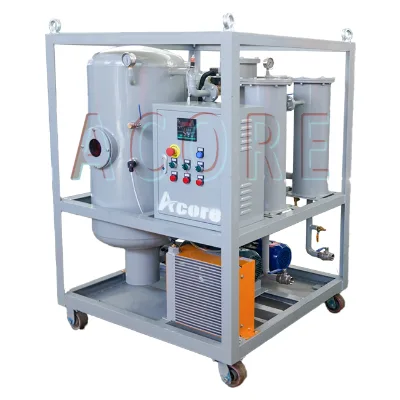
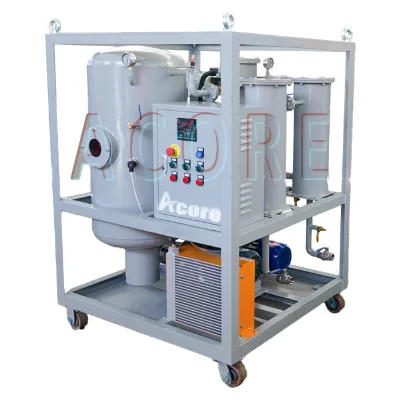

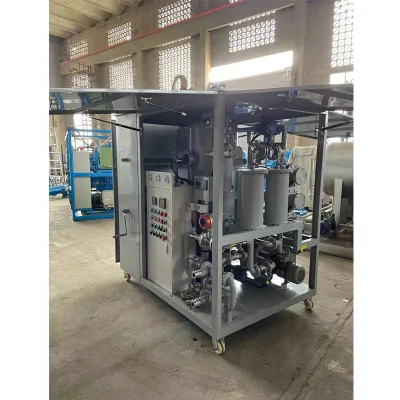
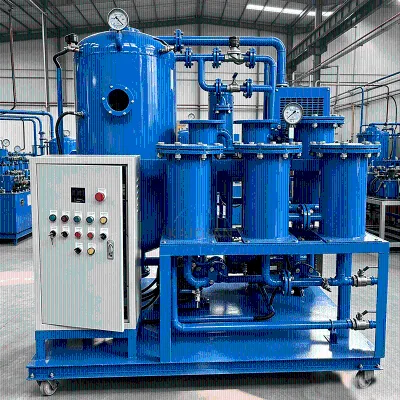
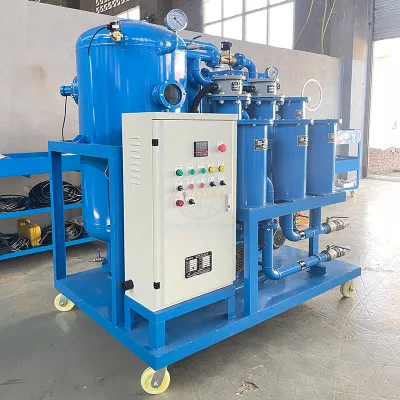
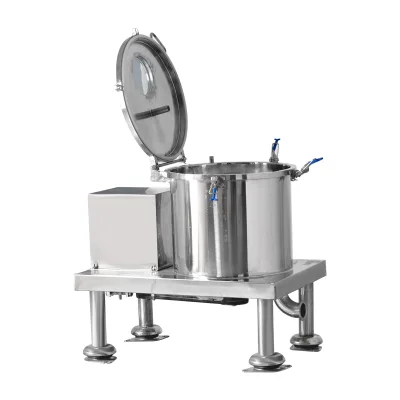
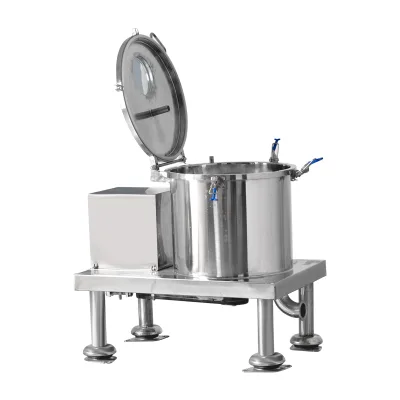
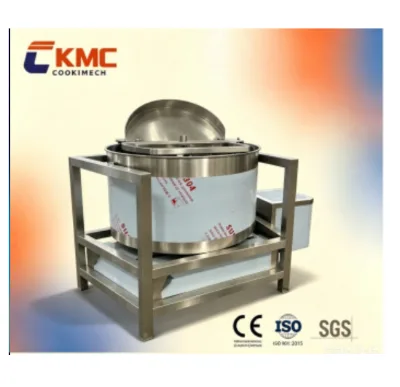
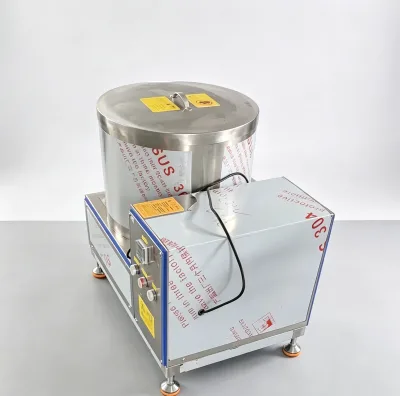
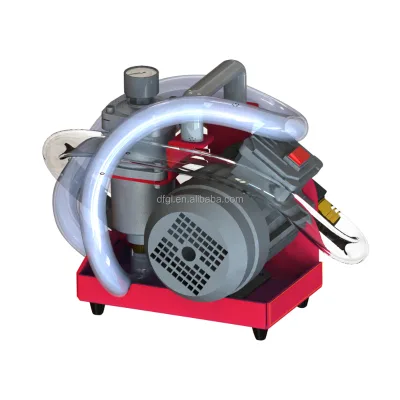
Hydraulic System Coalescence Dehydration Oil Filter Machine 50L/Min Oil Turbine
$246.7652 - $287.8932
MOQ: 1 pieces
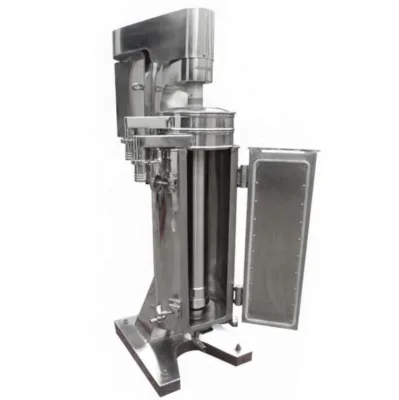
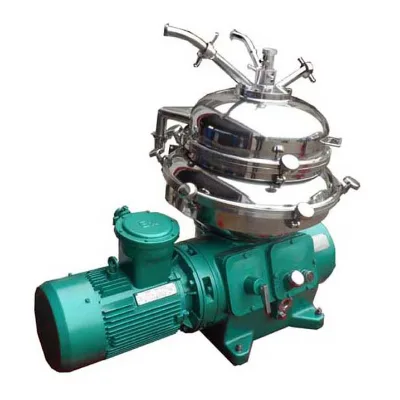
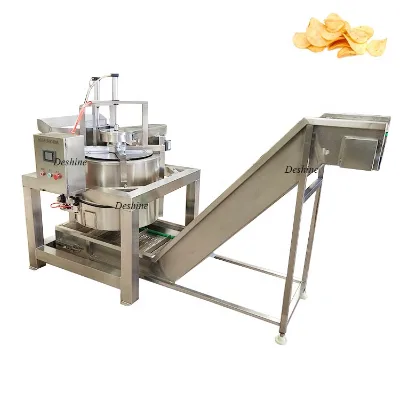
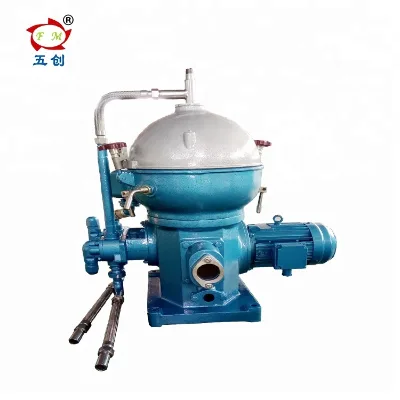


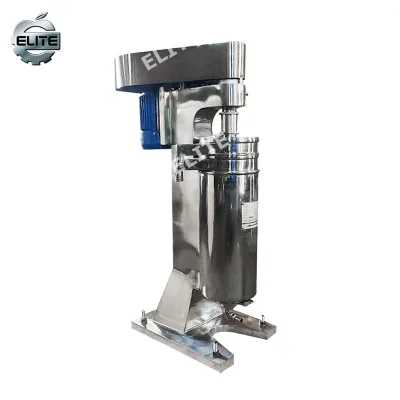


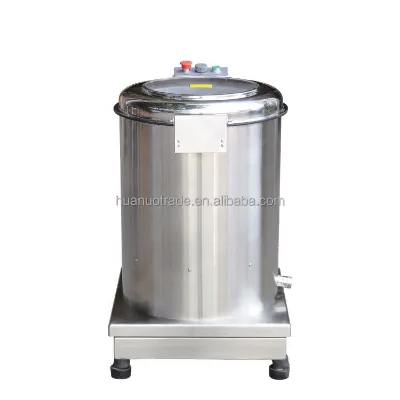
Comprehensive Sourcing Guide
Centrifugal Dehydration Oil Removing Machine Sourcing Guide
A Centrifugal Dehydration Oil Removing Machine uses high-speed spinning to separate surface oil and water from fried or washed snack foods, and it sits between the fryer and the seasoning step in most processing lines. For buyers sourcing this equipment, the listing landscape shows a range of machine types — from compact GG-400 and GG-500 models rated at 750×400×600 mm to larger food dehydrator units with single gross weights around 300 kg — so matching machine scale to your production plan is the first commercial decision. Listings observed span prices from roughly USD 246.77 to USD 22,000, with MOQs of a single unit or set, which means sample-scale purchases are feasible before committing to line integration.
Because listings describe machines serving food and beverage factories and snack food processing plants, clarify early whether you need oil removal only, combined dewatering and oil removal, or also fruit and vegetable drying capability. Confirm the model number, capacity class, and whether the unit is sold as a fully automatic machine or a standalone spinner, since these distinctions shape both price and installation requirements.
Product Scope and Observed Listing Signals
The observed listings cluster around three product framings: dedicated oil remover spin machines for chips, combined oil remove and dewatering machines, and broader food dehydrator machines for fruit and vegetable processing. Brand signals include GELGOOG with model numbers GG-400 and GG-500, alongside a KL-400 model, and one listing cites a 200-300 kg/h throughput range while another reports a 10 kg/h output. This spread means you should treat listed capacity as a screening attribute rather than a guarantee, and request the specific output figure for the model quoted to you.
Materials and construction signals are more consistent: listings reference 304 stainless steel and food-grade stainless steel, weights from 100 kg to 150 kg, and power ratings of 1.1 kW or 1100 W. Several listings position the machine as a related companion to a seasoning machine, which is useful if you are building a complete line — ask the seller which upstream fryer or downstream seasoning equipment their deoiling machine has been matched with in past installations.
Technical Specifications to Verify
Start with the parameters that determine fit inside your plant. Voltage options in the listings appear as 380V/220V/110V, so confirm which supply your facility runs and whether the motor can be configured accordingly. Verify rated power (1.1 kW appears repeatedly), drum dimensions, and the machine's physical footprint — the 750×400×600 mm specification is one observed example, and the single package size of 120×65×120 cm on a larger unit shows how much floor and shipping space can vary between models.
Capacity verification is the second priority. Listings show throughput claims ranging from 10 kg/h to 200-300 kg/h, and one listing even places a capacity figure in the dimension field, which signals sloppy data entry. Ask for the capacity at your specific product — potato chips, other fried snacks, or washed vegetables — because deoiling performance depends on product geometry, oil temperature at entry, and batch loading. Also confirm cycle time per batch, whether the machine is fully automatic or manually loaded, and the list of core components (PLC, engine, motor in one listing) so you know what drives spare-part planning.
Compliance and Safety Documentation
Certification claims in the observed listings include CE and ISO9001, but certification status varies across the 30 listings, so treat it as a per-model verification item rather than an assumption. Ask each candidate supplier for the actual CE declaration of conformity covering the specific model number you intend to purchase, and request the ISO9001 certificate scope to confirm it covers food machinery manufacturing rather than a unrelated business activity. Verify which body issued the certificates and check certificate validity dates before relying on them in your supplier file.
Machinery test reports are listed as provided on at least one listing, which is a strong signal worth pursuing: request the test report for your exact model, covering spin balance, vibration, and food-contact surface material. For the food-contact side, obtain material certificates confirming 304 stainless steel or food-grade stainless steel for all surfaces touching oil or product, including gaskets and seals. Because centrifugal machines involve high-speed rotating drums, also ask for the safety documentation covering guarding, emergency stop function, and interlock behavior on the lid.
Cost Drivers and Commercial Terms
The observed price band of USD 246.77 to USD 22,000 reflects real differences in scale, automation level, and construction, so decompose any quote before comparing it line to line. The main cost drivers you should expect are drum diameter and throughput class, the degree of automation (manual spinner versus PLC-controlled fully automatic operation), stainless steel grade and coverage, motor brand and power rating, and inclusion of ancillary functions such as combined dewatering and deoiling. A low-priced quote may correspond to a small KL-400-class unit rather than the production-scale machine you actually need.
On commercial terms, MOQs in the listings run at 1 unit or 1 set, which gives you room to buy a trial machine before scaling. Confirm what the quoted price includes: spare parts kit, tooling, packaging suitable for export, and commissioning support. Clarify warranty duration explicitly — observed listings state 1 year, 2 years, and 3 years, so the difference is material and negotiable. Finally, confirm whether the selling unit is a single item and which Incoterm applies, since shipping a 100-300 kg machine has meaningful freight cost implications.
Supplier Qualification and Quality Control
Qualify suppliers on evidence rather than listing polish. Ask for the machinery test report referenced in the listings, photos or video of the actual machine running with a product similar to yours, and references from food and beverage factory customers. A supplier who can demonstrate their deoiling machine processing potato chips or fried snacks at your target throughput is materially more credible than one offering only specification sheets. Check how long the supplier has sold the specific model family, since model numbers like GG-400, GG-500, and KL-400 imply a track record you can interrogate.
For quality control, define an inspection protocol before order confirmation. Key checkpoints include: material verification for all food-contact surfaces, weld finish inside the drum, dynamic balance of the spinning assembly, motor and PLC brand conformance to the quoted specification, and a witnessed factory acceptance test at your required loading. Agree in writing what happens if the machine fails the FAT — rework, replacement, or refund — and whether third-party pre-shipment inspection is permitted. For a single-unit purchase, a third-party inspection before shipment is a low-cost safeguard.
Long-Term Procurement Checks
Plan for the machine's life beyond the first purchase. Because core components include motors, engines, and PLCs in the observed listings, ask which component brands are used and whether they are globally supported, so that bearings, belts, and electrical parts can be sourced locally years later. Request the recommended maintenance schedule for the drum, vibration mounts, and drive system, and confirm the availability and pricing of common wear parts. A machine with a 1-year warranty behaves differently in total cost than one backed for 2 or 3 years, so factor warranty length into lifecycle cost comparisons.
For repeat or scaled procurement, document what you learned from the first unit: actual throughput on your product, deoiling effectiveness as measured by residual surface oil, integration behavior with your fryer and seasoning machine, and any modifications your team made. Use this record to write a tighter specification for the next order, and confirm with the supplier that future units will match the validated configuration. Finally, keep the certification file, test report, and inspection records together as a procurement dossier — it simplifies audits, supports food-safety system reviews, and speeds up any future supplier switching decisions.
FAQs
How does a Centrifugal Dehydration Oil Removing Machine work for chips?
A Centrifugal Dehydration Oil Removing Machine spins fried chips or snacks at high speed inside a perforated basket, so centrifugal force throws surface oil and water outward through the mesh. The machine runs on a motor-driven system, and models such as the GG-400, GG-500, and KL-400 handle snack foods with oil or water after frying.
What materials are used in the machine's construction?
Listed machines are built from 304 stainless steel or food grade stainless steel, which is standard for snack food processing equipment. Food contact surfaces resist corrosion and are straightforward to clean between production runs. Buyers should confirm which stainless steel grade applies to the specific model they intend to order before purchase.
Which machine models and capacities are available?
Available models include GG-400, GG-500, and KL-400, with one listed capacity range of 200-300kg/h and another output of 10kg/h for smaller operations. Choosing between them depends on your fried snack production volume. Confirm the exact capacity of each model with the supplier, since listings combine different configurations on one page.
Can the machine be connected to a full processing line?
Yes, a seasoning machine is listed as a related machine, so the deoiling unit can be arranged with upstream frying and downstream seasoning or packaging equipment. It is also described as suitable for vegetable processing production line machines. Plan layout around the listed dimensions, such as 750*400*600mm, before installation.
What is the typical warranty for these deoiling machines?
Listed warranties vary by model, with coverage periods of one year, two years, and three years shown across the product listings. Warranty terms usually cover core components such as the motor, engine, and PLC. Always request the specific warranty terms in writing for the exact model and configuration you plan to purchase.
What power supply and electrical requirements should I check?
Listed machines show power ratings of 1.1kw or 1100W and voltage options of 380V, 220V, or 110V. Check your factory power supply before ordering so you select the matching voltage configuration. Also confirm phase requirements and local electrical standards with the supplier when specifying the machine for a food and beverage factory.
How can I verify quality before shipment?
A machinery test report is provided for the listed machines, so request this document during sourcing to review performance before shipment. You can also ask the supplier to run a video inspection of your chosen model. Combine the test report with certification documents such as CE or ISO9001 when evaluating suppliers.
What is the minimum order quantity for these machines?
The listed minimum order quantity is one unit or one set, which makes trial purchases practical for small snack food processors. Selling units are single items, and weights range from 100 to 300 kg depending on the model. Confirm whether the quoted price covers packaging and any accessories before placing your first order.