Source Automatic Multifunctional Fish Slicer for Trout, Salmon, Shrimp
Compare 30 Automatic Multifunctional Fish Slicer options from verified suppliers. These machines handle rainbow trout, salmon, and shrimp with capacities up to 200kg/hour and feature stainless steel 304 construction for efficient processing; compare the available evidence and request quotations based on your requirements.
Updated
Key considerations
Products List
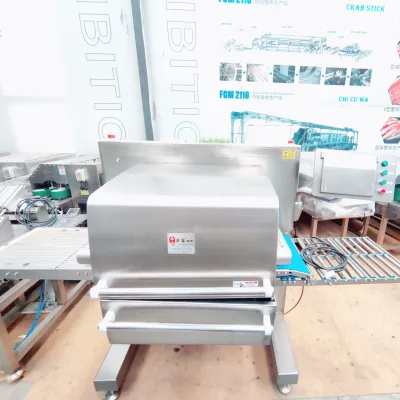
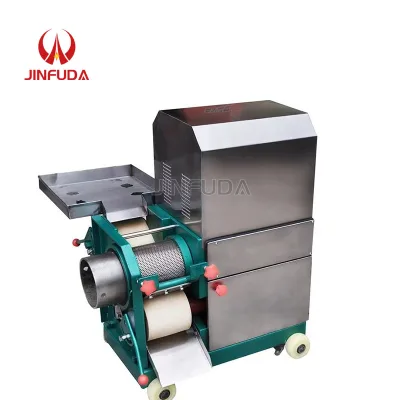
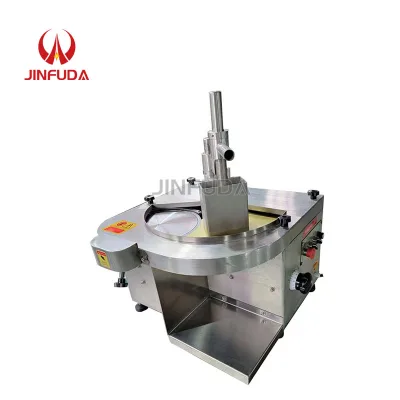
Automatic Meat Slices Sausage Cutting Machine Fresh/frozen Fish Meat Slicer
$1000.00 - $1400.00
MOQ: 1 pieces


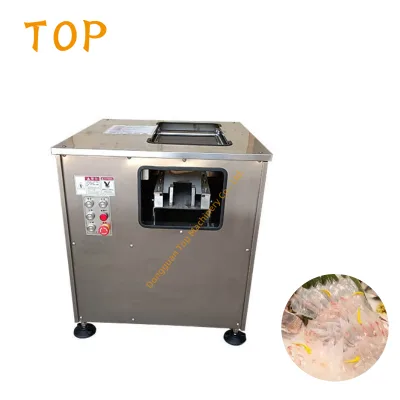
Automatic Salmon Slicing Machine/fresh Fish Meat Slicer/fish Slice Cutter
$1099.00 - $1569.00
MOQ: 1 pieces
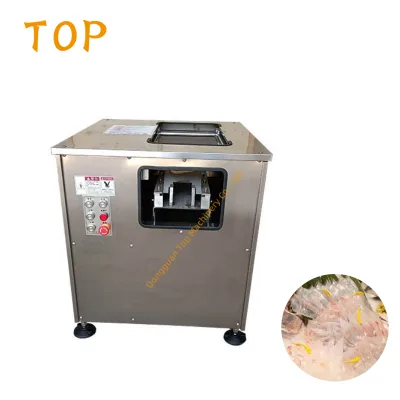
Electric Black Automatic Oblique Fish Cutting Machine Slicer for Boiled Fish
$1137.7858 - $1624.3733
MOQ: 1 pieces
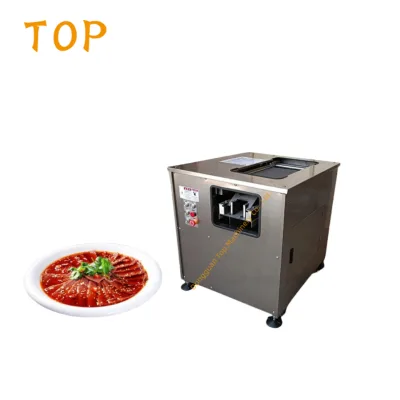
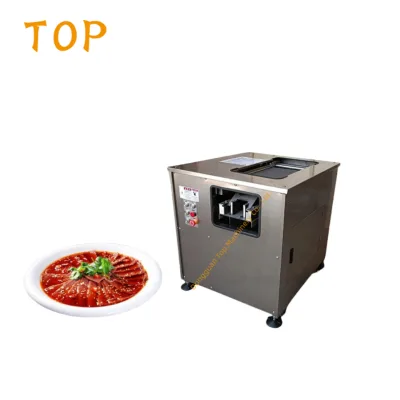
High-Power Electric Fish & Meat Slicer Adjustable Thickness Inclined Cutter
$1137.7858 - $1624.3733
MOQ: 1 pieces
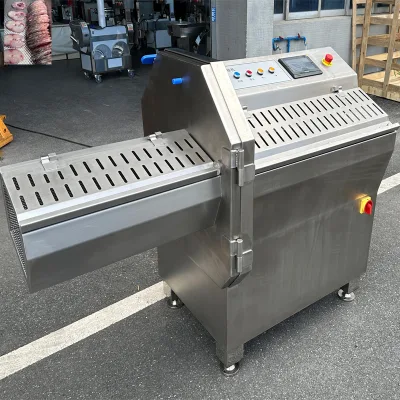
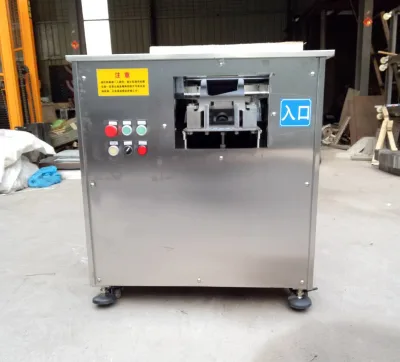


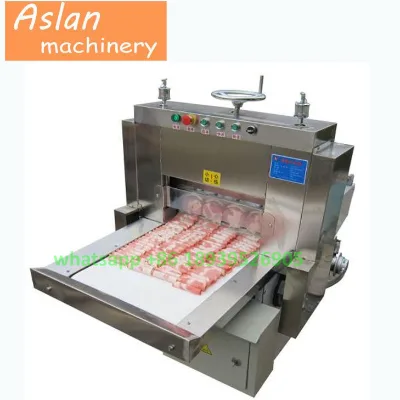
Automatic Fish Slicing Machine/salmon Slicer/frozen Salmon Cutting Machine
$2687.8557 - $2906.7071
MOQ: 1 sets
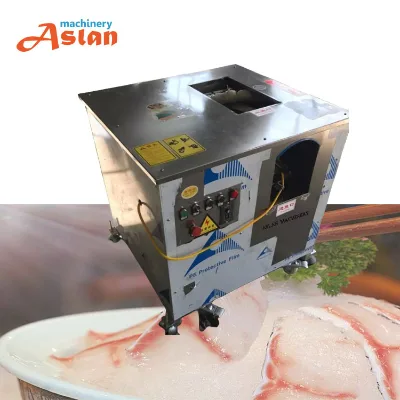


Automatic Fish Meat Slicer Food Equipment Meat Slicing Machine Meat Cutting Machine
$10600.00 - $13150.00
MOQ: 1 pc


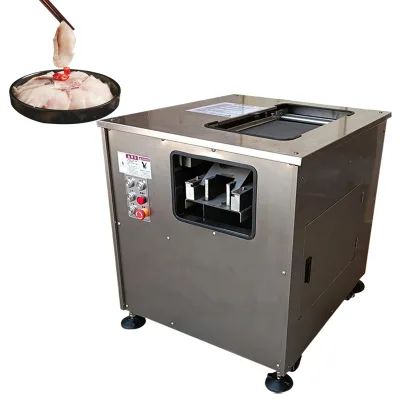
Comprehensive Sourcing Guide
Automatic Multifunctional Fish Slicer Sourcing Guide
Procuring an Automatic Multifunctional Fish Slicer requires careful evaluation of machine versatility and throughput capabilities to ensure alignment with production demands. The observed market includes specialized units such as the YUKE Salmon Multi Angle Slicer, which is engineered specifically for rainbow trout and salmon processing. These machines typically operate at a capacity of 200kg per hour, with slicing speeds reaching up to 180 cuts per minute, ensuring high efficiency for commercial fish processing facilities. Buyers must distinguish between single-purpose slicers and multifunctional units that can handle various fish types, including fresh and dry varieties, to maximize equipment utility across different product lines.
Beyond basic slicing, the scope of these machines often extends to related processing tasks, such as shrimp meat separation or fresh meat cutting, depending on the specific model configuration. The observed listings indicate a range of product names, from frozen fish cutters to automatic fresh meat slicers, suggesting that many units are designed for broader meat processing applications. This multifunctionality allows processors to consolidate equipment needs, reducing floor space requirements and simplifying maintenance protocols. However, buyers should verify the specific raw material compatibility, such as the use of stainless steel 304 for hygiene, to ensure the machine meets food safety standards for the intended product types.
Product Scope and Observed Listing Signals
The current market landscape for automatic fish slicers presents a diverse array of specifications, with observed prices ranging from $1,000 to $39,000 USD. This wide variance reflects differences in build quality, automation levels, and additional features such as removable blades or portable designs. Most observed listings indicate a minimum order quantity (MOQ) of one set, facilitating easier entry for small to medium-sized processors. The weight of these machines varies significantly, from lightweight portable units around 120kg to heavier industrial models weighing up to 350kg, which impacts installation requirements and facility load-bearing considerations.
Listing signals also reveal variations in power consumption and voltage requirements, with observed power ratings ranging from 1.6KW to 2.95KW. Voltage options include 380V, 3P, as well as 380/220/110V configurations, necessitating careful verification of electrical infrastructure compatibility before purchase. Dimensions also differ substantially, with some units measuring 210012001510 mm and others as compact as 650620800 mm. Buyers should analyze these physical and electrical parameters against their facility constraints to avoid costly retrofitting or space allocation issues during the procurement process.
Technical Specifications to Verify
When evaluating technical specifications, the core components and operational modes are critical determinants of machine reliability and performance. Most observed automatic fish slicers feature an engine as a core component and operate in an automatic mode, reducing manual labor and increasing consistency in slice thickness. The blade material is typically stainless steel, often specified as 304 grade, which is essential for corrosion resistance and ease of cleaning in wet processing environments. Buyers must verify the specific blade design, such as removable blades, to ensure that maintenance and sharpening procedures can be performed efficiently without specialized tools or extensive downtime.
Dimensional accuracy and power efficiency are also key technical factors to consider. The observed dimensions for larger models, such as the FCM908, are 210012001510 mm, while smaller units may measure 860800860 mm. Power consumption ranges from 1.6KW to 2.95KW, with a frequency of 50 Hz commonly observed. Buyers should confirm the voltage compatibility with their local grid, as mismatches can lead to operational failures or safety hazards. Additionally, verifying the production capacity, such as 200kg/hour, ensures that the machine meets the throughput requirements of the processing line without becoming a bottleneck.
Compliance and Safety Documentation
Compliance and safety documentation are paramount when sourcing industrial food processing equipment to ensure adherence to local and international regulations. Buyers should request machinery test reports, which are provided by some suppliers, to verify that the equipment meets specific safety and performance benchmarks. These reports often include data on electrical safety, mechanical integrity, and operational stability under load. Ensuring that the machine has undergone rigorous testing helps mitigate risks associated with equipment failure, which can lead to production delays and potential safety incidents in the workplace.
Warranty and after-sales service provisions are also critical components of the compliance framework. Most observed listings indicate a one-year warranty and the provision of after-sales service, which supports long-term operational reliability. Buyers should clarify the scope of this service, including the availability of spare parts, technical support, and repair turnaround times. Additionally, while CE certification is mentioned in background contexts, buyers must verify the specific certification status for their target market, as regulatory requirements vary by region. Proper documentation ensures that the equipment can be legally operated and maintained throughout its lifecycle.
Cost Drivers and Commercial Terms
Cost drivers for automatic multifunctional fish slicers include the complexity of the slicing mechanism, the quality of materials used, and the level of automation. Machines with advanced features, such as multi-angle slicing capabilities or high-speed cutting mechanisms, typically command higher prices. The observed price range of $1,000 to $39,000 USD reflects these variations, with premium models offering greater efficiency and durability. Buyers should assess the total cost of ownership, including energy consumption, maintenance costs, and potential downtime, rather than focusing solely on the initial purchase price.
Commercial terms, such as packaging and shipping arrangements, also influence the overall cost. Observed listings indicate that machines are often packaged in wooden cases to protect them during transit, which adds to the shipping weight and volume. Buyers should negotiate clear terms regarding delivery responsibilities, insurance, and customs clearance to avoid unexpected expenses. Additionally, the MOQ of one set allows for flexible purchasing, but buyers should consider bulk discounts or bundled services for larger orders. Understanding these commercial dynamics helps in budgeting accurately and securing favorable terms from suppliers.
Supplier Qualification and Quality Control
Supplier qualification is a critical step in ensuring the reliability and quality of the procured fish slicer. Buyers should verify the supplier's place of origin, with many observed listings indicating production in Shandong, China, a region known for its manufacturing capabilities. Assessing the supplier's production capacity, such as 200kg/hour for specific models, provides insight into their ability to meet demand. Additionally, buyers should request references or case studies to evaluate the supplier's track record in delivering equipment that meets specified performance criteria.
Quality control measures, including machinery test reports and warranty provisions, are essential indicators of supplier professionalism. Buyers should ensure that the supplier provides comprehensive documentation, including operational manuals, safety guidelines, and maintenance schedules. Verifying the condition of the equipment, typically listed as new, and confirming the availability of spare parts is also crucial. Engaging with suppliers who offer robust after-sales support and clear quality assurance processes helps mitigate risks and ensures a smoother procurement experience.
Long-Term Procurement Checks
Long-term procurement checks involve monitoring the machine's performance and maintenance needs to ensure sustained operational efficiency. Buyers should establish a regular maintenance schedule, focusing on blade sharpness, electrical connections, and mechanical wear. The observed feature of removable blades simplifies this process, allowing for quick replacements and reducing downtime. Tracking the machine's slicing efficiency and capacity over time helps identify any degradation in performance, enabling proactive maintenance before failures occur.
Additionally, buyers should maintain open communication with the supplier for ongoing support and updates. This includes staying informed about any software updates, firmware improvements, or new accessories that may enhance the machine's functionality. Regularly reviewing the warranty terms and after-sales service agreements ensures that support remains available throughout the equipment's lifecycle. By implementing these long-term checks, buyers can maximize the return on investment and ensure that the Automatic Multifunctional Fish Slicer continues to meet production demands efficiently.
FAQs
What is the production capacity of the Automatic Multifunctional Fish Slicer?
The machine achieves a production capacity of 200kg per hour. It also performs 180 cuts per minute. This high efficiency supports large-scale fish processing operations. The automatic grade ensures consistent output. Buyers can rely on this speed for meeting daily processing targets in commercial facilities.
Which fish types can this Automatic Multifunctional Fish Slicer handle?
It is suitable for Rainbow Trout and Salmon. The device also slices fresh or dry fish. It handles frozen fish cutting effectively. The stainless steel blade ensures clean cuts. This versatility allows processors to handle various seafood products without changing equipment.
What are the dimensions of the Automatic Multifunctional Fish Slicer?
The standard model measures 2100 by 1200 by 1510 mm. Another variant measures 860 by 800 by 860 mm. A third option is 650 by 620 by 800 mm. These sizes accommodate different factory layouts. Buyers should select the dimension that fits their available workspace.
Can the Automatic Multifunctional Fish Slicer operate on different voltages?
Yes, it supports 380V, 3-phase power. Some models also accept 380/220/110V. The frequency is 50 Hz. Power consumption ranges from 1.6 to 2.95 KW. This flexibility allows installation in various electrical environments. Always verify the specific voltage requirement for your site.
What warranty and after-sales service are provided?
The product includes a one-year warranty. After-sales service is provided by the supplier. Machinery test reports are provided for quality assurance. The brand YUKE supports these services. Buyers receive documentation and support to ensure long-term operational reliability and maintenance.
What is the minimum order quantity for this slicer?
The minimum order quantity is one set. This allows buyers to purchase single units. The selling unit is listed as a single item. This low MOQ reduces initial investment risk. It is ideal for testing the equipment before larger procurement decisions.