Source Adjustable Cutting Size Food Cutter and Slicer Machine
Find 30 Adjustable Cutting Size Food Cutter and Slicer Machine options from China. Compare semi-automatic and automatic models with stainless steel blades, varying power ratings, and customizable slice thicknesses for factory, canteen, and restaurant applications; compare the available evidence and request quotations based on your requirements.
Updated
Key considerations
Products List
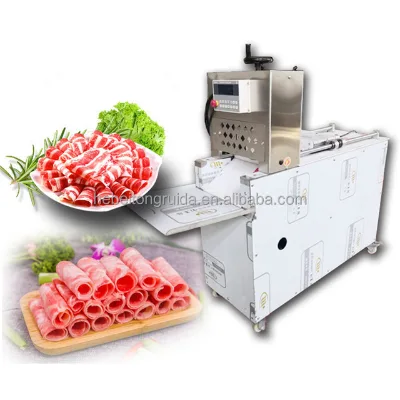


Commercial Adjustable Slicer Cutting Machine Fruit Slicer Vegetable Cutter Machine
$1000.00 - $1200.00
MOQ: 1 Sets
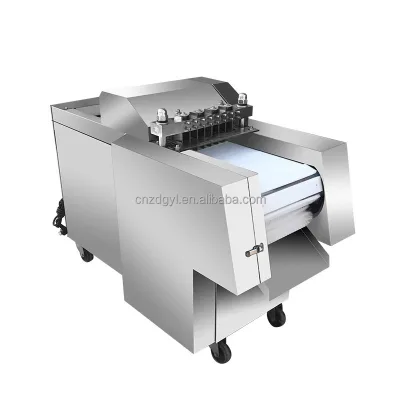
Multi-Function Automatic Meat Slicer and Food Cutter New Condition Slicer Chopper Machine
$942.1973 - $1243.7011
MOQ: 1 pieces
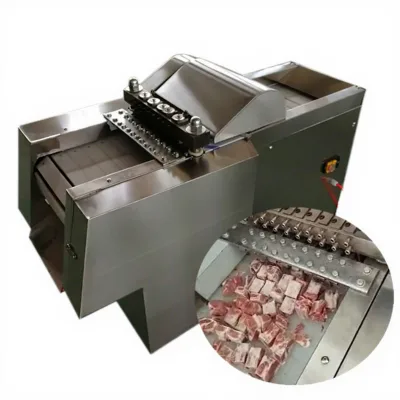
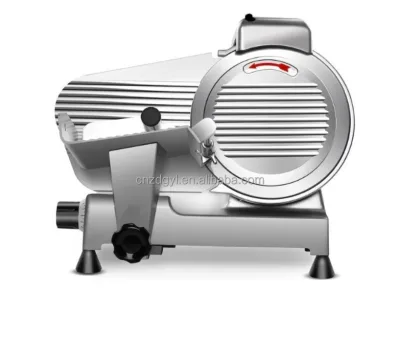
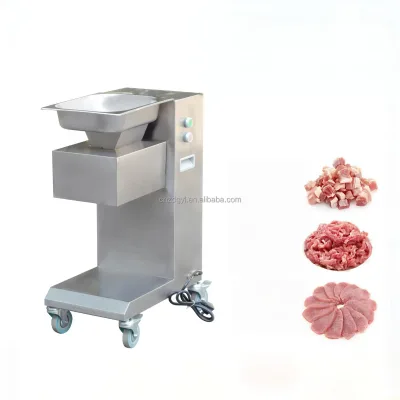
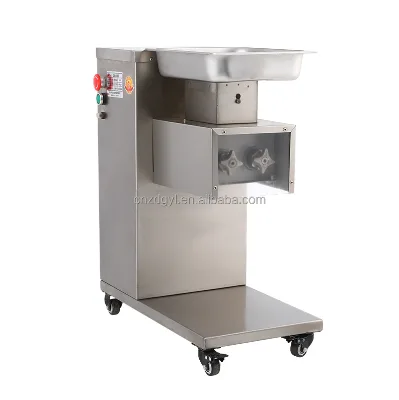
Fresh Meat Slicer High Efficiency Slicing for Supermarkets Durable
$399.3422 - $460.7785
MOQ: 1 pieces
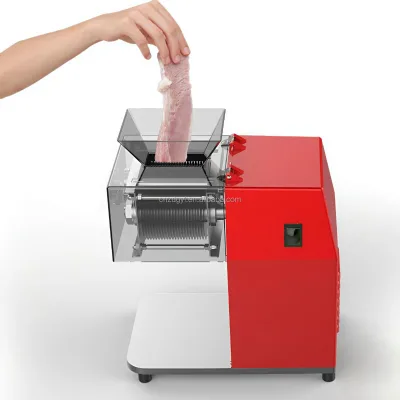
Small Sized New Type Table Top Beef Slicer Efficient Meat Cutting Machine
$203.7672 - $275.4435
MOQ: 1 pieces
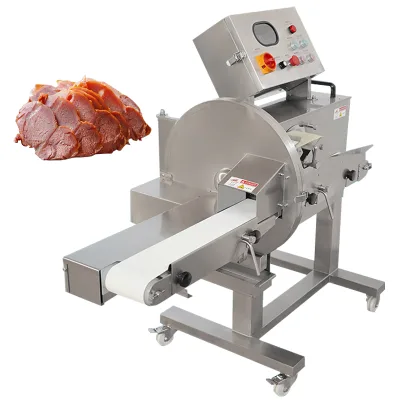
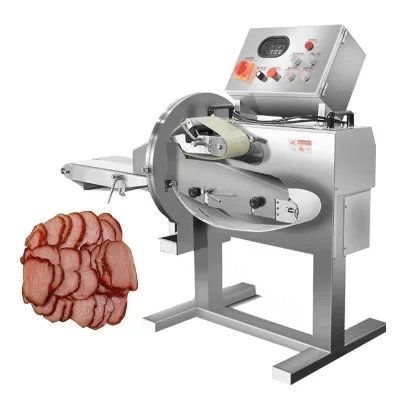

Vertical Food Slicer Machine - High Efficiency and Precision Cutting
$1000.00 - $1200.00
MOQ: 1 Pieces


Automatic Food Processing Machine Meat Slicing Machine Meat Cutter Slicer
$3940.00 - $4450.00
MOQ: 1 pc


Comprehensive Sourcing Guide
Adjustable Cutting Size Food Cutter and Slicer Machine Sourcing Guide
Procuring an Adjustable Cutting Size Food Cutter and Slicer Machine requires a clear understanding of the operational variability inherent in modern processing equipment. Buyers must distinguish between semi-automatic and fully automatic models, as the choice directly impacts labor efficiency and throughput capacity. The observed market includes machines with varying power ratings, such as 0.75KW and 2.5KW units, which dictate the machine's ability to handle different material densities and volumes. Understanding these baseline operational modes is the first step in aligning equipment capabilities with specific production line requirements.
The physical footprint and weight of the machinery are critical logistical considerations that often get overlooked during initial selection. Observed specifications indicate a wide range in dimensions, from compact units measuring approximately 110x40x130cm to larger industrial models reaching 1780x900x1430mm. Similarly, gross weights vary significantly, with some units weighing around 240kg while others approach 360kg. These physical attributes influence factory layout planning, floor load requirements, and shipping costs, making precise dimension verification essential before finalizing any purchase agreement.
Product Scope and Observed Listing Signals
The current market landscape for adjustable cutting size food cutter and slicer machines reveals a diverse array of product configurations tailored to specific industrial needs. Listings frequently highlight features such as adjustable thickness settings, which allow for versatile processing of various food items. The presence of stainless steel blades is a common attribute, ensuring durability and hygiene standards required in food processing environments. Buyers should note that while many units are marketed as new and customized, the specific model numbers and brand names vary widely, indicating a fragmented supplier base with diverse manufacturing origins.
Marketing signals often emphasize specific advantages like adjustable cutting sizes and removable blades, which cater to the need for flexibility in production lines. Some products are explicitly designed for slicing frozen meat, with customizable slice thicknesses ranging from 2.5mm to 15mm, highlighting the precision capabilities of advanced models. Other listings focus on broader applications, including factory, canteen, and restaurant use, suggesting a tiered product range that serves both high-volume industrial clients and smaller commercial kitchens. These signals help buyers identify machines that match their specific throughput and precision requirements.
Technical Specifications to Verify
Verifying the core technical specifications is paramount to ensuring the machine meets operational demands. Buyers must confirm the voltage compatibility, as observed listings show variations between 220V and 380V, which can impact installation requirements and electrical infrastructure. The power consumption, ranging from 0.75KW to 2.5KW, should be matched against available power supplies to prevent overloading circuits. Additionally, the operating mode, whether semi-automatic or fully automatic, must align with the desired level of automation and labor input, ensuring the machine integrates smoothly into the existing workflow without causing bottlenecks.
Dimensional accuracy and packaging details are equally critical for logistical planning and facility integration. The single package size and overall machine dimensions must be verified to ensure they fit within the designated installation space and doorways. For instance, some units have a single package size of 120x50x140cm, while others may require a plywood case for protection during transit. Confirming the blade size and material, typically stainless steel, ensures that the cutting mechanism is suitable for the intended food products. These technical details form the foundation of a successful procurement decision.
Compliance and Safety Documentation
Safety and compliance documentation are non-negotiable elements in the procurement of food processing machinery. Buyers should request evidence of adherence to relevant electrical and mechanical safety standards, although specific certification statuses may vary by supplier. The presence of video outgoing-inspection services provided by some manufacturers offers an additional layer of quality assurance, allowing buyers to visually verify the machine's condition and functionality before shipment. This remote verification process can help mitigate risks associated with receiving equipment that does not meet agreed-upon specifications.
Warranty and after-sales support structures provide essential protection for the buyer's investment. Most observed listings include a one-year warranty, which should be clearly defined in the contract to cover potential defects or malfunctions. After-sales services, such as online support and video technical support, are crucial for troubleshooting issues that may arise during operation. Buyers should ensure that these support channels are accessible and responsive, as timely assistance can minimize downtime and maintain production continuity. Understanding the scope of these services is vital for long-term operational reliability.
Cost Drivers and Commercial Terms
Several factors influence the total cost of ownership for adjustable cutting size food cutter and slicer machines. The observed price range of 120 to 7100 USD reflects significant variations in machine complexity, power, and features. Higher-priced units typically offer advanced automation, larger dimensions, and specialized functions like frozen meat slicing. Buyers must evaluate these cost differences against their specific production needs to avoid overpaying for unnecessary features or underinvesting in inadequate capacity. The minimum order quantity (MOQ) is consistently observed as one unit, providing flexibility for small-scale procurement.
Commercial terms, including payment methods and shipping arrangements, also impact the overall cost. Buyers should negotiate clear terms regarding delivery times and responsibilities for customs clearance and import duties. The customization options available, such as specific voltage configurations or branding, may incur additional costs that should be factored into the budget. Understanding these commercial dynamics allows buyers to make informed decisions that balance initial investment with long-term operational efficiency and total cost of ownership.
Supplier Qualification and Quality Control
Evaluating supplier qualification is essential for ensuring the reliability and quality of the purchased machinery. Buyers should verify the supplier's production capacity and place of origin, as observed listings indicate origins in regions like Hebei, Henan, and Wenzhou in China. These locations may have different manufacturing standards and supply chain efficiencies. Requesting detailed company profiles and past performance records can provide insights into the supplier's capability to deliver consistent quality and meet delivery schedules. This due diligence helps mitigate the risk of dealing with unreliable or inexperienced manufacturers.
Quality control processes, including video outgoing-inspections and pre-shipment checks, are critical indicators of supplier professionalism. Buyers should insist on comprehensive quality assurance protocols that include functional testing of the adjustable cutting mechanisms and blade integrity. The availability of video technical support for post-warranty service suggests a commitment to long-term customer satisfaction. Establishing clear quality benchmarks and inspection criteria before production begins ensures that the final product meets the buyer's expectations and reduces the likelihood of disputes or returns.
Long-Term Procurement Checks
Long-term procurement success depends on establishing robust relationships and continuous performance monitoring. Buyers should implement regular maintenance schedules and track machine performance metrics to identify potential issues early. The availability of spare parts and the ease of accessing technical support are key factors in maintaining operational efficiency over time. Suppliers that offer comprehensive training and detailed operational manuals contribute significantly to the longevity and reliability of the equipment. These proactive measures help maximize the return on investment and minimize unexpected downtime.
Continuous evaluation of supplier performance and market trends is also important for future procurement decisions. Buyers should stay informed about advancements in food processing technology and emerging supplier capabilities. Regularly reviewing contract terms and service level agreements ensures that they remain aligned with evolving business needs. By maintaining a strategic approach to supplier management and equipment lifecycle, buyers can secure a competitive advantage through reliable and efficient food processing operations. This long-term perspective is crucial for sustainable business growth.
FAQs
What is the adjustable cutting size range for this machine?
The adjustable cutting size ranges from 2.5mm to 15mm, allowing for customizable slice thickness to meet specific processing needs. This feature supports versatile applications in meat packing and vegetable processing, ensuring precise output for various frozen or fresh food items.
Can the machine operate automatically or semi-automatically?
Yes, the machine offers both automatic and semi-automatic operating modes depending on the specific model selected. The automatic version features a fully automatic design for higher efficiency, while other models provide semi-automatic operation, catering to different production volume requirements and workflow preferences.
What is the power consumption and voltage requirement?
The power consumption varies by model, with options including 0.75KW, 2.2KW, and 2.5KW. The voltage requirements are typically 220V or 380V, ensuring compatibility with standard industrial power supplies. This flexibility allows for efficient operation in various factory or canteen environments.
Where is the machine manufactured and what is the warranty?
The machines are manufactured in China, with origins in regions such as Hebei, Henan, and Wenzhou. Each unit comes with a 1-year warranty and provides online support or video technical assistance after purchase, ensuring reliable after-sales service and operational guidance for buyers.
What is the production capacity of the automatic model?
The automatic model has a production capacity of 600KG/H, making it suitable for high-volume processing tasks. This capacity supports efficient slicing of frozen meat and other products in factory, canteen, or restaurant settings, ensuring consistent output rates for commercial food preparation needs.
Is the machine customizable for specific business needs?
Yes, the machine is fully customizable, with available customization options for various specifications and features. Buyers can request tailored solutions to match their specific processing requirements, ensuring the equipment integrates seamlessly into existing production lines and meets unique operational standards for food slicing applications.