Source Commercial Industrial Vegetable Cutting Machine for Restaurants
Find and compare 30 Commercial Industrial Vegetable Cutting Machine options from verified suppliers. Evaluate models like BG-1000 and 125D, noting features such as stainless steel construction, automatic control, and overseas service support for efficient food processing; compare the available evidence and request quotations based on your requirements.
Updated
Key considerations
Products List


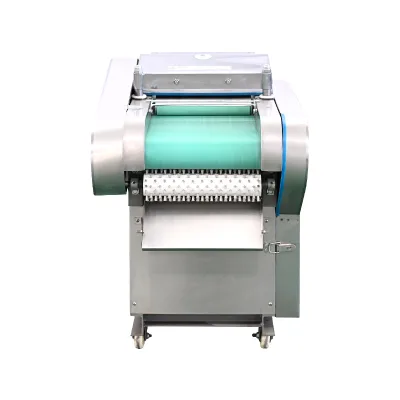

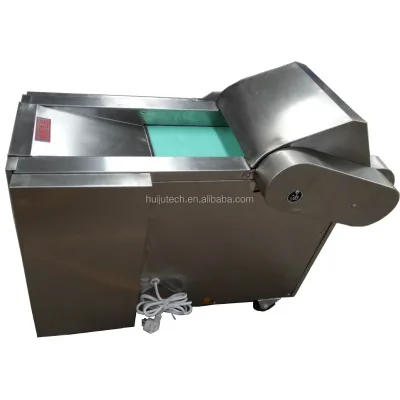


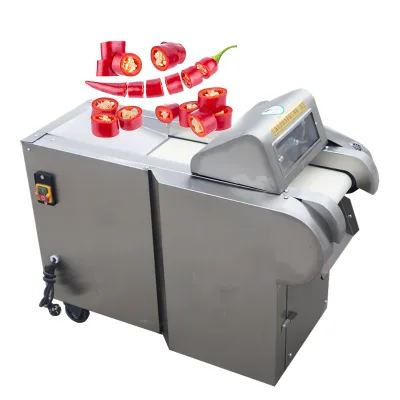
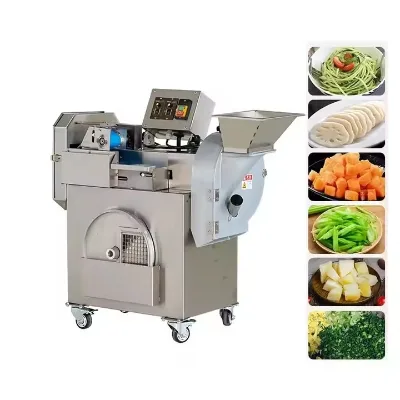


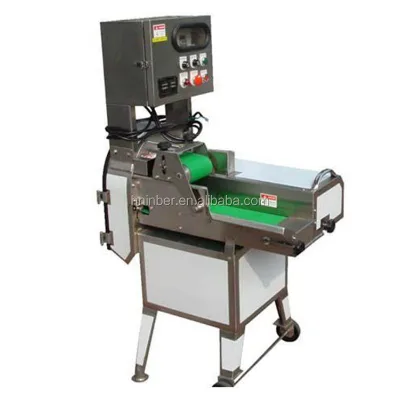

Potato Cutter Industrial Commercial China Fruit and Vegetable Cutting Machine
$1200.00 - $5000.00
MOQ: 1 Pieces


Industrial Commercial Vegetable Cutters Potato Slicing Dicer Salad Cutting Machine
$3300.00 - $3500.00
MOQ: 1 Pieces

Industrial Vegetable Carrot Cucumber Cutter Cutting Machine Slicing Machine
$3300.00 - $3500.00
MOQ: 1 Pieces


Multipurpose Vegetable Cutting Machine for Restaurant and Food Processing Plant Cutter
$3300.00 - $3500.00
MOQ: 1 Pieces


Comprehensive Sourcing Guide
Commercial Industrial Vegetable Cutting Machine Sourcing Guide
Procuring a Commercial Industrial Vegetable Cutting Machine requires a clear understanding of the diverse machinery types available in the global market. Buyers often encounter listings that categorize equipment broadly as cutters, washers, or multi-functional processors, which can lead to confusion if specific operational needs are not defined. The observed product landscape includes units explicitly labeled as meat cutting machines, vegetable cutters, and general-purpose washers, indicating that the term "vegetable cutting machine" may encompass a wide range of mechanical designs. It is essential to distinguish between dedicated slicing units and integrated processing lines that combine cutting with cleaning or washing functions.
The decision-making process must begin with identifying the primary material to be processed, as this dictates the necessary mechanical configuration and power requirements. Some observed models are designed for high-efficiency operation with automatic control modes, while others emphasize easy setup and manual operation. Buyers should carefully review the product name and type attributes to ensure the machine aligns with their specific throughput and preparation goals. Understanding these distinctions prevents the acquisition of equipment that may lack the necessary durability or precision for heavy-duty commercial kitchen environments, ensuring that the investment supports consistent operational performance.
Product Scope and Observed Listing Signals
The current market signals indicate a significant variation in product specifications, with observed prices ranging from twenty-five to five thousand US dollars. This wide range reflects differences in build quality, motor power, and material composition, such as the use of ABS plastic versus stainless steel SUS304 or 316. Buyers should note that some listings specify a power source of electric with varying wattage, including models with 49,000W and others with 0.75kW, which suggests a disparity between industrial-grade heavy machinery and smaller commercial units. The minimum order quantity is consistently observed at one unit, allowing for flexible procurement strategies for businesses of all sizes.
Packaging and origin data provide additional context for logistics planning, with many units shipped in wooden cases from regions such as Guangdong and Jiangxi in China. Dimensions vary considerably, with some models measuring 208011501500mm and others as compact as 804370cm, directly impacting kitchen space allocation. The presence of certifications like CE, SGS, ISO, BV, and QS in listings suggests that suppliers are targeting international markets with specific regulatory compliance in mind. However, buyers must verify that these certifications apply to the specific model being purchased, as listing attributes may not always reflect the exact configuration of the unit.
Technical Specifications to Verify
Voltage compatibility is a critical technical parameter that must be verified before purchase, as observed listings show both 220V and 380V options. Mismatched voltage requirements can lead to equipment damage or operational failure, so buyers must confirm the electrical infrastructure of their facility matches the machine’s specifications. Power ratings also vary, with some units listing 1.1KW and others indicating higher wattage figures, which correlates with the machine’s cutting capacity and speed. Ensuring that the power source aligns with local electrical standards is essential for safe and efficient operation in a commercial setting.
Cutting precision and dimensional accuracy are key performance indicators for vegetable processing equipment. Some models specify a cut thickness range of 1-7mm, which is vital for applications requiring uniform slicing or dicing. Buyers should also examine the machine’s physical dimensions and weight, as these factors influence installation requirements and floor load capacity. The control mode, whether automatic or manual, affects labor efficiency and ease of use, so operators should be trained on the specific interface. Verifying these technical details ensures the machine meets the precise culinary and production standards of the facility.
Compliance and Safety Documentation
Safety certifications are paramount in commercial food processing environments, and buyers should prioritize machines that carry recognized international standards. Observed listings frequently mention certifications such as CE, SGS, ISO, BV, and QS, which indicate adherence to specific safety and quality benchmarks. However, buyers must request valid certification documents for the exact model number to ensure compliance with local regulatory requirements. These certifications often cover electrical safety, mechanical guarding, and material hygiene, providing assurance that the equipment is safe for daily commercial use.
Material hygiene is another critical compliance aspect, particularly for machines that come into direct contact with food products. Stainless steel construction, specifically SUS304 or 316 grades, is preferred for its corrosion resistance and ease of cleaning. Buyers should verify that all food-contact surfaces meet relevant food safety standards and are free from harmful coatings or materials. Additionally, features such as easy cleaning mechanisms and noise reduction technologies contribute to a safer and more compliant working environment. Ensuring that the machine’s design facilitates thorough sanitation helps prevent cross-contamination and supports overall food safety protocols.
Cost Drivers and Commercial Terms
The total cost of ownership extends beyond the initial purchase price, encompassing installation, maintenance, and energy consumption. Observed listings indicate a price range of twenty-five to five thousand US dollars, with higher prices often correlating with advanced features, robust materials, and comprehensive warranty coverage. Buyers should evaluate the power consumption of the machine, as high-wattage units may incur significant electricity costs over time. Understanding the energy efficiency of the equipment is crucial for long-term budgeting and operational cost management in a commercial kitchen.
Warranty and after-sales service are significant factors that influence the commercial terms of the procurement. Many suppliers offer a one-year warranty and provide online support or overseas engineering services for machinery maintenance. Buyers should clarify the scope of the warranty, including what components are covered and the response time for service requests. Additionally, the availability of spare parts and technical documentation should be confirmed to ensure minimal downtime during repairs. Negotiating clear commercial terms regarding service obligations can mitigate risks associated with equipment failure and extend the machine’s operational lifespan.
Supplier Qualification and Quality Control
Supplier qualification involves assessing the manufacturer’s reputation, production capabilities, and quality control processes. Buyers should verify the supplier’s business credentials and check for any history of non-compliance or customer complaints. The presence of detailed product specifications, such as model numbers and dimensions, indicates a level of transparency and professionalism. Suppliers that provide machinery test reports and video outgoing inspections demonstrate a commitment to quality assurance, allowing buyers to verify the condition of the equipment before shipment.
Quality control measures should be integrated into the procurement process to ensure the delivered machine meets the agreed-upon standards. Buyers may request third-party inspections or factory audits to assess the manufacturing environment and production line efficiency. Clear communication regarding customization options, such as specific cutting thicknesses or voltage requirements, is essential to avoid discrepancies. Establishing a strong relationship with a qualified supplier ensures consistent product quality and reliable support, which is vital for maintaining uninterrupted operations in a commercial food processing facility.
Long-Term Procurement Checks
Long-term procurement success depends on the machine’s durability and the supplier’s ability to provide ongoing support. Buyers should consider the expected lifespan of the equipment, with some listings indicating a life time of up to fifteen years. This longevity is often associated with high-quality materials and robust construction, such as stainless steel components and powerful motors. Evaluating the machine’s resistance to wear and tear helps predict maintenance needs and replacement costs over its operational life.
Regular maintenance and timely repairs are essential for preserving the machine’s performance and safety. Buyers should establish a preventive maintenance schedule based on the manufacturer’s recommendations and the intensity of usage. Access to technical support and spare parts is crucial for addressing issues promptly and minimizing downtime. By monitoring the machine’s performance and adhering to maintenance guidelines, buyers can ensure consistent cutting quality and operational efficiency, maximizing the return on their investment in commercial industrial vegetable cutting machinery.
FAQs
What certifications do commercial industrial vegetable cutting machines have?
These machines typically hold CE, SGS, ISO, BV, and QS certifications. These credentials verify that the equipment meets international safety and quality standards for industrial food processing environments. Buyers should request valid certificates from suppliers to ensure compliance with local regulatory requirements before finalizing procurement agreements.
Can commercial industrial vegetable cutting machines be customized?
Yes, customization is available for these units. Manufacturers offer tailored solutions to meet specific production line requirements. Buyers can request modifications to dimensions, power sources, or material specifications. This flexibility ensures the equipment integrates seamlessly into existing facility layouts and operational workflows without compromising performance or safety standards.
How is the warranty structured for commercial industrial vegetable cutting machines?
The standard warranty period is one year for core components and general machinery. After-sales support includes online assistance and overseas engineer availability for complex issues. Buyers should confirm specific warranty terms with suppliers, as coverage details may vary based on the manufacturer and the specific model purchased for industrial use.
What is the typical voltage for commercial industrial vegetable cutting machines?
Common voltage options include 220V and 380V, depending on the power source and motor specifications. Electric models are standard for industrial applications. Buyers must verify the voltage requirement against their facility's electrical infrastructure to ensure safe operation and prevent equipment damage during installation and daily commercial processing tasks.
Which materials are used in commercial industrial vegetable cutting machines?
Machines often feature stainless steel SUS304 or SUS316 for food-contact surfaces, ensuring hygiene and corrosion resistance. Some components may use ABS plastic for housing or handles. These materials comply with food safety standards, making the equipment suitable for high-volume commercial kitchens and industrial food processing facilities requiring durable and cleanable machinery.
What is the packaging method for commercial industrial vegetable cutting machines?
Units are typically packed in wooden cases to protect against transit damage. This robust packaging ensures the machinery arrives in new condition. Buyers should verify packing details with suppliers, as specific configurations may vary. Proper packaging is essential for maintaining equipment integrity during international shipping and handling at destination ports.