Source Semi-Automatic Plate Bending Machine for Tanks, Pipes, and Ducts
Find 30 semi-automatic plate bending machines from verified suppliers in Maanshan and Nantong. Compare models like W11-4*1600 and WC67Y series with capacities up to 6mm thickness and 3200mm width for industrial sheet metal forming; compare the available evidence and request quotations based on your requirements.
Updated
Key considerations
Products List

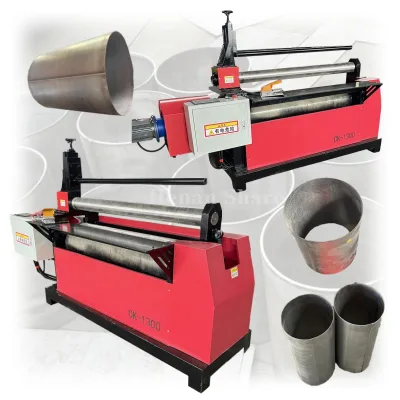
W11-4*1600 Plate Bending Machine Semi-Automatic Rolling Bending Machine
$1760.00 - $2400.00
MOQ: 1 Sets


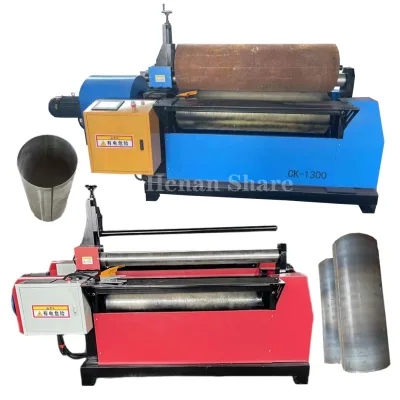
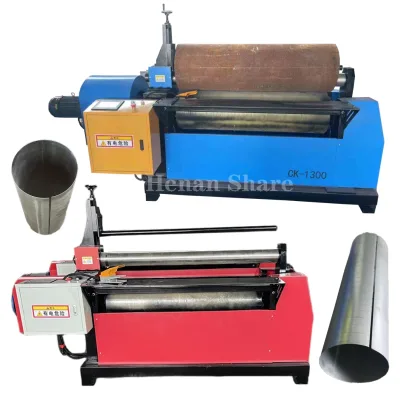
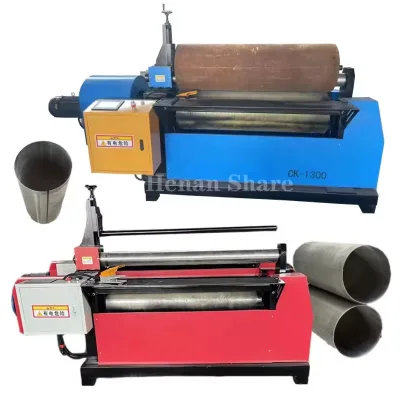
W11-6*2000 Semi- Automatic Plate 3-Rollers Bending and Rolling Machine
$2950.00 - $3490.00
MOQ: 1 Sets


$11770.00 - $11900.00
MOQ: 1 Sets


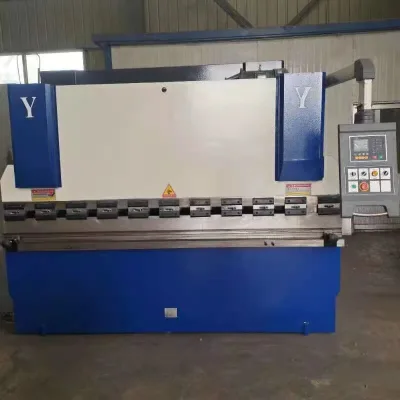
Intelligent Hydraulic Press Brake Steel Plate Bending Machine With Semi Automatic Memory Function
$2649.5485 - $2855.7389
MOQ: 1 sets
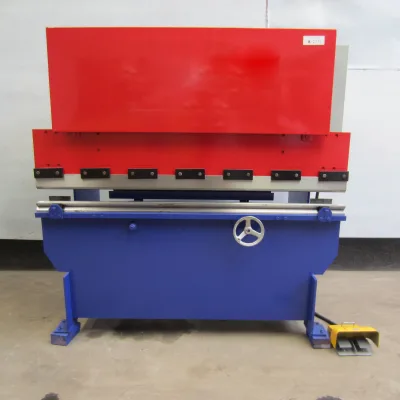


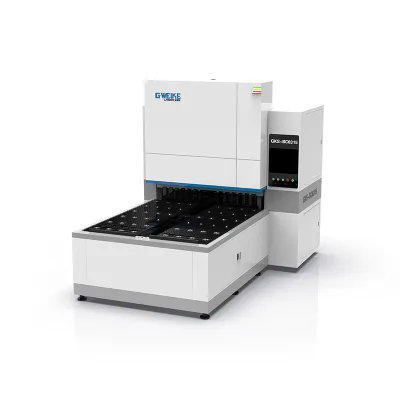



Comprehensive Sourcing Guide
Semi-Automatic Plate Bending Machine Sourcing Guide
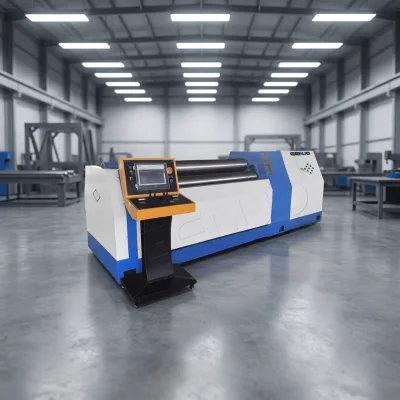
Procuring semi-automatic plate bending machines requires a careful balance between operational efficiency and capital expenditure. These machines, often categorized as roller-bending or rolling machines, are designed to curve metal sheets and plates into cylindrical or conical shapes. The semi-automatic nature implies that while the machine handles the mechanical rolling process, the operator may still need to intervene for positioning, feeding, or final adjustments. This hybrid approach offers a middle ground between fully manual labor-intensive processes and expensive fully automated lines, making it suitable for small to medium-sized fabrication shops that require flexibility without the high overhead of complete automation.
Buyers must distinguish between different machine types within this category, such as the W11 series roller machines and hydraulic press brakes like the WC67Y models. While both perform bending or rolling functions, their mechanisms and ideal use cases differ significantly. Roller machines are typically used for continuous curvature, whereas press brakes excel in creating precise angular bends. Understanding this distinction is crucial for aligning the equipment with specific production needs. The observed market includes models ranging from basic 4mm thickness capacity to more robust 6mm or higher specifications, each with distinct motor powers and shaft diameters that dictate their performance limits.
Product Scope and Observed Listing Signals
The current market listings for semi-automatic plate bending machines reveal a diverse range of capabilities, primarily focused on processing carbon steel, stainless steel, aluminum, and copper. Observed specifications indicate that maximum plate thicknesses commonly range from 4mm to 6mm, with widths extending up to 2000mm. These dimensions suggest that the equipment is tailored for general fabrication tasks rather than heavy industrial shipbuilding or large-scale infrastructure projects. The presence of models like the W11-41600 and W11-62000 highlights the importance of matching the machine’s physical capacity to the specific material dimensions your production line will handle regularly.
Another key signal is the variation in automation levels and motor power. While the core keyword specifies semi-automatic units, some listings include automatic variants or hydraulic press brakes with higher tonnage, such as the 125-ton WC67Y model. Buyers should verify if the semi-automatic designation applies to the entire machine or just specific functions. Additionally, the weight of these machines, observed between 450kg and 600kg, indicates a need for stable flooring and potentially specialized handling equipment during installation. The packaging methods, ranging from fumigation wooden boxes to steel pallets, also provide clues about the machine's robustness and the care required during international shipping.
Technical Specifications to Verify
When evaluating technical specifications, the diameter of the top and bottom shafts is a critical parameter that influences the minimum bending radius achievable. For instance, observed models feature top shaft diameters of 168mm to 180mm and bottom shafts around 159mm to 170mm. These dimensions directly affect the machine's ability to form tight curves without damaging the material. Buyers must ensure that the shaft configuration aligns with the smallest radius required for their specific projects. Additionally, the central distance between bottom shafts, observed at 210mm in some models, impacts the stability and alignment of the plate during the rolling process, which is vital for maintaining consistent curvature.
Motor power and coiling speed are other essential technical factors to consider. The main motors observed range from 3kW to 4kW, which determines the torque available for bending thicker or harder materials. Coiling speeds, such as the observed 7m/min, indicate the operational efficiency of the machine. Buyers should assess whether these speeds meet their production throughput requirements. Furthermore, the yielding limit of sheet metal, noted at 245MPa in some specifications, defines the material strength the machine can handle. It is crucial to verify if the machine can process higher-strength alloys if your workflow involves diverse material types, as exceeding these limits can lead to mechanical failure or poor quality bends.
Compliance and Safety Documentation
Certification is a non-negotiable aspect of sourcing industrial machinery, ensuring that the equipment meets international safety and quality standards. Observed listings frequently mention certifications such as CE, ISO 9001, and RoHS. The CE mark is particularly important for buyers in Europe, indicating compliance with health, safety, and environmental protection standards. ISO 9001 certification suggests that the manufacturer follows a consistent quality management system, which can be a proxy for build quality and reliability. Buyers should request copies of these certificates and verify their validity with the issuing bodies to avoid counterfeit documentation.
Safety features and operational safeguards are also part of the compliance landscape. While specific safety mechanisms are not detailed in the observed data, the presence of a 2-year or 5-year warranty often correlates with the manufacturer's confidence in the machine's safety and durability. Buyers should inquire about emergency stop functions, guarding around moving parts, and electrical safety standards. Additionally, the waterproof rating of IPX-8, though unusual for this machine type, suggests robustness against environmental factors if the machine is intended for harsh industrial environments. Clarifying the exact scope of these ratings and certifications ensures that the machine can be legally and safely operated in your facility.
Cost Drivers and Commercial Terms
The price range for semi-automatic plate bending machines is broad, observed between $500 and $68,000, reflecting significant variations in capacity, automation, and brand reputation. Lower-priced models likely correspond to smaller capacity machines with basic semi-automatic features, while higher-end prices may include hydraulic press brakes or larger roller machines with advanced controls. Buyers should analyze the cost per ton of bending capacity or per millimeter of plate width to compare value across different models. It is essential to understand what is included in the base price, such as standard tools, software, or initial setup services, to avoid hidden costs.
Commercial terms, including minimum order quantity (MOQ) and lead times, also impact the total cost of ownership. Observed MOQs are often as low as 1 unit, which is favorable for small businesses looking to upgrade their equipment. However, lead times can vary significantly based on the manufacturer's production schedule and shipping logistics. Buyers should negotiate clear delivery terms and consider the cost of freight, insurance, and customs duties. Additionally, the availability of after-sales service, such as engineers available for overseas maintenance, can reduce long-term downtime costs. Understanding these commercial dynamics helps in budgeting accurately and planning production schedules effectively.
Supplier Qualification and Quality Control
Supplier qualification is critical when sourcing machinery from international markets, particularly from regions like Maanshan or Haian City in Jiangsu, China, which are known manufacturing hubs. Buyers should verify the supplier's business license, export history, and customer references. The presence of multiple certifications, such as CE, ISO 9001, and SGS, can indicate a reputable manufacturer, but direct verification is necessary. It is also advisable to request detailed product datasheets and technical drawings to ensure that the machine meets your specific engineering requirements. Engaging with suppliers who provide comprehensive documentation demonstrates professionalism and reliability.
Quality control measures should be established before placing an order. This includes defining acceptance criteria for the machine's performance, such as bending accuracy, surface finish quality, and operational noise levels. Buyers may consider hiring third-party inspection services to conduct pre-shipment inspections, verifying that the machine matches the agreed specifications and is free from defects. Additionally, reviewing the warranty terms and the supplier's response time for technical support is crucial. A supplier that offers a 5-year warranty and provides engineers for overseas service indicates a higher level of commitment to product quality and customer satisfaction, reducing the risk of post-purchase issues.
Long-Term Procurement Checks
Long-term procurement success depends on the availability of spare parts and ongoing technical support. Buyers should inquire about the supplier's inventory of critical components, such as motors, shafts, and hydraulic pumps, and the lead time for replacing them. The ability to source parts locally or through the manufacturer directly impacts maintenance costs and machine downtime. Additionally, understanding the software update policies for any automated or semi-automatic control systems is important, as technology evolves rapidly. Suppliers that offer regular updates and training programs can help keep your operations efficient and up-to-date with industry best practices.
Finally, consider the machine's adaptability to future production needs. As your business grows, you may need to process thicker plates or different materials. Verify if the machine can be upgraded or modified to accommodate these changes. The customization options available, such as different shaft configurations or motor upgrades, can extend the machine's useful life. Regular maintenance schedules and operator training programs are also essential for maximizing the machine's lifespan and performance. By planning for these long-term factors, buyers can ensure that their investment in semi-automatic plate bending machines continues to deliver value over time.
FAQs
What is the maximum thickness for coiled plates?
The maximum thickness for coiled plates is 4mm for the W11-4*1600 model and 6mm for the W11-6*2000 model. These machines are designed to process carbon steel sheets with a yielding limit of 245MPa, ensuring reliable performance for standard industrial bending tasks.
Which certifications do these machines hold?
These machines hold CE, ISO 9001, and RoHS certifications. Some models also meet international standards and SGS or GOST requirements. These certifications ensure the equipment meets safety and quality benchmarks for global markets and industrial applications.
Can the machine be customized for specific needs?
Yes, customization is available for these semi-automatic rolling machines. Buyers can request specific configurations to match their production requirements. This flexibility allows manufacturers to adapt the equipment for various metal processing tasks without compromising operational efficiency.
What is the warranty period for the equipment?
The warranty period is typically 2 years for standard models and up to 5 years for advanced hydraulic units. This coverage ensures long-term reliability and support for buyers. After-sales service includes engineers available to service machinery overseas for additional peace of mind.
How fast can the machine coil metal plates?
The coiling speed reaches 7 meters per minute for the standard semi-automatic models. This speed ensures efficient processing of sheet and plate rolling materials. The machine handles materials like stainless steel, aluminum, and copper with consistent performance across different thicknesses.
Where are these machines manufactured?
These machines are manufactured in Maanshan and Haian City, Nantong, Jiangsu. These locations are known for producing high-quality industrial equipment. Buyers can expect reliable sourcing from established manufacturing hubs that specialize in metal processing machinery.
What is the main motor power for these units?
The main motor power ranges from 3 Kw to 4 Kw depending on the specific model. This power rating supports the semi-automatic operation of the rolling machine. It ensures sufficient torque for bending carbon steel and other compatible metals effectively.