Source Automatic Twin Spindle Ball Machine for Yarn, Rope, and Netting
Compare 30 automatic twin spindle ball machines from verified Chinese suppliers. These units support winding cotton, plastic, jute, and other materials with adjustable speeds and customizable shapes for diverse industrial applications; compare the available evidence and request quotations based on your requirements.
Updated
Key considerations
Products List


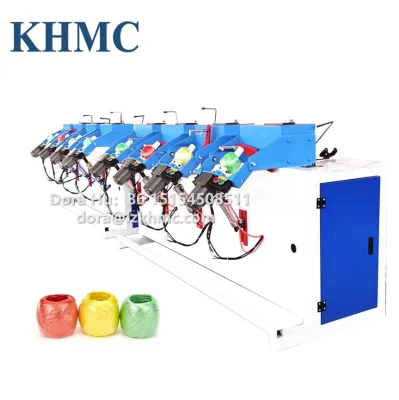
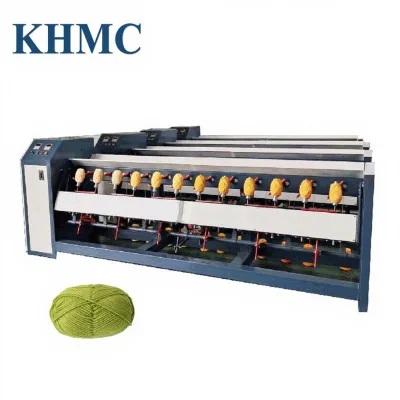
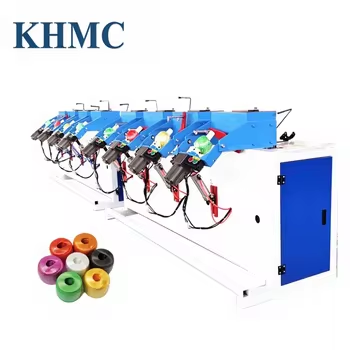
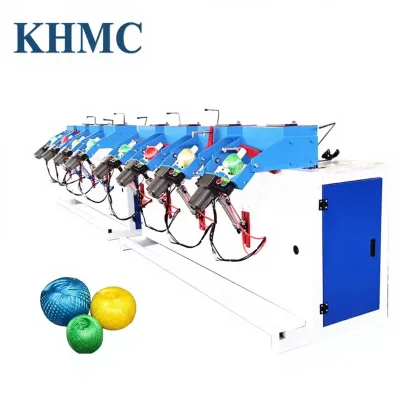
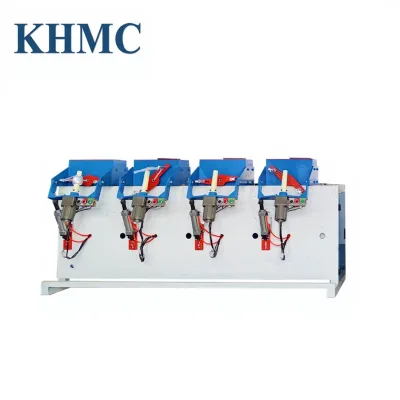
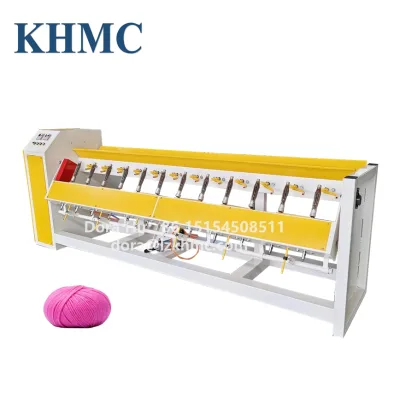
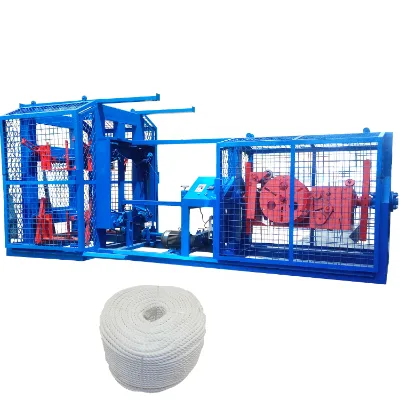
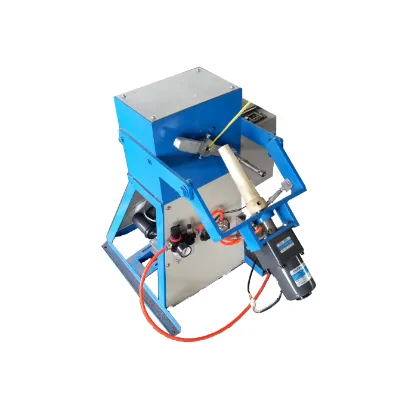

High Speed 10 Spindles Fiber Twine Ball Winding Machine with Rotation Counting System
$4800.00 - $30000.00
MOQ: 1 Pieces


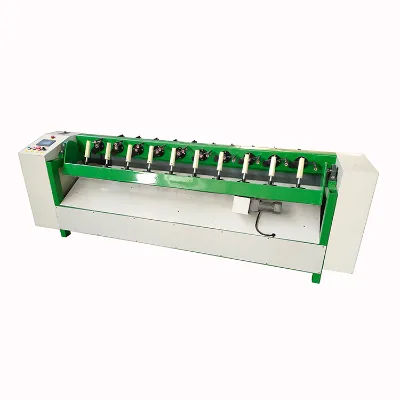
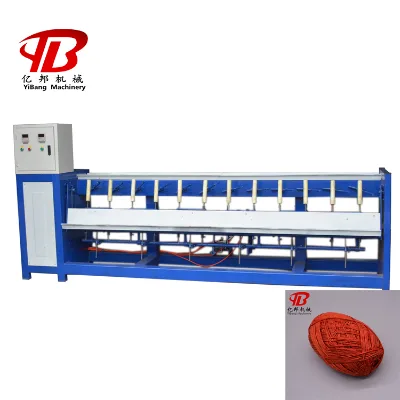
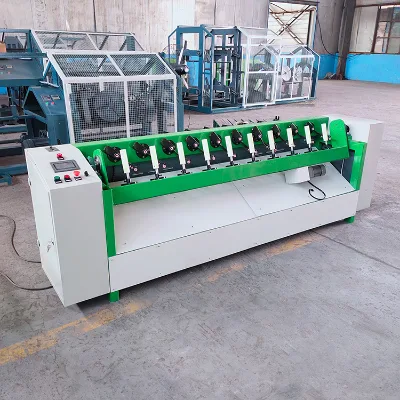
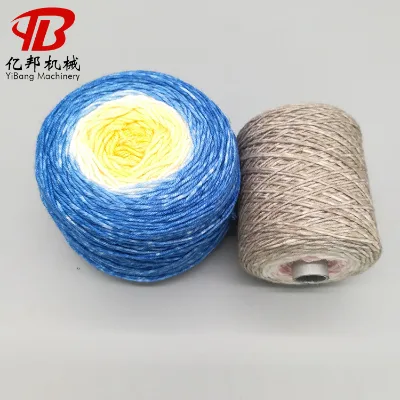
PLC Control Multi-ingot Ball Machine PP Grass Ball Winding Machine
$2417.7341 - $3153.5662
MOQ: 1 sets
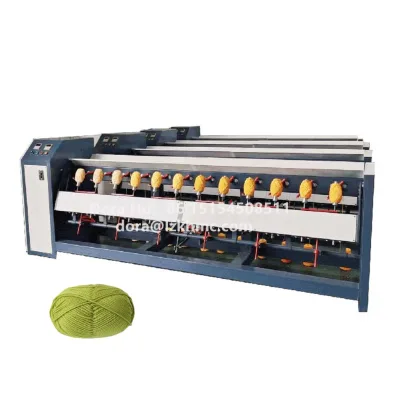
High Speed Multi Spindles Thread Ball Making Machine Ball Winding Machine with Auto Stop
$2620.6268 - $3249.5772
MOQ: 1 Minimum
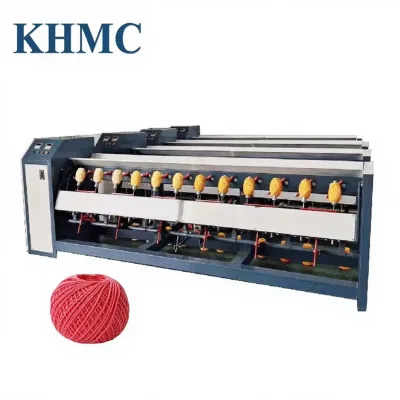
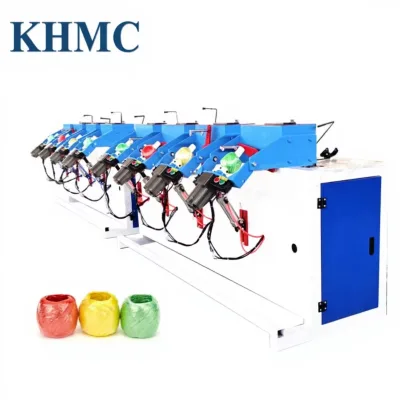
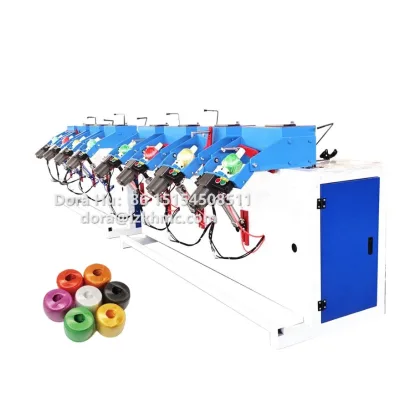
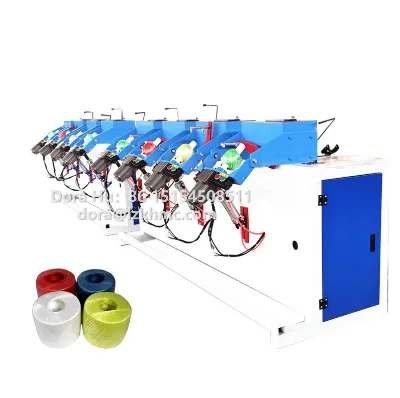
Rope Ball Winder Machine Raffia Yarn Ball Winding Balling Machine Maquina Para Hacer Bolas De Hilo
$1048.2507 - $1572.3761
MOQ: 2 Minimum
Comprehensive Sourcing Guide
Automatic Twin Spindle Ball Machine Sourcing Guide
Procuring an Automatic Twin Spindle Ball Machine requires a careful evaluation of manufacturing capabilities and technical specifications to ensure alignment with production goals. These machines are designed for high-efficiency winding operations, often featuring full-automatic controls that allow a single worker to manage one to two sets of equipment. The core components typically include bearings, gearboxes, and motors, which are critical for maintaining consistent performance and minimizing downtime during continuous operation. Buyers must verify that the machine’s power rating, such as 1500W or 750W variants, matches their facility’s electrical infrastructure, which may support voltages ranging from 220V to 440V.
The versatility of these machines is evident in their ability to handle various winding materials, including cotton, plastic, jute, paper, woolen, and sisal yarn, as well as PP split-film. Finished shapes can vary significantly, offering options like cross, pineapple, round, coconut, and apple shapes, or simple cylindrical forms depending on the specific model. This flexibility allows manufacturers to produce diverse products without needing multiple specialized machines. However, the wide range of available models, such as HDBW-1/6/10 or SA-04/U, means that buyers must carefully match the machine’s arrange width, inside diameter range, and outside diameter capabilities to their specific material diameter requirements, which typically span from 1mm to 5mm.
Product Scope and Observed Listing Signals
The market for automatic twin spindle ball machines presents a diverse array of options, with observed prices ranging from $900 to $30,000 USD. This broad spectrum reflects differences in automation levels, spindle counts, and additional features like remote control or rotation counting systems. Minimum order quantities are generally low, often between one and four units, making these machines accessible for small to medium-sized enterprises looking to upgrade their winding capabilities. The presence of customization options indicates that suppliers are willing to tailor machines to specific production needs, such as adjusting the spool capacity from 20g to 2000g or modifying the motor speed to achieve desired winding tensions.
Key selling points frequently highlighted by suppliers include ease of operation, competitive pricing, long service life, and high productivity. These attributes suggest that the machines are designed for user-friendly interfaces and durable construction, reducing the learning curve for operators and lowering maintenance costs over time. Additionally, the availability of machinery test reports provides buyers with some assurance regarding performance standards, although the specific test criteria should be verified. The origin of these machines is predominantly China, with specific regions like Shandong noted as places of origin, which may influence logistics and supply chain considerations for international buyers.
Technical Specifications to Verify
When evaluating technical specifications, buyers should focus on the machine’s dimensional constraints and operational parameters. The dimension of the equipment can vary, with some models measuring 2800x700x1200mm and others up to 4200x1200x1250mm, impacting floor space requirements. The arrange width, typically ranging from 160mm to 360mm, must accommodate the desired product size, while the inside diameter range of 30-60mm and outside diameter range up to 2000mm define the physical limits of the wound balls. Motor speed is another critical factor, with adjustable ranges from 0-3500r/min allowing for precise control over the winding process, ensuring consistent tension and quality across different materials.
The control system is another area requiring close attention, as some machines offer separate control for each spindle, enhancing flexibility and efficiency. Counting types, whether rotation-based or weight-based, should be selected based on the precision required for the final product. The power consumption, listed as 750W or 1500W, should be balanced against the machine’s productivity to ensure energy efficiency. Additionally, the weight of the machine, ranging from 67.5kg to 400kg, affects installation and mobility, so buyers should consider the structural support needed in their facility. Verifying these specifications against actual production needs is essential to avoid mismatches that could lead to operational inefficiencies.
Compliance and Safety Documentation
Compliance and safety are paramount when operating industrial machinery, and buyers must ensure that the Automatic Twin Spindle Ball Machine meets relevant safety standards. While CE certification is mentioned in some contexts, it should be treated as a background note rather than a guaranteed attribute for every listed product. Buyers should request detailed safety documentation, including electrical safety certificates and mechanical integrity reports, to verify that the machine adheres to local and international regulations. The warranty period, typically one year or 12 months, provides a baseline for manufacturer support, but buyers should clarify the scope of coverage, including parts and labor, to protect their investment.
Machinery test reports are provided by some suppliers, offering insights into the machine’s performance under standard conditions. However, buyers should not assume that these reports cover all potential operational scenarios. It is crucial to verify that the test results align with the specific materials and speeds intended for use in the buyer’s facility. Additionally, the machine’s voltage compatibility, ranging from 110V to 440V, must be confirmed to prevent electrical hazards. Ensuring that the supplier provides comprehensive safety manuals and training materials is also essential for safe operation, reducing the risk of accidents and ensuring that operators are well-prepared to handle the equipment.
Cost Drivers and Commercial Terms
The cost of an Automatic Twin Spindle Ball Machine is influenced by several factors, including the level of automation, the number of spindles, and the complexity of the control system. Machines with advanced features like remote control or multifunctional capabilities may command higher prices, reflecting the additional engineering and manufacturing costs involved. The material diameter range and the variety of finished shapes supported by the machine also impact pricing, as more versatile machines require more sophisticated mechanisms. Buyers should consider the total cost of ownership, including energy consumption, maintenance, and potential downtime, rather than just the initial purchase price.
Commercial terms, such as payment methods, shipping arrangements, and after-sales support, play a significant role in the overall procurement decision. The single package size and gross weight of the machine affect shipping costs, with dimensions like 60x50x50cm or 120x85x104cm influencing logistics planning. Buyers should negotiate clear terms regarding delivery times and responsibilities for customs clearance, especially when sourcing from international suppliers. The availability of customization options may also introduce additional costs, so it is important to define the scope of customization early in the negotiation process. Understanding these cost drivers helps buyers make informed decisions that balance budget constraints with performance requirements.
Supplier Qualification and Quality Control
Supplier qualification is a critical step in the procurement process, ensuring that the chosen manufacturer can deliver reliable and high-quality machinery. Buyers should verify the supplier’s production capabilities, including their experience with automatic twin spindle ball machines and their ability to meet specific technical requirements. The presence of core components like bearings, gearboxes, and motors from reputable manufacturers can be an indicator of quality, but buyers should request evidence of component sourcing and quality control processes. Additionally, the supplier’s warranty policy and after-sales support services should be evaluated to ensure long-term reliability and minimal disruption to production.
Quality control measures implemented by the supplier, such as machinery test reports and factory inspections, provide assurance that the machine meets specified standards. Buyers should consider conducting pre-shipment inspections to verify that the machine’s specifications, such as motor speed, voltage, and dimensions, match the agreed-upon requirements. The supplier’s ability to provide customization and technical support is also important, as it indicates their commitment to customer satisfaction. By thoroughly evaluating supplier qualifications and quality control practices, buyers can mitigate risks and ensure that they receive a machine that performs reliably in their production environment.
Long-Term Procurement Checks
Long-term procurement checks involve monitoring the machine’s performance and maintenance needs to ensure sustained productivity and efficiency. Buyers should establish a regular maintenance schedule, focusing on key components like bearings, gearboxes, and motors, to prevent unexpected failures and extend the machine’s service life. The adjustable rope tightness and motor speed features allow for fine-tuning the machine’s operation, but buyers should document optimal settings for different materials and shapes to streamline future production runs. Tracking performance metrics, such as winding speed and defect rates, helps identify potential issues early and allows for proactive adjustments.
Additionally, buyers should maintain open communication with the supplier for ongoing technical support and spare parts availability. The one-year warranty period provides initial coverage, but buyers should explore extended warranty options or service contracts for long-term protection. Keeping detailed records of machine usage, maintenance activities, and any modifications made can facilitate troubleshooting and improve decision-making for future procurement. By implementing these long-term checks, buyers can maximize the value of their investment in an Automatic Twin Spindle Ball Machine, ensuring consistent performance and minimal downtime over the machine’s operational lifespan.
FAQs
What customization options are available for the Automatic Twin Spindle Ball Machine?
Customization is available for this Automatic Twin Spindle Ball Machine to meet specific production needs. The winding material can be selected from cotton, plastic, jute, paper, woolen, sisal yarn, or PP split-film. Additionally, the material diameter ranges from 1 to 5mm and can be customized. This flexibility allows buyers to tailor the machine output precisely.
Which models are available for the Automatic Twin Spindle Ball Machine?
Several models are available including HDBW-1/6/10, HDSW-01, SA-04/U, SA-06/U, SA-010/U, SA-012/U, and FA-C-1000 series. These models vary in head count, power, and dimensions to suit different production scales. Buyers can choose based on specific requirements like spindle capacity or motor speed to ensure optimal performance for their facility.
How is the Automatic Twin Spindle Ball Machine powered and controlled?
The machine operates with power options of 1500W or 750W depending on the specific model selected. Voltage compatibility includes 110V, 220V, 380V, 415V, and 440V to fit various electrical standards globally. Control is managed via separate spindle control, allowing for precise operation and adjustment of motor speeds ranging from 0 to 3500r/min.
Can the Automatic Twin Spindle Ball Machine produce different shapes?
Yes, the machine can produce various finished shapes including cross, pineapple, round, coconut, and apple shapes. Some models specifically focus on round or cylindrical forms. The ability to create these diverse shapes makes the equipment versatile for different industries requiring specific ball or yarn winding configurations for their unique product lines.
What is the warranty period for the Automatic Twin Spindle Ball Machine?
The warranty period for the Automatic Twin Spindle Ball Machine is typically 12 months or 1 year depending on the specific unit. This coverage ensures protection against manufacturing defects during the initial operational phase. Buyers should verify the exact terms with the supplier to confirm the duration and scope of the warranty provided for their specific purchase.
How many workers are required to operate the Automatic Twin Spindle Ball Machine?
Operation typically requires one worker per machine or one to two workers for one to two sets of equipment. The design emphasizes ease of operation with features like remote control and adjustable rope tightness. This efficient staffing requirement helps reduce labor costs while maintaining high productivity levels during continuous manufacturing processes.
What are the key selling points of the Automatic Twin Spindle Ball Machine?
Key selling points include easy operation, competitive pricing, long service life, and high productivity. Additional benefits often cited are low noise levels and multifunctional capabilities. These features combine to offer a reliable solution that minimizes downtime and maximizes output efficiency for businesses investing in advanced winding technology.