Source Single-Stage Diesel Engine Sludge Pump for Mining, Sewage, and Industrial Use
Compare 30 single-stage diesel engine sludge pump options from verified Chinese manufacturers. These centrifugal pumps feature high-chrome alloy wet parts, horizontal split casings, and customizable sealing types for diverse industrial applications; compare the available evidence and request quotations based on your requirements.
Updated
Key considerations
Products List




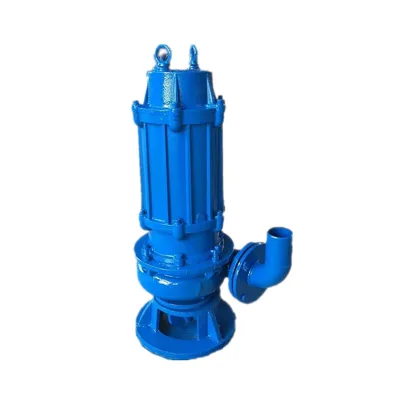
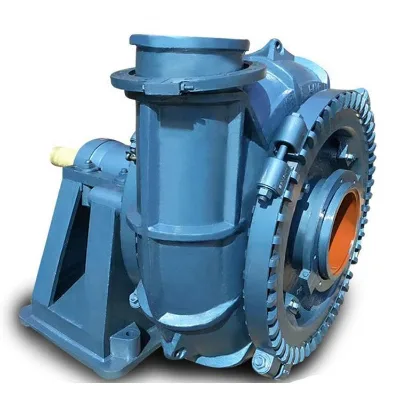
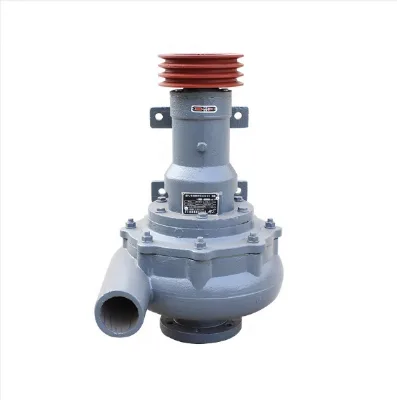
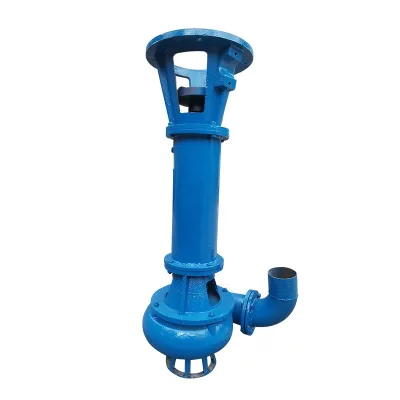
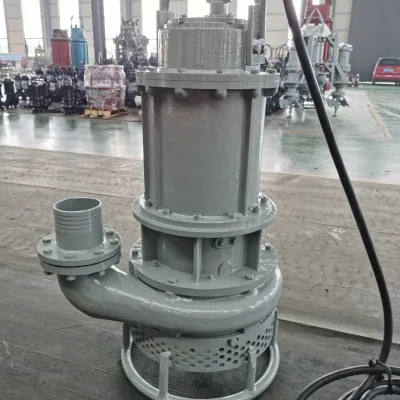
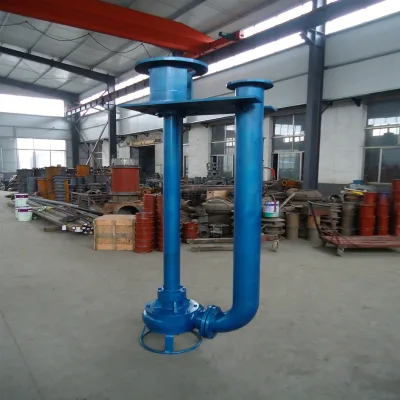


Comprehensive Sourcing Guide
Single-Stage Diesel Engine Sludge Pump Sourcing Guide
Procuring a single-stage diesel engine sludge pump requires careful alignment of hydraulic performance with the specific viscosity and abrasiveness of the sludge being handled. While the provided product data highlights electric-driven centrifugal options, buyers must verify if diesel variants share the same structural integrity, such as high-chrome alloy wet parts and horizontal split casings. The core challenge lies in ensuring the diesel power unit delivers sufficient torque to maintain the observed head ranges of 30-150m against the resistance of thick, particulate-laden fluids without overheating or cavitating.
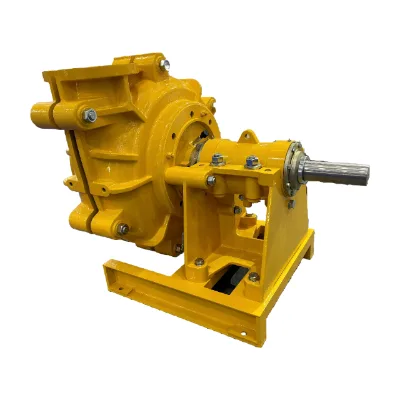
Buyers should prioritize pumps designed for heavy-duty slurry applications, noting that models like the 150HS and 300 SG series demonstrate the robust construction necessary for such environments. It is critical to confirm that the diesel engine integration does not compromise the pump’s sealing systems, particularly when dealing with the packing, expeller, or mechanical seals listed in the electric counterparts. Understanding the power transmission between the diesel engine and the impeller ensures that the single-stage design can effectively manage the 100-400 L/min capacity ranges observed in similar industrial slurry pumps.
Product Scope and Observed Listing Signals
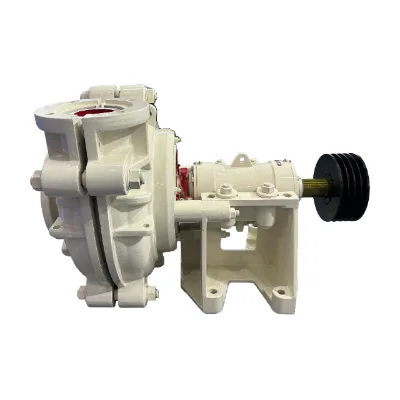
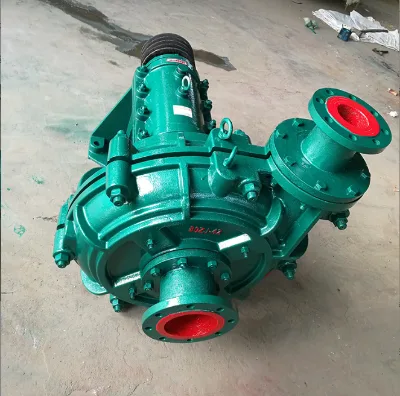
The observed market signals indicate a strong presence of horizontal split casing pumps and single-suction designs, which are prevalent in industrial sludge handling. Models such as the 100HS-D and 200HS-F suggest a standardized product line where the casing design facilitates maintenance and inspection of internal components like the closed impeller. Buyers should interpret these listing signals as indicators of modular design principles, where the horizontal split configuration allows for easier access to the rotor assembly without disturbing the piping connections, a crucial feature for minimizing downtime in continuous sludge operations.
Listing attributes also reveal a focus on high-chrome alloy wet parts, which are essential for resisting the abrasive wear caused by solid particles in sludge. The presence of rubber pump parts in some listings suggests alternative configurations for corrosive or less abrasive slurries, offering buyers flexibility in material selection. Observing the export markets as global and the origin as China provides context for supply chain logistics, but buyers must independently verify the specific diesel engine brands and fuel efficiency ratings, as these are not explicitly detailed in the provided electric pump specifications.
Technical Specifications to Verify
When evaluating technical specifications, the max head range of 30-150m and capacity of 100-400 L/min serve as key performance benchmarks for sludge pumping applications. Buyers must verify that the diesel engine’s power output is adequately matched to these hydraulic requirements, ensuring that the pump can maintain pressure across the full operating range without stalling. The single-stage design implies a balance between simplicity and efficiency, so it is vital to confirm the impeller diameter and speed to ensure optimal performance for the specific sludge density and particle size distribution expected in the field.
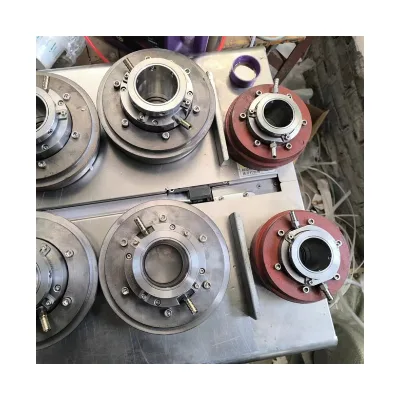
Sealing technology is another critical technical aspect, with options including packing seals, expeller seals, and mechanical seals available in the observed product range. For diesel-powered units, the choice of seal affects maintenance frequency and environmental compliance, particularly in sensitive sludge handling environments. Buyers should verify the compatibility of the seal type with the diesel engine’s mounting configuration and ensure that the wet parts, whether high-chrome alloy or rubber-lined, are suitable for the chemical composition of the sludge to prevent premature degradation and leakage.
Compliance and Safety Documentation
Compliance with international standards such as CE, ISO, and SGS is frequently cited in the product listings, indicating a baseline level of quality assurance for manufacturing processes. Buyers must ensure that the diesel engine itself meets local emission standards and safety regulations, as these are distinct from the pump’s mechanical certifications. The presence of ISO9001 certification suggests a managed quality system, but buyers should request specific documentation for the diesel power unit, including noise level declarations and vibration data, to ensure compliance with workplace safety and environmental regulations in the destination country.
Safety documentation should also cover the electrical and mechanical interfaces between the diesel engine and the pump, even though the primary drive is internal combustion. Buyers need to verify that the pump’s casing and mounting height adhere to relevant pressure vessel and machinery directives, particularly if the system operates at the higher end of the observed pressure ranges. Ensuring that all safety guards, emergency stop mechanisms, and pressure relief valves are included and certified is essential for safe operation in industrial sludge handling facilities.
Cost Drivers and Commercial Terms
Cost drivers for single-stage diesel engine sludge pumps include the material grade of the wet parts, the brand and efficiency of the diesel engine, and the complexity of the sealing system. High-chrome alloy components and specialized rubber linings significantly impact the unit price, while the inclusion of OEM or ODM customization options may add to the initial procurement cost. Buyers should analyze the total cost of ownership, considering fuel consumption, maintenance intervals, and the availability of spare parts, rather than focusing solely on the initial purchase price observed in the 205.2-8000 USD range for similar electric models.
Commercial terms such as MOQ, lead times, and packaging methods also influence the overall procurement strategy. The observed MOQ range of 1-10 units suggests flexibility for smaller projects, while the use of wooden crates or free fumigation wooden crates indicates standard export packaging practices. Buyers should negotiate clear terms regarding warranty coverage for both the pump and the diesel engine, as well as the responsibility for installation and commissioning, to avoid unexpected costs and ensure a smooth deployment of the equipment in their specific sludge handling application.
Supplier Qualification and Quality Control
Supplier qualification should focus on verifying the manufacturer’s ability to integrate diesel engines with their pump designs, ensuring that the assembly process maintains the integrity of the horizontal split casing and sealing systems. Buyers should request evidence of past projects involving diesel-powered sludge pumps, particularly in mining or sewage applications, to assess the supplier’s experience with similar operational demands. The availability of customization support, including OEM and ODM services, indicates a flexible manufacturing capability, but buyers must ensure that these customizations do not compromise the standard quality controls associated with the core product models.
Quality control procedures should include rigorous testing of the assembled unit, including hydrostatic testing of the casing and performance curve verification under load. Buyers should inquire about the inspection protocols for the high-chrome alloy and rubber components to ensure they meet the specified material standards, such as ASTM532 or similar classifications. Establishing a clear communication channel for technical support and after-sales service is crucial, as diesel engine maintenance often requires specialized knowledge that may differ from standard electric pump servicing.
Long-Term Procurement Checks
Long-term procurement checks should involve monitoring the performance of the diesel engine and pump combination over time, focusing on fuel efficiency, seal longevity, and wear rates of the wet parts. Buyers should establish a preventive maintenance schedule that aligns with the manufacturer’s recommendations for the specific diesel model and pump configuration, ensuring that any deviations in performance are addressed promptly. Regular audits of the supplier’s supply chain for spare parts availability can help mitigate the risk of extended downtime due to component failure, particularly for critical items like impellers and seal kits.
Additionally, buyers should stay informed about updates in emission regulations and fuel standards that may affect the operation of diesel-powered equipment in the future. Engaging with the supplier for periodic performance reviews and potential upgrades can help extend the lifespan of the pump and improve its efficiency over time. By maintaining a proactive approach to procurement and maintenance, buyers can ensure that their single-stage diesel engine sludge pumps continue to meet operational requirements while adhering to environmental and safety standards.
FAQs
What is the maximum head for these pumps?
The maximum head ranges from 30 to 150 meters depending on the specific model selected. Options include units with 30-50m head and others reaching 110-150m. This variation allows buyers to match the pump to their specific vertical lift requirements efficiently.
Can these pumps be customized for specific needs?
Yes, customization is available for these pumps. Buyers can request OEM or ODM support to tailor the equipment. The color can be set to any preference, and outlet sizes can be adjusted as per customer requests to ensure proper system integration.
What certifications do these pumps hold?
These pumps hold CE, ISO, and SGS standards. Additionally, ISO9001 certification is provided for quality assurance. These certifications ensure that the manufacturing processes and final products meet international safety and quality benchmarks for reliable industrial performance.
What is the typical packaging for export?
The pumps are packed in wooden crates for export. Some models use free fumigation wooden crates to comply with international shipping regulations. This secure packaging protects the heavy-duty slurry pumps during transit to global destinations.
What materials are used for wet parts?
Wet parts are made from high chrom alloy, metal, or rubber pump parts. Specific materials include SA05 27% and ASTM532 Classiii. These durable materials resist abrasion and corrosion, making them suitable for handling sewage and mining slurries effectively.
What is the power source for these pumps?
These pumps are powered by electric motors. The driving type is specified as motor-driven, ensuring efficient operation. This electric power source supports the horizontal split casing design and single-stage impeller configuration for consistent fluid handling.