Source Skeleton Skull Carved Mini Casket for Jewelry, Crafts, and Decor
Find 30 Skeleton Skull Carved Mini Casket options from Chinese manufacturers. Compare pine wood and solid wood materials, custom sizes, and printing methods like laser engraving for jewelry storage, Halloween crafts, and decorative displays; compare the available evidence and request quotations based on your requirements.
Updated
Key considerations
Products List
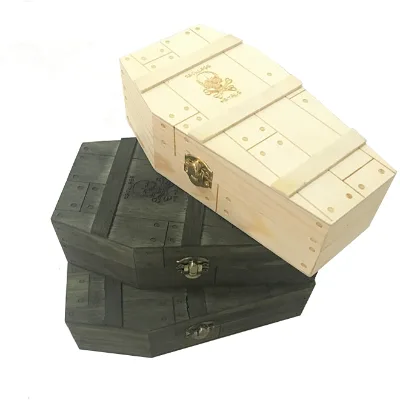
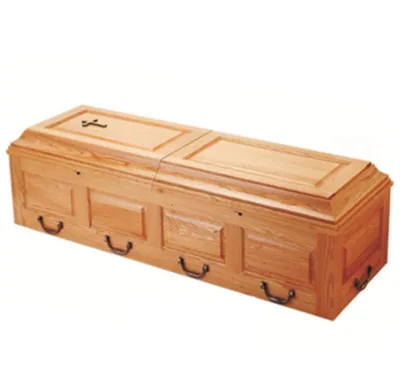
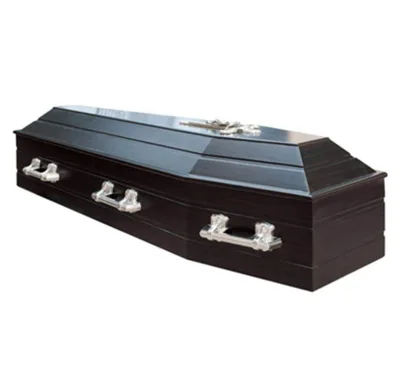
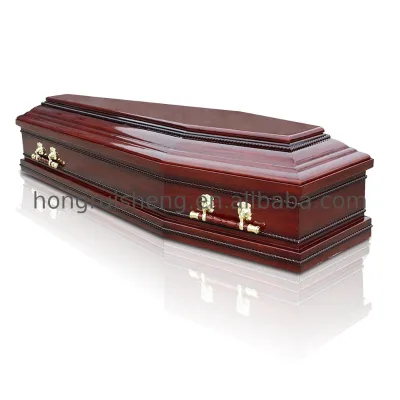
$185.5833 - $515.5066
MOQ: 1 Minimum






Comprehensive Sourcing Guide
Skeleton Skull Carved Mini Casket Sourcing Guide
Procuring skeleton skull carved mini caskets requires a clear distinction between decorative craft items and functional storage solutions. Buyers must first determine if the product is intended for Halloween decorations, DIY jewelry boxes, or adult novelty storage. The supplied data indicates a wide range of applications, from unfinished pine boxes for crafts to solid wooden caskets with velvet interiors. Understanding this primary use case is critical because it dictates the necessary material thickness, interior lining, and exterior finishing standards.
The market offers diverse styles, including Gothic, American, and European designs, each with distinct structural and aesthetic requirements. Some listings describe miniature coffin-shaped boxes for rings or candy, while others refer to full-sized adult caskets. This variance significantly impacts sourcing strategy, as the manufacturing processes, raw material sources, and quality control metrics differ substantially between a small pine craft box and a large solid wood casket. Buyers must align their search parameters with the specific physical dimensions and functional needs of their end product.
Product Scope and Observed Listing Signals
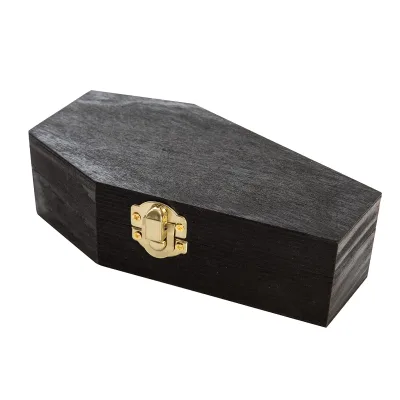
The observed product landscape includes unfinished Halloween coffin boxes with hinged lids, primarily made from pine timber. These items are often marketed for DIY crafts, featuring laser engraving, silk screen printing, or pyrography options for customization. The typical single package size for these craft-oriented boxes is approximately 38x20x10 cm, with a gross weight of 1.0 kg. These specifications suggest a lightweight, portable product suitable for small-scale retail or promotional giveaways, where branding and aesthetic customization are key value drivers for the end consumer.
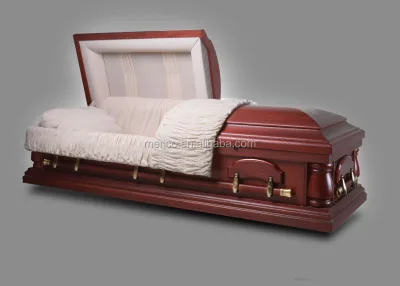
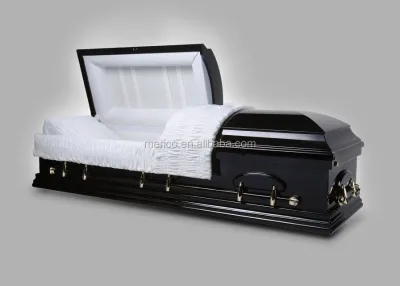
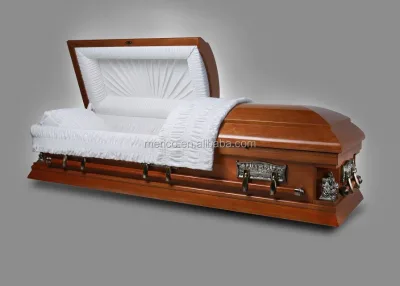
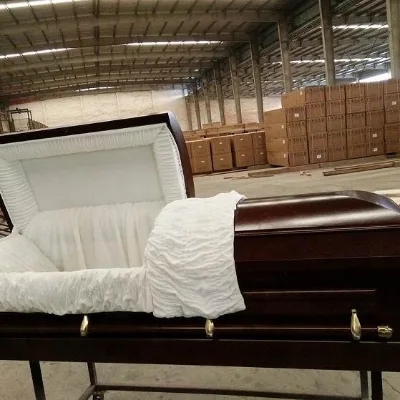
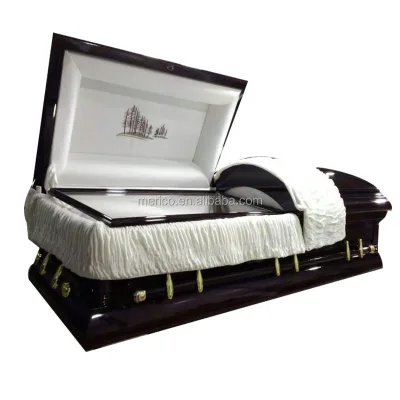
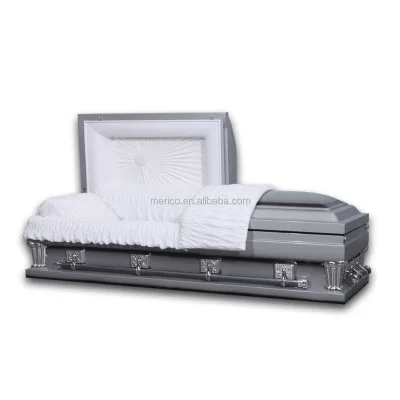
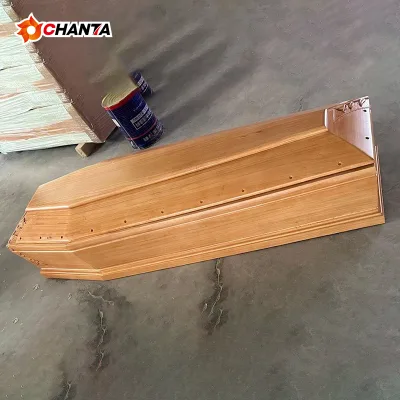
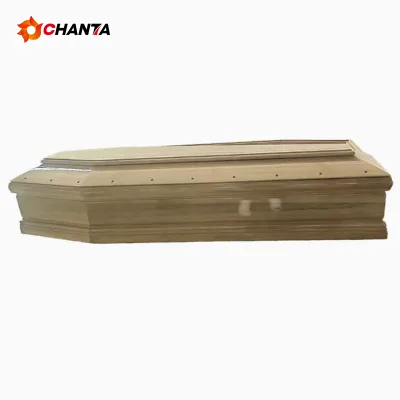
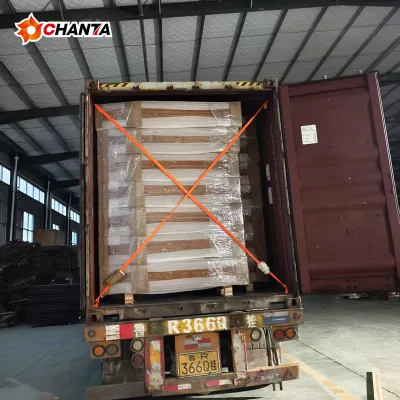
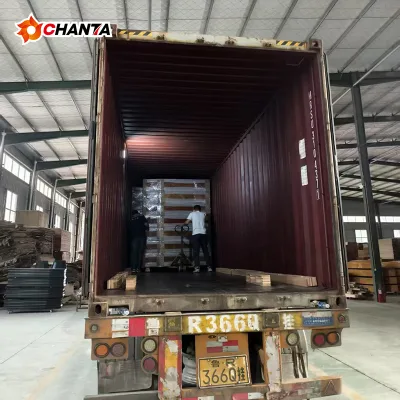
In contrast, the scope also extends to larger, more substantial wooden caskets intended for adult use or serious storage. These items may feature solid wood construction, velvet interiors, and wooden handles, with dimensions reaching up to 200x680x450 cm for certain European-style models. Other listings indicate American-style caskets with caramel finishes and specific model numbers like -d04e. These larger units are often supplied with detailed packaging details, such as 20 pieces per 20GP container, indicating a focus on bulk logistics and heavy-duty supply chains rather than small craft markets.
Technical Specifications to Verify
When evaluating mini caskets, verifying the raw wood thickness and timber type is essential for structural integrity. For craft boxes, the thickness of the raw wood determines durability during handling and assembly. Buyers should confirm whether the pine is solid timber or engineered wood, as this affects the quality of laser engraving and the overall feel of the product. The model number, such as HY1918 for certain pine boxes, serves as a unique identifier for tracking specific design iterations and ensuring consistency across reorder cycles.
For larger caskets, dimensional accuracy and interior finishing are paramount. Specifications such as 210x71x58 cm or 200x680x450 cm must be cross-referenced with the intended use case to ensure proper fit and functionality. Buyers should verify the presence of features like wooden handles, velvet linings, and specific color finishes like caramel or red. Additionally, confirming the model number, such as -2408 for coffin fittings, helps in identifying the exact configuration of hinges, latches, and interior compartments, which are critical for both aesthetic appeal and practical usability.
Compliance and Safety Documentation
While specific certification statuses are not confirmed for all listed products, buyers should proactively request documentation for safety and environmental standards. Common certifications in the wood products industry include ISO 9001 for quality management, FSC for sustainable forestry, and REACH or RoHS for chemical safety, particularly if finishes or adhesives are used. Although these are listed as low-confidence background facts, their presence or absence can significantly impact market access, especially in regulated regions like the European Union or North America.
Buyers must also verify compliance with fire safety regulations, particularly for larger caskets intended for adult use. This may involve testing for flame retardancy in fabrics like velvet linings or checking the flammability of the wood finish. Additionally, ensuring that any printed logos or engraved designs do not use hazardous inks or materials is crucial. Requesting test reports from accredited laboratories can provide assurance that the products meet local safety standards, reducing liability risks and ensuring smooth customs clearance for international shipments.
Cost Drivers and Commercial Terms
The price range for these products is extensive, spanning from $1.5 to $3,000,000, reflecting the vast difference between small craft boxes and large adult caskets. For mini caskets, costs are driven by material quality, customization options like laser engraving, and order volume. The observed MOQ range of 1 to 300 pieces allows for flexibility, with lower MOQs suitable for sampling or small batches. Buyers should negotiate based on the complexity of the design, the type of wood used, and the level of interior finishing required.
Commercial terms also vary significantly, with supply abilities ranging from small craft outputs to 1000 pieces per month for larger caskets. Packaging details, such as 1pc/carton or bulk container loads, impact shipping costs and handling efficiency. Buyers should clarify the port of dispatch, such as Shanghai, and understand the lead times associated with custom orders. Additionally, confirming whether samples are available and the cost structure for OEM/ODM services can help in budgeting for initial development and subsequent production runs.
Supplier Qualification and Quality Control
Supplier qualification should focus on their ability to handle custom orders and provide consistent quality across different product types. Buyers should verify the supplier’s experience with both small craft boxes and larger caskets, as this indicates versatility and robust manufacturing capabilities. Checking the place of origin, such as Shandong, Anhui, or Zhejiang, can provide insights into the local supply chain and expertise in wood processing. Suppliers with a history of producing items with specific model numbers and detailed specifications are likely to have more rigorous internal quality control processes.
Quality control measures should include visual inspections for defects in wood grain, finish, and hardware installation. For mini caskets, checking the smoothness of hinges and the accuracy of printed or engraved logos is essential. For larger caskets, verifying the structural integrity of the wood, the quality of the velvet lining, and the functionality of handles and latches is critical. Buyers should request pre-shipment inspections or third-party quality assurance reports to ensure that the delivered products meet the agreed-upon specifications and standards.
Long-Term Procurement Checks
Long-term procurement success depends on establishing a reliable supply chain that can scale with demand and adapt to changing market trends. Buyers should monitor supplier performance metrics, such as on-time delivery rates, defect rates, and responsiveness to custom requests. Building a strong relationship with suppliers who offer OEM/ODM services can facilitate product innovation and differentiation in the market. Regularly reviewing and updating specifications based on customer feedback and market insights ensures that the products remain relevant and competitive.
Additionally, buyers should stay informed about changes in regulations, material availability, and shipping costs that may impact procurement strategies. Diversifying suppliers across different regions, such as Shandong, Anhui, and Zhejiang, can mitigate risks associated with supply chain disruptions. Implementing a robust vendor management system to track performance, manage contracts, and handle disputes will help maintain a stable and efficient procurement process. Continuous improvement and proactive communication with suppliers are key to sustaining long-term success in sourcing skeleton skull carved mini caskets.
FAQs
What materials are used for skeleton skull carved mini caskets?
These caskets are typically crafted from solid pine wood or timber, offering a durable and natural aesthetic for various applications. The material choice supports both unfinished DIY projects and finished decorative pieces, ensuring structural integrity while allowing for custom finishes or engravings as required by the buyer.
Can I customize the size and logo on these coffin boxes?
Yes, custom orders are accepted for both size and logo printing. Buyers can specify dimensions such as 38x20x10 cm or larger, and request laser engraving, silk screen printing, or pyrography for branding. This flexibility allows for tailored solutions for jewelry storage, Halloween decorations, or specialized gift packaging needs.
What is the typical MOQ for ordering wooden coffin boxes?
The minimum order quantity generally ranges from 1 to 300 pieces, depending on the specific product model and customization level. This flexible MOQ structure accommodates both small-scale sample requests and larger bulk orders, making it suitable for diverse business needs from individual crafters to large retailers.
Where are these wooden coffin boxes manufactured?
These products are primarily manufactured in China, with origins reported in regions such as Shandong, Anhui, and Zhejiang. This geographic distribution allows for varied supply chain options, ensuring that buyers can access different production capabilities and logistical advantages depending on their specific sourcing requirements and timeline constraints.
What printing and engraving options are available for these boxes?
Available handling methods include laser engraving, silk screen printing, and pyrography or branding. These techniques allow for detailed customization of logos and designs on the wooden surface, enhancing the aesthetic appeal for uses such as jewelry boxes, Halloween decorations, or commemorative items while maintaining the integrity of the wood material.
Are these coffin boxes suitable for industrial jewelry storage?
Yes, they are designed for industrial use in jewelry, watch, and eyewear storage. Features like velvet interiors and sturdy pine construction provide secure and elegant presentation for valuable items. The coffin shape and antique style make them ideal for retail display or specialized packaging solutions in the luxury accessories market.