Luggage Spring Balance Scale Suppliers and Manufacturers
Source 28 verified suppliers for Luggage Spring Balance Scale units from China Zhejiang. Compare ISO9001:2015 certifications, 30-day lead times, and pricing from $0.80 to $18.00. Filter by MOQ and response time to identify suitable partners; review the available evidence before requesting comparable quotations from suitable candidates.
Updated
Suppliers List

Yongkang Nengzhi Industry & Trade Co., Ltd
- Verified by BV
- Combined
- China Zhejiang
- Lead time30 days
- Avg. response≤ 24h
Main productsKitchen Scales, Platform Scales, Scales, Balance, Electronic Kitchen Scale, Electronic Price Scale, Fishing Scale, Hanging Scale, Pocket Balance Scale, Weight
Main marketsSouth America,Africa,Southeast Asia/ Mideast,Europe,Australia,North America

Ningbo Santwell Sensor Technology Co., Ltd.
- Trading Company
- China Zhejiang
- Lead time30 days
- Avg. response≤ 2h
Main productsLoad Cell, Crane Scale, Weighing Indicator, Platform Scale, Kitchen Scale, Floor Scale, Animal Scale, Truck Scale, Jewelryscale, Junction Box
Main marketsSouth America,Africa,Southeast Asia/ Mideast,East Asia(Japan/ South Korea),Domestic,Europe,Australia,North America


30kg Mechanical Weighing Hanging Weighing Luggage Scale Portable Spring Scale
$6.00 - $6.30
MOQ: 2 Pieces


Ocs-26 Multifunction Digital Portable Handle Suitcase Electronic Luggage Scale
$5.00 - $6.00
MOQ: 50 Pieces


- Verified by SGS
- Combined
- China Guangdong
- Lead time30 days
- Avg. response≤ 3h
Main productsBathroom Scale, Kitchen Scale, Body Fat Scale, Luggage Scale, Smart Scale, Digital Scale, Electronic Scale, Household Scale
Main marketsEurope


Portable 50kg OEM Pocket Travel Luggage Electronic Digital Balance Scale
$4.40 - $4.50
MOQ: 500 Pieces


- Verified by SGS Group
- Trading Company
- Lead time15 days
- Avg. response≤ 4h
Main productsHome Decorations, Musical Instruments, Christmas and Party Supplies, Music Box, Garden Decorations
Main marketsNorth America(20%), Western Europe(20%), Southeast Asia(15%)
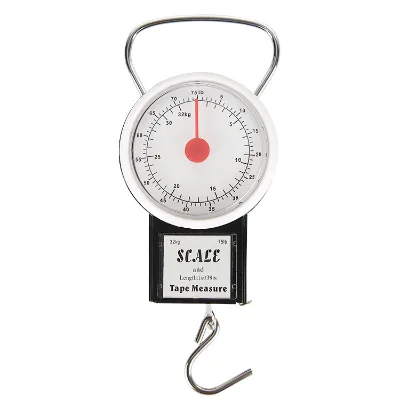
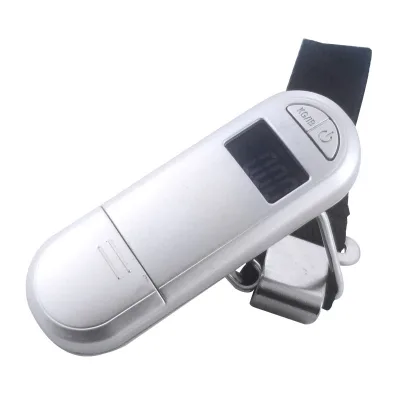
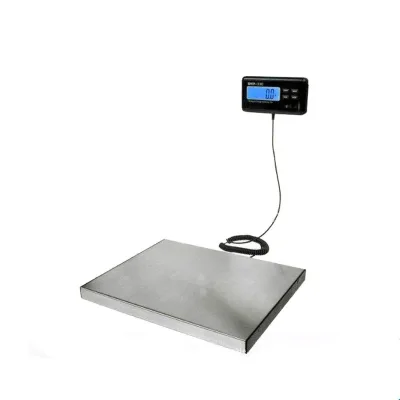
High Quality Electronic Stainless Steel Weight Scale for Pets Industrial Scale Luggage Scale
$35.40 - $36.00
MOQ: 100

Yifang Pass (Zhengzhou) Cross-Border Trade Service Co., Ltd.
- Trading Company
- Henan, China
- Lead time7 days
- Avg. response≤ 1h
Main productsvacuum cup,Sports bag,Kitchen and bathroom storage supplies,Shoes dryer,Stainless steel tools
Main marketsNorth America(40.00%), Eastern Europe(10.00%), Northern Europe(5.00%), Southern Europe(5.00%), Western Europe(5.00%), Eastern Asia(5.00%), Mid East(5.00%), Oceania(5.00%), Africa(5.00%), Southeast Asia(5.00%), South America(5.00%), South Asia(2.00%), Domestic Market(2.00%), Central America(1.00%)

Guangdong South China Sea Electronic Measuring Technology Co., Ltd.
- Verified by TUVRHEINLAND
- Manufacturer/Factory
- China Guangdong
- Lead time0 days
- Avg. response≤ 23h
Main productsStrain Gauges, Weigh Pads, Pressure Sensors, Wheel and Axle Weighing Scales, Load Cells, Force Sensors, Instruments, Bending Plates, Personal Scales, Pressure Indicator

Digital Electronic Baggage Scale Weighing Scale 40kg Gram Luggage Machine
$2.30 - $3.50
MOQ: 500 Pieces


Hangzhou Zheben Import And Export Co., Ltd.
- Verified by CTI
- Trading Company
- China Zhejiang
- Lead time30 days
- Avg. response≤ 4h
Main productsKitchen Scale, Smart Scale, Bathroom Scale, Baby Scale, Kitchen Timer, Luggage Scale, Height Meter, Body Scale, Food Scale, Body Fat Scale
Main marketsSouth America,Southeast Asia/ Mideast,East Asia(Japan/ South Korea),Europe,Australia,North America


Digital Luggage Scale Portable Electronic Scale Weight Balance Suitcase Travel Hanging
$1.40 - $1.70
MOQ: 2000 Pieces


$1.00 - $1.75
MOQ: 1000 pieces

Digital Luggage Scale 50kg High Precision Portable Luggage Scale with LCD Display
$1.40 - $1.70
MOQ: 2000 Pieces

Shenzhen Hengte Electronic Weighing Instrument Co., Ltd.
- Manufacturer
- Guangdong, China
- Lead time7 days
- Avg. response≤ 5h
Main productskitchen scale,pocket jewelry scale,luggage scale,postal scale,body scale
Main marketsNorth America(30.00%), Western Europe(15.00%), South America(10.00%), Eastern Europe(10.00%), Central America(5.00%), South Asia(5.00%), Eastern Asia(5.00%), Mid East(5.00%), Northern Europe(5.00%), Domestic Market(3.00%), Southern Europe(3.00%), Africa(3.00%), Southeast Asia(1.00%)
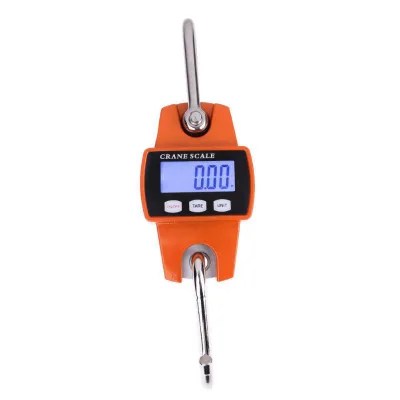
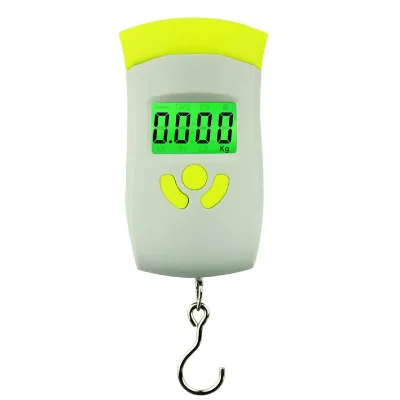
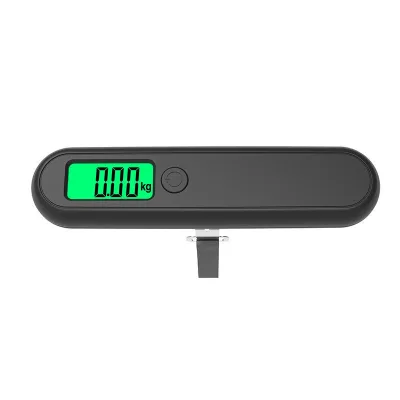
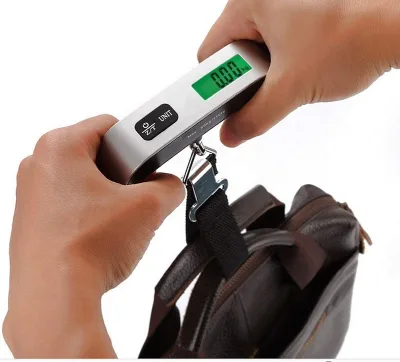
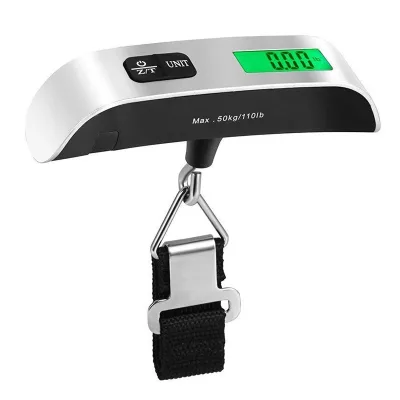
300kg Electronic Balance Industrial Crane Scale Digital Hanging Luggage Scale
$9.0989 - $10.0291
MOQ: 20 pieces
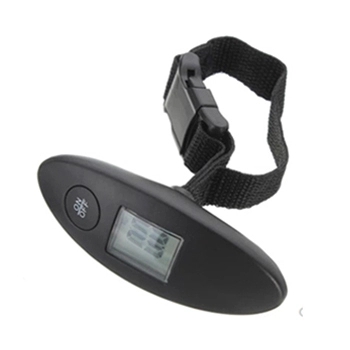
$1.30 - $1.39
MOQ: 100 pieces
Shenzhen Kaisheng Century Electronics Co., Ltd.
- Verified by TüVRheinland
- Trading Company
- Lead time1 days
- Avg. response≤ 2h
Main productsSemiconductor Electronic Components, RF Wireless Network Modules, Unmanned Machinery Components, Development Board Application Kits
Main marketsSouth America(18%), Eastern Asia(18%), North America(15%)
YONGKANG BEICHEN WEIGHING APPARATUS CO., LTD.
- Verified by TüVRheinland
- Manufacturer, Trading Company
- Zhejiang, China
- Lead time15 days
- Avg. response≤ 4h
Main productsKitchen Scale, Luggage Scale, Jewellery Scale, Body Scale, Electronic Price Scale
Main marketsDomestic Market(75%), South America(5%), North America(3%)

Henan Xiaokangning Import And Export Co., Ltd.
- Trading Company
- Henan, China
- Lead time7 days
- Avg. response≤ 3h
Main productsSexy lingerie,sexy sleepwear,women underwear/panty,Women's clothing,Men's clothing
Main marketsNorth America(23.00%), South America(21.00%), Eastern Europe(11.00%), Southeast Asia(10.00%), Africa(6.00%), Oceania(5.00%), Domestic Market(3.00%), South Asia(3.00%), Southern Europe(3.00%), Northern Europe(3.00%), Central America(3.00%), Western Europe(3.00%), Eastern Asia(3.00%), Mid East(3.00%)

Henan Jielun Import And Export Co., Ltd.
- Trading Company
- Henan Province, China
- Lead time7 days
- Avg. response≤ 2h
Main productsWomen's clothing,Men's clothing,Sexy lingerie,women underwear/panty,Men's bag & Women's bag
Main marketsNorth America(23.00%), South America(21.00%), Eastern Europe(11.00%), Southeast Asia(10.00%), Africa(6.00%), Oceania(5.00%), Domestic Market(3.00%), South Asia(3.00%), Southern Europe(3.00%), Northern Europe(3.00%), Central America(3.00%), Western Europe(3.00%), Eastern Asia(3.00%), Mid East(3.00%)
Shenzhen Oway Technology Co., Ltd.
- Verified by TüVRheinland
- Trading Company
- Lead time30 days
- Avg. response≤ 3h
Main productsThermometer, Digital Scale, Water Quality Tester, Timer
Main marketsWestern Europe(24%), South America(11%), Oceania(11%)

- Verified by BV
- Manufacturer/Factory
- China Fujian
- Lead time15 days
- Avg. response≤ 25h
Main productsWater Bottle, Kitchen Ware, Shoes, Plastic Product, Bag, Toy
Main marketsSouth America,Eastern Europe,Mid East,North America,Southeast Asia,Eastern Asia,Oceania,Western Europe,Africa

Suzhou Weighi Equipment Co., Ltd.
- Verified by CTI
- Trading Company
- China Jiangsu
- Lead time30 days
- Avg. response≤ 8h
Main productsElectronic Scale, Medical Equipment, Lab Equipment, Liquid Filling Machine
Main marketsSoutheast Asia/ Mideast,Australia

FUZHOU CONIC INDUSTRIAL CO., LTD.
- Verified by BV
- Trading Company
- China Fujian
- Lead time23 days
- Avg. response≤ 15h
Main productsHand Tools, Hardware, Measuring Tools, Insulator, Cutting Tools, Vernier Caliper, Micrometer, Furniture
Main marketsSouth America,Africa,Southeast Asia/ Mideast,East Asia(Japan/ South Korea),Europe,Australia,North America

High Quality LCD Mini Digital Luggage Scale Weight Balance Suitcase Travel Bag Hanging Scale
$1.90 - $3.30
MOQ: 200 Pieces

$1.80 - $3.00
MOQ: 200 Pieces
Hunan Guangyushun Electric Measurement Technology Co., Ltd.
- Manufacturer, Trading Company
- Hunan, China
- Lead time20 days
- Avg. response≤ 3h
Main productsWeighing Apparatus,Electronic Gauge,Kitchen scale,Baby scale,Luggage scale
Main marketsNorth America(40.00%), Southeast Asia(15.00%), South America(15.00%), Northern Europe(12.00%), Domestic Market(10.00%), Western Europe(8.00%)

YONGKANG SG INDUSTRY & TRADE CO., LTD.
- Combined
- China Zhejiang
- Lead time23 days
- Avg. response≤ 6h
Main productsSkateboard, Helmet, Scale, Kitchen Scale, Body Scale, Mini Bike, Spinning Bike, Exercise Bike, Protective Pads
Main marketsDomestic,Australia,North America

Wuyi Center Technology Co., Ltd.
- Verified by SGS
- Combined
- China Zhejiang
- Lead time15 days
- Avg. response≤ 4h
Main productsScale, Kitchen Scale, Bathroom Scale, Luggage Scale, Coffee Scale, Spoon Scale, Jewelry Scale, Timer, Thermometer
Main marketsDomestic,Europe,Australia,North America
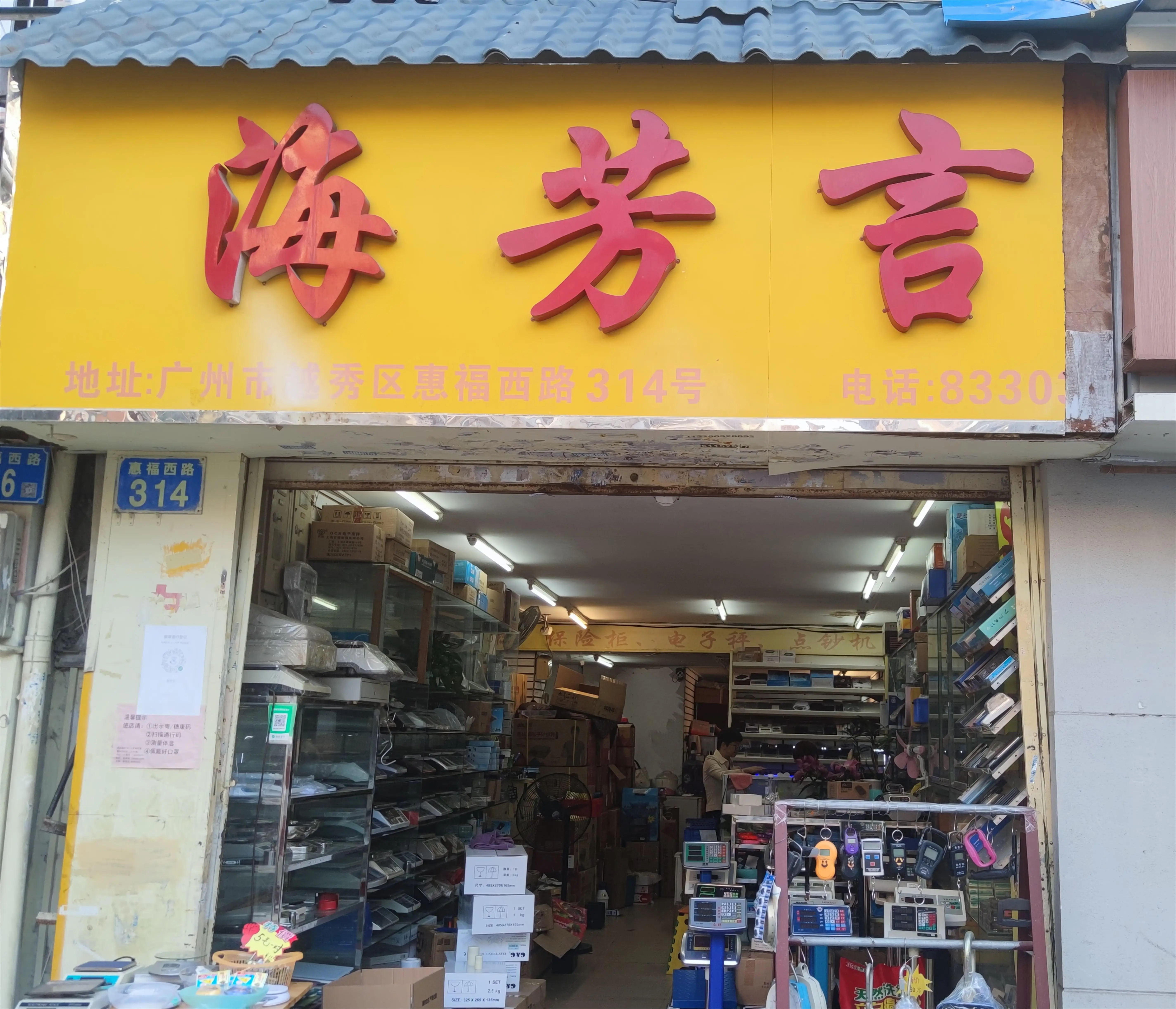
Guangzhou Haifangyan Electronics Co., Ltd.
- Manufacturer, Trading Company
- Guangdong, China
- Lead time7 days
- Avg. response≤ 7h
Main productskitchen scale,jewelry scale,body scale,electronic balance,hanging scale
Main marketsAfrica(20.00%), Domestic Market(20.00%), South Asia(20.00%), Northern Europe(20.00%), North America(20.00%), Western Europe(10.00%), Southeast Asia(10.00%), Mid East(10.00%), Central America(10.00%), Southern Europe(8.00%), Oceania(7.00%), Eastern Asia(5.00%), South America(5.00%), Eastern Europe(3.00%)

Zhongshan Xinfu Household Electronic Co., Ltd.
- Verified by BV
- Manufacturer/Factory
- China Guangdong
- Lead time30 days
- Avg. response≤ 5h
Main productsElectronic Scale, Balance, Kitchen Scale, Bathroom Scale, Luggage Scale, Body Fat Water Scale, Baby Scale, Computing Scale, Mechanical Scale, Nutrition Scale
Main marketsSouth America,Eastern Europe,Mid East,North America,Southeast Asia,Eastern Asia,Western Europe,Africa
Yongkang Beichen Weighing Apparatus Co., Ltd.
- Verified by TüVRheinland
- Manufacturer, Trading Company
- Lead time15 days
- Avg. response≤ 6h
Main productsKitchen Scale, Luggage Scale, Jewellery Scale, Body Scale, Electronic Price Scale
Main marketsDomestic Market(75%), South America(5%), North America(3%)

Henan Lejia Electronic Technology Co., Ltd.
- Manufacturer
- China Henan
- Lead time15 days
- Avg. response≤ 6h
Main productsHeight Weight Scale, Body Scale, Coin Operated Machine, Coin Operated Vending Scale, Body Fat Scale, BMI Scale, Height and Weight Machine, Health Check-up Machine, Self Health Checkup Device, Body Composition Analyzer Machine
Main marketsSouth America,Others(foreignTradeCapacity.exportBusinessCapacityMarketOther),Southeast Asia/ Mideast,Domestic,Europe,North America

Weight Scale Luggage Weight Scale with Coin Operation for Hotel Airport
$230.00 - $275.00
MOQ: 1 Pieces


Zhongshan Canny Electronics Co., Ltd.
- Verified by Intertek
- Manufacturer, Trading Company
- Lead time35 days
- Avg. response≤ 1h
Main productsKitchen Scale, Body Weight Scale, Bluetooth Scale, Coffee Scale, Weighing Scale
Main marketsWestern Europe(35%), Southeast Asia(25%), Northern Europe(15%)

- Trading Company,Manufacturer/Factory
- China Zhejiang
- Lead time15 days
- Avg. response≤ 7h
Main productsElectronic Weighing Scale, Weighing Indicator, Load Cell, Pltform Scale, Waterproof Scale, Bench Scale, OIML Scale, Electronic Scale, Test Weight, Floor Scale
Main marketsSouth America,Eastern Europe,Mid East,North America,Southeast Asia,Eastern Asia,Oceania,Western Europe,Africa


Digital Scale for Luggage Portable Handy Little Hanging New Crane Scale 50kg
$2.00 - $5.00
MOQ: 1 Pieces

Home Scale ABS Digital Personal Scale Little Pocket Hanging Crane 300kg 0.1kg
$2.00 - $5.00
MOQ: 1 Pieces
Taizhou Lantiger Travelware Co., Ltd.
- Verified by Intertek
- Manufacturer, Trading Company
- Lead time35 days
- Avg. response≤ 3h
Main productsTravel storage organizers, Travel Neck Pillows, Electronic accessories, Luggage Accessories, Gift Collection
Main marketsNorth America(50%), Western Europe(20%), Oceania(10%)

Zhangzhou Green-Lake Import & Export Co., Ltd.
- Verified by TUVRHEINLAND
- Trading Company
- China Fujian
- Lead time15 days
- Avg. response≤ 16h
Main productsCanned Food
Main marketsSouth America,Eastern Europe,Mid East,North America,Southeast Asia,Eastern Asia,Oceania,Western Europe,Africa
Fuzhou Farway Electronics Co., Ltd.
- Verified by Intertek
- Manufacturer, Trading Company
- Lead time45 days
- Avg. response≤ 3h
Main productsDigital Clocks, Household Thermometer, Digital Timer, Electronic Calculator, Weather Station
Main marketsWestern Europe(34%), Northern Europe(20%), North America(8%)


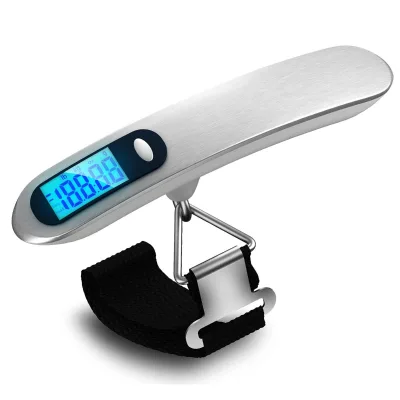
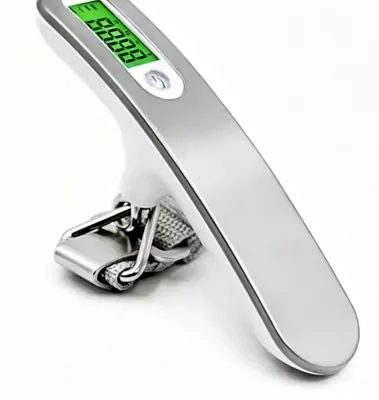
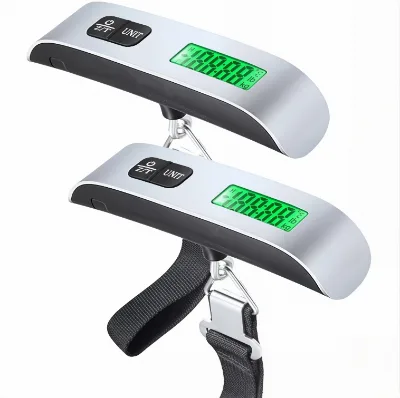
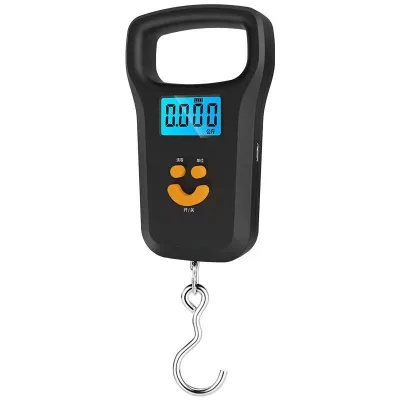
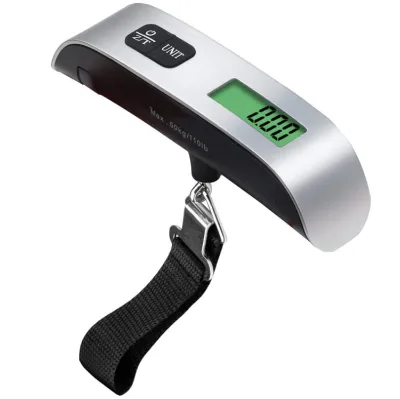
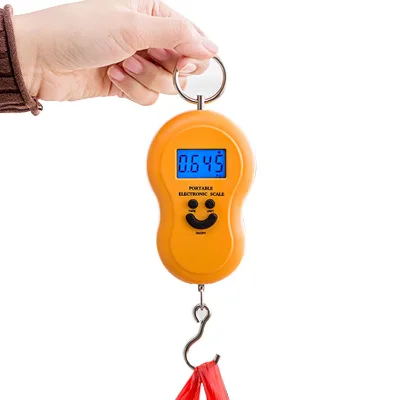
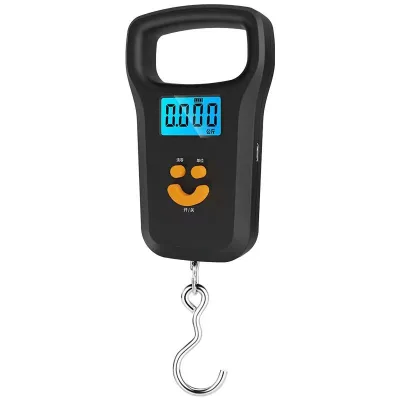
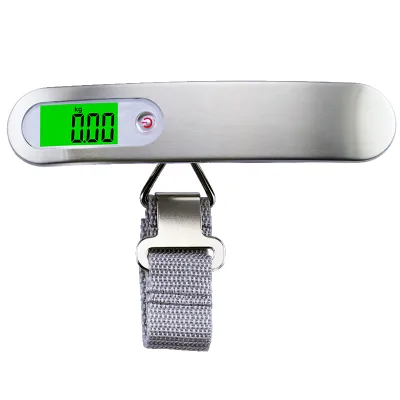
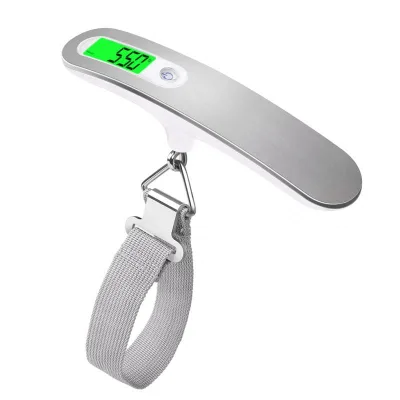
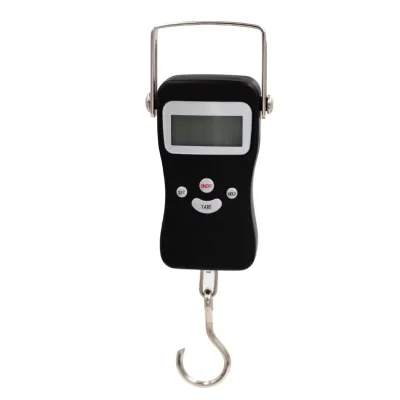
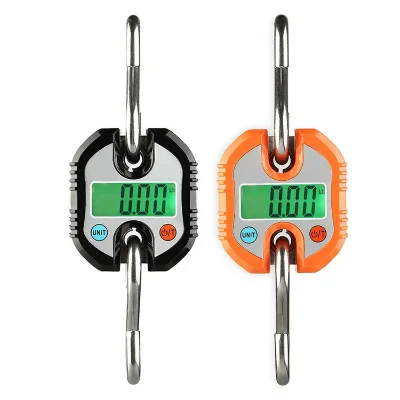
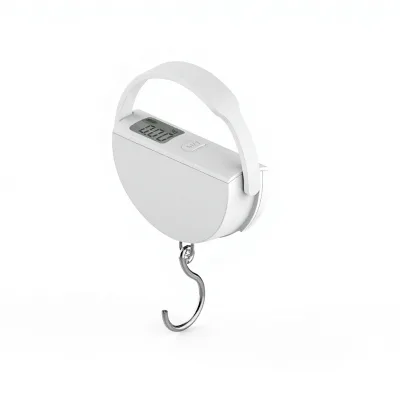
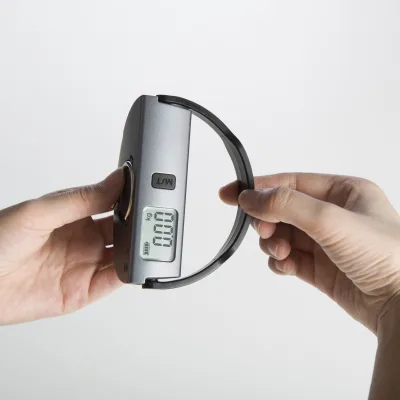


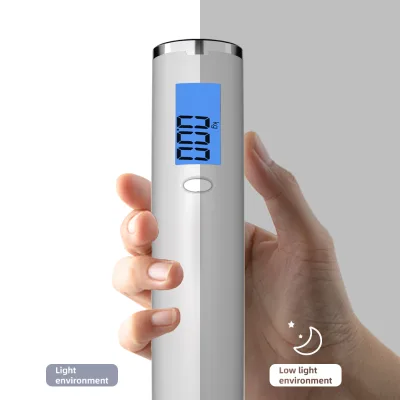
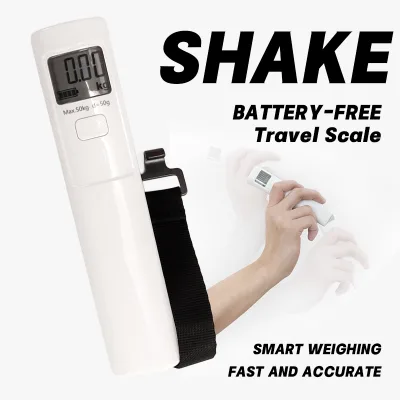
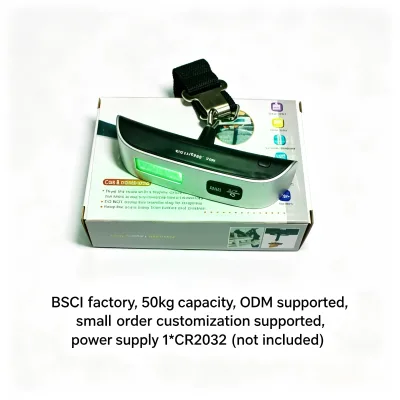
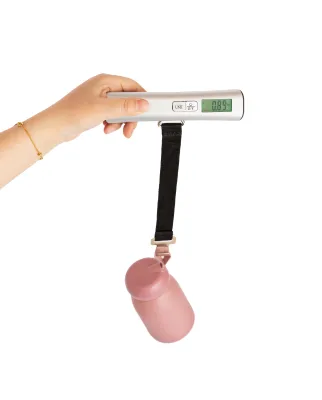


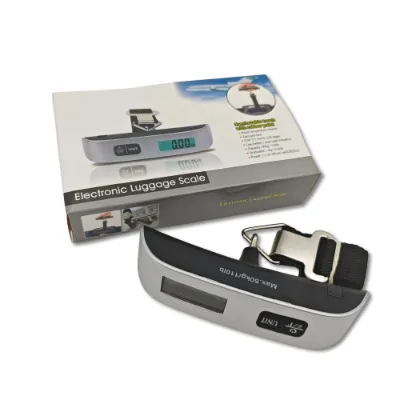
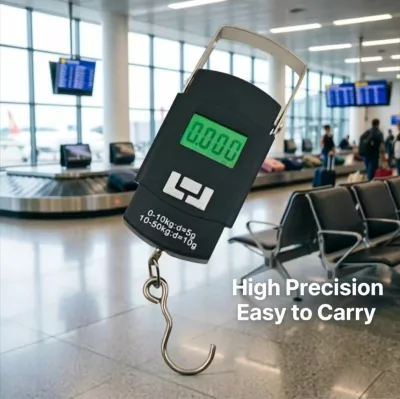


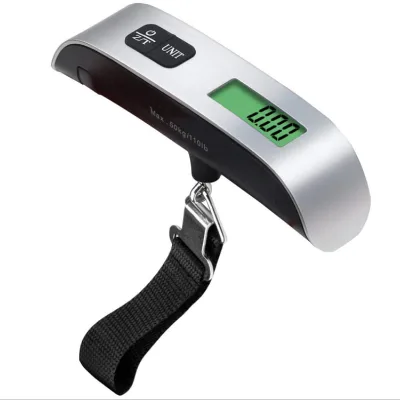
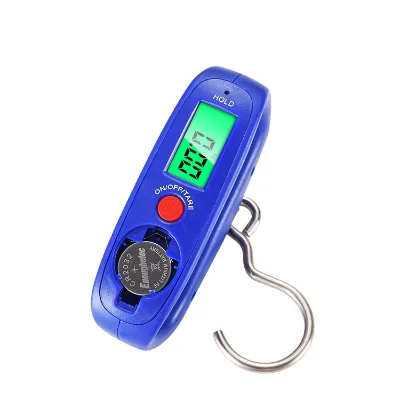
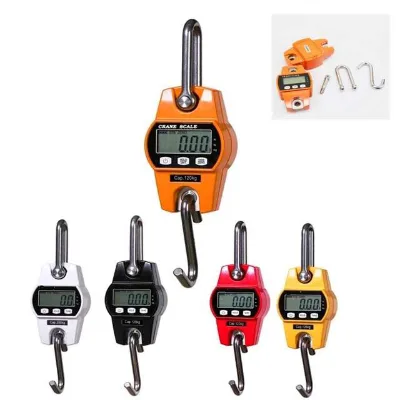
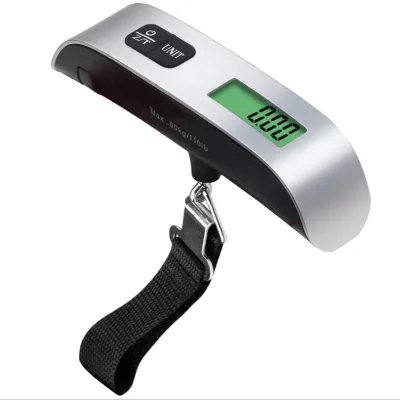
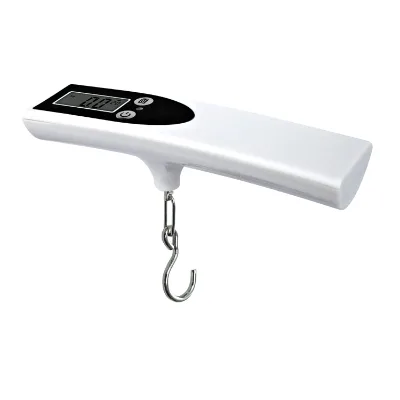
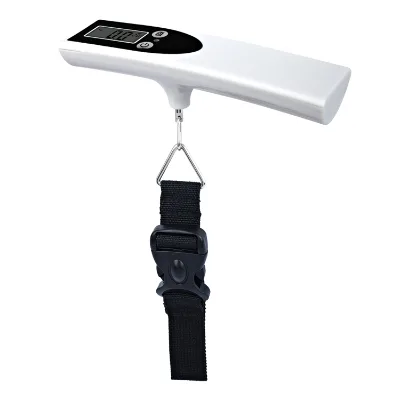
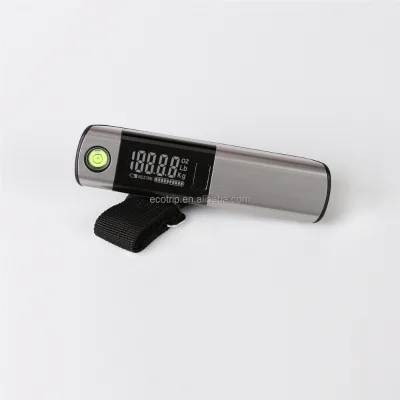
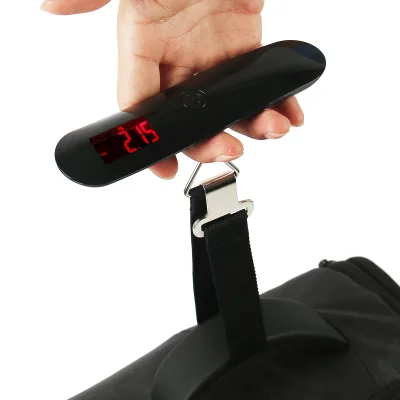


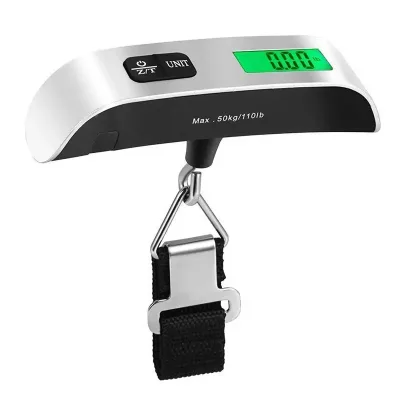
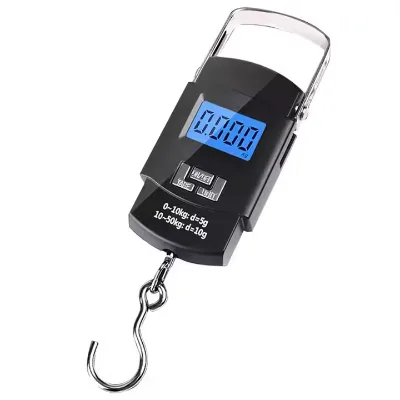
Comprehensive Sourcing Guide
Luggage Spring Balance Scale Supplier Concentration and Factory Types
Suppliers of the Luggage Spring Balance Scale listed in these results are located in Zhejiang, China, which is the only manufacturing region supported by the observed location data. Zhejiang hosts combined-type companies whose main product lines extend well past travel accessories into kitchen scales, platform scales, balances, electronic price scales, fishing scales, hanging scales, pocket balance scales and weights. That breadth matters to buyers: a factory already tooling hanging and pocket balances can usually adapt its spring mechanism, dial or LCD module and hook assembly to a luggage format with limited engineering work. When you shortlist, favor companies whose catalog shows adjacent hanging-scale products rather than sellers whose listings appear only in travel categories, because the latter may be trading rather than manufacturing.
Beyond location, distinguish three supplier types you will encounter. First, mechanical-focused factories producing dial and spring-balance models, such as a 5kg/10kg hanging luggage scale with a scale-body dial display and a larger mechanical hanging unit rated up to 250kg with a mechanical hand display. Second, digital-line factories offering LCD hanging scales in capacities from roughly 10kg up to 300kg, typically powered by coin-cell or AAA batteries. Third, combined manufacturers doing both, often holding ISO9001:2015 and ISO14001:2015 system certifications and offering ODM and OEM capacity. Because search result sets change, treat any concentration pattern as current-snapshot information and re-run location and main-product checks each sourcing cycle before committing to a region strategy.
How to Verify Luggage Spring Balance Scale Suppliers
Start verification with the supplier's own declared attributes rather than marketing language. In the observed results, companies describe themselves as combined-type businesses, list main products across the weighing-instrument family, and carry ISO9001:2015 and ISO14001:2015 system certificates. Some listings also carry a BV verification mark. None of these claims substitutes for your own checks: request the current certificate copies with scope statements, confirm certificate numbers against the issuing body's database where possible, and note that system certification covers management processes, not product-level accuracy testing for a specific Luggage Spring Balance Scale model. Ask which entity on the certificate matches the contracting legal name and whether export is handled by the same entity or an affiliate.
Second, verify production reality through evidence tied to this product. Ask for a live or recorded factory walkthrough of the spring-coiling, calibration and hook-assembly stations, not just the office. Request references from buyers shipping to your market, and ask whether the hanging-scale models shown in listings are produced in-house or bought from an affiliated workshop. Third, confirm transactional safeguards: check whether the platform displays escrow or trade-assurance style protection on the order, and read what that protection actually covers for custom tooling. Finally, validate communication quality early. The observed response time for one listed supplier averages around 24 hours; treat response speed as a screening signal, since slow pre-sale replies reliably predict slow engineering replies during sampling and production problem-solving. Document every verification result so you can compare suppliers consistently.
What to Compare Across Luggage Spring Balance Scale Suppliers
Build a comparison sheet with the dimensions actually displayed on supplier profiles: location, company type, main products, system certifications, verification marks, response time, lead time, ODM/OEM capacity and, where shown, establishment year. In the observed data, lead time is 30 days and response time averages roughly 24 hours for one listed company, but do not assume every profile shows these fields. Where a value is missing, record "not disclosed" and ask the supplier directly rather than inferring. Rank the dimensions by importance to your order: if you are launching on a fixed retail date, lead time and response speed may outweigh a marginal price difference; if you are building a private-label range, ODM/OEM capacity and customization availability matter more.
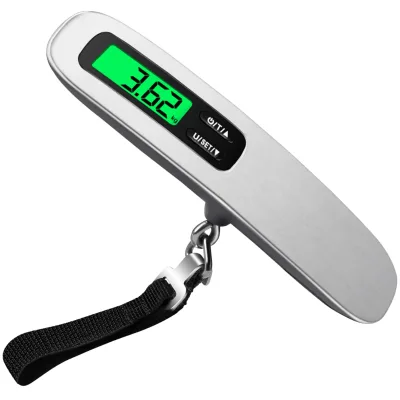
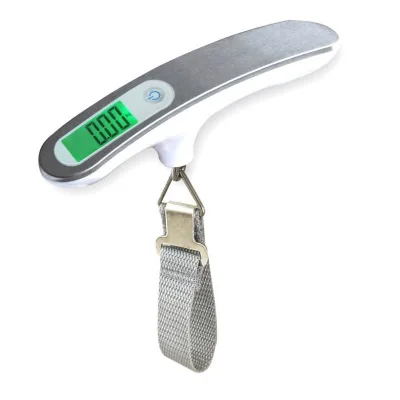
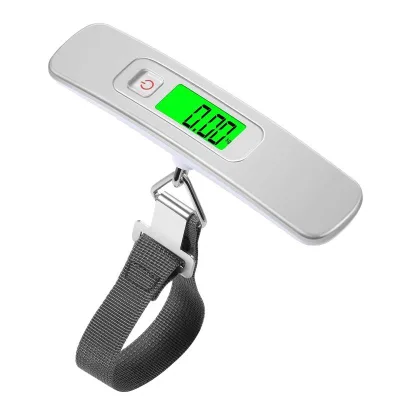
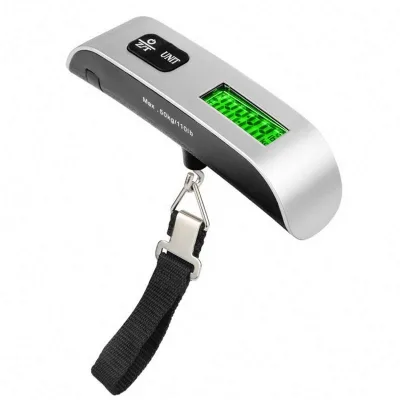
On the product side, compare concrete specifications across the models observed. Mechanical dial versions offer capacities of 5kg/10kg with 50g graduation and colors in blue, green or orange, while a larger mechanical hanging unit reaches 250kg with kg and lb units and 1000g graduation. Digital variants span LCD hanging scales at 100kg to 200kg with 100g graduation, compact electronic luggage scales at 10kg/20kg/40kg with 5g or 10g graduation, and heavy-duty 300kg units. Compare price bands where displayed, such as roughly $0.80–1.00 for entry mechanical dial models, $2.60–3.00 for compact electronic units, and $15–18 for larger digital versions, always noting the stated MOQ, which in one case is 2500 pieces. Compare packaging, carton counts and material declarations alongside unit price.
Common Luggage Spring Balance Scale Sourcing Risks
The most frequent risk in this category is accuracy drift, because a spring balance scale depends on spring temper and calibration, not electronics. Two listed mechanical models show graduations of 50g and 1000g respectively, and digital units show 100g or finer; if a supplier's sample reads correctly at mid-capacity but drifts at the extremes, you will only catch it with a full-range calibration check against certified test weights, including repeat pulls to confirm the dynamic data-stabilization behavior some listings claim. A second risk is component substitution: listings describe iron steel and PS plastic, ABS housings, stainless shackles and lithium or AAA batteries, and cheaper production runs may quietly swap housing grade, hook material or battery brand between your golden sample and volume shipment.
Additional risks cluster around documentation and logistics details. Product attribute sheets list environment ratings such as low-temperature suitability and magnetic insulation; if your market involves cold cargo holds or retail displays near magnetic fixtures, confirm these claims in writing and test them. Carton specifications vary widely across models, from 100 pieces per carton at small sizes down to 10 or 24 pieces per carton for larger units, so a mismatch between quoted carton counts and actual packing changes your freight cost and warehouse planning materially. Finally, beware of listing inflation: a profile showing many scale categories may source some of them externally, so verify which hanging-scale models are genuinely produced on the supplier's own lines before awarding volume.
Luggage Spring Balance Scale Regional Sourcing and Logistics
The only region supported by the observed facts is Zhejiang, China, so plan logistics around that origin rather than assuming alternative clusters. Zhejiang's coastal position means most shipments move by sea from nearby Chinese ports, but you should not state a specific port without confirmation from the supplier; ask which port they ship FOB from, since inland trucking costs differ. Air freight is a realistic option for samples and small launch quantities because individual luggage scales are light, but full container economics depend on carton dimensions, which the listings show ranging from roughly 38×30×38cm to 59×27.5×20cm depending on the model. Calculate container utilization from the actual outer carton size and pieces-per-carton figures for your chosen model before comparing suppliers on landed cost.
Because the observed suppliers are combined-type weighing-instrument manufacturers rather than dedicated luggage-accessory plants, confirm how scales are packed: listings show bag-plus-box-plus-carton and color-box-plus-carton formats, which affects both dimensional weight and retail readiness. Ask each supplier for their standard export packing, whether master cartons are double-walled, and whether cartons can be customized with your labeling. Lead time data in the observed results shows 30 days for one supplier; request written lead times from every shortlisted company and clarify whether the clock starts at deposit, artwork approval or sample sign-off, because these definitions differ and materially affect delivery dates. Finally, confirm origin documentation requirements for your import market, since weighing instruments can face metrology or labeling rules that vary by destination.
Luggage Spring Balance Scale Commercial Terms and Order Planning
Anchor commercial discussions to the numbers actually displayed, then negotiate what is not. Observed listings show MOQ of 2500 pieces on a mechanical dial luggage scale, with unit price bands from about $0.80–1.00 at the entry mechanical end, $2.60–3.00 for compact electronic models, $4.30–4.50 for the large mechanical hanging unit, and $15.30–18.00 for high-capacity digital scales. Use these bands to sanity-check quotes; a quote far below the displayed range for a comparable model usually signals a downgraded spring, thinner housing or omitted battery. Confirm in writing what each quoted price includes: dial calibration in kg, kg-and-lb, or both, color options, packaging format, and any customization fee for your logo or color box, since listings mark customization as available on several models.
For order planning, sequence a pilot order before scaling: order at or near MOQ, run arrival inspection against certified weights across the full capacity range, and only then consolidate volume. Payment structure should reflect supplier verification status; where a platform offers escrow-style protection, use it, particularly for first orders with customized tooling. Reconcile the 30-day observed lead time with your own confirmed dates, adding buffer for spring calibration and color-box production. Finally, lock specification sheets, including model numbers like the observed BT-205B, PL-C, PL-F, ZY-005 and PL-A families only as references, into your contract with agreed tolerance limits, so future reorders are judged against a documented standard rather than memory or sample drift.
FAQs
What is the typical lead time for luggage spring balance scales?
The typical lead time for these scales is 30 days based on current supplier data. Buyers should confirm specific delivery schedules with individual vendors as production capacity may vary. This timeframe applies to standard orders meeting minimum quantity requirements.
What is the minimum order quantity for these scales?
The minimum order quantity is 2500 pieces for standard models like the Hanging Luggage Balance Spring Weight Scale. Some specialized variants may have different thresholds, so verifying the specific product model is essential before placing an order to ensure compliance.
Where are these scales manufactured?
These scales are manufactured in China, specifically in the Zhejiang province. This location is a known hub for scale production. Buyers should verify the exact factory address and shipping terms with the supplier to ensure accurate logistics planning.
What certifications do the suppliers hold?
Suppliers often hold ISO9001:2015 and ISO14001:2015 system certifications. These indicate adherence to quality and environmental management standards. Buyers should request valid certificate copies directly from the supplier to confirm current compliance status before finalizing any purchase agreement.
What is the price range for digital hanging scales?
Digital hanging scales typically range from 15.30 to 15.70 USD per unit. Mechanical versions may cost between 0.80 and 4.50 USD depending on capacity and features. Prices vary by model, so checking the specific product listing is necessary for accurate budgeting.
How quickly do suppliers respond to inquiries?
The average response time for suppliers is approximately 23.94 hours. This metric helps buyers gauge communication efficiency. Faster response times are often available for verified suppliers, so checking the verification status can provide better insight into service levels.
What customization options are available for these scales?
Customization is available for many models, including specific colors and branding. Suppliers offer ODM and OEM services to meet unique requirements. Buyers should discuss specific design needs with the supplier to confirm feasibility and any additional costs involved in the process.