anti-reflective coating protective glass filter Suppliers and Manufacturers
Compare 22 verified suppliers offering anti-reflective coating protective glass filter with options for customization, specific thickness ranges, and ISO certifications. Review response times and lead times to select a partner in Zhejiang, Guangdong, or Tianjin; review the available evidence before requesting comparable quotations from suitable candidates.
Updated
Suppliers List

- Verified by BV
- Trading Company
- China Zhejiang
- Lead time30 days
- Avg. response≤ 7h
Main productsTempered Glass, Glass
Main marketsSouth America,Europe,North America
Shenzhen Hongtai Auspicious Technology Co., Ltd.
- Manufacturer, Trading Company, Distributor/Wholesaler
- Guangdong, China
- Lead time7 days
- Avg. response≤ 3h
Main productsxenon flash lamp,xenon flash tube,LASER LAMP,IPL lamp,IPL tube
Main marketsEastern Europe(20.00%), Western Europe(20.00%), Eastern Asia(10.00%), Mid East(10.00%), North America(10.00%), Southeast Asia(10.00%), Africa(8.00%)

Tianjin Tengteng Optoelectronic Technology Co., Ltd.
- Verified by TUVRHEINLAND
- Combined
- China Tianjin
- Lead time30 days
- Avg. response≤ 3h
Main productsOptical Lens, Lens, Laser Lensese, Aspherical Lens
Main marketsOthers(foreignTradeCapacity.exportBusinessCapacityMarketOther),Domestic,Europe

- Verified by SGS
- Combined
- China Jiangsu
- Lead time30 days
- Avg. response≤ 17h
Main productsOptical Window, Optical Lens, Optical Filter, Optical Prism, Optical Mirror, Beam Splitter Cube, off-Axis Parabolic Metal Mirrors, Optical Reticle, Collimator
Main marketsSoutheast Asia/ Mideast,East Asia(Japan/ South Korea),Domestic,Europe,Australia,North America


High Stability Glass Filter Optical Color Filters Dichroic Glass Filters
$120.00 - $250.00
MOQ: 10 Pieces


Dia58mm Optical Triplet Lens Bandpass Filter and Anti-reflective Coating
$67.00 - $159.00
MOQ: 8 Pieces


Jinhua Dongqiao Optoelectronics Co., Ltd.
- Trading Company
- Zhejiang, China
- Lead time20 days
- Avg. response≤ 2h
Main productsOptical glass lens,optical prisms,optical window,optical mirror,Optical filter
Main marketsCentral America(20.00%), Eastern Europe(20.00%), Western Europe(12.00%), South America(10.00%), North America(10.00%), Southern Europe(5.00%), Northern Europe(5.00%), Africa(5.00%), Southeast Asia(5.00%), Mid East(5.00%), South Asia(3.00%)
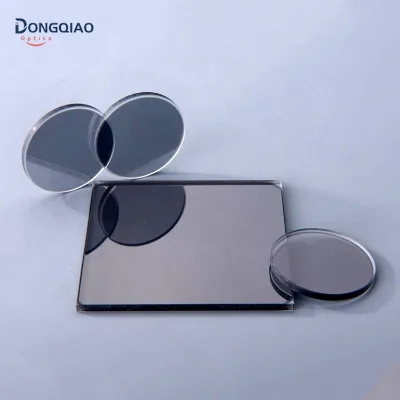
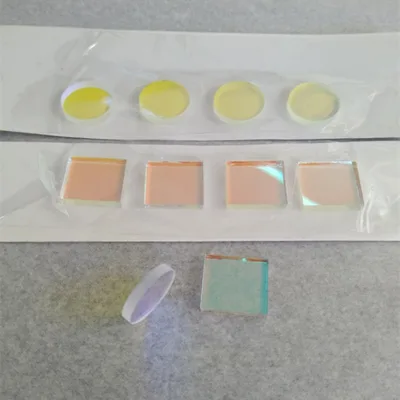
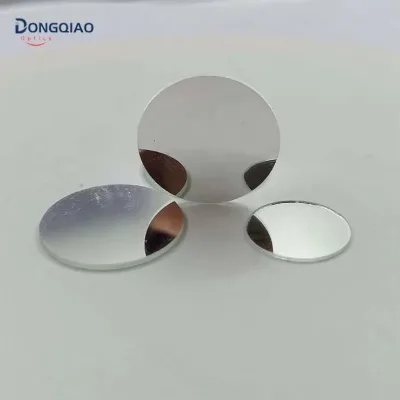
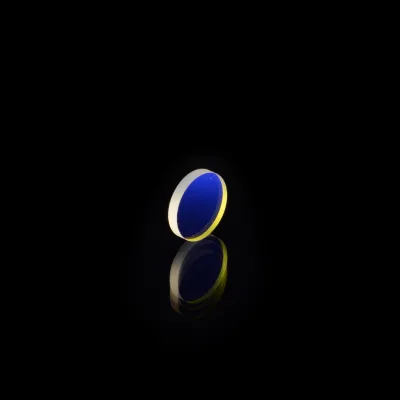
$5.0797 - $18.6606
MOQ: 1 pieces
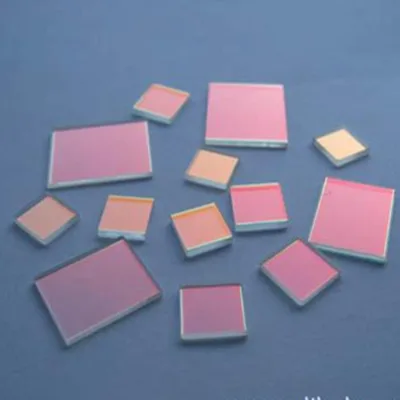
$5.0288 - $18.4688
MOQ: 1 pieces
Nanyang Jingliang Photoelectric Co., Ltd.
- Verified by TüVRheinland
- Manufacturer, Trading Company
- Lead time20 days
- Avg. response≤ 1h
Main productsLens, Prisms, Mirros, Filters, Windows
Main marketsNorth America(31%), Western Europe(31%), Eastern Asia(29%)
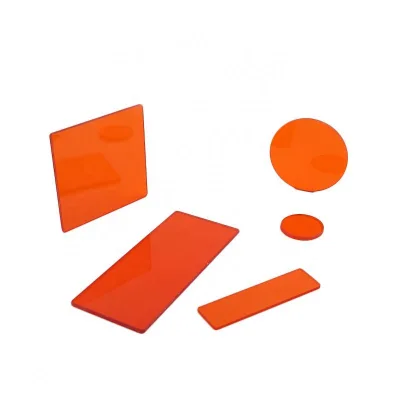
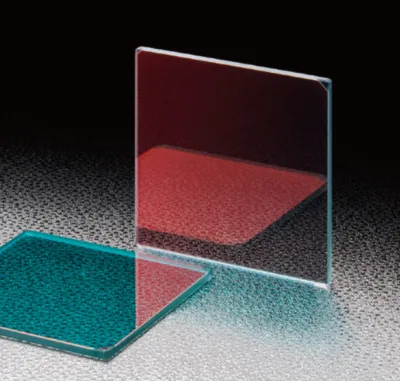
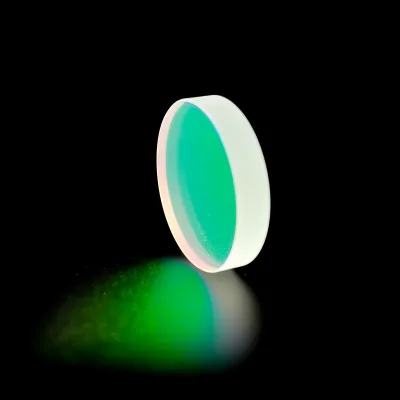
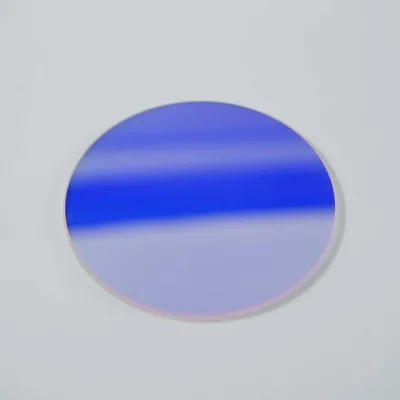
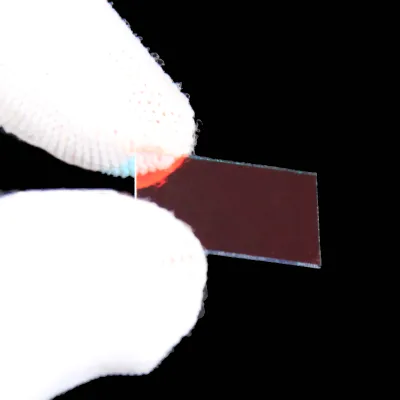
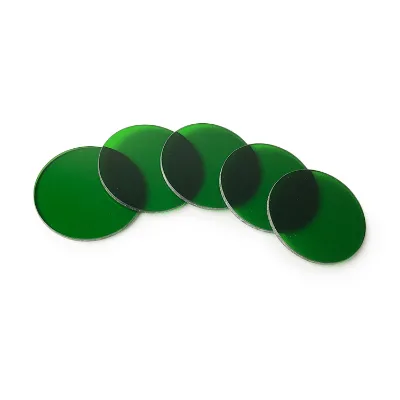
520nm Optical Green Filter Glass Reflective Filter 8*8*1mm
$29.00 - $30.00

Fujian Allwin Technology Co., Ltd.
- Trading Company,Manufacturer/Factory
- China Fujian
- Lead time0 days
- Avg. response≤ 17h
Main productsOptics, Optical Components, Optical Lenses, Prism, Laser Optics, Infrared Optic Lenses, Photonics, Imaging Optics, Biomedical Optic Components, Endoscopic Lenses
Main marketsSouth America,Eastern Europe,Mid East,North America,Southeast Asia,Eastern Asia,Western Europe


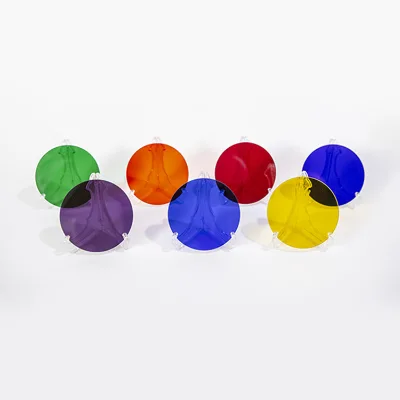
Customize Colloidally Coloured Glass Filters Optical Filters Optical Glass Filter
Negotiable
MOQ: 2 Pieces


Hengshui Aohong Technology Co., Ltd.
- Verified by TüVRheinland
- Trading Company
- Lead time30 days
- Avg. response≤ 3h
Main productsSight Glass, Quartz Glass
Main marketsDomestic Market(20%), North America(8%), South America(8%)
Nantong Fowo Trading Co., Ltd.
- Trading Company
- Jiangsu, China
- Lead time0 days
- Avg. response≤ 1h
Main productsoptical lens,optical prism,color filter,coating optical glass,optics window
Main marketsSouth Asia(40.00%), Northern Europe(30.00%), North America(20.00%), Eastern Europe(10.00%)
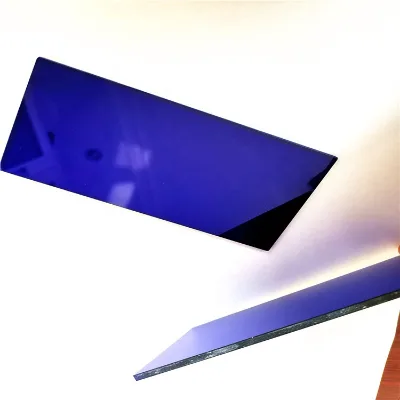
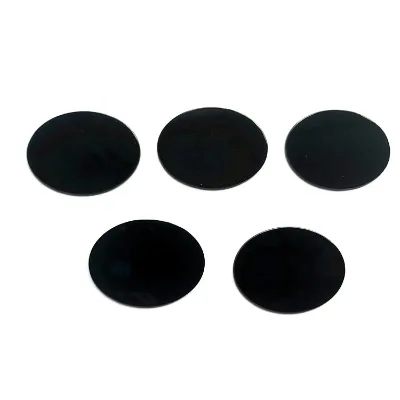
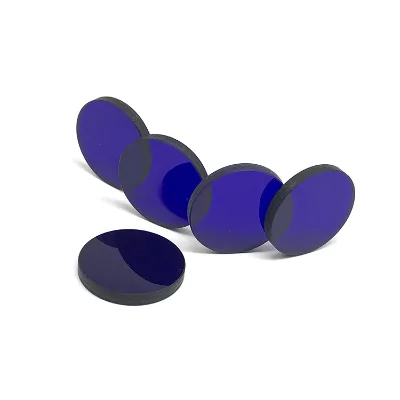
Custom Optical Cobalt Blue Optical Filters for Welding Glass
$10.00 - $12.00
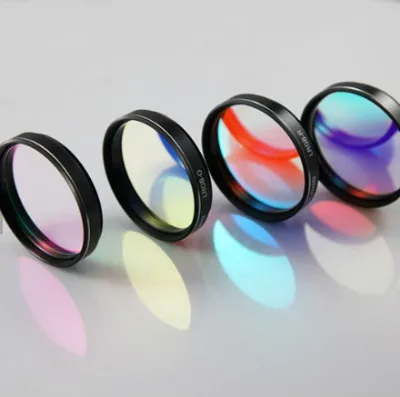
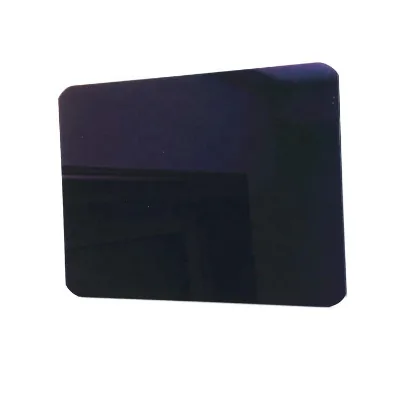
Factory Custom Optical ND64 Camera Filter
$2.65 - $8.00
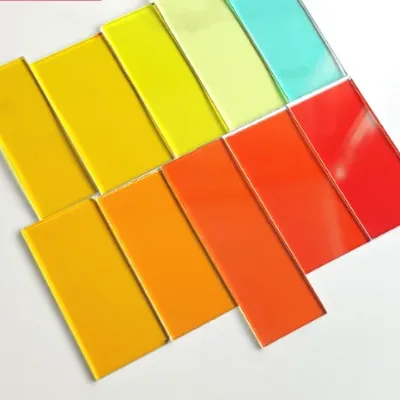
Guangzhou Lighting Glass Co., Ltd.
- Manufacturer, Trading Company, Agent
- Guangdong, China
- Lead time5 days
- Avg. response≤ 2h
Main productsSCHOTT BOROFLOAT33,Corning EAGLE XG,Glass wafer,Glass processing,Glass OEM
Main marketsEastern Asia(20.00%), South Asia(20.00%), Southeast Asia(20.00%), South America(10.00%), North America(10.00%), Mid East(10.00%), Eastern Europe(5.00%), Northern Europe(5.00%)
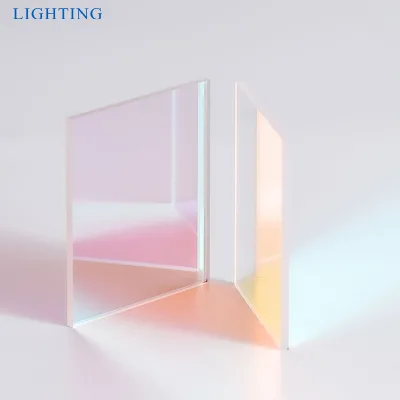
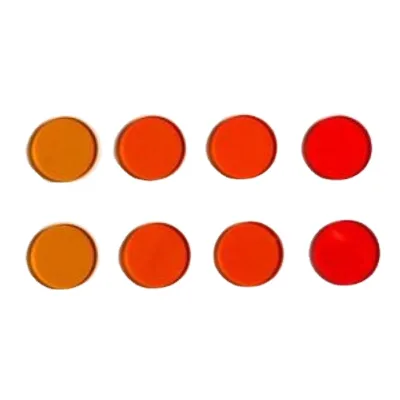
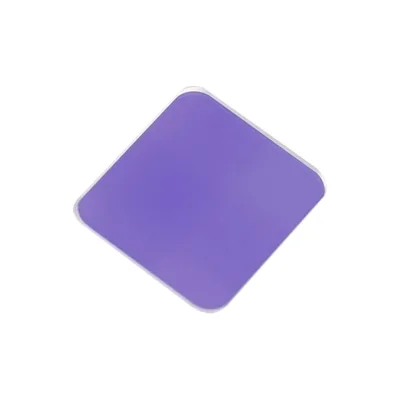
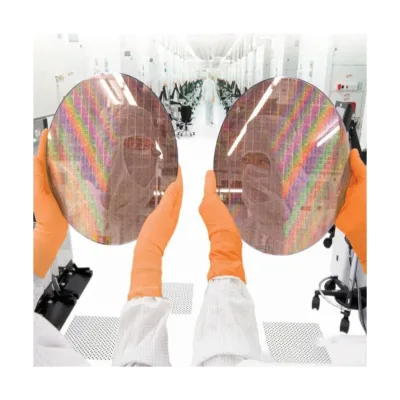
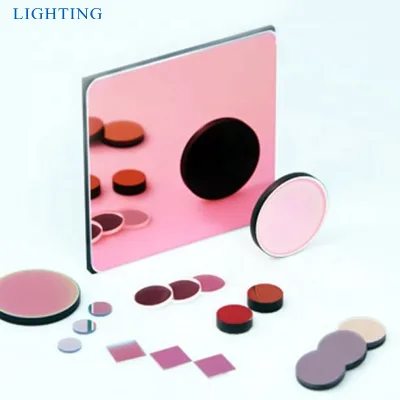
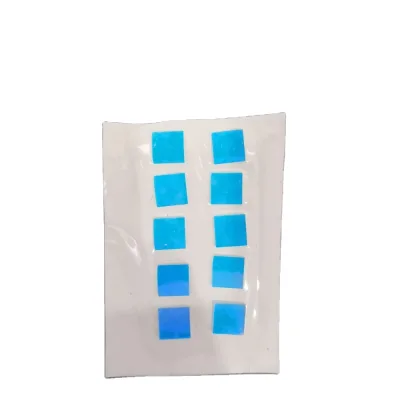
$9.60 - $10.00
MOQ: 100 cartons

Shanghai Rui Tai Photoelectric Technology Co., Ltd.
- Verified by TUVRHEINLAND
- Trading Company
- China Shanghai
- Lead time15 days
- Avg. response≤ 4h
Main productsOptical Lens, Optical Windows, Laser Windows, Fused Silica, Optical Prism, Optical Glass, Sapphire Window, Aspheric Lens, Spheric Lens, Optical Mirror
Main marketsSouth America,Domestic,Europe

Optical Color Filter Glass IR Colored Filter Heat Resistant Optical Filters
$2.50 - $6.00
MOQ: 50 Pieces


Long-Pass Filters/Long Pass Colored Glass Filter/Optical Colour Glass Filters
$6.00 - $10.00
MOQ: 100 Pieces

- Verified by TüVRheinland
- Manufacturer, Trading Company
- Lead time15 days
- Avg. response≤ 2h
Main productsOptical Device, Optical Lens
Main marketsDomestic Market(91%), North America(2%), Eastern Europe(1%)

C-Laser (Taicang) Material Technology Co., Ltd.
- Verified by BV
- Combined
- China Jiangsu
- Lead time15 days
- Avg. response≤ 1h
Main productsOptical Lens, Fused Silica, Laser, Squartz Glass, Fused Quartz, Optical Glass, Fused Silica Rod, Fused Quartz Rod, Quartz Tube, Quartz Rod
Main marketsDomestic


Double Ar Anti-Reflection Coating Filter Quartz Material Windows Instrument Optics Product
$6.00 - $10.00
MOQ: 50 Pieces


- Verified by TUVRHEINLAND
- Trading Company,Manufacturer/Factory
- China Beijing
- Lead time23 days
- Avg. response≤ 4h
Main productsTempered Glass, Aluminum Windows, Insulated Glass, Building Glass, Curtain Wall Glass, Windows and Doors, Low Iron Glass, Window Glass, Laminated Glass, Aluminum Clad Wood Windows
Main marketsSouth America,Eastern Europe,Mid East,North America,Southeast Asia,Eastern Asia,Oceania,Western Europe,Africa
Shanghai Bo Glass Industrial Limited
- Verified by SGS Group
- Trading Company
- Lead time25 days
- Avg. response≤ 8h
Main productsIndoor and Ourdoor Glass Lamp Shades and Diffusers, Landscape and Explosion proof glass domes, Glass len sand prisms, Glass panels and sight glass, Glass crafts and ornaments
Main marketsNorth America(31%), Eastern Europe(15%), Western Europe(15%)

Shenyang Ebetter Optics Co., Ltd.
- Verified by SGS
- Combined
- China Liaoning
- Lead time23 days
- Avg. response≤ 11h
Main productsInfrared IR Window, Optical Windows, Optical Filter, Optical Mirror, Diffraction Grating, Cylindrical Lens, Optical Lens, Rod Lens
Main marketsSouth America,East Asia(Japan/ South Korea),Europe,Australia,North America


Customized Optical Coating Color Glass Filter Window Cut-off Colored Glass Filters
$4.00 - $5.00
MOQ: 1 Pieces


Changchun Yutai Optics Co., Ltd.
- Combined
- China Jilin
- Lead time45 days
- Avg. response≤ 1h
Main productsOptical Lens, Optical Windows, Optical Mirrors, Optical Filters, Optical Prisms, Optical Wafers, Optical Blanks, Optical Coating, Optical Beamsplitter, IR Optics
Main marketsDomestic,Europe,North America

Qingdao Creation Classic Glass Co., Ltd.
- Manufacturer/Factory
- China Shandong
- Lead time15 days
- Avg. response≤ 15h
Main productsBuilding Glass, Float Glass, Tempered Glass, Laminated Glass, Insulated Glass, Glass Block/Brick, Reflective Glass, Tinted Glass, Mirror, Patterned Glass
Main marketsSouth America,Eastern Europe,Mid East,North America,Southeast Asia,Eastern Asia,Oceania,Western Europe,Africa


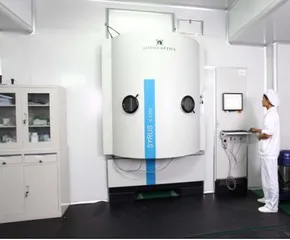
3mm 4mm 5mm 6mm 8mm Anti-Glare Glass/ Anti Reflective Glass /Non Glare Glass
$3.20
MOQ: 1000 Square Meters

Beijing Bodian Optical Technology Co., Ltd.
- Manufacturer, Trading Company
- Beijing, China
- Lead time15 days
- Avg. response≤ 16h
Main productsNarrow Band Pass Interference Filters, CCD Gel Image System Filters, Solar Simulator Filters, Fluorescence Microscope Filters, IPL Beauty Machine Filters
Main marketsDomestic Market(74.00%), North America(10.00%), Mid East(7.00%), Western Europe(6.00%), Southeast Asia(3.00%)
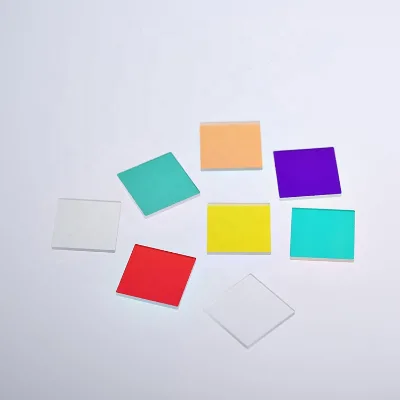
Customizable 50R~50%T Beam Splitting Interference Filter Optical Glass Material
$30.00 - $50.00
MOQ: 1
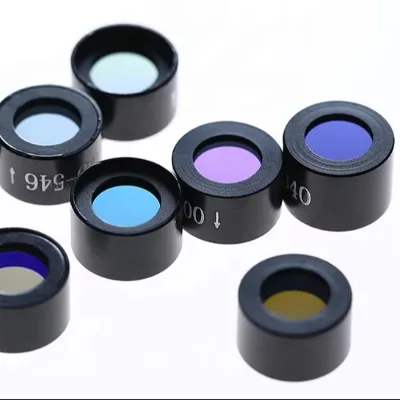
$22.7037 - $26.8502
MOQ: 1 pieces

Beijing Jinjiaomeng Technology Co., Ltd.
- Manufacturer
- Beijing, China
- Lead time45 days
- Avg. response≤ 7h
Main productsOptic-filter,Optic-coating,ITO Coating Glass(for Flight Instruments),Bandpass Filter
Main marketsDomestic Market(48.00%), Eastern Asia(32.00%), South Asia(12.00%), North America(5.00%), Western Europe(3.00%)
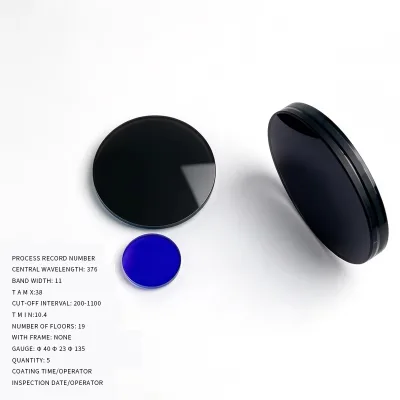
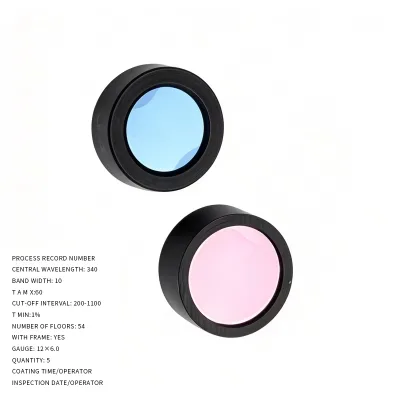
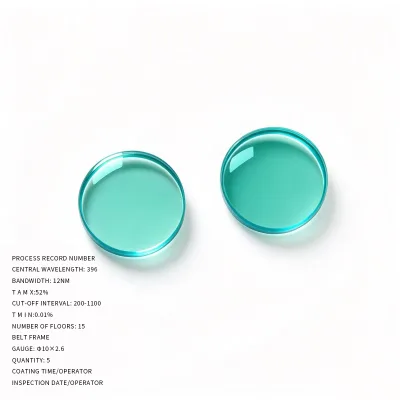
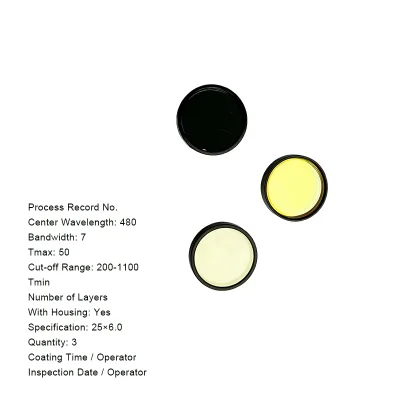
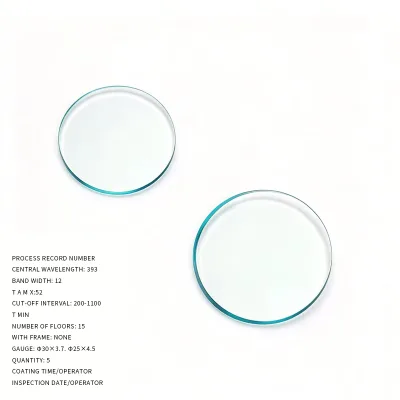
850nm IR Band Pass Filter 3mm Thickness
$15.00 - $25.00
Nantong Lianze Promise Technology Co., Ltd.
- Trading Company
- Jiangsu, China
- Lead time0 days
- Avg. response≤ 2h
Main productsOptical filters,Optical lens,Optical prism,Optical Tempered window,Optical coated glass
Main marketsSouthern Europe(30.00%), South Asia(28.00%), North America(20.00%), South America(15.00%)
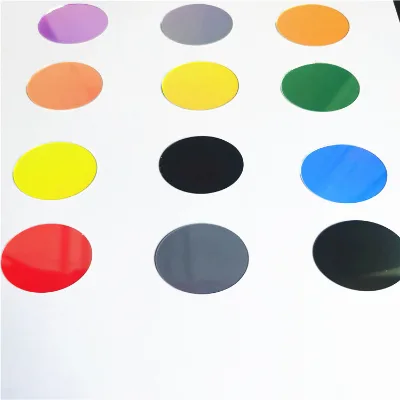
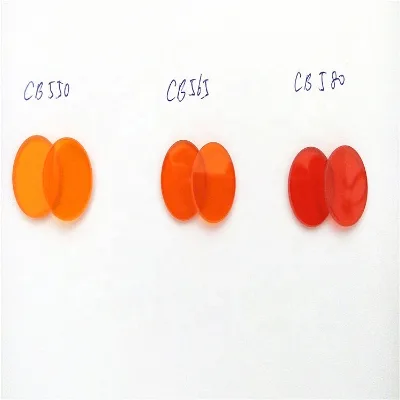
Thick 1.0mm Optical Filters CWL 460nm 620nm Optical Glass Dual Band Pass Glass Filters
$0.68 - $4.00
MOQ: 10 pieces

Shanghai Mega-9 Optoelectronic Co., Ltd.
- Verified by TUVRHEINLAND
- Combined
- China Shanghai
- Lead time15 days
- Avg. response≤ 1h
Main productsOptical Filter, Bandpass Filter, Beamsplitter, Pbs, Npbs, PCR Filter, Polarization, Prism, Fluorescence, Enzyme Label
Main marketsAfrica,Southeast Asia/ Mideast,East Asia(Japan/ South Korea),Europe,Australia,North America










Comprehensive Sourcing Guide
Anti-Reflective Coating Protective Glass Filter Supplier Concentration and Factory Types
The current supplier landscape for anti-reflective coating protective glass filters reveals a distinct geographic and structural distribution that buyers must navigate carefully. Evidence indicates that manufacturing and trading entities are concentrated in specific Chinese provinces, with Zhejiang and Guangdong emerging as notable hubs for these optical components. In Zhejiang, suppliers are primarily identified as trading companies, which suggests a model focused on aggregating products from various local manufacturers rather than direct production. This structure often implies a broader catalog of available glass types, including tempered glass and optical filters, but may introduce an additional layer of coordination between the buyer and the actual factory. Conversely, suppliers in Guangdong present a more mixed operational profile, with some entities operating as manufacturers, trading companies, and distributors simultaneously. This hybrid approach can offer greater flexibility in sourcing, allowing buyers to access both raw optical materials and finished coated products from a single point of contact. The presence of these diverse company types means that the origin of the anti-reflective coating and the base glass substrate may vary significantly depending on the specific supplier’s capabilities and supply chain relationships.
Understanding the factory type is crucial for determining the level of control a buyer has over the production process and quality assurance. Trading companies, such as those observed in Zhejiang, often provide convenience and consolidated shipping but may have less direct oversight over the precise application of anti-reflective coatings. Buyers working with these entities should anticipate a reliance on the trader’s quality control systems rather than direct factory audits. On the other hand, manufacturers and combined entities in Guangdong may offer more direct access to production lines, which can be beneficial for customizing coating specifications or addressing technical issues quickly. The distinction between a pure trading company and a manufacturer-trading hybrid also impacts the transparency of the supply chain. Buyers need to assess whether the supplier’s primary value proposition lies in their logistical network and market access or in their technical manufacturing expertise. This assessment helps in aligning the supplier choice with the project’s specific needs, whether that requires high-volume standardization or specialized optical performance adjustments.
How to Verify Anti-Reflective Coating Protective Glass Filter Suppliers
Verification of anti-reflective coating protective glass filter suppliers requires a multi-layered approach that goes beyond basic company registration checks. Buyers should prioritize suppliers who have undergone third-party verification processes, as these provide an external validation of the company’s operational legitimacy and financial stability. For instance, some suppliers in the current results hold Business Verification (BV) certifications, which indicate that an independent agency has confirmed their business existence and basic operational capabilities. Similarly, the presence of TÜV Rheinland verification on certain entities suggests a higher level of scrutiny regarding their manufacturing processes and quality management systems. These verification badges serve as initial trust signals, but they should not be the sole basis for decision-making. Buyers must dig deeper into the specific scope of these verifications to ensure they cover the relevant optical manufacturing activities, such as coating application and glass tempering, rather than just general business registration.
Beyond verification badges, buyers should rigorously examine the supplier’s certification portfolio and technical documentation. Certifications such as ISO9001:2015 are critical indicators of a standardized quality management system, which is essential for maintaining consistent coating thickness and optical performance across batches. Some suppliers explicitly display ISO certifications, which aligns with the precision requirements of optical filters. Additionally, buyers should request and review specific product certifications, such as the Declaration of Conformity for lighting-related optical components, to ensure compliance with regional safety and performance standards. It is also vital to verify the supplier’s ability to provide detailed product specifications, including coating types, material origins, and testing results. Buyers should ask for sample reports that demonstrate the anti-reflective performance under specific conditions, such as varying angles of incidence or wavelengths. This technical due diligence helps confirm that the supplier’s claims about their coating technology are substantiated by measurable data, reducing the risk of receiving products that do not meet the required optical specifications.
What to Compare Across Anti-Reflective Coating Protective Glass Filter Suppliers
When evaluating multiple suppliers for anti-reflective coating protective glass filters, buyers must compare a range of operational and commercial metrics to identify the most suitable partner. One of the most critical factors is the supplier’s response time, which can significantly impact the efficiency of the sourcing process. Data shows that response times can vary, with some suppliers responding within a few hours, while others may take longer. Faster response times often correlate with better customer service and more agile communication, which is essential for resolving technical queries or negotiating custom orders. Alongside response speed, buyers should assess the supplier’s lead times for production and delivery. Lead times can range from a few days for standard items to several weeks for customized optical filters. Understanding these timelines helps in planning inventory and meeting project deadlines, especially when dealing with complex coating requirements that may require additional processing time.
Another key area for comparison is the minimum order quantity (MOQ) and pricing structure, which directly affect the feasibility of the order. Suppliers may have varying MOQs, ranging from small quantities for prototyping to large volumes for mass production. For example, some suppliers offer low MOQs for specific optical components, making them suitable for small-scale projects or testing phases, while others may require higher volumes to justify the setup costs for custom coatings. Pricing should also be analyzed in conjunction with the product specifications, as anti-reflective coatings can vary in complexity and cost. Buyers should compare the price ranges for similar products, such as AR-coated glass filters, to ensure they are receiving competitive rates. Additionally, the availability of customization options, such as specific thicknesses, shapes, or coating wavelengths, should be evaluated. Suppliers that offer flexible customization capabilities may command higher prices but provide greater value for specialized applications. By systematically comparing these factors, buyers can make informed decisions that balance cost, quality, and service levels.
Common Anti-Reflective Coating Protective Glass Filter Sourcing Risks
Sourcing anti-reflective coating protective glass filters involves several inherent risks that buyers must proactively manage to ensure successful procurement. One significant risk is the variability in coating quality and durability, which can be difficult to assess without physical testing. Anti-reflective coatings are sensitive to application techniques and material quality, and inconsistencies can lead to reduced optical performance or premature failure. Buyers should be aware that suppliers may use different coating technologies, such as physical vapor deposition or chemical sol-gel methods, which have distinct performance characteristics. Without clear specifications and testing protocols, there is a risk of receiving products that do not meet the required optical standards. Additionally, the risk of miscommunication regarding custom requirements is high, especially when dealing with trading companies that may not have direct technical oversight of the manufacturing process. Misunderstandings about coating thickness, wavelength specificity, or substrate material can result in products that are unsuitable for the intended application.
Another common risk is the potential for supply chain disruptions, particularly when sourcing from multiple locations or relying on complex manufacturing processes. Suppliers in different regions may face varying logistical challenges, regulatory changes, or raw material shortages that can impact delivery times. For instance, the production of specialized optical glass and coating materials may depend on a limited number of global suppliers, creating bottlenecks. Buyers should also be cautious about the risk of intellectual property infringement if they are sourcing custom-designed filters. Ensuring that the supplier has the necessary rights to produce and sell the specific coating designs is crucial to avoid legal complications. Furthermore, the risk of quality control failures increases when working with suppliers who lack robust internal testing procedures. Buyers should verify that the supplier has the capability to perform rigorous quality checks, such as measuring transmittance, reflectance, and adhesion strength, before shipment. Mitigating these risks requires thorough due diligence, clear contractual agreements, and ongoing monitoring of the supplier’s performance.
Anti-Reflective Coating Protective Glass Filter Regional Sourcing and Logistics
Regional sourcing of anti-reflective coating protective glass filters offers distinct advantages and challenges depending on the supplier’s location. Suppliers in Zhejiang, China, are often positioned as trading hubs, which can facilitate access to a wide variety of optical products from multiple manufacturers. This concentration allows buyers to consolidate orders and benefit from established logistics networks, potentially reducing shipping costs and lead times for standard items. However, the trading model may introduce additional layers of communication and coordination, which can complicate the management of custom orders. Buyers sourcing from this region should ensure that the trading company has strong relationships with reliable manufacturers to guarantee product quality and timely delivery. The logistical infrastructure in Zhejiang is generally well-developed, with easy access to major ports, which can streamline the export process for international buyers.
In contrast, suppliers in Guangdong, China, often combine manufacturing capabilities with trading functions, offering a more integrated sourcing experience. This region is known for its advanced manufacturing ecosystem, which can support complex optical production processes, including precise coating applications. Buyers sourcing from Guangdong may benefit from closer proximity to the production facilities, allowing for more effective quality control and faster resolution of technical issues. The logistical advantages in Guangdong include access to major shipping routes and a robust supply chain for raw materials, which can enhance production stability. However, buyers should be mindful of the potential for higher production costs associated with specialized manufacturing in this region. Additionally, the diversity of suppliers in Guangdong means that buyers must carefully evaluate each entity’s specific capabilities to ensure they align with their project requirements. Understanding the regional logistics landscape helps buyers optimize their sourcing strategy, balancing cost, quality, and delivery efficiency.
Anti-Reflective Coating Protective Glass Filter Commercial Terms and Order Planning
Effective order planning for anti-reflective coating protective glass filters requires careful attention to commercial terms and payment structures. Buyers should negotiate clear payment terms that align with their cash flow and risk management strategies. Common payment methods include Telegraphic Transfer (T/T), Letter of Credit (L/C), and Western Union, each offering different levels of security and flexibility. For large orders, buyers may prefer to use a Letter of Credit to ensure that payment is only released upon fulfillment of specific conditions, such as the presentation of shipping documents and quality certificates. Smaller orders or repeat business may be more suitable for Telegraphic Transfer, which offers faster processing times. It is also important to clarify the Incoterms, such as FOB or CIF, to determine who is responsible for shipping costs and insurance. This clarity helps in accurately calculating the total landed cost of the products and avoids unexpected expenses during transit.
In addition to payment terms, buyers must plan for the logistical aspects of the order, including packaging and shipping. Anti-reflective coating protective glass filters are fragile and require specialized packaging to prevent damage during transit. Suppliers typically use cartons and wooden boxes to ensure adequate protection, but buyers should verify that the packaging meets international shipping standards. Customized packaging options may be available for high-value or sensitive optical components, providing an extra layer of security. Buyers should also consider the lead time for production and shipping when planning their orders, especially for customized products that may require additional processing time. Establishing a clear timeline for each stage of the order, from design approval to final delivery, helps in managing expectations and avoiding delays. By carefully planning the commercial and logistical aspects of the order, buyers can ensure a smooth and efficient sourcing process for their anti-reflective coating protective glass filters.
FAQs
What is the price range for AR coated optical glass filters?
Prices for anti-reflective coated optical glass filters typically range from $0.30 to $10.00 per unit depending on specifications. Specific interference filters may cost between $0.80 and $10.00, while specialized optical lenses are priced around $7.00. Buyers should verify exact costs based on thickness, coating type, and order volume with suppliers.
What are the minimum order quantities for these filters?
Minimum order quantities vary significantly by product type. Standard optical glass filters often require a minimum of 500 units. However, specialized items like optical lenses or specific flash lamps may have much lower thresholds, such as just 2 units. Buyers must check the specific MOQ for their desired filter configuration.
Where are these optical glass filters manufactured?
Manufacturing locations for these filters include Zhejiang, Guangdong, and Tianjin in China. Products originate from Ningbo in Zhejiang and various facilities in Guangdong and Tianjin. Buyers can source from trading companies or manufacturers located in these specific Chinese provinces to ensure supply chain transparency and logistics planning.
What are the typical lead times for delivery?
Lead times for anti-reflective coated filters generally range from 7 to 30 days. Some suppliers offer faster turnaround times of 7 days for specific items like optical lenses, while others may require up to 30 days for standard glass filters. Buyers should confirm production schedules with suppliers to align with project deadlines.
What certifications do these optical suppliers hold?
Suppliers offering these filters hold various certifications including ISO9001:2015, BV verification, and TÜV Rheinland verification. Some products carry ISO certification, while others may have a Declaration of Conformity. Buyers should verify specific certification requirements for their industry standards, as not all suppliers hold identical credentials.
What thickness options are available for AR glass?
Available thickness options for anti-reflective coated glass filters range from 0.2mm to 2mm. Specific products offer thicknesses between 0.2-1.2mm or 0.8-1.2mm, while other optical filters may have a thickness range of 1mm-2mm. Buyers can request customized thicknesses to meet precise optical application requirements.
What are the response times for supplier inquiries?
Supplier response times for inquiries typically range from 2.83 to 6.35 hours. Some suppliers respond within 3 hours, while others may take slightly longer. Faster response times indicate active customer service teams. Buyers should expect replies within this window when contacting suppliers for quotes or technical support.