Source Firefighting Thermal Imager for Rescue, Inspection, and Training
Find 30 Firefighting Thermal Imager options featuring digital displays, CE certification, and 160x120 resolution. Compare key specs including 8-14um spectral range, IP68 protection levels, and fixed focus capabilities designed specifically for fire fighting applications and rescue operations; compare the available evidence and request quotations based on your requirements.
Updated
Key considerations
Products List


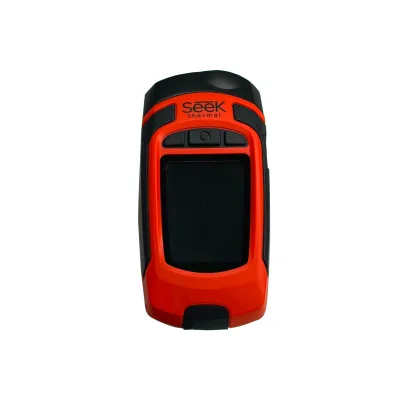
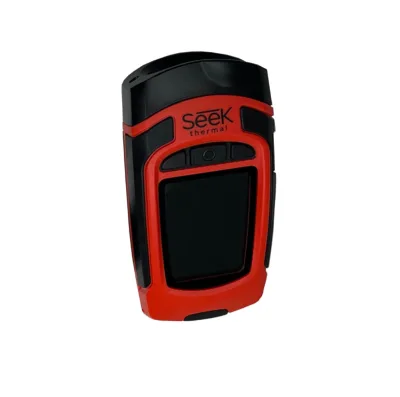
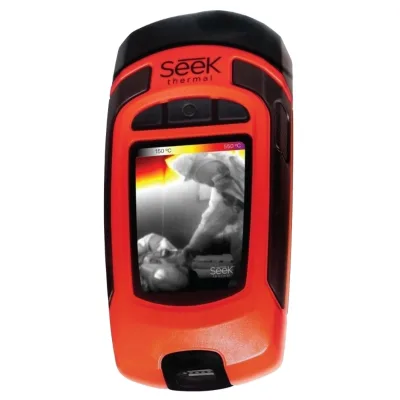
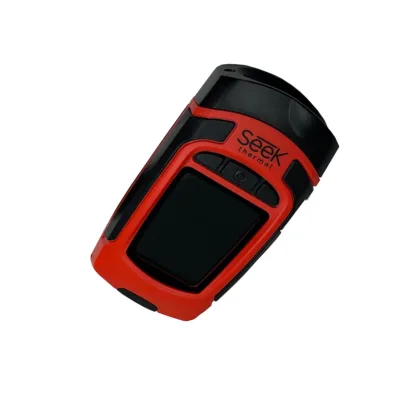
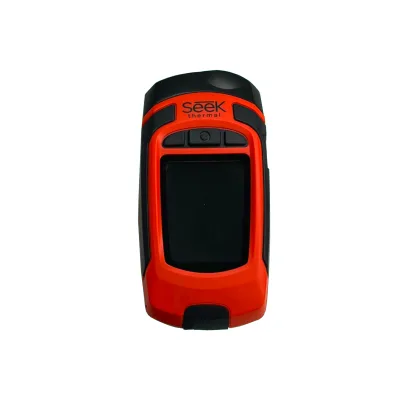
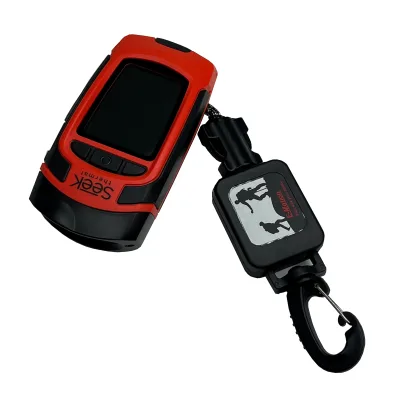

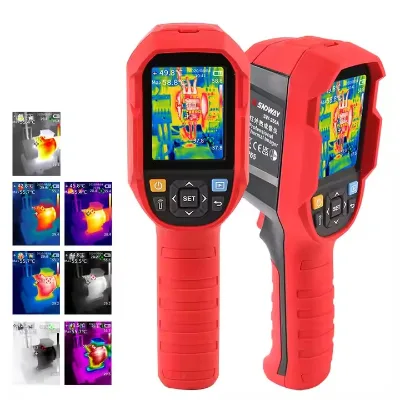
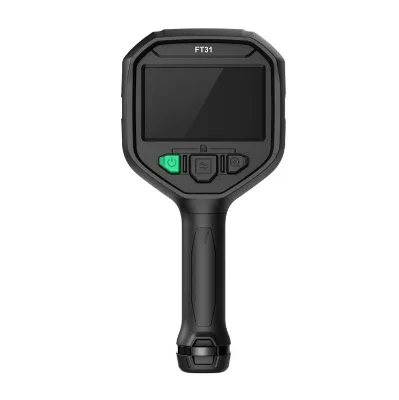
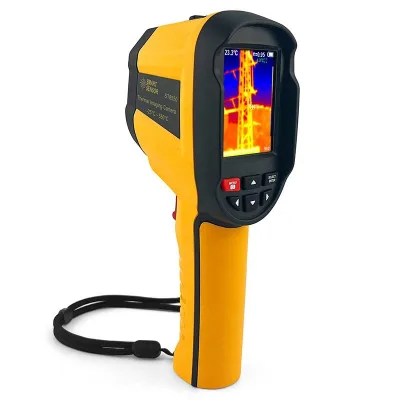
Thermal Imager for Firefighter, Thermal Imaging Camera for Fire and Human Detection
$5000.00 - $10000.00
MOQ: 1 Pieces
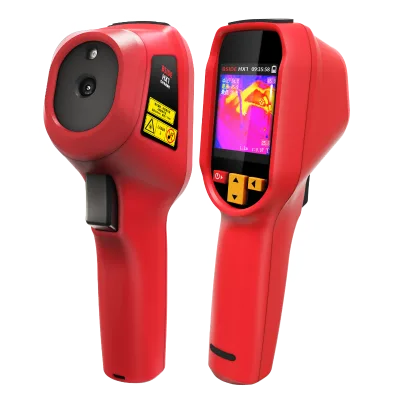


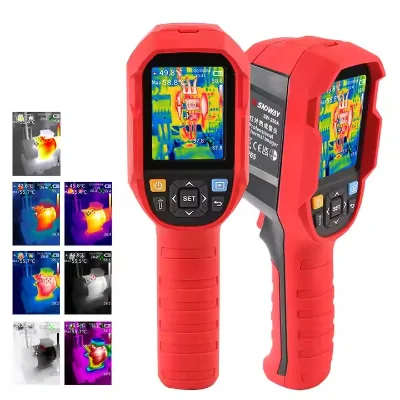




Comprehensive Sourcing Guide
Firefighting Thermal Imager Sourcing Guide
Procuring thermal imagers for fire fighting operations requires a disciplined approach to verifying technical performance and operational reliability. Buyers must prioritize devices that offer high-accuracy temperature measurement, typically within a tolerance of ±0.5°C, to ensure precise hazard identification in low-visibility environments. The core functionality relies on uncooled focal plane array detectors operating within the 8-14 µm spectral range, which is critical for detecting heat signatures through smoke and darkness. Sourcing teams should evaluate whether the device supports fixed or adjustable focus mechanisms, as fixed focal lengths often provide robustness against physical shock during emergency response scenarios.
Commercial availability varies significantly, with observed minimum order quantities ranging from single units to bulk orders of up to 100 pieces, allowing for flexible procurement strategies. Prices for these specialized instruments span a wide spectrum, reflecting differences in detector resolution, screen size, and battery life. Buyers should note that many suppliers offer customization options, enabling the adaptation of standard packages to specific organizational needs. Understanding these market signals helps in budgeting accurately and selecting suppliers who can meet both immediate operational demands and long-term inventory requirements without compromising on essential safety features.
Product Scope and Observed Listing Signals
The current market for firefighting thermal imagers includes a diverse array of handheld devices designed for adult use in air-breathing apparatus contexts. Listings frequently highlight key attributes such as digital displays, with screen sizes ranging from standard LCDs to larger 3.5-inch interfaces for improved readability. The spatial resolution of these devices is a critical differentiator, with observed values around 3.3mrad to 3.8mrad, directly impacting the clarity of thermal images at distance. Buyers should verify the field of view specifications, which typically range from 30° to 35°, ensuring adequate coverage for scanning large areas quickly during emergency evacuations or structural assessments.
Packaging and origin details provide additional context for logistics planning, with most units originating from China and shipped in standard export packaging suitable for air and sea freight. Some listings specify dimensions such as 190128273mm, indicating the physical footprint of the device and its protective casing. It is essential to distinguish between different product models, such as the CC-2 or MCDT-9885, as each may have unique operational parameters. Buyers must carefully review the condition of the goods, ensuring they are new and include dedicated lithium battery chargers, as battery working time of approximately 2.5 hours is a standard benchmark for continuous operation in the field.
Technical Specifications to Verify
When evaluating thermal imagers, the detector type and resolution are paramount for effective performance. Buyers should confirm that the device utilizes an uncooled focal plane array detector, which offers durability and rapid startup times compared to cooled alternatives. The resolution, often listed as 160x120 pixels, determines the level of detail visible in thermal images, which is crucial for identifying hotspots or victims in smoke-filled environments. Additionally, the frame frequency of 50Hz ensures smooth image updates, reducing motion blur during rapid movement. Verification of the operating wavelength, specifically the 8 to 14 µm range, is necessary to ensure compatibility with standard thermal imaging principles for heat detection.
Battery performance and environmental operating ranges are equally critical for field reliability. Buyers must verify that the device can operate continuously for at least 2.5 hours on a single charge, supported by a dedicated lithium battery charger. The operating ambient temperature range should be checked to ensure the device functions reliably in extreme conditions, with long-term operation typically supported from -20°C to +55°C. Short-term exposure to higher temperatures, up to +260°C, may be specified for certain models, indicating robustness against direct heat exposure. Ensuring these technical specifications align with operational requirements prevents unexpected failures during critical fire fighting missions.
Compliance and Safety Documentation
Certification and standard compliance are non-negotiable for firefighting equipment, ensuring that devices meet rigorous safety and performance benchmarks. Buyers should verify that the thermal imagers carry recognized certifications such as CE and SGS, which indicate adherence to European safety standards and quality management systems. The standard classification of "Fire Fighting" suggests that the device is designed for use in hazardous environments, but buyers must confirm that the specific model meets local regulatory requirements for emergency response equipment. Documentation should clearly state the protection level, such as IP68, which guarantees dust tightness and submersion resistance, essential for surviving harsh fire ground conditions.
Packaging standards and origin declarations also play a role in compliance and logistics. Products originating from China (Mainland) should be accompanied by export-standard packaging to prevent damage during transit. Buyers must ensure that the supplier provides all necessary documentation, including material safety data sheets and operational manuals, to facilitate proper training and maintenance. The use of materials such as PE or plastic shells should be verified for durability and heat resistance. By rigorously checking these compliance documents, procurement teams can mitigate legal and operational risks associated with deploying unverified equipment in life-saving scenarios.
Cost Drivers and Commercial Terms
The cost of firefighting thermal imagers is influenced by several key factors, including detector resolution, screen size, and battery capacity. Higher spatial resolution and larger displays typically command premium prices, reflecting the increased manufacturing complexity and performance benefits. Buyers should analyze the price range, which can vary significantly based on these specifications, to ensure alignment with budget constraints without sacrificing essential features. Minimum order quantities (MOQ) ranging from 1 to 100 units allow for flexible purchasing, enabling organizations to start with small trials or bulk procurements for fleet deployment. Understanding these cost drivers helps in negotiating favorable terms and avoiding hidden expenses.
Commercial terms such as payment methods and shipping options also impact the total cost of ownership. Suppliers may offer various packing options, including carton boxes or plastic bags, which can affect shipping costs and handling requirements. Buyers should clarify whether the quoted price includes the dedicated lithium battery charger and any necessary accessories. Lead times and shipping methods, whether air or sea freight, should be discussed upfront to ensure timely delivery for operational needs. By carefully reviewing these commercial terms, procurement teams can optimize their spending and ensure that the total cost aligns with the expected value and performance of the thermal imagers.
Supplier Qualification and Quality Control
Selecting a qualified supplier is critical for ensuring the reliability and longevity of firefighting thermal imagers. Buyers should prioritize suppliers who demonstrate a strong track record in producing specialized safety equipment, with a focus on quality control processes that adhere to international standards. Verification of the supplier’s ability to provide customization services can be valuable for organizations with specific operational requirements. It is essential to assess the supplier’s responsiveness and support capabilities, as timely assistance is crucial for resolving any technical issues or maintenance needs that may arise during the device’s lifecycle.
Quality control measures should include rigorous testing of the thermal imagers’ performance, including accuracy, resolution, and battery life. Buyers should request sample units for evaluation before committing to large orders, allowing for hands-on assessment of the device’s usability and durability. The supplier’s commitment to using high-quality materials, such as durable plastic shells and reliable electronic components, should be verified through product specifications and material declarations. By conducting thorough supplier qualification checks, procurement teams can minimize the risk of receiving substandard equipment and ensure that the thermal imagers meet the high standards required for fire fighting operations.
Long-Term Procurement Checks
Long-term procurement success depends on establishing robust maintenance and support protocols for firefighting thermal imagers. Buyers should verify the availability of spare parts, such as batteries and chargers, to ensure continuous operation and minimize downtime. Regular calibration and testing of the devices are essential to maintain accuracy and reliability, so suppliers should offer clear guidelines and support for these activities. The durability of the thermal imagers, particularly their resistance to heat and physical shock, should be monitored over time to assess the need for replacements or upgrades. By implementing a proactive maintenance strategy, organizations can extend the lifespan of their equipment and ensure consistent performance.
Feedback from field users is invaluable for identifying potential improvements or issues with the thermal imagers. Procurement teams should establish channels for collecting and analyzing user feedback, allowing for informed decisions regarding future purchases or modifications. Regular reviews of supplier performance, including delivery times, product quality, and customer support, should be conducted to ensure ongoing satisfaction. By maintaining a focus on long-term procurement checks, organizations can optimize their investment in firefighting thermal imagers, ensuring that they remain effective and reliable tools for emergency response operations.
FAQs
What is the accuracy of the Firefighting Thermal Imager?
The device offers high precision with an accuracy of 0.5°C or better. This ensures reliable temperature readings during fire fighting operations. The digital display provides clear visual feedback for operators. This level of accuracy supports effective decision-making in emergency scenarios where precise thermal data is critical for safety and operational success.
Can the Firefighting Thermal Imager be customized for specific needs?
Yes, customization is available for this thermal imaging equipment. Buyers can request specific modifications to meet unique operational requirements. This flexibility allows organizations to tailor the device to their specific fire fighting protocols. Custom options ensure the tool integrates seamlessly into existing emergency response workflows and equipment setups.
What is the operating ambient temperature range for the imager?
The imager supports long-term operation between -20°C and +55°C. It can also withstand short-term exposure up to +260°C. This wide range ensures functionality in extreme fire fighting environments. The robust design allows continuous use in harsh conditions without performance degradation, ensuring reliability when needed most.
Which certifications does the Firefighting Thermal Imager hold?
The product holds CE and SGS certifications. These standards verify compliance with international safety and quality requirements. The CE mark indicates conformity with health, safety, and environmental protection standards. SGS certification further validates product quality. These credentials assure buyers of the device's reliability and regulatory compliance for global deployment.
What is the battery working time for the thermal imager?
The device provides approximately 2.5 hours of continuous work on a single charge. It uses a dedicated lithium battery charger for power management. This duration supports extended fire fighting operations. The efficient power consumption ensures operators can rely on the device for sustained use during critical emergency response missions.
What is the resolution of the thermal imager detector?
The imager features a 160x120 resolution detector. This uncooled focal plane array provides clear thermal imaging. The spatial resolution is 3.3mrad or 3.8mrad depending on the model. This clarity helps operators identify heat sources and victims effectively. The fixed focus lens ensures consistent image quality across various distances.