Source Waterproof Embossed WPC Fence Panels for Outdoor, Commercial, and Household
Compare 30 Waterproof Embossed WPC Fence Panels from verified Chinese suppliers. These eco-friendly options feature wood grain textures, customizable lengths, and certifications like CE and ISO for outdoor, commercial, and household applications; compare the available evidence and request quotations based on your requirements.
Updated
Key considerations
Products List



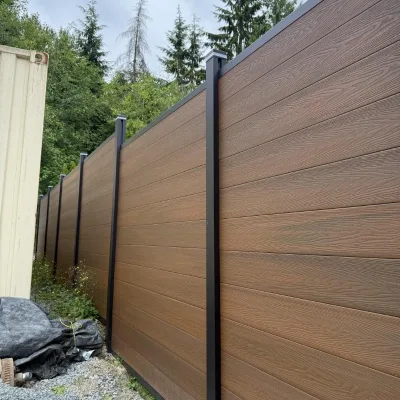
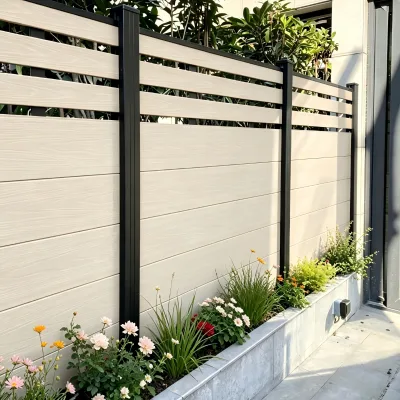
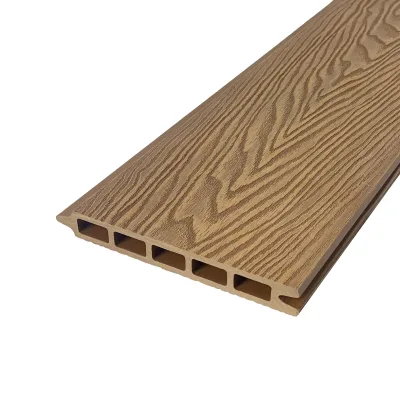
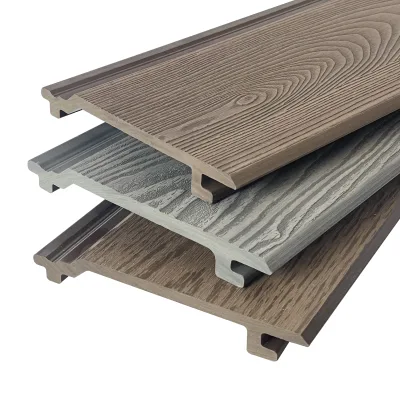
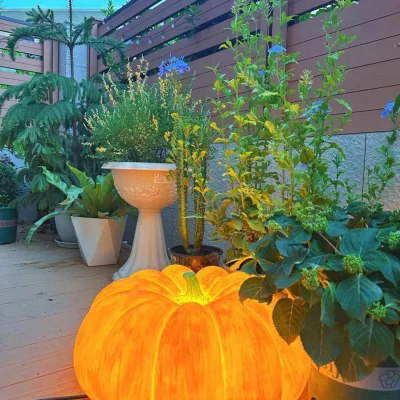

Outdoor Garden PVC Fence Waterproof WPC Fence Garden Fence Panel
$39.00 - $48.00
MOQ: 499 Square Meters


Comprehensive Sourcing Guide
Waterproof Embossed WPC Fence Panels Sourcing Guide
Procuring Waterproof Embossed WPC Fence Panels requires a disciplined approach to material composition and surface engineering, as these factors directly dictate long-term durability in outdoor environments. Buyers must prioritize suppliers who disclose the precise blend of wood fiber, high-density polyethylene, and additives, as this ratio influences both structural integrity and resistance to environmental stressors. The embossed finish, often mimicking wood grain, serves not only an aesthetic purpose but also enhances slip resistance and hides minor surface imperfections that can accumulate over time. Understanding the specific manufacturing process, such as sanding or brushing techniques, allows procurement teams to assess the tactile quality and visual realism of the panels before committing to large-scale orders.
Commercial viability depends heavily on verifying the customization capabilities and packaging standards offered by potential vendors, as these elements impact total landed cost and installation efficiency. Many suppliers provide flexible length options, ranging from standard sizes like 2.2 meters to fully customized dimensions, which can reduce waste during installation. Additionally, the inclusion of essential accessories such as clips, joists, skirting, and screws in the package can streamline the procurement process by ensuring all necessary hardware is sourced from a single entity. Buyers should evaluate whether the supplier offers regular or customized packaging solutions, as proper protection during transit is critical to preventing damage to the embossed surfaces and ensuring the panels arrive in installable condition.
Product Scope and Observed Listing Signals
The market for Waterproof Embossed WPC Fence Panels exhibits a diverse range of product models and dimensional specifications, reflecting varied architectural and landscaping requirements. Observed listings indicate specific model identifiers such as DK20-142, GK21-157, and 21-169, each associated with distinct standard dimensions like 25x150mm or 203mm x 20mm. These variations allow buyers to select profiles that match existing structural frameworks or design aesthetics, with widths typically around 160mm and thicknesses standardized at 20mm. The availability of multiple length options, including 1800mm, 2.9m, 3m, and 4m, provides flexibility for different fence heights and span requirements, enabling precise material estimation and minimizing on-site cutting.
Listing signals also highlight the stylistic versatility of these products, with options spanning European and modern design sensibilities. Colors range from standard brown tones to OEM-customizable palettes, allowing for seamless integration with various exterior environments. The functional attributes prominently featured in product descriptions include waterproofing, anti-static properties, soundproofing, and thermal insulation, which collectively enhance the performance of the fencing system beyond mere boundary definition. These features suggest that the panels are suitable for a wide array of applications, from residential gardens to commercial properties, where durability and aesthetic appeal are equally important. Buyers should cross-reference these observed signals with their specific project needs to ensure compatibility.
Technical Specifications to Verify
Verifying the technical specifications of WPC fence panels is crucial to ensuring they meet the rigorous demands of outdoor installation. The working environment tolerance is a key parameter, with some products rated for temperatures ranging from -40 to 60 degrees Celsius, indicating robust performance in extreme climates. Buyers must confirm the exact material composition, as variations in the percentage of wood fiber and HDPE can affect flexibility, strength, and resistance to UV degradation. Additionally, the surface treatment process, whether sanded, brushed, or featuring a wood grain texture, should be evaluated for its impact on maintenance requirements and visual consistency across large batches.
Dimensional accuracy and structural standards must also be strictly verified to prevent installation issues. The standard profiles, such as 180mm x 20mm or 203mm x 20mm, should be checked against the supplier’s actual production capabilities to ensure minimal deviation. Furthermore, the frame finishing, which may be uncoated in some cases, requires careful consideration regarding its interaction with mounting hardware and environmental exposure. Buyers should request detailed technical datasheets that outline the mechanical properties, including load-bearing capacity and impact resistance, to ensure the selected panels can withstand local wind loads and physical stresses without compromising the integrity of the fence line.
Compliance and Safety Documentation
Compliance with international standards and safety certifications is non-negotiable when sourcing WPC fence panels for commercial or regulated residential projects. Buyers should insist on documentation that verifies adherence to environmental standards, such as E0 or EFunction classifications, which indicate low formaldehyde emissions and safer indoor or outdoor air quality. Certifications from recognized bodies like CE, ISO, SGS, BV, and TUV provide assurance that the manufacturing processes and final products meet stringent quality and safety benchmarks. These documents are essential for passing inspections and ensuring that the materials do not pose health risks or environmental hazards during their lifecycle.
Test reports from independent laboratories, such as Intertek and SGS, offer objective validation of the product’s performance claims. Buyers should review these reports to confirm the waterproof capabilities, fire resistance ratings, and structural durability of the panels. The presence of a limited warranty, ranging from 10 to 15 years, often correlates with the confidence suppliers have in their product’s longevity, but it is critical to understand the specific terms and conditions attached to these guarantees. Ensuring that all compliance documentation is up-to-date and verifiable protects the buyer from potential liabilities and ensures that the installed fencing meets local building codes and regulatory requirements.
Cost Drivers and Commercial Terms
Understanding the cost drivers associated with WPC fence panels helps buyers negotiate better commercial terms and avoid hidden expenses. The primary cost factors include the raw material composition, with higher wood fiber content often increasing the price due to the cost of natural fibers and processing. Customization options, such as specific colors, lengths, or packaging requirements, can also significantly impact the unit price, as they require additional production setup and resource allocation. Buyers should analyze the price range, which typically spans from $1.26 to $115 per unit, to identify the value proposition of different suppliers and ensure that the cost aligns with the expected quality and performance.
Minimum order quantities (MOQ) and payment terms are critical commercial considerations that affect cash flow and inventory management. Observed MOQs range from 1 to 1000 units, offering flexibility for both small-scale residential projects and large commercial developments. Buyers should negotiate for sample availability, as many suppliers offer free regular samples to facilitate quality assessment before bulk ordering. Additionally, clarifying the lead times and shipping methods is essential to ensure timely delivery, especially for time-sensitive projects. Understanding these commercial terms allows procurement teams to budget accurately and plan logistics effectively, minimizing the risk of delays or unexpected costs.
Supplier Qualification and Quality Control
Supplier qualification is a vital step in mitigating procurement risks, requiring a thorough assessment of the manufacturer’s capabilities and quality control systems. Buyers should verify the supplier’s origin, with notable production hubs in Anhui and Changzhou, Jiangsu, known for their expertise in WPC manufacturing. Evaluating the supplier’s production capacity, equipment modernity, and workforce expertise provides insight into their ability to maintain consistent quality across large orders. Additionally, checking for past performance records and client references can offer valuable insights into the supplier’s reliability and responsiveness to issues.
Quality control processes should be explicitly defined and agreed upon before placing orders. This includes pre-production sample approvals, in-process inspections, and final random inspections before shipment. Buyers should ensure that the supplier has robust procedures for handling defects and that there is a clear protocol for addressing any discrepancies in material composition, dimensions, or surface finish. Establishing a strong relationship with the supplier through regular communication and feedback loops can further enhance quality assurance. By prioritizing suppliers with transparent and rigorous quality control measures, buyers can ensure that the delivered WPC fence panels meet their exact specifications and performance expectations.
Long-Term Procurement Checks
Long-term procurement success depends on establishing ongoing checks to monitor supplier performance and product consistency over time. Regular audits of the supplier’s quality management systems and production facilities can help identify potential issues before they impact delivery. Buyers should also implement a system for tracking field performance, collecting feedback from installation teams and end-users regarding the durability, appearance, and maintenance requirements of the installed panels. This data can be used to refine future specifications and negotiate better terms with suppliers based on real-world performance metrics.
Continuous engagement with the supplier regarding new product developments and technological advancements is also essential for staying competitive. WPC technology is evolving, with improvements in material formulations and manufacturing processes that can enhance product performance and reduce costs. By maintaining a proactive relationship with suppliers, buyers can access these innovations early and integrate them into their procurement strategies. Additionally, reviewing and updating compliance documentation periodically ensures that the products remain aligned with changing regulatory standards. This long-term perspective helps buyers build a resilient supply chain that delivers consistent value and quality over the lifecycle of their projects.
FAQs
What customization options are available for Waterproof Embossed WPC Fence Panels?
Customization is available for length, color, and packaging to meet specific project needs. You can select lengths of 2.2m, 2.9m, 5.8m, or request custom sizes. Colors can be adjusted from the normal seven options, and packaging can be customized with PE film and wooden pallets or other requirements.
Which certifications do Waterproof Embossed WPC Fence Panels manufacturers hold?
Manufacturers hold multiple certifications including CE, ISO, SGS, BV, TUV, and Intertek reports. Some products also carry ASTM standards and ISO9001 certification. These documents verify that the panels meet international quality and safety requirements for outdoor and commercial applications.
How long is the guarantee period for Waterproof Embossed WPC Fence Panels?
The guarantee period ranges from a limited 10 years to a limited 15 years depending on the specific product model. This warranty covers defects in materials and workmanship, ensuring long-term durability for outdoor installations in various weather conditions.
Can I find Waterproof Embossed WPC Fence Panels with specific dimensions?
Yes, panels are available in standard dimensions like 25*150mm, 160mm width with 20mm thickness, or 180mm*20mm. Custom lengths such as 1800mm, 3m, 4m, or 2.9m can also be requested. Specific models like DK20-142 and GK21-157 offer varied sizing options.
What materials are used to make Waterproof Embossed WPC Fence Panels?
The main material composition is 60% wood fiber, 30% HDPE, and 10% additives. This blend creates a durable WPC product that is waterproof, anti-static, soundproof, and provides thermal insulation. The surface treatment includes sanded, brushed, or wood grain finishes.
Where are Waterproof Embossed WPC Fence Panels manufactured?
These panels are manufactured in Anhui, China, and Changzhou, Jiangsu. Suppliers in these regions offer various models with different specifications and certifications. The origin location ensures access to established supply chains for bulk orders and customized production runs.
What is the minimum order quantity for Waterproof Embossed WPC Fence Panels?
The minimum order quantity ranges from 1 unit to 1000 units depending on the supplier and product type. Some vendors offer free samples for regular items, while bulk orders may require higher quantities. Pricing and terms vary based on the specific MOQ selected.