Source Portable Folding Gas BBQ Grill for Camping, Tailgating, and Backyard
Source 30 Portable Folding Gas BBQ Grill options with features like adjustable height, flame safety devices, and foldable designs. Compare specifications including dimensions, materials, and gas consumption for outdoor cooking needs; compare the available evidence and request quotations based on your requirements.
Updated
Key considerations
Products List


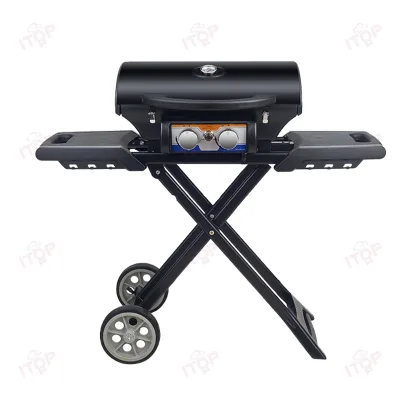
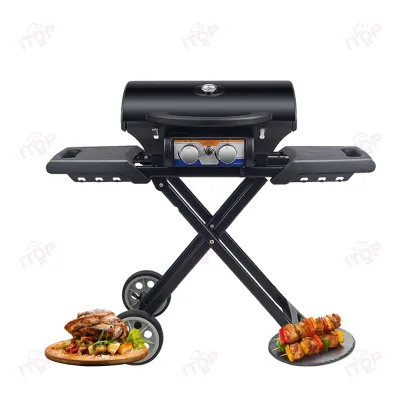
2 Burner Folding Gas Grill With Foldable Side Table and Trolley Portable Gas Grill
$182.908 - $227.058
MOQ: 2 pieces
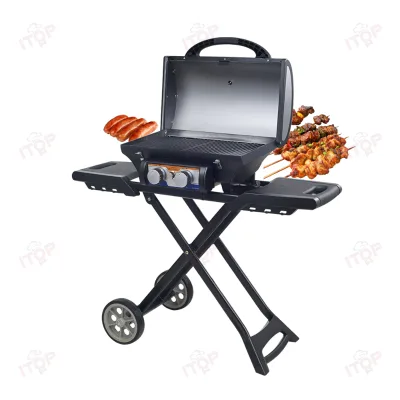


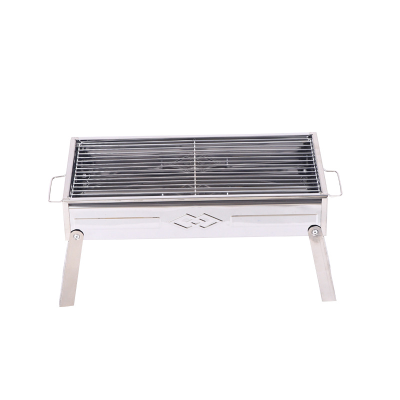
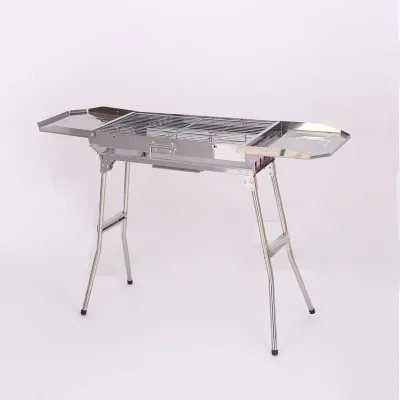
Stainless Steel Creative Folding Outdoor Grill Home BBQ Grill Portable Grill
$4.6214 - $4.9527
MOQ: 50 pieces
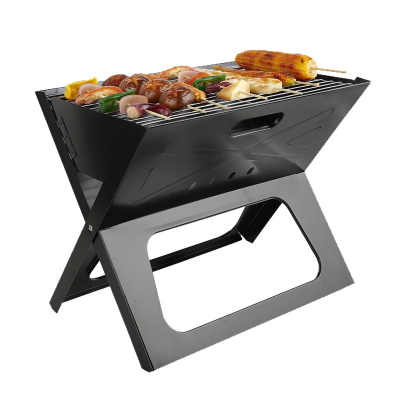
BBQ Grill for Camping Party Popular Outdoor Foldable Charcoal Barbecue
$8.8966 - $10.2502
MOQ: 100 Minimum
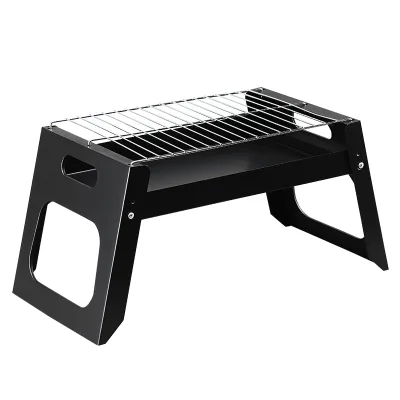
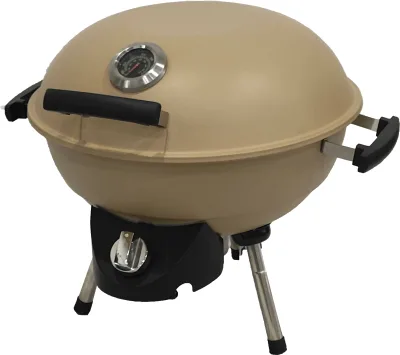
Portable Foldable Metal Outdoor Gas BBQ Grill with Manual Application and Simple Design
$26.5863 - $30.6755
MOQ: 200 sets


New Model Portable BBQ Outdoor Foldable Camping Charcoal Barbecue Grill
$17.50 - $19.50
MOQ: 200 Pieces

Comprehensive Sourcing Guide
Portable Folding Gas BBQ Grill Sourcing Guide
Procuring portable folding gas BBQ grills requires a nuanced understanding of dual-fuel capabilities and structural integrity, as these units must balance portability with robust cooking performance. Buyers should prioritize models that offer versatile fuel options, such as the observed dual-fuel configurations supporting both gas and charcoal, which cater to diverse outdoor and camping scenarios. The market presents a wide array of options, with observed product counts indicating a competitive landscape where customization is frequently available to meet specific brand or functional requirements.
When evaluating suppliers, it is essential to distinguish between standard off-the-shelf items and those tailored for specific commercial or retail needs. The presence of features like adjustable height and foldable designs suggests a focus on user convenience and space efficiency, which are critical for portable applications. Buyers must verify that the folding mechanisms do not compromise the stability of the grill during use, ensuring that the structural design supports the intended weight and heat distribution without failure.
Product Scope and Observed Listing Signals
The current market for portable folding gas BBQ grills exhibits a broad price range, observed between $3.8 and $1,099 USD, reflecting significant variations in material quality, brand positioning, and included accessories. Minimum order quantities (MOQs) vary widely from 1 to 1,450 units, indicating that suppliers cater to both small-scale retailers seeking sample orders and large distributors requiring bulk shipments. This disparity in pricing and volume requirements necessitates careful alignment with your procurement budget and inventory turnover expectations to avoid overstocking or insufficient supply.
Product attributes observed in listings highlight key differentiators such as powder-coated finishes, chrome plating, and specific material compositions like cold-rolled steel and die-casting aluminum alloy. These finishes are crucial for environmental resistance, ensuring the grills can withstand all-weather outdoor use while maintaining corrosion resistance through high-temperature paint coatings. Buyers should note that included components often consist of grill parts and grates, but the extent of assembly required and the inclusion of safety devices like oxygen depletion sensors vary significantly between models.
Technical Specifications to Verify
Technical verification must begin with dimensional accuracy, as portable grills often come in compact packing sizes such as 1120x520x420mm or 65x43x51cm to facilitate easy storage and transport. The overall product dimensions, such as 1130x440x970mm for certain models, dictate the footprint on outdoor tables or camping sites, requiring buyers to ensure compatibility with their target users' space constraints. Additionally, the item weight, observed around 24kg for some units, impacts portability, so lighter alternatives or models with compact storage features should be considered for frequent travel scenarios.
Fuel efficiency and heat input are critical performance metrics, with observed gas consumption rates of 300g/hr per burner and nominal heat inputs of 3.0 kW per burner. Buyers should verify the material of the gas tube, often stainless steel, and the grill plate material, which may be die-cast pig iron or 304 steel, to ensure durability and even heat distribution. The thickness of components, such as 0.5 mm plates, also influences longevity, so confirming these specifications against supplier datasheets is essential to prevent premature wear or structural failure under high-temperature conditions.
Compliance and Safety Documentation
Safety is paramount in gas appliance procurement, with observed certifications including CCC, AGA, CE, EMC, GS, and ITS indicating varying levels of regulatory compliance across different markets. Buyers must ensure that the supplier provides valid certificates for the specific models being ordered, as these documents are often required for customs clearance and retail compliance in destination countries. The presence of safety devices, such as oxygen depletion safety devices and flame safety devices, should be explicitly confirmed in the product specifications to mitigate risks associated with gas leaks or improper combustion.
Documentation should also cover environmental and operational standards, such as the overall size standards and specific product standards like portable dual-fuel BBQ grill classifications. Buyers should request test reports that validate the efficiency of the powder-coated or power-coated finishes in resisting corrosion and high temperatures, as these factors directly impact the product's lifespan and user safety. Ensuring that all safety mechanisms are functional and certified helps protect your brand from liability and enhances customer trust in the product's reliability.
Cost Drivers and Commercial Terms
Cost structures for portable folding gas BBQ grills are influenced by material choices, such as the use of cold-pressed plates versus die-casting aluminum, and the complexity of the folding design. Buyers should analyze the gross weight and net weight ratios, observed as 24.80kg/19.5kg or 2.2kg/24.5kg for different models, to understand shipping costs and packaging efficiency. The packing configuration, whether in cartons containing 10 pieces or individual boxes, also affects logistics costs, so optimizing packaging density can significantly reduce per-unit shipping expenses.
Commercial terms must be negotiated with attention to lead times and customization capabilities, as observed customization options allow for tailored features but may extend production schedules. Buyers should clarify whether the supplier offers tiered pricing based on volume, especially given the wide MOQ range, and ensure that payment terms align with cash flow requirements. Additionally, confirming the origin of the products, such as Qingdao or general China origins, can impact tariff classifications and supply chain resilience, so diversifying suppliers may be a prudent strategy.
Supplier Qualification and Quality Control
Supplier qualification should involve a thorough review of their manufacturing capabilities, particularly their expertise in metal fabrication processes like die-casting and cold rolling. Buyers should verify that the supplier has established quality control protocols for inspecting critical components such as the grill grate, gas tubes, and folding hinges, which are prone to wear and tear. Requesting samples for physical inspection allows buyers to assess the ease of assembly, the stability of the foldable design, and the overall finish quality, including the uniformity of powder coating or chrome plating.
Quality control checks should also include functional testing of the gas ignition system and the effectiveness of safety devices under simulated operating conditions. Buyers should ensure that the supplier provides clear assembly instructions and that the included components are complete and free from defects. Establishing a clear communication channel for addressing any quality issues post-delivery is essential, as is verifying the supplier's ability to handle returns or replacements for defective units, thereby protecting your inventory investment.
Long-Term Procurement Checks
Long-term procurement success depends on monitoring supplier performance metrics, such as on-time delivery rates and consistency in product quality across multiple orders. Buyers should regularly review customer feedback and return rates to identify any recurring issues with the folding mechanisms or gas efficiency, which can inform future purchasing decisions. Maintaining a diverse supplier base can mitigate risks associated with supply chain disruptions, ensuring that you can meet demand fluctuations without compromising on product availability or quality.
Continuous evaluation of market trends and technological advancements in portable grilling equipment is also crucial for staying competitive. Buyers should stay informed about emerging materials and safety standards that may impact product design and compliance requirements. By proactively adapting to these changes and maintaining strong relationships with qualified suppliers, you can ensure a steady supply of high-quality portable folding gas BBQ grills that meet evolving consumer expectations and regulatory standards.
FAQs
What certifications do these portable folding gas BBQ grills have?
These grills hold multiple certifications including CCC, AGA, CE, EMC, GS, and ITS. These marks indicate compliance with safety and quality standards required for international markets. Buyers should verify specific certification documents with suppliers before placing large orders to ensure regulatory alignment.
How can I customize the Portable Folding Gas BBQ Grill design?
Customization is available for these portable folding gas BBQ grills to meet specific buyer requirements. Suppliers can adjust features like color, finish type, or included components based on your needs. Contact vendors directly to discuss specific customization options and any associated costs or lead times.
What safety devices are included in the Portable Folding Gas BBQ Grill?
The product includes safety devices such as an Oxygen Depletion Safety Device and a Flame Safety Device. These features ensure safe operation during outdoor use by monitoring gas levels and preventing accidental ignition. Always check that these devices are functional before each use to maintain safety standards.
Which materials are used for the main structure and grill plate?
The main material consists of Cold Rolled steel and Die-Casting Aluminum Alloy, while the grill plate is made of Die Casting Pig Iron. Some models also feature 304 Steel for the grill material. These durable materials ensure high heat resistance and longevity for frequent outdoor cooking activities.
Can the Portable Folding Gas BBQ Grill be easily assembled?
Yes, the product is designed to be easily assembled and features a foldable structure for compact storage. Assembly is required upon delivery, but the design simplifies the process for users. Follow the included instructions to ensure proper setup and safe operation of the grill components.
What is the typical weight and packing size for this grill?
The item weight is approximately 24kg with a gross weight of 24.80kg. The packing size varies by model but is generally around 1120x520x420mm or 65x43x51cm. These dimensions facilitate efficient shipping and storage while ensuring the product arrives safely to the destination.
Where are these portable folding gas BBQ grills manufactured?
These grills originate from Qingdao, China, as indicated by the product origin details. Manufacturing in this region allows for competitive pricing and access to established supply chains. Buyers should confirm the specific factory location with the supplier to verify production capabilities and quality control measures.