Source Wireless Dance Pad for Home, Gym, and Commercial Use
Compare 30 Wireless Dance Pad options from verified suppliers. Explore models with varying sizes, materials, and features to find the right solution for home, gym, or commercial applications. These mats support motion sensing games and fitness routines with customizable logos and durable PVC construction.
Updated
Key considerations
Products List

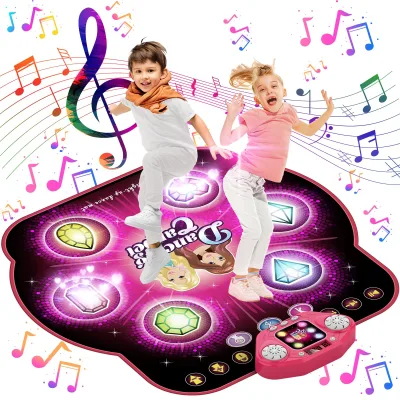


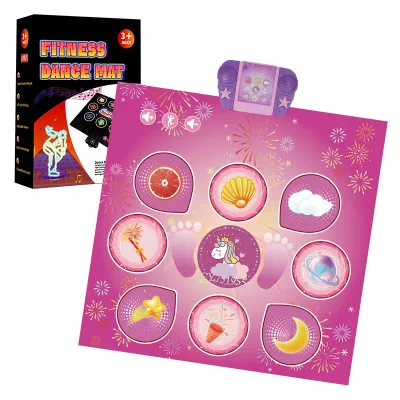


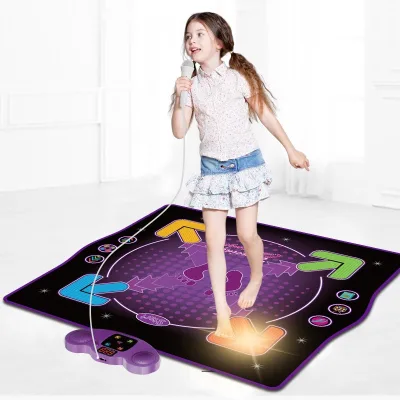
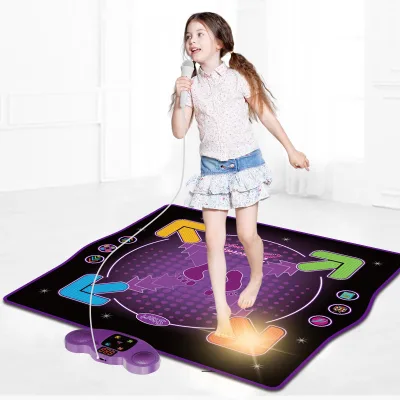

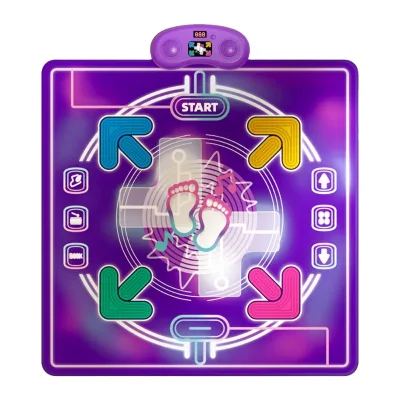

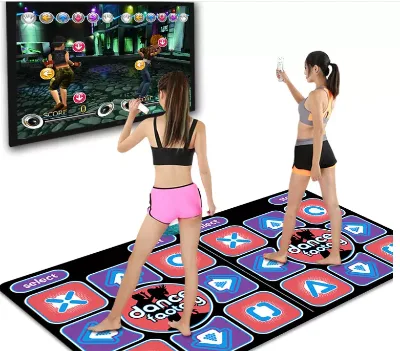


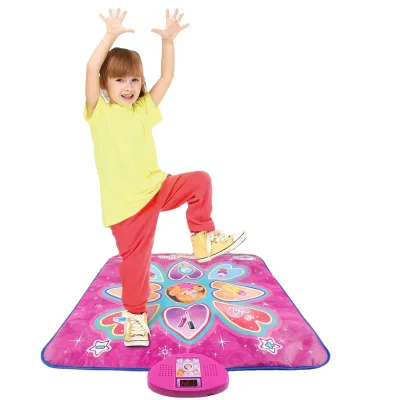
Comprehensive Sourcing Guide
Wireless Dance Pad Sourcing Guide
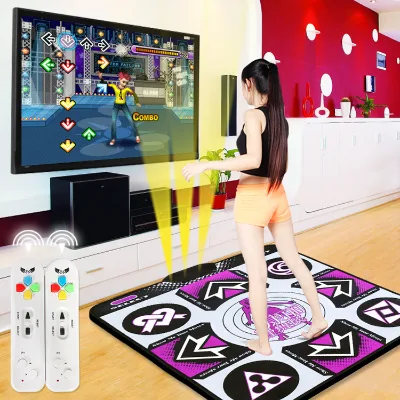
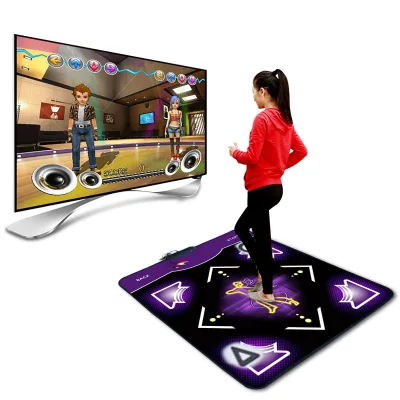
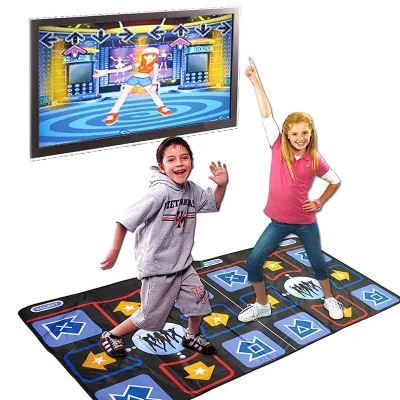
Procuring wireless dance pads requires a strategic approach to balancing interactive entertainment with physical fitness objectives. Buyers must evaluate how these devices integrate into home entertainment systems or commercial gaming venues. The core appeal lies in the motion-sensing technology that translates physical movement into digital gameplay, offering a unique blend of leisure and exercise. Understanding the specific functional attributes, such as portability and non-slip surfaces, is essential for selecting the right product for your target market.
This guide outlines the critical steps for sourcing high-quality wireless dance pads from manufacturers, primarily located in industrial hubs like Jiangsu, China. It focuses on verifying technical specifications, ensuring compliance with safety standards, and managing commercial terms effectively. By adhering to these evidence-based procurement practices, buyers can mitigate risks associated with product performance, durability, and supplier reliability. The following sections provide detailed insights into product scope, technical verification, and long-term quality assurance.
Product Scope and Observed Listing Signals
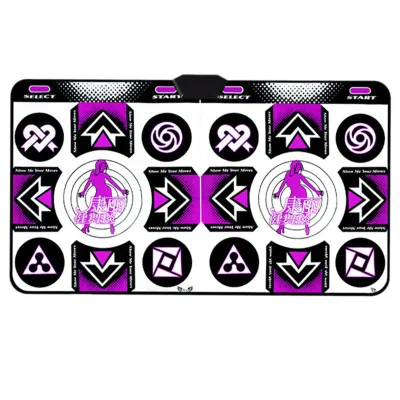
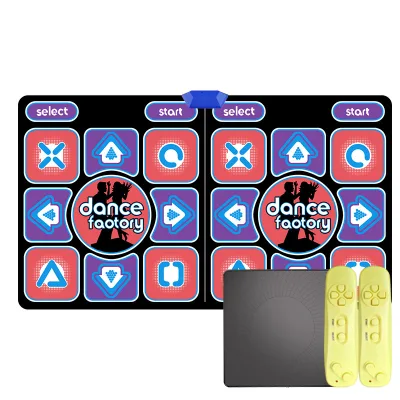
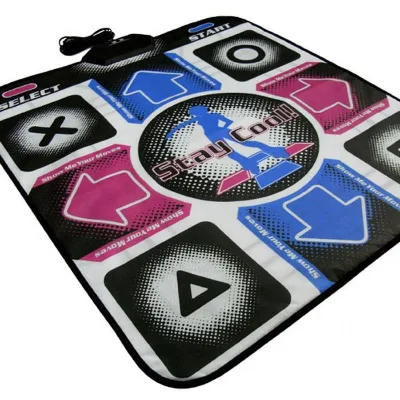
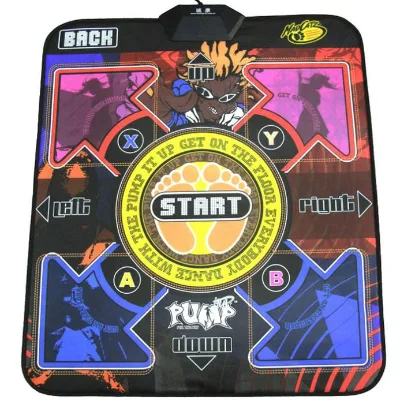
The current market for wireless dance pads features a diverse range of models designed for various user demographics and usage scenarios. Listings indicate products with specific model numbers such as JH-DP002B, JH-DP001, and JH-DP002A, each catering to different size and functionality requirements. For instance, some models are designed as single dance pads with dimensions around 9183cm, while others offer double dance mats measuring up to 16694cm. These variations allow buyers to select products that fit specific spatial constraints, whether for compact home use or larger commercial gym environments.
Material composition and customization options are significant factors in product selection. Most observed listings utilize PVC or a combination of PVC and EVA materials, ensuring durability and eco-friendly characteristics. Buyers can often request custom logos and packaging, which is crucial for branding purposes in retail or promotional campaigns. The observed price range of 1-54 USD suggests a competitive market with options for both budget-conscious and premium segments. Minimum order quantities typically start at 10 pieces, providing flexibility for small businesses and larger distributors alike.
Technical Specifications to Verify
Verifying technical specifications is paramount to ensuring the dance pads meet performance expectations. Key attributes to confirm include the interface type, which is predominantly USB, and the plug type, which varies by region, such as US or Swiss plugs. Buyers should also verify the thickness of the mats, with observed values around 11mm, to ensure adequate cushioning and stability during intense gameplay. The single gross weight, ranging from 3.0 kg to 140.000 kg depending on the model, impacts shipping costs and handling requirements, so accurate data is essential for logistics planning.
Packaging and dimensional specifications are critical for storage and distribution efficiency. Observed single package sizes vary, with some models measuring 40X30X10 cm and others up to 56X25X20 cm. Buyers must ensure that the packaging, whether box or poly bag, protects the product during transit. Additionally, the production capacity of suppliers, often cited as 50,000 pieces per month, indicates their ability to fulfill large orders. Confirming these details helps in aligning inventory management with sales forecasts and prevents supply chain disruptions.
Compliance and Safety Documentation
Compliance with international safety standards is non-negotiable for electronic gaming accessories. Buyers must verify that suppliers hold relevant certifications, such as CE, which indicates conformity with health, safety, and environmental protection standards for products sold within the European Economic Area. This certification is crucial for market access in many regions and assures end-users of the product's safety. Without proper documentation, products may face customs delays or rejection, leading to significant financial losses and reputational damage.
Lifetime and durability claims also require substantiation through testing and certification. Some listings mention a lifetime of 50,000 to 100,000 hours, which suggests robust construction and reliable performance over time. Buyers should request test reports or certificates that validate these claims, ensuring that the dance pads can withstand prolonged use without failure. Additionally, verifying the eco-friendly nature of the materials, such as PVC or EVA, aligns with growing consumer demand for sustainable products. This due diligence enhances brand trust and reduces the risk of product recalls.
Cost Drivers and Commercial Terms
Understanding the cost drivers associated with wireless dance pads is essential for accurate budgeting and pricing strategies. Factors such as material costs, customization options, and packaging requirements significantly influence the final price. For example, custom logos and specific packaging types may incur additional charges, which buyers should negotiate upfront. The observed MOQ of 10 pieces offers flexibility, but larger orders may benefit from volume discounts, improving overall cost efficiency.
Commercial terms, including delivery times and payment conditions, play a crucial role in supply chain management. Suppliers often cite delivery times of 10-20 days, which buyers must factor into their inventory planning. Clear communication regarding lead times helps prevent stockouts and ensures timely product availability for customers. Additionally, negotiating favorable payment terms, such as partial upfront payments and balance upon shipment, can mitigate financial risks. Establishing a transparent commercial framework fosters a strong partnership with suppliers and supports long-term business success.
Supplier Qualification and Quality Control
Supplier qualification is a critical step in ensuring the reliability and consistency of Wireless Dance Pad supplies. Buyers should assess suppliers based on their production capacity, which is often reported as 50,000 pieces per month, indicating their ability to handle large orders. Verifying the supplier's location, such as Jiangsu, China, provides insight into their industrial ecosystem and logistical advantages. Additionally, checking for OEM capabilities ensures that suppliers can meet specific branding and customization needs.
Quality control measures must be rigorously enforced to maintain product standards. Buyers should implement pre-shipment inspections to verify product dimensions, material quality, and functional performance. Confirming that the dance pads are portable, non-slip, and durable aligns with customer expectations and reduces return rates. Establishing a clear quality assurance protocol, including sample approvals and batch testing, helps identify and rectify defects early in the production process. This proactive approach minimizes risks and ensures consistent product quality across all orders.
Long-Term Procurement Checks
Long-term procurement success depends on continuous monitoring and evaluation of supplier performance. Buyers should regularly review key performance indicators, such as delivery times, product quality, and responsiveness to issues. Maintaining open communication channels with suppliers facilitates timely resolution of any problems and strengthens the business relationship. Additionally, staying informed about market trends and technological advancements in wireless dance pads allows buyers to adapt their sourcing strategies accordingly.
Regular audits and feedback loops are essential for maintaining high standards. Buyers should conduct periodic audits to verify compliance with safety and quality standards, ensuring that suppliers adhere to agreed-upon specifications. Gathering feedback from end-users provides valuable insights into product performance and areas for improvement. By continuously refining procurement processes and supplier relationships, buyers can achieve sustainable growth and competitive advantage in the dynamic Wireless Dance Pad market. This strategic approach ensures long-term profitability and customer satisfaction.
FAQs
What are the available sizes for wireless dance pads?
Wireless dance pads come in various dimensions to suit different needs. The JH-DP002B model measures 91 by 83 cm, while the JH-DP001 double mat is 166 by 94 cm. The JH-DP002A variant offers a size of 164 by 93 cm. These options allow buyers to select the appropriate footprint for home or commercial use.
Can I customize the logo on these dance mats?
Yes, customization is available for these wireless dance pads. The product attributes indicate that is_customized is Yes and a custom logo is supported. Buyers can request specific branding to align with their business identity. This service allows for tailored marketing solutions while maintaining the core functionality and durability of the PVC or PVC+EVA materials used.
What certifications do these wireless dance pads have?
The JH-DP002A model holds CE certification, ensuring compliance with relevant safety standards. This certification is explicitly listed for this specific variant. Buyers should verify certification requirements for other models like JH-DP001 or JH-DP002B directly with suppliers. CE marking provides assurance of product quality and safety for the European market and other regions accepting this standard.
What is the typical lead time for production?
The delivery time for these wireless dance pads is typically 10 to 20 days. This lead time applies to the manufacturing and preparation of orders. Buyers should confirm exact schedules with suppliers, as capacity is listed at 50,000 pieces per month. Planning for this window ensures timely inventory replenishment for retail or commercial distribution channels.
What is the minimum order quantity for these mats?
The minimum order quantity varies by supplier and model. One listing specifies an MOQ of 10 pieces for the JH-DP002B model. Other suppliers may require higher volumes, with observed ranges up to 1,000 pieces. Buyers should check specific supplier terms to determine the lowest viable order size for their initial procurement needs.
Where are these wireless dance pads manufactured?
These wireless dance pads are produced in Jiangsu, China. This location is the stated place of origin for the products. Buyers sourcing from this region benefit from established manufacturing infrastructure. The production capacity is reported at 50,000 pieces per month, indicating significant output capability from factories in this area.