PS Cosmetic Cream Jar Suppliers and Manufacturers
Source 28 verified suppliers for PS Cosmetic Cream Jar. Compare key dimensions including MOQ, lead time, certifications, and response times. Review product specs and request quotes directly from manufacturers in China; review the available evidence before requesting comparable quotations from suitable candidates.
Updated
Suppliers List

YUYAO SHUOHONG COMMODITY CO., LTD.
- Verified by BV
- Combined
- China Zhejiang
- Lead time23 days
- Avg. response≤ 5h
Main productsMist Sprayer, Lotion Pump, Trigger Sprayer, Perfume Atomizer, Plastic Cap, Plastic Bottle, Cream Jar, Plastic Tube, Foam Pump, out Spring Lotion Pump
Main marketsSouth America,Africa,Southeast Asia/ Mideast,East Asia(Japan/ South Korea),Europe,Australia,North America


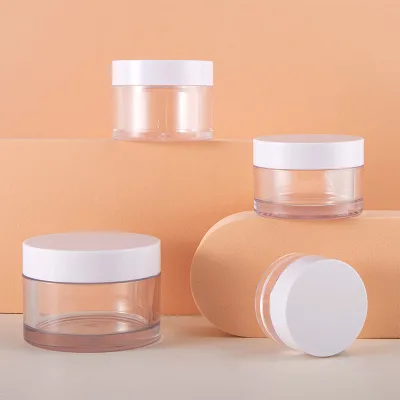
Round Shape Cosmetic Jar with White Plastic Cap, 50g Clear PS Material Plastic Skincare Cream Jar
$0.12 - $0.15
MOQ: 10000 Pieces

Empty Cute Small Mini 10ml PS Plastic Cosmetic Cream Jar with Flip Cap
$0.08 - $0.12
MOQ: 10000 Pieces

Yuyao Xianghao Mold Technology Company Limited
- Verified by BV
- Trading Company
- China Zhejiang
- Lead time30 days
- Avg. response≤ 7h
Main productsInjection Mold, Plastic Mold, Injection Molding, Rapid Prototyping, 3D Pritting, Manhole Cover Mold, Silicone Rubber Mould, Wire Rack, Car Air Compressor, LED Light
Main marketsNorth America

ningbo crown commodity co.,ltd
- Verified by SGS
- Combined
- China Zhejiang
- Lead time30 days
- Avg. response≤ 25h
Main productsPerfume Sprayer, Lotion Pump, Trigger Sprayer, Pet Bottle, Cosmetic Package, Eyeliner Package
Main marketsAfrica,Southeast Asia/ Mideast,Europe,North America

Ningbo Passen Technology Co., Ltd.
- Verified by BV
- Trading Company
- China Zhejiang
- Lead time30 days
- Avg. response≤ 10h
Main productsWide Mouth Jar, Cosmetic Bottle, Plastic Bottle, Cosmetic Jar, Cosmetic Packaging, Aluminum Bottle, Cream Jar, Plastic Packaging, Aluminum Jar, Lotion Bottle
Main marketsSouth America,Africa,Southeast Asia/ Mideast,East Asia(Japan/ South Korea),Europe,Australia,North America

Yuyao Zhuoxin Import & Export Co., Ltd.
- Trading Company,Manufacturer/Factory
- China Zhejiang
- Lead time0 days
- Avg. response≤ 13h
Main productsTrigger Sprayer, Lotion Pump, Mist Sprayer, Cream Pump, Plastic Vacuum Bottle, Plastic Acrylic Jar, Plastic Cap, Card/Pen Perfume Sprayer, Lipstick Case, Cream Jar
Main marketsSouth America,Eastern Europe,Mid East,North America,Southeast Asia,Eastern Asia,Oceania,Western Europe,Africa
Shijiazhuang Baotou Import And Export Trade Co., Ltd.
- Trading Company
- Hebei, China
- Lead time5 days
- Avg. response≤ 2h
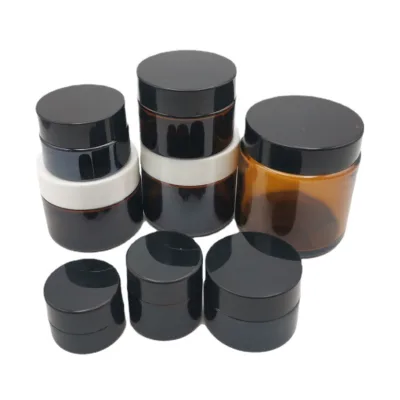
Main productsplastic Bottle,glass Bottle,cream jar,sticker,Paper Box
Main marketsNorth America(50.00%), Oceania(15.00%), South America(10.00%), Eastern Asia(5.00%), South Asia(5.00%), Southeast Asia(5.00%), Northern Europe(2.00%), Western Europe(2.00%), Eastern Europe(2.00%), Southern Europe(2.00%), Africa(1.00%), Mid East(1.00%)
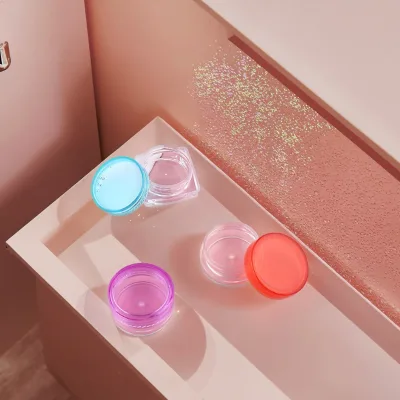
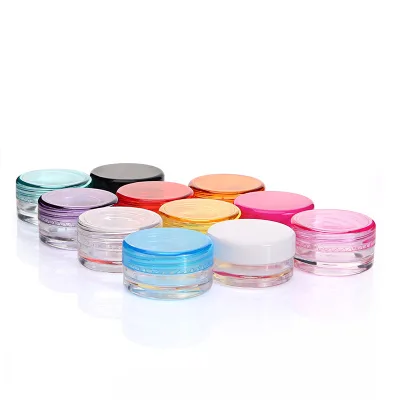
$0.0615 - $0.0922
MOQ: 100 pieces
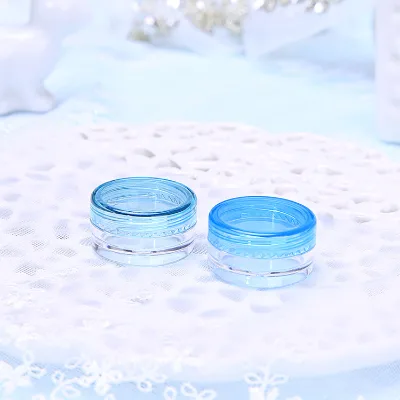

Ningbo Somewang Packaging Co., Ltd.
- Verified by SGS
- Combined
- China Zhejiang
- Lead time23 days
- Avg. response≤ 4h
Main productsCosmetic Packaging, Cosmetic Bottle, Plastic Bottle, Cosmetic Tube, Cream Jar, Lotion Pump, Mist Sprayer, Trigger Sprayer, Plastic Cap, Glass Bottle
Main marketsSoutheast Asia/ Mideast,Europe,North America


100ml/200ml PP Plastic Cosmetic Jar with Lid for Body Butter and Other Cream Cosmetics
$0.10 - $0.11
MOQ: 10000 Pieces
Hebei Meibo Packaging Products Co., Ltd.
- Verified by SGS Group
- Trading Company
- Lead time20 days
- Avg. response≤ 2h
Main productsPlastic Bottle, Glass Bottle, Glass Jar, Candle Jar, Food Jar
Main marketsNorth America(50%), South America(10%), Eastern Europe(5%)

Ningbo Fantasy Packaging Co., Ltd.
- Verified by SGS
- Trading Company,Manufacturer/Factory
- China Zhejiang
- Lead time23 days
- Avg. response≤ 7h
Main productsLotiton Pump, Trigger Sprayer, Mini Sprayer, Foam Pump, Mist Sprayer, Card Sprayer, Plastic Cap, Plastic Jar, Plastic Bottle, Airless Bottle
Main marketsSouth America,Eastern Europe,Mid East,North America,Southeast Asia,Eastern Asia,Oceania,Western Europe,Africa
Jinhua Allies Import And Export Co., Ltd.
- Manufacturer, Trading Company
- Zhejiang, China
- Lead time0 days
- Avg. response≤ 4h
Main productsCanister,Cosmetic packaging,Glass Packaging,Metal Packaging
Main marketsDomestic Market(68.00%), Western Europe(15.00%), South America(12.00%), North America(3.00%), South Asia(1.00%), Mid East(1.00%)
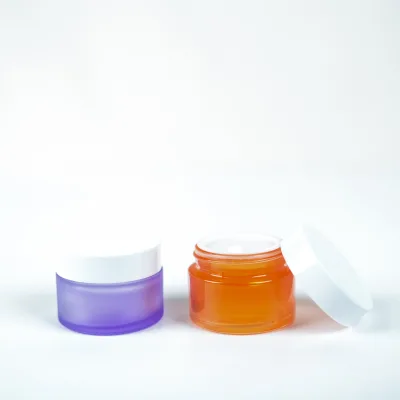
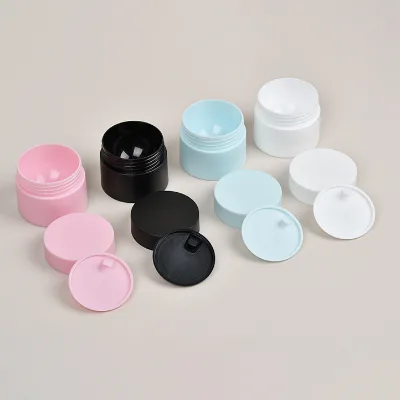
Fashionable 50g Colored Frosted Plastic Cosmetic Jars Cream Jar with Screw Cap
$0.10 - $0.85
MOQ: 10000 Minimum
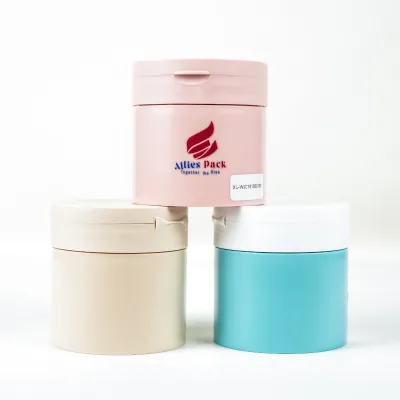
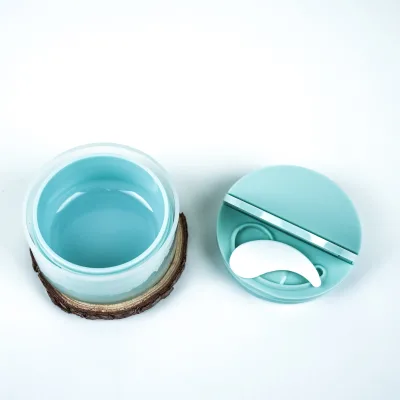
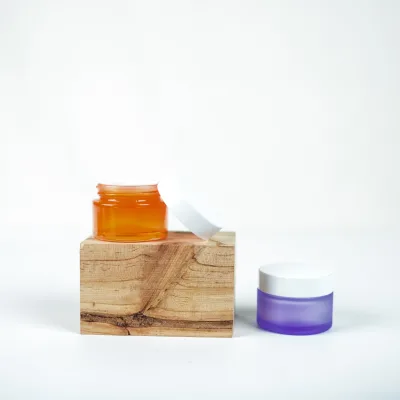
Round Shape Face Cream Jar Transparent Cream Jar Pet Lip Balm Container
$0.10 - $0.75
MOQ: 10000 Minimum

YUYAO YUHUI COMMODITY CO., LTD.
- Verified by BV
- Combined
- China Zhejiang
- Lead time30 days
- Avg. response≤ 4h
Main productsTrigger Sprayer, Lotion Pump, Cosmetic Jar, Plastic Bottle, Plastic Case, Plastic Cap, Fine Mist Sprayer, Foam Pump, Treatment Pump, Plastic Travel Bottle Set
Main marketsSouth America,Africa,Southeast Asia/ Mideast,East Asia(Japan/ South Korea),Europe,Australia,North America

Colorful 5ml PS Plastic Cosmetic Jars with Lids Cream Packaging Container Jar
$0.019 - $0.25
MOQ: 10000 Pieces

Plastic Face Cream Skin Care Cream Body Cosmetic Container Jar with Caps
$0.019 - $0.25
MOQ: 10000 Pieces

Hot Sale Cosmetic Cream Jar Plastic Cream Jar Travel for Cosmetic Packaging
$0.019 - $0.25
MOQ: 10000 Pieces

30ml/50ml/100ml/200ml Plastic Cream Jar Cosmetics Packaging Cosmetic Cream Jar
$0.019 - $0.25
MOQ: 10000 Pieces

Factory Price Empty Cosmetic Plastic Jars Cream Container Jars with Lid
$0.019 - $0.25
MOQ: 10000 Pieces

Ningbo Beyon Plastic Co., Ltd.
- Manufacturer
- Zhejiang, China
- Lead time25 days
- Avg. response≤ 7h
Main productsPET Bottles, Airless Bottle, PET Thick Wall Bottle, Travel Kit, Sprayer Parts
Main marketsNorth America(30.00%), Southern Europe(20.00%), Domestic Market(20.00%), Southeast Asia(20.00%), Oceania(5.00%), Eastern Asia(5.00%)
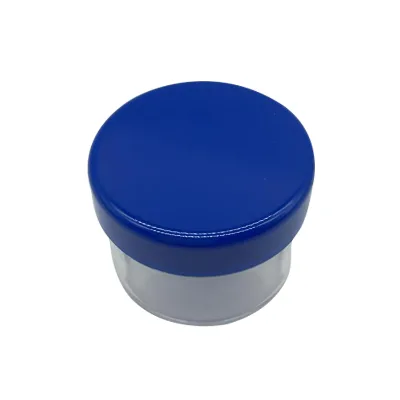
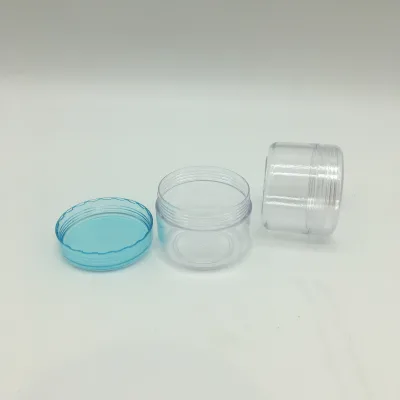
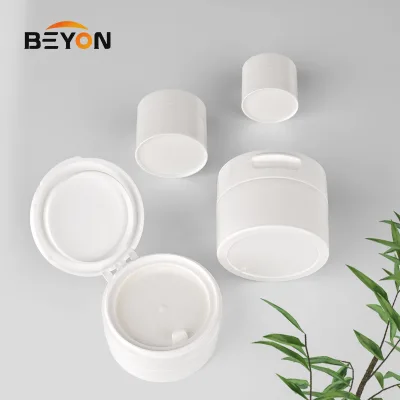
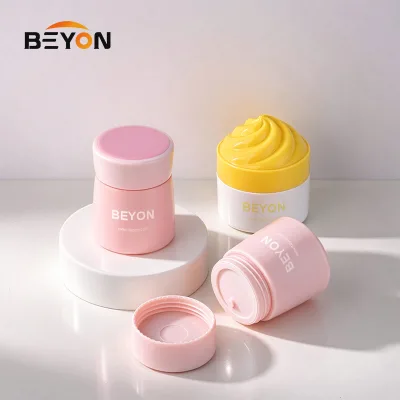
Customized Color 50ml Round Plastic PS Cosmetics Skin Care Crea Jar
$0.1601 - $0.1705
MOQ: 10000 pieces

Hebei Gloss Packing Products Co., Ltd.
- Trading Company
- Hebei, China
- Lead time0 days
- Avg. response≤ 3h
Main productsBamboo Packaging, Glass Oil Bottle, Acrylic Cream Jar, Personal Beauty Device
Main marketsNorth America(50.00%), Western Europe(15.00%), Oceania(10.00%), Mid East(10.00%), Southeast Asia(10.00%), South America(5.00%)
Shijiazhuang Sanqi Energy Saving Technology Co., Ltd.
- Trading Company
- Hebei, China
- Lead time20 days
- Avg. response≤ 5h
Main productsplastic jar,Plastic bottle,glass jar,glass bottle,Aluminum jar bottle
Main marketsEastern Europe(10.00%), North America(10.00%), Southern Europe(9.00%), South Asia(8.00%), Oceania(8.00%), Western Europe(7.00%), Eastern Asia(7.00%), Mid East(7.00%), Southeast Asia(7.00%), Domestic Market(6.00%), Central America(6.00%), Northern Europe(5.00%), South America(5.00%), Africa(5.00%)
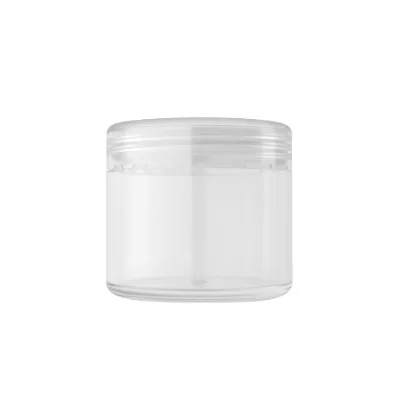
1oz 30g PS plastic cosmetic cream jar for lip balm hand eye cream with clear caps cosmetic cream
$0.07 - $0.12
MOQ: 1000 pieces
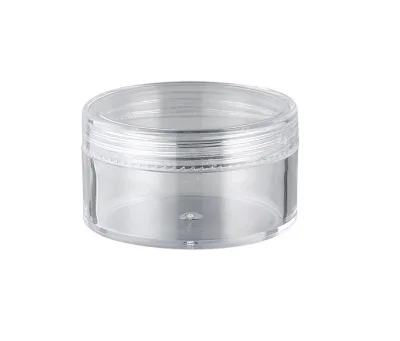
10g cosmetic jar ps round empty clear plastic containers for day and night cream packaging
$0.05 - $0.08
MOQ: 1000 pieces

Jinhua Allies Import and Export Co., Ltd.
- Verified by SGS
- Manufacturer/Factory
- China Zhejiang
- Lead time23 days
- Avg. response≤ 6h
Main productsCanister, Container, Bottle, Cosmetic, Make up, Plastic Packaging, Eyeshadow, Palette, Box, Compact Case
Main marketsSouth America,Mid East


Wholesale 50g PP Cream Bottle Cream Box Cosmetic Sub-Bottle Cosmetic Jar
$0.25 - $0.85
MOQ: 10000 Pieces

Shaoxing Xinglong Packaging Technology Co., Ltd.
- Verified by SGS
- Trading Company,Manufacturer/Factory
- China Zhejiang
- Lead time150 days
- Avg. response≤ 5h
Main productsPlastic Bottle, Plastic Airless Bottle, Glass Bottle, Plastic Jar, Coametic Bottle, Foundation Bottle, Lotion Bottle, Glass Jar, Dropper Bottle, Spray Bottle
Main marketsSouth America,Eastern Europe,Mid East,North America,Southeast Asia,Eastern Asia,Western Europe,Africa
Hebei Laiyan Technology Co., Ltd.
- Trading Company
- Hebei, China
- Lead time7 days
- Avg. response≤ 2h
Main productsglass storage jar,glass bottles and jars,plastic bottles and jars,aluminum bottles and tins,caps accessories
Main marketsEastern Europe(20.00%), Eastern Asia(20.00%), Africa(15.00%), Western Europe(10.00%), South America(10.00%), North America(10.00%), Oceania(8.00%), Southeast Asia(5.00%), Mid East(2.00%)

guangzhou huaxin plastic product co.ltd
- Verified by CTI
- Combined
- China Guangdong
- Lead time30 days
- Avg. response≤ 4h
Main productsPlastic Tube, Cosmetic Tube, Soft Tube, Plastic Tube Packaging, PE Tube, Clear Plastic Tube, Hand Cream Tube, Eye Cream Tube, Pet Bottle, Cosmetic Jar
Main marketsSouth America,Africa,Southeast Asia/ Mideast,East Asia(Japan/ South Korea),Domestic,Europe,Australia,North America

Guangzhou Jialian Trading Co., Ltd.
- Manufacturer, Trading Company
- Guangdong, China
- Lead time20 days
- Avg. response≤ 3h
Main productsGlass Bottlle,Plastic Bottle,Soft Tubes,Lipstick Tubes,Paper Boxes
Main marketsNorth America(30.00%), Mid East(10.00%), Oceania(10.00%), Eastern Europe(10.00%), South America(10.00%), Africa(5.00%), Southeast Asia(5.00%), Eastern Asia(4.00%), Southern Europe(3.00%), Northern Europe(3.00%), Central America(3.00%), Western Europe(3.00%), Domestic Market(2.00%), South Asia(2.00%)

Anhui Avantis Packaging Technology Co., Ltd.
- Verified by CTI
- Trading Company
- China Anhui
- Lead time23 days
- Avg. response≤ 5h
Main productsGlass Bottle, Glass Container, Rolling Tray, Mylar Bag, Rolling Cone Tube, Plastic Joint Tubes, Glass Tube, Hinged Cap Vials, Child-Resistant Packaging, Sitz Bath
Main marketsSouth America,Africa,Southeast Asia/ Mideast,Europe,Australia,North America

Guangzhou Shengni Plastic Products Co., Ltd.
- Verified by SGS
- Trading Company
- China Guangdong
- Lead time15 days
- Avg. response≤ 4h
Main productsPlastic Bottle, Plastic Cap, Plastic Pump, Fine Mist Sprayer, Plastic Preform, Trigger Sprayer, Cream Pump, Sprayaer Bottle, Sprayer Pump, Lotion Bottle
Main marketsAfrica,Southeast Asia/ Mideast,Europe
Ningbo Longway Packaging S&t Co., Ltd.
- Manufacturer, Trading Company
- Lead time旺季: "1 - 10000":30,"10001 - 50000":30,"> 50000":"To be negotiated", 淡季: "1 - 10000":30,"10001 - 50000":30,"> 50000":"To be negotiated"
- Avg. response≤ 5h
Main productsPE Foam Bottle, PE Lotion Bottle, PET Bottle, PET Round Bottle, PP Cream Jar

- Verified by CTI
- Trading Company
- China Zhejiang
- Lead time30 days
- Avg. response≤ 3h
Main productsAirless Bottle, Glass Bottle, Comb, Cosmetic Packaging, Food Packaging, Sprayer, Lotion Pump Machine, Gift, Roll on Ball
Main marketsAfrica,Southeast Asia/ Mideast

Ningbo Langyi Plastic Industry Co., Ltd.
- Verified by TUVRHEINLAND
- Combined
- China Zhejiang
- Lead time23 days
- Avg. response≤ 3h
Main productsCosmetic Packaging, Trigger Sprayer, Mist Sprayer, Lotion Pump, Cream Pump, Cosmetic Bottle, Acrylic Bottle, Airless Bottle, Cream Jar, Packaging Bottles
Main marketsSouth America,Southeast Asia/ Mideast,Europe


Hot Sale Colorful Plastic Cosmetic Jar PP Cream Containers Plastics Jar for Cosmetics and Skincare
$0.059 - $0.062
MOQ: 10000 Pieces

Hebei Mailang Packaging Products Co., Ltd.
- Trading Company
- Hebei, China
- Lead time10 days
- Avg. response≤ 6h
Main productsCosmetic set,Airless pump bottle,Spray bottle,Dropper bottle,Lotion pump bottle
Main marketsSouth America(30.00%), South Asia(10.00%), Southeast Asia(10.00%), Eastern Europe(10.00%), North America(10.00%), Southern Europe(4.00%), Western Europe(4.00%), Oceania(4.00%), Domestic Market(3.00%), Africa(3.00%), Eastern Asia(3.00%), Northern Europe(3.00%), Central America(3.00%), Mid East(3.00%)

Ningbo Beixuan International Trading Co., Ltd.
- Verified by TUVRHEINLAND
- Manufacturer/Factory
- China Zhejiang
- Lead time15 days
- Avg. response≤ 9h
Main productsPlastic Bottle, Plastic Cup, Plastic Honey Jar, Plastic Food Container, Glass Juice/ Beverage Bottle, Glass Jar, Glass Wine Bottle, Glass Essential Oil Bottles, Cosmetic & Perfume Glass Bottles, Paper Cup
Main marketsSouth America,Eastern Europe,Mid East,North America,Southeast Asia,Eastern Asia,Oceania,Western Europe,Africa
- Trading Company
- Shandong, China
- Lead time35 days
- Avg. response≤ 5h
Main productsAirless Bottle,Lotion Bottle,Cosmetic Jar,Plastic cap,Trigger Sprayer
Main marketsWestern Europe(44.00%), North America(20.00%), Eastern Europe(15.00%), Mid East(12.00%), Oceania(5.00%), Southeast Asia(3.00%), Eastern Asia(1.00%)
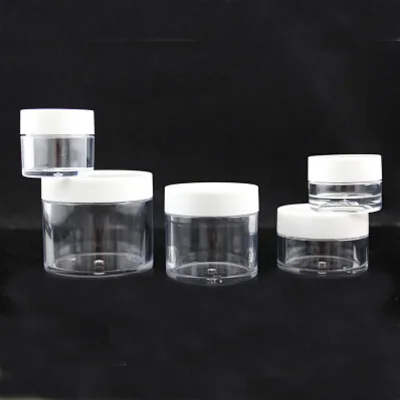
$0.05 - $0.80
MOQ: 10000 Minimum
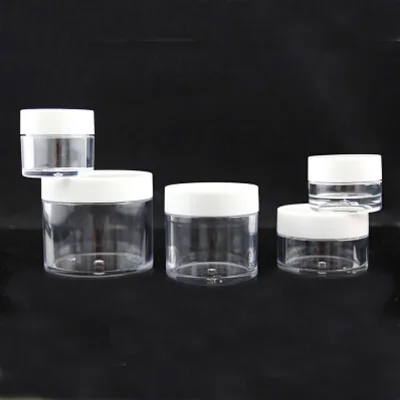
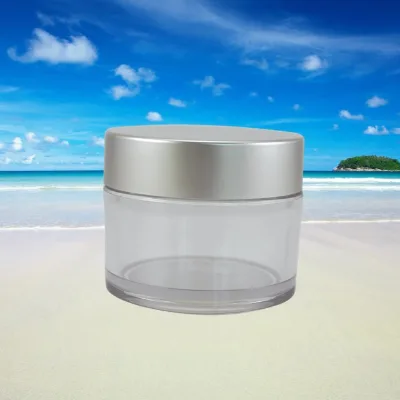
5ml 10ml 15ml 30ml 50ml 150ml 450ml High Quality Clear Plastic Cosmetic CreamJar of JAR-86
$0.7884
MOQ: 10000 Minimum

Chenghang Technology Shijiazhuang Co., Ltd.
- Trading Company
- Hebei, China
- Lead time5 days
- Avg. response≤ 6h
Main productsPackaging products,plastic bottle,glass bottles,aluminum cans,paper bags
Main marketsNorth America(50.00%), Mid East(10.00%), Western Europe(10.00%), South America(10.00%), Domestic Market(5.00%), Southern Europe(5.00%), South Asia(3.00%), Oceania(1.00%), Southeast Asia(1.00%), Africa(1.00%), Northern Europe(1.00%), Central America(1.00%), Eastern Europe(1.00%), Eastern Asia(1.00%)








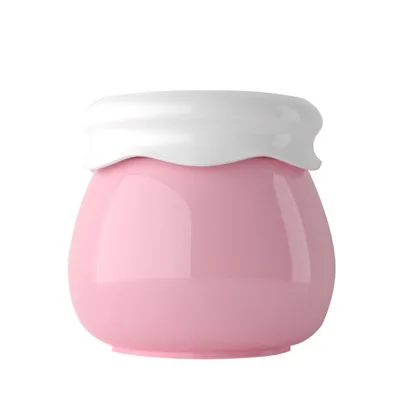
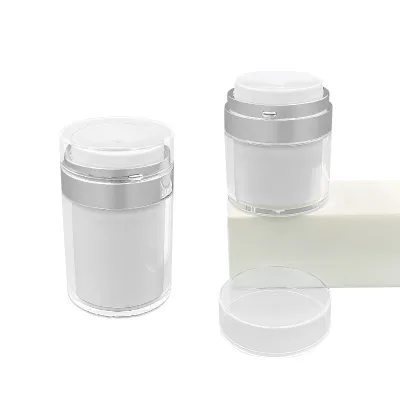
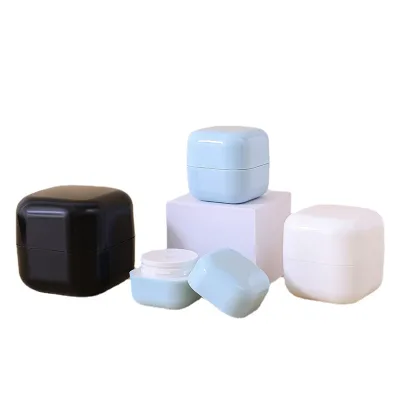


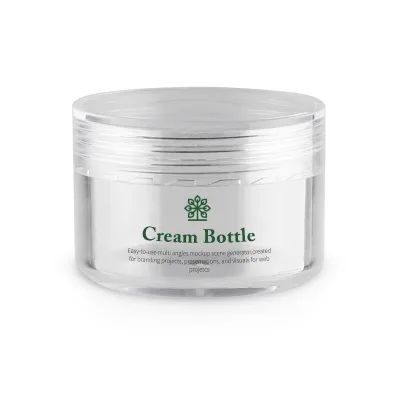
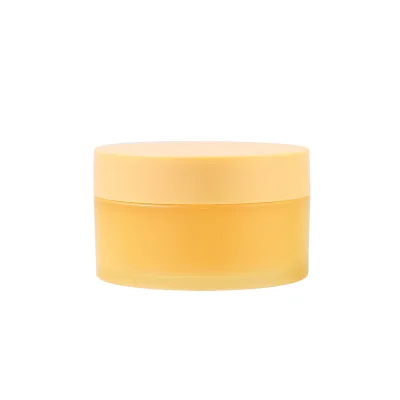


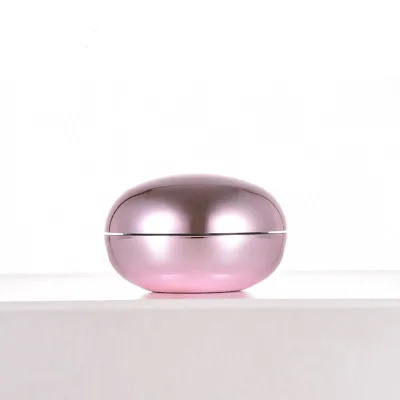
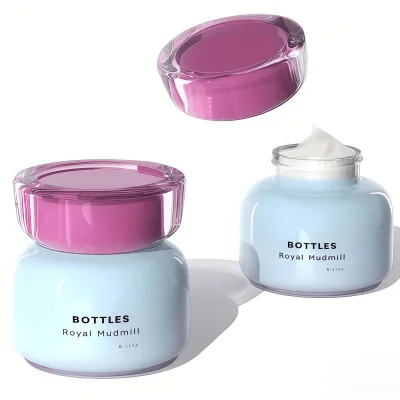


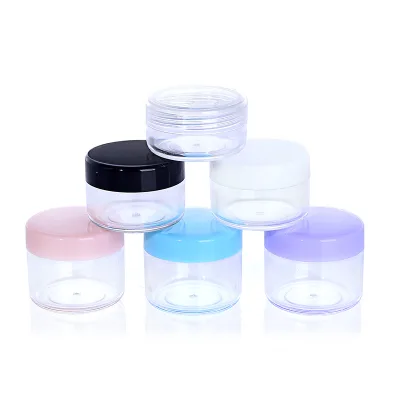
Comprehensive Sourcing Guide
PS Cosmetic Cream Jar Supplier Concentration and Factory Types
Buyers searching for a PS Cosmetic Cream Jar will find suppliers concentrated in China, with Zhejiang Province appearing prominently in current supplier results and Ningbo listed as a product origin for some listings. Zhejiang is a recognized hub for plastic packaging components, and the supplier mix there typically includes both combined manufacturers and trading companies. Combined manufacturers often list broader component portfolios—mist sprayers, lotion pumps, trigger sprayers, perfume atomizers, plastic caps, bottles, cream jars, and tubes—which signals in-house molding and assembly capability. Trading companies, by contrast, may list packaging items alongside unrelated goods such as injection molds, rapid prototyping, or LED lights, which suggests they broker production rather than run jar-specific lines.
Understanding this distinction matters because factory type shapes pricing, customization depth, and accountability. Manufacturer-type listings in this category commonly show ODM and OEM capacity, multiple sizes from small 2.5ml, 3ml, 5ml, 10ml, 15ml, 20ml, and 30ml jars up to 50ml formats, and per-unit pricing in the low single cents to around $0.15 depending on size and volume. Trading companies may quote lower entry MOQs, sometimes as low as 100 pieces for larger jars, which suits sampling or short runs but can add a margin layer. When a supplier's main products are dominated by dispensing components rather than jars, ask directly whether jar production is in-house or subcontracted, and request the producing factory's details before committing to tooling or bulk orders.
How to Verify PS Cosmetic Cream Jar Suppliers
Verification should start with the credentials actually displayed on supplier listings, because these are the only claims you can initially trust. In current results, some suppliers hold ISO9001:2015 system certification, and some carry third-party verification badges from BV or SGS. Neither badge guarantees product quality on its own, but both indicate the profile has passed an external review process, which reduces the risk of dealing with an unverifiable shell. Product-level evidence also helps: one listing cites SGS as a product standard, and others reference ISO, CE, and CIQ in product attributes. Confirm any of these claims by asking for the certificate number and checking it against the issuing body's database rather than accepting a logo on a page.
Beyond badges, verify operational reality through direct questions and document requests. Ask for the business license, a recent ISO9001:2015 scope document covering plastic packaging if the certificate is claimed, and factory photos or a live video walkthrough showing jar molding, decoration, and assembly lines. For a PS Cosmetic Cream Jar specifically, request material declarations confirming polystyrene grade and ask whether food-contact or cosmetic-grade resin documentation is available. Test responsiveness before ordering: displayed response times in current results range from under five hours to around twenty-five hours, so send a technical question and measure the actual reply. Finally, verify that the named contact is an employee of the verified entity, not a third party, and cross-check the company name on the certificate against the one on quotations and bank details.
What to Compare Across PS Cosmetic Cream Jar Suppliers
Build a comparison table from the attributes suppliers actually display, then fill gaps by asking. Useful dimensions in this category include lead time, MOQ, response speed, location, main products, company type, verification status, and customization capability. Current listings show lead times ranging from roughly 20 to 30 days, and MOQs that vary dramatically by size and supplier—from 100 pieces on some larger jars, to 1,000 pieces, to 10,000 pieces on 20ml and 25ml formats, up to 50,000 pieces on a 50ml clear PS jar. Quoted unit prices span from about one cent to $0.15 depending on jar size and order volume, so normalize comparisons by comparing the same capacity and finish across suppliers.
Also compare customization depth and product breadth. Listings marked "Customization Available" differ in what that means in practice, so ask each supplier whether custom colors, caps, and decorations are done in-house or outsourced, and request samples of their nearest existing model—one current listing, for example, offers sizes from 2.5ml to 30ml under a single model family with screw-cap sealing. Response time is a meaningful operational signal: a supplier answering in hours is easier to work with across time zones than one taking a day or more. Company type matters too, since a combined manufacturer with ODM and OEM capacity can typically modify tooling, while a trading company coordinates it. Weight these factors against your volume: high-volume buyers should prioritize factory-direct MOQs and lead times, while small brands may accept a trading partner's flexibility.
Common PS Cosmetic Cream Jar Sourcing Risks
The most frequent risk in this category is material substitution. Polystyrene is chosen for its clarity and rigidity, but a supplier under cost pressure may ship a different resin or recycled blend that clouds, cracks, or fails drop tests. Because several listings list material simply as "Plastic," never assume PS without a written specification. Second is MOQ mismatch: a buyer may start with a trading company offering 100-piece orders, then discover the producing factory's real minimum is 10,000 or 50,000 pieces when scaling up, forcing a supplier change and new tooling. Confirm the producing entity and its true minimum before the first order, not after.
Other risks include size and finish inconsistency across production runs, since jar families spanning 2.5ml to 50ml are often molded on different tools; cap fit problems where screw-cap torque varies between jar and cap suppliers; and lead-time slippage, since displayed lead times of 20 to 30 days typically exclude decoration, custom tooling, and shipping. Certification risk is also real: a listing citing ISO, CE, CIQ, or SGS does not mean the certificate covers your specific jar, and certificates can expire. Mitigate by approving golden samples, defining AQL inspection levels in the purchase contract, withholding final payment until pre-shipment inspection passes, and verifying any claimed certificate directly with the issuer. Finally, beware of overly low quotes—a price far below the category's typical range often signals thinner walls, lower-grade resin, or omitted quality steps.
PS Cosmetic Cream Jar Regional Sourcing and Logistics
Current supplier results point to Zhejiang Province, with Ningbo appearing as a product origin, which is logistically convenient because Ningbo operates one of the world's busiest container ports. Sourcing from Zhejiang shortens inland drayage to port, supports consolidated shipments when you also buy caps, pumps, or bottles from nearby component makers, and makes factory visits practical if you are already traveling to the region's packaging cluster. However, location should never be assumed from a supplier's registered address; one listing traces a product origin to Yuyao while others cite Ningbo, and a trading company's registration city may differ from where the jars are actually molded. Always confirm the producing factory's physical address.
Plan logistics around the weight and volume profile of PS jars. Packing details in current listings show configurations such as 1,000 pieces per carton in a 57×38×40cm carton for small sizes, and 500 pieces per carton in the same footprint for larger ones, so calculate carton counts and gross weights early to compare sea freight against air. Standard lead times of 20 to 30 days are production-only; add time for sample approval, decoration, and booking during peak season. For first orders, consider splitting shipment: airfreight a small batch to validate retail fit and sealing, then move the balance by sea. Ask whether the supplier exports FOB from the local port or only quotes ex-works, since this affects your freight forwarder's access and overall landed cost.
PS Cosmetic Cream Jar Commercial Terms and Order Planning
Structure commercial terms to match the risk profile of a molded plastic component. Prices in current listings range from roughly $0.01 to $0.15 per piece depending on size and volume, and most are quoted before customization, so obtain itemized quotations separating base jar, cap, decoration, and packing. Given MOQs from 100 to 50,000 pieces across listings, tier your planning: start with a sample order at the supplier's lowest entry point, then negotiate a pricing ladder for 10,000, 50,000, and 100,000-piece commitments so future volume is locked in writing. Withhold a payment balance until post-inspection, and use secure payment channels with dispute protection for first transactions with an unverified partner.
Order planning should reflect the true production calendar. Build a timeline from sample approval through a 20-to-30-day production window, plus decoration, quality inspection, and freight, and add buffer for Chinese public holidays when factories close for extended periods. Specify everything in the purchase contract: resin grade, capacity tolerance, color reference, screw-cap fit, carton configuration such as the 57×38×40cm, 1,000-piece cartons shown in current listings, and marking. For custom tooling, agree on tool ownership and amortization terms before paying mold fees. Finally, reconfirm certificates annually if your brand relies on an ISO9001:2015 claim, and keep a second qualified supplier warmed up with periodic small orders so a single factory problem never halts your product line.
Word count check: each section ~230; six sections ≈ 1380–1400 words total.
FAQs
What is the typical lead time for PS cosmetic cream jars?
Manufacturers generally require 20 to 23 days for production. This timeframe applies to standard plastic jars like the 20ml and 25ml models. Buyers should confirm specific schedules with suppliers before placing orders to ensure timely delivery for their packaging needs.
What is the minimum order quantity for plastic cosmetic jars?
MOQs vary by supplier and product specifications. Common requirements include 10,000 pieces for standard PS jars and 50,000 pieces for larger 50ml containers. Some suppliers offer lower MOQs of 100 or 1,000 pieces for specific items, so buyers must verify details.
Are PS cosmetic cream jars customizable for branding?
Yes, customization is available for most plastic cosmetic jars. Suppliers offer OEM and ODM services to accommodate specific design requirements. Buyers can request custom colors, logos, or packaging solutions to align with their brand identity and market positioning strategies effectively.
What certifications do PS cosmetic jar suppliers hold?
Many suppliers hold ISO9001:2015 system certifications for quality management. Product-specific certifications may include ISO, CE, and CIQ standards. Verification services like BV and SGS are also common. Buyers should request valid certificates to ensure compliance with international safety and quality regulations.
Where are PS Cosmetic Cream Jar manufacturers located?
Manufacturers are primarily located in China, specifically in Zhejiang and Ningbo regions. These areas are known for plastic packaging production. Buyers can source from verified suppliers in these locations to benefit from established supply chains and efficient logistics for international shipping.
What is the price range for 20ml PS cosmetic jars?
Prices for 20ml PS cosmetic jars typically range from $0.068 to $0.070 per piece. Costs depend on order volume and customization options. Buyers should request quotes based on their specific MOQ to get accurate pricing for their bulk packaging requirements.